


Summary
Key Takeaways
- The best time to go to Italy is during the spring or fall, specifically around April to June and September to October for good weather and less congestion.
- Summer has high temperatures and crowds, while winter has quieter attractions and the chance for skiing or holiday markets.
- Think about what type of traveler you are and plan your trip accordingly. Consider culture, beaches, food, or budget-friendly options to get the most out of each season.
- If you visit in July or August, prepare for heat and crowds, and keep in mind that many towns close for local holidays such as Ferragosto.
- Booking your accommodation early and packing layers will help you weather Italy’s varied climates and sought-after travel seasons.
- With a trustworthy eSIM data plan, like Ubigi, you remain connected for navigation, bookings, and local tips during your entire adventure in Italy.

Introduction
The best time to go Italy is spring, between April and June, or fall, from September to October. In these months you’ll encounter mild weather, smaller crowds at major attractions, and reduced rates on accommodations and travel.
Local markets and outdoor events seem more vibrant, and you get to experience the fresh food of the season! Understanding when to schedule your visit allows you to maximize your experience during your time in Italy.
When is the Best Time to Go to Italy?
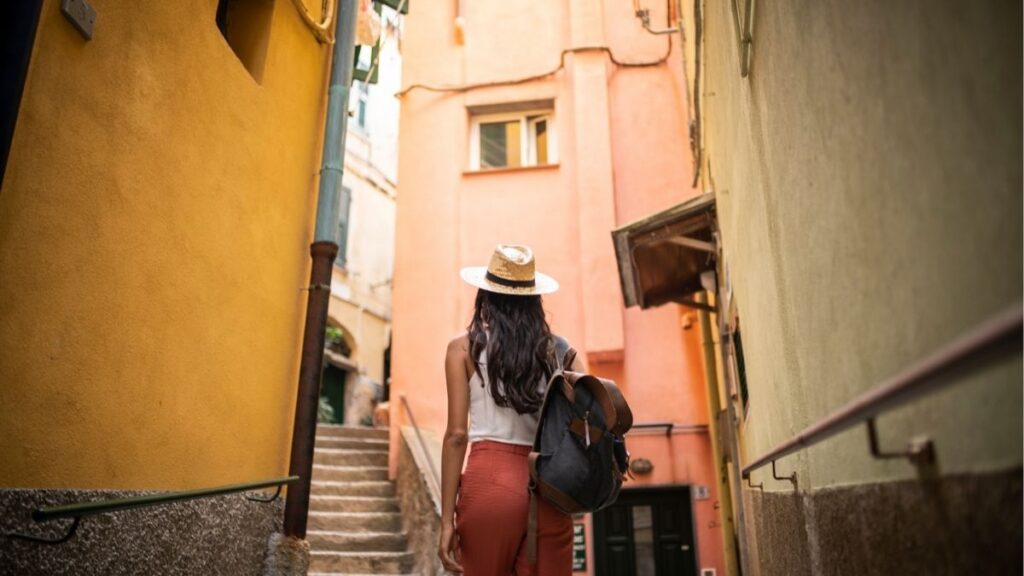
For most visitors, the best time to visit Italy is April to June and September to October. These months provide mild weather that remains comfortable for extended walks and touring. With temperatures ranging from 18 to 26°C and clear skies, you can enjoy cities, countryside, and coast without the heat or crowds of peak summer.
During these months, you encounter fewer tourists at places like the Colosseum or the Uffizi Gallery, so the lines are shorter and the hotel and flight prices are friendlier on your wallet. This makes it far easier to savor Rome, Florence, or Venice at your leisure.
Spring and fall are Italy’s shoulder seasons. In May, June, September, and October, you miss the big tour groups and summer frenzy. The weather remains perfect for wandering through vineyards, sampling local fare at open air markets, or participating in regional festivals.
Take, for instance, September, when the entire country celebrates with harvest festivals and food fairs, complemented by wine tastings and seasonal produce in areas such as Tuscany or Piedmont. If you want to get a taste of Italy without the push of summertime crowds, these months are perfect.
If your plans incline towards summer, be aware that July and August are the hottest months. Temperatures regularly rise beyond 32°C, particularly in the south. Cities get crowded, and the blazing sun can make sightseeing tough.
Certain smaller towns even shutter stores for summer vacations. If you’re a fan of winter sports, the Italian Alps boast skiing between December and March. The cold, wet north and shortening days cause some sites to close.
Best Time to Visit Italy by Season (Weather & Crowds)
Italy’s weather and crowd levels vary significantly by season. When organizing your trip, it proves useful to understand what each time of year brings so you can align your travel objectives.
Spring (March–May)
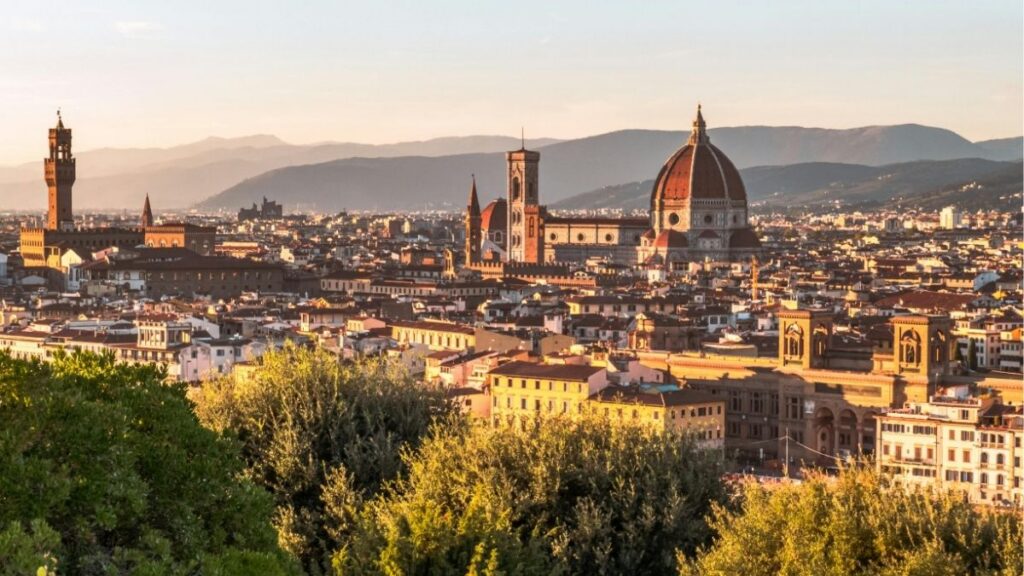
Springtime in Italy brings mild days and cool nights, ranging from daytime temperatures of 15.5°C to 26.5°C (60°F to 80°F). It’s generally a good time if you want to city-hop through Florence and Rome or hike in the countryside.
Tourist attractions aren’t as crowded and you’ll get better prices on hotels and airfare. March and April are particularly delightful should you wish to forgo crowds but still enjoy outdoor cafés and blooming gardens.
Rural areas such as Tuscany come alive in spring, boasting verdant fields and reduced tourist numbers.
Summer (June–August)
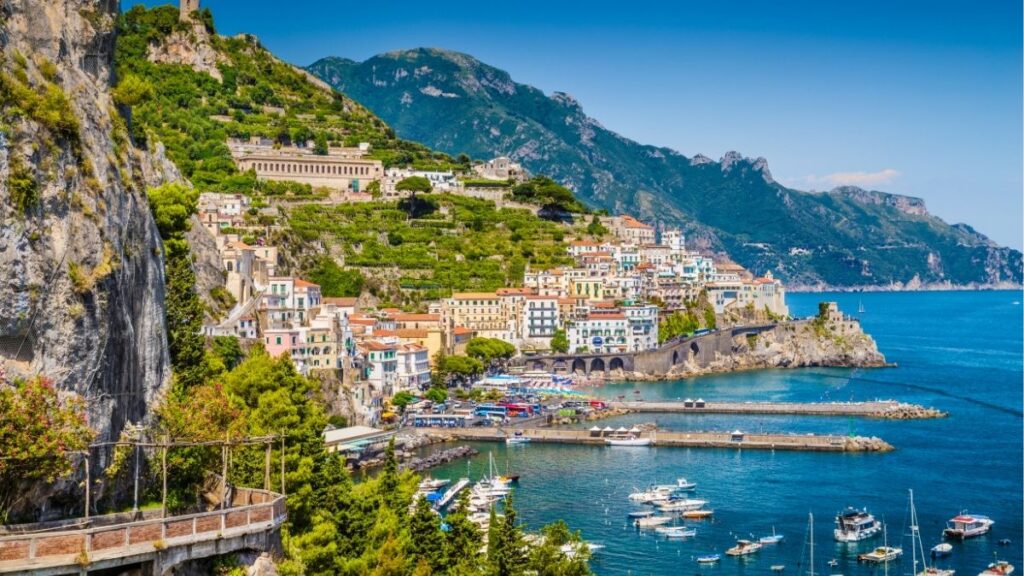
Summer means blazing heat and huge crowds, particularly in July and August. Temperatures frequently climb over 32°C (90°F), particularly in southern areas. This is the busiest season for cities and famous landmarks.
August is when Italians take their holidays, so it can feel even more crowded on the Amalfi Coast or in Venice. If you love beaches, the sea is warm from June to September and festivals populate cities.
You will likely pay more and wait longer in lines.
Autumn (September–October)
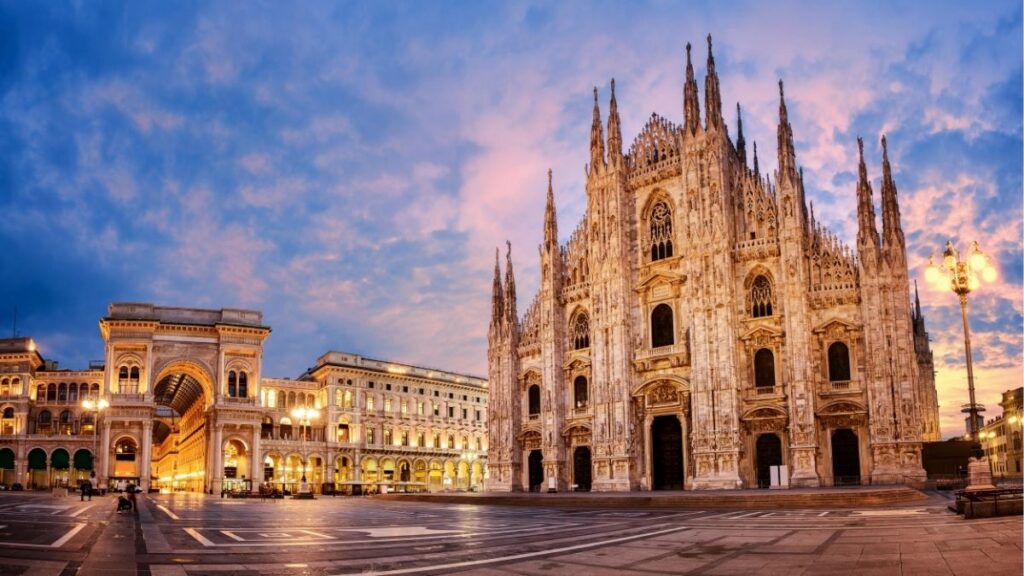
Fall is a travel sweet spot with warm but not hot weather and diminished crowds. Days remain pleasant, similar to spring, with temperatures ranging from 15.5°C to 26.5°C (60°F to 80°F).
Vineyards and farms begin their harvest, so food and wine tours are highly sought after. Cities like Milan and Bologna are buzzing with energy but are not yet packed, and prices begin to come down after the summer rush.
Winter (November–February)
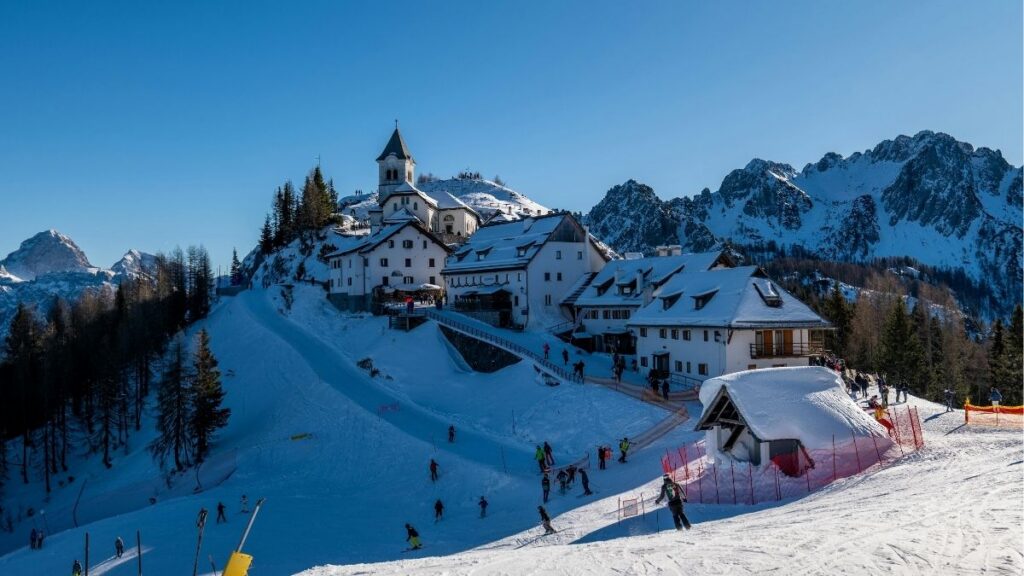
Winter is more tranquil, with chilly days and colder nights. Between November and Easter, big cities and southern spots are less crowded. Museums, galleries, and Christmas markets are open, as are the ski resorts of the Alps.
If you like a peaceful getaway and don’t mind the cold, it’s the perfect time to tour the attractions without throngs and frequently for less.
Best Time to Go to Italy Based on Your Travel Style
The best time to go to Italy depends largely on how you plan to travel and what you want to experience. Each season carries its own rhythm, atmosphere, and price, shaping the kind of trip you’ll have.
Sightseeing & cultural trips
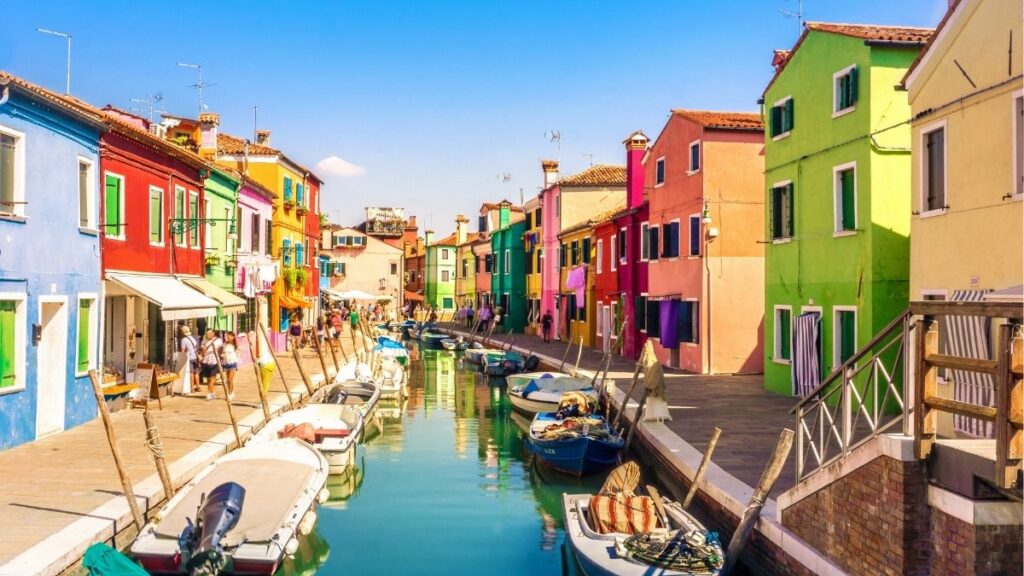
April–May and September–October are ideal for exploring cities like Rome, Florence, and Venice. Temperatures are comfortable, and major attractions are less crowded than in summer. These months offer fresh air and open piazzas perfect for wandering, with museums and landmarks more manageable to visit.
You can soak up local life without the frenzy of high season. Spring and autumn also bring city festivals and art shows, adding a cultural buzz beyond the usual sightseeing.
Beach holidays
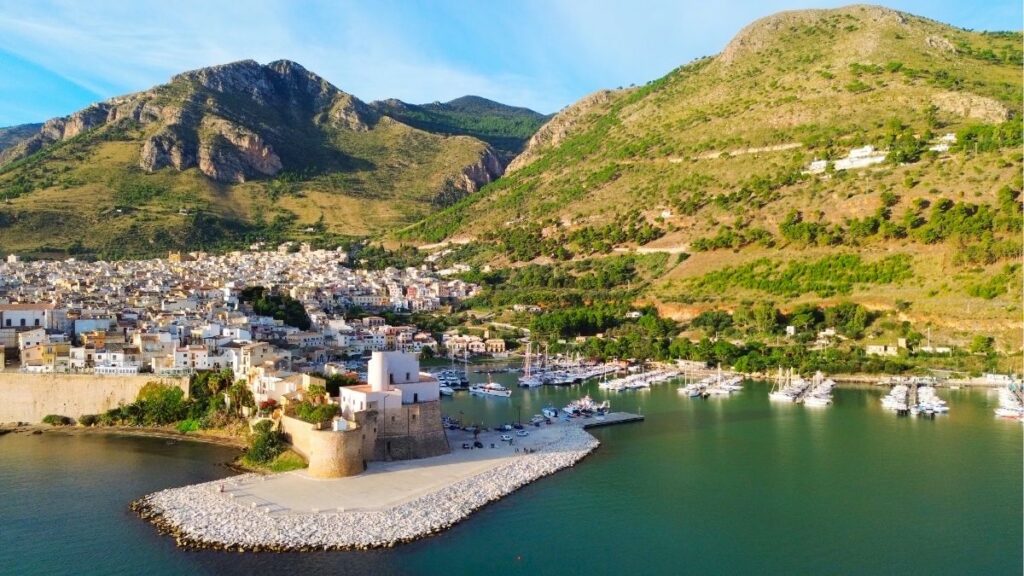
June and September offer warm seas without the intense heat and peak crowds of July and August. Coastal regions like the Amalfi Coast, Sardinia, and Sicily are especially pleasant during these months. Expect water temperatures around 24–28 °C (75–82 °F), ideal for swimming or basking in the sun.
June brings early summer’s lively energy, while September offers the same blue skies but a slower pace and quieter beaches.
Food & wine travel
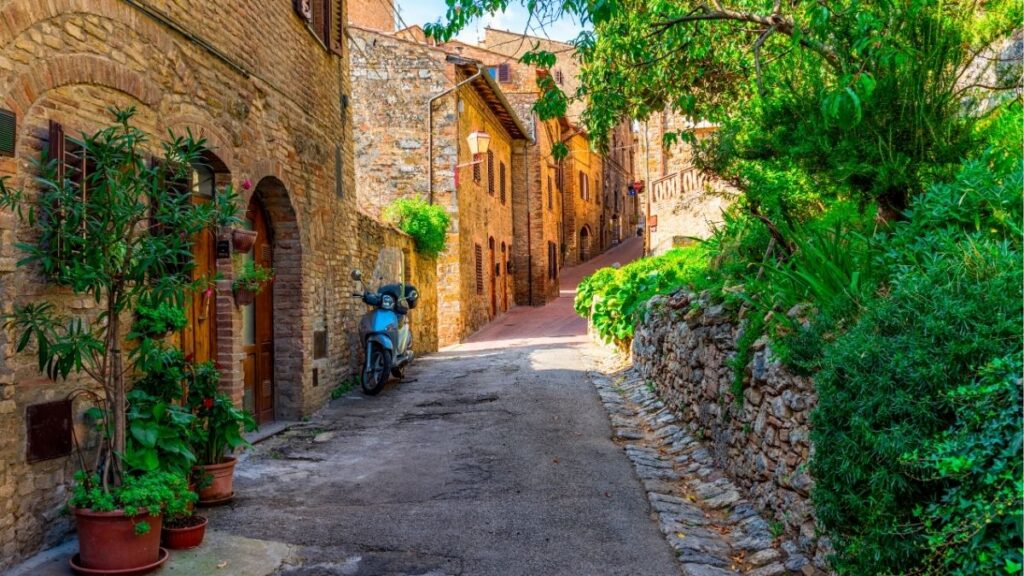
September and October are perfect for culinary travelers, with grape harvests, truffle season, and local food festivals taking place across the country. In regions like Tuscany and Piedmont, it’s harvest time, you can join grape or olive picking, visit vineyards for tastings, or enjoy hearty seasonal dishes as local menus shift toward autumn flavors. The mood is energetic yet pleasantly uncrowded.
Budget travel
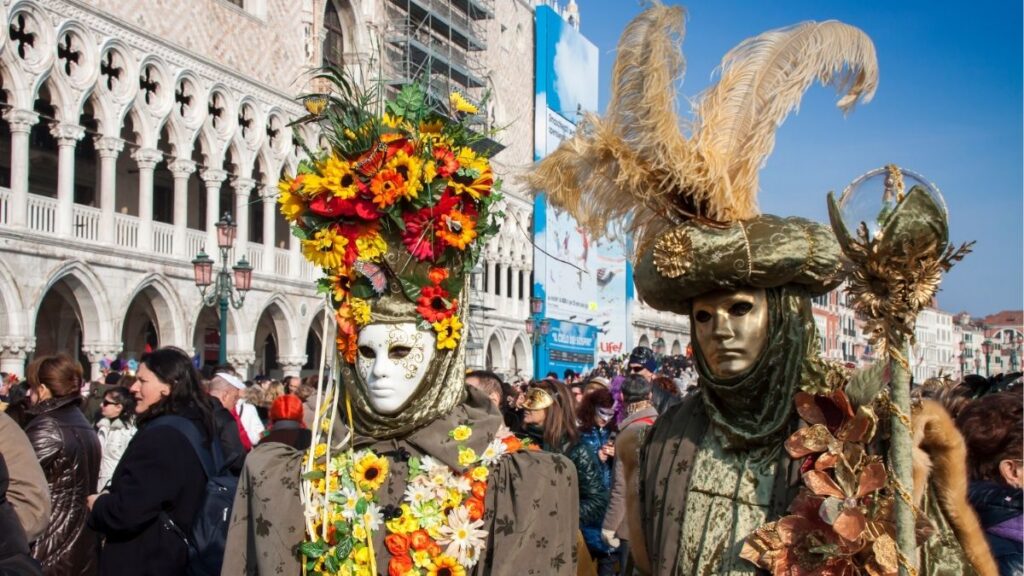
November to March (careful with Christmas and Carnival) is the best time to find cheaper flights and accommodation, particularly in major cities. Prices drop, crowds thin out, and you can explore landmarks at a more relaxed pace. March, in particular, strikes a nice balance: milder weather and few tourists.
Ski and winter sports
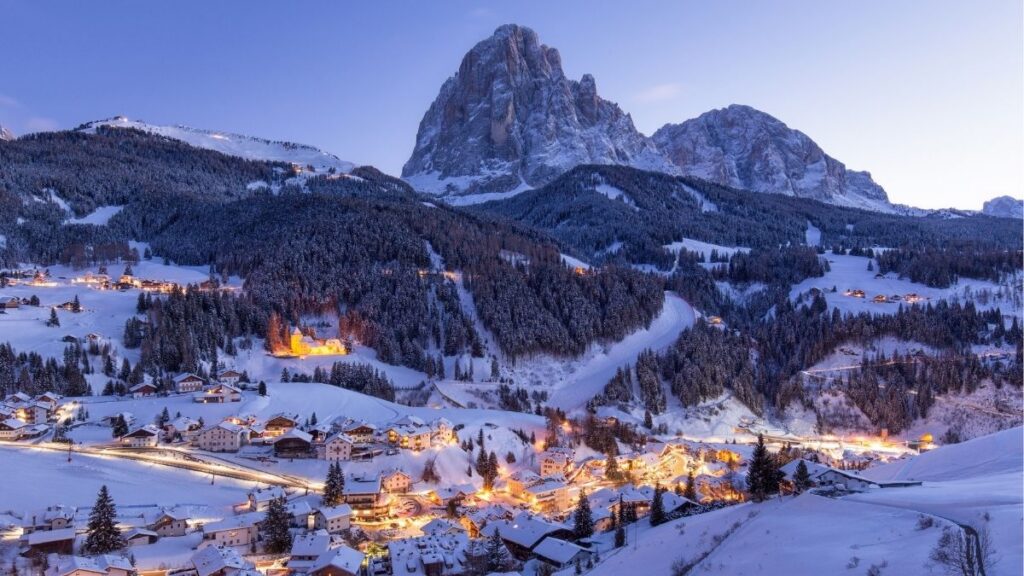
January and February are ideal for skiing in the Italian Alps and Dolomites, with excellent snow conditions and lively mountain resorts. Expect dependable snow, shorter lift lines, and alpine villages in full swing during these peak winter months.
Months to Be Careful About When Visiting Italy
While Italy is worth visiting year-round, some periods may be less comfortable depending on your expectations. Planning around them can help you enjoy a smoother trip and choose the best time to go to Italy for your travel style.
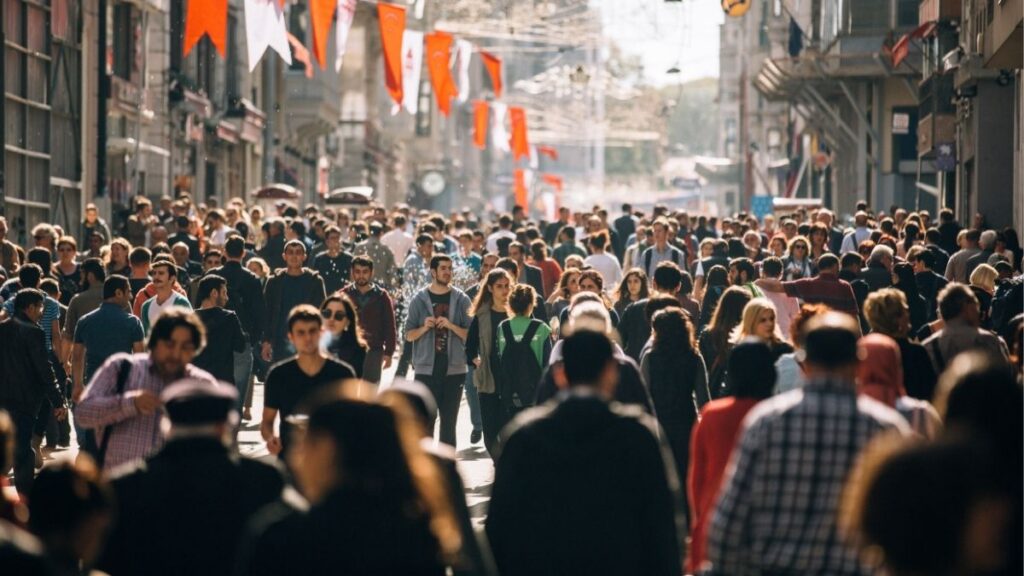
July and August
These are the hottest and busiest months, especially in cities. Temperatures can exceed 35 °C (95 °F). Popular destinations become crowded and more expensive. In places like Rome or Florence, extended heatwaves are common. You might find yourself standing in long lines at major attractions.
In the south, the heat can be even more intense, with only evenings providing some relief. Flight and accommodation prices peak, and the influx of visitors makes sightseeing more tiring.
August (Ferragosto)
Mid-August marks Ferragosto, Italy’s national summer holiday. During this period, many Italians head to the coast or countryside for vacation. As a result, local shops, restaurants, and family-run businesses in small towns may close for several days or even weeks.
Some areas can feel like ghost towns with limited dining or leisure options. In contrast, coastal regions and lakes bustle with both locals and tourists, while large cities keep their tourist-oriented spots open but lose much of their authentic local rhythm.
Winter months in coastal areas
From December to February, beach destinations such as the Amalfi Coast or Cinque Terre quiet down, with cooler weather and fewer services. Many hotels and restaurants close for the season, and transport options can be limited.
However, Italian cities remain lively and culturally rich through winter, offering Christmas markets, festivals, and fewer crowds at major landmarks. Late winter, especially February and early March, brings shorter days and colder temperatures, particularly in northern regions.
Italy Travel Tips
Traveling in Italy is more than just selecting the best month. It means being clever about connectivity, transportation, and weather preparedness. Spring (April through June) and autumn (September through October) are ideal for mild days and smaller crowds. There’s something magical about each season, from skiing in the Alps to the olive harvest in October.
The tips below will help you maximize your visit no matter when you go.
Stay Connected in Italy with Ubigi eSIM
Ubigi eSIM is a SIM which you can configure via an app. They have prepaid data plans for Italy or a Europe-wide plan if you’re crossing borders. This means no more hunting down a local SIM card when you arrive and no chance of unexpected roaming charges.
You select the plan that fits your journey, from 1 GB for quick visits to more data for extended trips. Ubigi offers a range of data plans designed to fit different travel needs:
- Short city breaks (3GB Italy data plan for 7 days)
- Longer vacations across multiple Italian regions (10GB or a 25GB Italy data plan or an unlimited data plan for 15 or 30 days)
- Multi-country trips within Europe (10GB or 25GB Europe data plan for up to 30 days)
You can choose an Italy-only plan or a Europe plan if your itinerary includes neighboring countries, all with clear validity periods and transparent pricing.
With your Ubigi eSIM, you can access maps, train schedules, and hotel bookings anywhere in the country. This comes in handy whether you’re in a bustling metropolis or a tiny hill town.
Data coverage is fantastic all over Italy, so you won’t have to fret about losing signal when you need it most. This keeps your expenses down and allows you to remain connected to all you require.
Common advices for Italy
If you’re visiting in spring or autumn, book your lodging early. These are peak times, so good rooms go fast. In summer, be an early riser to visit destinations like the Colosseum or Florence’s Duomo. This is the high season, and crowds increase throughout the day.
Pack layers, always. Shoulder seasons can warm up and cool down. If you’re going north in the winter, pack your coat, scarf, and gloves. For the south, the weather is milder, though you’ll still want a jacket in the evenings.
Italy’s weather is never uniform throughout the country. To the north, with its Alps and Dolomites, it is cold enough for skiing. The south remains milder throughout the year. October is for the olive harvest and fewer tourists, which is perfect for a quieter trip.
In August, prepare for many local shops and restaurants to close, as it is a big holiday month.
A few premier attractions, such as the Trevi Fountain and Pantheon, are free. Museums can be free on the first Sunday of every month, so take that into consideration and check for these days to save money.
Conclusion
To discover the best time to go to Italy, consider what you desire most from your visit.
Looking for mild days and smaller crowds? Spring and autumn seem tranquil and luminous.
Like sunshine and bustling cities? Summer means noise and days that stretch endlessly.
Like cool air and slow streets? Winter does as well, with warm cafés and open museums. Every corner of Italy presents you with a different landscape, from verdant hills in April to alpine snows in January.
Check for local events, be cautious of big crowds, and consider what you’re looking to see or taste. Plan well by pairing your season with your style.

Frequently Asked Questions
When is the cheapest time to visit Italy?
The best bargains and lowest prices are in winter, from November to March, except holidays. Flights and hotels are typically cheaper and attractions aren’t as packed.
What is the best month to avoid crowds in Italy?
Go in April, May, September, or October. These months provide nice weather and fewer crowds, so you will enjoy sightseeing more.
Which season is best for sightseeing in Italy?
Spring and autumn are perfect for sightseeing. The weather is mild and cities are less crowded, so you can explore more comfortably and see more.
Is summer a good time to visit Italy?
Summer (June to August) is hot and crowded, particularly in tourist spots. If you like fewer crowds and cooler weather, try other seasons.
Are there any months to avoid due to weather?
August can be sweltering and it’s when many Italians themselves go on holiday. Certain businesses might close. Winter aside from the Alps for skiing can be chilly and wet.
When is the best time for food lovers to visit Italy?
Autumn, September to November, is divine for gourmands. Experience local harvests, wine festivals, and seasonal dishes throughout the country.
What is the best time for beach holidays in Italy?
June and September are the best months for beach vacations. These months provide warm weather with fewer crowds than the height of summer, which gives you a more leisurely experience.








 How to check eSIM compatibility
 How to check carrier unlocking