


Key Takeaways
- The Biggest Marathons in the World go beyond finishers. Prestige, crowd support, international participation, elite fields, media attention, and citywide impact also matter.
- New York, London, Berlin, Chicago, Boston, Tokyo, Sydney, and Cape Town are among the top marathons in the world.
- If you want a fast course, consider Berlin or Chicago. Boston and New York stand out for their history and international reputation.
- Organize your entry early, whether through qualifiers, lotteries, charity places, or tour operators. Plan flights, accommodation, transportation, and training well in advance.
- Prepare for logistical and environmental challenges, including crowded transportation, changing weather, race-day restrictions, and sustainability measures.
- Stay connected overseas with a reliable eSIM data plan like Ubigi for directions, race updates, transportation, and communicating with your supporters.

Introduction
The biggest marathons in the world attract tens of thousands of runners, enormous crowds, and international attention. But size isn’t only about the number of people crossing the finish line.
Prestige, course history, elite competition, media coverage, and a marathon’s impact on its host city also matter. Some races are famous for record-breaking courses, while others stand out for their atmosphere, landmarks, or demanding qualification standards.
From New York and London to Tokyo and Sydney, this guide explores some of the largest marathons in the world. You’ll also find emerging races and practical advice for planning an international marathon trip.
Define Size Beyond Numbers

What makes a marathon one of the world’s biggest? Finisher numbers are an obvious starting point, but they don’t tell the whole story.
International participation, spectator support, elite fields, media coverage, and cultural significance can transform a city race into a global event. Major races also affect hotels, public transportation, local businesses, charities, and tourism.
Membership in the Abbott World Marathon Majors further increases international visibility. Major status attracts elite runners, sponsors, international participants, and significant media attention.
Charity fundraising and community involvement matter too. Large expos, citywide celebrations, volunteer programs, and accessible entry options can make a marathon important far beyond race day.
For runners, the definition of “big” ultimately depends on what matters most. You may prioritize the number of participants, a prestigious history, a fast course, or an unforgettable crowd.
Biggest Marathons in the World
These famous races combine large fields with distinctive courses, traditions, and international appeal.
- New York City — around 59,830 finishers
- London — enormous demand and record-breaking participation
- Berlin — renowned for its fast course and world records
- Chicago — 54,351 finishers in 2025
- Boston — the world’s oldest annual marathon
- Tokyo — a major Asian marathon with a field capped at 37,500
- Sydney — around 33,000 finishers
- Cape Town — a leading African destination marathon
1. New York City

The TCS New York City Marathon turns 42.195 kilometers into a tour of all five boroughs. Starting on Staten Island, runners continue through Brooklyn, Queens, the Bronx, and Manhattan before finishing in Central Park.
Huge roadside crowds and participants from more than 140 countries give the race its distinctive international atmosphere. With around 200,000 applications, securing a place can be almost as challenging as preparing for race day.
2. London
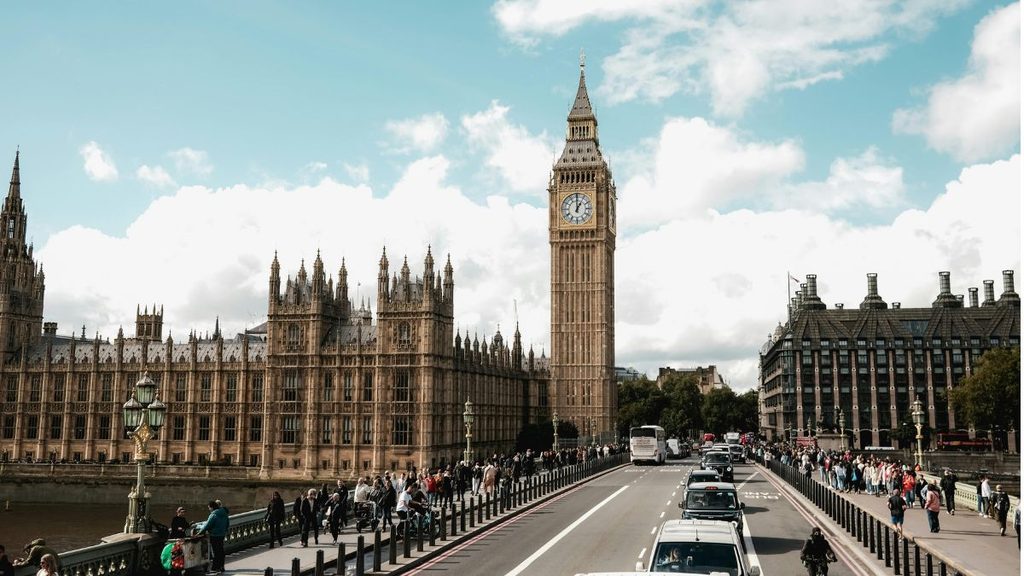
The TCS London Marathon combines a world-famous city route with elite competition and enormous public support. Runners follow the Thames and pass landmarks such as Tower Bridge before finishing near Buckingham Palace.
Charity fundraising has long been central to the event, adding another dimension to its mass participation. Demand for places is extremely high, making early research into ballot, qualifying, and charity entries essential.
3. Berlin
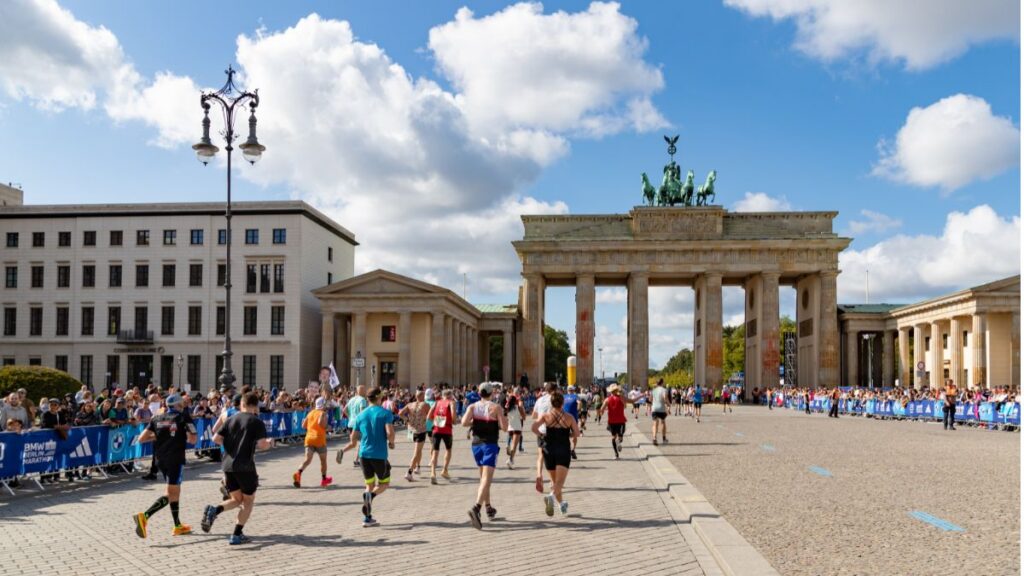
The BMW Berlin Marathon is synonymous with speed. Its flat profile and typically favorable late-September conditions have made the German capital a favorite for elite athletes and runners chasing personal bests.
The course also turns central Berlin into a running celebration, with music and enthusiastic crowds lining the streets. Eliud Kipchoge’s 2:01:09 performance further strengthened Berlin’s reputation as one of the world’s fastest marathon courses.
4. Chicago
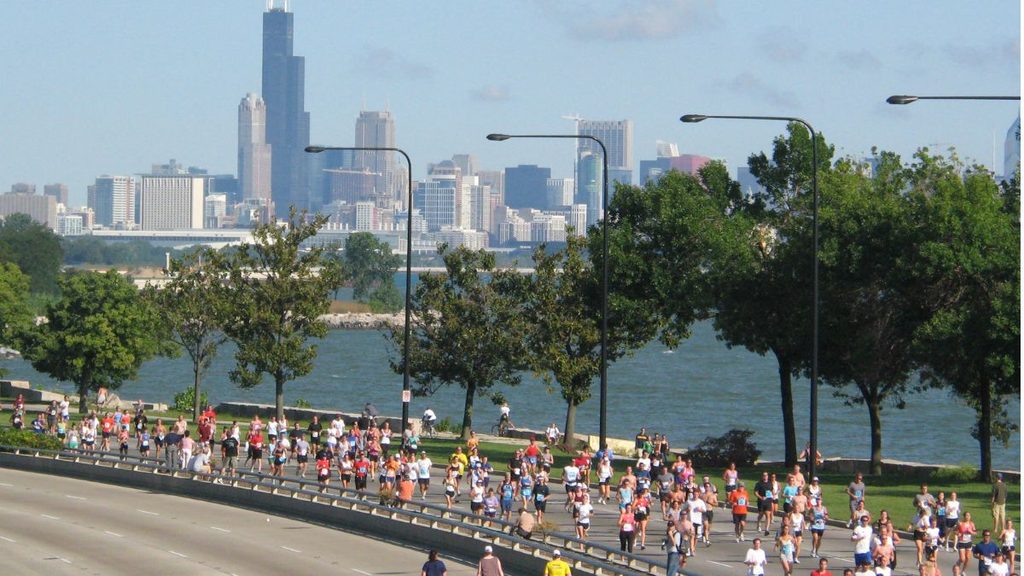
The Bank of America Chicago Marathon combines speed with a tour through one of America’s great running cities. Its flat course passes through numerous neighborhoods and sections near Lake Michigan.
The race recorded 54,351 finishers in 2025 from around 160,000 applicants. Large crowds, a diverse field, and favorable terrain make Chicago particularly appealing to runners hoping to combine a major-city experience with a personal-best attempt.
5. Boston

First held in 1897, the Boston Marathon is the world’s oldest annual marathon and one of running’s most historic events. Its demanding qualifying standards make simply earning a place an achievement for many participants.
The point-to-point course presents its own challenges, including the famous Heartbreak Hill and unpredictable New England weather. History, tradition, and a knowledgeable running crowd give Boston an atmosphere quite different from newer mass-participation races.
6. Tokyo
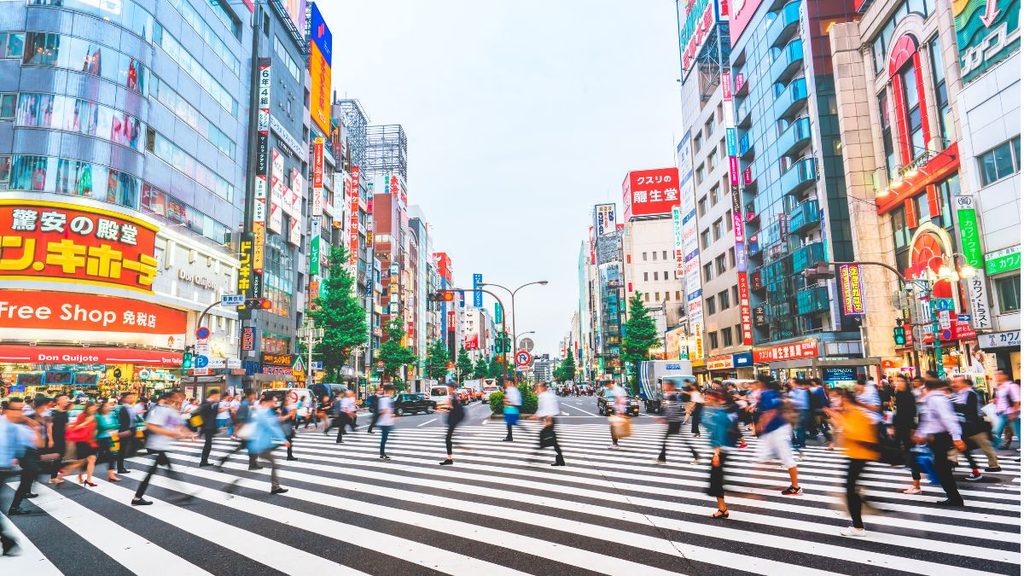
The Tokyo Marathon brings a major international running event to the heart of one of Asia’s most exciting cities. Its route combines Tokyo’s contemporary skyline with glimpses of the city’s historic character.
The field is limited to around 37,500 runners, while high demand makes lottery entry competitive. Since joining the World Marathon Majors in 2013, Tokyo has developed into an important destination for runners seeking both a major race and a Japanese city break.
7. Sydney
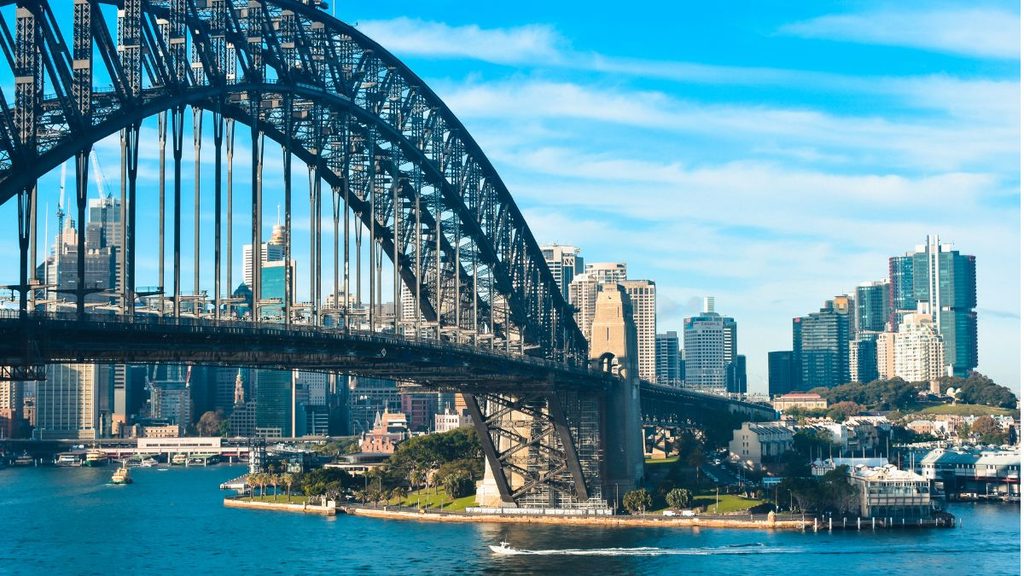
The Sydney Marathon pairs long-distance running with some of Australia’s most recognizable scenery. Its route showcases landmarks including Sydney Harbour Bridge and the Opera House, creating plenty of memorable moments along the way.
In 2025, the race attracted more than 79,000 applications and around 33,000 finishers. A wider weekend of running events adds to the festival atmosphere and makes Sydney especially appealing for an active vacation.
8. Cape Town
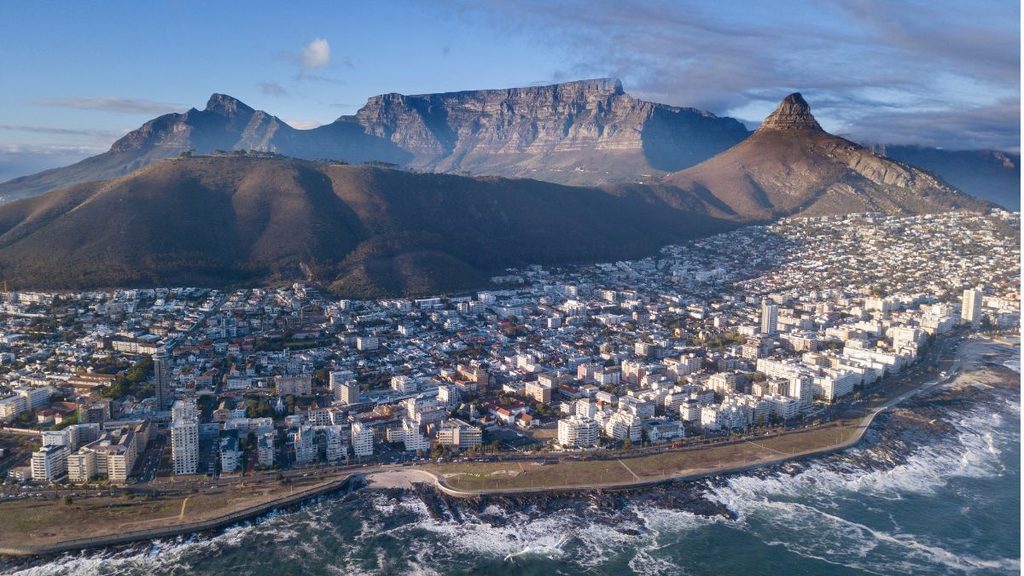
The Sanlam Cape Town Marathon stands out for its spectacular South African setting. Runners experience a city course framed by Table Mountain and coastal scenery, giving the event a strong destination-race identity.
Community and sustainability initiatives also form part of the marathon’s character. For international runners, Cape Town offers the opportunity to combine a major running challenge with one of Africa’s most distinctive urban and natural landscapes.
Emerging Largest Running Events
Not every major running event has the profile of New York or London. Several races continue to grow in participation and international reputation.
Manchester, Honolulu, Los Angeles, and the Marine Corps Marathon offer very different experiences. Manchester attracts competitive runners with its fast course, while Honolulu is known for its relaxed atmosphere and lack of a cutoff time.
Los Angeles combines a large field with famous city landmarks. The Marine Corps Marathon emphasizes community and military tradition rather than elite prize money.
| Event | Approx. finishers | Location | Special characteristic |
|---|---|---|---|
| Manchester Marathon | 20,000–30,000 | UK | Fast course, European draw |
| Honolulu Marathon | 25,000+ | Hawaii, USA | No cutoff time, tourist appeal |
| Los Angeles Marathon | 20,000–25,000 | California, USA | Iconic urban route |
| Marine Corps Marathon | 30,000+ | Washington, D.C., USA | Strong community focus |
Other mass-running events demonstrate that scale can take many forms. The Great Ethiopian Run, for example, attracts more than 40,000 participants.
These events may not always rival the biggest marathon majors in international recognition. However, they demonstrate how participation, destination appeal, and community involvement continue to reshape the global running calendar.
Top Marathons International Preparation
Running a major marathon abroad requires more than following a training plan. Travel, entry requirements, weather, and race logistics can all affect your experience.
Travel Logistics Checklist
Book flights and accommodation early, particularly for highly popular races. Arriving several days before race day can give you time to adjust to the destination and recover from your journey.
Choose accommodation near reliable transportation, and research airport transfers and race-day shuttle arrangements.
Download local transit apps and save important directions offline. Keep your passport, visa if required, travel insurance, race confirmation, and emergency contacts accessible.
Entry Methods and Requirements
Research the registration process before making non-refundable travel arrangements.
Major marathons use different combinations of qualifying times, lotteries, charity entries, and tour operators. Boston is particularly associated with qualifying standards, while London and New York offer multiple entry routes.
Registration windows can open well before race day. Check deadlines and requirements early, especially when using a charity or tour package.
Climate, Elevation, and Course
Research typical weather, elevation, and course conditions before adapting your training.
Berlin and Chicago are known for relatively flat courses. Boston presents more rolling terrain, while New York includes several bridges.
Train for the conditions you’re likely to encounter and prepare your race-day clothing accordingly.
Training and Mental Preparation
Build your schedule around long runs, speed sessions, recovery, and cross-training where appropriate.
Use training runs to practice your race-day nutrition, hydration, pacing, clothing, and equipment. This reduces the number of surprises you need to manage during the marathon itself.
Connect with Ubigi Abroad

Reliable mobile data can simplify an international marathon trip. You’ll likely need your phone for navigation, public transportation, race updates, hotel information, and coordinating with friends or supporters.
With a Ubigi eSIM, you can install your eSIM before departure directly from the app and choose a data plan for your destination without replacing your physical SIM. This can make it easier to navigate to bib collection, check transportation changes, and receive last-minute race information.
Ubigi offers connectivity in 200+ destinations, which is particularly convenient when combining several races or countries in one trip. Before traveling, check that your device is eSIM-compatible and unlocked, then choose a plan suited to your expected data usage.
Conclusion
The biggest marathons in the world offer much more than large starting fields. From New York’s five-borough course and Berlin’s reputation for speed to Boston’s history and Tokyo’s international appeal, every race delivers a different experience.
Choosing between the top marathons in the world depends on your priorities. You might be chasing a personal best, trying to qualify for a prestigious event, or simply looking for an unforgettable way to experience a new city.
Once you’ve chosen your race, organize your entry, accommodation, transportation, and training early. Check the expected weather and course profile, and make sure you can access essential travel and race information while abroad.
With careful preparation, an international marathon can become much more than 42.195 kilometers of running. It can also be an opportunity to experience a destination, its crowds, landmarks, and running culture from an entirely different perspective.

Frequently Asked Questions
What defines the “biggest” marathon beyond participant numbers?
“Biggest” can refer to spectator turnout, elite fields, international participation, media coverage, course prestige, and economic impact. Finisher numbers are only one way to compare major races.
Which marathons have the largest finishers globally?
New York City, London, Berlin, Chicago, Boston, and Tokyo are among the biggest marathons in the world by participation and international recognition. Field sizes can vary from year to year.
How can I prepare for an international big-city marathon?
Follow a structured training plan and practice your race-day nutrition and pacing. Organize flights, accommodation, transportation, documents, and race registration early. Give yourself enough time to adjust to your destination before race day.
What emerging races should I watch as they grow?
Manchester, Honolulu, Los Angeles, and the Marine Corps Marathon all attract significant fields. They offer different advantages, including fast courses, accessible participation, destination appeal, and strong community involvement.
What modern challenges could affect big marathons?
Crowd management, security, weather, transportation, sustainability requirements, and changing registration procedures can all affect major races. Check official race information regularly as your event approaches.
How do elite fields impact race size and prestige?
Leading elite runners attract media coverage, spectators, and international attention. Their participation can also contribute to record attempts and increase the global profile of a marathon.
How can Ubigi help when you travel to a marathon abroad?
A Ubigi eSIM provides mobile data without requiring you to replace your physical SIM. You can use your connection for maps, transportation, race information, and other travel needs while abroad.








 How to check eSIM compatibility
 How to check carrier unlocking