


Key Takeaways
- You can enjoy the Harbin Ice and Snow Festival’s renowned ice sculptures, snow art, and cultural events every winter in Harbin, China. Thanks to this “China Ice Festival Harbin” article, you will learn all the good tips!
- Confirm the festival’s exact dates and be sure to arrange travel, tickets, and accommodations in advance to maximize your experience.
- Wear multiple layers and pack thermals, insulated jackets, waterproof boots and heat packs to keep safe at –30°C.
- Discover headline experiences including Ice and Snow World, Sun Island Snow Sculpture Park, and Zhaolin Park which offer a range of thrill levels, from ginormous castles to classic ice lanterns.
- Leverage mobile payments, translator apps, and possibly even an eSIM like Ubigi for consistent connectivity and smoother travels in China.
- Get the rundown on local customs, public transport, and safety tips so you have a smooth, enjoyable festival adventure no matter who you are or how much you’ve traveled.
Introduction
Harbin Ice Snow is the legendary winter spectacle in Harbin, China. It features massive ice sculptures and snow-covered gardens that attract visitors globally.
You witness streets of transparent ice blocks, shimmering lights, and snowy masterpieces. It transforms the city into a frozen wonderland season after season.
Harbin Ice Snow is one of the world’s largest ice and snow festivals. If you want to know what makes it special, discover useful facts below.

What is the Harbin Ice and Snow Festival?
So what exactly is the Harbin Ice and Snow Festival? It’s an annual event that takes place in Harbin, a city in Northeast China with bitterly cold winters. One of the world’s biggest ice and snow festivals, it attracts millions of visitors annually. Its origins trace back to Harbin’s classic ice lantern show and winter garden party in 1963.
The festival was interrupted by the Cultural Revolution. It has since exploded in size and popularity. It runs from late December to late February with the main displays open from Christmas until mid-February.
Discover the annual Harbin Ice Festival, one of the largest ice and snow festivals in the world.
You’ll discover the festival across a number of locations in Harbin, adorning parks and open spaces with enormous statues and themed exhibitions. Blocks of ice, sliced from the frozen Songhua River, are piled into buildings, bridges, and even recreations of world landmarks.
One of the most impressive aspects of the festival is its scale. Some of the sculptures tower over 20 meters high and cover an area of up to 600,000 square meters.
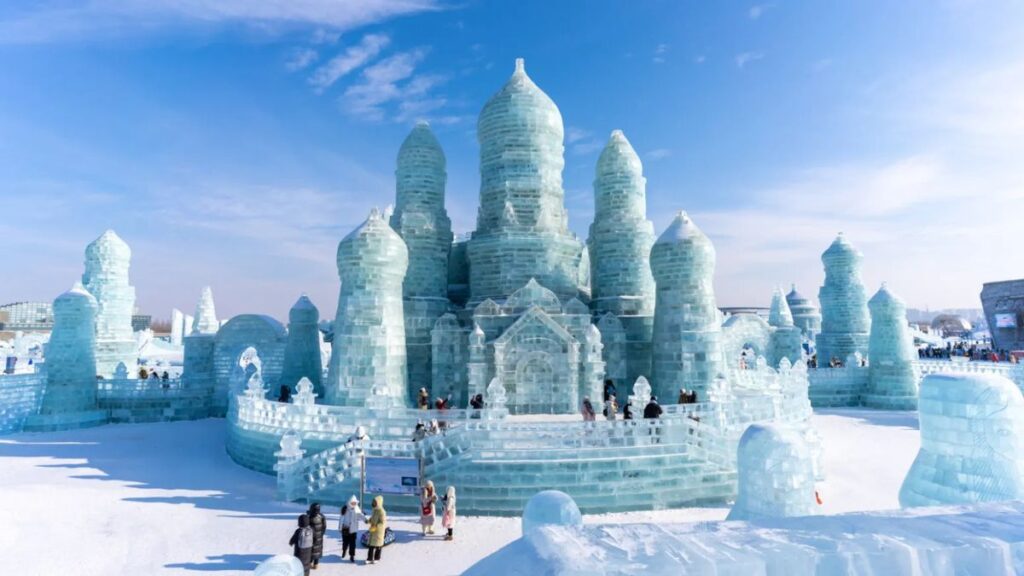
Experience breathtaking ice sculptures and intricate designs created by talented artists from around the globe.
International artists come to the festival annually, demonstrating artistry and ingenuity in their creations. See realistic animals, iconic skylines and even fairy tale scenes crafted from translucent ice.
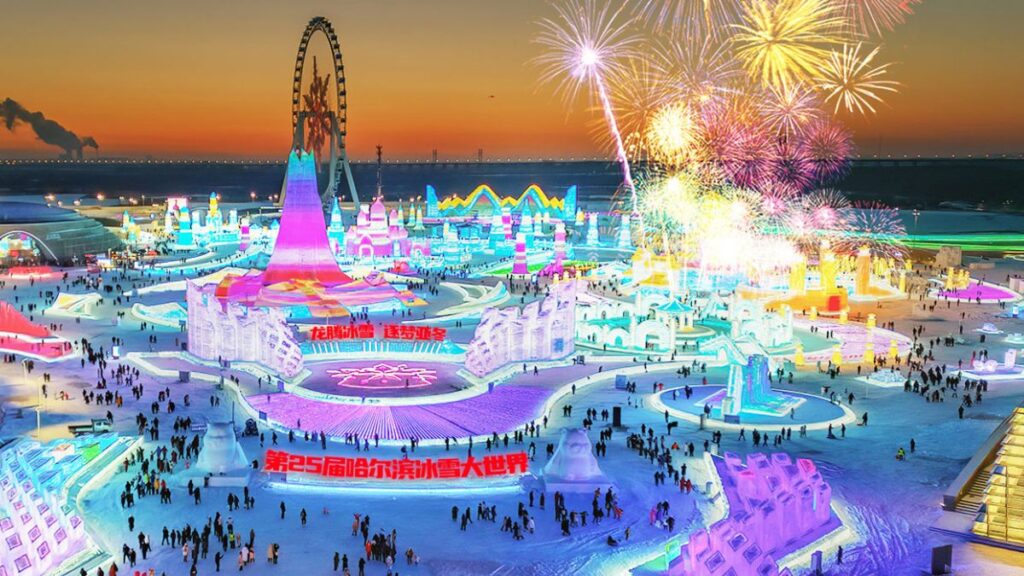
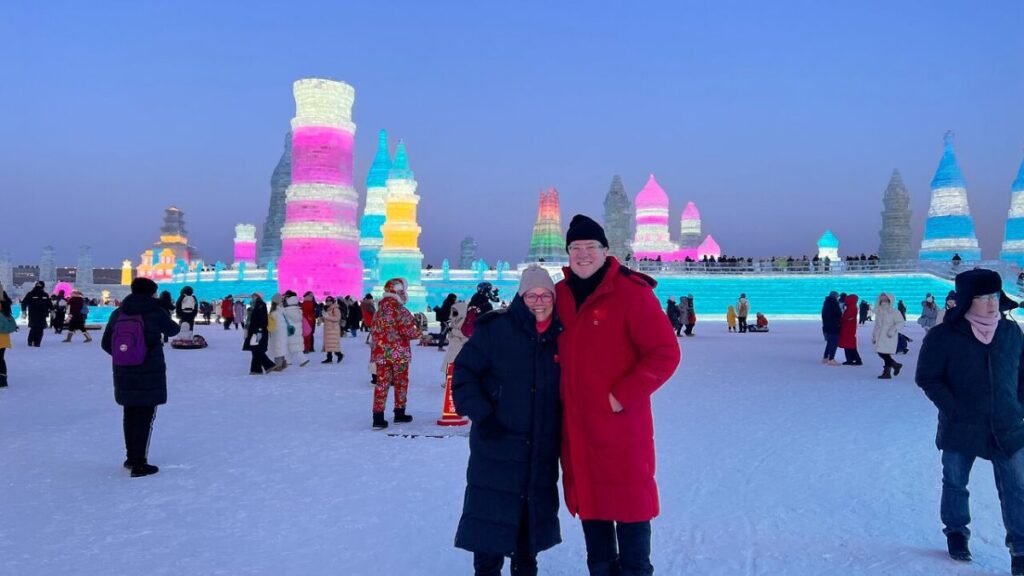
When night falls, colored lights nestled inside the sculptures make the entire park glow in surreal ways, adding another dimension to the visual feast.
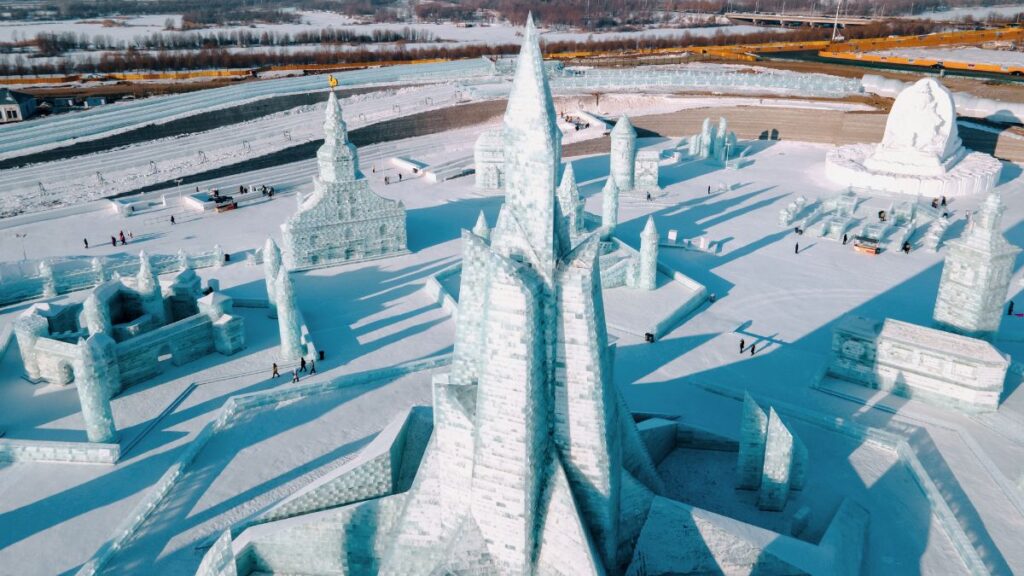
Enjoy various activities such as ice slides, snow sculpture competitions, and interactive ice games.
Apart from strolling through the sculptures, you can participate in ice slides, winter swimming, interactive games, and more. There are snow sculpture contests where teams battle to build the most intricate designs.
A few sites even hold group wedding ceremonies, making it a romantic destination for couples.
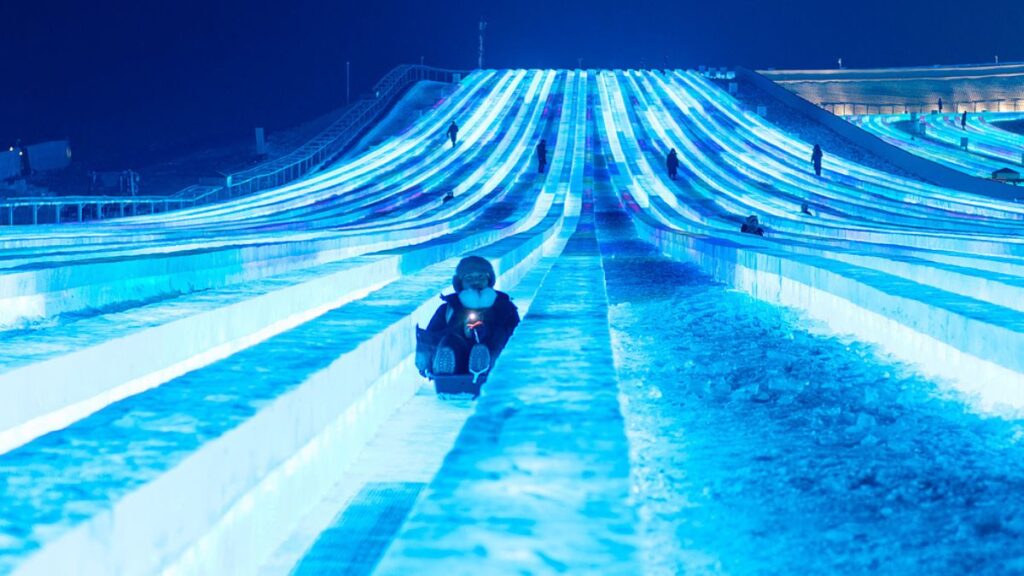
Attend the official opening ceremony to witness spectacular performances and the lighting of the ice lanterns.
The opening night of the Harbin Ice and Snow Festival includes live performances featuring music, dance, and a spectacular fireworks display. The initial lighting of the ice lanterns marks the official start of the festival.
The opening ceremony, typically held on January 5th, kicks off the event with a grand celebration, drawing visitors to enjoy the remarkable ice castles and light shows that continue through the winter season.
When and Where to Go
Festival Overview and Timing
Harbin is located in China’s Heilongjiang Province, infamous for brutally cold winter and deep snow. The city’s Ice and Snow festival is a global attraction, with ice carvings, illuminated lanterns, and snow sculptures everywhere. If you want it in all its glory, shoot for December until mid-February.
Christmas is a good time to beat the crowds and see it first. Ice and snow sculptures remain until March or April, but the majority shut down by late February, so verify dates before booking.
The main sites are dispersed. Zhaolin Park houses the Ice Lantern Fair, ideal for families and detail-oriented visitors. Sun Island International Snow Sculpture Art Expo displays massive, intricate snow creations.
Practical Visitor Information
The largest attraction is Ice and Snow World, featuring majestic ice castles, slides, and light shows. This one opens from 8 AM to 4 PM, and all takes about 2 to 3 hours. For the best night views, get in before 2 PM, then come back after 8 PM.
This lets you view the day and night looks and steer clear of the largest crowds. Sculptures appear in other areas of the city as well. The Songhua River area is a nice walk. Ice and Snow World tickets price in the 330 to 400 CNY (45 to 55 USD) per adult range, less for Zhaolin Park and Sun Island. Budget 60 to 120 CNY (8 to 16 USD) per day for food. Anticipate local transport or taxis to add an additional 50 to 80 CNY (7 to 11 USD) a day.
A mid-range trip, with hotel, food, and tickets, will run about 1,200 to 1,800 CNY (165 to 250 USD) per day. Book early if you want the nicest rooms or festival dates because they fill up fast in high season.
Don’t stay more than four hours at each main location, particularly after dark, for the cold.
Top Attractions & Experiences at the China Ice Festival Harbin
You’ll discover the Harbin Ice and Snow Festival is so much more than your typical winter festival. This annual congregation delivers world record sculptures, stunning art, and local culture in an accessible and inspiring way.
The festival features massive ice castles, intricate ice sculptures, and snow creations across multiple venues including Ice and Snow World, Sun Island, and Zhaolin Park.
4.1 Ice and Snow World
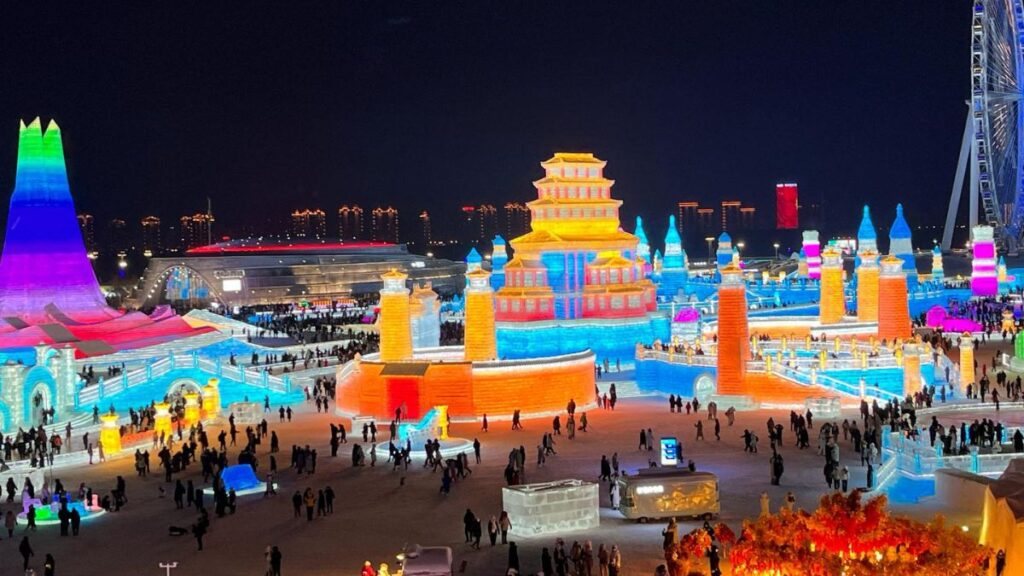
This is the primary attraction. Ice and Snow World spans more than 600,000 square meters. It is packed with huge palaces, slides, and castles constructed from blocks of ice cut from the Songhua River with saws and picks.
Every year, you will find over 100 landmarks, including replicas of world icons such as the Great Sphinx of Giza. At night, everything comes alive with color and animation in LED shows. Explore glowing tunnels, tower climbing, and interactive photo displays.
The sculptures change every day so that each visit feels new.
4.2 Sun Island Snow Sculpture Park
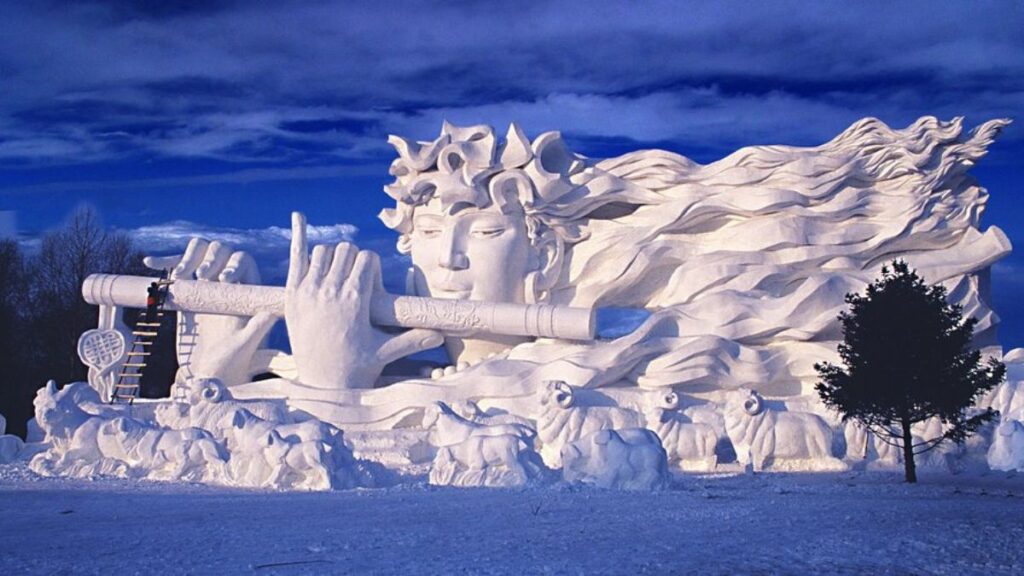
Sun Island has some of the biggest snow carvings you’ll ever see. In previous years, one sculpture measured 250 meters long and 8.5 meters high, with more than 13,000 cubic meters of snow, earning it a Guinness World Record.
Artists from across the globe participate and the themes change annually, blending pop culture with imaginative designs. Think abstract art as well as intricate figures from snow.
This section of the festival is more artsy than exhilarating. You stroll at your own speed, take in the intricacies and absorb the global inspiration in the structures.
4.3 Zhaolin Park Ice Lantern Garden
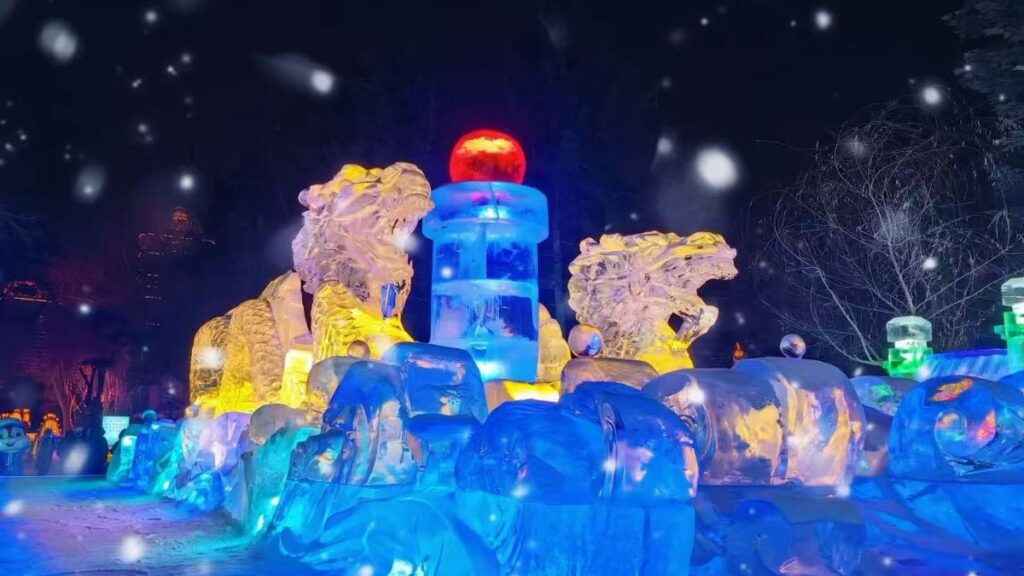
Zhaolin Park is the festival’s original home, established in 1985. Our favorite is the lantern garden for its traditional Chinese ice lanterns, which are bright and colorful and shaped like animals, pagodas, or folk symbols.
You’ll find a quieter, more local vibe here, particularly in the evenings as families wander through the illuminated walkways. The park is less crowded than some other venues, but it has a cozy and welcoming vibe.
Great if you’re with kids or want a less hectic, more zen experience.
4.4 Cultural Activities and Local Experiences
Ice swimming is possible, although the water is often below freezing. You get a glimpse at local wildlife in the Siberian tiger park. Winter sports vary from ice skating to sledding.
Harbin’s Russian-style buildings and cuisine, such as smoked sausage or borscht, provide a feel of the city’s diverse cultural background. Some years there are mass weddings and ice sport games for visitors.
5. Must-Know Practical Information
Harbin’s winter festival is world class. The cold is brutal and logistics are essential to a pleasant visit. Equip yourself with the actionable tips below to help your trip go as seamlessly and safely as possible.
5.1 How to Get to Harbin
The most convenient way is to fly into Harbin Taiping International Airport, which is served by direct flights from most major Chinese cities and several international hubs. High-speed trains link Harbin with Beijing and Shenyang, making rail travel a powerful choice to experience other parts of China en route.
On the ground, taxis and shuttles connect the airport, approximately 35 kilometers from the city center, to downtown. There is no metro line from the airport, so plan for a 40 to 60 minute ride, depending on traffic.
Airport shuttle buses run frequently and are a budget-friendly option, costing around 20 RMB for a trip lasting about an hour. Taxis are faster and more convenient but cost more, roughly ¥100–¥150 ($14–$21). Pre-booked private transfers and ride-hailing services are also available for convenience.

5.2 Weather & What to Expect
Harbin winter is bitterly cold, typically –30°C or lower at night. Wind chill can make it feel even colder. Frostbite is a legit danger if you leave skin exposed too long, so keep hands, nose, and ears covered.
Pack hand warmers, sneak away for breaks inside, and keep drinking water. It’s easy to get dehydrated in the dry air! Most of the festival activities are outside. Expect to spend a minimum of 1.5 hours on the grounds, but allocate 3-4 hours if you want to take advantage of ice slides, ice biking, or shows.

5.3 What to Wear to the Harbin Ice and Snow Festival
Dress with a layering system: start with thermal underwear, add a fleece or woollayer, then finish with an insulated and windproof jacket. Insulated boots with thick socks, waterproof winter boots with good grip.
Essential gear includes:
- Thermal tops and bottoms
- Insulated jacket and pants
- Waterproof boots
- Wool or fleece hat
- Touchscreen gloves
- Scarf or neck gaiter
- Hand and foot warmers
Guard your phone and camera batteries against the cold with inner pockets and spares. For less crowded photos, shoot for 8 to 9 PM.
5.4 Where to Stay in Harbin
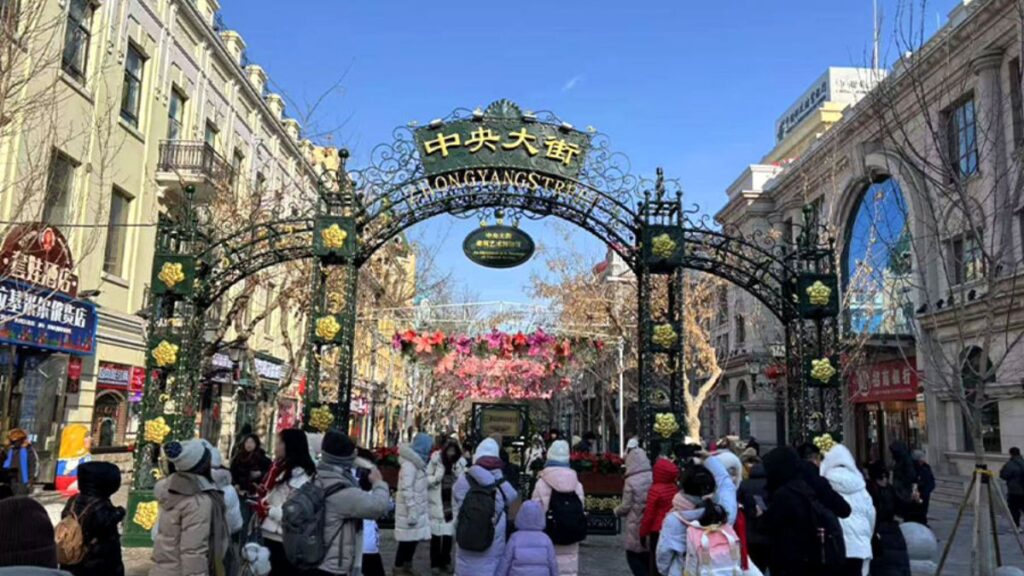
Daoli District, particularly around ZhongYang Pedestrian Street, is within walking distance to Saint Sophia Cathedral, Zhaolin Park, and most restaurants. International hotels offer more amenities while boutique stays provide local character.
Proximity to festival venues saves on transport and lets you warm up at your hotel when needed. Book early, rooms fill up fast during festival season.
6. Travel Tips for China
If you’re planning to witness Harbin’s ice and snow, there are a few basics you need to know for a smooth trip. China’s winter can be brutal and travel arrangements may not be what you’re accustomed to. These tips will help you get around safely and make the most of your visit.
General advice for first-time visitors
Verify visa rules for your own country prior to flying to China. Entry policies change, so apply early for your visa. Bring both printed and digital copies of documents for peace of mind.
CRUCIAL : most payments in China use Alipay or WeChat Pay, not credit cards. Download these apps beforehand and link a foreigner-friendly payment method. Cash works in some spots, but not everywhere.
China’s public transport is extensive: trains, metros, and buses are speedy and inexpensive. Taxis and ride apps like Didi work well in Harbin. Map apps such as Baidu outperform Google in China.
Few locals speak English outside big hotels, use translation apps for signage. Learn basics like “hello,” “thank you,” and numbers.
Honor local traditions. Peak times like New Year’s and Spring Festival bring huge crowds. Wear layers with a waist-length down coat, gloves, and hat, cover up fully for colder evenings at Harbin Ice and Snow World. Watch for icy sidewalks, use handrails, and guard belongings in crowds.

Planning Your Travel Connectivity in China with Ubigi eSIM
You need good mobile data in China for maps, payments, and chatting with family. Most global apps are blocked, but with data you can use a VPN almost anywhere since payment and translation apps need live connections.
Ubigi eSIM provides immediate data on arrival with no airport SIM purchase needed. It saves roaming fees and offers great coverage, even in remote areas like Yabuli Ski Resort. Check if your phone is eSIM compatible on the Ubigi website. Enjoy reliable connectivity from 500 MB for just a few euros.
Purchase your Ubigi eSIM data plan before departure and set it up via a QR code from the website or app. On arrival, activate the eSIM in your device settings. They offer China or all Asia data plans. It will be useful if visiting multiple cities or countries.
Travelers with Ubigi stay connected to book rides, check entry rules, or share photos of ice sculptures whenever needed.

Conclusion
Harbin Ice and Snow Festival brings you a new perspective on winter. Giant ice palaces illuminate the night. Snow sculptures have sharp lines and bright shapes.
You sense the freezing air and the mastery in every ice block. Stroll the broad avenues, sample warm treats, capture images, and encounter people from everywhere. Warm gear comforts you, clear signage guides you, and you discover something new at every turn.
Street food stalls, guesthouses, and local markets make your cash go a long way. Smart travel hacks like Ubigi eSIM and avoiding peak months keep it smooth and stress-free.
Every trip creates genuine memories in a city that can handle snow. If you want a trip that feels fun and safe, put Harbin on your list. Check the dates, book your stay, and prepare for a chill you’ll never forget.
We hope that this “China Ice Festival Harbin” article helped you prepare your adventure!

Frequently Asked Questions
What is the Harbin Ice and Snow Festival?
The Harbin Ice and Snow Festival is a global winter wonderland in Harbin, China. It hosts massive ice statues, snow carvings, and vibrant illuminations. There are ice castles, slides, and theme parks that you can go and explore.
When does the Harbin Ice and Snow Festival take place?
The festival generally runs from early January to late February. The headline attractions open as soon as it’s cold enough, generally from late December. Look at official updates for each year’s precise dates.
Can you visit the festival at night?
Yes, you can go to the festival at night! The ice sculptures are beautifully lit in colorful lights at night. Night visits are extremely popular and create a magical experience for visitors of any age.
How cold does it get in Harbin during the festival?
Harbin’s temperatures during the festival can fall to -20° Celsius or less. Make sure to layer up in thermals, gloves, hats, and solid boots to stay warm and cozy!
What are the top attractions at the Harbin Ice Festival?
Standout features are the gigantic ice castles, snow sculptures, ice slides, and theme parks. There are performances, snow activities, and interactive exhibits. Every year there are new designs and new surprises.
Is the Harbin Ice and Snow Festival family-friendly?
The festival is kid-friendly. It offers entertainment for all ages. Kids love the ice slides and snow playgrounds, and adults love the art and performances.
How do you get to Harbin for the festival?
Harbin is accessible by train, plane, or long distance bus from all the major Chinese cities. Harbin Taiping International Airport handles a number of domestic and overseas flights. Map out your itinerary ahead of time for a hassle-free visit.









 How to check eSIM compatibility
 How to check carrier unlocking