


Key Takeaways
- If you are looking for the “Ultimate Travel Itinerary to the Philippines“, this article is for you!
- You will have a very diverse itinerary in the Philippines, from historical Manila to the white sand of Boracay and the island adventures of Palawan.
- By joining local fiestas, community tourism, and cooking lessons, you immerse yourself in Filipino culture and support local communities.
- Traveling to some of the more unique destinations like Siargao, Coron, and Batanes gives you even more options if you are looking for adventure or have been to the popular places already.
- Taste some of the regional Filipino dishes and visit the local markets to discover the country’s culinary diversity.
- Prepping for the tropics, safety, and a first aid kit will keep your trip running smoothly.
- Something like Ubigi’s eSIM solution can keep you connected for navigation, bookings, and sharing your experiences without high roaming fees.

Introduction
The best place to travel in the Philippines provides you with crystal clear seas, white sand, and welcoming towns. You get places like Palawan with its towering cliffs and blue water or Cebu where you get food, history, and convenient island hopping.
Everywhere has cute boutiques, local cuisine, and simple transportation. To assist you in determining what suits your itinerary, below you’ll find the top selections and what makes each one time-worthy.
Day-to-day Travel Itinerary
From city sights to island escapes, they’ve got you covered with this day-to-day travel itinerary. It’s perfect for those who love a bit of culture and a bit of nature, with hotel choices to fit every taste and budget.
Day 1–2: Explore Manila
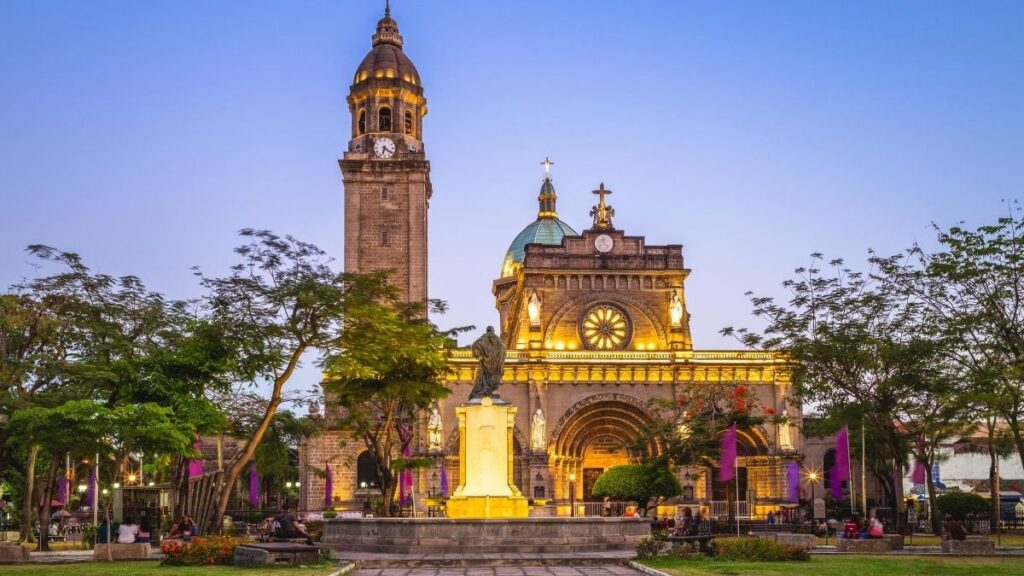
Begin your journey in the lively capital of the Philippines, a city where centuries of history blend with modern urban energy. One of the best places to start is the historic district of Intramuros, often called the “Walled City.” Walking through its cobblestone streets reveals beautiful remnants of Spanish colonial architecture, centuries-old churches, and lively plazas filled with street vendors and local performers.
A visit to Fort Santiago offers insight into the country’s past, including stories of national hero José Rizal, who was imprisoned there before his execution. Not far away stands the magnificent Manila Cathedral, an iconic landmark with grand architecture and a peaceful interior that reflects the city’s deep religious heritage.
In the evening, explore Manila’s bustling night markets and bazaars where the aromas of local street food fill the air. Sampling treats such as kwek-kwek (crispy battered quail eggs) or isaw is a fun way to immerse yourself in authentic Filipino culture.
For accommodations, travelers have several great options depending on their style:
- The Manila Hotel: elegent hotel offering historic charm and classic luxury.
- The Bayleaf Intramuros: cozy and places you right in the heart of the historic district, perfect for those who want to explore the area on foot.
Day 3–4: Discover the Beaches of Boracay
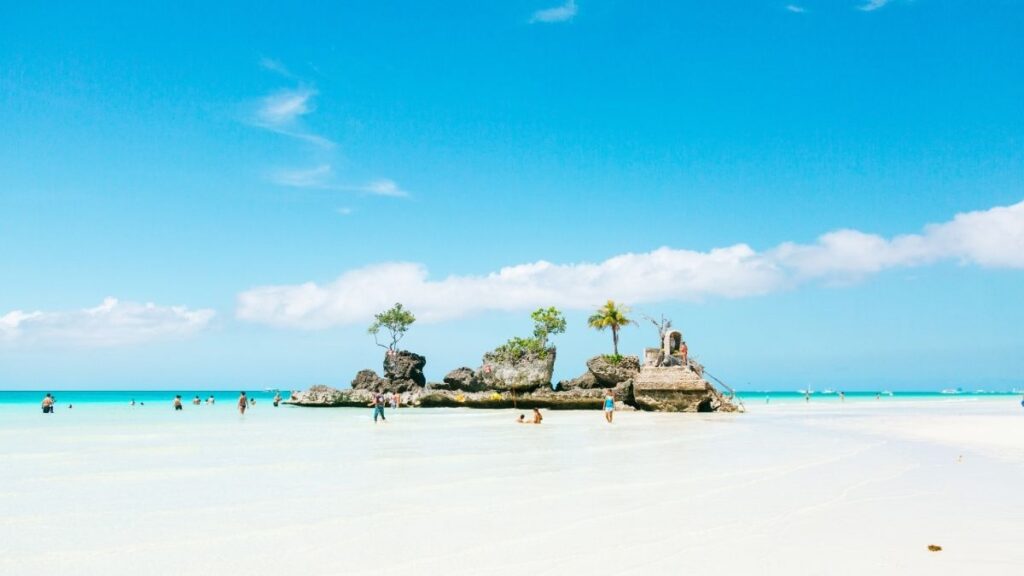
After experiencing Manila’s vibrant city life, fly to the tropical paradise of Boracay, one of the Philippines’ most famous island destinations.
The island’s highlight is the stunning White Beach, a long stretch of powder-soft white sand and calm turquoise water. It’s the perfect place to relax under the sun, swim in warm tropical waters, or simply enjoy the laid-back island atmosphere.
Adventurous travelers will find plenty of activities to try. Snorkeling trips allow you to explore colorful coral reefs and tropical fish, while parasailing offers a thrilling aerial view of the island’s coastline. As the day winds down, consider joining a traditional sunset sailing excursion on a local paraw boat, a relaxing way to watch the sky transform into brilliant shades of orange and pink.
If you prefer a quieter beach experience away from the main crowds, head to Puka Shell Beach. This more peaceful stretch of coastline is known for its natural beauty and scattered puka shells, making it ideal for a calm walk or a tranquil afternoon by the sea.
At night, Boracay comes alive with beachside restaurants and bars offering live music, cocktails, and a lively social atmosphere.
When it comes to accommodation:
- Shangri-La Boracay: A luxury beachfront resort with private beaches and spectacular ocean views.
- Henann Palm Beach Resort: A modern beachfront hotel offering comfortable rooms and several swimming pools.
- Coast Boracay: A highly rated boutique hotel known for excellent service and a relaxed atmosphere.
Day 5–6: Island Adventures in Palawan
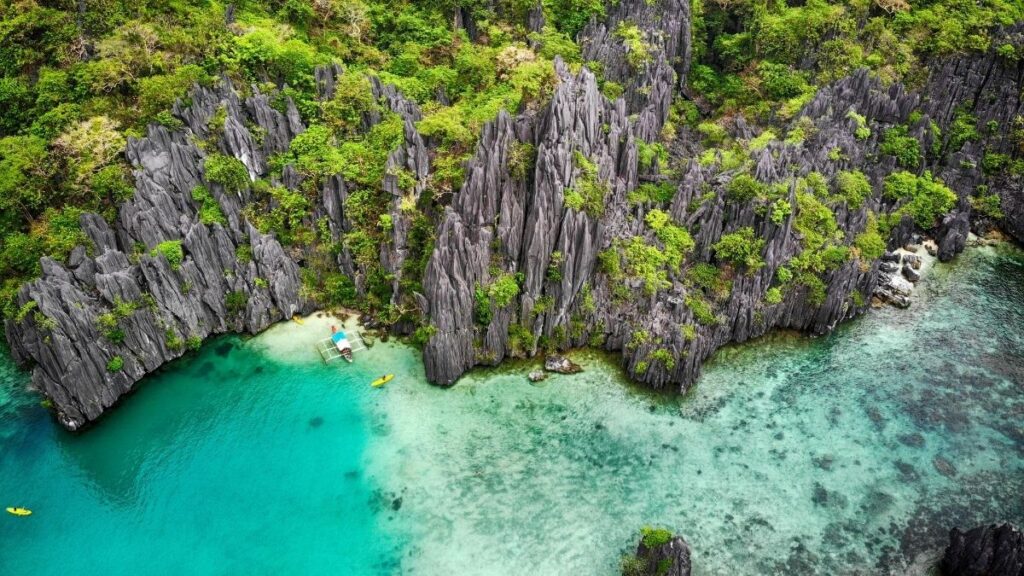
Next, travel to Palawan, often described as one of the most beautiful islands in the world. The small coastal town of El Nido serves as the gateway to the breathtaking Bacuit Archipelago, a region famous for its dramatic limestone cliffs, emerald lagoons, and crystal-clear waters.
Island hopping is the highlight of any visit here. Boat tours take you to hidden beaches, secret lagoons, and vibrant coral reefs where snorkeling reveals a colorful underwater world filled with tropical fish and marine life. Kayaking through the calm lagoons offers a peaceful way to explore the towering limestone formations up close, while photographers will find endless opportunities to capture the area’s incredible natural scenery.
For those who simply want to relax, many islands offer secluded beaches where you can enjoy the quiet beauty of nature. The turquoise waters and pristine landscapes make Palawan feel like a true tropical escape.
Accommodation options cater to different travel styles:
- El Nido Resorts Pangulasian Island: A luxury eco-resort located on a private island with pristine beaches.
- Seda Lio: A modern beachfront hotel close to the airport and Lio Beach.
- Spin Designer Hostel: A stylish and affordable option popular with travelers.
Day 7: The Underground River in Puerto Princesa
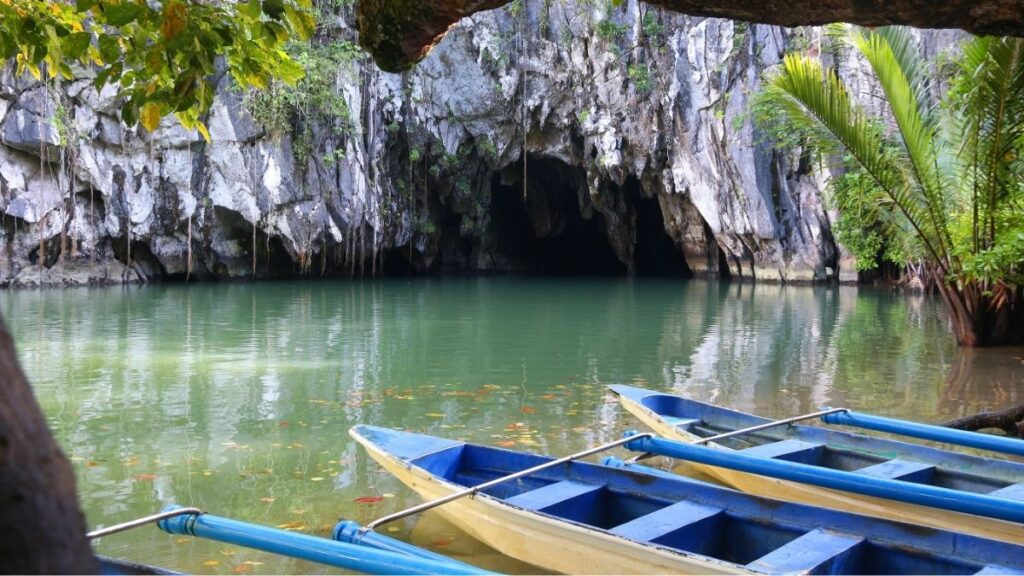
Day seven takes you to one of the Philippines’ most remarkable natural wonders: the Puerto Princesa Subterranean River National Park. This UNESCO World Heritage Site is famous for its spectacular underground river that flows through a massive limestone cave system before reaching the sea.
Visitors explore the cave by small paddle boat, gliding quietly through dark chambers illuminated by soft lights. Inside, you’ll see dramatic stalactites and stalagmites formed over thousands of years, as well as cathedral-like rock formations that create a mysterious and awe-inspiring atmosphere. Guides often point out interesting shapes in the rock formations, adding a sense of fun to the experience.
The surrounding national park is also rich in biodiversity, home to lush forests, wildlife, and scenic coastal views. After your tour, you can relax on nearby beaches or enjoy fresh seafood at local restaurants in Puerto Princesa.
For accommodations nearby, several comfortable options are available:
- Princesa Garden Island Resort & Spa: A large resort with beachfront villas and lagoon pools.
- Best Western Plus The Ivywall Hotel: A comfortable and modern hotel in the city center.
- Canvas Boutique Hotel: A trendy boutique hotel with artistic design.
Day 8–9: Chocolate Hills and Culture in Bohol
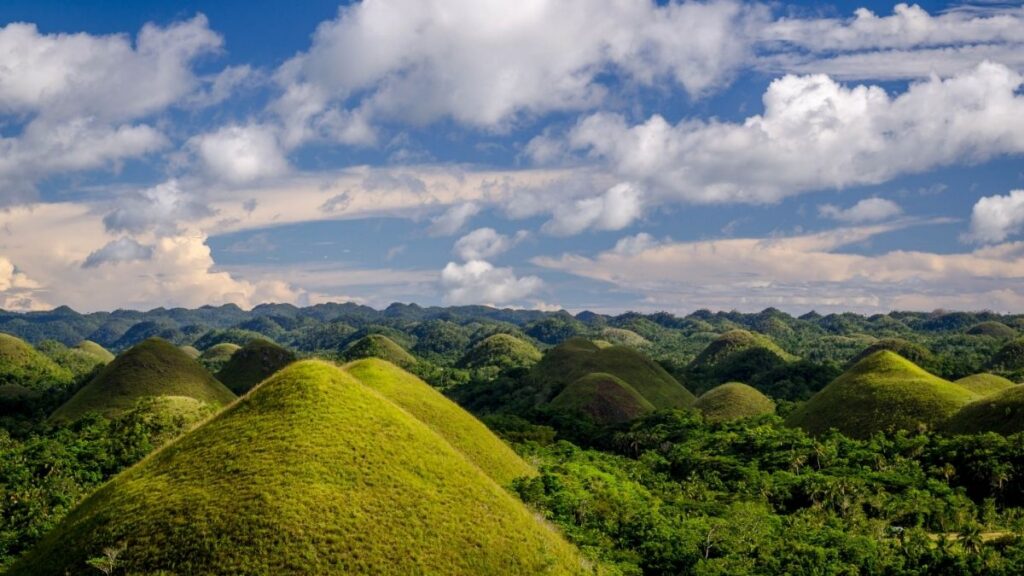
Continue your journey to Bohol, an island known for its natural beauty and unique wildlife. The most famous attraction here is the extraordinary Chocolate Hills, a landscape of more than a thousand perfectly cone-shaped hills that turn brown during the dry season, giving them their chocolate-like appearance. The panoramic viewpoint offers spectacular views of this unusual natural wonder.
Another highlight is visiting the Philippine Tarsier Sanctuary, where you can observe one of the world’s smallest primates. The tiny Philippine tarsier is known for its enormous eyes and delicate appearance, making it a fascinating animal to see in a protected environment.
For a relaxing cultural experience, consider taking a cruise along the scenic Loboc River. Many cruises include traditional Filipino music and buffet lunches while you glide past lush greenery and riverside villages. Adventure seekers can also explore hidden waterfalls or jungle trails around the island.
Bohol offers excellent beach resorts as well:
- Amorita Resort: A luxury cliffside resort overlooking the sea.
- Henann Resort Alona Beach: A beachfront resort with large pools and direct access to Alona Beach.
- Bohol Beach Club: A relaxed beachfront property known for its peaceful atmosphere.
Day 10: Relax in Cebu
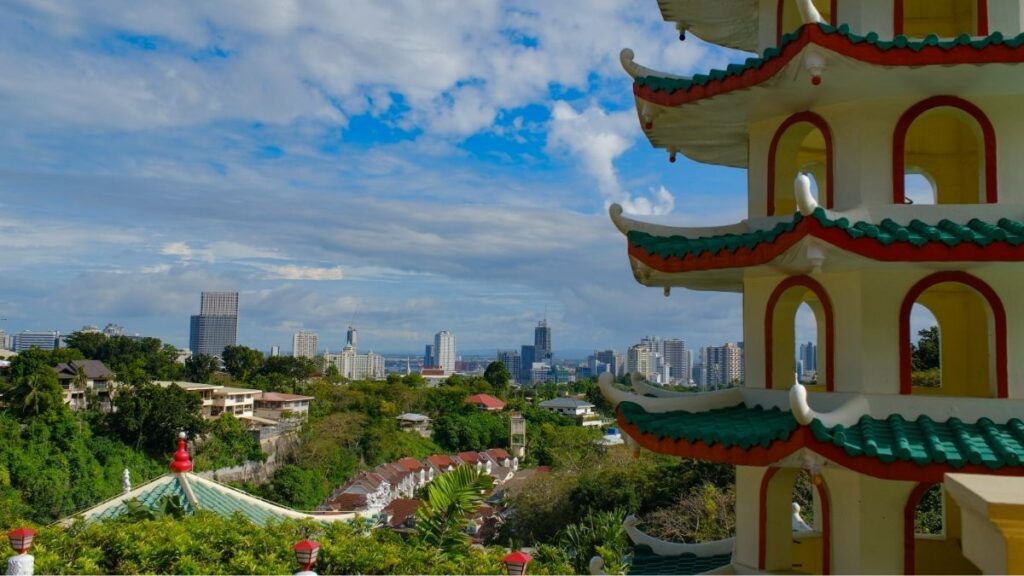
End your Philippine adventure in Cebu City, a destination that blends historical landmarks, modern shopping districts, and access to beautiful nearby islands. Known as one of the country’s oldest cities, Cebu played an important role in Philippine history and culture.
You can spend your day exploring historical sites such as Magellan’s Cross, which commemorates the arrival of Portuguese explorer Ferdinand Magellan in the Philippines in 1521. Nearby, the impressive Basilica Minore del Santo Niño is one of the country’s most significant religious sites and a major pilgrimage destination.
Adventure lovers may choose to travel south to Oslob, where guided tours allow visitors to observe and swim near the gentle giant whale shark. Another popular excursion is visiting the spectacular turquoise pools and cascades of Kawasan Falls, a perfect place to end your trip with a refreshing swim or a thrilling canyoneering adventure.
For your final night, choose from several comfortable hotels:
- Shangri-La Mactan Cebu: A luxurious beachfront resort with coral reefs and tropical gardens.
- Radisson Blu Cebu A modern hotel near shopping and restaurants.
- Quest Hotel Cebu A comfortable and affordable hotel in a convenient location.
Experience Filipino Culture
Filipino culture blends tradition, hospitality, and history into every day. You feel the warmth in every welcome and find the strength of pride in each festival. There are many ways for you to experience local life in the Philippines, from food tours to festivals.
Local Food
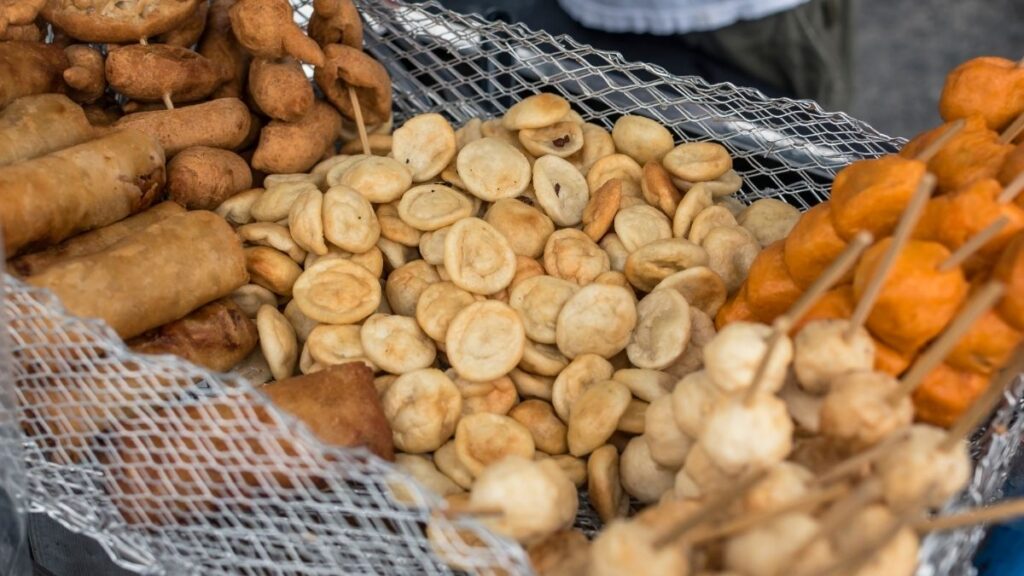
STREET FOOD IS EVERYWHERE. Taste lumpia (fried spring rolls) or balut (duck egg) from the street vendors in Manila’s Quiapo Market. You can find other tropical fruits like mango and lanzones at the very same market.
In Cebu, lechon (a whole roasted pig) is served at Rico’s Lechon, Cebu City. Mindanao’s kinilaw (a raw fish dish) is best at Palovince Place, Davao City. Each region has its own flavor, so experience local markets such as Carbon Market in Cebu or Dangwa in Manila for a fresh taste.
The Maya Kitchen in Makati offers cooking classes, including adobo and pancit, so you can take those flavors home.
Community Tourism
Community tourism allows you to observe daily life at close range. Homestays bring much-needed income to Ifugao families in Banaue. Bohol workshops teach weaving and basket-making by local artisans.
You can participate in pottery classes conducted by locals or share a meal with a host family. These activities keep traditions alive and contribute to local communities.
Select small inns or hostels operated by locals, not major chains, for more benefits.
Travel Tips for Visiting the Philippines
Traveling in the Philippines is all about adapting to tropical temperatures, hectic local holidays and an intriguing blend of urban and island life. A little prior planning keeps you from falling into the common traps and makes your trip shine.
Essential Travel Know-How
Always carry a list of emergency numbers, local police, medical services, your embassy, on your phone or paper. Be vigilant in crowded areas and steer clear of dark or unfamiliar locations at night.
Regarding health, verify your country’s vaccination requirements and bring proof if applicable. Pack light, with breathable clothes that dry fast and don’t forget the swimsuits for the beaches.
Hardworking, comfy shoes are a necessity if you intend to hike or traipse about a lot, notably at places where paths can be intense. Sunscreen and bug repellent are important because sunburn and tropical mozzies are ubiquitous.
A reusable water bottle reduces waste and keeps you hydrated, and it’s easy to find and typically provided by hotels. A small first aid kit with essential medicine, pain relief, motion sickness, and allergy tablets can spare you a lot of headache, particularly on the far-flung islands.
Staying Connected with Ubigi eSIM

For directions and reservations, mobile data is nearly a must. With a Ubigi eSIM, you’re online the moment you touch down, no waiting in line for a local SIM. You even keep your first SIM for calls and messages.
Prepaid plans are flexible, allowing you to control your data requirements directly within the app, bypass roaming prices and ditch swapping cards.
This translates to no dropped texts, no exorbitant charges, and consistent, easy connectivity throughout your Philippines trip.
Ubigi offers a range of data plans designed to fit different travel needs:
- Short city breaks (3GB Philippines data plan for 7 days)
- Longer vacations across multiple Filipino islands (10GB to 25GB Philippines data plan for 15 or 30 days)
- Multi-country trips within Asia (25GB to Unlimited Asia data plan for up to 30 days)
Whether you’re posting photos or swapping gossip with friends, it’s simple to keep connected wherever you go.
Conclusion
The Philippines offers you turquoise waters, tropical mountains and warmhearted people. You got islands like Palawan, bustling city streets in Manila and villages where the people welcome you as a neighbor.
You can savor sweet mangoes, hear jeepneys honk and feel soft sand under your feet. The food, the music and the relaxed pace allow you to take your time and savor every day.
There you discover deep history, hip street art and authentic narratives from locals. Enjoy fresh seafood, board a ferry or stroll through markets buzzing with color and sound.
Your trip can be tailored to your style: lazy days or crazy packed. Plan your own trip with a Ubigi eSIM and discover what sets the Philippines apart for you.
We hope that this article on the “Ultimate Travel Itinerary to the Philippines” helped you!

Frequently Asked Questions
What is the best time to visit the Philippines?
Between December and May is the optimal period to visit. You’ll experience sunny weather, clear skies, and calm seas. It is great for island hopping and beaches.
Which island is most recommended for first-time visitors?
Palawan is tops! You’ll discover beautiful beaches, crystal-blue water and distinctive limestone cliffs. It consistently makes it onto the world’s best islands lists.
Is the Philippines safe for international travelers?
Yes, the Philippines is safe. You should stay alert and follow local recommendations. Vacation hotspots are inviting and safe.
How can you experience Filipino culture?
Participate in indigenous festivals, taste the cuisine, and tour historic places. You can engage with locals to discover daily life and traditions.
What currency is used in the Philippines?
Currency is PHP (Philippine Peso). Credit cards are accepted in cities, but take cash for rural areas and small shops.
Are there vegetarian or vegan food options available?
Yes, most cities do have veg and vegan options. You can get vegan options in restaurants. Let the staff know your dietary requirements to help them assist you.
Do you need a visa to visit the Philippines?
Most nationalities can enter visa-free for 30 days. Review country requirements before your travel. Extensions are available if you wish to stay longer.







 How to check eSIM compatibility
 How to check carrier unlocking