


Key Takeaways
- The best time to visit Patagonia depends on your plans. November to March is generally best for trekking and outdoor activities, autumn brings colorful landscapes, winter is ski season in the Lake District, and wildlife seasons vary by species and location.
- Visit December to February for some of the warmest conditions, longest days, and widest availability of trekking services. This is also peak season, so expect more visitors and higher demand for accommodation and tours.
- Consider October–November or March–April for fewer crowds and seasonal scenery, but remember that weather and trail conditions can be unpredictable.
- Prepare for rapidly changing weather throughout the year with layers, waterproof and windproof clothing, sun protection, and suitable hiking equipment.
- Check official park, trail, transport, and accommodation information before travelling. Seasonal closures and weather-related restrictions vary by destination.
- Stay connected where cellular networks are available with a Ubigi eSIM, but download offline maps and essential information before visiting remote areas where mobile coverage may be limited.

Introduction
When is the best time to travel to Patagonia? For most travellers interested in hiking and outdoor exploration, November to March offers some of the most favourable conditions, with longer daylight hours, milder temperatures, and greater availability of trails and tourism services in major destinations.
However, Patagonia stretches across a vast area of Chile and Argentina, so there is no single ideal time or perfect month for every destination. Weather, wildlife seasons, trail access, and activities vary considerably from the northern Lake District to Torres del Paine, El Chaltén, Tierra del Fuego, and the Atlantic coast.
This guide breaks down Patagonia by season and activity to help you choose the right time for your trip.
Best Time to Travel Patagonia
Patagonia’s seasons strongly influence temperatures, daylight, trail conditions, visitor numbers, and available activities. Conditions also vary significantly by location, so always check your specific destination before travelling.
1. Spring
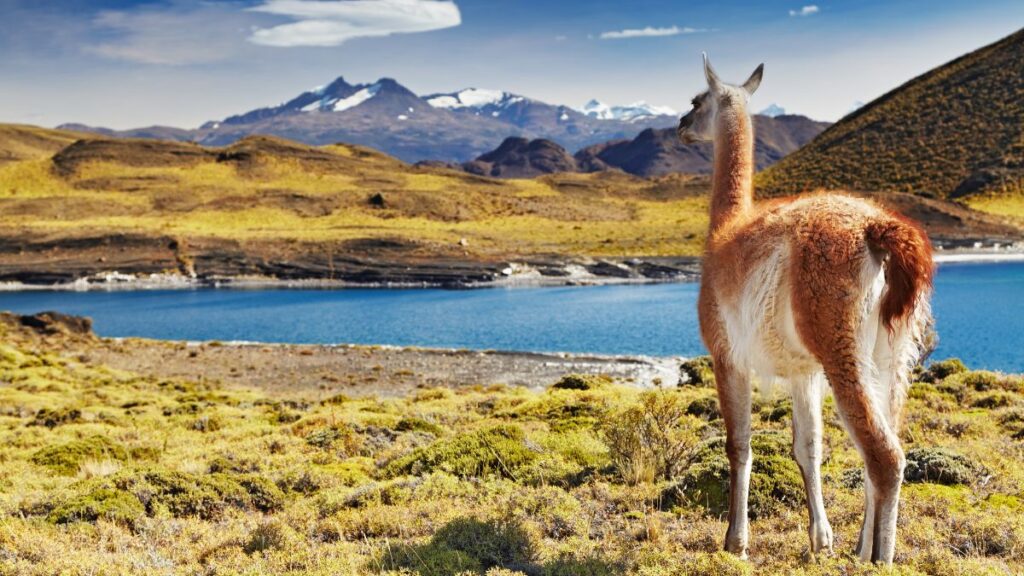
September to November marks the transition from winter into the main outdoor season. Days become longer, vegetation returns, and many destinations become increasingly accessible as snow melts.
Springtime can still bring snow, rain, strong winds, and sudden temperature changes, particularly in southern and high-altitude areas. Trail and service availability also varies early in the season.
October and November can be attractive for travellers looking for fewer visitors than in midsummer while still enjoying increasingly long days. Spring is also important for some wildlife species, although the best viewing period depends on the animal and location.
2. Summer
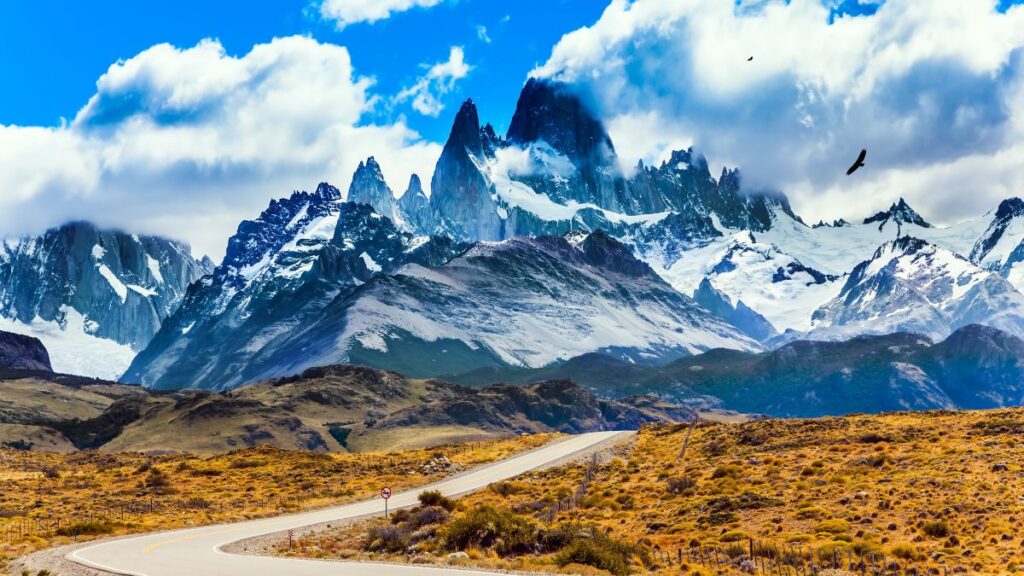
Summer months, from December to February, are the main tourist season across much of Patagonia. These months generally offer warmer temperatures, very long days in the far south, and broad access to hiking routes and Patagonia tourism services.
Summer is particularly popular for trekking around Torres del Paine, El Chaltén, and other Andean destinations. It is also a good period for seeing Magellanic penguins, which are present at many colonies along the Argentine Patagonian coast between September and March.
The trade-offs are the summer crowds, strong demand for accommodation and tours, and potentially powerful winds. Patagonia remains highly changeable even in summer, so warm or sunny weather should never be assumed.
3. Autumn
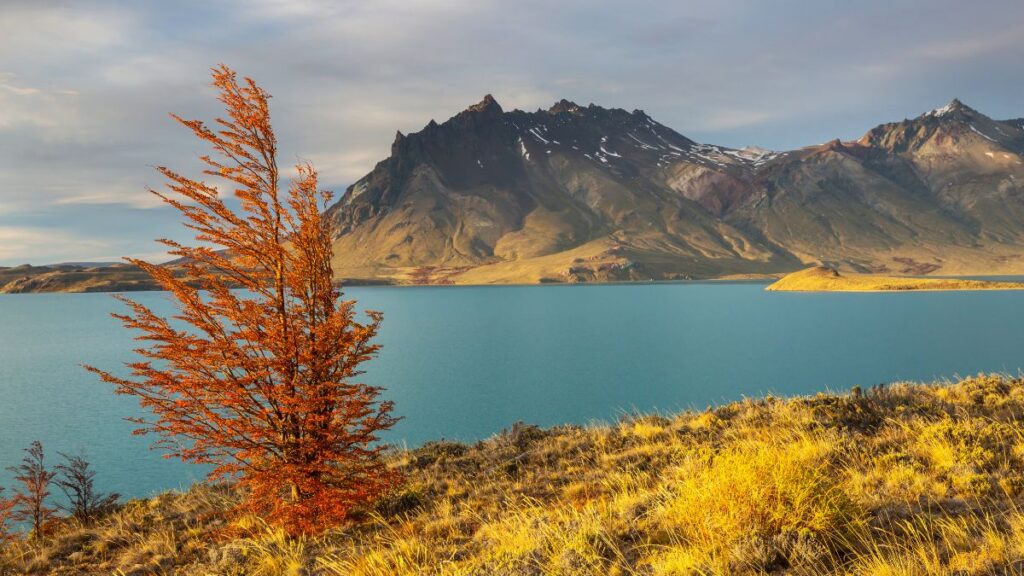
March to May brings shorter days, cooler temperatures, and wonderful autumn colours to forested parts of Patagonia region. March can still provide good conditions for outdoor activities in many major destinations, while visitor numbers generally begin to decline after the summer peak.
Both March and April are particularly attractive for photographers seeking autumn foliage and softer seasonal light. Conditions become colder as the season progresses, and some trails, lodges, transport services, and excursions may reduce their schedules or close.
Check current access conditions before planning longer treks later in autumn.
4. Winter
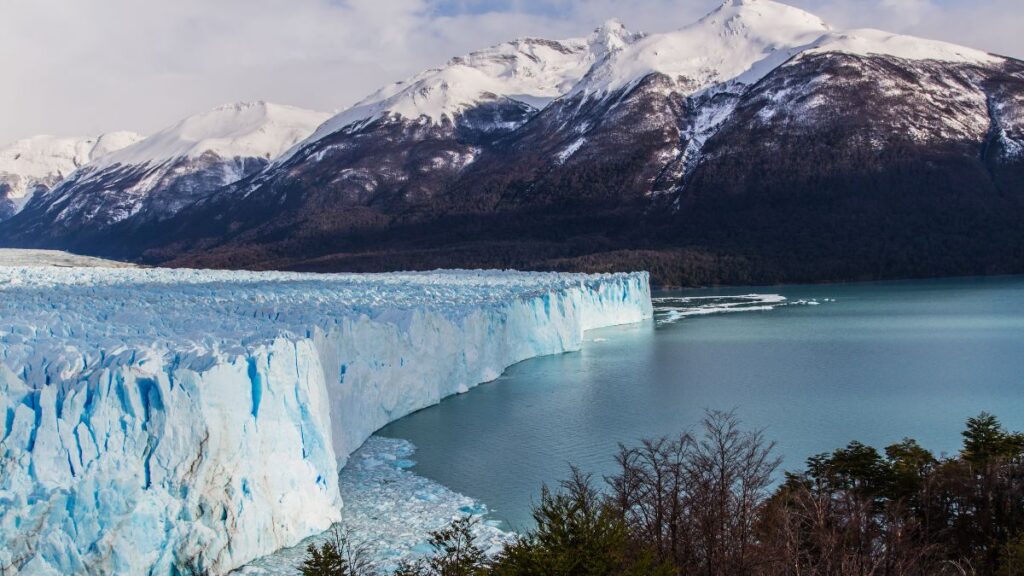
Winter months, from June to August, bring cold temperatures, snow, and short daylight hours across much of Patagonia. The winter season is particularly suited to snow sports around destinations such as Bariloche, San Martín de los Andes, and other ski areas in the northern Patagonian Andes.
Trekking during winter is much more restricted. Some trails and circuits close, while others require specialist equipment or guides. In Torres del Paine, for example, winter access is regulated and certain trails and circuits may be closed or subject to restrictions.
Winter travel can provide snowy landscapes and fewer visitors, but it requires more preparation and flexibility.
Best Time of Year to Travel to Patagonia
The best season ultimately depends on what you want to experience. Trekking, wildlife watching, photography, and winter sports all have different ideal periods.
Trekking
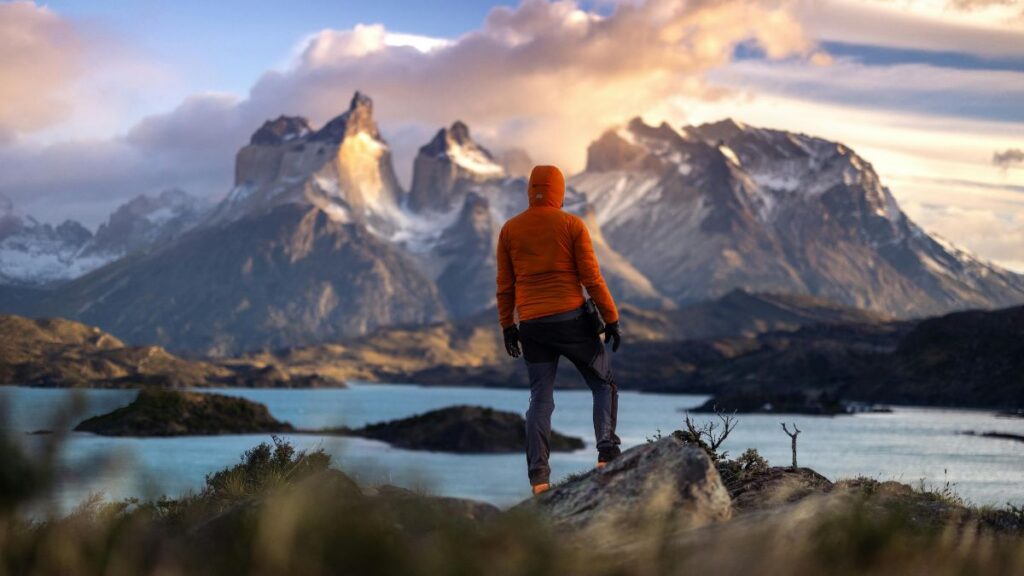
For most travellers, November to March provides the best overall window for trekking. Argentina’s local tourism guidance identifies these months as ideal for outdoor activities, trekking, and camping in Argentine Patagonia.
Popular trekking destinations such as Torres del Paine and El Chaltén generally have their greatest availability of services during the warmer months.
October–November and March–April can also appeal to experienced hikers seeking fewer visitors, but snow, wind, rain, and cold conditions can affect trails at any time.
Before every hike, check official park information and local weather forecasts. Never rely on the season alone to determine whether a route is safe or open.
Wildlife
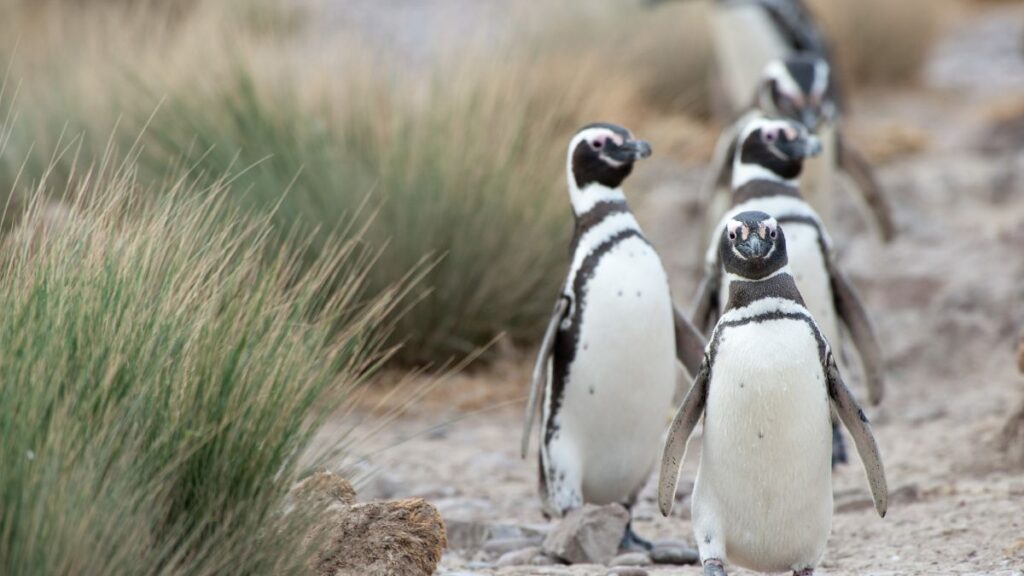
There is no single best wildlife season for all of Patagonia because different species follow different breeding and migration cycles.
Along Argentina’s Atlantic coast, Magellanic penguins can generally be seen between September and March, with chicks present at colonies in December.
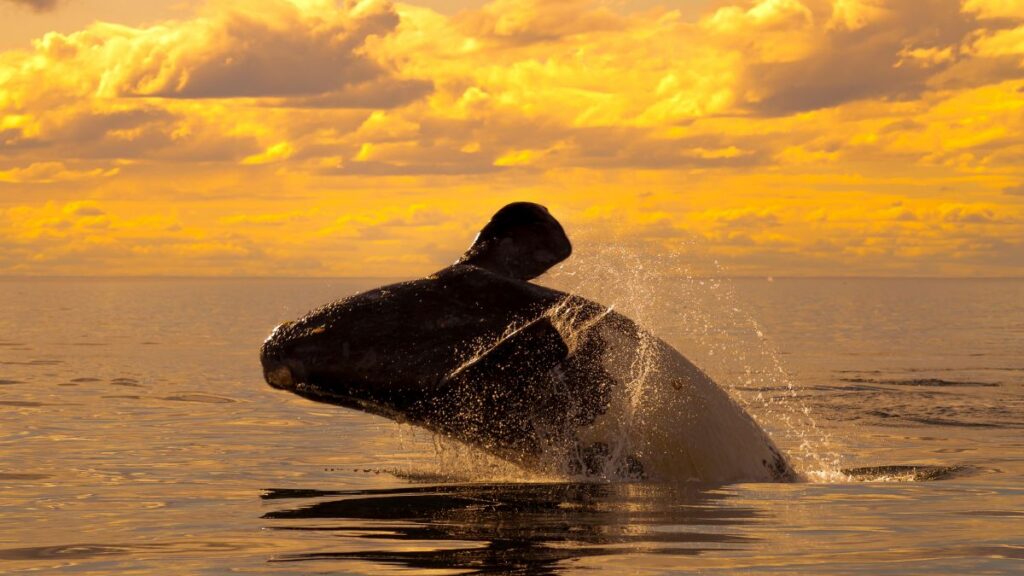
At Península Valdés, southern right whales are generally seen from June into spring, while orcas have important viewing periods around March to May at Punta Norte and September to early December around Caleta Valdés.
Guanacos, condors, sea lions, and other wildlife can be observed in different parts of Patagonia, but sightings are never guaranteed.
Choose your destination and travel dates according to the specific species you hope to see.
Photography
March and April are popular for photographing autumn colours in forested and mountainous landscapes, while summer provides long daylight hours and broad access to mountain and glacier viewpoints.
Winter transforms many areas with snow and can provide quieter landscapes, although access is more restricted.
Photographers should protect equipment from rain, moisture, dust, and strong winds and allow flexibility for rapidly changing light and weather.
Best periods by activity:
- Trekking: November–March
- Autumn landscapes: March–April
- Skiing and snow sports: June–August
- Penguins on the Argentine coast: September–March
- Southern right whales at Península Valdés: primarily winter and spring
- Fewer crowds: generally spring and autumn, depending on destination
Best Time to Travel to Patagonia Chile
Chilean Patagonia stretches across fjords, temperate rainforest, ice fields, steppe, and mountains. Conditions differ considerably between northern and southern Patagonia, so the best travel period depends on your route and activities.
Northern Fjords
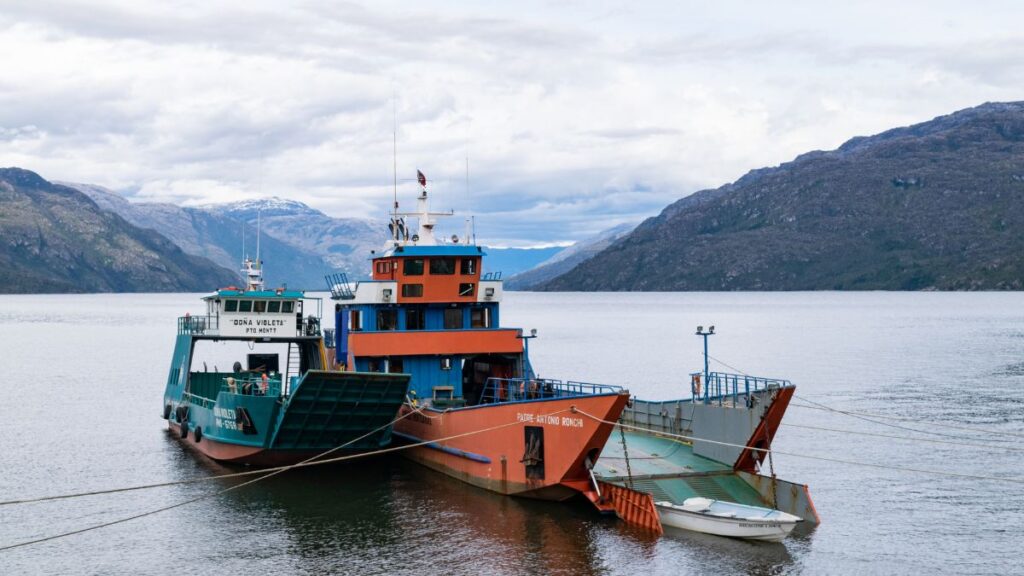
Late spring through early autumn generally provides longer days and greater availability of outdoor adventures in northern Chilean Patagonia.
Destinations around Chiloé, the Carretera Austral, and the northern Chilean fjords are known for wet and highly changeable weather. Rain is possible throughout the year, so waterproof clothing, dry bags, and flexible plans are essential.
Kayaking and boat excursions depend on local wind and sea conditions rather than season alone. Always follow the advice of operators and check conditions before departure.
Longer summer daylight gives travellers more time for hiking trails, kayaking, boat trips, and exploring remote communities, but good weather is never guaranteed.
Southern Massifs
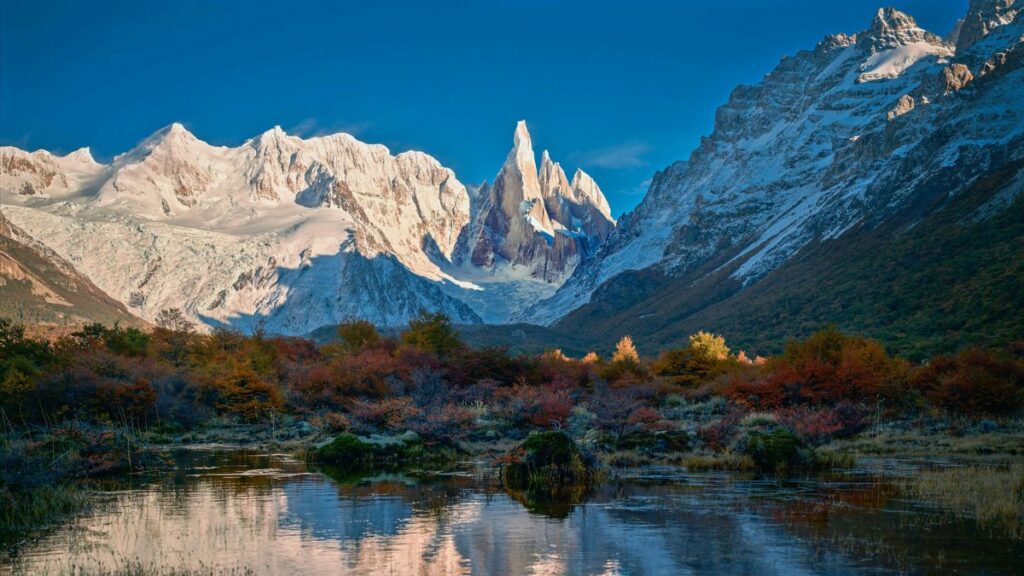
For trekking in Torres del Paine and the surrounding southern Andes, late spring through early autumn provides the broadest range of hiking opportunities.
Summer brings long days and generally greater availability of trails, refugios, campsites, and excursions. It can also bring strong winds, so windproof clothing is essential.
March and April can offer autumn colours and fewer visitors, although daytime temperatures fall and services gradually become more limited.
Popular experiences include:
- Torres del Paine W Trek — a multi-day route connecting some of the park’s best-known landscapes.
- Grey Glacier and Lago Grey — accessible through viewpoints and seasonal excursions, subject to weather and operating conditions.
- Mirador Base Torres and other viewpoints — popular hiking destinations whose accessibility depends on current trail and weather conditions.
- Chacabuco Valley in Patagonia National Park — an important destination for Patagonia hiking adventures and wildlife, with several trails that close during winter.
Winter requires significantly more planning. In Torres del Paine, certain trails and circuits close or operate under special winter regulations, so consult official park information before travelling.
Practical Planning and Seasonal Logistics
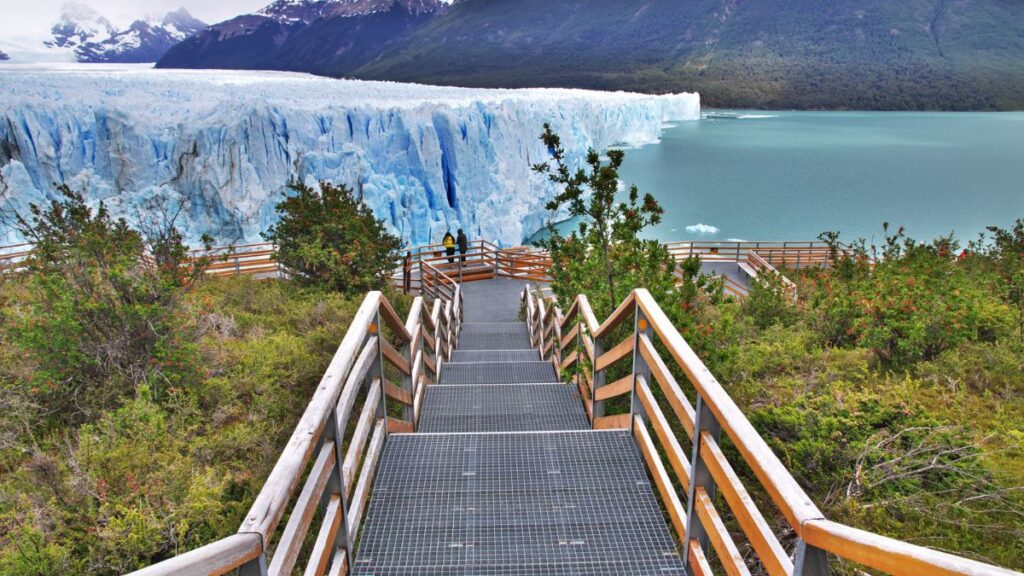
Patagonia’s season strongly affects trail access, accommodation, transportation, and available excursions. Always check official national park and operator information shortly before your trip, as opening dates and restrictions can change because of snow, wind, fire risk, maintenance, or other conditions.
Book popular accommodation, multi-day treks, campsites, and excursions well ahead for December through February, when demand is highest. Spring and autumn can be quieter, but reduced services mean advance planning is still important.
Prepare for highly variable weather. Useful equipment includes a waterproof and windproof outer layer, insulating layers, sturdy hiking footwear, hat, gloves, sun protection, sunglasses, and a daypack. The equipment required for winter or technical routes should follow official park and guide recommendations.
A practical packing checklist includes a waterproof shell, base layers, fleece or insulation, suitable hiking boots, hiking socks, hat, gloves, sunscreen, sunglasses, first-aid supplies, headlamp, offline maps or GPS, and appropriate travel insurance.
Build flexibility into your itinerary. Weather can affect roads, buses, ferries, flights, boat trips, and hiking plans, particularly in remote areas. Buffer days and flexible reservations can make itinerary changes easier.
Finally, don’t assume that a route or attraction operates year-round. For example, sections of Chile’s Patagonia National Park close during winter, while Torres del Paine applies specific winter restrictions to several hiking routes.
Patagonia rewards preparation. Choose your season according to the places and activities that matter most to you, then verify current local conditions before setting out.
Connectivity via Ubigi eSIM
Staying connected in Patagonia can make your trip easier, especially when you need maps, weather updates, accommodation details or a way to contact local guides. However, mobile coverage can be limited in remote areas, so downloading essential information and offline maps before heading into the backcountry is always recommended.
A Ubigi eSIM regional data plan is a convenient option for travelling through Chilean and Argentinian Patagonia. Ubigi offers connectivity in more than 200 destinations worldwide, allowing you to keep the same reusable eSIM profile when travelling between countries. Plans are available for both Chile and Argentina, including prepaid and unlimited data options. If you are planning to visit both sides in one trip, take a regional Latam Ubigi eSIM data plan.
You can purchase and install your Ubigi eSIM before departure while you have an internet connection. With SmartStart on eligible plans, the plan activates when you arrive in a covered destination, helping you get connected without searching for a physical SIM card.
The Ubigi app also lets you check your data usage and top up your eSIM, even when your data allowance has run out.
For Patagonia, combine mobile connectivity with downloaded offline maps and travel information, particularly when exploring remote areas.
Conclusion
Apart from the Best Time to Visit Patagonia, you can plan a Patagonia trip that suits your ambitions and mood. Spring from September to November brings green valleys, more birds, and lower crowds. Summer from December to February offers long days, warm camps, and unfettered trail access. Fall from March to May delivers vibrant colors, peaceful trails, and simpler reservations. Winter from June to August has quiet parks and lower prices if you embrace the cold and a few closed trails.
Bring layers, boots, and open dates. Choose routes by activity: day hikes and lakes in summer, wild scenery and photos in shoulder seasons, quiet base stays in winter. Pack an eSIM for consistent maps and reservations between towns.
Prepared to pin down dates or plan an itinerary? Let me know your travel style and I’ll help plot out the plan.

Frequently Asked Questions
When is the best month to visit Patagonia for hiking?
For most travellers, November through March offers the best overall hiking conditions, with milder temperatures, longer daylight hours, and greater availability of trails and trekking services. December to February is the busiest period, while November and March can offer a good balance between accessibility and fewer visitors.
Is Patagonia worth visiting in winter (June–August)?
Yes, particularly for winter sports, snowy landscapes, and fewer visitors. However, winter isn’t the best season for most classic Patagonia treks. Some trails, accommodation, excursions, and transport services close or operate on reduced schedules, and certain routes may require specialist equipment or guides.
Which side—Chile or Argentina—has better weather?
Neither side has universally better weather. Patagonia covers a vast area with several different climates, and conditions vary considerably by destination. Rather than choosing between Chile and Argentina based on weather alone, compare the specific places you want to visit, such as Torres del Paine or Los Glaciares, and consider their seasonal conditions.
How does weather affect driving and logistics?
Patagonia’s rapidly changing weather can disrupt road journeys, ferries, flights, boat excursions, and hiking plans. Snow, strong winds, heavy rain, or other local conditions may cause delays or temporary closures. Build buffer days into your itinerary and check official travel and weather information regularly.
What should I pack for shoulder season travel?
Pack waterproof and windproof outerwear, warm layers, sturdy hiking footwear, a hat, gloves, and sun protection. A waterproof cover or dry bag can help protect electronics and other essentials. Always adjust your equipment to your destination and planned activities.
How crowded is Patagonia in high season?
December to February is the busiest period in many of Patagonia’s major destinations. Popular campsites, refugios, accommodation, tours, and trekking services can have high demand, so booking well in advance is recommended. Spring and autumn generally attract fewer visitors, although availability of services can also decrease.
How can an eSIM like Ubigi help during your trip?
An Ubigi eSIM can provide mobile data in Chile and Argentina wherever compatible cellular network coverage is available, making it easier to access navigation, weather information, bookings, and travel updates without buying a physical SIM. However, coverage can be limited in remote areas of Patagonia, so download offline maps and essential travel information before heading into the backcountry.







 How to check eSIM compatibility
 How to check carrier unlocking