


Key Takeaways
- You can soak up Bali’s rich culture through wellness retreats, vibrant artisan villages, and sacred temples while embracing the local customs and traditions. These reasons are why it’s one of the most remarkable destinations in Indonesia. This “Preparing for a Bali adventure with Jade” article will help you prepare your trip!
- Participating in yoga, meditation, and wellness activities allows you to reconnect with yourself. Embrace Bali’s tranquil natural surroundings, a true highlight of Bali tourism.
- Stroll through rice paddies. Explore night markets. Eat at warungs to experience real Balinese tastebuds and discover local agricultural and culinary traditions.
- Participating in workshops allows you to experience traditional crafts and cooking. This adds an engaging and fulfilling layer to your travel adventures while exploring Bali.
- Backed by trusted internet with an Ubigi eSIM and pre-booked transportation, you remain connected. This way, you can cruise seamlessly across the island to various hotels and attractions that welcome countless tourists each year.
- With smart budgeting, traveler safety, and cultural etiquette in mind, you are ready to maximize my Bali adventure. Respect the local community. Discover Jade de Marsilly’s experiences in this personal travel guide ! We hope it will inspire future visitors to visit this tropical paradise.

Introduction

Hello! My name is Jade de Marsilly and I am an adventurer at heart! On a whim, I signed up for the Pékin Express auditions with my mom Fabienne. In 2019, we were both selected for Season 12, “The Road of 50 Volcanoes.” After that adventure, I decided to participate in “Défi d’Elles Destination Iceland” with Carinne from Koh Lanta, as well as the 4LTrophy.
The journey begins with a stopover in Singapore, a modern and spectacular city. A few days are enough to discover Marina Bay Sands, an iconic hotel shaped like a ship, perched atop three large towers.
From the top, the view of the skyscrapers is breathtaking. All while sipping iced tea, sunglasses on your nose, a beautiful ode to vacation… Don’t miss the famous Merlion, a large statue of a sea lion spouting water. It is the symbol of Singapore.
Then the real journey begins when you land in Indonesia, in Bali. A haven of peace, a paradise island! Twelve days to immerse myself in a culture that is still unknown to me and lush green nature. A different pace of travel from city breaks, inviting you to reconnect with yourself and appreciate the connection with Mother Nature.
Discover Ubud’s Spiritual Heart
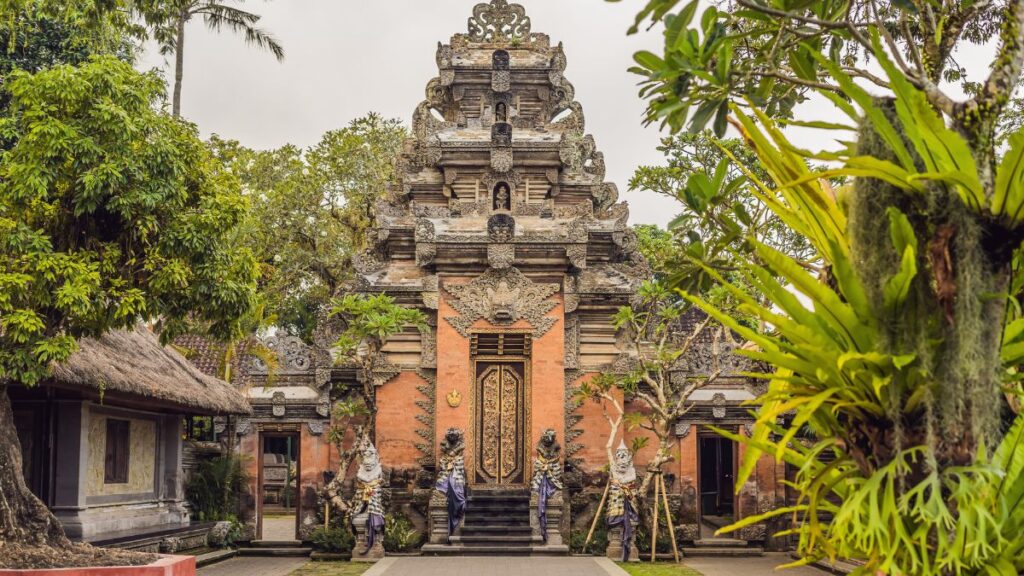
My trip began in Ubud, the cultural and spiritual center of Bali, one of Indonesia’s most treasured travel destinations. From the very first moments, the atmosphere was very special. Terraced rice fields stretching as far as the eye could see, the soothing sounds of the jungle, and above all, a surprise that I will tell you about below.
Ubud lies at the spiritual heart of Bali, nestled in lush jungle where the beat of everyday life is interlaced with devotion and Balinese culture. It is the island’s spiritual center, formed by centuries of contemplation and ceremony. The locals create canang sari, the palm leaf trays with flowers and rice, as offerings to the gods every morning… This is a beautiful expression of Balinese traditions.
This region marries culture with nature, wellness, and modern accommodation, offering tranquil resorts and elegant restaurants that attract countless tourists eager to experience authentic Bali tourism.
Whether you’re exploring Bali for spiritual growth, seeking useful travel tips, or searching for the perfect Bali souvenir, Ubud provides a deep connection to the island’s heritage and invites every traveler to visit again and again.
Wellness Retreats
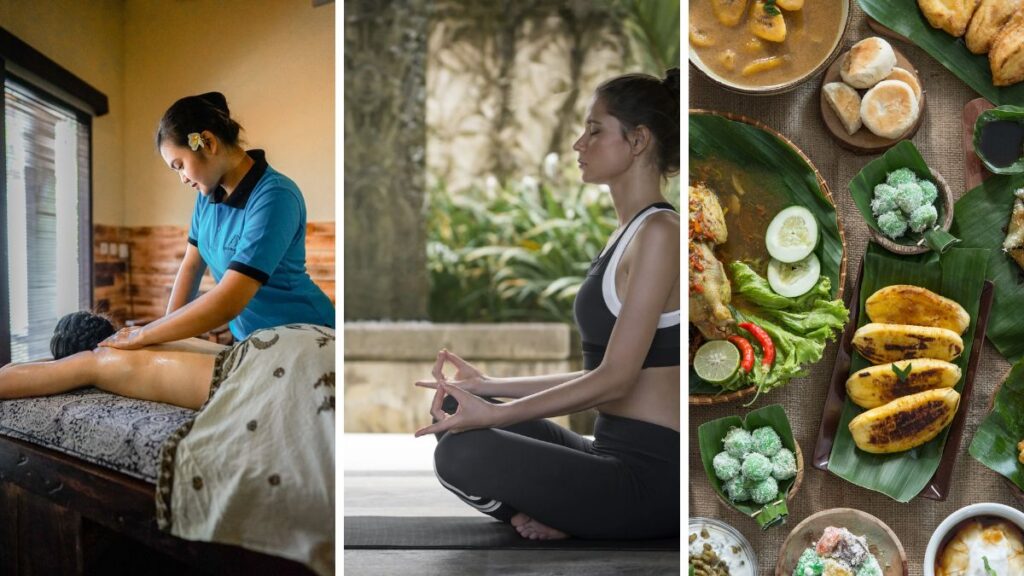
We were lucky enough to stay in a traditional hotel, surrounded by lush vegetation and a swimming pool that blends into the scenery. A real green haven where it’s nice to relax, take a dip, and fully enjoy an authentic Bali atmosphere.
Breakfasts were a dream! They are vitamin-packed, full of fresh fruit, served under the shade at wooden tables overlooking tropical islands and serene gardens. It truly felt like part of a dream trip that captures the essence of Balinese culture.
Yoga is a staple here, with sessions for every level. Most retreats intersperse yoga and guided meditation, bringing me into focus and deceleration. Encircled by jungle or rice fields, my lungs filled effortlessly and my mind was calm.
Workshops bring added value and focus on wellness, mindful eating, and techniques for infusing calm into day-to-day life. Ubud’s peaceful surroundings and elegant resorts offer an ideal escape from mass tourism, allowing every tourist to slow down and experience a more spiritual and serene side of the island.
- Yoga sessions at sunrise or sunset
- Guided meditation in open-air pavilions
- Detox programs with plant-based meals
- Massage and holistic therapies
- Sound healing and breathwork classes
Ubud wellness centers make it easy to reestablish your connection to Mother Earth. Many of them provide meditation nooks by rivers or in secluded gardens. I can escape the noise, reconnect deeply, and even find a meaningful Bali souvenir to carry home as a reminder of the journey and mindfulness found here among the rice terraces and beaches.
Sacred Monkey Forest

The town of Ubud, on Bali Island, is very famous because it is home to the Monkey Forest. The Monkey Forest is an authentic sanctuary where nature and spirituality coexist. Ancient temples lie hidden among giant roots and mossy stones, such as Pura Gunung Lebah, which was constructed where two rivers converge and is believed to be sacred in Balinese Hinduism.
There are thousands of monkeys roaming freely. I observe long-tailed macaques swinging through the trees in play or in search of fruit. It’s unsettling at first, but you quickly get used to their presence. It even becomes a unique attraction for Bali tourists, who come to admire these creatures and understand their connection to local Balinese cultures.
Guides often talk about conservation efforts to protect the monkeys and their lush forest habitat. The site forms part of Ubud’s spiritual landscape, blending wildlife, religion, and reverence for nature. It’s no wonder the Monkey Forest contributes to Bali’s reputation as a popular tourism destination and a remarkably safe tourist place for travelers seeking cultural depth and Bali adventure inspiration.
We were even surprised to find a few monkeys on the balcony of our hotel room, looking for something to eat. They don’t hesitate to steal things the moment you turn your back! Visiting in the quieter months, like April or September, lets you feel the forest’s calm rhythm and understand the delicate balance between people and nature that defines authentic Bali.
Verdant Rice Paddies

One of the highlights of this stage of the trip was obviously the visit to the rice terraces, an iconic landscape of Bali that reflects centuries of harmony between nature and people. Tegalalang’s rice terraces are renowned for their audacious green steps and intricate design that embodies Balinese culture.
With a local French-speaking guide, dressed in traditional clothing, we walked through these lush fields. He told us about the history of the paddies and the importance of rice for the Balinese culture and economy, while explaining the complexity of irrigation, a thousand-year-old system called subak. We discussed local culture, traditions, and the spiritual connection people have with the land.
He was charming, kind, and happy to share the history of his island with curious travelers. The beauty of these green landscapes is indescribable. The colors are so vivid that even Kuta’s coastal brightness feels subdued in comparison. The photos in travel magazines are nothing compared to the saturation and emotion of witnessing it all firsthand.
Local Artisan Villages
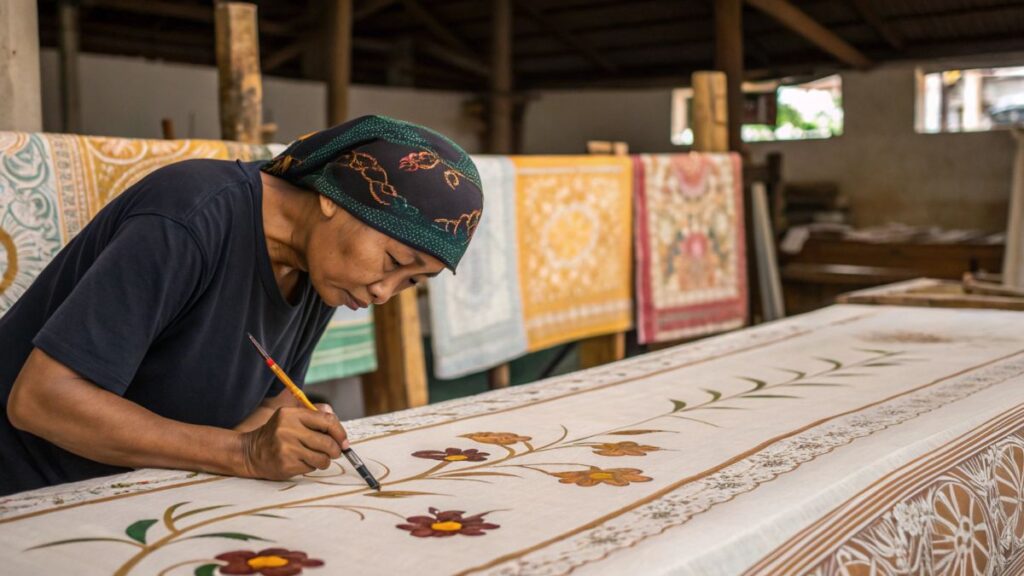
Workshops allowed me to explore new experiences through family-passed crafts like batik or carving, deeply rooted in Balinese cultures. Browsing local markets, I spotted wood masks, woven bags, and paintings. It was easy to mingle with the artists, learn about their culture, and purchase gifts that sustain the island’s cultural heritage and creative areas.
- Batik: Learn how to dye and print fabric using wax patterns, reflecting unique aspects Bali is known for.
- Wood Carving: Shape wood by hand into masks or statues, connecting with the artistic spirit of a local balian.
- Silver Jewelry: Craft fine jewelry with local silver, blending tradition and personal expression.
- Painting: Try Balinese painting styles with vivid colors and symbolic themes, often inspired by spirituality.
Each craft connects me with the island’s creative side and offers unforgettable moments of Bali adventure inspiration that reveal the living essence of Balinese cultures.
Embrace Balinese Culture
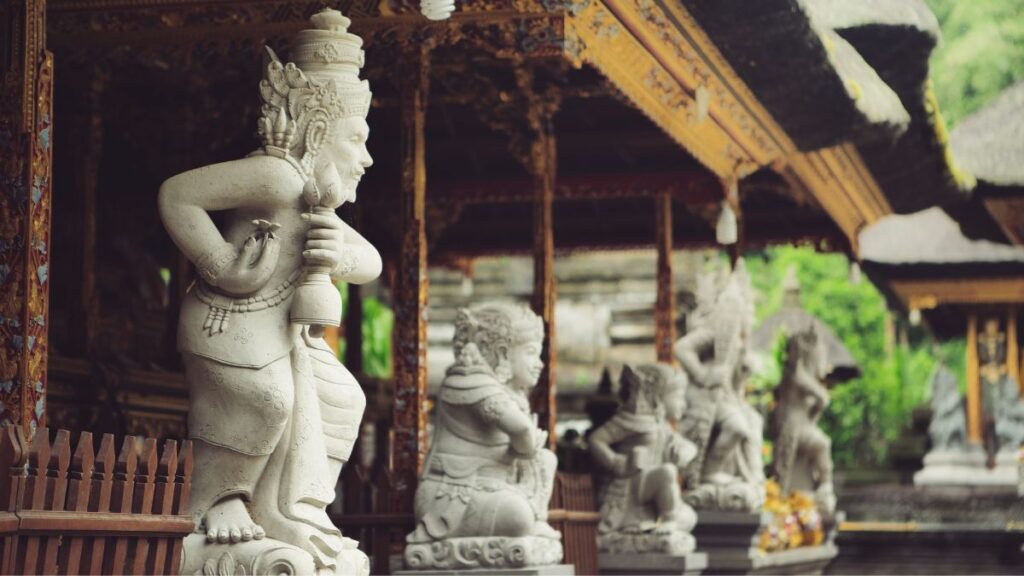
Getting to know Balinese culture meant I could witness how values, beliefs, and daily life shape the island of Bali. Not just what’s on the surface! The Balinese language, part of the Malayo-Polynesian branch, carries ancient roots that make it distinct from Javanese, though centuries of contact brought cultural blending across populated areas.
Numerous spiritual ideas and holy edifices were brought to Bali by Hindu-Javanese priests such as Dang Hyang Nirartha.
Balinese Hinduism remains central to daily rituals, temple ceremonies, and artistic expression. The island’s identity reflects layers of history from the Majapahit Empire, which shaped local governance, literature, and art, while the respect for tradition among Balinese people preserves a sense of authentic Bali.
For a richer experience, I found a local guide essential while exploring Bali. They explained local customs, travel requirements, and aspects of Indonesian law, helping me participate respectfully within village ceremonies and understand community life. Whether staying in traditional homestays or modern accommodation, every moment offered insights into the diversity of this Muslim country and the spiritual harmony unique to Bali tourists seeking Bali adventure inspiration.
This is how I moved beyond ordinary sightseeing. Immerse yourself fully in the island’s living culture, letting its people and heritage reveal a side of Bali that feels both timeless and deeply human.
Temple Etiquette
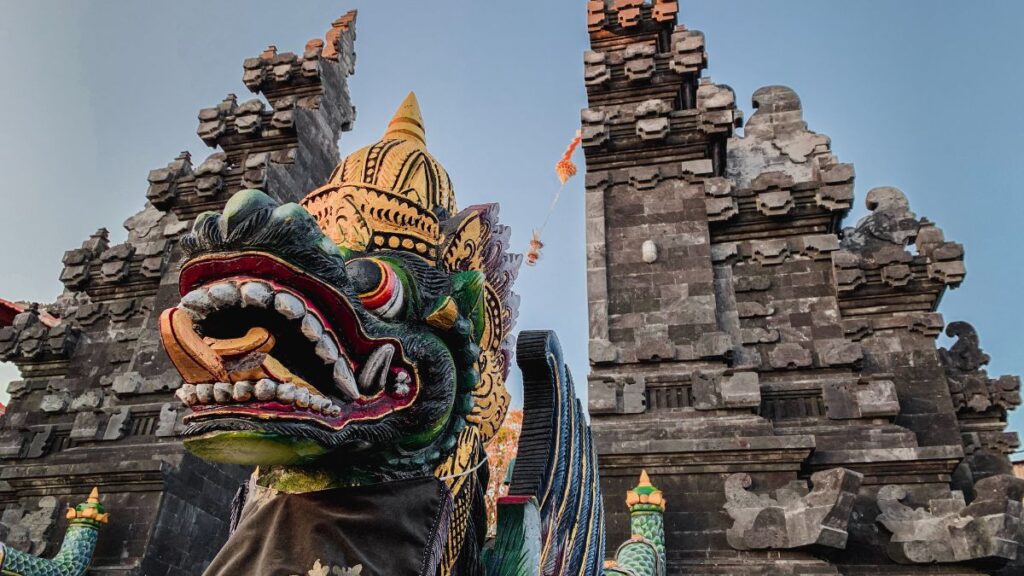
Bali is an island of spirituality, and temples (called pura) are everywhere. As a popular tourism destination, it attracts countless foreign tourists eager to connect with the island’s sacred side. To visit these temples, tradition dictates that you cover your shoulders and legs. I buy a sarong, traditional clothing, and a turban to respect these customs. Dressed in orange with touches of gold, I felt pure. It’s a respectful way to blend into local traditions while acknowledging the island’s deep sense of devotion and outstanding hospitality.
I embraced Balinese culture, following customs like leaving my shoes outside and never pointing my feet at shrines. During ceremonies, I observed in silence, always mindful of etiquette. When capturing photographs, I waited for the right moment and sought permission, especially when sacred rituals were under way.
We visited several temples, each distinct, though we didn’t always understand every detail of the faith. Pura Besakih, the “mother temple,” is the largest and most revered on the island, radiating a solemn, spiritual atmosphere. Further north, at Pura Ulun Danu Bratan (a temple floating on Lake Bratan) the scenery felt ethereal, mirroring Bali’s harmony between spirit and nature.
But the most striking visit was to Tanah Lot, perched on a rock amid the sea and accessible only at low tide. The view is spectacular, and though crowded with foreign tourists, the sacred energy remains strong. The caves below, home to bats seen as divine creatures by the Balinese, add a mystical aura reminiscent of distant landscapes like Highland Papua or Papua Pegunungan, where faith, nature, and tradition also intertwine.
Sacred Water Rituals

We had the opportunity to participate in a spiritual purification ceremony at the Tirta Empul temple, a revered tourist spot that beautifully combines spirituality and tradition. Water here is not ordinary. It is a sacred link between humans and gods, shaping a deep visit experience that goes beyond sightseeing.
After putting on a purified sarong, we entered one of the sacred pools fed by a natural spring. Fresh water flows ceaselessly into these pools, symbolizing renewal and harmony. The Balinese come here for the melukat ritual, a traditional act of cleansing body and mind. We passed under each fountain, carefully following cultural guidelines that preserve respect and purity. Calmness and meditation guided every step, transforming the ritual into a reflective journey.
This practice reveals the essence of Balinese spirituality: how water connects both daily life and prayer. It also highlights the island’s outstanding hospitality, as locals gently assist visitors in honoring tradition, bridging the gap between western culture and local faith. Watching a balian (spiritual healer) lead prayers, I felt a deep sense of connection to this sacred place.
Linked to the ancient subak irrigation system, the ritual shows how nature and community remain intertwined. It’s easy to understand why Bali ranks among the world’s top travel destinations. This is a place where every experience, no matter how humble, carries meaning and mindfulness.
Unique Local Ceremonies

Balinese culture is truly delightful and one of the main reasons people love visiting Bali. The locals are welcoming, always smiling, and embody the warmth that defines Bali tourism.
Traditional music drifts through the air. Sometimes almost too relaxing! While the scent of burning incense invites you into a peaceful world deeply rooted in Balinese spirituality. The colorful offerings, called canang sari, found everywhere, create an atmosphere that feels sacred yet serene.
While exploring Bali, I was amazed to witness both wedding ceremonies, filled with joy and music, and death ceremonies, which unfold as heartfelt celebrations of life. In Bali, death is viewed not with fear but as part of the soul’s journey toward reincarnation. It is a passage to another existence in harmony with ancient Indonesian beliefs. These rituals reveal how tourism here extends far beyond beaches or destinations. It’s about meaningful encounters with people and traditions.
Each day felt like a cultural exchange in motion, offering insights into the island’s harmony, spirituality, and accommodation. It effortlessly blends comfort with authenticity… A perfect reminder that to visit Bali is to experience a living culture that continues to inspire travelers across the world!
Savor Authentic Balinese Flavors
The trip is also all about culinary discovery and the joy of exploring Bali through its rich flavors. Balinese food perfectly reflects Balinese culture, combining tradition with a touch of innovation developed over centuries of diverse culture and everyday life.
Many families here grow their own herbs and vegetables, enhancing every dish with fresh local ingredients that elevate even simple meals. Hindu customs influence the way food is prepared, offered, and enjoyed, turning each dining moment into a ritual of connection.
Whether savoring street bites or dining in amazing restaurants, every restaurant visit feels like a window into the community’s heart… Food tells the story of life in Bali itself.
Warung Essentials
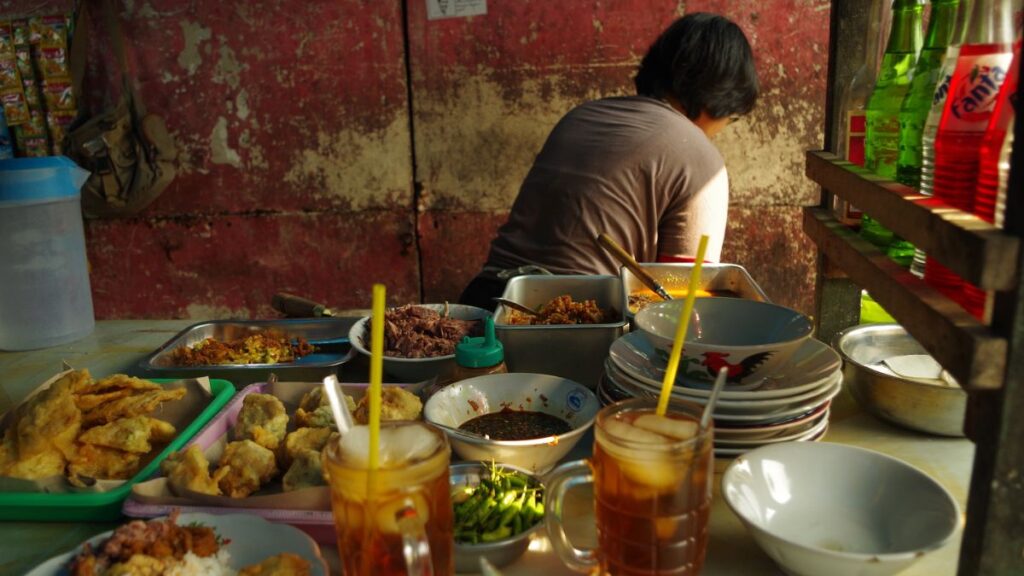
Warungs, or small local eateries, are where I find affordable meals made fresh each day, perfectly showcasing local cuisines. Cooking here follows local traditions rooted in history and cultural heritage, guided by deep respect for ingredients and cultural guidelines.
Turmeric reigns supreme, coloring and deepening every dish, while garlic, herbs, and slow-roasted meat create layers of comforting flavor. This raw dining culture celebrates simplicity and soul.
Sampling signature local dishes at warungs offers an authentic sense of Bali and its outstanding hospitality. Nasi Goreng, or fried rice, bursts with spice, while Babi Guling, a ceremonial roast pork, reflects age-old customs passed through generations. Sate Lilit, a minced seafood satay wrapped around lemongrass, illustrates the creativity of Balinese cooks and their pride in adapting ancestral recipes.
Must-try dishes at warungs:
- Nasi Campur (mixed rice with small side dishes)
- Lawar (a spicy mixture of vegetables and meat)
- Slow-cooked duck – Bebek Betutu
- Tempeh Manis (sweet fried tempeh)
- Sate Lilit
Eating here means sharing a table with locals and travelers from other ASEAN countries, immersing yourself in flavors that connect people through food. Beyond humble warungs, trendy restaurants across the island reinterpret these classics, proving that tradition and modern expression can coexist beautifully in Bali’s dining scene.
Night Market Feasts
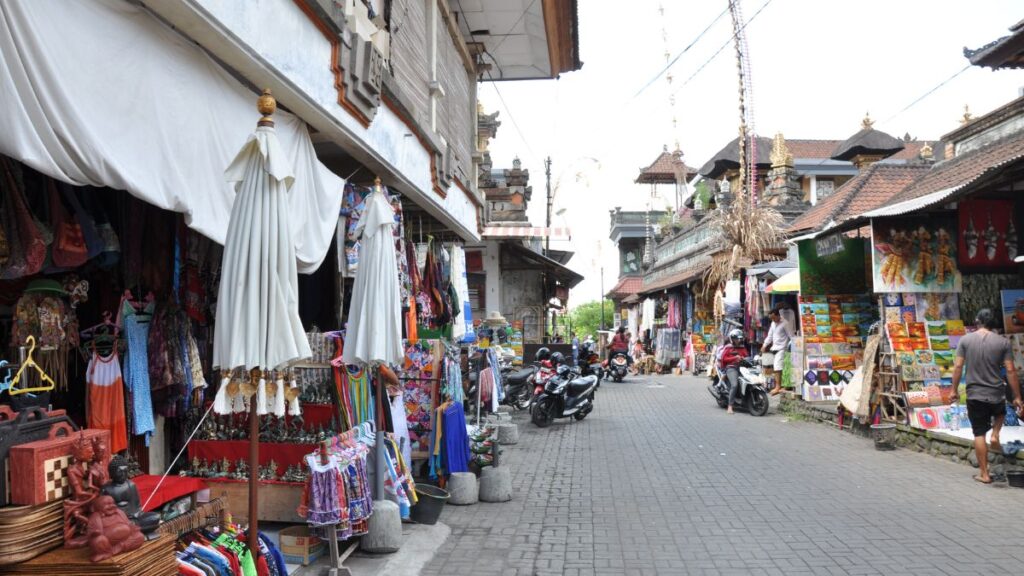
We visit various local markets across Bali, including the lively Ubud market. It’s a true cultural hotspot where colors, aromas, and smiles fill the air. It’s vast and full of treasures, selling everything from fragrant spices to handcrafted souvenirs, each reflecting the island’s deep culture.
The fish section especially impresses me: enormous pink, gray, and white catches displayed proudly, caught just that morning. It’s also the perfect place to buy tropical fruits like mangoes, papayas, dragon fruit, and durians. All are vivid hallmarks of incredible Asia.
When night falls, the markets transform into vibrant gatherings of lights, laughter, and sound. Each stall offers something mouthwatering. Enjoy from barbecued satay to deep-fried snacks rich in spice. I love sampling a bit of everything, following the rhythm of local life.
Street vendors embody the heart of Bali’s food traditions. Sweet rice cakes, fried bananas, spicy sambal, and snacks like dadar gulung or klepon reveal how cultural activities and community spirit blend seamlessly into daily dining.
The energy, warmth, and real connection turn every bite into more than a meal. It’s a celebration of shared culture and flavor.
Cooking Classes
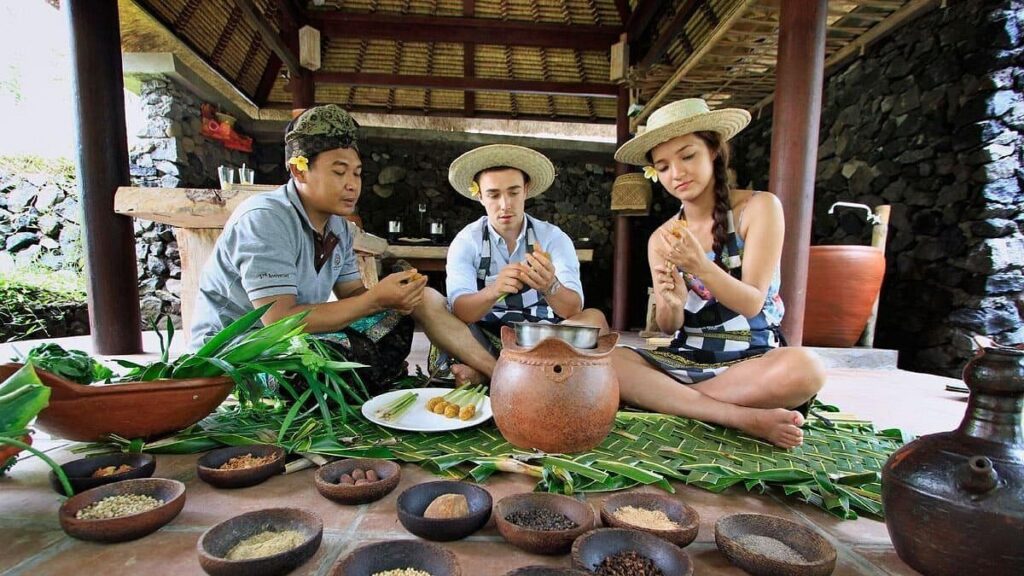
Cooking in Bali begins with a stroll through the market, surrounded by the scent of herbs, spices, and fresh coconuts. I select turmeric, garlic, and locally grown vegetables. These are the essential foundation of authentic food and island meals. Chefs demonstrate how to roast, blend, and balance flavors, letting us explore the art of traditional cooking passed through generations.
The cooking classes are fully hands-on, allowing me to prepare recipes such as Sate Lilit or Bebek Betutu from scratch, along with vegetarian dishes rich in steamed vegetables, tender meat, and perfectly seasoned rice. Each dish tells a story of patience, precision, and community.
When everything is ready, we gather around the table to share in what we’ve created… A celebration of taste and togetherness! I leave not only with new recipes but also a deeper appreciation for the soul of Balinese cuisine, prepared to bring a touch of Bali into my own kitchen.
Lesser-Known Dishes
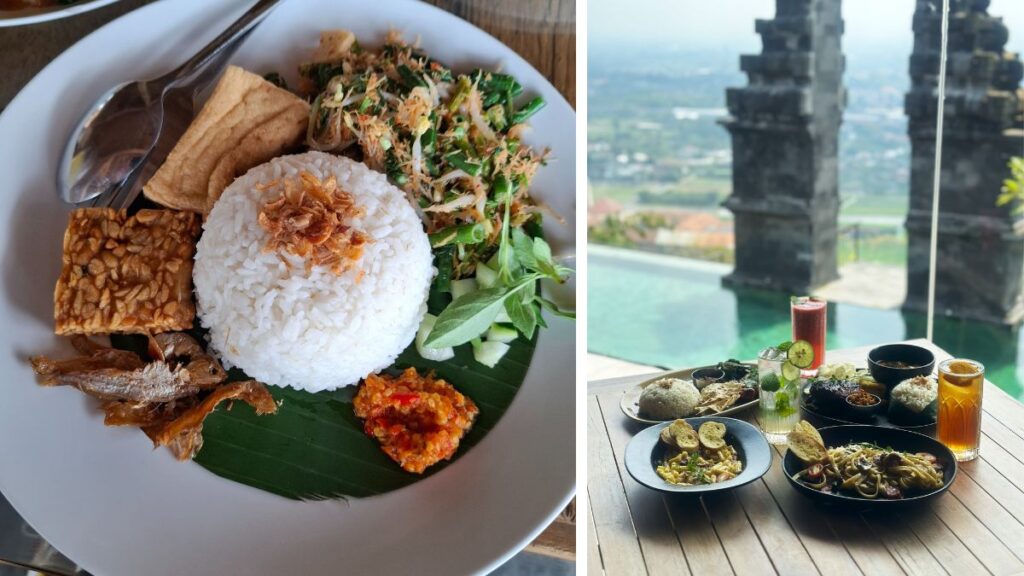
The best flavors often come from Balinese dishes I never even knew existed. Lawar, a blend of meat, coconut, and vegetables, bursts with spice and texture. Treat yourself to Bebek Betutu, a duck slow-cooked in herbs for hours… This is the epitome of the Balinese way of preparing food, rich in aroma and patience. It’s no surprise that this local cuisine continues to fascinate travellers from across the world.
The locals guide me to regional favorites that tourists sometimes overlook. Sampling village warungs, I discover plates that vary by tradition. Some enhanced with more coconut, others elevated by bold layers of shrimp paste or chili…. Every dish adds new depth to the island’s story, from a popular rice dish served at temples to tasty meat skewers prepared on the street.
One evening, a local chef hosted a welcome dinner for us before we moved on to nearby islands. The evening led to relaxed dinners and even private dinners under starlit skies.
Later, during our island stays, we enjoyed sunset seafood dinners on Jimbaran Beach. This place is a postcard-perfect setting by the ocean. With our feet in the sand, we savored grilled fish, steamed prawns, and vegetables before setting off for stunning Lombok the next day for some peaceful beach time.
Menus everywhere showcase creativity, local heritage, and community. Dining here doesn’t just fill you with flavor. It connects you to the warm, shared rhythm of Bali’s people and their timeless love for food.
Essential Bali Travel Tips
Going to Bali means managing your budget, mobility and internet before you even start packing. Bali attracts visitors for its weather, culture and cuisine, but expenses and logistics can pile if you don’t strategize. I always budget for it all – hotels, local eats, temple entrance fees, and even that tourism tax you pay before you land.
When to go counts as well. The optimal months are May, June and September. Weather is mild, crowds are smaller and there is less rain so I get the most for my time and money.
Budgeting
I begin by looking up average costs for accommodations, dining, and day excursions. A basic guesthouse can run you under a resort, and street food rocks for affordability and taste! A plate of Babi Guling with Nasi Campur delivers a real local flavor for a couple of bucks.
I save some cash for the spontaneous stuff, like seeing Ubud’s Kecak Fire Dance or JatiLuwih’s legendary rice terraces. Temple entrance fees such as Tirta Empul or Uluwatu are generally inexpensive, but it’s nice to have some extra cash on hand. I always pay with Indonesian Rupiah to bypass sneaky surcharges and remain budget-friendly.
Connectivity with Ubigi eSIM

Staying connected is key for me! With Ubigi eSIM, I get data immediately after landing. No physical SIM card is necessary! The Ubigi app allows me to purchase or recharge data plans quickly, allowing me to use maps, book rides, and access travel documents without issues.
This all works great if I turn on and test my eSIM before departing. I used it to stay connected from the airport to my guesthouse, and I didn’t have to scavenge for Wi-Fi.
Transportation

Navigating Bali is easy if I’m prepared. I pay around Rp 600,000 to 700,000 a month to rent a scooter, which allows me the freedom to wander. Ride-hailing apps and taxis are ubiquitous, and for longer journeys, I search for public buses to reduce expenses.
Airport transfers are a must to deal with before I land as the arrival involves eVisa, customs, and tourism tax.
Safety
I never put away my phone or wallet in crowded markets or temples. To show respect, I follow local customs, such as dressing modestly. Honoring Nyepi, Bali’s day of silence, is also important to me.
I save emergency numbers and verify the weather forecast because storms can strike even throughout the wet season.
Conclusion
This twelve-day trip to Bali is a mix of unforgettable experiences and landscapes. I discovered a fascinating culture, lush nature, and splendid scenery.
On this island, you feel a soothing positive energy. It’s like having the opportunity to take the time to live, travel, relax, discover, and share. The pace of life is slower here, which is rejuvenating.
The message of acceptance and respect for others that I discovered in Balinese rituals resonates with my values and my introspective work. I highly recommend this island for its beauty, culture, and the kindness of its people. As it is now a “trendy” destination; let’s hope it will not spoil the charm that I discovered and appreciated !
I hope that this “Preparing for a Bali adventure with Jade” article helped you prepare your trip!

Frequently Asked Questions
What is the best time to visit Bali?
I suggest traveling to Bali between April and October. This is the dry season with little rain and sunny weather, which is ideal for touring and lounging.
Do I need a visa to travel to Bali, Indonesia?
Most visitors require a visa. I look up the latest visa requirements for my country before booking my trip to Bali.
What should I wear when visiting temples in Bali?
I’m in modest clothes, covering my shoulders and knees. Sarongs are frequently necessary and some temples keep them at the entrance.
Is Bali safe for solo travelers?
Yeah, Bali is pretty safe for solo travelers. I use common sense and keep my wits about me, particularly in congested areas.
Can I use credit cards in Bali?
Most hotels and restaurants take credit cards. I always keep some cash around for local markets and little shops.
What are must-try Balinese dishes?
I adore sampling specialties like nasi goreng (fried rice), satay, and babi guling (roast pork). Now these are some real Balinese flavors.
How do I get around Bali?
I typically take taxis or ride-shares or hire a scooter. If you’re staying longer, a driver is convenient and inexpensive.








 How to check eSIM compatibility
 How to check carrier unlocking