


Summary
- 1) Key Takeaways
- 2) 1. Is It Safe to Travel to Russia Right Now?
- 3) 2. Understanding Current Travel Advisories
- 4) 3. Safety in Major Russian Cities
- 5) 4. Regions and Areas to Avoid
- 6) 5. Common Safety Concerns for Travelers
- 7) 6. Laws, Rules, and Cultural Norms to Respect
- 8) 7. Health and Medical Safety in Russia
- 9) 8. Staying Connected and Informed During Your Trip
- 10) 9. Transportation and Getting Around Safely
- 11) Final Verdict: Should You Travel to Russia?
- 12) Conclusion
- 13) Frequently Asked Questions
Key Takeaways
- This “Russia Travel Safety: What You Need to Know Before Traveling” article will help you prepare your trip to Russia. Do consult your government’s official travel advisories to Russia before you plan on going and look out for your embassy or consulate.
- While cities like Moscow and Saint Petersburg are safe for tourists, be on the lookout for petty crimes including pickpocketing and scams in busy locations.
- Steer clear of border areas, especially with Ukraine, military zones, and remote areas without infrastructure.
- Always have your passport on you, adhere to tourist visa stipulations, and be respectful of local laws regarding public behavior, as these are rigorously enforced.
- Get dependable internet with Ubigi eSIM so you can keep up on local safety, get around more easily, and keep in touch with friends or emergency services.
- Travel medical insurance is a must and you should bring essential medications. Healthcare quality and language barriers range throghout the country.
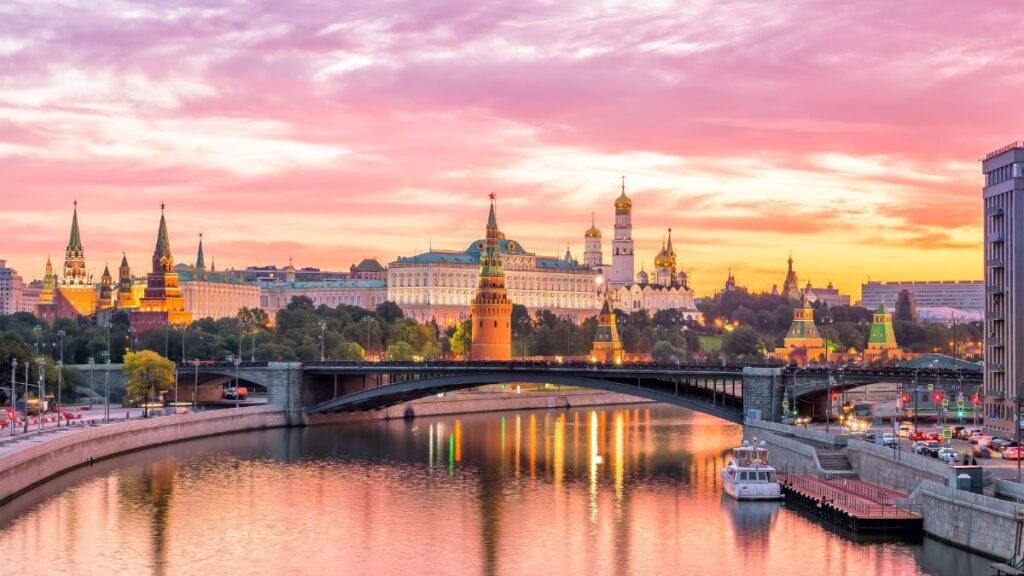
Russia travel safety involves understanding the updated dangers and precautions for secure travel in Russia. You encounter stringent border regulations, especially regarding border crossing, random inspections and fluctuating regional legislation.
Visa request, customs and russian security services rules can change with minimal warning. News on public events and transport will allow you to plan every step.
To make sure you stay safe and informed, below are safety tips for when you’re travelling in Russia.

1. Is It Safe to Travel to Russia Right Now?
Whether you are safe in Russia really depends on what’s happening in the region, where you’re visiting and the kind of traveler you are. Risks can move quickly, so you’ll want to always check reputable government travel advisories before you leave.
Generally speaking, major cities such as Moscow and Saint Petersburg have more assistance available for tourists and are safer than locations close to borders or conflict zones. It’s wise to familiarize yourself with the russian laws and stay on top of local news, as the situation can shift rapidly.
For passport holders of certain citizenship or those who travel with a business visa, you may be at a greater risk. Choose your destinations carefully and always maintain flexibility.
2. Understanding Current Travel Advisories
Because of political tension, security risks, and evolving regulations, a number of countries maintain rigorous travel advisories for Russia. If you’re reading that you should ‘avoid all travel’ or ‘reconsider travel’, they’re warning that there’s a high risk to your safety.
You could encounter issues such as abrupt legislative shifts or increased police inspections and surveillance. Consular access can be difficult to obtain if things go awry, as some nations have reduced personnel or shuttered offices.
Always consult your home country’s foreign affairs website thanks to Ubigi eSIM. They post rules quickly and provide guidance if you need assistance. You’ve got to know what’s safe to go and what’s not before you make plans.

3. Safety in Major Russian Cities
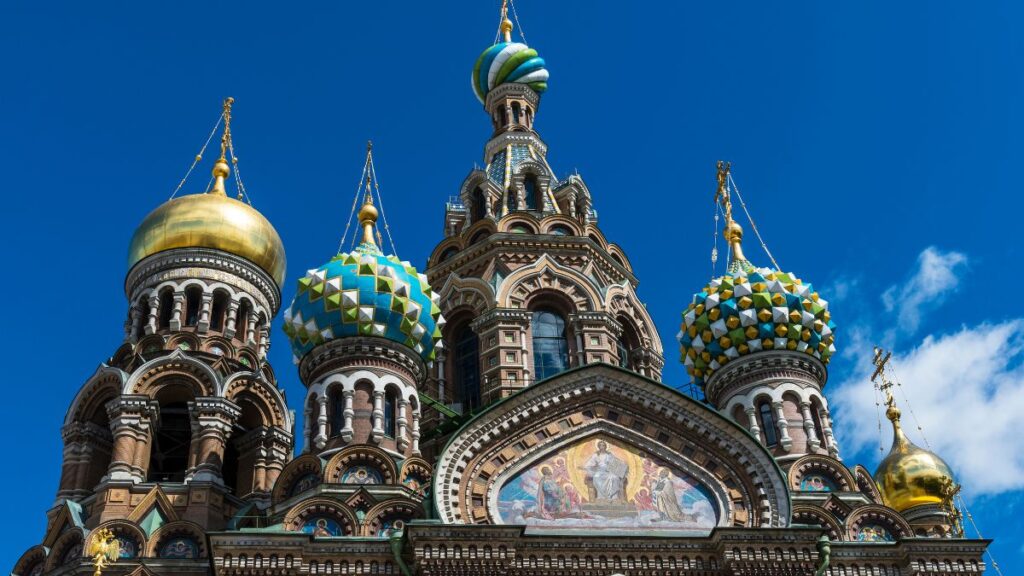
You’ll discover Moscow, Saint Petersburg, and Kazan have a robust police presence, particularly in popular tourist areas and on public transportation. Crime in these cities is similar to other large cities around the world.
There is minor theft, such as pickpocketing, in crowded places although violent crime against travelers is unusual in city centers. Terrorist attacks have occurred, including the Crocus City Concert Hall attack near Moscow in 2024.
Security checks and limitations might impact your locations, particularly near public or government buildings. Safety regulations are not always the same as in Canada or Western Europe.
Watch your belongings, be aware of your surroundings, and don’t wear noticeable clothes or jewelry. LGBTQ+ travelers encounter heightened risks because of local legislation and sentiments.
4. Regions and Areas to Avoid
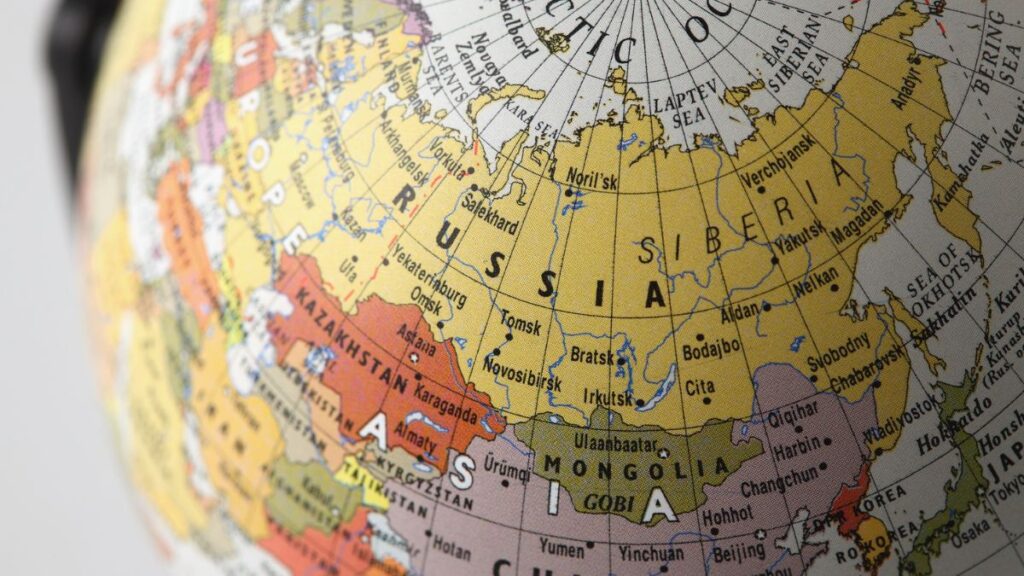
Certain areas of Russia require more caution than others. Border zones close to Ukraine, such as Rostov, Bryansk, Kursk, Belgorod, Voronezh, and Krasnodar, are volatile and unsafe for the majority of travelers.
The North Caucasus, including Chechnya and Dagestan, has experienced violence and overt discrimination, particularly towards LGBTQ+ individuals. Military areas or places with unrest typically do not have good roads or authorities or assistance if situations worsen.
Play it safe by sticking to big cities and popular places. Be wary of dangers in public spaces such as hotels, night markets, and metro stations. Government offices or large crowds could be attack targets.
In remote or tense areas, stay aware.
5. Common Safety Concerns for Travelers
You should monitor your belongings at crowded locations, as pickpocketing is widespread in metro stations, russian markets, and tourist attractions. Tourist scams can occur, so don’t accept tours or deals from strangers that sound too good.
Always store your passport and travel documents in a secure location, not in your handbag or rear pocket. Russian authorities might request identification, so bring a copy and store the original securely.
Photographing near government or military buildings can land you in hot water, so look for signs or inquire first. Avoid flying drones in russian airspace. Don’t flaunt expensive jewelry or electronics for it invites thieves.
In some areas of Russia, safety concerns are elevated, particularly for certain populations, so be aware of the risks prior to your journey.
6. Laws, Rules, and Cultural Norms to Respect
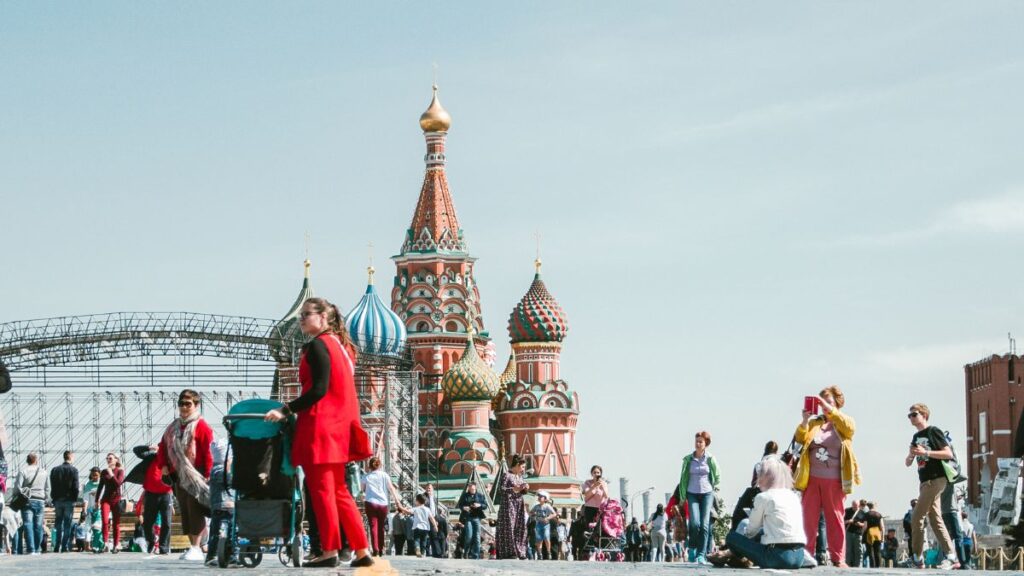
To be safe in Russia, you need to carry your passport on you all the time, because russian authorities can demand ID inspections at any time. Once you arrive, get your active visa registered within 7 days. Some hotels will do this on your behalf, but if not, enquire at a local post office or visa office.
Unpermitted protests or marches are banned. Attending one can get you fined or arrested. Drug laws are tough. Possession, even of small quantities, can result in immediate detention.
Drinking in public spaces is usually prohibited, and impolite or loud behavior in public may cause issues. Russian laws are applied equally strict to visitors as to russian citizens, so be sure to respect them.
7. Health and Medical Safety in Russia
Private clinics in Russia offer superior treatment and shorter waits than public hospitals that can seem overwhelmed and under-resourced. Travel medical insurance is important for your sanity. It pays if you require treatment or need to visit a doctor urgently.
Pharmacies are common and easy to find in major cities, but certain medications require a prescription. Many staff in clinics and pharmacies speak minimal English, so learn essential words or take notes in Russian.
Stock your own basic medications, such as painkillers and allergy medication, as brands may vary or be difficult to obtain.
8. Staying Connected and Informed During Your Trip
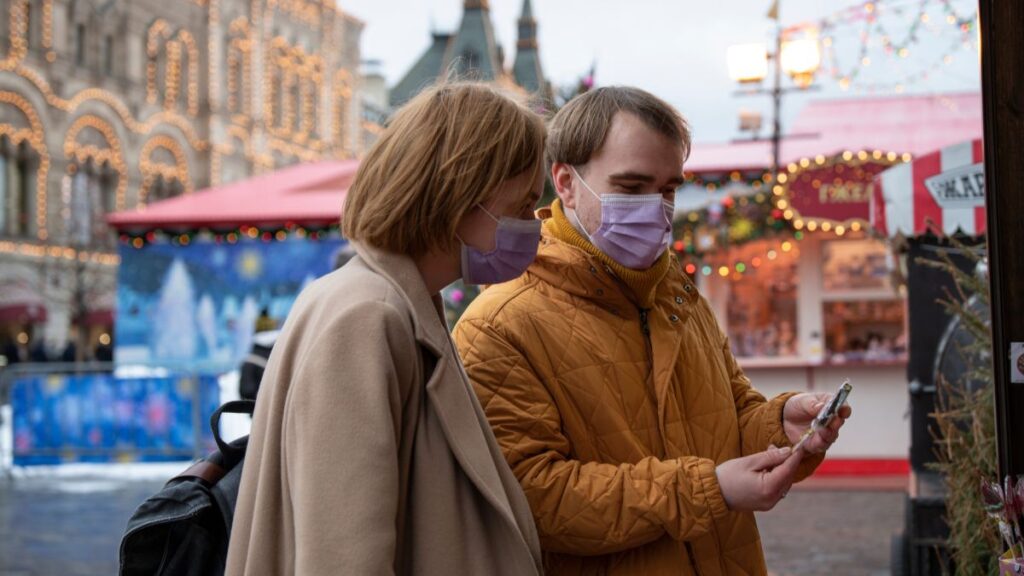
Ubigi eSIM provides you with good internet, allowing you to stay informed on current news, security notices and border updates. You need it for maps, public transport and walking routes so that you don’t get lost.
Translation apps, such as Deepl, assist you in understanding street signs, communicating with locals and placing food orders. Should something occur, you have the ability to contact family or obtain assistance quickly.
Services such as Ubigi eSIM allow you to bypass public Wi-Fi, which reduces the potential for data theft. Pre-load your mobile plan at home, then tap into chats, weather or hunting down the coolest shop as soon as you land.
This keeps your journey safer and smoother, wherever you roam Russia.
9. Transportation and Getting Around Safely
Metro in Moscow and St. Petersburg is safe, clean, and fast, with clear signs and security personnel. Just stick to the official taxis or ride-hailing apps like Yandex Go or Gett, which offer fair prices and safety measures.
Don’t hail random cars or unofficial taxis, because scamming does occur. For longer trips, domestic flights and long-distance trains are common and safe means of crossing Russia’s vast territory.
At train stations and airports, keep your bags close and be wary of pickpockets. Purchase your tickets from official websites, with Ubigi data plan, or at counters so that you don’t end up with counterfeit ones.
Make sure to always check your routes beforehand.

Final Verdict: Should You Travel to Russia?
Russia’s safety for travelers changes with the day, location, and global developments. There are cities, such as Moscow or Saint Petersburg, that do have more trampled tourist trails and improved safety services.
Rural areas or border zones may shift rapidly, so monitor updates frequently. If you do go, stay vigilant, follow local news and make sure you have contingency plans.
Your country’s embassy can provide consular assistance and the most recent travel warnings. If alerts are elevated, consider delaying non-essential travel.
Final verdict – should you travel to Russia? Being safe begins with being prepared, being informed, and having options.

Conclusion
Travel in Russia demands keen attention and savvy decisions. You confront bustling streets of Moscow, spacious squares of St. Petersburg, and indigenous food bazaars, each with its unique tempo and ambiance.
To keep safe, mind your belongings, know the rules, and monitor local news. Be vigilant on trains and in crowds. Rely on your embassy, consulate or local contacts for updates. Health care is fine in large cities, but carry your own medicine. Heed the zones marked off-limits.
Smart steps and clear info keep you moving with ease. For your own journey, prepare in advance, pack accordingly, and stay vigilant.
We hope that this “Russia Travel Safety: What You Need to Know Before Traveling” article helped you prepare your trip!
Frequently Asked Questions
Is it safe for tourists to visit Russia right now?
Russia travel safety depends on current events and advisories. Check your government’s travel advice before planning. Stay away from dangerous areas.
Which areas in Russia should travelers avoid?
Steer clear of ukrainian borders and adjacent areas, some areas of the North Caucasus, and anywhere mentioned in travel advisories. These locations can be dangerous.
Are major Russian cities safe for international visitors?
Big cities such as Moscow and Saint Petersburg are mostly safe. Be cautious, particularly in congested areas, and adhere to local regulations to minimize risks.
What common scams or crimes should travelers watch out for in Russia?
Beware of pickpocketing, bogus cabs, and ATM scams, particularly in tourist locations. Use official taxis and keep your possessions close.
Do I need any special vaccines before traveling to Russia?
Consult your physician for advised vaccines like hepatitis A and B and routine immunizations. Certain areas may need additional measures.
How can I stay connected and informed during my trip to Russia?
Buy an Ubigi eSIM data plan. Stay abreast of developments by following local news and your embassy updates.
What cultural norms should I respect when visiting Russia?
Wear modest clothes at religious places, don’t talk about sensitive political stuff and respect local tradition. Being respectful helps you have a smoother trip.








 How to check eSIM compatibility
 How to check carrier unlocking