


Key Takeaways
- Looking for “4-Day Hanoi Vietnam Travel Itinerary“? This article is for you!
- Dive into Vietnam capital city deep history with stops at the Ho Chi Minh Mausoleum and the Temple of Literature. Then soak up the buzz of the Old Quarter.
- Complement your itineraries with local culture, such as traditional performances, art museums, and cooking classes, to experience real Vietnamese life.
- Get a taste of real Hanoi food on tours, street stalls, and drips of Vietnam’s beloved coffee.
- Plan day trips outside the city to Ninh Binh and Ha Long Bay for natural beauty and cultural experiences beyond Hanoi.
- Select your hotel by location, amenities, and proximity to points of interest for a cozy and convenient stay.
- Tips to survive your Hanoi trip include checking when you need a visa, taking a Ubigi eSIM data plan, carrying cash, and basic safety and travel tips to get you through the day.

Introduction
Travel to Hanoi city involves discovering a city where ancient alleyways, bustling marketplaces and still lakes converge.
You come across French buildings beside ancient temples, street stalls with fresh bread noodles and locals on bike or foot.
The city has museums, art spots and green parks for pauses from bustling roads.
Food, sights and transportation options let you customize a trip to your taste and schedule.
Below is the ultimate Hanoi travel itinerary to discover the whole city and its particularities outisde of the crowded tourist attractions!
Day 1: The Historic Heart
Hanoi city centre is its historic heart. It pulls you in with its striations of culture, history, and daily life. The Ho Chi Minh Mausoleum is where you see the tomb of Vietnam’s revolutionary leader. It’s more than a monument; it’s a glimpse of the nation’s reverence for its history.
There, you wander through hushed corridors, watch sentries on duty, and feel how a single individual altered the destiny of a continent. The gardens surrounding the mausoleum are peaceful and spacious, allowing you to absorb the moment before you exit.
Temple of Literature
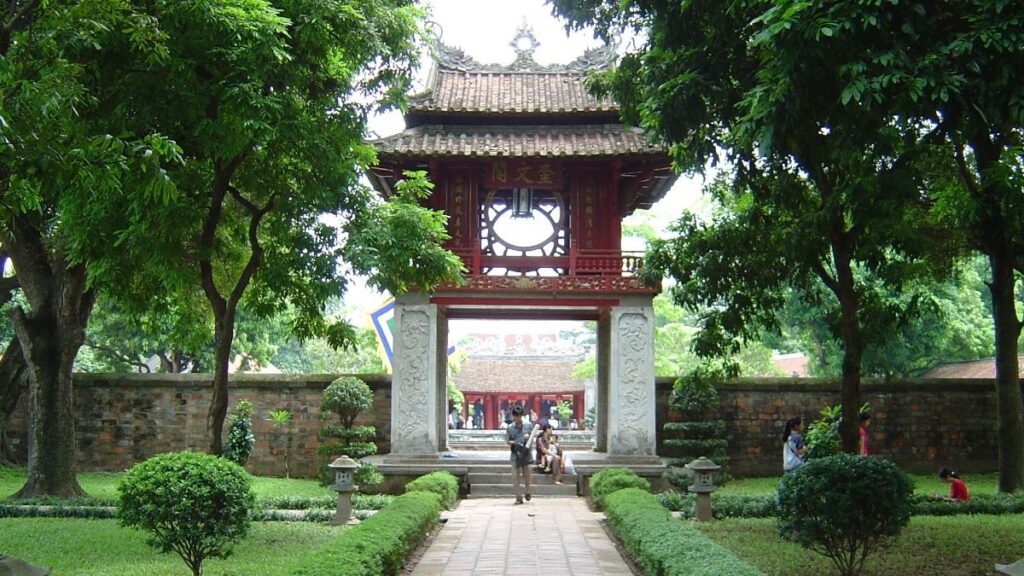
The Temple of Literature, Vietnam’s initial university, rests not far off. Constructed in the 11th century, its courtyards and pavilions exhibit ancient Vietnamese architecture. Stone turtles with steles abound, each recording the names of scholars from bygone eras.
The temple provides a powerful impression of the importance of scholarship and tradition to Vietnamese culture. Walk under ancient trees, through decorative gates and envision students reading here.
Lakes and Legends
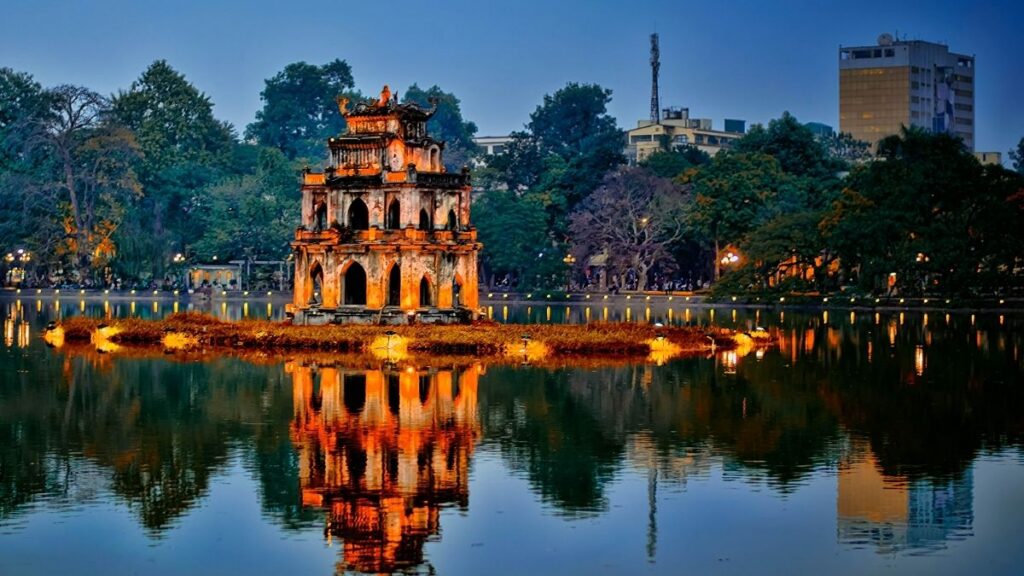
Hoàn Kiếm Lake is located right in the heart of the city. The lake’s still water, Turtle Tower, and Ngoc Son Temple are steeped in local legend.
Legend has it that King Le Loi received a dragon-sent sword from the Dragon King in the 15th century to defeat invading forces before throwing it back to the lake.
Today the neighborhood combines expansive French-style boulevards with Asian temples, and locals and visitors alike are strolling or relaxing by the shore. On weekends, the roads close to cars and become walking streets teeming with music, food, and families.
Just nearby is Hanoi’s famed Old Quarter, a labyrinth of tiny streets, with each street named for a trade. Here, shops peddle silk, lanterns and street food. You hear the roar of motorbikes and gaze up at old buildings with decaying shutters.
Day 2: Cultural Immersion
Cultural immersion in Hanoi allows you to transcend shallow tourism and enter living history. It transforms your visit from a tour to an actual immersive glimpse into Vietnamese culture.
First, a classic water puppet show is a good start. It is a traditional Vietnamese artform enjoyed by younger and older visitors alike.
Based on Vietnamese folklore, it depicts village myths and legends with wooden puppets on water.
You witness tales told with live music and singing, and no Vietnamese is required. Many places have English guides or subtitles, so it’s easy for you to keep up.
Arts and Museums
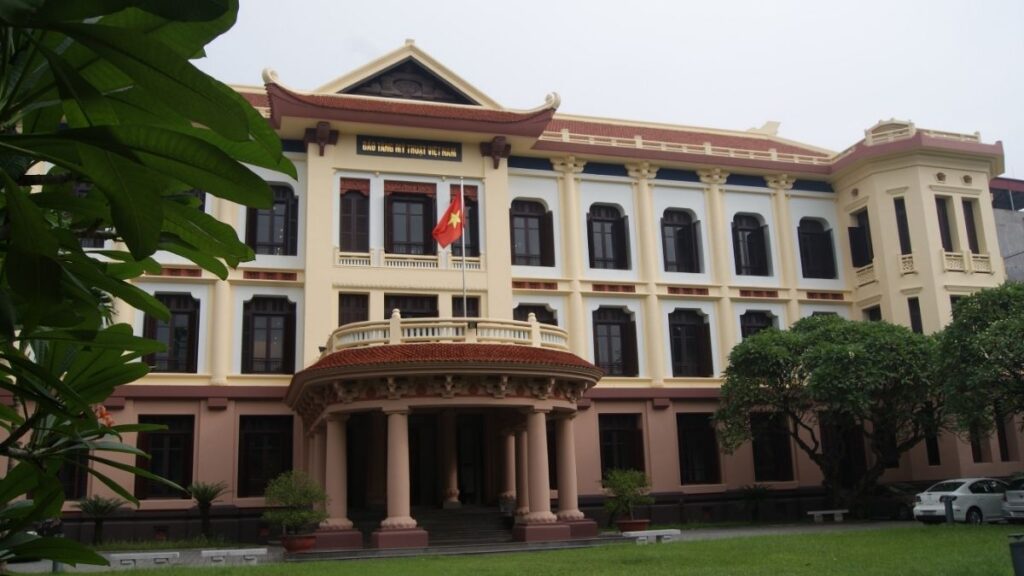
A trip to the Vietnam Fine Arts Museum provides a fascinating glimpse into the local art and history. Here, you encounter paintings, sculptures, and folk crafts that recount tales of the country’s past and present.
You experience what defines Hanoi’s character by flowing through exhibits that span from primitive stone sculptures to contemporary pieces. It’s all in English, and the staff can assist in answering questions.
You discover how art connects to everyday life and how Vietnamese history reverberates in contemporary culture.
Cooking class and Local Connections
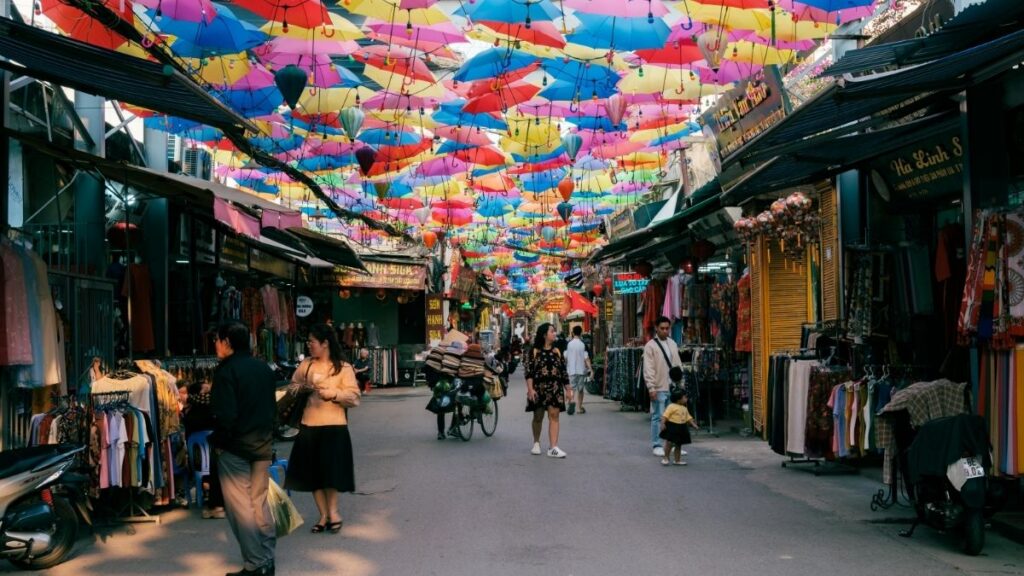
Participating in a cooking class provides you with a hands-on experience of Vietnamese cuisine. Most courses bring you to local markets first, where you are introduced to local fruits, vegetables, and spices. Then, you prepare traditional dishes like pho or fresh spring rolls beneath a chef’s instruction.
Courses are conducted in English or provide bilingual assistance. It’s not simply about trying new cuisine. It’s an opportunity to promote local chefs and discover traditional recipes and Vietnamese cooking practices.
Chatting up the locals, be it in a café or at the market, really gives you a feel for what daily life in Hanoi is like. Many people are willing to share their own stories and even minor interactions can expose you to the significance of local customs or festivals.
Day 3: Local Flavors
Hanoi’s food scene is a blend of the old ways, French origins and the city’s own flair. There are more mild flavors here than in other parts of Vietnam, and every meal is a narrative.
It’s all about fresh herbs, local greens and balance in every bite. It’s easy to observe how food is connected to family, tradition and daily life throughout the city.
Culinary Tours
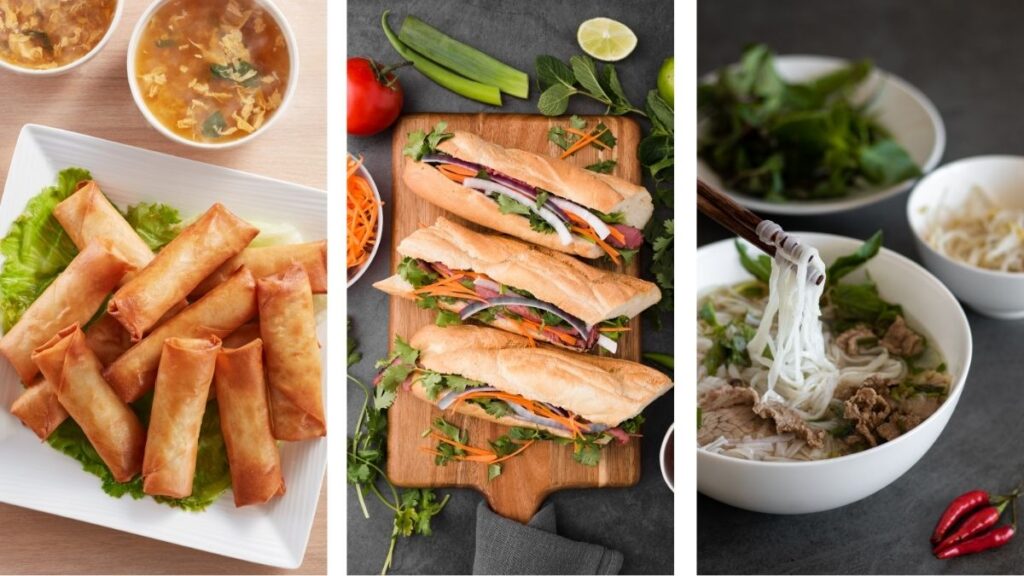
Begin with a culinary tour to sample the cuisine that put Hanoi on the map. Vietnamese pho, a transparent noodle soup with beef or chicken, is Hanoi’s pride and pleasure at little restaurants that open at dawn. Banh mi, that French-inspired Vietnamese baguette sandwich, arrives packed with grilled meats, pickled veggies, and herbs.
These tours bring you to unpretentious great places where you can literally experience the city’s history in every bite. Don’t miss bun cha, noodles with grilled pork, or cha ca, turmeric fish with dill and rice noodles, both unique to Hanoi.
Roam the side alleys to discover secret stalls that have stood the test of time. Vendors pull out their carts every morning, offering hot bowls of soup or sugared sticky rice. Give xoi (sticky rice with toppings), nem ran (crispy spring rolls), or che (sweet soup with beans and jelly) a whirl.
Markets Street Food and Coffee Culture
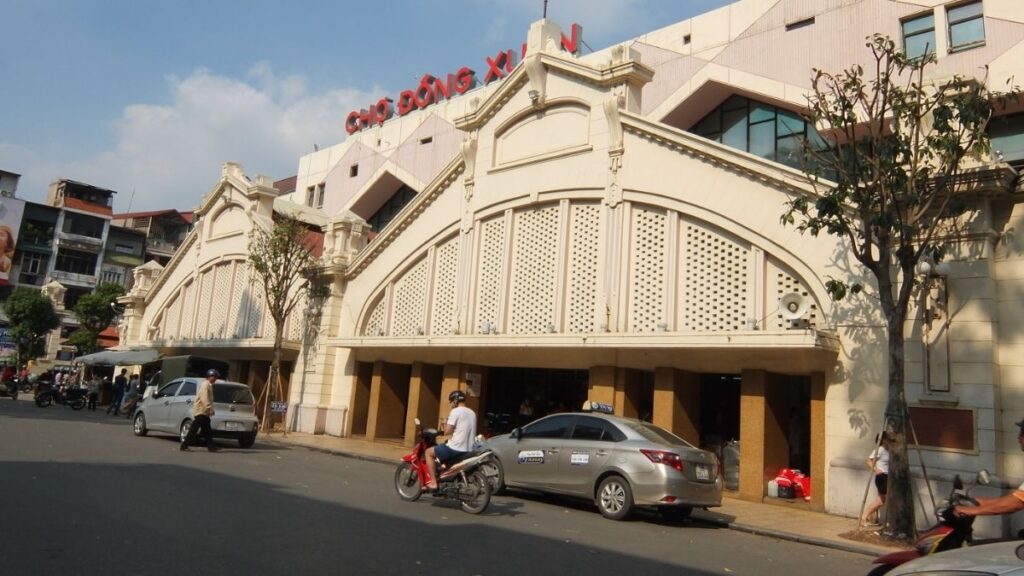
These stalls are just part of life here, switching up their menus as the seasons change. Hot pots and broths are served in winter, while cold noodles and fruit are offered in summer.
Vietnamese coffee culture is its own stratosphere. Tiny cafes sell egg coffee, a mix of rich coffee and whipped egg, or yogurt coffee, a creamy delight. You’ll discover these brews in both silent alleys and noisy nooks, every place adding its unique twist to the timeless concoction.
The French brought the coffee love, and locals made it theirs. Dong Xuan Market is the epicenter of local flavors. You can sample fresh fruit, dried snacks, and local dishes all in one bustling area. It’s open all day and demonstrates how vietnamese food is connected to the city’s pulse.
Day 4: Beyond the City
Once you step outside, it’s the peacefulness of ancient temples, verdant pastures and mountain paths, for example along Yen Tu mountain. There are many fantastic destinations if you feel like experiencing life beyond the city.
Ninh Binh and Ha Long Bay
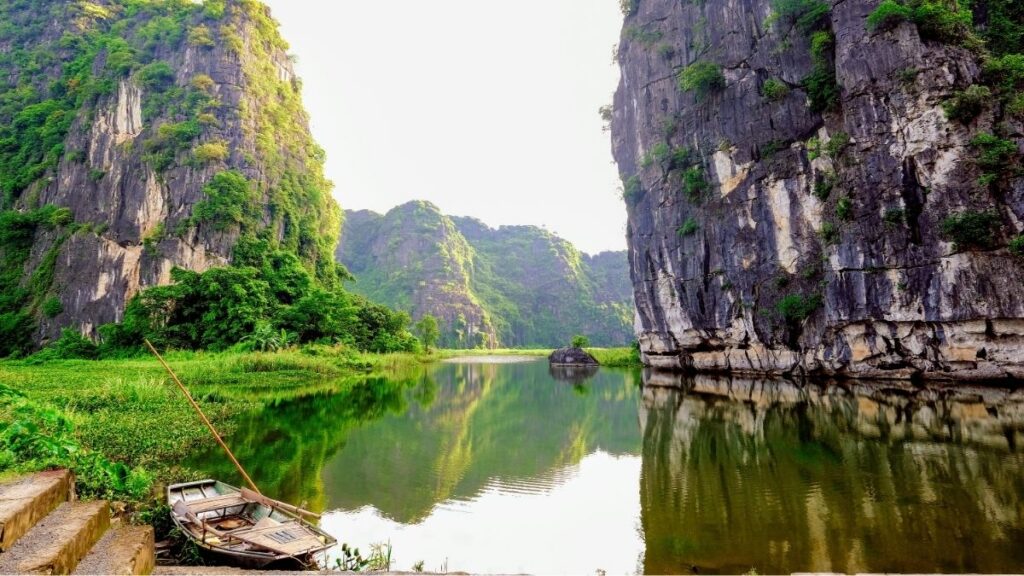
Plan a day trip to Ninh Binh, around 95 km south of Hanoi. It is known for its towering limestone cliffs, rice fields, and ancient temples. You can boat down the Ngo Dong River, with caves and green hills rising on either side.
Trang An’s old capital of Hoa Lu is nearby, where you can stroll through towering gates and rock-lined paths.
Tam Coc and Trang An are both boat tour destinations, letting you take in the best sights. This region of Vietnam is serene and historically deep, a nice respite from the urban environment.
Ha Long Bay is another must-see, located some 170km east of Hanoi. The bay is known for its towering rock islands and transparent blue water. Take a boat tour, some are only a few hours, while others are overnight.
Most boats serve food and make stops to swim or explore little caves. The views from the deck are typically the star, with stone islands surrounding you.
Villages, Nature, and Local Markets
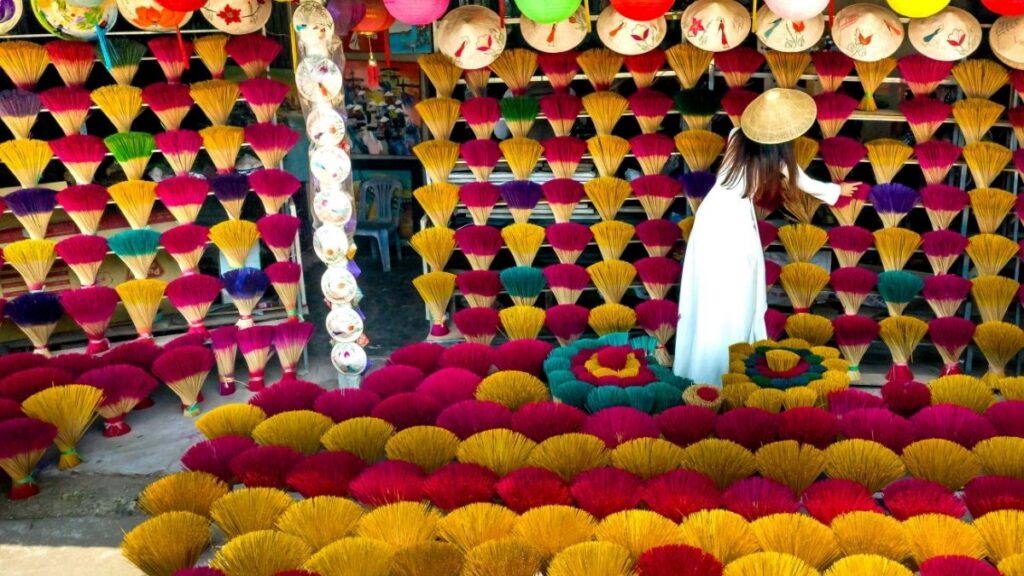
Outside of Hanoi, rural Vietnam offer a very slow pace of life. You could explore handicraft villages such as Quang Phu Cau, approximately 32 kilometers south. Here, families still craft incense the old-fashioned way, transforming raw stalks into fragrant bundles shipped off to temples all over Vietnam.
These villages have preserved ancient crafts, and you can observe the craftsmanship in every stage. If you have only a half day, many villages are within reach for a short trip. Other villages peddle pottery, silk, or woodwork, each with a tale.
Ba Vi National Park lies to the west of the city, with its greening hills and fresh air. Trails meander beside brooks and bamboo. You can trek up to overlooks for spacious views back towards Hanoi.
There are tons of plants and birds in the park, so it’s great for leisurely strolls or contemplative pauses. For extra, you can halt at little farms or roadside stands en route.
Outside the city are the luminous Quang Ba flower market and the bustling Long Bien wholesale market, both ideally experienced at daybreak. Local cafes are frequently upstairs, where you can just observe life.
Here’s what a lot of travelers think: a food tour out of the city is an excellent way to sample local cuisine and visit markets that most tourists never get to see.
Choosing Your Hanoi Base
Your decision in picking your Hanoi base defines your trip. Every neighborhood has a distinct pace and vibe, from the bustling Old Quarter to peaceful West Lake.
For first-timers, Hanoi Old Quarter continues to be the strategic place for two to three nights, where you plunge straight into the city’s street life, cuisine, and nightlife.
If you schedule side trips to places such as Ha Long Bay or Ninh Binh, then four to five days in Hanoi provides you with a solid base.
Think about what’s most important: nightlife, quiet, or authentic character before you reserve.
Old Quarter
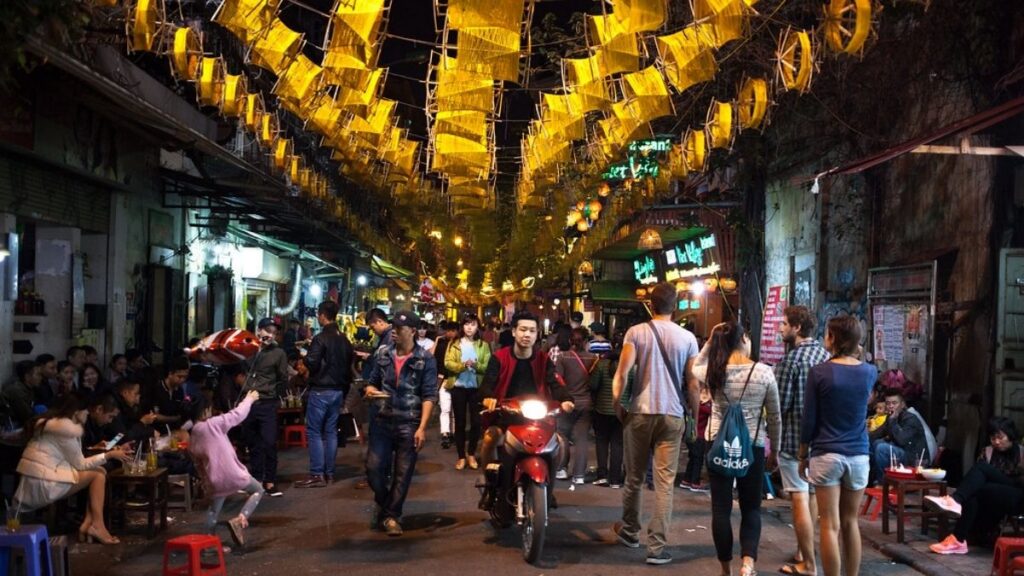
The Old Quarter seduces with its congested weave of narrow alleys and ancient structures, many frozen in time for generations. There are street vendors and open-air markets and family-run shops around every corner.
Nightlife flourishes here too, with Tạ Hiện Beer Street and Bia Hoi Junction attracting locals and visitors alike.
Here is a list of good hotel options:
- La Siesta Classic Ma May offers local character, a rooftop bar, and staff with insider tips on hidden gems.
- Hanoi Pearl Hotel provides modern rooms just steps from Hoan Kiem Lake.
- Little Charm Hanoi Hostel, better for budget travelers and known for clean rooms, complimentary breakfast, and organized group tours.
French Quarter
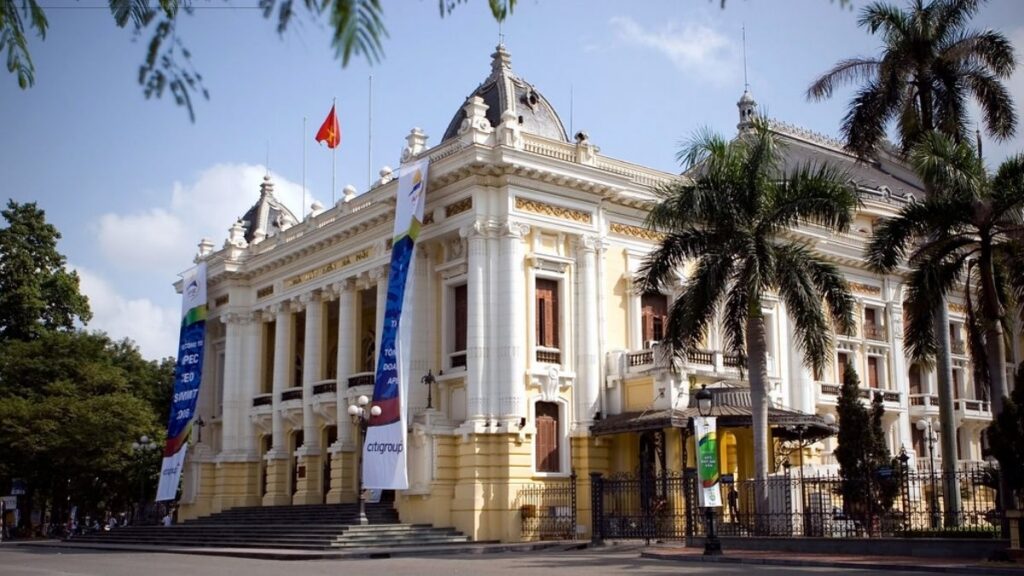
South of the Old Quarter, the French Quarter is all about wide streets, stately buildings, and a slower pace. The Hanoi Opera House is a highlight, presenting concerts and shows.
In terms of dining, you’re looking at upscale options, with restaurants mixing Vietnamese spices and French cuisine, such as salmon tartare with local herbs.
Parks and tree-lined boulevards offer tranquil strolls. This neighborhood is less frenetic, making it the perfect hangout for visitors seeking respite from the Old Quarter’s clamor.
Here is a list of luxury hotels:
- Sofitel Legend Metropole Hanoi stands out with its timeless rooms, tranquil pool, and refined French-Vietnamese cuisine.
- Hotel de l’Opera Hanoi offers boutique luxury with dramatic interiors inspired by opera themes.
- Capella Hanoi is a luxurious boutique hotel blending creativity with comfort featuring indoor and saltwater pools, a wellness spa, a fitness center, and exceptional on-site dining offering.
West Lake
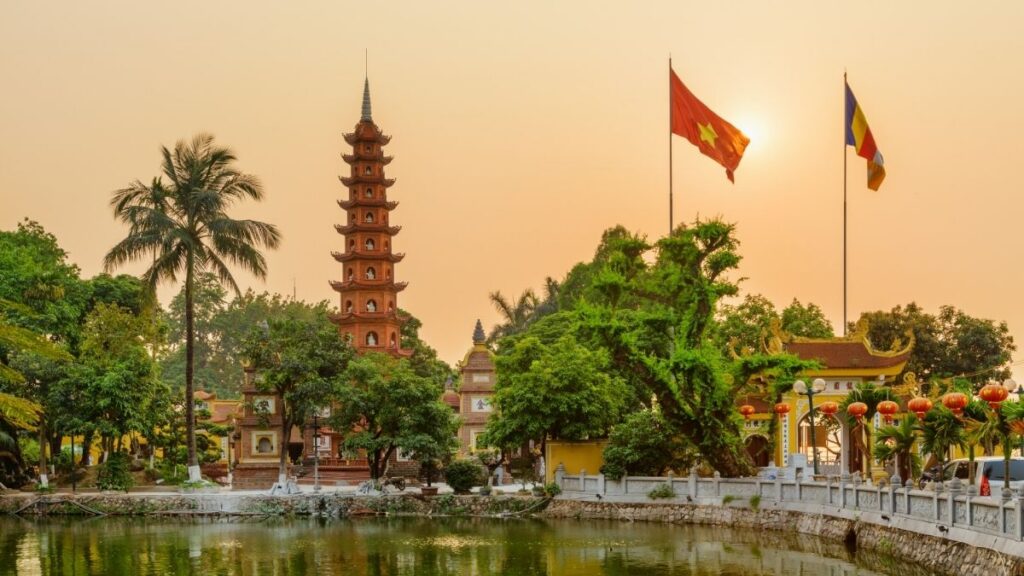
West Lake (Tây Hồ), with its spaciousness, tranquility and water views, is a favorite among expats and digital nomads. The lakeside is great for morning jogs, bike rides or coffee by the water.
Tran Quoc Pagoda, located on a little island, has to be visited for its history and tranquil environment. It has everything from seafood restaurants to contemporary cafes.
Here is a list of international hotels:
- InterContinental Hanoi Westlake features overwater pavilions and spacious rooms with lake views.
- Fraser Suites Hanoi provides serviced apartments and a rooftop pool ideal for longer stays.
- Sheraton Hanoi Hotel, combining resort-style facilities with panoramic lake vistas.
Essential Vietnam Travel Tips
Vietnam’s capital moves at a pace uniquely its own. You want to be set up in advance. Check your visa requirements by nationality and get this sorted prior to your journey.
It doesn’t hurt to keep vital numbers, such as the local police and medical services, close at hand in your phone or wallet if you need fast assistance.
Basic Travel Tips
Vietnamese dong (VND) is king. Bring plenty of small notes as most shops and street vendors are cash only. Rates vary, so check before you go to avoid surprises.
It’s a skill to cross the street. Cars and motorbikes flow non-stop, but if you walk at a semi-consistent pace, they’ll swerve around you. Don’t hold out for the street to clear, it seldom does.
The local traffic patterns are not like anything you’ve ever seen. Horns, weaving bikes, and crowded intersections await. Be vigilant and take strides.
Dress carefully at temples. Covering shoulders and knees is the standard. It is respectful and helps you blend in.
Make sure it’s bottled water only, even to brush your teeth with. This minimizes the possibility of tummy troubles.
Download offline maps beforehand. Street names are redundant and alleys twist, so your phone assists with directions.
Your Travel Connectivity with Ubigi

You’ll require mobile data for the essentials, such as calling a Grab ride, translating menus, peeking at the weather, navigating the Old Quarter, or securing a last-minute Ha Long Bay tour.
Ubigi eSIM provides you with high-speed data in Vietnam and throughout Asia. You avoid roaming fees and retain your primary SIM for calls.
This translates to no dropped texts, no exorbitant charges, and consistent, easy connectivity throughout your Vietnam trip.
You select the plan that fits your journey, from 1 GB for quick visits to more data for extended trips. Ubigi offers a range of data plans designed to fit different travel needs:
- Short city breaks (3GB Vietnam data plan for 7 days)
- Longer vacations across multiple Vietnamese regions (10GB Vietnam data plan or an unlimited data plan for 15 or 30 days)
- Multi-country trips within Asia (25GB to Unlimited Asia data plan for up to 30 days)
Conclusion
Hanoi serves you a true flavor of Vietnam, from bustling city streets to ancient pagodas and peaceful lake waters.
You experience fresh flavors in street-food stalls, vibrant colors in every market and a profound sense of history around every corner. Step out of the city for a while and you see green rice fields or ancient villages.
Hanoi is great for solo travel, friends, or family. You discover a stay that matches your vibe, ranging from basic hostels to boutique hotels.
Local tips keep travel smooth and help you see more. Get ready to schedule your days in Hanoi! Explore with guides, chat with other travelers and carve your own trail through the city.
Your Hanoi travel story awaits so start planning with a Ubigi eSIM!
We hope that this article on “4-Day Hanoi Vietnam Travel Itinerary” helped you!

Frequently Asked Questions
What is the best time to visit Hanoi?
The ideal visit period for Hanoi is between October and April. During these months, you will experience mild temperatures and low humidity, keeping your sightseeing pleasant.
How many days should you spend in Hanoi?
At a minimum, allocate three days to Hanoi. This leaves you ample time to wander the Old Quarter, visit museums, and make a day trip.
Is Hanoi safe for travelers?
Yes, it’s safe in Hanoi. Apply common sense, secure your possessions, and cross busy streets cautiously.
What are must-try foods in Hanoi?
Don’t miss out on pho (noodle soup), bun cha (grilled pork with noodles), and egg coffee. These dishes are local favorites and are simple to come by around the city.
How do you get around Hanoi?
You can move around Hanoi on foot, by taxi or ride-sharing apps if you have an eSIM data plan like Ubigi. The Old Quarter is quite walkable and there are public buses as well.
Do you need a visa to visit Vietnam?
Most travelers require a visa to enter Vietnam. Review your country’s most recent requirements prior to travel and apply online if it is available.
What should you pack for Hanoi?
Bring light, comfortable attire, a rain jacket, and quality walking shoes. Don’t forget sunscreen and your own medications.








 How to check eSIM compatibility
 How to check carrier unlocking