


Summary
- 1) Key Takeaways
- 2) Introduction
- 3) 1. Table Mountain
- 4) 2. Kruger National Park
- 5) 3. Cape of Good Hope
- 6) 4. Robben Island
- 7) 5. Blyde River Canyon
- 8) 6. Garden Route
- 9) 7. Johannesburg Apartheid Museum
- 10) 8. Victoria & Alfred Waterfront
- 11) 9. St Lucia Estuary
- 12) 10. Drakensberg Mountains
- 13) Travel tips for South Africa
- 14) Conclusion
- 15) Frequently Asked Questions
Key Takeaways
- Looking for the best “Attractions sites in South Africa”? This article is for you ! South Africa’s landscapes range from Table Mountain to Blyde River Canyon, making it ideal for nature lovers.
- Kruger National Park and the Cape of Good Hope offer views of the Big Five and rare plants.
- Visiting iconic sites like Robben Island and the Apartheid Museum reveals South Africa’s tumultuous history and path to liberation.
- Garden Route one of the most beautiful road trips in the world, with hiking, local food and idyllic coastal towns.
- By keeping connected and planning your travel logistics ahead, you will get around the country more effectively when visiting multiple sites.
- By planning with safety in mind and selecting appropriate times for your activities, be it safaris or hikes, you maximize your visit and keep things fun.
Introduction
Attraction sites in South Africa offer a diverse range of experiences, making it perfect for South Africa vacation ideas.
From spotting lions in Kruger to hiking Table Mountain, the region offers unforgettable outdoor experiences.
Historic sites like Robben Island and the Stellenbosch Winelands reveal the Cape’s rich history and culture.
Hike scenic trails, relax on south coast beaches, or discover hidden gems across South Africa.
Museums, beaches, and markets all pack your days with activities and exploration. For new visitors or experienced travelers, this article filters out prime places worth your visit.

1. Table Mountain

Table Mountain National Park is a flat-topped mountain offering panoramic city and ocean views one of the most iconic natural places in South Africa.
Whether you’re feeling like a hike up trails such as Platteklip Gorge or want to avoid the pumices altogether, take the Aerial Cableway, which ascends 1,086 meters in just six minutes and features a 360-degree rotating gondola.
On sunny days, the top provides you with views of Table Bay, Robben Island, and the Twelve Apostles, perfect vistas during any South Africa vacation.
Rocky sandstone and low Cape fynbos blanket the terrain, leading toward the Cape Winelands. Its misty summit offers gentle trails and views of unique local wildlife and plants..
2. Kruger National Park

Kruger National Park in South Africa is distinguished by its size and diversity, extending over almost 20,000 km² in Limpopo and Mpumalanga. Join a safari game drive or drive yourself through this iconic national park to see elephants, lions, rhinos, and other remarkable wildlife the Big Five that make Kruger a must-visit destination.
Home to 500+ bird species and 147 mammals, the park offers rare wildlife sightings, especially from May to September. Stay options range from self-catering camps to luxury lodges, some with an authentic Zulu cultural touch.
With well-kept roads and guided tours available across nearby national parks, exploring comes easy, allowing you to concentrate on the wildlife and sprawling vistas of South Africa.
3. Cape of Good Hope
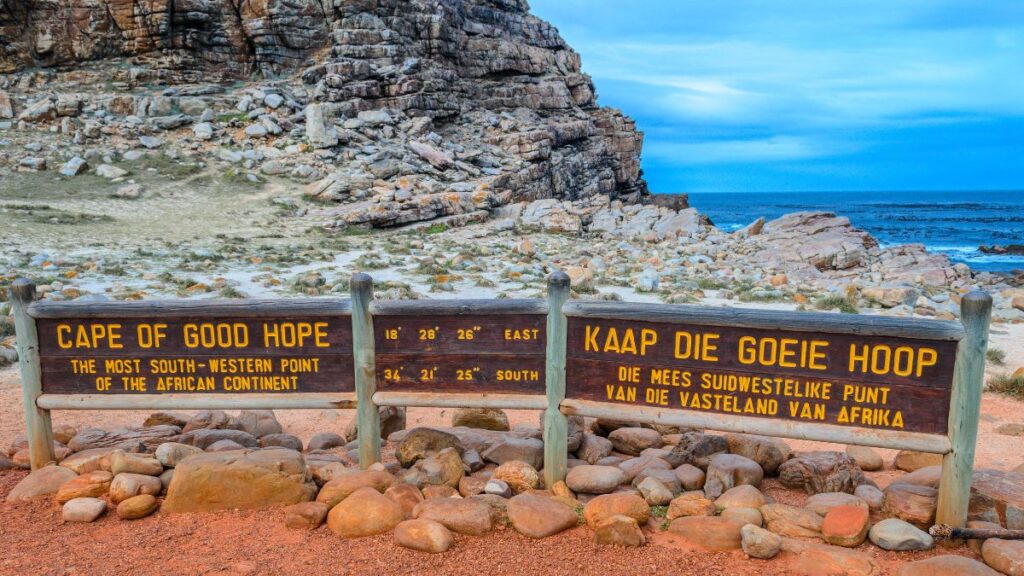
The Cape of Good Hope lures you with its towering cliffs, panoramic ocean vistas, and untamed shoreline where the Atlantic caresses the Indian Ocean one of the most iconic landmarks in Africa. Hiking up to the Cape Point lighthouse rewards visitors with sweeping views of the ocean, rugged landscapes, and dramatic mountains that make this among the top South Africa vacation spots.
Trails in the parks of the Cape Point Nature Reserve frequently intersect with baboons, ostriches, and antelope. Strut along beaches sprinkled with rare plants from the Cape Floral Region, a UNESCO World Heritage Site, celebrated as a remarkable South African World Heritage Site.
History shines here too, featuring ancient crosses for explorers Dias and da Gama, in addition to remnants of the Khoi and San tribes. It’s a favourite place for countless travelers planning trips to discover South Africa’s coastal attractions and its enduring natural beauty at the summit of the Cape.
4. Robben Island

Robben Island captivates you with its rich history and serene landscape along South Africa’s southern coast. You arrive on the island by ferry, making the 7-kilometer crossing from Cape Town for an unforgettable sightseeing experience. Guided tours, many led by former political prisoners, walk you through the realities of apartheid and life inside the prison where Nelson Mandela served 18 years, much of it in harsh isolation.
The island is a visited tourist attraction that combines history, culture, and diverse fauna. Wildlife compounds the experience, with seals luxuriating on rocky coasts and birds nesting all over the 5-square-kilometer island. Ancient quarries, a fort-era toy tank, and a lepers’ church inspire contemplation of the struggle for liberty and representation an essential stop for anyone interested in travel through South Africa’s living history.
5. Blyde River Canyon

At number five, Blyde River Canyon is a favourite place for outdoor enthusiasts exploring South Africa, standing out as one of the most impressive canyons in the world due to its raw size. It runs for 50 kilometers along the northern Drakensberg escarpment and is a must-visit on any South Africa roundup of natural wonders. You get panoramic views of lush cliffs, ancient caves, expansive vistas, deep gorges, and waterfalls like the Lisbon Falls and Berlin Falls true tourism landmarks in this region.
Drive the Panorama Route for stops at God’s Window and Bourke’s Luck Potholes, known for their dramatic rock formations and exceptional sightseeing opportunities. Hikes vary in length from short strolls to the five-day Blyderivierspoort Trail through scenic parks rich with wildlife experiences.
Enjoy birdwatching at the dam or a quiet moment at the Three Rondavels, three cone-shaped peaks perfect for reflective travel moments. Early and late visits let you skip the crowds and take in the canyon’s serenity.
6. Garden Route
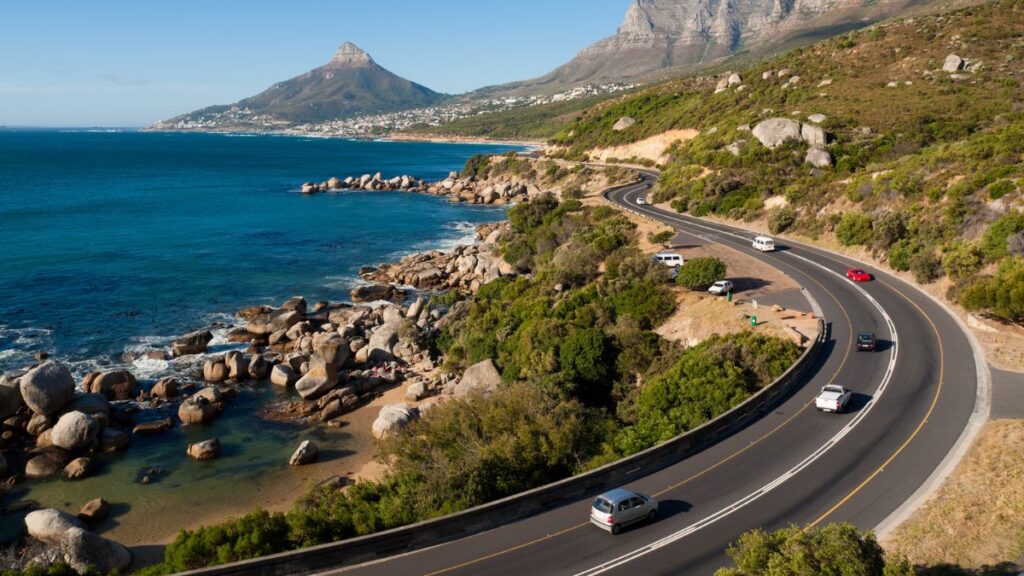
The Garden Route is famous for its visually stunning drive along 372 kilometers of southern coast, dotted with golden beaches, beautiful coastlines, and dense forests one of South Africa’s most favourite road trips. You’ll find vibrant towns such as Knysna and Plettenberg Bay, where local markets overflow and the seafood tastes incredibly fresh. For nature enthusiasts, outdoor fun is unlimited, including hiking, surfing, kayaking, sightseeing, and whale watching in the migration season along the south coast.
One of the best ways to experience the region’s biodiversity is through the Whale Trail Hike or by exploring the nature reserve areas within the Garden Route National Park, which encompass both coastal and forest habitats.
European influences in local food and customs shine through, creating a blend that appeals to anyone seeking beautiful places along this scenic route. Summer, when the weather remains mild and pleasant, is the best time to visit and a full hiking guide can help you plan every step of your journey.
7. Johannesburg Apartheid Museum
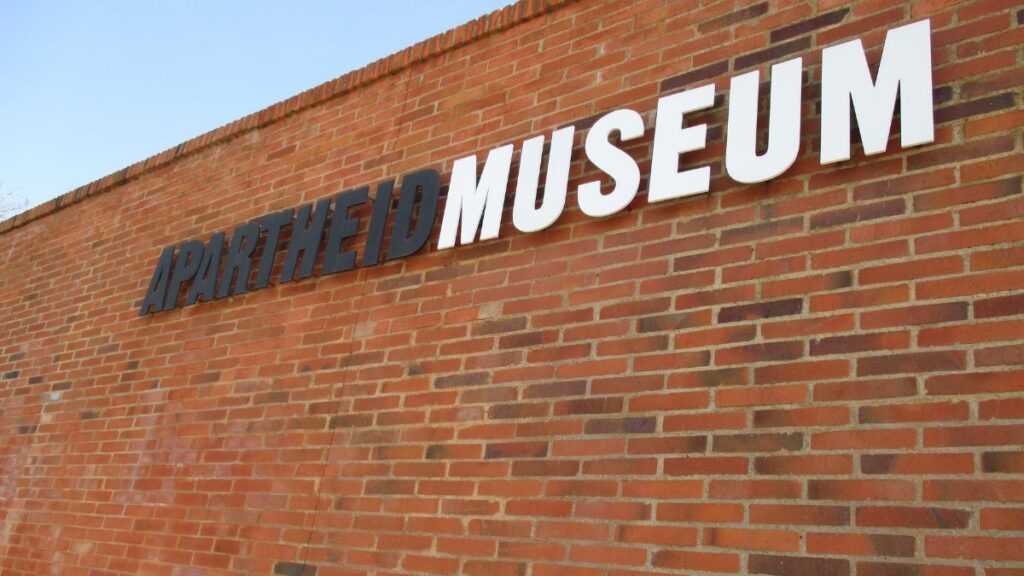
The Johannesburg Apartheid Museum stands out for its powerful exhibits and multimedia presentations that vividly portray South Africa’s complex history. Visitors move through 21 compelling sections, each layered with timelines, artifacts, and personal stories depicting how apartheid shaped the nation and how its people fought for freedom.
Special attention is given to pivotal moments such as the Sharpeville Massacre and the 1980s unrest, supported by a 20-minute documentary and displays highlighting global solidarity in the struggle for transformation.
Guided tours help interpret profound symbols like the 131 nooses and the seven pillars in the courtyard, each representing a principle of the new democratic South Africa.
8. Victoria & Alfred Waterfront

The Victoria & Alfred Waterfront distinguishes itself as a famous tourist destination with its vibrant mix of retail, restaurants, and entertainment, all set within a working harbor in Cape Town on the African continent. Whether you want to roam craft markets, explore galleries, join a city walking tour, or dine on local fares with Table Mountain rising in the background, this spot remains a favourite choice for visitors.
Located by the harbor, the Two Oceans Aquarium is home to more than 3,000 sea creatures and easy to explore for families and nature enthusiasts seeking a glimpse of the magnificent nature beneath the waves. Boat cruises depart from the marina for Robben Island tours, scenic harbor trips, or sunset sails that highlight the waterfront’s tranquil beauty. Nearby, the Silo District adds artistic vibrancy with contemporary galleries and public art, while weekends fill with bustling markets, live performances, and street music.
For those planning popular walks through nature reserves or following a full hiking guide, the Waterfront offers the perfect base for both urban adventure and natural discovery on your South Africa journey.
9. St Lucia Estuary
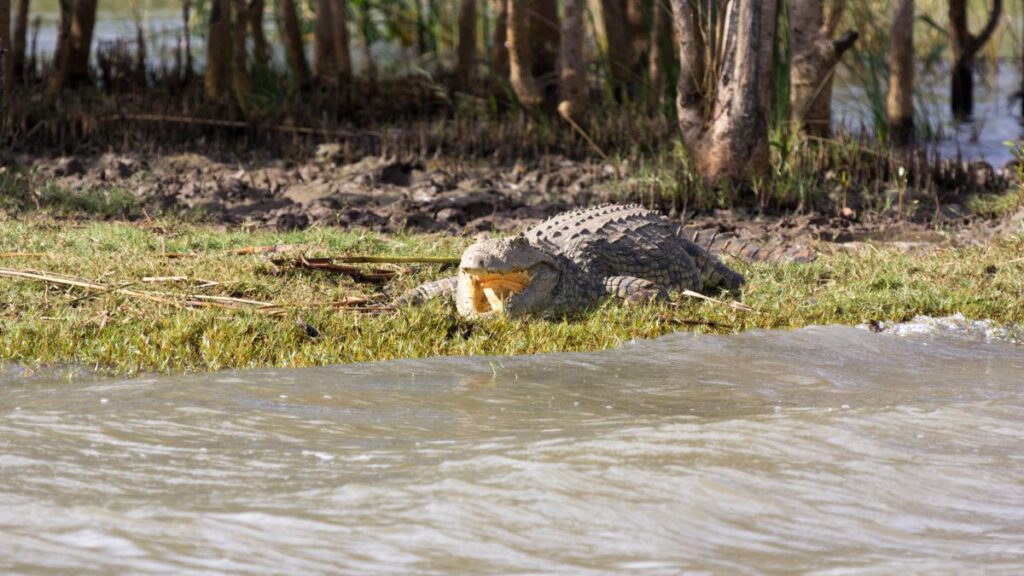
The St Lucia Estuary entices you with its UNESCO World Heritage Site status, abundant biodiversity, and unique ecosystems that showcase magnificent nature at its finest.
Perched along the southern coast of KwaZulu-Natal, this region offers unforgettable encounters with hippos and crocodiles on daily boat tours typically four safari tours operate each day as part of South Africa’s broader safari circuit.
The estuary lies within the 23,000-hectare iSimangaliso Wetland Park, a vast nature reserve home to the Big Five, rare elephant shrews, agile leopards, and countless bird species. For outdoor enthusiasts, guided walking safaris provide close-up views of the local flora and fauna while emphasizing conservation and education. Winter, from May to September, is when the wildlife comes most alive. Pristine beaches, whale watching, and the tranquil beauty of the wetlands create even more reasons to visit this breathtaking corner of South Africa.
10. Drakensberg Mountains
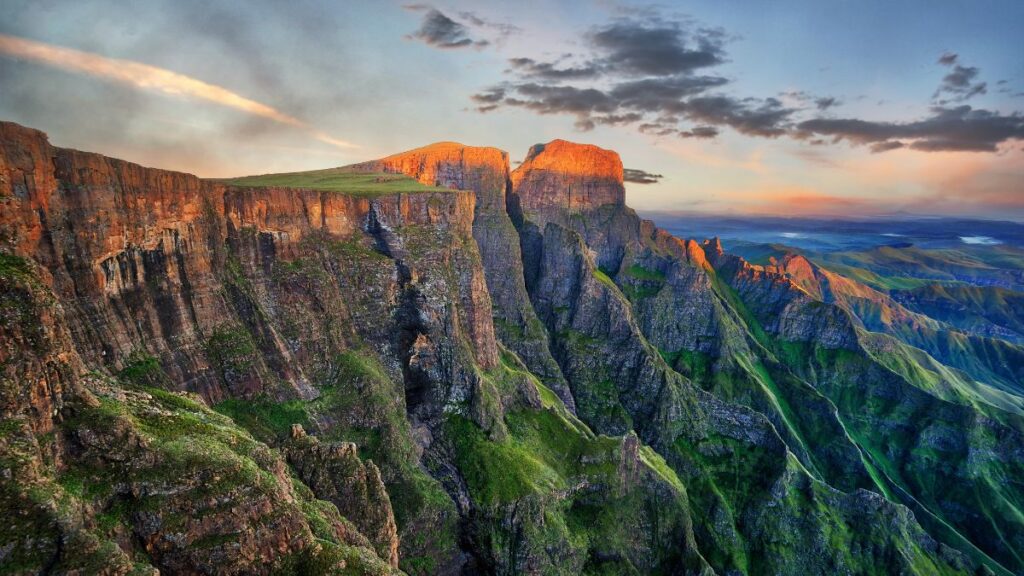
The Drakensberg Mountains present rugged trails that meander amid peaks and valleys, offering intimate encounters with wildlife and wildflower meadows a must for anyone planning the perfect itinerary through the southern coast of the African continent.
This mountainous area is part of the uKhahlamba-Drakensberg Park, where ancient San rock art draws you into centuries of storytelling and cultural heritage, making it easy to see why it’s recognized as a UNESCO site.
For outdoor enthusiasts, the region abounds in activities: rock climbing on towering cliffs, horse riding along popular walks, or bird watching where southern right whales are sometimes spotted off nearby coastal routes. After a long day exploring, relax in the friendly lodges nestled among the peaks, surrounded by great nature and crisp mountain air. On clear days, the mountain summit views stretch across the border of KwaZulu-Natal and Lesotho, where Tugela Falls plunges almost a kilometer a breathtaking spectacle that defines South Africa’s wild beauty.
Travel tips for South Africa
It’s good to have a little knowledge before you hit the road. The weather turns quick, so prepare for both sunshine and showers. Tap water is fine in most cities, but double check if you’re going somewhere rural.
Public transport is fine in large cities, but most locations require a rental car. Cash and cards are fine, but smaller markets may only accept cash. Charge your phone for maps and local info.
Observe wildlife regulations in parks and inquire with locals about safe zones. Sampling street food at markets gets you right up to the frontlines of everyday life.
Plan your travel connectivity for South Africa

Next, prepare your travel connectivity for South Africa with an Ubigi eSIM data plan. You can stay online cross-border without swapping SIM cards.
With Ubigi eSIM, as it works in many African countries, you escape expensive roaming fees and queuing for local SIMs. Traveling to Kenya, South Africa, or Egypt, you can keep maps, rideshares, and hotel bookings running smoothly.
It only takes minutes to set up, and you select a plan that matches your data requirements. Forget paper forms and local stores simply connect and go.
Staying Safe in Crowded Areas
No, being safe in crowds doesn’t mean being paranoid about pickpockets or security sweepers. High-traffic tourist hotspots, like the V&A Waterfront or Table Mountain cableway, are magnets for pickpockets.
Keep bags zipped and use a money belt for cash and cards. Locals recommend utilizing things such as mobile accessibility features or city apps to guide you and reduce tension.
Checking entry rules and booking accommodation before you go saves time and hassle. A great travel guide provides useful advice and ensures you savor Cape Town’s vibe safely.
Timing Your Activities
Timing Your Activities molds what you experience and encounter throughout South Africa. With whale watching, July to September has the southern right whales swimming close to shore, particularly in Hermanus or False Bay.
In June, food and wine enthusiasts revel in Cape Town’s crisp air and exceptional Cape Winelands tastings. The shoulder seasons, March to May and September to November, have mild weather with fewer crowds, perfect for beach outings, open-air markets, or scenic drives.
Between March and May, when temperatures linger around 20°C, you can meander along city streets or experience live music at local eateries.
Conclusion
South Africa offers you more than just great views. You have wild parks, deep canyons, and ancient sites that narrate real tales. Each stop draws you within reach of fresh sights and sounds and living history.
Whether you enjoy hiking, observing wildlife, or simply wandering along the coast, you’ve got a spot for you. Local guides tell you neat facts, and each area has its own flavor and style.
Schedule your days to suit the weather and your schedule. Be careful in crowds and keep your plans fresh. You get to craft your trip with what’s important to you.
Begin to chart your way forward and prepare for a journey you’ll never forget. We hope that this “Attractions sites in South Africa” article helped you prepare your trip!

Frequently Asked Questions
What is the best time to visit Table Mountain?
The optimal period to tour Table Mountain is in the dry months, November to March. You’ll have beautiful, unobstructed views and wonderful weather.
Are safaris in Kruger National Park safe for families?
Yes, most South Africa safaris in Kruger are family-safe. Never leave your guide’s instructions for the best experience and safety.
How do you reach Robben Island from Cape Town?
Robben Island is accessible by ferry from the Victoria & Alfred Waterfront in Cape Town. Pre-book tickets for ease.
Is the Garden Route suitable for self-driving?
Indeed, the Garden Route is a favorite for self-driving. The roads are signed and beautiful. Schedule your stops and drive only during the day.
What should you pack for hiking in the Drakensberg Mountains?
Bring along those comfy walking shoes, layered clothing, a hat, sunscreen, water, and a map. Weather in the mountains can shift rapidly.
How can you stay safe in crowded areas in South Africa?
Secure your personal items, be vigilant, and don’t flash valuables. Travel on official transport and in groups where possible.
Do you need special vaccinations to visit South Africa?
You might require yellow fever vaccinations for arrivals from an affected region. Consult your local health authority before you go.








 How to check eSIM compatibility
 How to check carrier unlocking