


Summary
- 1) Key Takeaways
- 2) Introduction
- 3) 1. Zurich – The Best City to Travel in Switzerland for First-Timers
- 4) 2. Lucerne – Postcard-Perfect Switzerland
- 5) 3. Interlaken – Adventure Capital
- 6) 4. Zermatt – Home of the Matterhorn
- 7) 5. Geneva – International & Elegant
- 8) 6. Bern – Charming Medieval Capital
- 9) 7. Lauterbrunnen – Valley of 72 Waterfalls
- 10) 8. Montreux – Swiss Riviera Vibes
- 11) 9. St. Moritz – Luxury & Winter Sports
- 12) 10. Grindelwald – Classic Alpine Beauty
- 13) Travel Tips for Switzerland
- 14) Conclusion
- 15) Frequently Asked Questions
Key Takeaways
- Discover the Best Places to Visit in Switzerland, from the dynamic cities of Zürich and Geneva to the picturesque towns of Lucerne and Montreux.
- I hope you enjoy these best places to travel in Switzerland. Experience cultural gems and natural wonders like historic old towns, majestic lakes, legendary mountains, and UNESCO sites.
- Experience outdoor adventure in all seasons, from hiking to skiing, paragliding, and lake cruises around every corner.
- Uncover hidden Swiss gems such as Bern and Lauterbrunnen, where unique medieval charm and breathtaking landscapes collide.
- Use Switzerland’s amazing public transport to hop between cities and alpine villages and get an eSIM like Ubigi to always stay connected!
- Schedule with local season and activity options in mind for a memorable trip. This is one that even less-mobile travelers can access!

Introduction
The beautiful cities of Switzerland provide you with a combination of beautiful lakes, alpine ski slopes and vibrant cities. You encounter old towns with cobbled medieval streets, towns on the water and green valleys.
Many of the best places to visit in Switzerland are accessible by train, so you get around effortlessly. Whether it’s quiet mountain villages or big art museums, families, couples and solo travelers all discover something to appreciate.
The Switzerland travel guide below will help you with your itinerary planning.
1. Zurich – The Best City to Travel in Switzerland for First-Timers
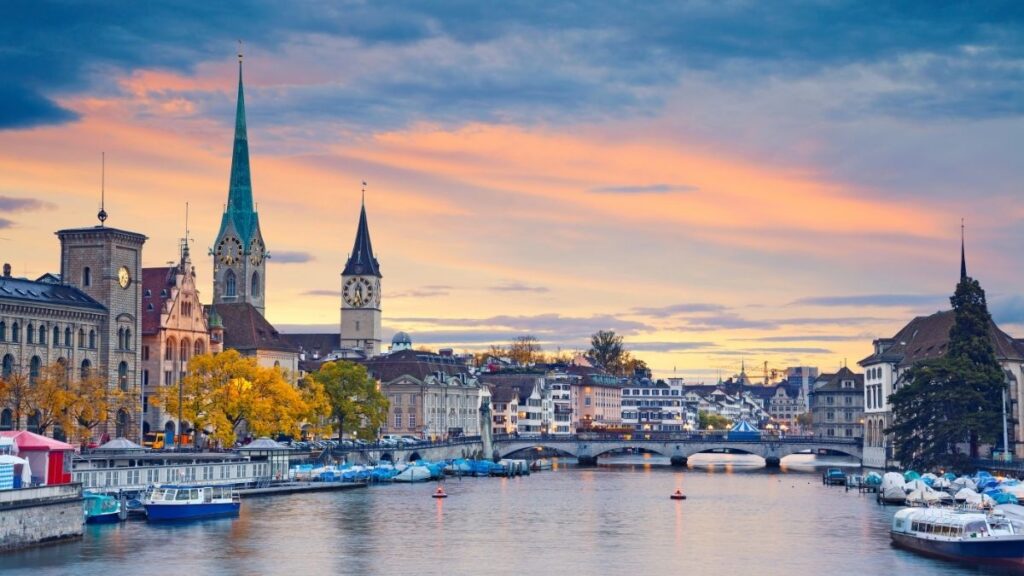
Zurich is a nice choice if you want to hit a lot in one stop. The Altstadt, or Old Town, is packed with cobbled, twisting lanes and ancient squares, medieval buildings and secret shops galore.
Lake Zurich is just by the city, with tranquil blue water and walking and bike paths. From big brands to Swiss chocolate, Bahnhofstrasse has shops.
Zurich’s museums flaunt its art, Swiss history, and Dada, while the city’s nightlife pulses all year long. Public transport is a breeze so you can see more with less stress.
Zurich presents a picturesque blend of old culture and nature, yet it’s expensive, so budget accordingly.
2. Lucerne – Postcard-Perfect Switzerland
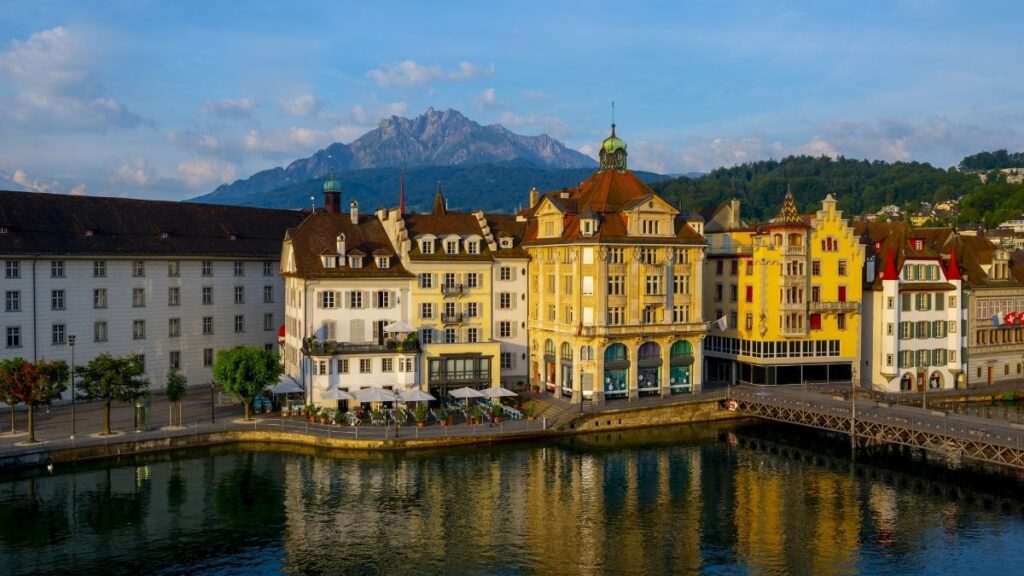
Lucerne (or Luzern in German) offers you a postcard-perfect blend of old and modern. Ambulate over the Chapel Bridge, a wooden walkway adorned with old paintings and capped with a stately stone tower. Go for a boat cruise on the lovely Lake Lucerne. Boats depart hourly and you’re surrounded by green hills and white peaks.
Mount Pilatus and Mount Rigi sit nearby, within easy reach for hiking or ski excursions. The city’s heart has the fairytale charm of old Swiss chalets and tidy streets with colorful houses. For nature, go paddle-boarding or wander by the deep Staubbach Falls.
Lucerne is easy to navigate with a travel card for buses and trains, so day trips are seamless. It is an excellent location for classic Swiss sights, outdoor adventure, and convenient urban comforts.
3. Interlaken – Adventure Capital
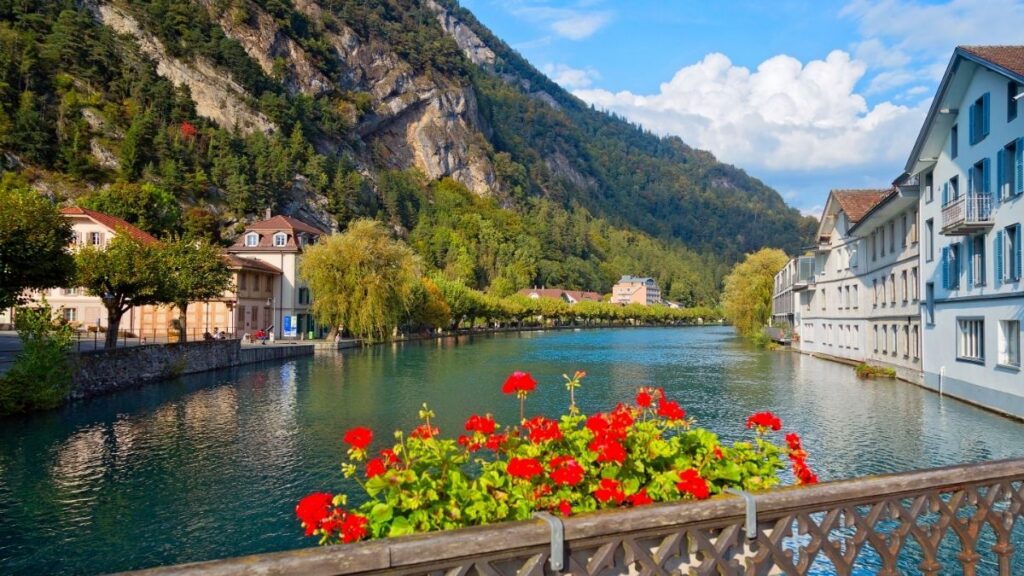
Nestled among the Bernese Alps, Interlaken sits between Lake Thun and Lake Brienz. You’ll encounter glacial blue lakes and jagged mountains. The town attracts outdoor enthusiasts from around the globe.
You can hike casual paths or test yourself with challenging ascents, like up Harder Kulm or around Eiger and Jungfrau. For water enthusiasts, the lakes provide boating and swimming. If you’re into a rush, go paragliding, canyoning, or skydiving.
The Jungfraujoch, or Top of Europe, allows you to gaze upon glaciers and high peaks. In town, you’ll encounter backpackers and adrenaline junkies from every walk of life. Autumn fills the hills with gold and quietens the trails, so every visit is new.
4. Zermatt – Home of the Matterhorn
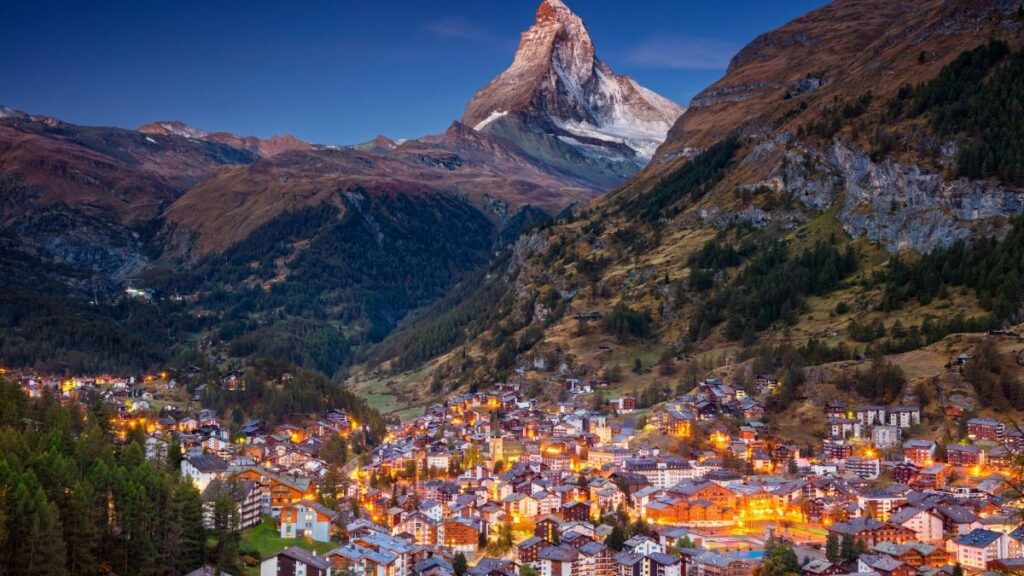
Located at the end of a valley in southwest Switzerland, Zermatt, with its car-free streets and iconic Matterhorn peak, offers a unique setting. You get unobstructed stunning views of the 4,478-meter Matterhorn from most places in town.
The village itself remains tranquil with electric taxis and horse-drawn carriages. If you enjoy skiing or snowboarding, you can find 21 kilometers of slopes at Glacier Paradise, as well as over 320 kilometers of hiking trails in summer.
Although the weather can change quickly, the period from June to September offers warm air and the town buzzes with life. Zermatt’s story is long, from the initial ascent of the Matterhorn in 1865 to being a renowned destination for mountain excursions.
5. Geneva – International & Elegant
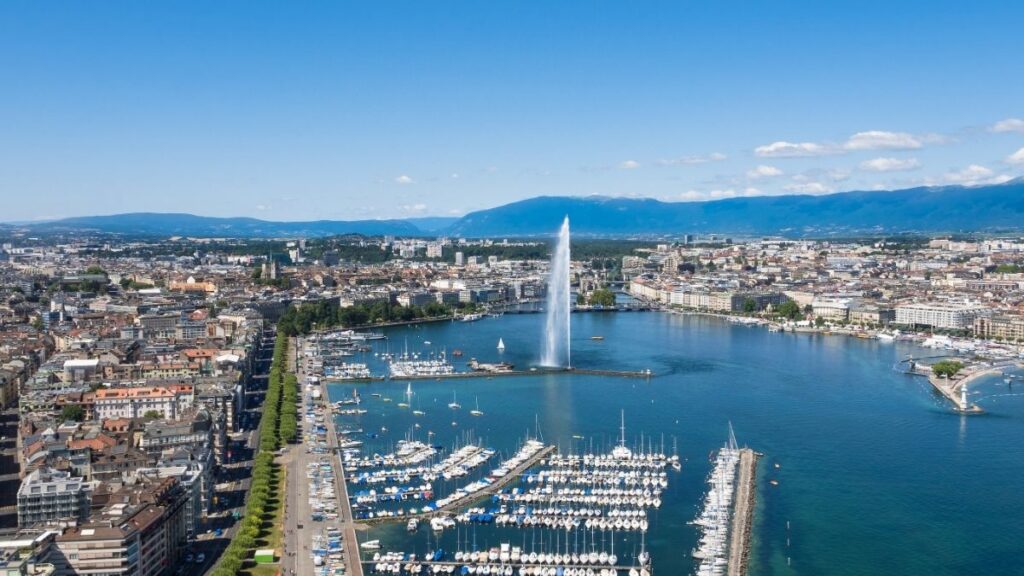
Geneva rests at the shore of Lake Geneva, where you can stroll the waterfront and catch glimpses of the Alps on sunny days. In the lake, the Jet d’Eau, a water fountain, shoots up. It’s one of the city’s best sights and can be spotted easily.
In the UN district, you run into a lot of major organizations, like WHO and the Red Cross. This is the area of town that displays how Geneva aids in peace worldwide.
Geneva lies within the French-speaking part of Switzerland. You hear French all around and see French cuisine in shops and cafés.
6. Bern – Charming Medieval Capital
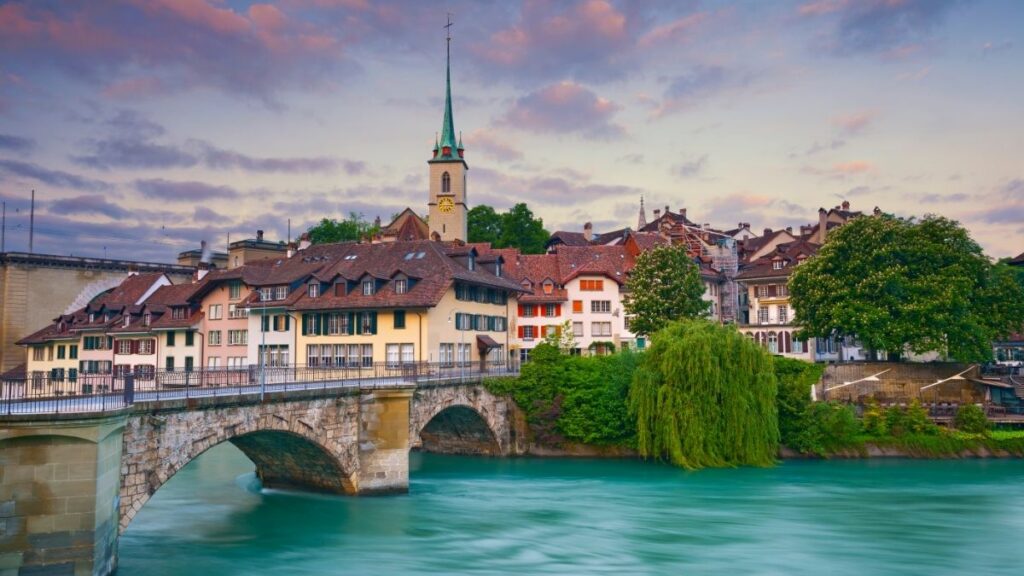
Bern is the Swiss capital. It charms with its UNESCO old town where you tread cobbled lanes and skirt sandstone homes and ancient fountains such as the Zähringen Fountain and Kindlifresserbrunnen. The streets are divided into two, the lower part from the Matte quarter to the Zytglogge.
The Clock Tower, featuring a 16th-century clock watch, musical chimes and a calendar, attracts tourists eager to witness its figurines moving about on the hour. The River Aare meanders through the city, providing you with swimming locations or low-key strolls.
The Berner Münster is Switzerland’s tallest cathedral. Bern is like a hidden jewel with its hushed old-world charm, museums and, on clear days, the Alps and Jura mountains as a backdrop.
7. Lauterbrunnen – Valley of 72 Waterfalls
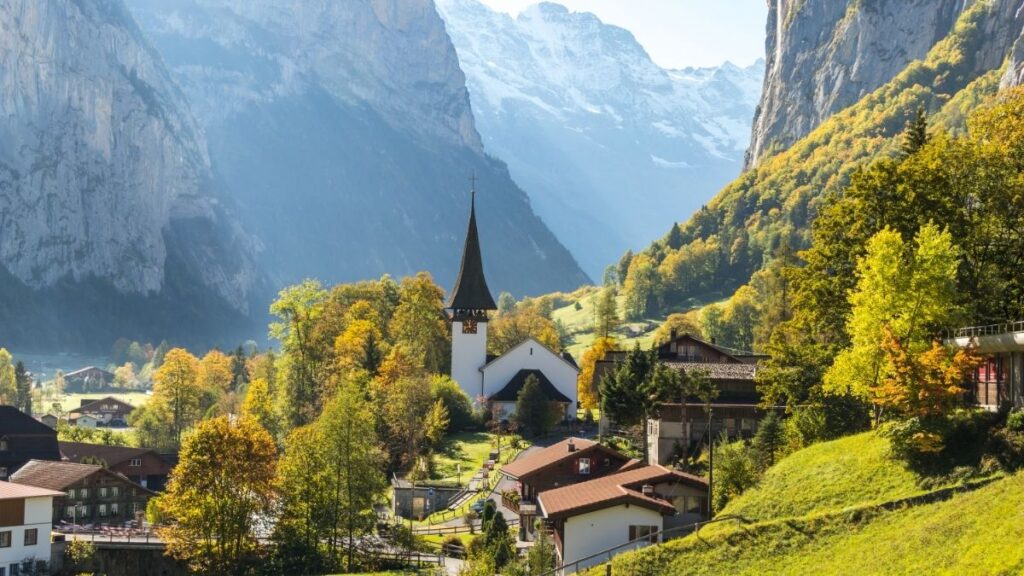
Discover Lauterbrunnen, a valley with high cliffs, dotted with small towns. The cliffs here ascend sheer and vertical, enclosed by rock walls that keep the valley sequestered from the outside world.
There’s Staubbach Falls, which plunges 300 meters down the precipice. With 72 waterfalls altogether, you have many opportunities for shots and serene strolls.
Lauterbrunnen Valley is where your journey to get to Mürren and Wengen, two car-free mountain towns, begins. Hikers can take well-signed paths or simply stroll the valley floor.
For more excitement, go paragliding or canyoning. Book your meals in advance if you want to discover the Swiss food. Lauterbrunnen is tiny and venues get booked quickly.
8. Montreux – Swiss Riviera Vibes
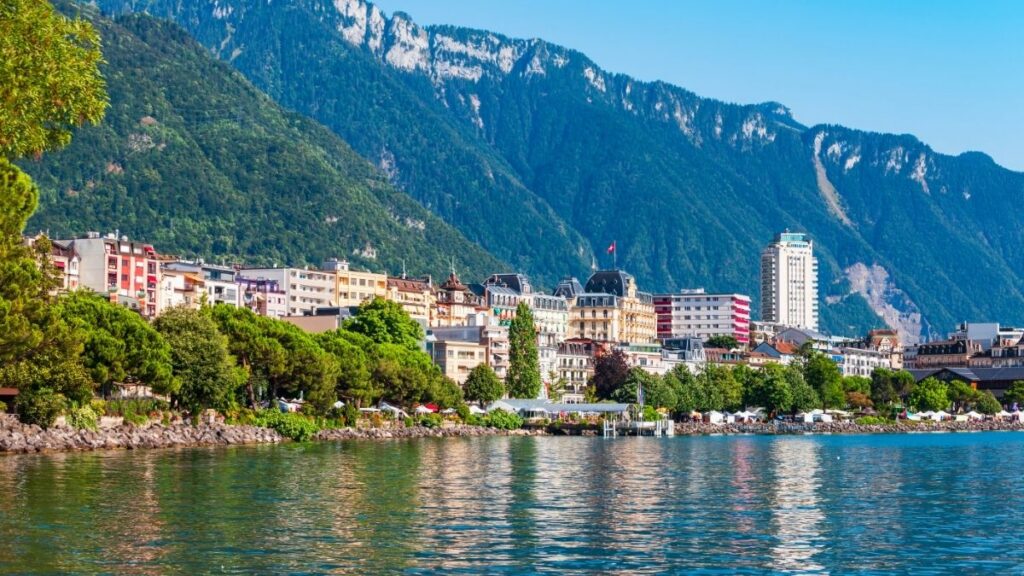
Montreux sprawls across the eastern shore of Lake Geneva, with the Alps looming in the background. Stroll the six-mile promenade with a gorgeous lakeside setting, connecting Vevey, Montreux, and Chillon Castle.
It’s a flat, flower and art-lined, lake-view path and you’ll see Freddie Mercury’s statue, a testament to Queen’s time here. Steamships crisscross Lake Geneva with dining on board, which is a great way to see the sights.
Chillon Castle, from the 11th century, sits right on the water and is known for its historic prison and lakeside towers. Just down the road, the Lavaux vineyards cascade across hillside terraces and serve up local vintages against a UNESCO backdrop.
9. St. Moritz – Luxury & Winter Sports
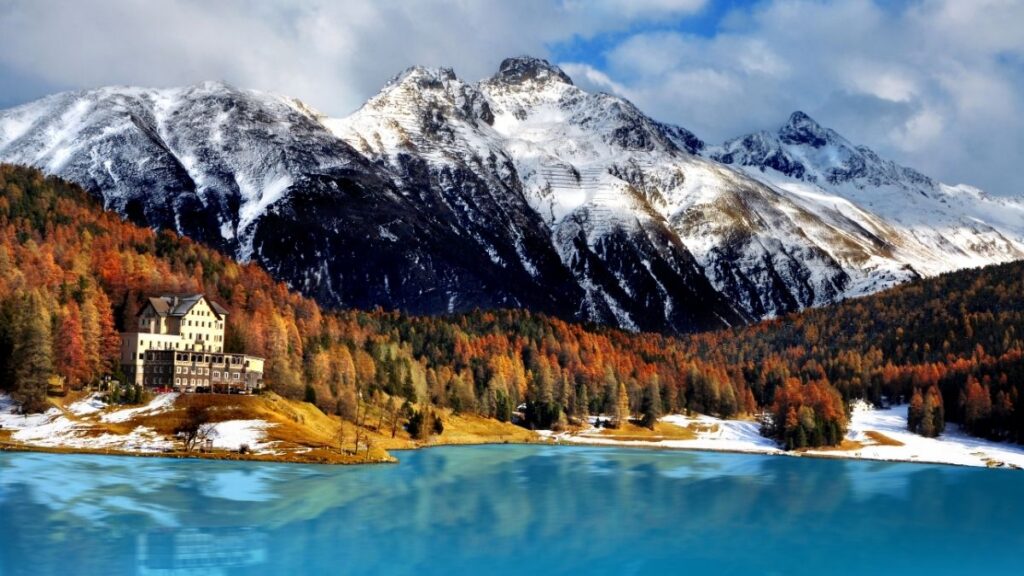
St. Moritz is a glitzy alpine resort with a renowned winter sports heritage. You get a combination of grand hotels, mountain vistas and a town that opened its doors to ski tourists in 1864. Its streets flaunt old world and contemporary style alike, and its guest list through the ages has counted both Alfred Hitchcock and Coco Chanel.
Skiing is the pulse of life here: sun-drenched slopes, snowshoe trails and the legendary toboggan Cresta Run. You have choices for every level. The cultural calendar is equally packed, from the annual St Moritz Winter Festival to art exhibitions and concerts.
Alpine lakes are a draw in summer, great for walks and picnics.
10. Grindelwald – Classic Alpine Beauty
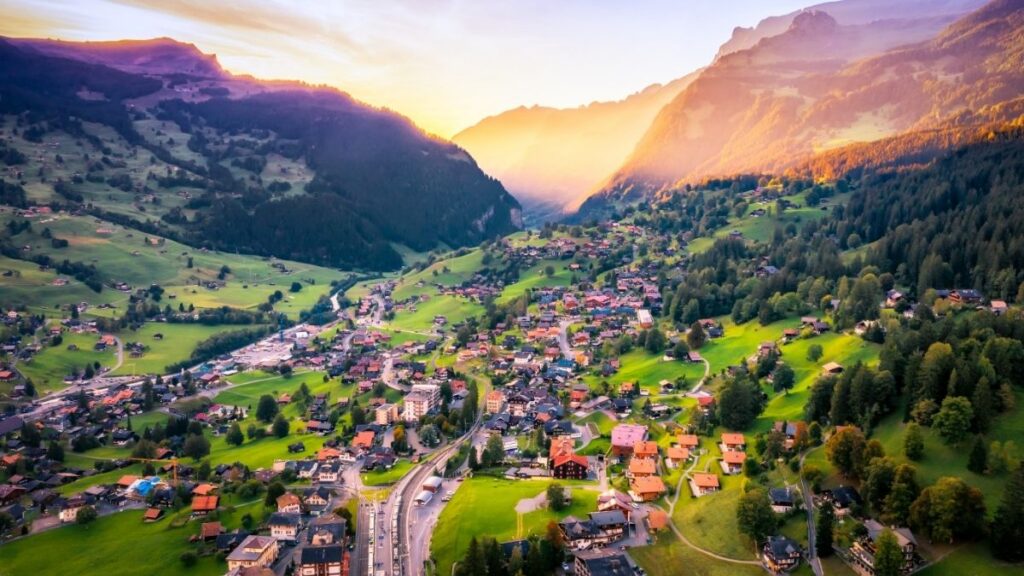
You’ll discover Grindelwald nestled into the depths of the Swiss Alps, where ancient wood chalets with red and purple blooms drape peaceful lanes.
Tread on the First Cliff Walk, a metal walkway that clings to the cliffs. You witness the world fall away beneath you and breathe in fresh air. The village itself is quiet, but you still have buzzing bars and hearty local food after a day on the mountain.
With winter, you receive top skiing on Lauberhorn runs and an upbeat apre-ski scene. It’s true that in spring, flowers bloom, and in autumn, hills glow gold, and trains run year-round, so visit whenever.
You’re at the foot of the Eiger, with its precipitous cliffs and snow-capped peaks. The mountain views carry for miles and you sense the grandeur of the Alps. Hop on the train and travel through valleys, over green fields, with majestic mountain peaks around every corner.
Travel Tips for Switzerland
Getting around in Switzerland is easy due to its first-rate transport and robust digital tools. You can experience the best of the sights, dine well, and stay connected with minimal stress if you plan properly and use the appropriate services.
Travel Between Switzerland’s Top Destinations
Your Swiss Travel Pass means that you only need one ticket to ride the trains, trams, and boats. It includes the majority of public transport so you can explore from cities to alpine villages without having to purchase new tickets.
For those who like scenic trips, hop aboard the Glacier Express or Bernina Express. Each has large windows, a leisurely pace, and uninterrupted views of alpine peaks, lakes, and little villages.
Since major Swiss cities like Zurich, Lucerne, Interlaken, and Geneva connect seamlessly by trains that run on time even during winter, you don’t need a car.
The Swiss trains are clean and safe and are rarely late. Nearly all routes run trains on an hourly basis with large stations providing lockers for your bags so you can wander in between rides.
Travel Connectivity with Ubigi
You require good connectivity in Switzerland way beyond maps. Take a Ubigi eSIM data plan to stay connected everywhere you go!
Purchase your train tickets and check train schedules online to skip the lines. If you want to hike or ski, Google Maps can overlay trails, bus stops, and even weather.
Ubigi eSIM is quick to activate directly from the app and has no roaming charges. You get great coverage, even beyond the big cities, and you keep your normal SIM card for calls and texts.
Ubigi offers a range of data plans designed to fit different travel needs:
- Short city breaks (3GB Switzerland data plan for 7 days)
- Longer vacations across multiple Swiss regions or with data for two via hotspot sharing (10GB or a 25GB Switzerland data plan)
- A one month vacation (50 GB or a 30 days unlimited data plan)
- Multi-country trips within Europe (10GB or 25GB Europe data plan for up to 30 days)
This is fantastic if you want to visit France, Italy, or Germany, as one eSIM and one data plan cover all of Europe.
Conclusion
Switzerland offers more than just one type of getaway. You experience bright vibrant city lights in Zurich, ancient streets in Bern and peaceful lake views in Lucerne.
The Alps infuse Grindelwald with fresh air and Interlaken with wild trails. Zermatt and St. Moritz flaunt rugged summits and glacial slopes.
Towns like Montreux and Geneva add a velvety finish with lakeside strolls and international cuisine. Each location shines with attractions, cuisine and activities that suit a solo traveler, a family or friends.
You get convenient trains, pristine streets and a variety of languages. As we like to say, to experience the best of your next trip, choose one or two destinations that suit your style.
Begin your planning by taking a Ubigi eSIM and discover what makes Switzerland so special.
We hope that this article on the “Best Places to Visit in Switzerland” helped you!

Frequently Asked Questions
What is the best time to visit Switzerland for travel?
Switzerland’s best time of year to visit is between June and September for hiking and sightseeing. December through March is perfect if you want winter sports. Plan your trip dates around your favorite activities.
Do I need a visa to travel to Switzerland?
Most visitors from the EU, US, Canada, Australia and numerous other countries do not require a visa for stays up to 90 days. See your country’s requirements prior to booking your trip.
Is Switzerland safe for tourists?
Yes, Switzerland is the safest country in the world. Cities and towns are spotless and public transport is punctual. As always, use normal travel safety precautions and keep your valuables close.
What is the best way to get around Switzerland?
The Swiss Travel Pass is your best bet. It provides you with unrestricted use of trains, buses, and boats. Public transport is excellent. It is timely and connects all the tourist highlights.
What currency is used in Switzerland?
Switzerland’s currency is the Swiss Franc (CHF). Credit cards work everywhere. Just make sure you have cash on hand for small purchases, particularly in rural areas.
Can I drink tap water in Switzerland?
Indeed, the tap water in Switzerland is safe, clean, and frequently sourced from mountain springs. You can easily refill your water bottle at public fountains located in the cities and villages.
Is Switzerland expensive for travelers?
Switzerland is expensive. Cut costs by using public transport, staying at guesthouses, and dining at local cafés. Budget in advance for a carefree visit.






 How to check eSIM compatibility
 How to check carrier unlocking