


Summary
- 1) Key Takeaways
- 2) 1. Chinese Tea and Tea Sets
- 3) 2. Silk Products
- 4) 4. Porcelain and Ceramics
- 5) 5. Calligraphy Brushes and Stationery
- 6) 6. Traditional Chinese Clothing
- 7) 7. Chinese Handicrafts
- 8) 8. Chinese Knots and Feng Shui Items
- 9) 9. Traditional Snacks and Sweets
- 10) 10. Local Art and Design Goods
- 11) Travel tips for China
- 12) Conclusion
- 13) Frequently Asked Questions
Key Takeaways
- Looking for the “Best Souvenirs to bring back from China“? This article is for you!
- Discover souvenirs from Chinese tea and tea sets to silk, jade, and porcelain that provide a peek into the country’s cultural past.
- Pick up silk scarves, shawls, or traditional wear for light and useful keepsakes that incorporate classic Chinese artwork.
- Choose jade jewelry or ornaments. Always purchase from trustworthy stores to guarantee genuineness and to value the heritage behind every item.
- Bring home porcelain, ceramics, or calligraphy supplies as unique keepsakes that reflect centuries of Chinese craftsmanship and tradition.
- Pick up traditional clothing, handicrafts, or feng shui products for gifts that are beautiful and represent lucky energy.
- Go souvenir shopping at specialty markets, artisan shops, and cultural districts to get the real deal and support local craftspeople.
- Get an eSIM like Ubigi to stay connected during your hunt for the perfect gift

China has a vast amount of gifts, keepsakes and crafts that reflect the nation’s ancient history and culture. You discover the classics, silk scarves, tea sets and jade jewelry.
They have cute little souvenirs like chopsticks and panda toys. There are many stores selling these little things in bazaars, markets, shopping centers and airports, so you have plenty to choose from.
The following section aids you in choosing what suits your style, budget and preferences.
1. Chinese Tea and Tea Sets
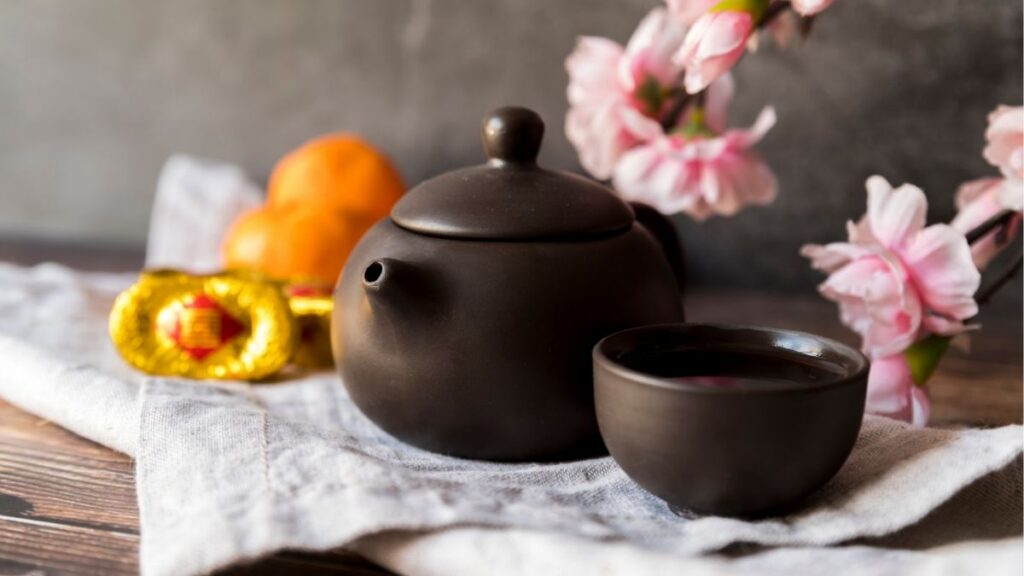
Tea is at the heart of Chinese culture. There are all sorts, green, oolong, pu-erh, jasmine, each linked to a region’s lifestyle. For authentic flavor, accompany your tea with a clay or porcelain set.
Etched with old stories or symbols, these sets make it simple to bring a bit of China home. Longquan celadon tea sets from Zhejiang are famous for their color and workmanship. You will encounter clay, porcelain, or bamboo tea sets, all formed by tradition.
In a teahouse or market in Hangzhou or Chengdu, you can pick up a set and remark the attention in little gestures, warming cups, displaying leaves, tea tools for Gongfu style.
2. Silk Products
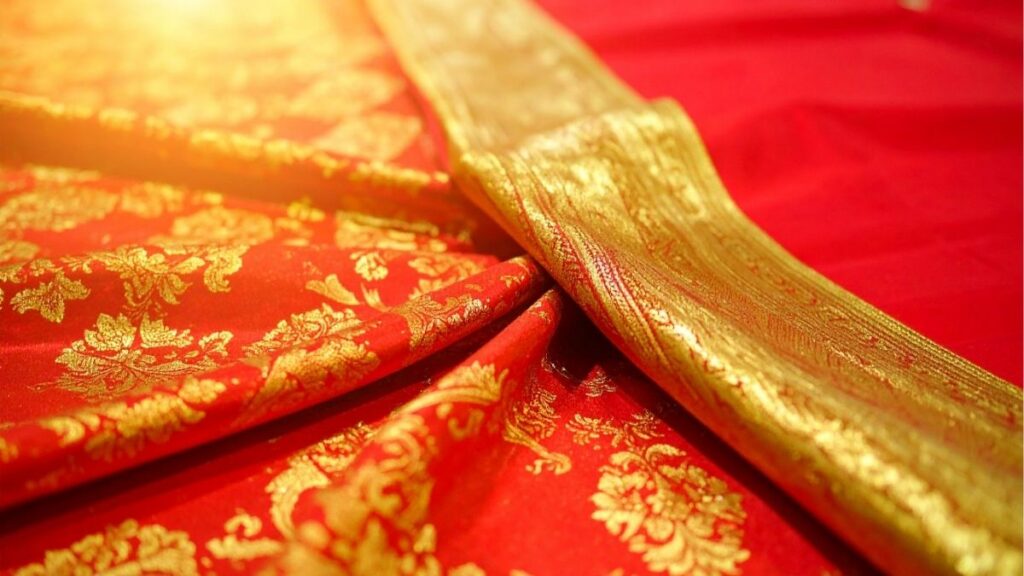
China has been crafting silk for more than 8,000 years, influencing everyday life and fine art alike. There are scarves, shawls, ties and traditional qipao dresses, all crafted of the finest, buttery Chinese silk that is light, super packable and often accented with hand embroidered dragons or flowers.
Silk threads that extend to a kilometre are being transformed not only into garments but into paper and crafts. Silk used to be more valuable than money and was traded along the Silk Road.
If you want the real deal, find it in Suzhou, Shanghai shops or markets. There’s a reason Suzhou is deemed the “Silk Capital”, so much variety and true artisanship.
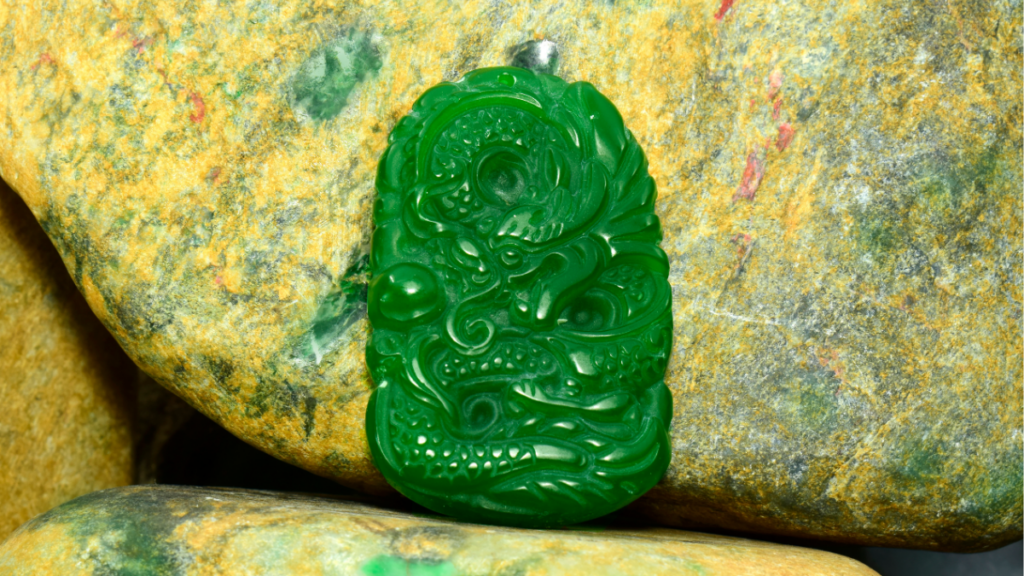
Jade jewelry is another classic Chinese souvenir, typically fashioned into bracelets, pendants, or carved figurines. Jade comes in a variety of colors, including green, white, lavender, and yellow, and every piece is one of a kind.
In China, jade represents more than style; it is linked to luck, purity, and spirituality. They view it as a luck stone, one that wards off evil. Jade can either be nephrite or jadeite, with imperial green jadeite being the most valuable.
Watch out for dragons or phoenixes carved into them; both are signs of good luck. Jade’s value varies based on its type, color, and craftsmanship. Purchase your Chinese jewelry from reputable jewelry stores, and when in doubt, have it appraised by an expert jeweler.
4. Porcelain and Ceramics
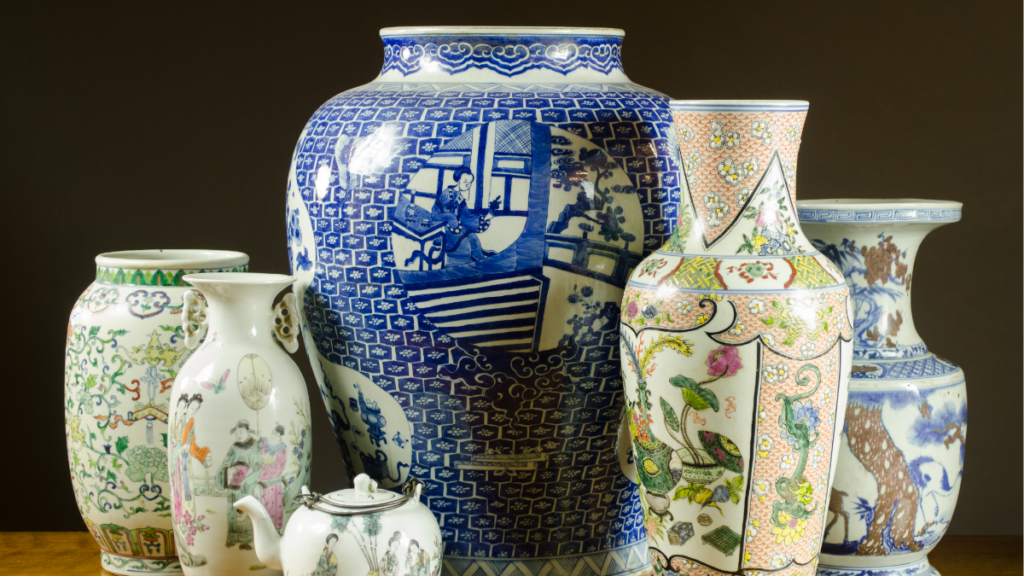
Chinese porcelain was distinctive for its expert craft and pristine appearance. Whether old or new, like blue-and-white vases or hand-painted bowls, they evoke a heritage of nurturance and craftsmanship.
Its first kilns fired at around 1000 °C, and by the Tang dynasty, the white Xing ware and green Yue ware led the way. Jingdezhen porcelain, fired at 1,300 °C, set the tone worldwide, and its blue-and-white style peaked under the Kangxi Emperor.
Later, famille rose enamel was beloved for its vibrant hue. You can find these luxurious pieces at many shops or museums or even in Jingdezhen itself.
Porcelain makes a great gift or home decoration if packed carefully.
5. Calligraphy Brushes and Stationery
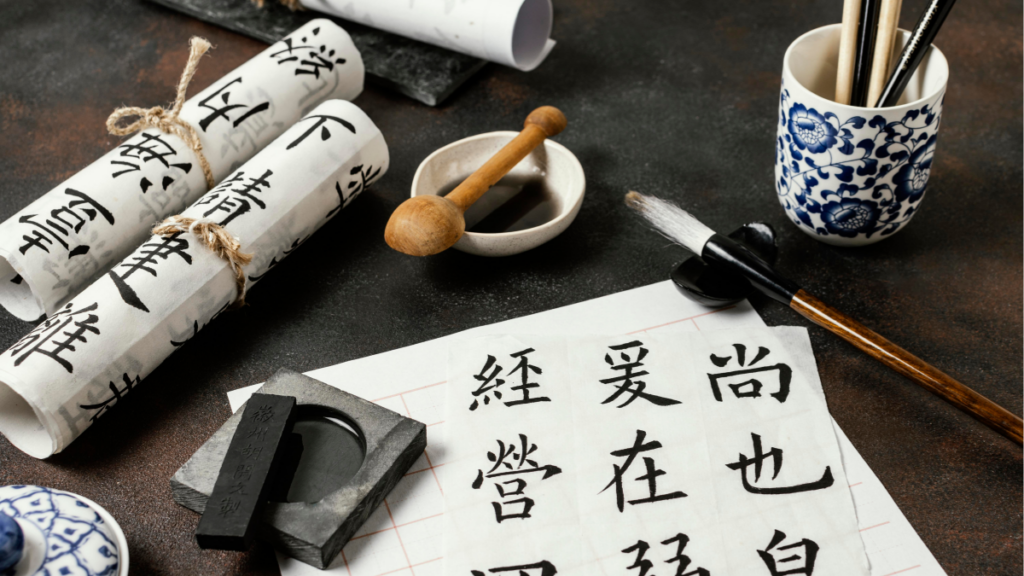
Calligraphy is an important component of China’s extensive art history. If you want a real piece of culture, calligraphy brushes, ink stones, and rice paper all make clever picks.
Brushes utilize animal hair such as wolf or rabbit, each selected for a specific tip or style. There is a wide variation in brush quality, some that last with proper care, others not so much.
Most sets include paper adorned with Chinese characters or plum blossoms, which are beautiful. Handmade paper is rough or smooth and ink types can alter the appearance of each stroke.
You can purchase these sets at craft shops or bookstores. For example, a lot of folks pick up brushes and paper to experiment with new styles at home.
6. Traditional Chinese Clothing
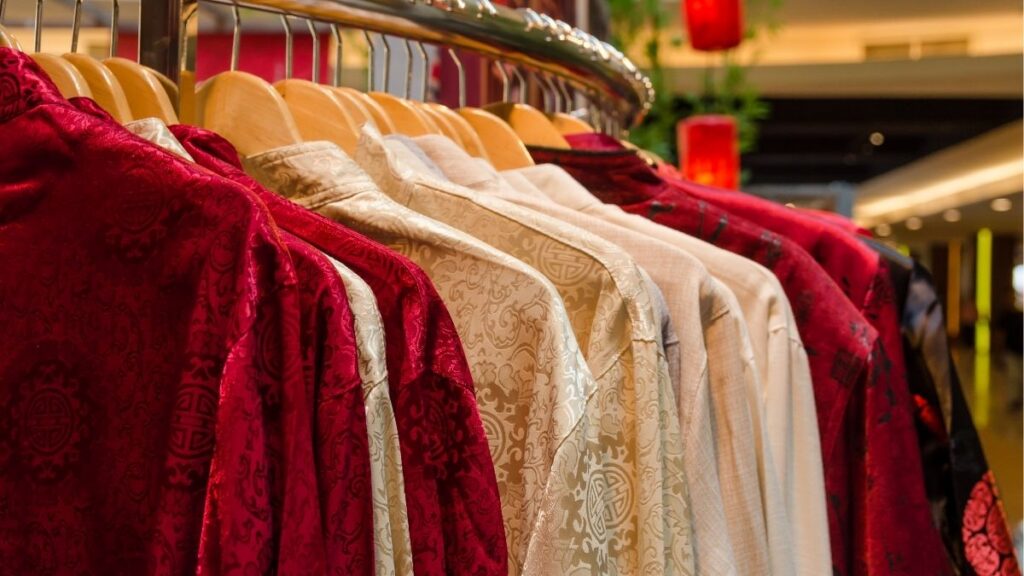
Traditional Chinese clothing dates back millennia and carries profound significance. Qipao, Tang jackets, embroidered slippers aren’t just trendy clothes, they demonstrate a rich and intricate history.
Take, for instance, the Hanfu system, molded throughout the Zhou and Han dynasties, where dress codes were carried on for generations. Women in the Ming dynasty wore Aoqun, a jacket with a skirt. Early styles, such as Yichang, were sets of tops and bottoms.
Now, they have updated takes that mix the vintage looks with a fresh twist, so you can sport them anywhere. In major cities like Beijing and Shanghai, tailors, boutiques and markets sell a wide variety of these pieces for you to bring home.
7. Chinese Handicrafts
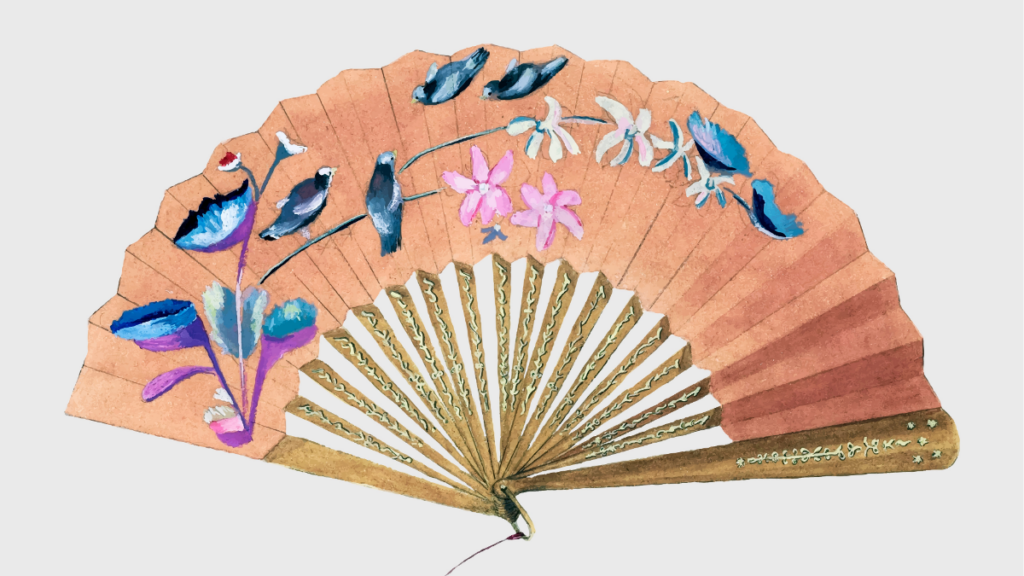
You discover a selection of Chinese handicrafts, all historically and culturally rich. Paper-cutting art, bamboo, and embroidered goods provide a glimpse into indigenous designs.
Among the popular souvenirs are hand-painted silk fans, either depicting birds or mountain scenes. Found as tea sets or decor, ceramics and porcelain speak of traditions thousands of years old.
If you want a dash of history, Mao-era memorabilia or old posters could catch your fancy. Cloisonné enamelware excels in vivid hues. They vary in price from several hundred to several thousand yuan.
8. Chinese Knots and Feng Shui Items
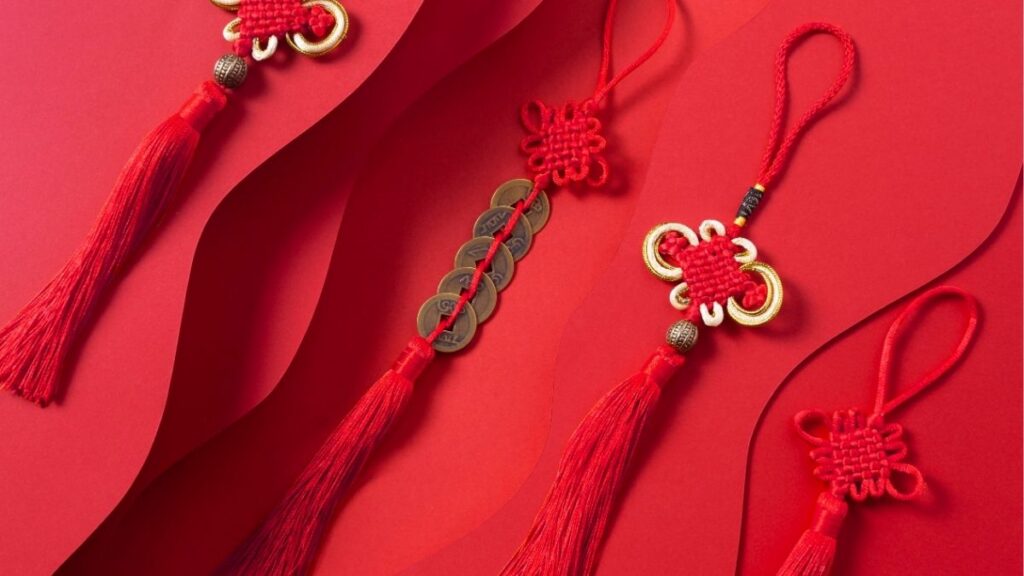
Chinese knots and feng shui items are significant mementos of China. These red knots, often in the form of double coins or the Pan Chang knot, appear in residences and workspaces to usher in prosperity, fortune, and peace.
You’ll find them crafted of silk or cotton, occasionally adorned with beads or tiny trinkets. They’re used to mark weddings or major life milestones, as the knots symbolize binding and unity.
In feng shui, they assist in blocking bad vibes and ushering in good, all with a design that dates back more than 4,000 years. Thanks to their lightweight construction and low cost, you can stuff a bunch of these in your luggage for presents or souvenirs of your trip!
9. Traditional Snacks and Sweets
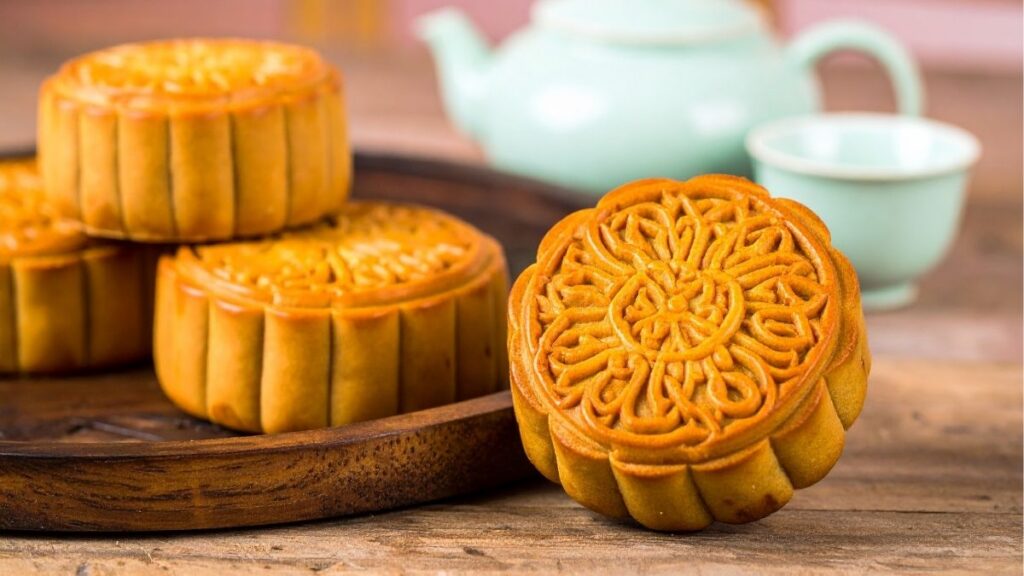
They serve up some pretty classic snacks in China for gifts or mementos. Mooncakes, associated with the Mid-Autumn Festival, flaunt dense fillings and intricate embossing. Egg tarts and red bean buns date back to some colonial days.
Sachima, flour, rock sugar, and butter deliver sweet, layered bites. For a local spice punch, Sichuan pepper snacks or soy or sesame dusted rice crackers deliver real zing.
Haw flakes, made from Chinese hawthorn, are a New Year’s favorite, along with candied kumquats and fortune candies. Tuckahoe Pie from Beijing uses a crust of Tuckahoe powder.
As always, double check customs regulations before you wrap up any food-related gifts!
10. Local Art and Design Goods
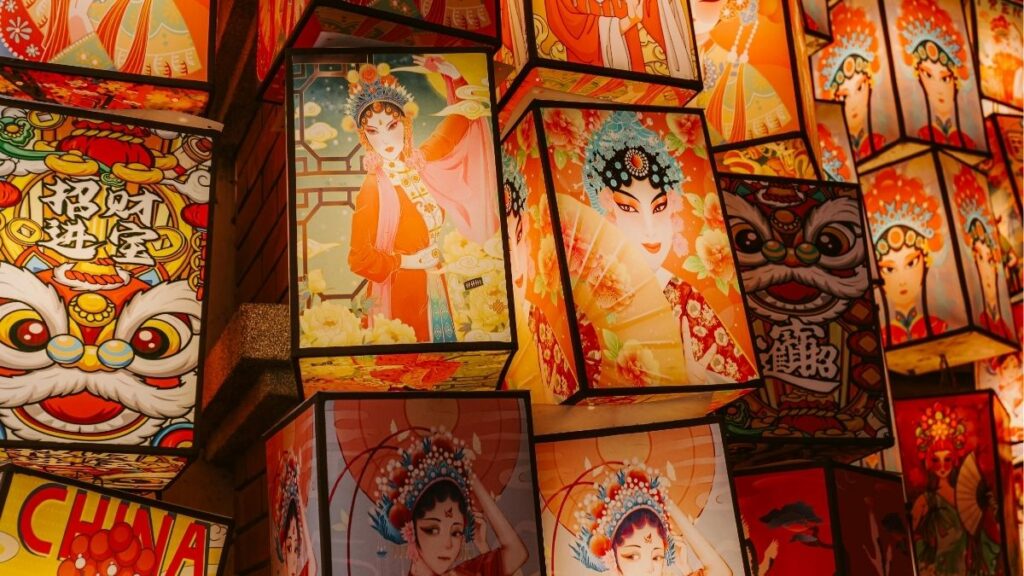
Local art and design goods in China provide a true sense of place and culture. You’ll see the old and the new here: Cloisonné enamel, hand-painted porcelain, bamboo carvings, and wooden figures.
Cool stuff like posters, totes, and jewelry often incorporate bold Chinese patterns or symbols, mixing traditional with contemporary. Calligraphy scrolls, paper cutouts, and fans all connect back to life and local crafts.
Every piece, a simple print or a complex carving, helps you take home a little bit of Chinese ingenuity.
Travel tips for China
Travel in China can be immensely rewarding. It pays to be prepared for the special difficulties you’ll encounter. One of the most critical issues to figure out ahead of your trip is how to maintain a connection online. In China, most of the world’s popular websites and apps are blocked or work poorly, and Wi-Fi is slow or not secure.
Be careful of where you shop to avoid tourist traps, make sure you will be able to pay and that you can take your souvenirs back home.
Know where to shop
China offers many shopping options, from modern malls to lively street markets filled with traditional crafts and souvenirs.
Local markets often provide more authentic products and better prices than tourist-focused shops.
For valuable items such as jade, silk, or antiques, choose reputable stores to ensure quality and authenticity.
Carry cash and digital payments
Payment habits in China are unique, and being prepared makes shopping much easier. Mobile payments like Alipay and WeChat Pay are widely used, even in small shops and restaurants.
However, carrying some cash remains useful in markets, rural areas, or when mobile payments are unavailable.
Plan your Internet connectivity in China with Ubigi eSIM

Purchasing a local SIM can be a pain if you don’t speak Mandarin or have a local ID. Ubigi eSIM provides you with a quick way to get online. There will be no local restrictions to use Google or all your favorite apps (but Ubigi doesn’t provide a VPN).
Once you land, you simply turn on your plan and you’re connected. With an Ubigi eSIM, you can open your favorite navigation apps and locate yourself everywhere in cities like Beijing or Chengdu. Whether you’re translating a little local restaurant menu or haggling in a street market, built-in translation tools come in handy.
It works for most phones and tablets that support eSIM. You can choose a package that matches your trip duration and data requirements.
- Short city breaks under a week (3GB China data plan)
- Longer vacations across multiple Chinese regions (10GB or a 25GB China data plan or a 30 days unlimited data plan)
- Multi-country trips within Asia (10GB for 2 weeks or 25GB Asia data plan for a month)
Download the app to control your data plan and usage. If you run low, top up with a few taps. You don’t have to queue or present papers at a store.
Check customs rules
Some souvenirs, including antiques or cultural artifacts, may be restricted from export. Food items, liquids, and plant-based products can also face import limitations.
Always check customs regulations for both China and your home country before purchasing souvenirs.
Conclusion
China souvenirs show deep roots, old skills and everyday life. You receive more than a souvenir. You return with a little bit of narrative, workmanship and flavor.
Silk scarves add soft color to any look. Jade charms snug into your palm and strut serene style. Tea offers a soothing sip and a peaceful pause in a hectic day.
Every item, from food to crafts, offers a taste of everyday life on hustle-bustle avenues and hidden boutiques. So, next time you shop, find what speaks to you and your own style. Your story begins with what you bring home.
We hope that this article “Best Souvenirs to bring back from China” helped you!

Frequently Asked Questions
What are the most popular souvenirs to buy in China?
You can get Chinese tea sets, silk, jade, porcelain, and traditional clothing. These items symbolize Chinese culture and are wonderful gifts.
Are there restrictions on bringing jade or tea out of China?
Yes, some places have import restrictions on agricultural products such as tea or precious stones like jade. Do check your local customs rules before you travel.
Where can you buy authentic Chinese souvenirs?
You can score authentic souvenirs at local markets, specialty shops, and museums all over China. Skip the tourist traps for better stuff and better prices.
Is it possible to find traditional snacks and sweets suitable for vegetarians?
Yes, a lot of traditional Chinese snacks and sweets are plant-based. Verify ingredients or inquire with store personnel to be certain they satisfy your eating requirements.
How do you know if jade jewelry is real?
Genuine jade is cool and slippery to the touch. Purchase at reputable stores and request a certificate of authenticity for more valuable pieces.
Can you bargain when shopping for souvenirs in China?
Yes, bargaining is prevalent in markets and small shops. Start by offering half, then be polite and negotiate.
What is the best way to pack fragile souvenirs like porcelain or ceramics?
Bubble wrap fragile items and pack them in the middle of your suitcase. Label your bags ‘fragile’ for your souvenirs.








 How to check eSIM compatibility
 How to check carrier unlocking