


Key Takeaways
- Looking for the “Best Time to Visit Aruba” ? This article is for you!
- With warm weather ranging from 27 to 31 degrees Celsius and refreshing trade winds year round, Aruba is a comfortable destination any time of the year.
- The high season of December to April delivers dry, sunny weather and vibrant festivals. It comes with increased prices and crowds.
- For less crowds and cheaper prices, go during the shoulder season from May to August. You will encounter some showers.
- September to November is the most economical time to visit, with the fewest tourists and the best hotel deals. It can be rainy.
- Good activities for the season include savoring beaches and snorkeling in high season or going kiteboarding and windsurfing with the robust trade winds of July to September.
- Take note of what to pack. Think light clothing, reef-safe sunscreen, and small cash.
- An eSIM like Ubigi is great for dependable high-speed internet everywhere in Aruba and the entire Caribbean.

Introduction
The optimal period for Aruba tourism extends from April to August, characterized by a reduced influx of tourists and favorable rates. Your visit during these months is complemented by warm, sunny days and minimal rain, allowing you to easily enjoy beaches and outdoor locations.
Aruba sits outside the hurricane belt, so you enjoy consistent, secure weather year-round. Below are some tips and details to help you plan your visit with ease.
Aruba Climate Overview
With Aruba just north of the equator, you can expect sun and warmth nearly 365 days a year. Average temperatures remain constant between 27°C and 32°C (81°F and 90°F). There’s very little seasonal change; one month is very much like another. The island is dry, with only 38cm (15in) of rain a year.
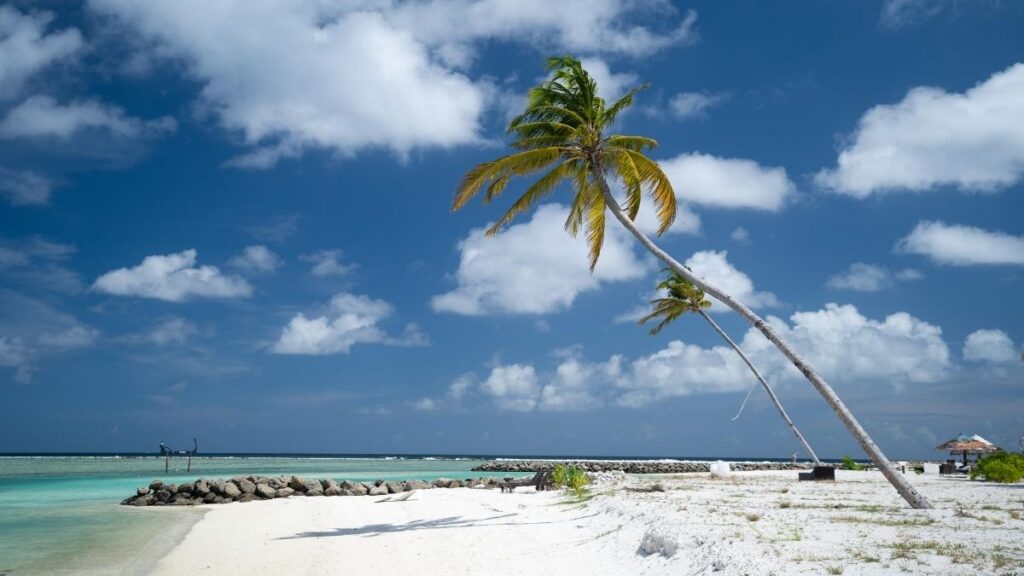
October to January
Even during the rainy season from October to January, it tends to remain bright and clear. Showers, when they arrive, are short and usually last no more than five minutes, so your activities seldom require adjustment.
Aruba’s humidity is moderate year-round, so you don’t experience the sticky heaviness you find on other tropical islands.
May to August
The true solace is in the trade winds, strong from May through August. These winds blow across the island day and night, cooling the air and enhancing the pleasure of outdoor activities.
They contribute a breezy quality that prevents the heat from being oppressive, even at midday. For instance, if you’re strollin’ down Eagle Beach or roaming Oranjestad, you’ll feel that crisp wind at your back.
The Rainy Period
Most rain is experienced from October to December, but doesn’t linger. You could catch a stray cloud and a quick shower, but it clears fast. For the majority of days, you’ll enjoy beautiful blue skies ideal for swimming, hiking, or relaxing by the sea.
The sun can be quite strong, particularly between 11 a.m. 2:30 p.m. High-SPF sunscreen is essential, particularly if your skin is light or you intend to be out for more than an hour.
Best Time to Visit Aruba by Season
Aruba’s weather is consistent throughout the year, yet every season provides a unique travel experience based on your preferences.
Your selection can influence your experience from the energy on the beaches to price and crowds.
High Season: December to April
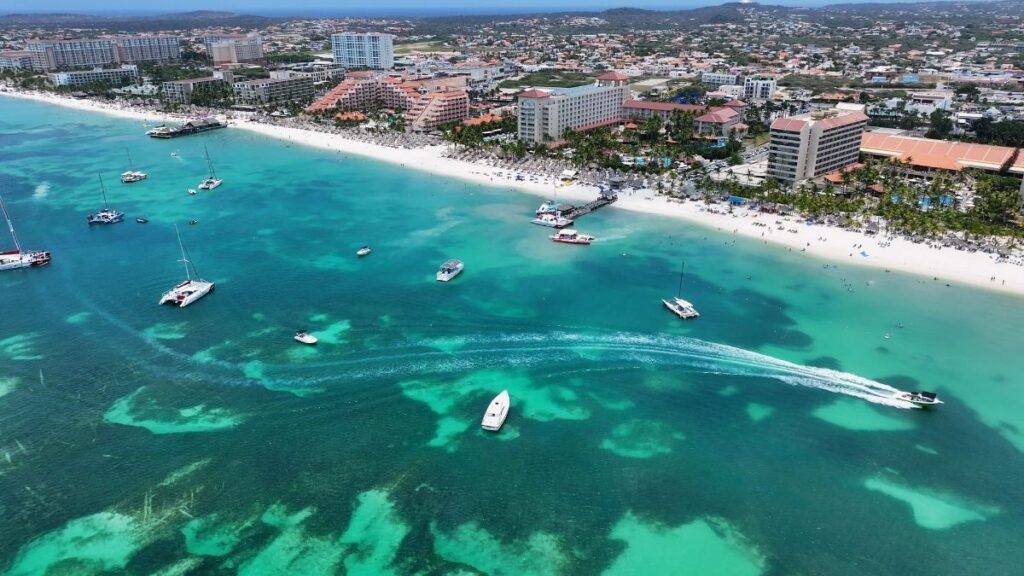
During high season, you enjoy dry sunny days with temperatures ranging from 27 to 30 degrees Celsius. Thanks to the trade winds, the air stays nice and not scorching hot so you can be outside for hours and not feel sticky. This is when Aruba’s beaches shine, blue skies and warm water, perfect for a swim, lounging or watersports.
There’s a buzz all around the island during this time, with events like Carnival and tons of cruise ships arriving. Hotels fill up fast and the rates increase, particularly close to beaches or in resort areas. Restaurants, bars, and shops remain bustling, but you’ll have no shortage of choices.
More vacationers mean crowded hotspots. If you want quiet, it’s tougher to come by in this window. Still, if you’re after a traditional winter getaway and don’t mind the cost, this season is optimal for couples and sun chasers.
Shoulder Season: May to August
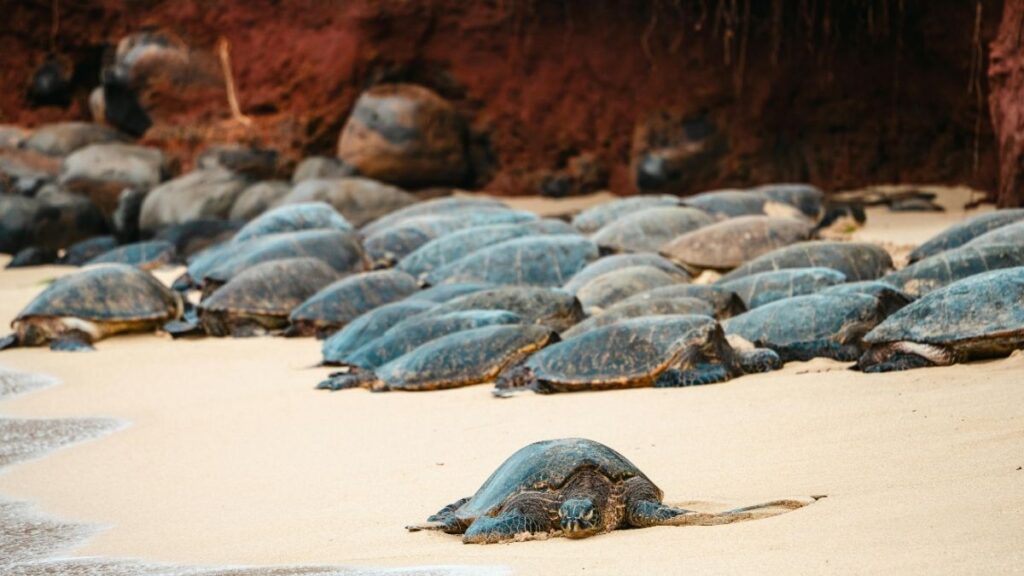
Temperatures climb a little and you might notice a tad more humidity. There will be the possibility of quick showers, but most days remain bright. The water is warm for snorkeling or diving and you can still lay on powdery sand.
It’s easier on your wallet. Hotel and flight prices plummet, and the island seems less congested. You have more space to roam local markets or experiment with watersports without standing in line. May and June are great for windsurfing and you may have the chance to see nesting turtles on the beach.
Be prepared for muggy air and bring a lightweight rain jacket. Rain never sticks around for long, so just about everything continues as scheduled.
Low Season: September to November
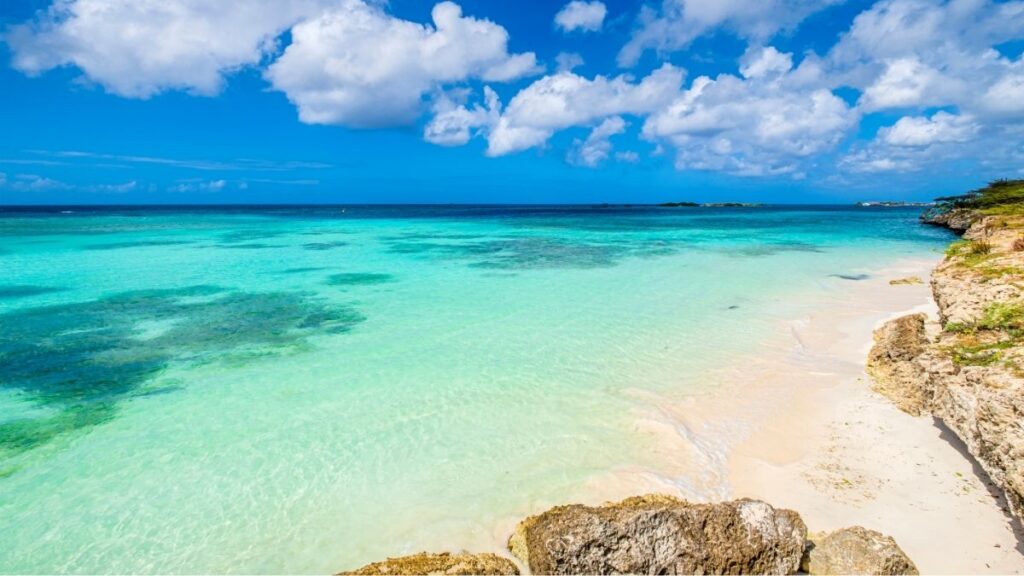
Low season delivers warmth and more showers. The rain comes in short bursts. The sun bounces back quickly, bringing you back outside. Beaches are nearly empty and hotel prices are almost rock-bottom.
If you want peace and don’t mind missing out on festivals, this window works nicely. You can snag last minute stays or get great deals on tours. The vibe is relaxed, with less happening but more room to breathe.
A few shops and attractions close for short periods and there’s a little more rain, but most days have plenty of sun. It is a great choice if you’re looking to travel on a budget, seek a little peace and quiet, or discover some lesser-known gems.
Best Time to Visit Aruba by Activity
Aruba attracts you with balmy weather and constant trade winds. The ideal time to visit varies by activity. The dry season, December to April, is when the beaches shine their brightest.
With calm seas and clear skies, you enjoy ideal days for swimming, snorkeling, or simply relaxing on Eagle Beach or Palm Beach.
Where to do Water Sports

If you’re looking to check out the island’s coral and fish, March to May are the months when visibility is high and currents are light, even around Boca Catalina or Malmok Beach. For snorkelers, take a boat trip to Antilla shipwreck, where the water is still and marine life is abundant.
If you’re going to kiteboard or windsurf, July through September suits you better. The trade winds are their strongest, offering you consistent, invigorating breezes. Hadicurari Beach and Fisherman’s Huts are two prime locations for both sports.
Shallow water and wide open space make these beaches ideal for both beginners and advanced riders. It’s easy to find rental shops and lessons. The wind is less fierce the rest of the year, so if you’re in for speed and big air, go from late summer.
Aruba’s Festivals

Aruba’s festival calendar molds the optimum months to visit. June through April delivers lots of events, but it’s Carnival that takes the limelight, peaking in February through March. That’s when you get street parades, music, and costumes in Oranjestad and San Nicolas.
Other events such as the Aruba Soul Beach Music Festival in May or the world-class Aruba Hi-Winds windsurfing contest in July provide opportunities to get in on the action or enjoy top-notch spectator performances.
Travel Tips for Visiting Aruba
Aruba attracts tourists from all over the globe with its combination of stable weather, laid-back vibe and stunning scenery.
With some planning and the right tools for a smooth stay, you can make the most of your trip.
Basic preparation
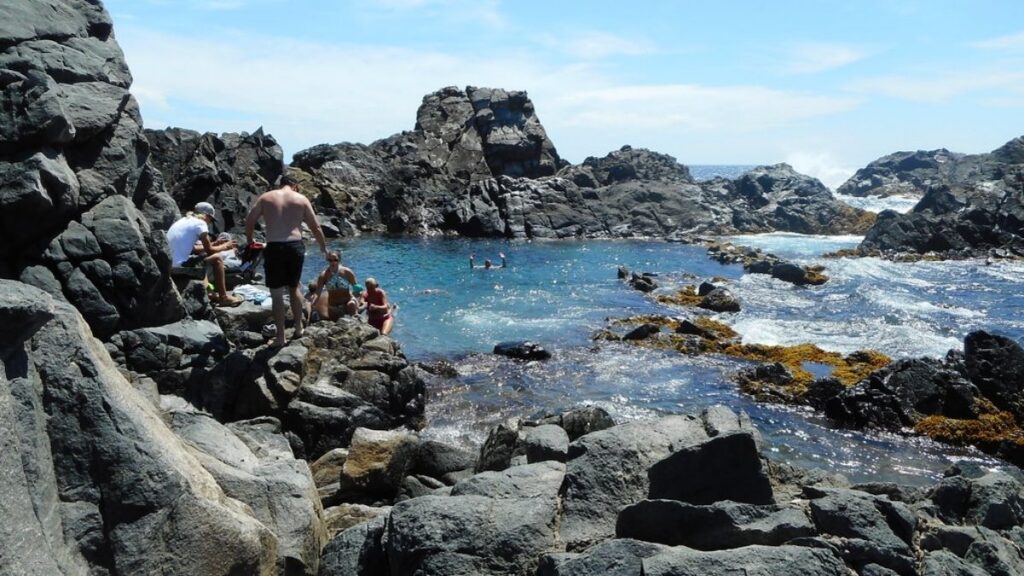
Pack light, airy clothes such as cotton shirts, shorts, and sandals. The island is warm year round, but from February to August you will experience dry, sunny days and fewer crowds.
Don’t forget to pack a hat and some stylish shades and bring reef-safe sunscreen because the Aruban sun is strong and our coral needs us to protect it!
Your rental car allows you to check out Eagle Beach, one of the world’s best for its spaciousness and clear water, or visit Arikok National Park for hiking, caves, or a Jeep tour.
Plenty of local markets or even taxi drivers love cash, so carry a little in USD or Aruban florin for these moments.
Stay hydrated. Tap water is safe and you can refill a bottle! Taste local fares such as keshi yena or seafood in a beachside café.
If you visit during the off-season, which means any time from May to November, you’ll get better prices and smaller lines. You’ll get short showers, particularly between October and January.
On official holidays, shops and restaurants close. If you’re flying out in peak season, give yourself three hours at the airport.
Your Travel Connectivity with Ubigi

Staying online is simple with Ubigi eSIM. You bypass expensive roaming charges and activate your service as soon as you land. This allows you to arrive with immediate access to maps and translator apps.
Ubigi’s coverage is solid in Aruba, meaning you can post from Eagle Beach or navigate Oranjestad’s vibrant streets.
If you want to explore more of the Caribbean, their eSIM hops between islands and you can manage your data plan directly on Ubigi app, which is convenient for multi-stop journeys.
You select the plan that fits your journey, from 1 GB for quick visits to more data for extended trips. Ubigi offers a range of data plans designed to fit different travel needs:
- Short city breaks (3GB Aruba data plan for under a week)
- Longer vacations in Aruba (10GB Caribbean data plan for 15 days)
- Multi-country trips within the Caribbean (10GB to Unlimited data Caribbean plan for up to 30 days)
You hold onto your primary SIM for calls or local contacts. No card-swapping or service-losing.
Conclusion
Aruba delivers warm weather, blue seas and soft sand practically year round. The dry season brings more sun and less rain. The wet months have short showers but still plenty of bright days.
You can swim, enjoy water sports or simply relax with a great view. Crowds remain lighter from April to August, so you get more room and more attractive prices.
If you love festivals, schedule your visit around Carnival or Bon Bini Festival. Whichever month you choose, the island greets you with laughing eyes and welcoming embraces.
Your trip can suit your style, your pace and your schedule. Review your must-dos, select your month and begin planning your best Aruba trip today with Ubigi eSIM.
We hope that this article on the “Best Time to Visit Aruba” helped you!

Frequently Asked Questions
When is the best time to visit Aruba for good weather?
Aruba’s sun can be enjoyed throughout the year. The driest months are February through August. You’ll experience warm temperatures and minimal rainfall, ideal for beach days.
Is Aruba safe to visit during the hurricane season?
Yes, Aruba is out of the hurricane belt. Even during the Caribbean hurricane season from June to November, you can visit safely.
What is the best season for snorkeling in Aruba?
The best snorkeling months are April to August. Seas are calm, water is clear, and you’ll have great visibility for marine life.
When are hotel prices lowest in Aruba?
You’ll discover the best hotel rates from September to mid-December. It’s Aruba’s low season. As a result, you can find deals on lodging.
What is the busiest time to visit Aruba?
December to April is the peak season. A lot of tourists come in during these months for winter sun and vacations. So book early if you plan to be there.
Are there any months to avoid visiting Aruba?
So, there are no bad months to come to Aruba. Even in rainy season, showers are short. September and October can be the hottest, but the beaches are still lovely.
What should you pack for an Aruba trip?
Bring light-weight clothing, sunblock, a hat and bathing suits. Pack a light jacket for those cool evenings and reef-safe sunscreen to preserve the local marine life.








 How to check eSIM compatibility
 How to check carrier unlocking