


Key Takeaways
- Looking for the “Best Time to Visit Ireland“? This article is for you!
- Ireland’s climate is mild and rainy, so you will want to bring layers and something waterproof wherever you go.
- Every season has its own attractions in Ireland. Spring blooms, summer festivities, fall foliage, and wintertime comforts.
- Visiting during shoulder or off seasons lets you avoid the crowds, cost less, and enjoy a laid-back vibe.
- If you’re heading to Ireland during the hectic summer season, then early booking is essential.
- While renting a car gives you the flexibility to roam in the rural countryside and the scenic routes, prepare yourself for narrow country roads.
- Staying connected with a reliable eSIM like Ubigi can make navigation, bookings, and sharing your adventures much simpler during your trip.

Introduction
The optimal time to visit Ireland is from May to September, during which the days are extended and the temperatures seem warm. You encounter most places open and green fields at their height.
Summer festivals and outdoor events provide you with even more activities. Spring and early fall are relatively crowd-free and fairly priced as well.
Figuring out which months to visit lets you design your trip, so you maximize your experience.
Ireland’s Climate Overview
Ireland’s climate is influenced by the Atlantic Ocean with the Gulf Stream. It provides you with mild, steady temperatures throughout the year.
It remains moderate in contrast to its neighbor Britain. You’ll not experience wild swings of heat or cold. For most of the year, temperatures remain moderate, with no extreme highs or lows. This simplifies packing, as you can anticipate cool but not bone-chilling or blazing hot weather.
A Rainy Weather
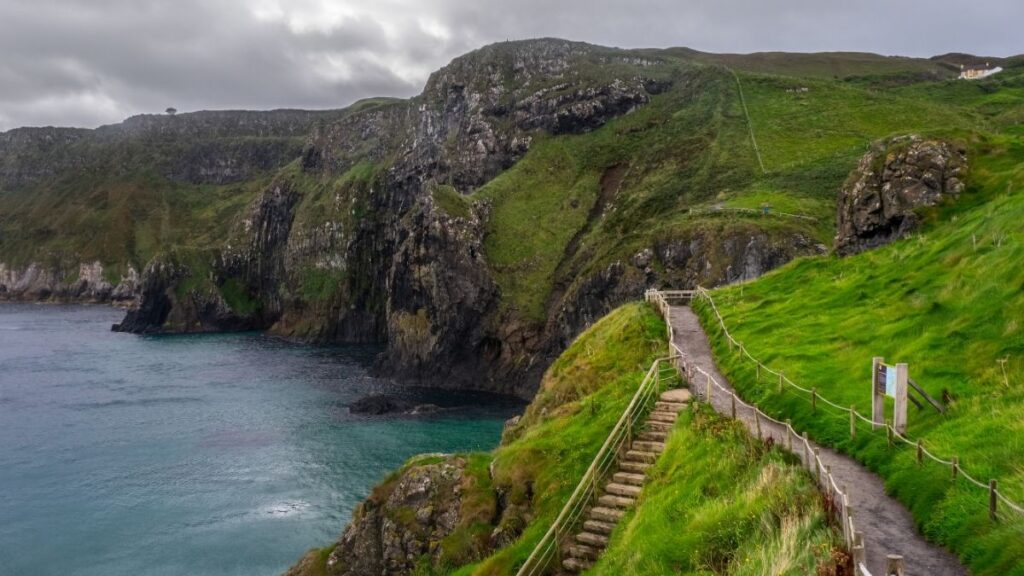
Rain is a way of life in Ireland. You’ll experience showers in just about every month, so a mini umbrella or light rain jacket comes in useful.
October and November are the rainiest months, and you’ll see colorful trees and deep golden leaves during this season. Even in summer, a fast shower can pass through, so dress in layers.
The weather can turn quick, sunny one minute, overcast or raining the next. Locals claim you can experience all four seasons in a single day, so it’s wise to check the forecast frequently.
Average Temperatures
Between approximately May and September, temperatures average from 5°C to 15°C (41°F to 59°F) most of the year. In the winter, it seldom falls below freezing.
Even during September to November, the temperature rests between 10°C and 14°C (50°F to 57°F). Late April to early October stays mild and is sought after for travel, as spring and summer have the warmest, driest days.
Sun and Daylight
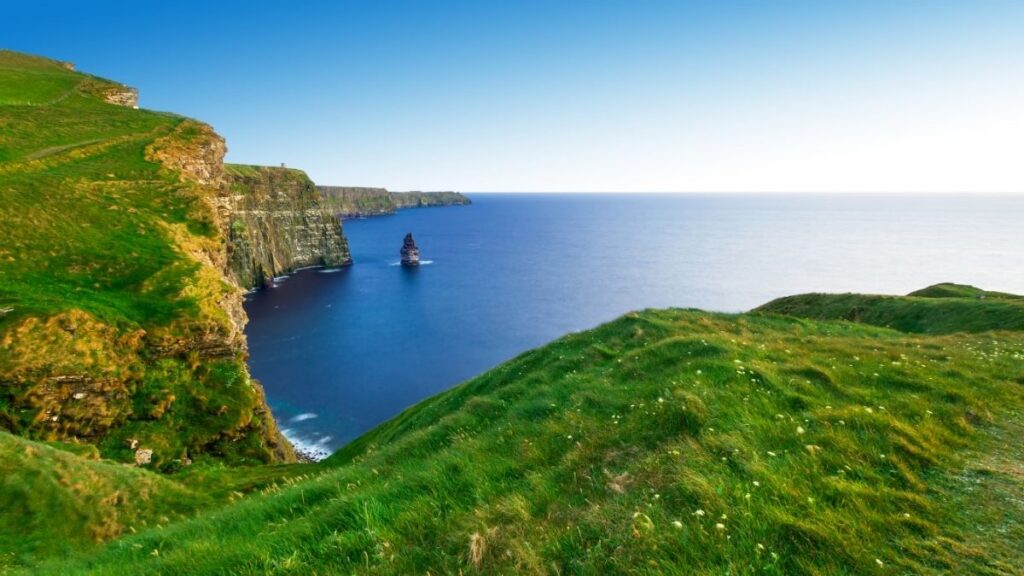
Summer, particularly June through August, is best for outdoor exploring, festivals, and long rambles. August is special, as most towns have traditional music and arts festivals.
Summer daylight goes on for longer as well. We have around 17 hours of sun in June. You can squeeze in more sightseeing, hiking, or coastal drives. Late spring has fewer crowds and mild weather, which is really good for trails and hills.
A Seasonal Irish Calendar
Ireland’s seasons make your journey special. Every portion of the year has its own particular sights, happenings, and feelings. Understanding what each season brings to the table can help you plan your trip and maximize your time.
Spring Awakening
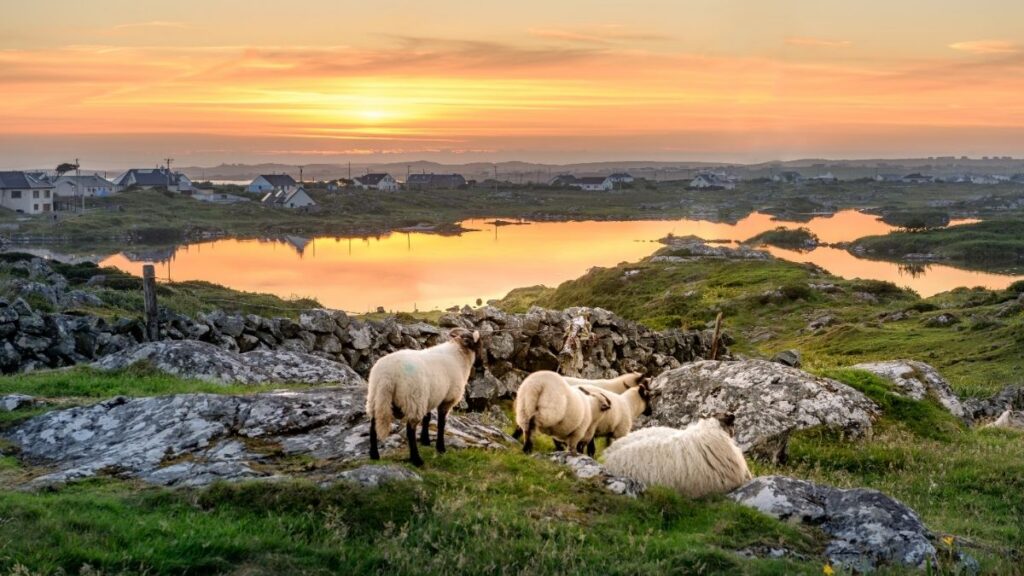
April is mild, from 8°C to 15°C. Green fields explode with wildflowers, particularly in the country and in national parks. Anticipate drizzle, but the rains are quick and clear in a hurry, so that the air is fresh and the land bright.
You’ll see the locals celebrating Easter with parades and church services all over the country. Days get longer, leaving you more daylight hours for hiking, cycling, or coastal adventures. Wildlife wakes up again; see if you can find lambs in the fields or birds coming back to gardens.
Summer’s Long Days
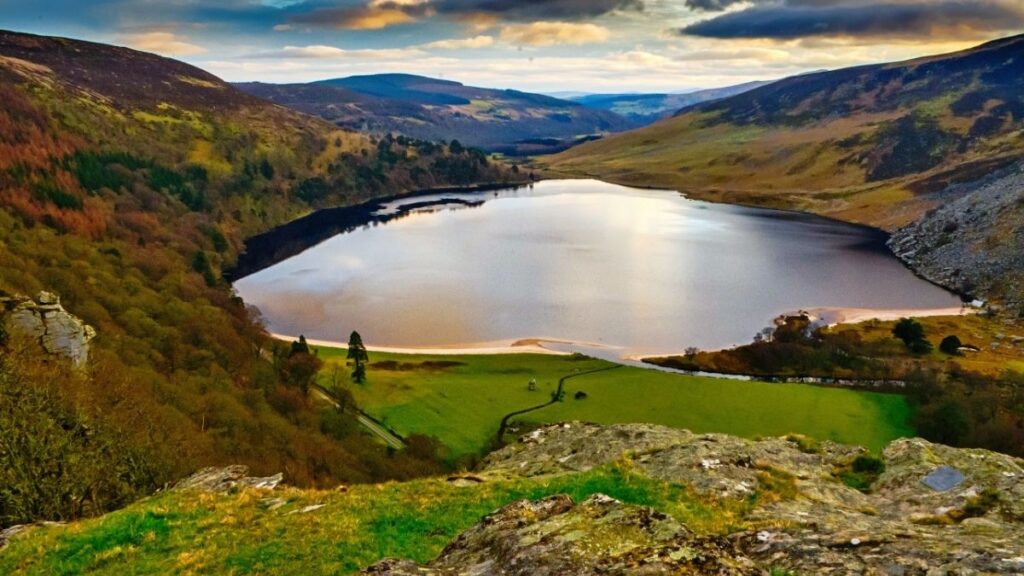
In June and July, daylight stretches well past 21:00, giving you extra hours to see the sights. Temperatures seldom climb above 21°C, so the air remains crisp. Others come to hike the Wicklow Mountains or bike the Wild Atlantic Way.
Beaches on the southern coast are active but not crowded. Irish towns have their own festivals of music, food, and local culture. Late sunsets allow you to wander city streets or country lanes long into the evening.
Autumn’s Golden Hour
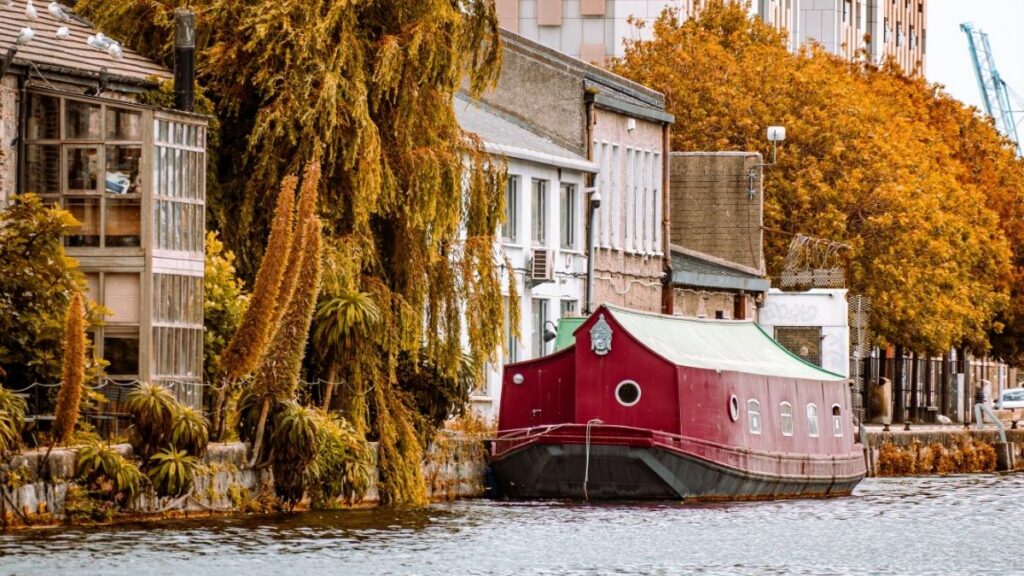
From late September, the green countryside goes gold and orange and red. The air turns crisp, ideal for log hikes or peaceful car rides. Every village appears to honor the harvest, and food markets and fairs sprout all over the place.
Photographers adore this time, with crisp light and gorgeous trees ablaze with color. Autumn ushers in a packed calendar of arts and culture, from film festivals to local craft fairs.
Winter’s Cosy Charm
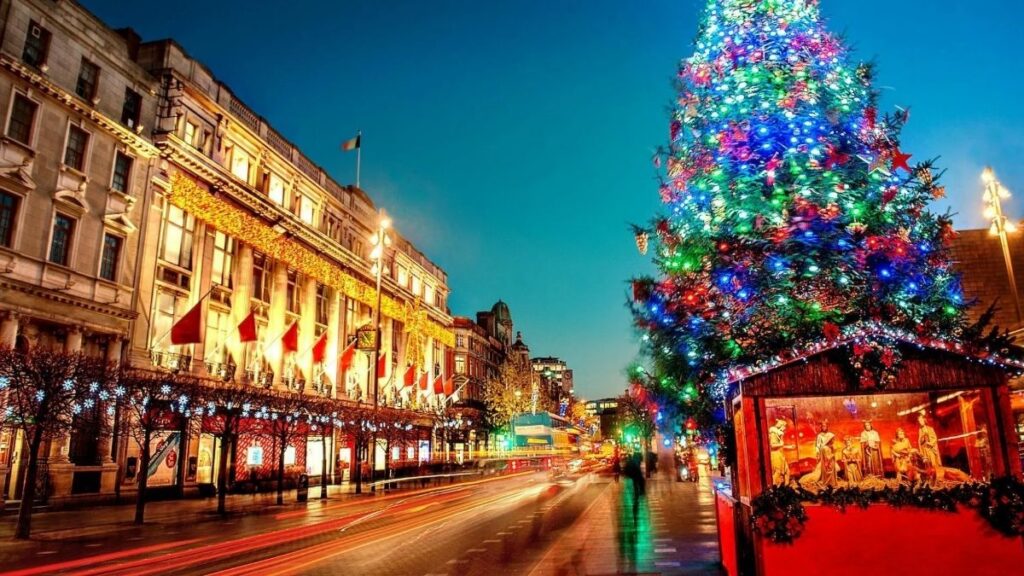
December infuses Irish towns with Christmas markets and sparkling lights. Pubs provide warmth, music, and good food. Snow is uncommon, but when the hills do receive a dusting, the entire scene becomes hushed and brilliant.
Even in winter, temperatures typically remain above 6°C (42°F). Discover winter festivals in cities and small towns with dance, music, and holiday traditions.
Navigating Crowds and Costs
When you plan a trip to Ireland, timing really can make your entire experience. Believe it or not, the season you choose will impact more than just the vibe; it will influence the crowds and your spending.
Every season has its own combination of expenses, congestion, and rewards, so it’s worth exploring your alternatives prior to reserving.
Peak Season Realities
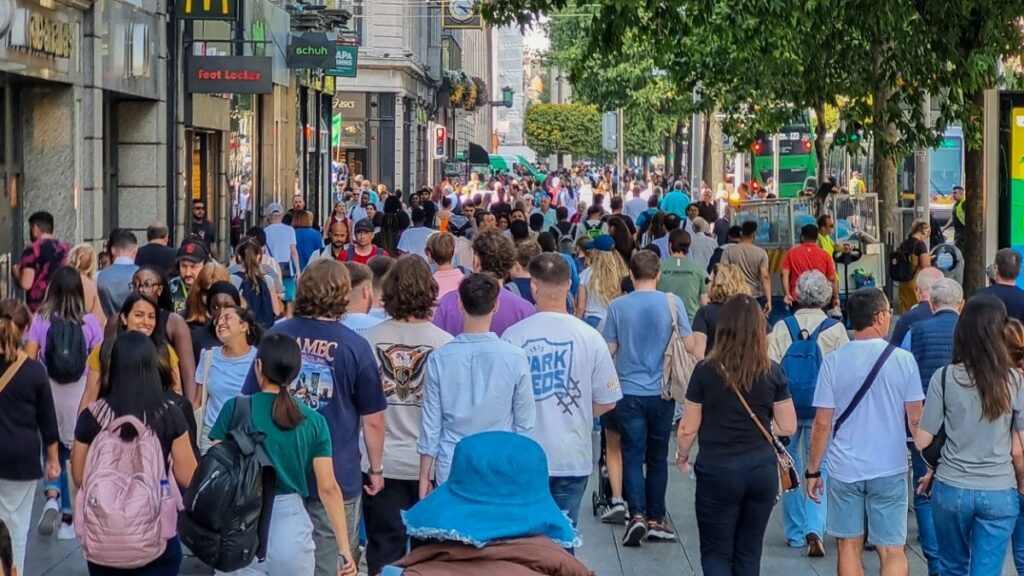
If you’re traveling in the summer, June through August, you’re going up against their highest prices and biggest crowds. Flights and hotels book up quick, and prices tend to hit their highest, particularly in urban areas and premium destinations.
If you want to be in the ‘heart’ of it, book your hotel ahead or you’ll miss out!
Plan on these kinds of lines at iconic locations such as the Cliffs of Moher or Dublin’s top museums. Eating out requires patience as well, with the best restaurants filling up early and wait times extending.
To personalize your time a bit, include smaller towns and lesser-known attractions, places where you don’t have to rush.
Shoulder Season Sweet Spots
The best times to visit would be mid-April to May and late September to October when you get a nice mix of mild weather and fewer tourists. Find the best hotel prices, particularly outside city centers.
Scout out the local calendar for those offbeat festivals and events that do not attract large crowds but provide really immersive cultural experiences. Check out some coastal villages or countryside locations where you’ll have more space and a real sense of Ireland.
Off-Season Advantages
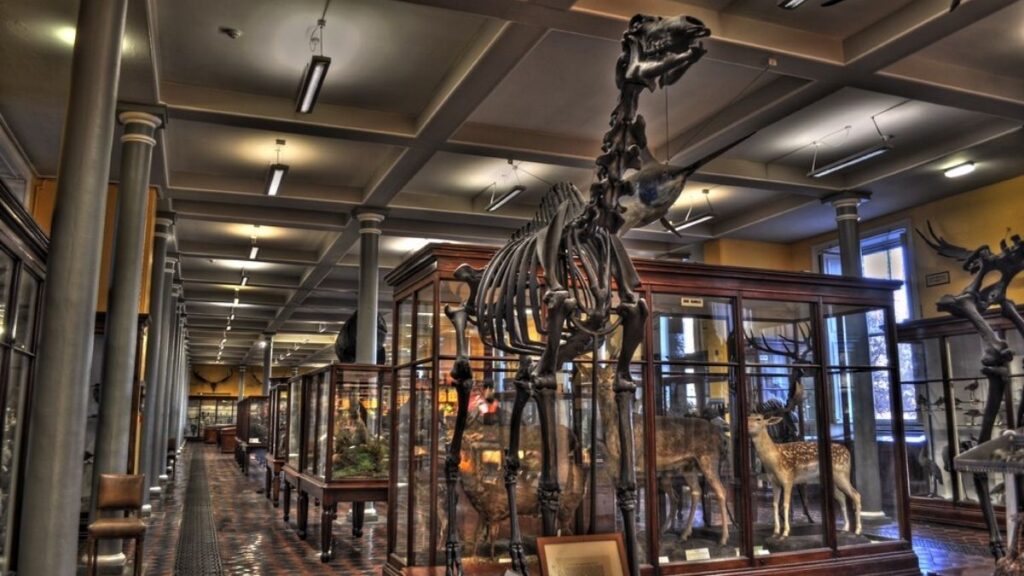
Off-season, primarily January and February, is when the real savings occur. Flights fall and you can get nice room rates in some of the more popular towns. Attractions are serene, allowing you to experience landmarks at will.
More locals have time to talk, and you can browse museums and galleries without big tour groups. Winter’s unhurried tempo can reveal a side of Ireland that few tourists experience.
Travel Tips for Visiting Ireland
Ireland’s mild temperatures and rapid weather changes will have you wishing you packed layers and waterproofs regardless of when you visit. The Atlantic coast is particularly windy and rainy, so a jacket that does both is required.
Even in June, rain showers can roll without much warning, so a light raincoat and strong shoes will keep you dry and comfortable as you transition from city to countryside.
Early Booking and Renting a Car
For summer travel, reserve your hotels and B&Bs as early as you can. The shoulder seasons of spring and autumn provide fewer crowds and more affordable rates. Summer delivers extended daylight and energetic festivals.
Country travel equals driving. Public transport is pretty sparse beyond cities so a rental car gives you the freedom to explore places like Connemara or Donegal. Prepare to encounter some very skinny roads, particularly outside of the city.
Most are just wide enough for a single car. Driving is slow and you’ll run into tractors or sheep. Give yourself extra travel time and drive cautiously, particularly when wet.
Travel Connectivity with Ubigi

Staying connected is important for travel in Ireland. You’re going to need mobile data for GPS, booking last-minute B&Bs, checking pub hours, and weather alerts.
A lot of the beautiful trails, such as the Wild Atlantic Way, are poorly signposted and rural directions can be a pain without solid data. If you want to Instagram the Cliffs of Moher right away, strong coverage, even in rural areas, makes it a breeze!
Ubigi eSIM data plans provide you with instant connection. With the immediate activation in the app as soon as you land, you steer clear of roaming surprises!
If you need help to install or activate your eSIM, video tutorials are available on Ubigi’s Youtube channel. You can leave your primary SIM on to access calls and texts from home or the office.
With its multitude of data plans, Ubigi eSIM meets every traveler’s needs. You select the plan that fits your journey, from 1 GB for quick visits to more data for extended trips :
- Short city breaks (10GB Ireland data plan for under 7 days)
- Longer vacations across multiple Irish regions (25GB Ireland data plan or an unlimited data plan for 30 days)
- Multi-country trips within Europe (25GB to Unlimited Europe data plan for up to 30 days)
You can choose an Ireland-only plan or a Europe data plan if your itinerary includes neighboring countries, all with clear validity periods and transparent pricing.
Conclusion
To choose the optimal time for your trip to Ireland, balance what’s most important for you.
Spring provides you with mild weather and green hills. Summer has long days, bustling towns, and lots of festivals.
Autumn brings serene paths and muted hues. Winter remains soggy but attracts fewer people and deals.
Look at your schedule and type. Fancy some hiking, castles, or local festivals? Ireland has a season for everything. You can bring rain gear and schedule your days accordingly.
Every trip accommodates your speed and your budget. Get your Ubigi eSIM data plan ahead of your trip. Sound off with your thoughts or questions for additional advice on maximizing your trip to Ireland!
We hope that this article “Best Time to Visit Ireland” helped you!

Frequently Asked Questions
What is the best month to visit Ireland for good weather?
May through September have mild temperatures, longer days, and less rain. You can experience the outdoors and stunning scenery with less congestion.
When is the cheapest time to travel to Ireland?
Visiting in winter, from November through February, typically results in cheaper rates on airfare and accommodations. There will be fewer tourists.
How crowded is Ireland in the summer?
June through August is the peak. Prepare for big crowds at sites and increased prices. Reserve your lodging and events in advance.
What should you pack for an Ireland trip?
Pack your rain jackets, comfy shoes, and layers. An umbrella and quick dry clothing are helpful.
Can you see the Northern Lights in Ireland?
Yes, you can catch a glimpse of the Northern Lights, particularly in northern counties, during late autumn to early spring. Clear, dark nights work best.
Is it easy to drive around Ireland?
Yes, roads can be narrow and winding, particularly in the countryside. It’s best to rent a car for flexibility and be a careful driver!
Are there any major festivals to consider?
Yes, of course. St. Patrick’s Day in March and Galway International Arts Festival in July are favourites. These events bring in big crowds, so book in advance if you want to go.








 How to check eSIM compatibility
 How to check carrier unlocking