


Key Takeaways
- The best time to visit Jamaica is generally December through April, when the weather is typically drier and ideal for beaches, sightseeing, and outdoor adventures.
- February and March are excellent choices for sunny weather, while December and early January attract more holiday travelers.
- May, June, and November can offer better travel deals, although rainfall becomes more likely.
- July and August bring hot weather and lively summer celebrations, including music festivals and Jamaica’s Independence Day festivities.
- Hurricane season runs from June through November, with the greatest Atlantic storm activity typically occurring between August and October.
- Plan outdoor activities around the weather. Drier months are generally better for mountain hikes, while waterfalls can be especially impressive after rainfall.
- Stay connected with a Ubigi eSIM to access maps, weather forecasts, travel bookings, and local information during your trip.

Introduction
The best time to visit Jamaica is generally from December to April, when the island enjoys some of its driest weather. Warm temperatures, sunny beaches, and favorable conditions for outdoor activities make this period especially popular with travelers.
However, the ideal month depends on your priorities. February and March are excellent for beach vacations, while summer brings lively festivals and warm ocean temperatures. Budget-conscious travelers may prefer the quieter months, provided they’re comfortable with occasional rain.
This guide explores Jamaica’s seasons, the best months to travel, outdoor adventures, cultural events, and essential connectivity tips to help you plan your vacation.
Best Time to Visit Jamaica
Jamaica has a tropical climate with warm temperatures throughout the year. Rather than four distinct seasons, the island experiences changes in rainfall, humidity, visitor numbers, and accommodation prices.
1. Peak Season: December to April
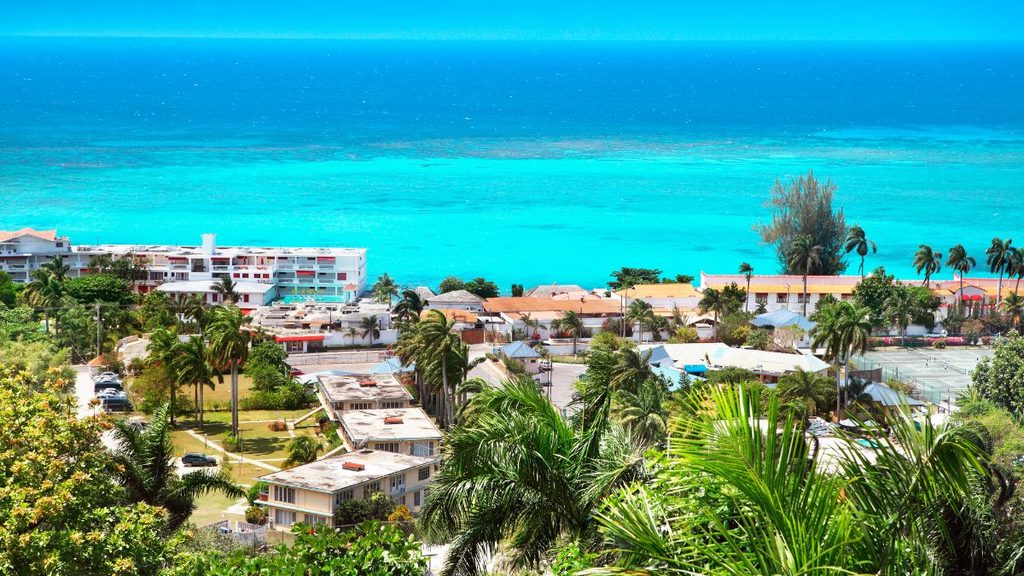
Jamaica’s main tourist season runs approximately from mid-December through mid-April. These months generally offer drier conditions, comfortable humidity levels, and plenty of opportunities to enjoy the island’s coastline.
Popular destinations such as Montego Bay, Negril, and Ocho Rios attract visitors looking for beach vacations, snorkeling, diving, and resort experiences.
However, demand is particularly strong around Christmas, New Year’s, and spring break. Flights, accommodations, and popular excursions can become more expensive.
Book early if you’re traveling during the holidays or planning to stay at a popular beachfront resort.
2. Shoulder Season: Late April to June and November
Late April, May, June, and November can offer a balance between lower visitor numbers and opportunities for outdoor activities.
These months are generally warmer and wetter than the winter peak season. Jamaica typically experiences one of its main rainy periods during May and June, while November marks the later part of the second rainy period.
You may find competitive hotel rates and greater availability at popular attractions. For travelers with flexible schedules, these months can be appealing. Plan outdoor activities earlier in the day, check local forecasts, and choose accommodations with flexible cancellation policies.
3. Summer Travel: July and August
July and August bring hot, humid weather, warm seas, and an energetic atmosphere. Although both months fall within the Atlantic hurricane season, July can experience a relative reduction in rainfall compared with Jamaica’s wetter periods.
Summer is particularly attractive for travelers interested in Jamaican culture. Music festivals, food celebrations, and national holidays add excitement to the island’s beaches and cities.
Accommodation deals may be available, but prices can rise around major events and popular vacation dates. Remember that tropical showers, thunderstorms, and storm-related disruptions remain possible.
4. Hurricane Season: June to November
The Atlantic hurricane season officially runs from June 1 through November 30, with activity generally peaking between August and October.
This doesn’t mean Jamaica experiences hurricanes every year or that travel is impossible during these months. Many visitors enjoy successful summer and fall vacations. However, tropical storms can bring heavy rainfall, strong winds, flooding, and travel disruptions.
If you travel during hurricane season, monitor forecasts from the Meteorological Service of Jamaica and the National Hurricane Center. Choose flexible bookings, consider travel insurance that covers relevant weather disruptions, and avoid scheduling essential activities without backup options.
Best Months to Visit Jamaica
The best month depends on whether you’re looking for sunshine, cultural celebrations, or affordable accommodation.
| Month | Typical conditions | Best for |
|---|---|---|
| December | Generally drier weather; busy holiday period | Beaches, holiday celebrations |
| January | Relatively dry and comfortable | Sightseeing, snorkeling, hiking |
| February | Among the drier months | Beach vacations, Reggae Month |
| March | Warm, generally dry conditions | Outdoor adventures, beach trips |
| April | Warm weather; rainfall gradually increases | Carnival, sightseeing |
| May | Wetter conditions; potentially lower prices | Flexible, budget-conscious travel |
| June | Warm and humid; occasional heavy showers | Quieter vacations |
| July | Hot weather; possible midsummer rainfall reduction | Festivals, beaches |
| August | Hot and humid; tropical storm risk | Cultural celebrations |
| September | Wetter conditions and elevated storm risk | Flexible, lower-demand travel |
| October | Often one of the wetter months | Budget travel with weather flexibility |
| November | Rainfall generally begins easing later in the month | Quieter trips before peak season |
These are typical seasonal patterns, not guaranteed forecasts. Conditions vary across Jamaica, particularly between coastal areas and mountainous regions.
December: Best for Holiday Celebrations
December marks the beginning of Jamaica’s busiest travel period, especially during Christmas and New Year’s.
Coastal destinations typically experience warm days, with temperatures often reaching the low-to-mid 80s°F (upper 20s°C).
Travelers can enjoy beach activities, festive markets, resort entertainment, and seasonal celebrations. However, December isn’t equally busy throughout the month. Early December may offer a quieter experience, while the holiday period brings higher demand and accommodation prices.
Best for: Travelers seeking festive atmosphere, beach weather, and holiday experiences.
March: Best for Sunshine and Outdoor Adventures
March is one of the strongest choices for travelers prioritizing generally dry weather. Warm temperatures and relatively low rainfall make it an appealing month for exploring the Blue Mountains, visiting waterfalls, and enjoying Jamaica’s beaches.
It’s also a good time for snorkeling and diving when local sea conditions are favorable. Spring break can increase visitor numbers in some resort areas, so book popular accommodations and activities ahead of time.
Best for: Beach vacations, hiking, snorkeling, and sightseeing.
July: Best for Summer Festivals
July offers hot temperatures, warm Caribbean waters, and a lively cultural calendar.
It’s traditionally associated with Reggae Sumfest, one of Jamaica’s best-known music events. However, festival dates, locations, and formats can vary, so check the official schedule before booking.
Travelers can also enjoy beach excursions, local food experiences, and other summer entertainment. July falls within hurricane season, but it can experience a relative midsummer reduction in rainfall.
Best for: Music lovers, cultural experiences, and summer beach vacations.
October: Best for Flexible Budget Travel
October can appeal to travelers seeking quieter destinations and potential accommodation discounts.
However, it is also typically one of Jamaica’s wetter months and falls within the period of heightened Atlantic tropical storm activity. Heavy rainfall can disrupt boat excursions, hiking, and other outdoor activities.
If you choose October, prioritize flexible reservations and accommodations with activities available during rainy weather.
Best for: Travelers who prioritize lower demand and can adapt their itinerary to changing conditions.
Outdoor Adventures and Culture
Jamaica offers much more than beautiful beaches. Its mountains, waterfalls, coffee-growing regions, and cultural celebrations provide memorable experiences throughout the year.
Water Clarity and Snorkeling
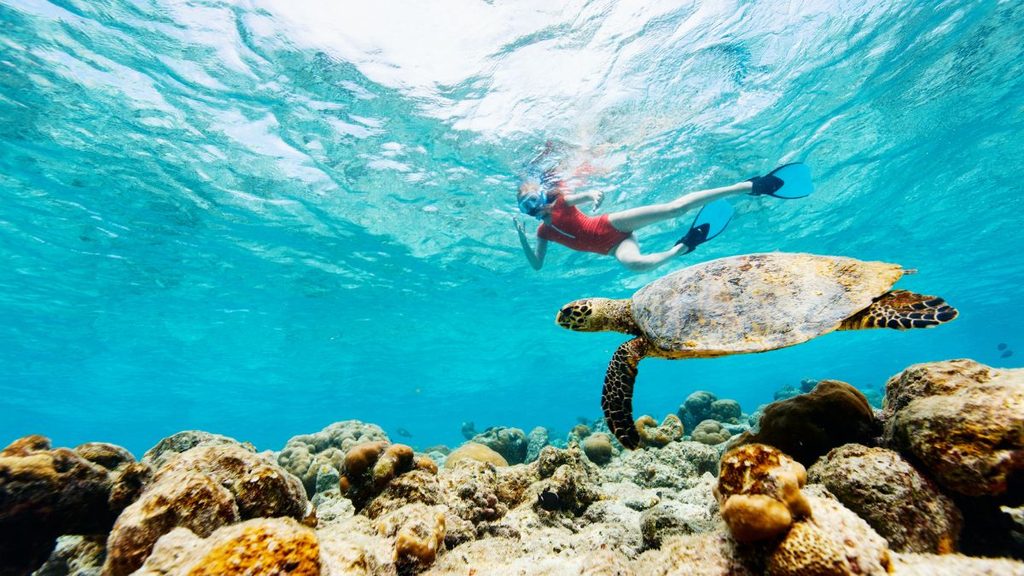
The drier months, particularly December through April, often provide favorable opportunities for snorkeling and diving.
Popular destinations include Negril, Montego Bay, and the waters around Ocho Rios.
However, underwater visibility depends on local conditions, including rainfall, wind, currents, and recent storms. Even during the dry season, rough seas can affect excursions.
Rainfall can temporarily reduce visibility by carrying sediment into coastal waters. For the best experience, consult local dive operators and check marine forecasts before booking.
Mountain Hikes
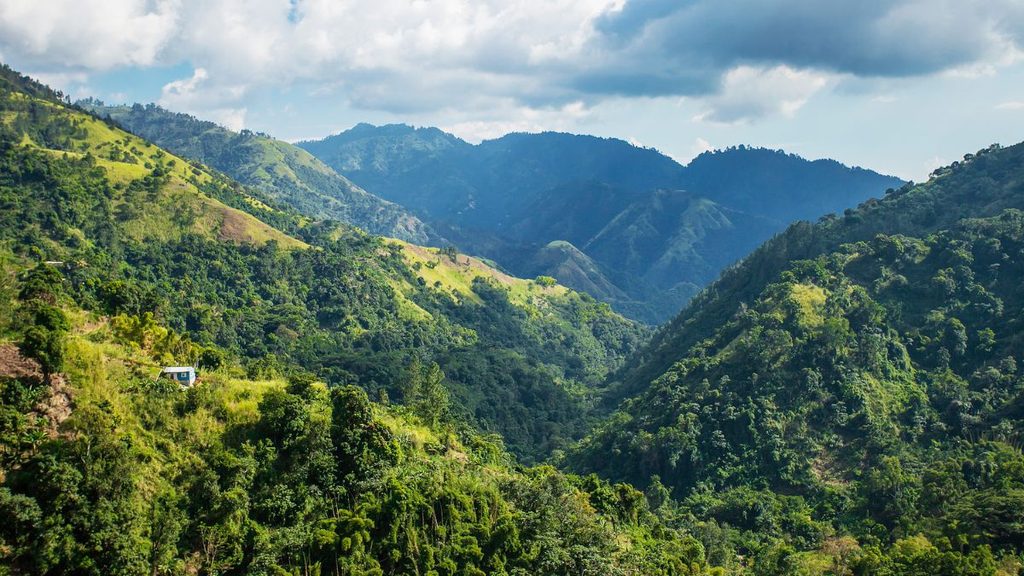
The Blue Mountains and Cockpit Country offer opportunities to explore Jamaica’s lush landscapes and distinctive wildlife.
Drier months are generally preferable for hiking because trails are less likely to become muddy or slippery. The Blue Mountains are especially popular with travelers interested in forest scenery, mountain viewpoints, and coffee-growing communities.
Conditions can be cooler at higher elevations, so bring layers, sturdy footwear, and rain protection. During wetter months, trails may become difficult or unsafe. Consider hiring an experienced local guide and checking trail conditions before departure.
Harvest Seasons and Local Food
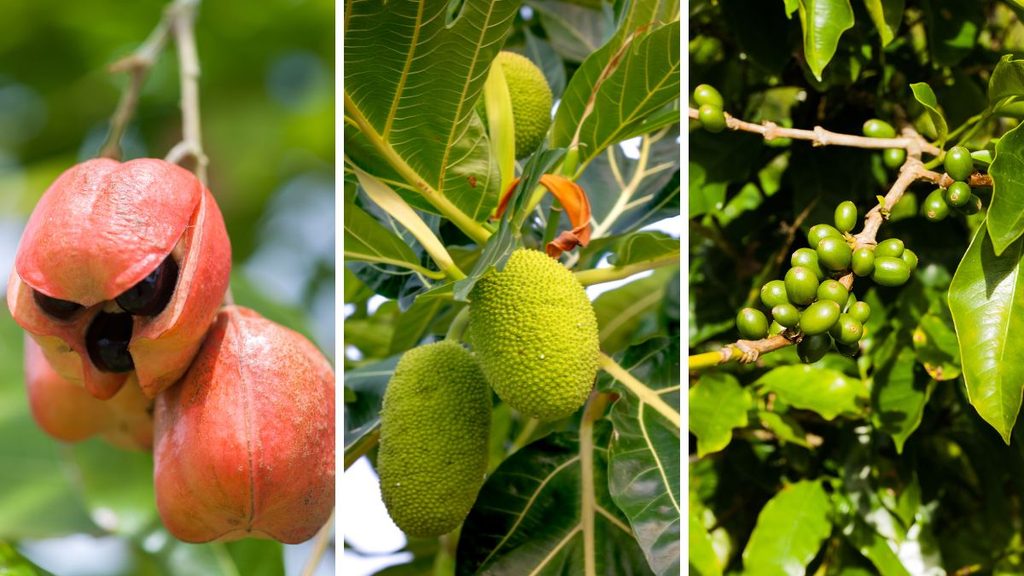
Jamaica’s agricultural calendar adds another dimension to travel planning. Mango season generally runs from May through August, when markets and roadside vendors offer a variety of fresh fruit.
Ackee, breadfruit, and other local produce also feature prominently in Jamaican cuisine, although availability varies by growing conditions and location.
The Blue Mountains are famous for their coffee production. Coffee harvesting occurs across different periods depending on elevation and agricultural cycles, so farm tours and tastings aren’t limited to one season.
Whatever month you visit, explore local markets and restaurants to discover Jamaican specialties such as jerk chicken, ackee and saltfish, and freshly prepared tropical fruit.
Island Festivals
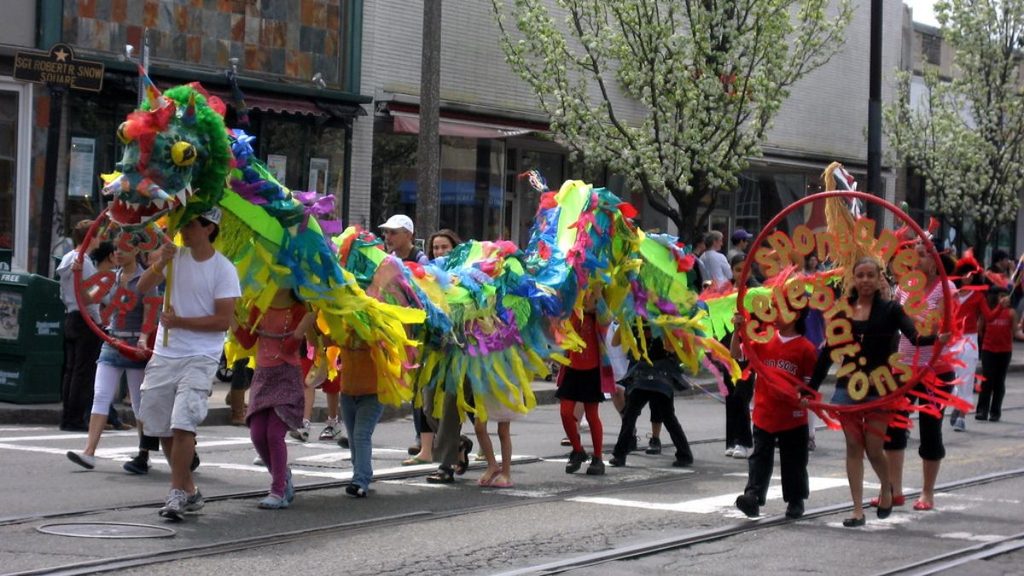
Jamaica’s cultural calendar offers music, food, and celebrations throughout the year.
February – Reggae Month: Concerts, exhibitions, and cultural activities celebrate Jamaica’s musical heritage, particularly in Kingston.
Spring – Jamaica Carnival: Colorful costumes, road marches, music, and parties create a lively atmosphere. Main celebrations often take place around April, but dates vary.
July – Reggae Sumfest: This major music event traditionally celebrates reggae and dancehall, with specific schedules changing from year to year.
August – Emancipation and Independence celebrations: Jamaica commemorates Emancipation Day on August 1 and Independence Day on August 6 with cultural activities and festivities.
For confirmed dates and locations, consult the official Jamaica events calendar before booking your trip.
Travel Connectivity with Ubigi eSIM

Staying connected in Jamaica makes it easier to navigate unfamiliar roads, check weather forecasts, book excursions, and keep in touch with family and friends.
Whether you’re exploring Kingston, relaxing in Montego Bay, or planning a trip into the Blue Mountains, reliable mobile data can make traveling more convenient.
With a Ubigi eSIM, you can arrange a prepaid Jamaica data plan before departure without searching for a physical SIM card after landing. Install the eSIM on a compatible, unlocked device and connect to a supported local network when you arrive.
Ubigi offers mobile data services in more than 200 destinations worldwide. You can use the Ubigi app to monitor data usage and purchase additional data when needed.
If your device supports dual SIM, you can keep your primary SIM available for calls and texts while using Ubigi for mobile internet. Standard home-carrier charges may still apply to those calls and messages.
Coverage and speeds vary by location, particularly in mountainous or remote areas. Download offline maps and important travel documents before heading into less populated regions.
Conclusion
The best time to visit Jamaica depends on the vacation you’re planning.
Choose December through April for generally drier weather and favorable beach conditions. February and March are particularly appealing for travelers interested in outdoor adventures, while July offers warm seas and an exciting summer cultural calendar.
For potentially lower prices and fewer visitors, consider May, June, or November, keeping in mind that rainfall may affect your plans. September and October require greater flexibility because of wetter conditions and tropical storm risks.
Whether you’re exploring waterfalls, hiking through the Blue Mountains, or enjoying reggae performances, plan your activities around local conditions.
Before departure, prepare a Ubigi eSIM to access navigation, travel updates, and essential online services throughout your Jamaican adventure.

Frequently Asked Questions
When is the best time to visit Jamaica for sunny beach weather?
December through April generally offers the most favorable conditions for beach vacations. February and March are particularly good choices for travelers seeking warm temperatures and relatively low rainfall.
Can you visit Jamaica during the rainy season?
Yes. Jamaica welcomes visitors throughout the year. Its main rainy periods are generally May–June and September–November. Rainfall varies by region and may occur in short showers or prolonged periods, so keep your itinerary flexible.
When is hurricane risk highest in Jamaica?
The Atlantic hurricane season runs from June 1 through November 30. Activity generally peaks from August through October, especially around September. Check official forecasts and consider appropriate travel insurance.
What months are best for outdoor adventures and hiking?
December through April generally provides more favorable conditions for hiking in the Blue Mountains and exploring outdoor attractions. Trails can become slippery after heavy rain, so always check local conditions.
When is the best time to experience Jamaican culture and festivals?
February is ideal for Reggae Month, while Jamaica Carnival usually takes place in spring. July is associated with Reggae Sumfest, and August brings Emancipation Day and Independence Day celebrations. Check event dates before booking.
How is mobile connectivity across Jamaica year-round?
Mobile data is available in major cities and tourist destinations, although coverage and speeds vary by network and location. Remote beaches and mountainous areas may have weaker signals. A travel eSIM can help you access mobile data on supported networks, but downloading offline maps remains advisable.
When can you find the best travel deals to Jamaica?
Lower-demand periods, including parts of May, June, September, October, and November, may offer competitive flight and accommodation prices. However, prices depend on holidays, events, availability, and weather-related demand. Compare dates and choose flexible reservations when traveling during wetter months.







 How to check eSIM compatibility
 How to check carrier unlocking