


Key Takeaways
- The Best Times to Visit London are late spring and early autumn which offer a good balance of mild weather, longer daylight hours, and manageable crowds in London.
- Summer is ideal for festivals, outdoor activities, and long evenings, but it is also one of the busiest periods for visitors.
- January to early March and parts of November can offer lower accommodation rates and fewer tourists, although prices vary according to events and demand.
- Spring is ideal for gardens and parks, summer for major events, autumn for cultural activities and fall foliage, and winter for festive attractions and indoor sightseeing.
- Check major events and UK school holidays before booking, as they can affect accommodation availability, transportation, and crowd levels.
- Prepare a Ubigi eSIM for the UK before departure to access maps, transportation updates, reservations, and travel information throughout your London trip.

Introduction
When is the best time to visit London, England? The answer depends on what you want from your trip.
Late spring and early autumn are particularly appealing if you want mild weather and plenty of opportunities for outdoor sightseeing without the peak summer crowds. Summer brings long days, major sporting and cultural events, and a lively atmosphere, but also higher demand for accommodation and attractions.
Winter can be a good choice for travelers interested in festive lights, museums, theater, and potentially lower post-holiday rates.
From weather and crowds to seasonal events and budget considerations, here’s how to choose the best time for your London trip.
Best Times to Visit London
London is a year-round destination, so the best period depends on your priorities. Weather, daylight hours, visitor numbers, events, and accommodation demand all change throughout the year.
Here’s a month-by-month overview to help you decide.
| Month | Typical weather | Crowd level | Seasonal highlights |
|---|---|---|---|
| Jan | Cold | Low | Post-holiday sales, museums |
| Feb | Cold | Low | Quieter attractions, indoor activities |
| Mar | Cool | Low–Moderate | Early spring blooms |
| Apr | Mild | Moderate | Parks and spring sightseeing |
| May | Mild | Moderate | Chelsea Flower Show, gardens in bloom |
| Jun | Mild–Warm | High | Long daylight hours, outdoor events |
| Jul | Warm | Very High | Wimbledon, summer activities |
| Aug | Warm | Very High | Notting Hill Carnival, outdoor events |
| Sep | Mild | Moderate | London Fashion Week, cultural events |
| Oct | Cool | Low–Moderate | Fall foliage, Frieze London |
| Nov | Cool–Cold | Low–Moderate | Remembrance events, early festive season |
| Dec | Cold | High around holidays | Christmas lights and festive markets |
Weather in London can be unpredictable throughout the year, so pack layers and rain protection regardless of when you visit.
1. Spring Bloom

March to May is an attractive time to explore London’s parks and gardens. Temperatures gradually become milder, daylight hours increase, and spring flowers appear across the city.
Kew Gardens, Regent’s Park, Hyde Park, and other green spaces are particularly appealing during this period.
May also brings the RHS Chelsea Flower Show, one of London’s best-known annual gardening events. Tickets can sell quickly, so book ahead if attending the show is an important part of your trip.
April and May can be good choices for travelers who want pleasant sightseeing conditions before the busiest summer period.
2. Summer Vibrancy

June through August brings some of London’s longest days and warmest weather, making summer ideal for parks, rooftop venues, outdoor dining, walking tours, and trips along the Thames.
It’s also a major event season. Wimbledon takes place in early summer, while Notting Hill Carnival traditionally transforms the streets of West London over the August bank holiday weekend.
However, summer is also one of London’s busiest periods. Popular attractions can be crowded and accommodation demand is high, particularly around major events and school holidays.
Book important attractions, transportation, and accommodation in advance when possible.
3. Autumn Colors

September to November brings cooler temperatures and changing foliage to London’s parks.
September can still provide relatively mild weather, while October is well suited to museums, galleries, markets, and walks through places such as Hyde Park, Richmond Park, and Greenwich Park.
The season also includes major cultural events such as London Fashion Week, the BFI London Film Festival, and Frieze London.
Visitor numbers can decrease after the summer peak, although major events and UK school holidays can still create busy periods.
4. Winter Magic
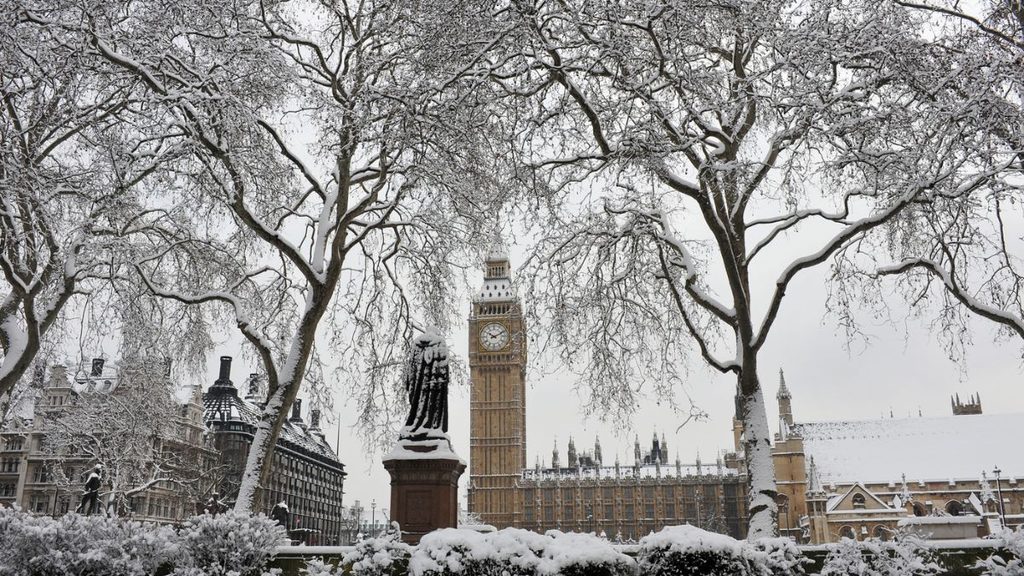
December through February offers a different side of London.
Christmas lights, seasonal markets, ice rinks, decorated shopping streets, and festive performances make December especially popular. Areas such as Covent Garden, Regent Street, and the South Bank are known for their seasonal atmosphere.
January and February are colder and have shorter days, but they can be good months for museums, galleries, theater, restaurants, and other indoor attractions.
If you don’t mind winter weather, the post-holiday period can also offer fewer tourists at some attractions.
Cheapest Times to Explore London
Travel costs in London vary considerably according to your dates, how early you book, and major events taking place during your stay.
January through early March and parts of November can sometimes offer lower accommodation rates than the peak summer and Christmas periods.
However, there is no single cheapest period every year. Comparing dates and maintaining some flexibility can help you find better options.
Low Season

London’s quieter winter periods can appeal to travelers who prioritize museums, galleries, theater, restaurants, and indoor attractions.
January and February generally see fewer leisure visitors than summer. This can make some popular attractions feel less crowded, although weekends and school holidays can still be busy.
Outdoor attractions may operate different seasonal schedules, so check opening hours before visiting.
Keep some flexibility in your itinerary so you can switch between outdoor and indoor activities according to the weather.
Midweek Bookings

Traveling midweek can sometimes provide more accommodation and transportation options than busy weekends, although rates vary according to demand.
Weekdays can also be convenient for museums, galleries, theater performances, and sightseeing.
Consider combining several nearby attractions to reduce unnecessary travel. For example, you can explore Tate Modern, Shakespeare’s Globe, Borough Market, and the South Bank during the same part of your itinerary.
For West End shows, compare official ticket sources and check whether discounted or same-day tickets are available for your dates.
Budget Transport
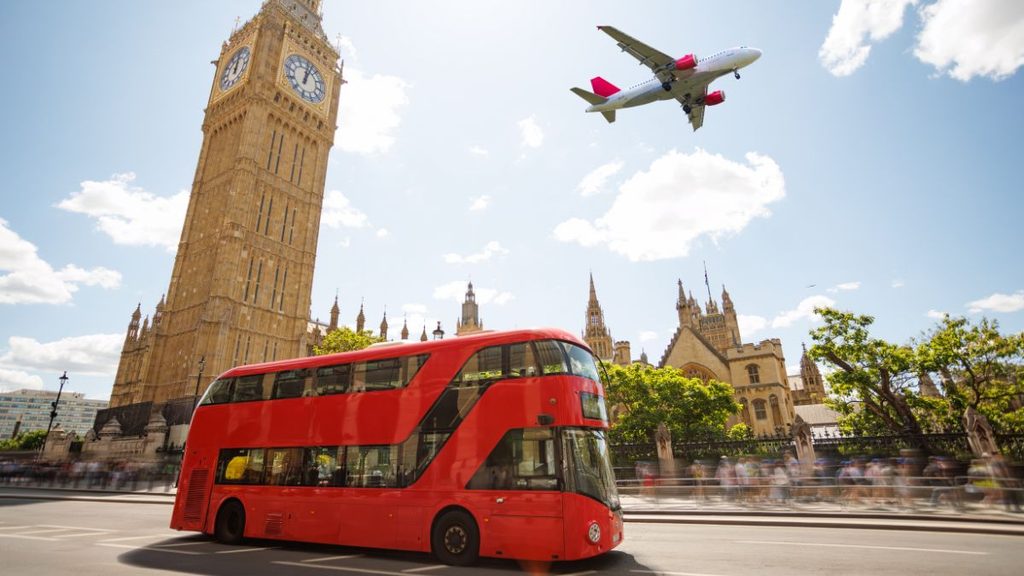
London has several transportation options, both for reaching the city and getting around once you arrive.
Flights, trains, and coaches vary considerably in price, so compare them according to your departure point, travel dates, luggage requirements, and journey time.
Within London, buses and the Underground are usually the easiest ways to get around. Oyster and contactless pay-as-you-go fares use daily and weekly capping where applicable, helping limit how much you pay for eligible journeys.
| Option | Best for | What to consider |
|---|---|---|
| Budget flights | International and European arrivals | Airport location, luggage fees, transfers |
| Trains | UK and nearby European connections | Advance and off-peak fares |
| Coaches | Budget-conscious travelers | Longer journey times |
| Tube and bus | Getting around London | Zones, peak/off-peak fares, fare caps |
| Walking | Central London sightseeing | Weather and distance |
Walking can also save money while allowing you to see more of central London, where many major attractions are relatively close together.
Seasonal Attractions in London
London’s calendar changes throughout the year, with major sporting events, cultural festivals, gardens, exhibitions, markets, and seasonal activities.
Checking official event dates before booking can help you decide when to travel and avoid unexpected crowds.
Discover London’s Seasonal Highlights

Spring is particularly good for gardens. The RHS Chelsea Flower Show takes place in May, while Kew Gardens and London’s Royal Parks offer seasonal blooms.
Summer brings outdoor performances, concerts, sporting events, riverside activities, and festivals across the city.
Autumn shifts the focus toward film, art, fashion, and cultural events, while winter brings Christmas lights, markets, seasonal performances, and ice-skating attractions.
Some events require advance tickets, while others are free to attend. Always check the official website for current dates, schedules, and booking requirements.
Plan Around Major Annual Events

London’s major events can be a highlight of your trip, but they can also affect accommodation demand and transportation.
Wimbledon attracts tennis fans during the summer, while Notting Hill Carnival takes place over the August bank holiday weekend.
Autumn includes events such as the BFI London Film Festival and Frieze London. Pride in London is another major summer event, with dates varying by year.
If your visit coincides with a large event, check Transport for London updates and book accommodation and ticketed activities early.
Explore London’s Parks and Outdoor Spaces

Every season offers a different way to enjoy London’s green spaces.
Spring is ideal for flowers at Kew Gardens and Regent’s Park. Summer offers long evenings for walks through Hyde Park, Hampstead Heath, and along the Thames.
Autumn brings colorful foliage to Richmond Park, Greenwich Park, and other green spaces, while crisp winter days can be ideal for quieter walks.
London is also highly walkable in many central neighborhoods. Routes along the Thames between Westminster, the South Bank, and Tower Bridge combine sightseeing with views of some of the city’s best-known landmarks.
A lightweight waterproof jacket is useful throughout the year.
Travel Connectivity with Ubigi eSIM

Mobile data can make exploring London easier, whether you’re using maps, checking public transportation, managing bookings, or looking up attraction information.
With a Ubigi eSIM for the UK, you can prepare your mobile data before departure directly from the app and connect when you arrive without searching for a physical SIM card.
Use your connection to navigate the city, access mobile tickets, check TfL updates, make reservations, and stay in touch during your trip. Choose a Ubigi data plan according to the length of your stay and expected data use.
Conclusion
The best time to visit London depends on what matters most to you.
Late spring and early autumn offer a good balance of mild weather, outdoor sightseeing, and manageable visitor numbers. Summer is ideal for long days and major events, while winter suits travelers interested in festive attractions, museums, theater, and potentially quieter post-holiday periods.
Whatever the season, check major events before booking, prepare for changeable weather, and leave some flexibility in your itinerary.
A Ubigi eSIM for the UK can help you stay connected for maps, transportation information, bookings, and travel updates from the moment you arrive.

Frequently Asked Questions
What is the best month to visit London?
May, June, and September are popular choices for travelers looking for relatively mild weather and good conditions for sightseeing. However, the best month depends on whether you prioritize weather, events, lower visitor numbers, or budget.
What is the cheapest time to visit London?
January, February, early March, and parts of November can sometimes offer lower accommodation rates than peak summer and Christmas periods. Prices vary considerably, so compare several dates before booking.
When is London least crowded?
January and February are generally quieter for leisure tourism than summer and the Christmas season. Early spring and late autumn can also offer more manageable visitor numbers, although school holidays and major events may temporarily increase crowds.
Is summer (July–August) a good time to visit London?
Summer is vibrant with long days and open air events. Expect greater crowds, steep prices and the occasional heatwave. Reserve attractions and hotels ahead.
Is London worth visiting in winter?
Yes. Winter is particularly suitable for museums, galleries, theater, restaurants, and seasonal attractions. December is popular for Christmas lights and festive activities, while January and February can be quieter.
How many days do you need in London?
Three to five days is enough for many first-time visitors to see major attractions and explore several neighborhoods. A longer stay gives you more time for museums, markets, parks, and day trips outside central London.
What is the weather like in London throughout the year?
London has a relatively mild but changeable climate. Summers are generally warmer with longer daylight hours, while winters are cooler with shorter days. Rain is possible throughout the year, so packing layers and a lightweight waterproof jacket is useful in every season.
How can Ubigi eSIM help during your London trip?
A Ubigi eSIM gives you mobile data during your London trip without needing to buy a physical SIM card after arrival. You can use your connection to navigate with maps, check public transportation updates, access bookings and mobile tickets, make reservations, and stay in touch while exploring the city.









 How to check eSIM compatibility
 How to check carrier unlocking