


Key Takeaways
- Looking for the “Best Varieties of Schnitzel“? This article is for you!
- Taste the world of schnitzel. Each style is characterized by distinct ingredients, sauces, and cooking techniques representing the German culinary heritage.
- Knowing the origin and history behind each schnitzel variety allows you to truly appreciate its place in German culinary heritage.
- Traditional accompaniments like potato salad, spaetzle, and red cabbage, as well as thoughtfully selected sauces complement the entire schnitzel experience.
- Enjoying your schnitzel with traditional German beer, a crisp white wine, or even a refreshing nonalcoholic beverage can enhance the meal.
- Venturing to traditional eateries and regional dishes gives you the opportunity to experience distinct schnitzel varieties and atmospheres.
- If you’re in Germany, a modest tip, some basic German, and respecting the recycling laws will get you a more authentic experience.
- To wander freely and worry-free in Germany, take an eSIM like Ubigi.

Introduction
Schnitzel is a thin piece of meat, typically breaded and fried, commonly pork, chicken, or veal. You encounter schnitzel on menus all over the world, every country with its own take on it. But the authentic schnitzel is to be found in Germany.
The crunch of its crust and the juiciness of its meat give you an explosion of textures in every mouthful. Here is a guide so you will know everything about the best varieties of schnitzel!
The Best German Schnitzel Varieties
German schnitzel presents you with an array of flavors, consistencies, and cultures. Everything varies by region: recipes, meat, sauce, and side. If you’re looking to get acquainted with schnitzel, these are the classic and lovable variations to try.
1. Wiener Art
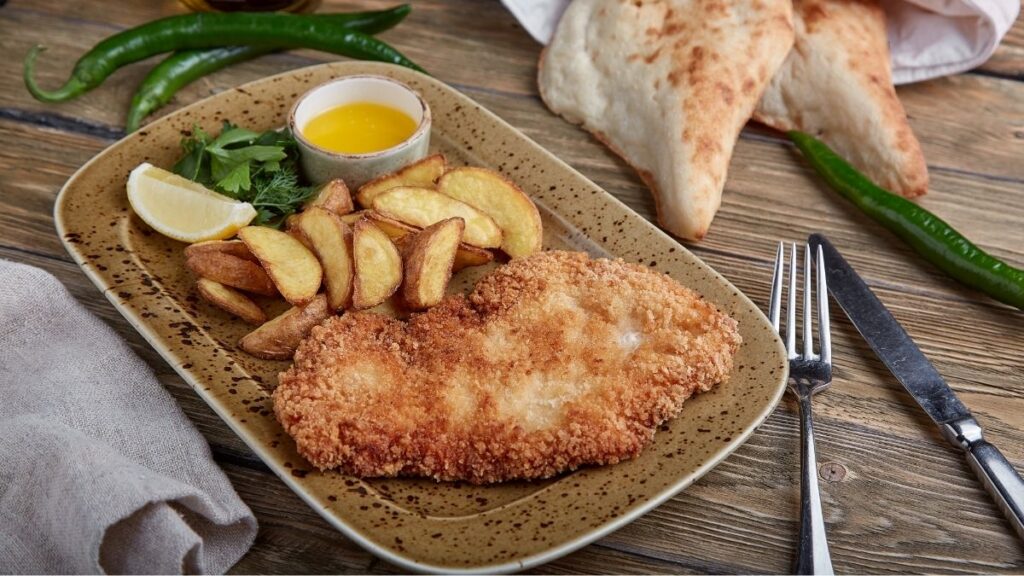
Wiener Art is classic schnitzel. It’s traditionally made from veal, which is pounded thin, dipped in flour, egg, and crumbs, and then fried golden. The golden crust must remain light and airy, never greasy.
Wiener Schnitzel is named after Vienna, and it is as adored in Germany as it is in Austria, where it’s considered a national treasure. Veal topside is the prime candidate for this meal, lending a soft texture and slight taste. Most contemporary versions utilize pork or chicken, rendering it affordable for various palates.
You typically get Wiener Art served pretty plain, with lemon wedges. This style lets the pure taste of the meat and crunchy breading take center stage.
2. Jägerschnitzel
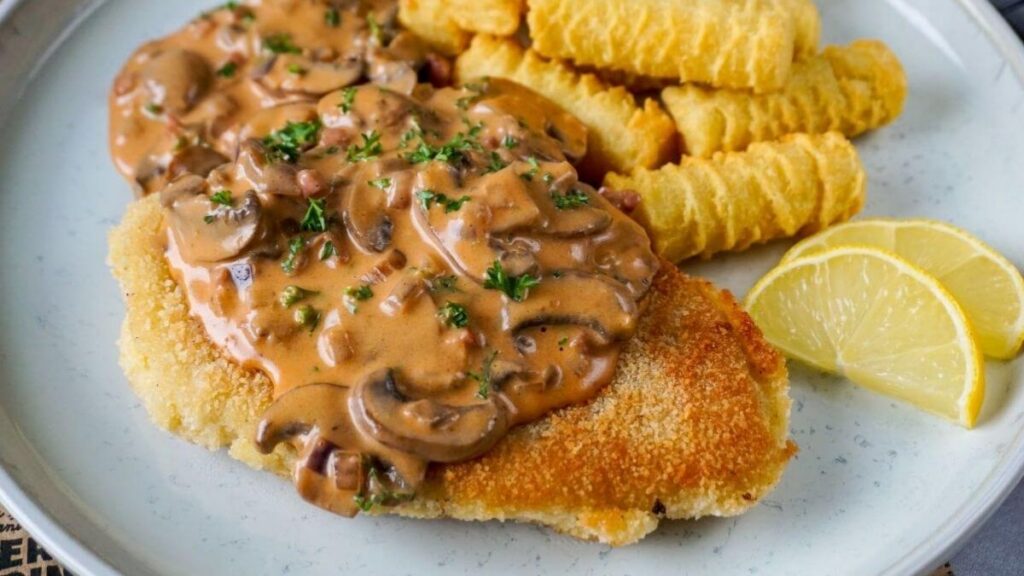
Jägerschnitzel brings a creamy mushroom gravy that adds depth and earthiness. Pork is the standard, although some opt for veal or chicken. The sauce incorporates mushrooms, onions, and occasionally bacon, which is then poured over the breaded cutlet.
Jägerschnitzel hails from the country inn, delivering a rustic, filling feast. It’s usually accompanied by spätzle or mashed potatoes, which make the dish hearty without unbalancing it.
3. Paprikaschnitzel
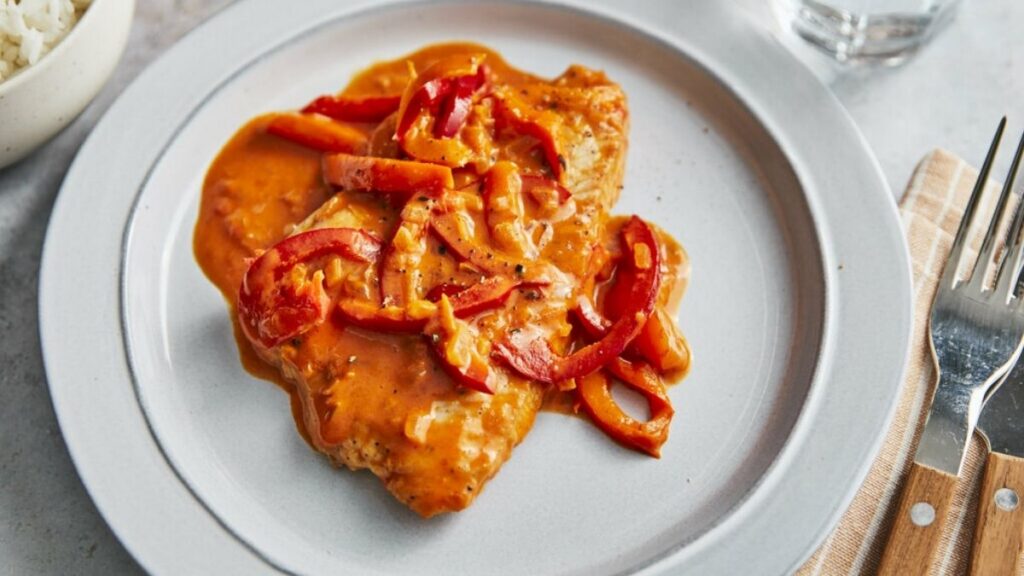
Paprikaschnitzel has an assertive taste and bright coloring. Sweet or hot paprika simmers into a sauce with tomatoes and peppers, contributing both heat and fragrance. Pork cutlets are most common, but chicken works as well.
Serve this schnitzel with rice or fries to mop up the sauce. This type is for anyone looking for a little spicy kick and fresh contrast to heavier fare.
4. Rahmschnitzel
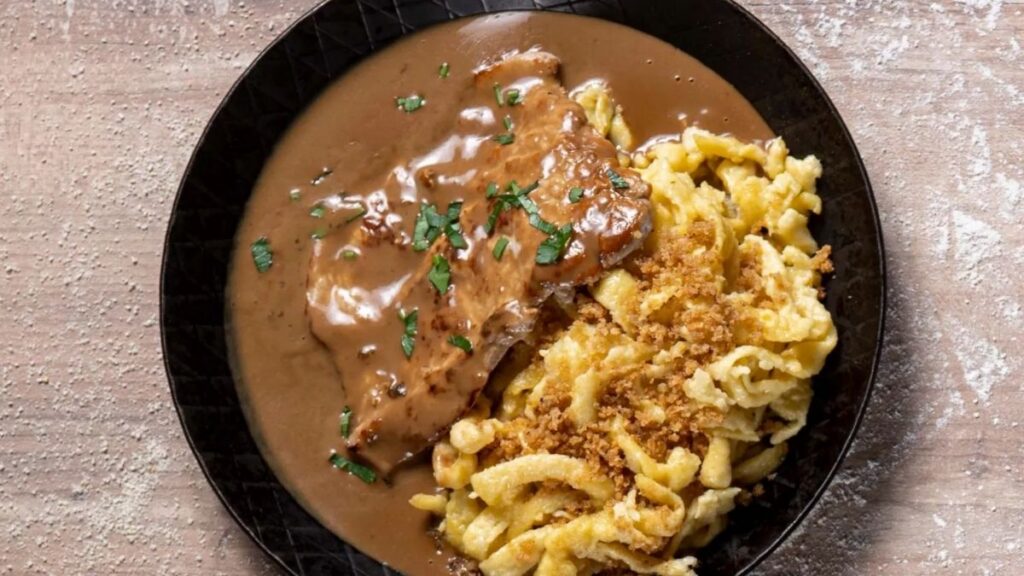
Rahmschnitzel utilizes a creamy sauce, making for a delicate and creamy dinner. Pork loin or veal, preferably, provides a tender chew that complements the sauce. The cream gravy is often enhanced with fresh herbs.
Potato dumplings or buttered noodles are the traditional accompaniments. If you’re looking for comfort food, this is a must-have.
5. Holsteiner Schnitzel
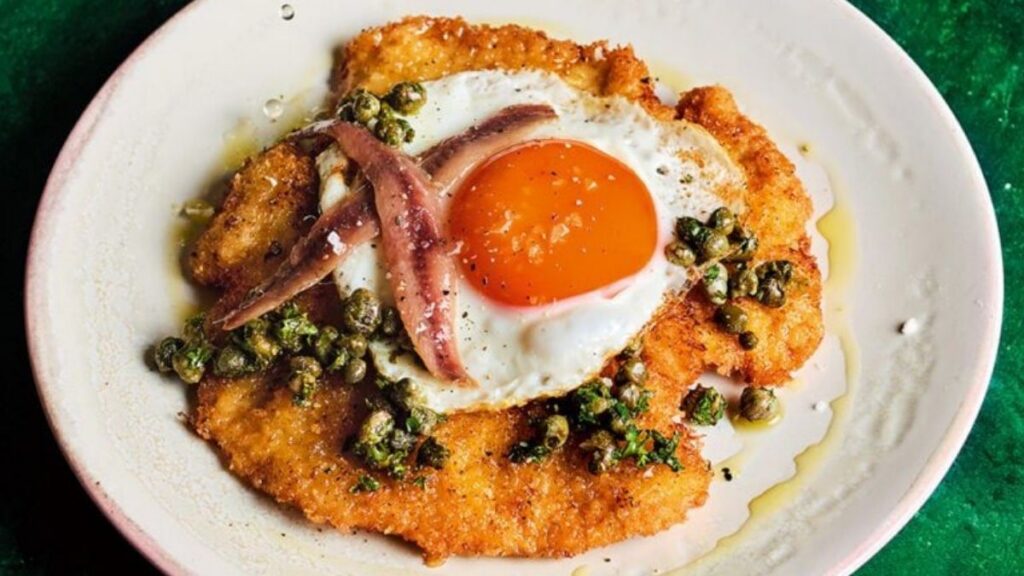
Holsteiner Schnitzel is special. It’s topped with a fried egg, capers, and anchovies. Hailing from Northern Germany, this plate is a flavor mash-up that is salty, rich, and savory.
Veal or pork are the best. Others throw in pickles or even smoked salmon for a spin. This take means you can experiment with various toppings to appease your preference.
The Art of Accompaniment
Accompanying schnitzel with the perfect sides, sauces, and beverages not only completes a meal. It demonstrates thoughtfulness and consideration, the same way real accompaniment involves being there, listening intentionally, and grasping the unspoken needs.
When you choose sides and beverages for schnitzel, you are not just paying homage to custom; you are crafting a harmonious, memorable experience for all.
Classic Sides
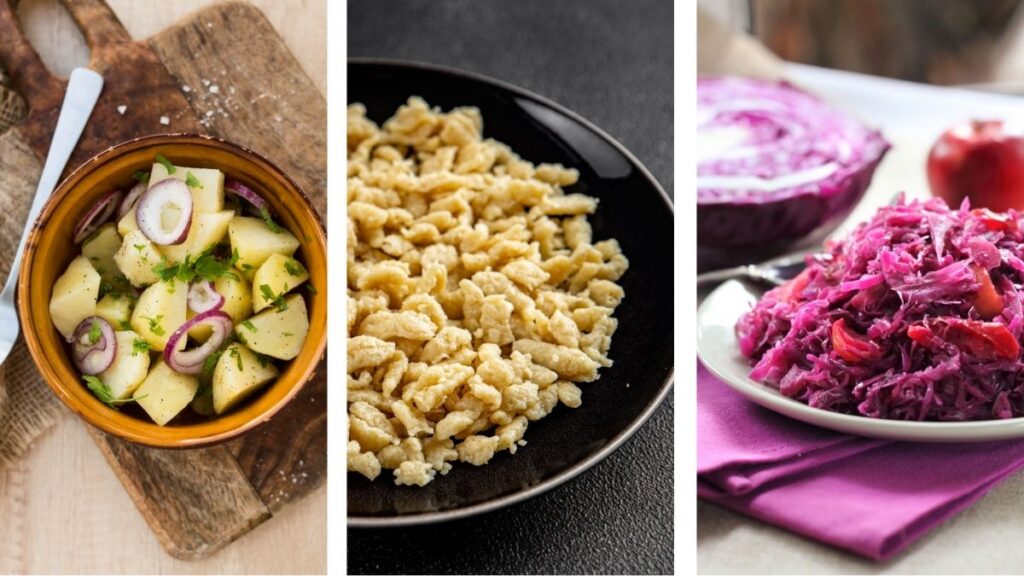
Classic German sides provide a solid foundation to schnitzel and add crunchy texture and flavor. Potato salad in vinegar and oil or occasional mayo lends a tangy contrast to schnitzel’s decadent, crunch-crusted exterior.
Spaetzle, tender egg noodles, absorb sauce and introduce a subtle, chewy texture.
Red cabbage slow-simmered to sweet and tart perfection provides color and a mild crunch. Steamed green beans or roasted carrots are great seasonal vegetables that provide freshness and color to the plate. You can even throw in a crisp green salad for good measure.
A balanced plate means combining warm and cold, soft and crunchy so your meal satisfies without weighing you down.
Perfect Sauces
The right sauce can make schnitzel memorable. Mushroom gravy or Jägersoße is hearty and earthy. Lemon butter is sharp, clear, and cuts through the fried coating. Tartar sauce or even a lemon squeeze are fast choices.
Or maybe give it a creamy mustard sauce for a bit more bite. Regional twists such as Zigeunersauce (bell pepper sauce) demonstrate how local tastes color tradition. If you make your own sauce, strive for balance.
Nothing should overwhelm the schnitzel crunch. Even a simple pan sauce with broth works if you’re short on time.
Drink Pairings

German beers, particularly pilsners or lagers, are time-tested with schnitzel. Crisp white wines like Riesling or Grüner Veltliner play well, their acidity balancing the dish’s richness.
If you’re into non-alcoholic options, sparkling water with lemon or Apfelschorle are timeless and thirst-quenching.
For a family meal, herbal teas or even a cold glass of milk can be soothing for the palate. Classic German malts or elderflower soda provide more options for all ages.
Where to Find Authentic Schnitzel
Schnitzel being such a staple in German fare, you’ll come across it in many German restaurants worldwide. If you’re in Germany, nowhere does tradition stand out more than in Frankfurt, Berlin, and Munich. Each city has its own style, but the basics stay the same: a crisp, thin cutlet, cooked just right.
- Klosterhof in Frankfurt
- Specialty: Classic pork schnitzel
- Experience: Cozy restaurant with the feeling of a rustic German inn, old-world charm, wooden beams, and a welcoming local atmosphere.
- Nolle in Berlin
- Specialty: Veal schnitzel and Jägerschnitzel
- Experience: Beautiful art deco interior with a retro Berlin vibe that reflects the city’s history.
- Wirtshaus in der Au in Munich
- Specialty: Bavarian-style schnitzel and Münchner schnitzel
- Experience: A lively Bavarian beer hall with communal tables and a festive atmosphere.
- Gasthaus Zum Stachel in Würzburg
- Specialty: Pork schnitzel with regional Franconian flair
- Experience: Cozy family-run inn, historic ambiance dating back centuries
The best way to discover the authentic schnitzel is by seeking out German enclaves or festivals near you. It’s small, family-run places that serve up schnitzel that would make any big-name restaurant cower in fear.
Look for different types of schnitzel on menus, veal, pork, or chicken, because local twists can catch you off guard. Get the locals or staff to recommend their favorites!
Travel Tips for Visiting Germany
Traveling in Germany mixes cultural density, efficiencies, and culinary freshness. Being in the know on the essentials allows you to maximize your trip and savor meals from traditional schnitzel to regional delights without getting lost in translation.
Basic knowledge to have

Tipping is a part of eating out in Germany, but it doesn’t have to be substantial. Most locals tip by rounding up the bill or leaving around 5 to 10 percent.
If your meal in a traditional joint in Munich is €22, it’s alright to round up to €24. You don’t have to figure in percentages; just toss a euro or two onto the final tab. Whether at a casual joint or a more upscale restaurant, this is the case.
A bit of German takes you a long way. You’ll encounter many restaurants with English spoken, especially in Berlin or big cities, but a simple ‘danke’ (‘thank you’) or ‘bitte’ (please) goes a long way towards goodwill.
Making an effort to order schnitzel in German, even if your accent is off, is respectful and helps you bond with those serving you.
Recycling is serious business in Germany. You’ll find individual bins for paper, glass, plastic, and other rubbish in restaurants, food stalls, and public areas.
If you get street food, dispose of your wrapper in the appropriate bin. These rules are mandatory, not optional.
Travel Connectivity with Ubigi eSIM

Getting data in Germany is easy with an eSIM Ubigi. Directly on the app, install your eSIM prior to arrival and activate it when you land.
This allows you to access restaurant reviews, local specialties by region or map parts of Berlin’s evolving food scene all without hunting for Wi-Fi or hassling with physical SIM cards.
You select the plan that fits your journey, from 1 GB for quick visits to more data for extended trips. Ubigi offers a range of data plans designed to fit different travel needs:
- Short city breaks (3GB Germany data plan for 7 days)
- Longer vacations across multiple German regions (10GB or a 25GB Germany data plan or an unlimited data plan for 15 or 30 days)
- Multi-country trips within Europe (25GB to Unlimited Europe data plan for up to 30 days)
There are no roaming fees, and you retain your primary SIM for calls or texts. You enjoy good coverage all over Germany and can use your eSIM in other European countries with the regional data plans, if your trip strays outside of Germany.
Conclusion
Schnitzel delivers more than just a crunchy munch. Every plate flaunts a combination of craft, affection and a touch of panache from various chefs and regions.
Whether it’s in bustling German cities, charming small towns, or with friends in your very own kitchen. Fresh lemon, good bread and a tall glass of cold drink make a meal a whole mood. Not an appendage, or a frill, or an accompaniment to, just have what makes you happy.
From Berlin to Munich to your own kitchen, schnitzel belongs. Mix it up: try a new venue, sample a new side, or trade tales over your next supper. Pass along your top schnitzel discoveries or advice and keep the taste buds rolling. Start planning you culinary trip by taking a Ubigi eSIM
We hope that this article on the “Best Varieties of Schnitzel” helped you!

Frequently Asked Questions
What is schnitzel?
Schnitzel is thin breaded and fried meat. It’s a favorite in Germany and Austria. Typically, it’s made from pork, veal, or chicken.
What are the most popular types of German schnitzel?
Of these, the most popular varieties include Wiener Schnitzel (veal), Schweineschnitzel (pork), and Jägerschnitzel (mushroom sauce). Every type has its special taste and custom.
What sides go well with schnitzel?
Typical accompaniments are potato salad, boiled potatoes or french fries. Fresh salads and lemon wedges go well to offset the meal.
Can you find vegetarian schnitzel options?
Yeah, restaurants do veggie schnitzel now too. These are usually soy, cheese, or vegetable. You get that very same crispy, flavorful coating, just meat free.
Where can you find authentic schnitzel in Germany?
There’s genuine schnitzel in the local joints, traditional beer halls, and family restaurants all over Germany. Go where the locals go for the best experience.
How should you order schnitzel in Germany?
Just request “Schnitzel” and specify your hardness of choice – pork or veal. If you want a certain sauce, like mushroom or pepper, say so when you order.
What is the best season to visit Germany for schnitzel?
One can get schnitzel at any time during the year in Germany. Stop in during spring or fall and you can combine your schnitzel with fresh local ingredients and beautiful mild weather.









 How to check eSIM compatibility
 How to check carrier unlocking