


Key Takeaways
- Chinese New Year in China is celebrated for sixteen days beginning February 17, 2026. The culminating point is the Lantern Festival on March 3, 2026. This “Celebrating Chinese New Year in China” article will guide you.
- The festival focuses on family reunions, ancestral worship, and wishing for good fortune, which are all significant cultural values you can immerse yourself in.
- There are red decorations, fireworks, dragon dances, and special family meals everywhere you turn.
- Top cities such as Beijing, Shanghai, Guangzhou, Xi’an, Hong Kong, and Macau all have their own ways to be a part of the celebration, from temple fairs to grand parades.
- Enjoy traditional dishes like dumplings, rice cakes, and longevity noodles, each symbolizing wealth and fortune.
- Reserve your flights and hotels early. Stay online with an Ubigi eSIM data plan. Bring home some meaningful gifts to spread the holiday cheer.
When you’re celebrating the Chinese New Year in China, you’re participating in ancient Chinese New Year traditions, colorful parades, and family reunions. The streets become adorned with lanterns, firecrackers, and red banners during this festive Chinese New Year celebration.
Red envelopes are stuffed with cash for good fortune, adding to the joy of this Lunar New Year celebration. Homes have big meals, sweet treats, and cheerful wishes of Happy New Year echo through the air.
Every city or town has its own method, but the essence is consistent: happiness, optimism, and familial connections. You can see shifts in everyday life during this Chinese New Year celebrations period throughout the nation.

When Is Chinese New Year?
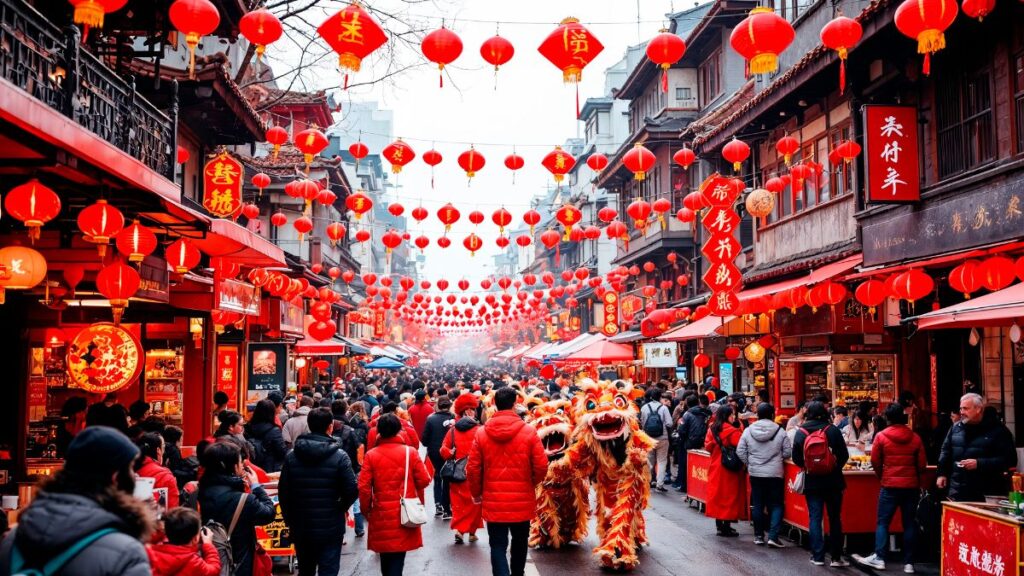
When is the Chinese New Year celebration? The Chinese New Year is not on the same day every year. According to the Chinese calendar, the date moves annually, typically falling between late January and mid-February it’s on February 17 in 2026. People across Chinese communities begin preparing weeks in advance for these grand celebrations.
The lead-up to the Spring Festival, as it’s also known, is just as crucial as the event itself. The first big date on the calendar is the Laba Festival, which falls on January 26, 2026. On this day, families prepare porridge with rice, beans, nuts, and dried fruit a dish that signifies the beginning of the season and perhaps you’ll spot it being shared at school or work.
After Laba, people spend days cleaning, shopping, and decorating with red to sweep away bad luck and welcome the Chinese year with prosperity. Chinese New Year’s Day, February 17, 2026, marks the start of the main Chinese New Year festivities. It’s a time for family reunions, feasts, dumplings, and firecrackers. Children and unmarried adults receive red envelopes stuffed with cash as a Happy Chinese New Year gesture. Streets and homes shine with paper lanterns and banners.
Sixteen Days of Celebration
The air is optimistic and celebratory a true Lunar New Year atmosphere and a moment for a fresh start. The Chinese New Year celebration lasts sixteen days, with each day bringing its own meaning and joy. The final day, known as the Lantern Festival, comes on March 3, 2026, where people light lanterns, eat tangyuan, and join night parades.
Each day from New Year’s Day to the Lantern Festival carries traditions such as visiting relatives, honoring ancestors, and enjoying fireworks. These customs strengthen ties within families and Chinese communities, reflecting values found deep within the Lunar calendar and preserved through the rich Chinese word for togetherness.
What Chinese New Year Represents
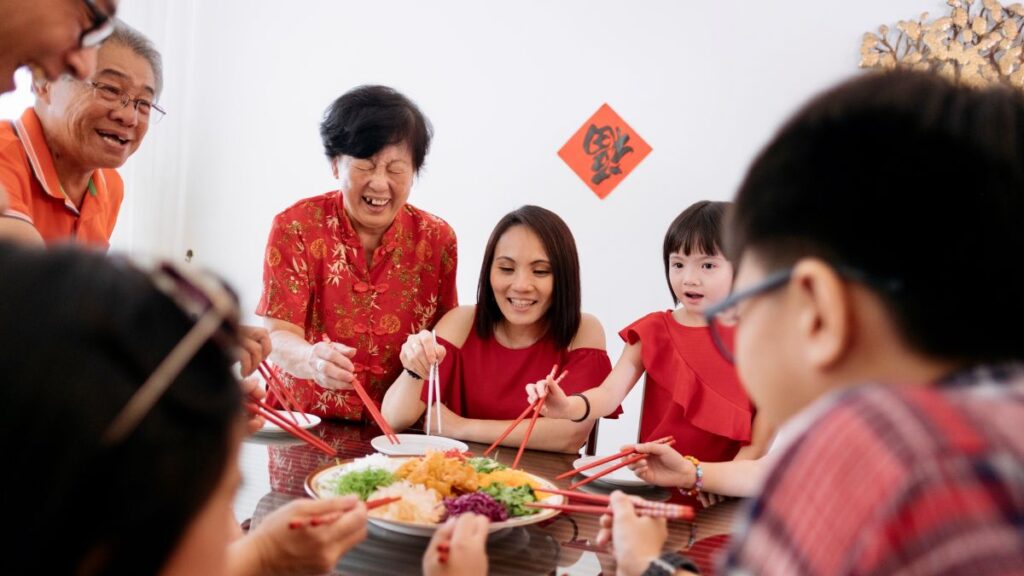
Chinese New Year is when you leap into a new cycle and embrace renewal, a cherished moment in Chinese culture and traditional Chinese customs. It’s about beginning anew, casting out ill fortune, and shaping the year ahead. In this important festival, families dust their houses before the holiday, sweep away dirt, and discard old clutter. This isn’t just spring cleaning it’s a deeply rooted Chinese tradition meant to cleanse bad luck and invite blessings into the festive season.
Family reunions lie at the heart of this official holiday, often bringing together vast Chinese populations from cities and villages alike. Traveling thousands of miles by train or bus, relatives gather for the reunion dinner on New Year’s Eve a sumptuous feast of new year dishes like fish, dumplings, and rice cakes. Each dish conveys symbolic meaning: fish brings surplus, dumplings suggest wealth, and rice cakes embody growth.
As loved ones sit together, the warmth of family defines this celebration. Ancestral worship ceremonies form another essential part of the traditions. Families create home altars, light incense, and offer food and drink to honor ancestors. These ceremonies express gratitude and seek good fortune for the year. Throughout January, neighborhoods glow with lanterns and red décor representing good luck and protection, each marked with auspicious Chinese characters.
You may hear firecrackers bursting or see vivid scenes during the Chinese New Year parade or a joyous street festival, all immersing visitors in the joy and rhythm of Chinese culture. Even abroad, from bustling Chinatowns to places celebrating the Japanese New Year, the spirit of renewal travels across borders. It’s not solely about rituals it’s about welcoming prosperity, happiness, and harmony under the guiding symbol of the zodiac animal leading each Chinese year.
Chinese New Year Traditions
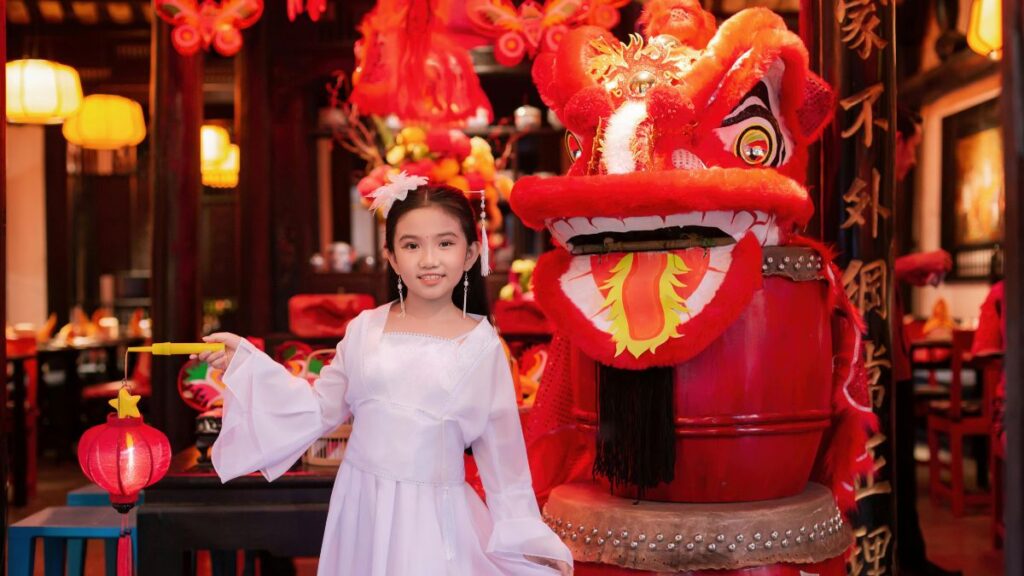
Chinese New Year traditions in China abound and shape how you experience and join the festivities. The days preceding the official holidays, Chinese families clean their homes to sweep away ill fortune and begin anew. It’s not simply dusting but a gesture of hopeful anticipation for the year to come. You’ll find red everywhere lanterns, paper cuttings, door banners, and new decorations mixed with colourful flags fluttering in the streets. Red symbolizes fortune and protection, making it a favorite for every big celebration.
Fireworks and firecrackers are vital parts of the night’s large celebrations. From dusk till dawn, the lively noise fills the air, believed to chase away evil and welcome good luck. It’s said that whoever lights the first firecracker when the new year begins will enjoy a prosperous year.
Lion and dragon dances bring collective celebration to life in busy streets and city squares. The bright costumes, drums, and joyful performances spread energy and optimism. Across cities and villages, public celebrations blend various traditions, merging local traditions with modern expressions of joy.
Temple fairs are also common, offering food, crafts, and folk art perfect for getting a taste of culture firsthand. They radiate inclusiveness, allowing everyone to join in the excitement, much like a working holiday where communities come together to celebrate.
For Chinese families, the highlight remains the reunion dinner on New Year’s Eve a meal uniting loved ones from near and far. Dishes like dumplings shaped like silver ingots symbolize wealth, while fish represents abundance. Honoring ancestors with offerings continues this deep-rooted Chinese tradition, connecting family past and present.
On New Year’s Day, kids and elders receive red envelopes filled with cash. More than gifts, they’re blessings for luck and happy days rounding off one of China’s most meaningful large celebrations.
Best Places to Celebrate
China’s Lunar New Year, also called the Spring Festival, stands as a highlight of the Chinese calendar, marking the moment when winter gracefully yields to spring. Across the nation, Chinese families partake in time-honored traditions and join lively public celebrations that blend heritage with modern flair. The first two days bring large celebrations, with grand Chinese New Year parades and spectacular fireworks lighting up the skies. As the days unfold, the festivities continue, culminating in vibrant lantern festivals that illuminate the nights, symbolizing hope, renewal, and togetherness.
Beijing
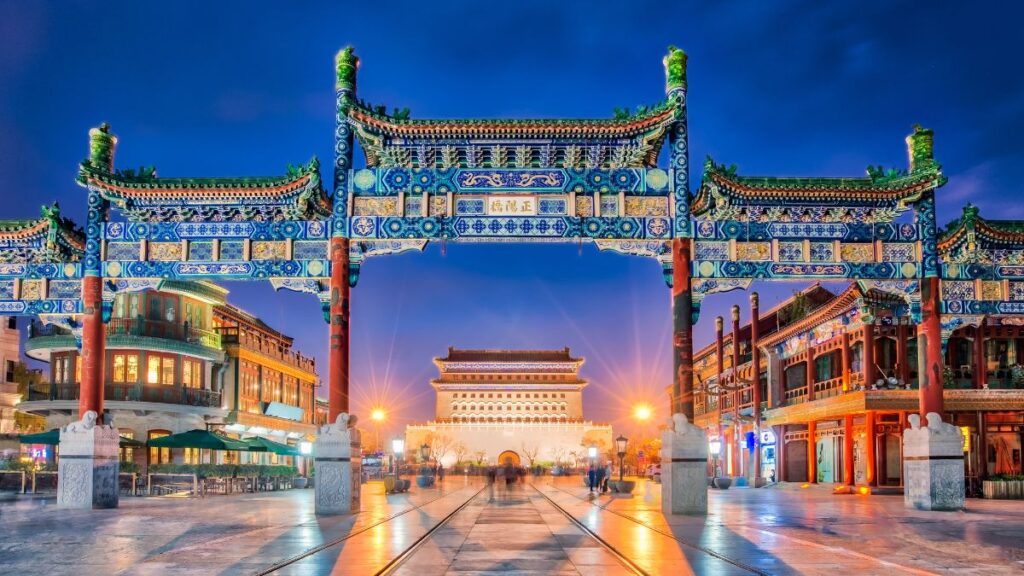
You really get a flavor of tradition here in Beijing, especially during Chinese New Year celebrations that fill the city with energy and color. Temple fairs pack local parks, where you can experience main Chinese New Year activities such as viewing folk art, martial arts, and dragon dances. Locals light incense and take part in prayer ceremonies while vendors sell food, crafts, and festive trinkets.
The city’s major parks, like Ditan and Longtan, host these lively events, featuring acrobats, opera singers, and drum troupes. Chinese New Year traditions come alive through these joyful gatherings that attract locals and visitors alike, including overseas Chinese returning home to celebrate the new year. Firecrackers crackle in the air, a long-standing custom believed to ward off evil spirits an integral part of Chinese culture and its enduring festive charm.
Shanghai

Shanghai beautifully fuses old and new during the Chinese New Year holiday, creating a vibrant atmosphere that blends tradition and modernity. Lantern festivals close out the holiday, with glowing lanterns illuminating Yuyuan Garden and the Bund in shimmering color. Visitors wander among food booths, artisan stalls, and performance stages showcasing cultural events that celebrate the spirit of the season.
Contemporary markets rise beside the city’s ancient alleys, offering traditional Chinese New Year dishes like dumplings and sweet treats that symbolize prosperity. The Bund, a riverside walkway, becomes the heart of public festivities, where locals and tourists gather to enjoy fireworks and live shows. Throughout the celebrations, the rhythms of the Chinese language fill the air, adding a sense of authenticity and connection to the city’s festive charm.
Guangzhou
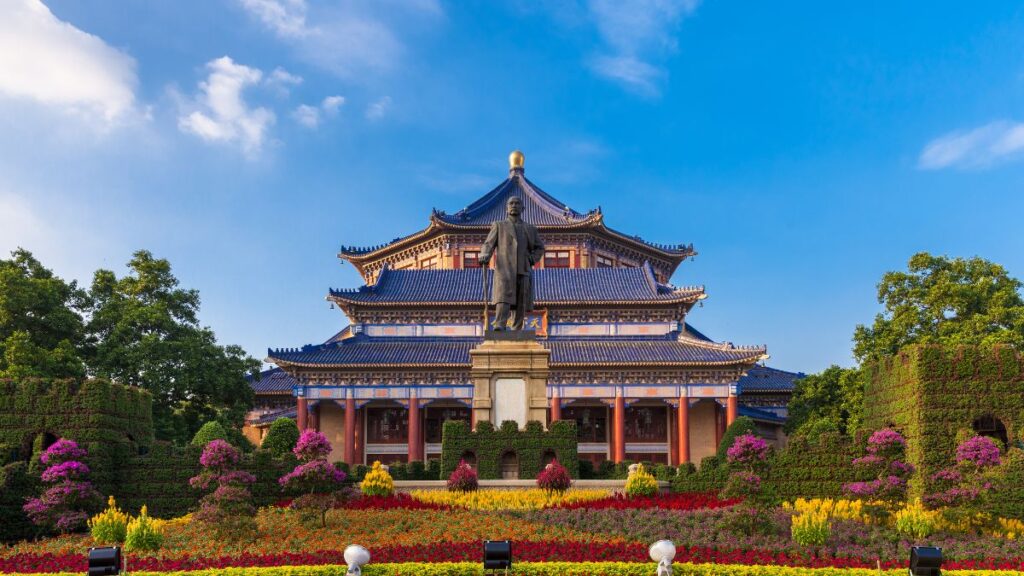
Guangzhou’s Flower Markets are a must if you want something special during the official holidays. The streets themselves transform into open-air flower markets, filled with festive activity, fresh flowers, bonsai, and lemon trees that reflect long-held traditions. Locals believe that bringing home flowers brings luck for the year ahead and is an important part of new year visits with friends and family.
The markets operate day and night, drawing crowds eager to wander, purchase, and enjoy the vibrant celebrations that fill Guangzhou with color, fragrance, and joy.
Xi’an
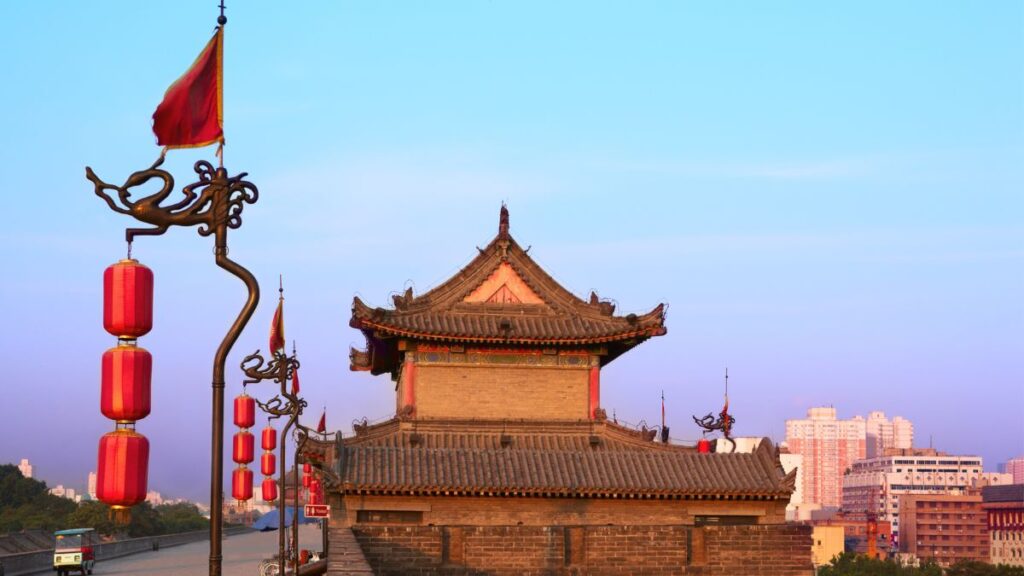
Xi’an makes full use of its magnificent ancient city walls during the Chinese New Year celebrations. Historic parades, dazzling lantern displays, and lively folk shows fill the old town with energy. From the centuries-old ramparts, you can watch lion dancers leap to drumbeats as fireworks burst overhead in a spectacular display of vibrant celebrations.
The city’s deep heritage gives the festive activity a uniquely authentic feel, with traditional costumes, music, and customs you won’t find anywhere else an unforgettable expression of China’s living traditions.
Hong Kong & Macau
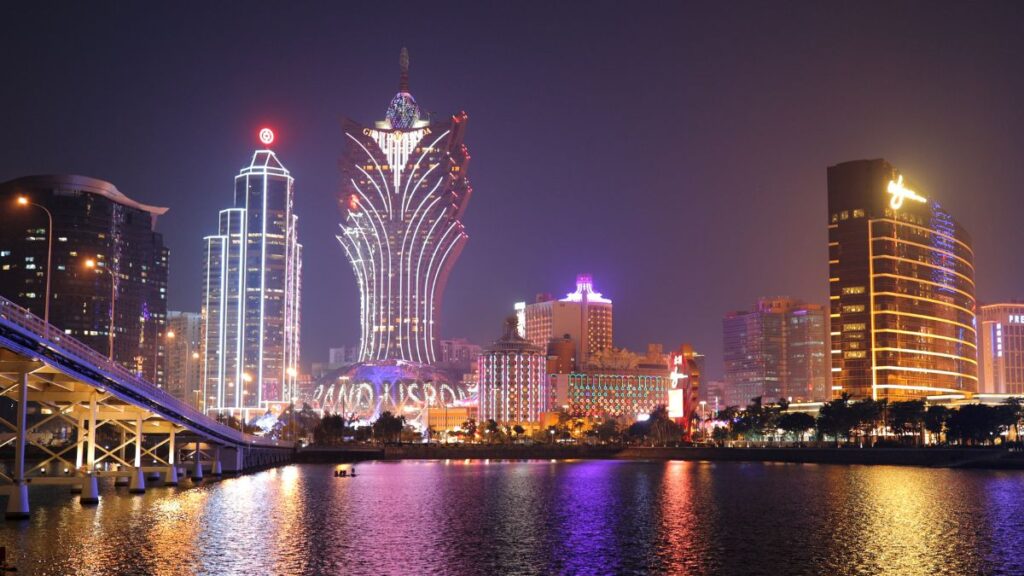
Hong Kong takes the spotlight during the Chinese New Year celebrations, dazzling visitors with its spectacular fireworks show, Chinese New Year Parade, and spirited Lion and Dragon Dances. On the third day of the holiday, massive crowds gather for the famous horse racing events, followed by visits to Wong Tai Sin Temple to receive blessings and good fortune for the new year.
Macau mirrors this festive energy with its own vibrant parades, lantern displays, and light shows that blend Chinese traditions with global flair. Together, these cities offer a captivating mix of festive activity, cultural events, and modern energy perfect snapshots of how ancient customs meet cosmopolitan life.
Foods to try during Chinese New Year
Chinese New Year is a time when food unites. Every plate holds significance and a narrative related to aspirations for the upcoming year. If you celebrate in China, home and restaurant tables will be filled with food that represents luck, health, and wealth.
Dumplings (jiaozi)
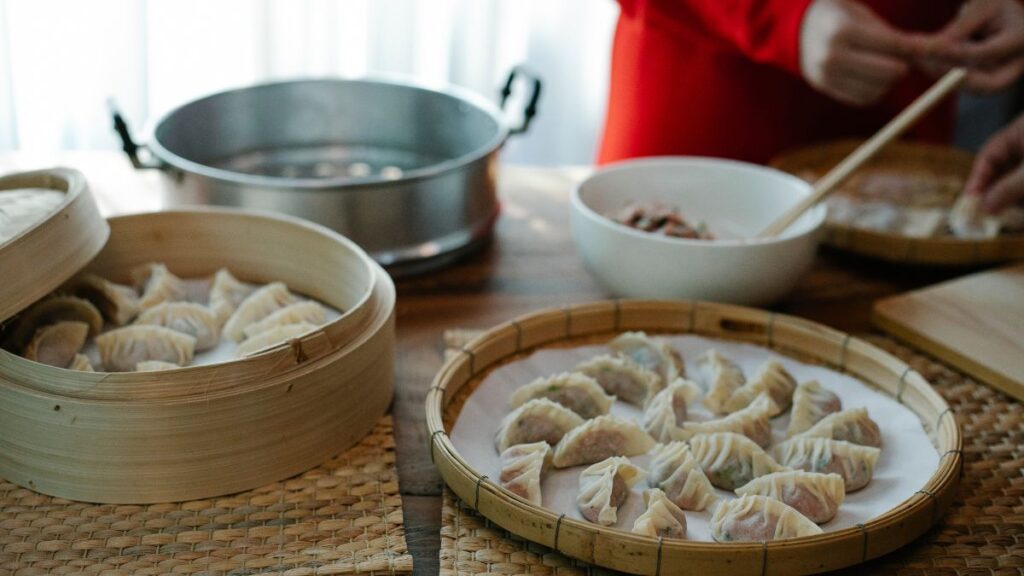
Dumplings are a staple for many households and play a key role in Asian cultures during the collective celebration of the Chinese New Year. Their shape resembles ancient Chinese coins, symbolizing prosperity and wealth. Fillings vary pork, beef, shrimp, or vegetables depending on family preferences and regional food festivals.
In some homes, for added luck, a coin is secretly placed inside one dumpling. Families often prepare and enjoy them together during the year end dinner, marking both reunion and renewal. You’ll find jiaozi served at midnight or as the first meal of the launch celebration of the new year, carrying good fortune into the days ahead.
Rice cakes (niangao)
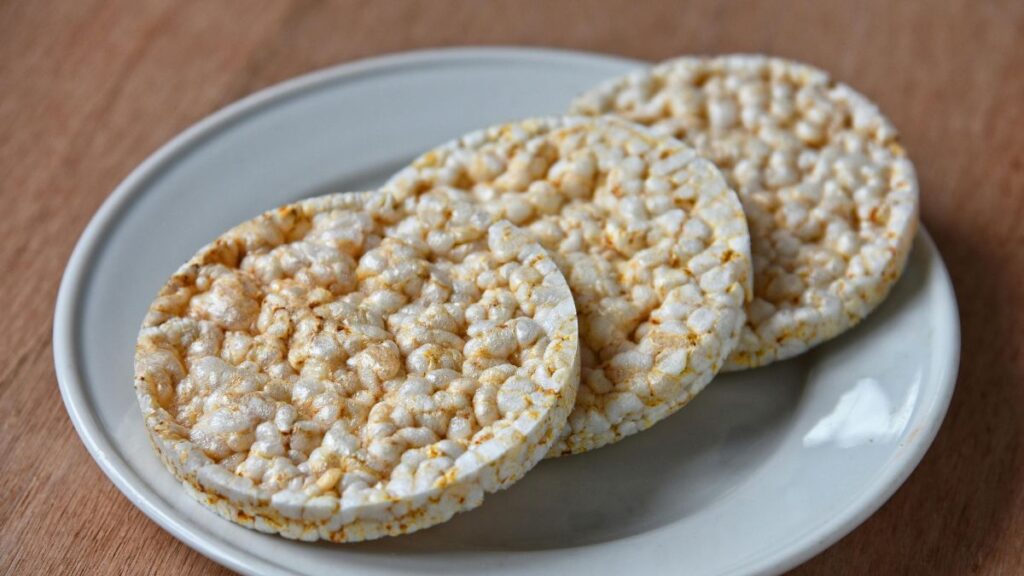
Niangao, or rice cakes, symbolize having a “higher year,” representing progress and prosperity in Chinese New Year traditions. They’re delicious and are believed to bring success in work, school, and life when eaten during Chinese New Year celebrations. These sticky rice cakes can be sweet or savory, depending on regional tastes and Asian cultures.
You’ll often find them steamed with dates or pan-fried with eggs popular treats at food festivals and markets filled with festive spirit. No matter the style, Niangao remains a beloved dish marking good fortune for the year ahead.
Whole fish
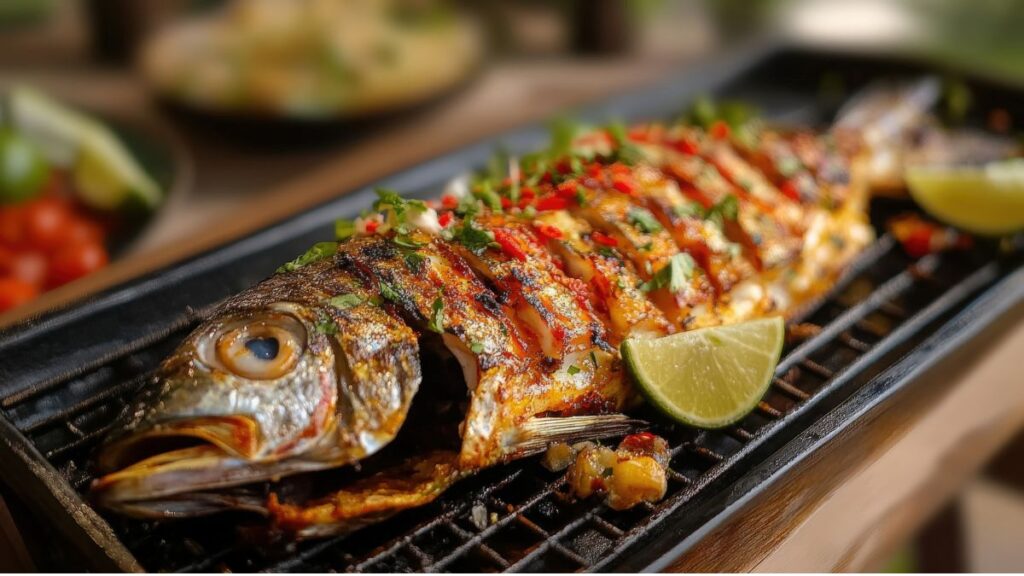
Fish is a must on the table during Chinese New Year celebrations because the word for fish, “yu,” sounds like “surplus” in the Chinese language. Serving a whole fish, often left partly uneaten, symbolizes wishes for prosperity and abundance in the coming year a deep-rooted element of Chinese New Year traditions.
Typically, the fish is steamed with ginger, soy sauce, and green onion, a fragrant dish often featured at year end dinners and festive food festivals across Asian cultures.
Spring rolls
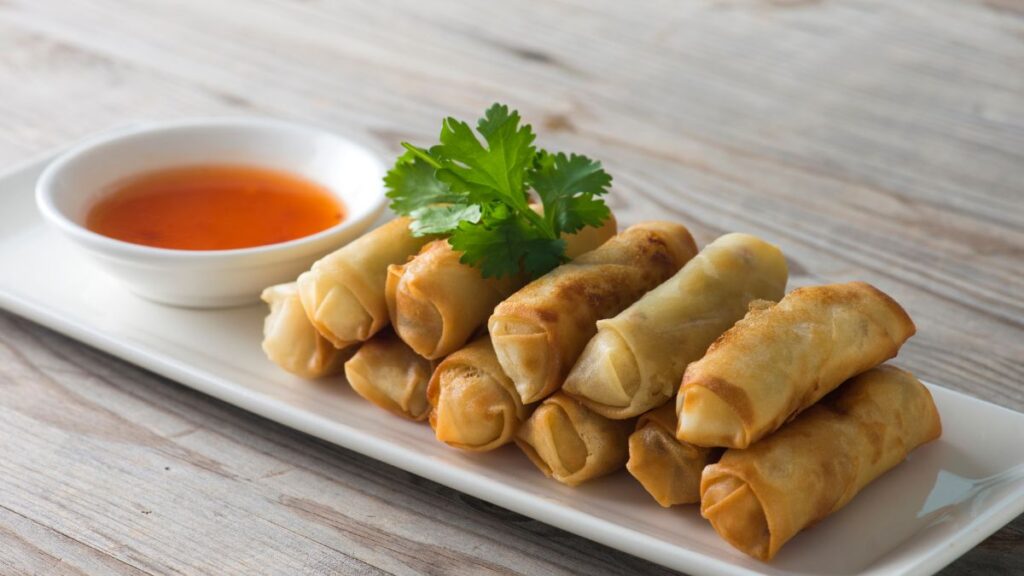
Spring rolls resemble gold bars and symbolize wealth an auspicious food enjoyed during Chinese New Year celebrations across Asian cultures. They’re filled with vegetables or meat, then fried to a crisp golden perfection, representing prosperity and success in the coming year.
You’ll find these savory treats served at family dinners, lively food festivals, and among bustling street vendors, making them one of the most beloved Chinese New Year dishes shared during the festive season.
Longevity noodles
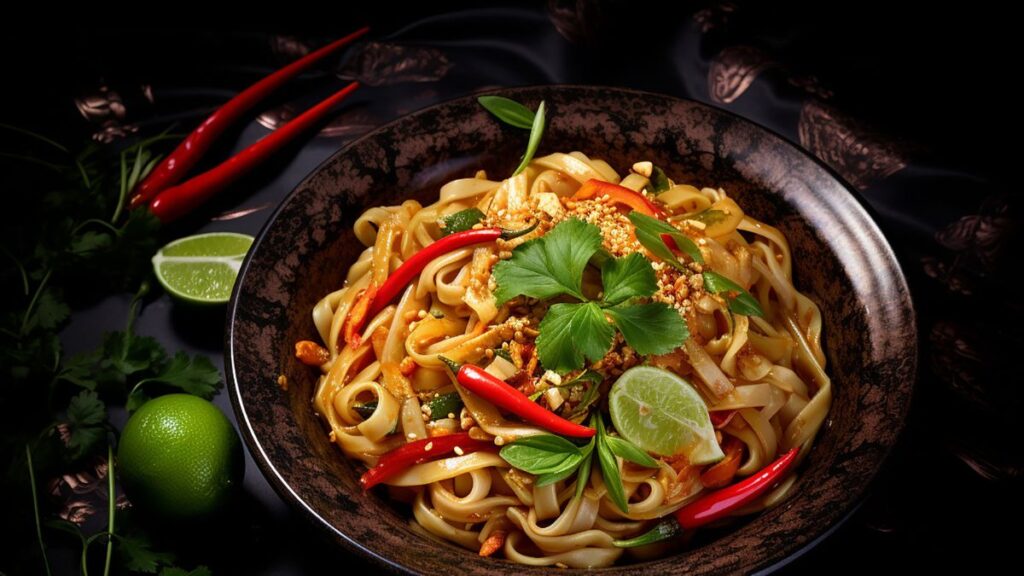
Long noodles symbolize longevity and are a cherished dish in Chinese New Year celebrations across Asian cultures, including Thai Chinese communities. Tradition says that cutting or breaking them shortens one’s life, so it’s best to enjoy them whole. These flavorful noodles are often sautéed with mushrooms, greens, or chicken, making them a highlight of family dinners and food festivals during the festive season.
Gifts & Souvenirs to Bring Back
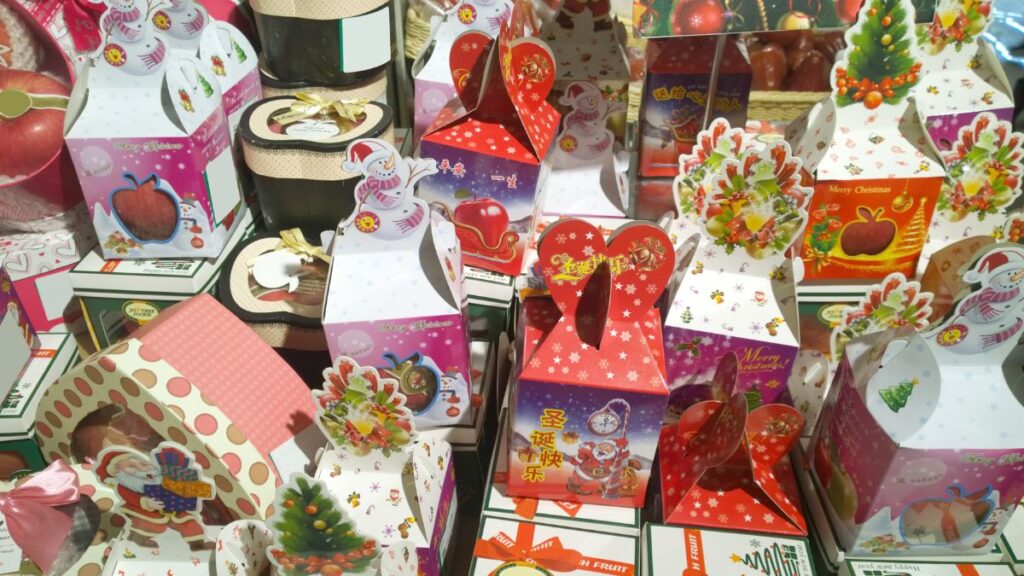
Chinese New Year gifts don’t just commemorate the big celebration; they connect you with the spirit of local traditions and the joy of collective celebration. Red envelopes, or “hongbao,” are more than glowing paper pouches they represent luck and goodwill, often filled with crisp bills. Even when empty, they serve as thoughtful keepsakes for friends or family, shared with warm seasonal greetings around January 31st, as Chinese New Year celebrations begin.
Lunar New Year decorations, from lucky phrase banners to bold red and gold lanterns, symbolize renewal and festivity. Some even feature the Chinese character 粘, meaning “to stick” or “connection,” highlighting togetherness. Lighting ceremonies at Chinese temples amplify this energy, as candles and lanterns glow to welcome blessings for the coming year.
Zodiac animal figurines capture the spirit of the season, linking each year to a different symbol. You might choose a tiny jade, porcelain, or wooden ox, tiger, or rabbit each carved with auspicious Chinese characters representing protection or luck.
Porcelain remains a timeless souvenir Jingdezhen is famously called the “Porcelain Capital,” while Hangzhou’s celadon wares gleam with soft green elegance. Each handcrafted piece embodies deep artistry and heritage.
Chinese knot ornaments appear everywhere during the Spring Festival on doors, shop displays, and cars signifying harmony and unity. They pack easily in your bag, bringing the festive season’s warmth home.
Paper cuttings and calligraphy scrolls add a personal and cultural touch. Each is hand-made, featuring poetic words or celebratory symbols. For tea lovers, Longjing from Hangzhou and Pu’er from Yunnan pair well with beautiful jade pendants or chopsticks, offering a taste of Chinese heritage rooted in artistry and reverence.
And for a playful twist, Beijing Opera masks bright and expressive make excellent gifts for children, opening a window into folktales, performance, and the legacy of Chinese culture.
Essential Travel Tips
Travel during Chinese New Year in China is synonymous with massive crowds, fluctuating timetables and a breakneck pace in every town and city. Trustworthy Wi-Fi, insider tips, seamless payments, you name it, it’s all part of your effortless adventure.
Stay Connected While Celebrating Chinese New Year with Ubigi eSIM
Reliable internet connection is crucial as millions travel across China for the holiday. With an Ubigi eSIM, forget about the hassle of finding a local SIM card. Navigate through congested streets using the maps or discover event information for temple fairs and lantern shows.
If you see a sign or menu in Mandarin, instant translation allows you to order or roam with less anxiety. Let friends back home see the parades and fireworks through photos and videos. If you have to rebook a hotel or train reservation, quick data speeds save you minutes.
Since Ubigi’s China and Asia plans are simple to activate, you can get connected as soon as you arrive.
General travel tips for China
Pre-book your trains, flights, and hotels. The spring festival is the world’s biggest annual migration, and transport and rooms are booked months in advance. Some shops and restaurants close for a few days, particularly in small towns.
In cities, most big malls and tourist sights remain open. Participate in public events such as temple fairs, folk shows, and lantern markets. These are open to all attendees and form the core of the festival.
Carry cash or mobile payments
While cash is still in use in China, the vast majority of folks rely on mobile payment apps. WeChat Pay and Alipay work in taxis and markets and even some street stalls.
Most cards from outside China do not connect directly with these apps, but some international cards function if configured beforehand.
Learn a few Chinese phrases
A little word savvy goes a long way. Xīnnián kuàilè means Happy New Year. A basic ‘xièxiè’ for thank you or ‘nǐ hǎo’ for hello helps you bond with locals and demonstrates respect for the culture.
Conclusion
Chinese New Year in China is alive. Streets are illuminated with red lanterns. They set off fireworks illuminating the night. Local dishes crowd tables. You try dumplings that bring you luck.
You witness family reunions, laughter, and storytelling. Stores are bustling with presents and treats. Each city adds its own twist to the holiday. You can hop into lion dances or explore markets jammed with goodies.
Every footstep gets you closer to the festival spirit. Go with an adventurous spirit, prepared for new cuisines and traditions.
Bring home a bit of happiness with an easy souvenir or a new recipe! To make your trip count, plan and stay curious. There is always more to see.
We hope that this “Celebrating Chinese New Year in China” article helped you prepare your trip !

Frequently Asked Questions
When does Chinese New Year usually take place?
Chinese New Year always occurs between late January and mid-February, depending on the lunar calendar. Be sure to verify the date prior to visiting.
What is the significance of Chinese New Year?
Chinese New Year is the lunar new year. It honors fresh starts, familial bonds, and prosperity in the upcoming year.
What are common Chinese New Year traditions?
Dragon dance and fireworks, red lanterns and family reunion. Lots of people clean their houses to dust away bad luck and decorate with red for good luck.
Where are the best places to celebrate Chinese New Year in China?
Major cities such as Beijing, Shanghai, Guangzhou, and Xi’an hold big celebrations. In addition to the cities, the country villages abound with cultural richness and traditional celebrations.
What foods should you try during Chinese New Year?
Sample dumplings, rice cakes, spring rolls, and fish. These meals represent wealth, affluence, and family unity.
What gifts or souvenirs are appropriate to bring back?
Red envelopes, papercuttings, and lanterns are special presents. You could return with tea, traditional candy, or holiday crafts.
What travel tips should you know for Chinese New Year in China?
Book your trips early, as transport gets hectic. Prepare for madding crowds and public closures. Honor local traditions and revel in the Yule spirit.








 How to check eSIM compatibility
 How to check carrier unlocking