


Key Takeaways
- Explore the four distinct regions of Chobe National Park in Botswana for varied safari experiences: the Chobe Riverfront for river safaris and large elephant herds, Savuti for predator action, Linyanti for remote wetlands, and Nogatsaa for quieter woodlands and birding.
- Focus on game drives and boat safaris for the best chance to spot and photograph wildlife against floodplains, riverine forests, woodlands, and open plains.
- Go in the dry season from May to October when animals congregate at water sources for optimal viewing. Combine Chobe with Victoria Falls or the Okavango Delta for a more complete southern Africa itinerary.
- Select from style and location to suit your preference, with riverfront lodges providing wildlife at your doorstep. Book early in peak season and consider all-inclusive packages for convenience.
- Get practical. Book travel through Kasane, factor in park fees and lodge options, get malaria prophylaxis and vaccinations, pack binoculars, sunscreen, neutral clothing, and a camera with a zoom lens.
- Stay powered with an eSIM like Ubigi to turn on data pre-trip, skip SIM swapping, and manage transfers, bookings, and wildlife shares across Botswana and beyond.

Introduction
Chobe National Park Botswana, in northern Botswana, is a massive wildlife reserve that features dense elephant populations and riverfront game-viewing opportunities.
You will find four main ecosystems: floodplains, riverfront, woodland, and savanna, each with distinct wildlife and bird species. Many visitors opt for boat or game drives to get up close and snap photos.
Seasonal flood cycles determine animal migration and viewing opportunities, so time your itinerary by month to align species and water levels for the optimal experience.
The Four Faces of Chobe Park
Chobe National Park breaks up into four separate areas, with different terrain, animal behavior, and optimal visit window. At the park’s northern edge is the Chobe River, a reliable water source that dictates animal movement throughout the year and signifies the intersection of Botswana, Zambia, Zimbabwe, and Namibia. Caps on day visitors ensure that guest experiences remain exclusive and intimate, with quality encounters that are less crowded whether you opt for a river safari or game drive.
Chobe Riverfront
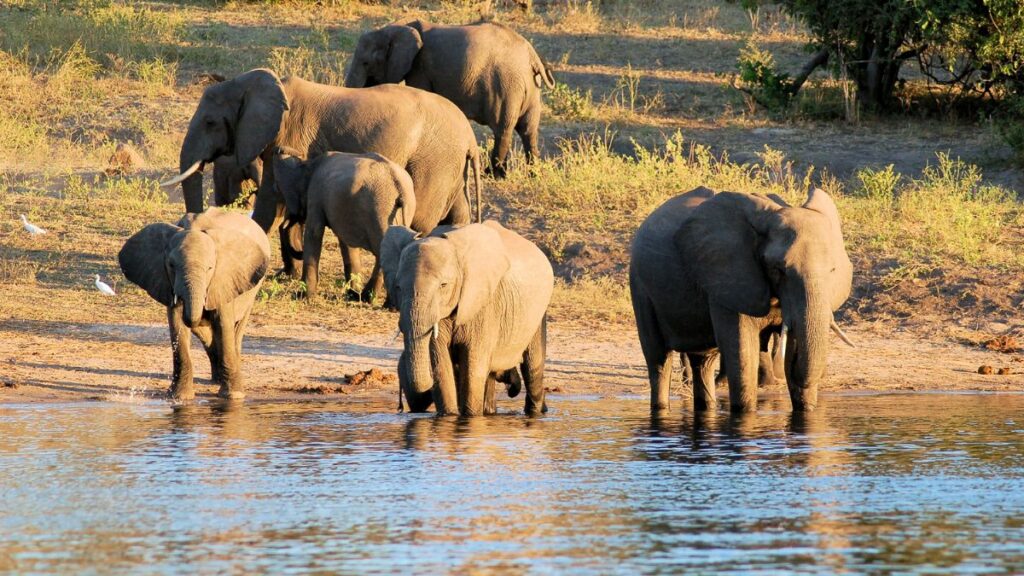
The Riverfront is the park’s most frequented section and a popular area for river safaris. Large elephant herds assemble along the banks to drink and bathe, which lends a dramatic backdrop near hippos and crocodiles. You’ll encounter hippos in and alongside the water. Just bear in mind they are territorial and aggressive.
Game drives here still yield lions, giraffes and frequent intercontinental herds. The dry season from May through November tends to cluster animals near the river, which makes spotting them more consistent. Guided boat trips take you close to wildlife, allowing you a quiet approach to photograph intimate behaviors of elephants and waterbirds.
Savuti
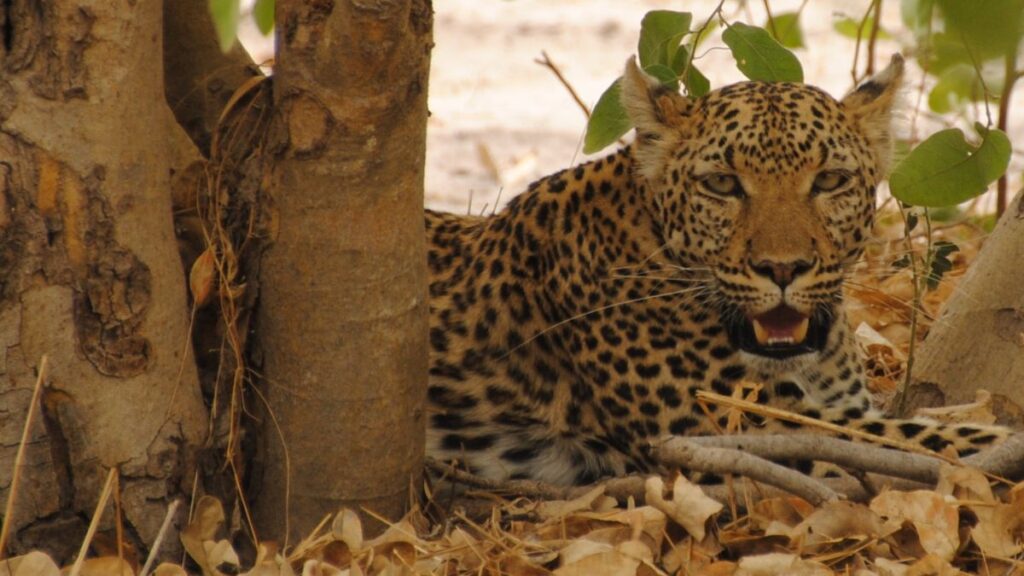
Savuti is a vast, open landscape where predator activity is the stuff of legend. Seasonal water in the Savuti Channel influences prey flows and instigates great zebra and wildebeest migrations. Look out for large lion prides and hyena clans that make the most of the plain.
It dries and gets raw with the terrain, making it most ideal to visit during the dry season to catch clear shots of hunts and long-range stalking. Savuti provides a wilder vibe and a greater likelihood of witnessing dramatic predator and grazing herd encounters.
Linyanti and Nogatsaa
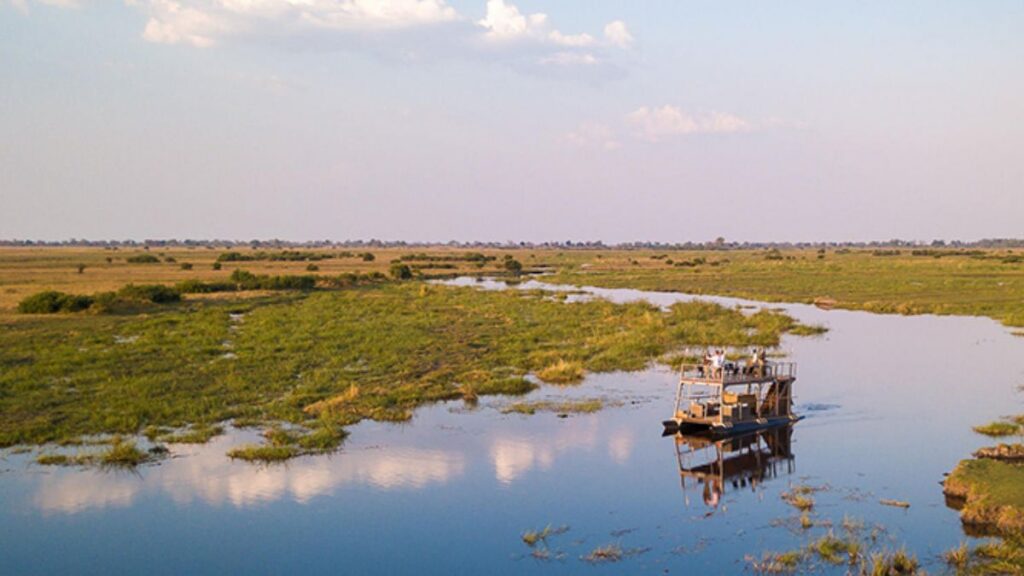
Linyanti’s remote wetlands offer a quieter safari of reedbeds, oxbow lagoons, and fewer vehicles. You’ll have good elephant densities and a robust bird list.
Nogatsaa’s woodlands are more compact and intimate, perfect for walking safaris and intense birding during the rainy season when migrants show up. Both areas reward visitors wishing for solitude, diverse habitats, and close study of fauna outside of the Riverfront buzz.
The Best Things to Do in Chobe National Park
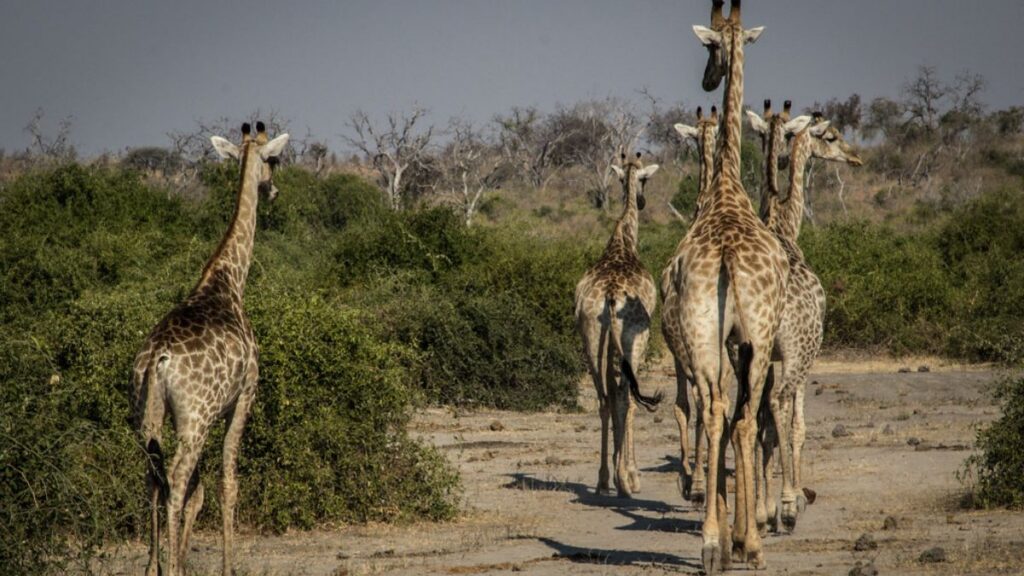
Chobe rewards concentrated time. Take at least two to three days to witness river life, floodplains, and woodlands and to enjoy the advantages of the park’s visitor limits making each outing more intimate.
Biodiversity highlights:
- African elephant (massive herds along the river, particularly August to October).
- Cape buffalo.
- Hippo.
- Plains zebra and wildebeest.
- Giraffe.
- Lion, leopard, spotted hyena.
- African wild dog.
- Plains antelope: impala, kudu, sable.
- Crocodile!
- 450 plus bird species, including African fish eagle, kingfishers, African skimmer.
Wildlife photography allows you to plan shoots around light and habitat. Riverine forests provide gentle morning light for elephant portraits. Open plains bring out long lines of buffalo or wildebeest at golden hour. Bring a telephoto lens of 200 to 600 mm for predator work and waterbirds. A wide lens helps tell the story with baobabs and the river.
Stay prepared; the animals are quick and numerous sightings are fleeting. With the park’s permanent waterholes and the Chobe River, wildlife is resident all year round, so you’ll capture pictures even beyond the prime months.
Predator sightings are common throughout environments. Lions usually hunt on the plains and along river margins, leopards in riverine thickets, while spotted hyenas and wild dogs roam widely. The dry season from May to November concentrates prey and increases encounter probabilities.
Guided drives maximize the opportunity for spotting active predators. Guides are aware of recent patterns and who to hang out near an ambush site.
Chobe’s combination of floodplains, riverine forest, dry mopane woodlands and open savanna sustains diverse sightings. Floodplains attract massive herbivore concentrations in the late dry season. River channels house hippos, crocodiles and abundant birdlife.
Your Chobe National Park Adventure
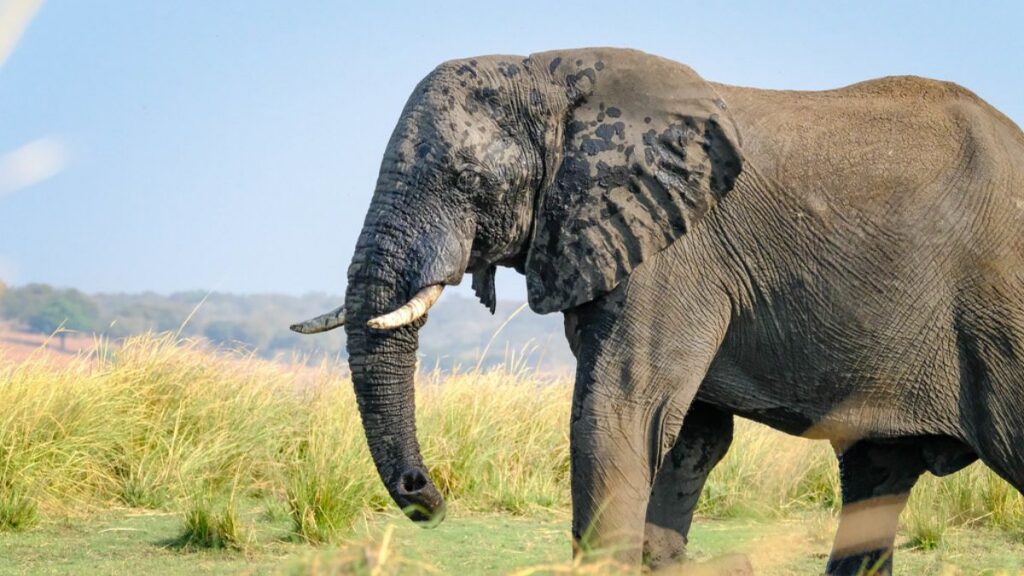
Chobe National Park is known for one of Africa’s highest concentrations of wildlife and sits in four distinct areas: Ngwenzumba Pans, Linyanti, Savute, and the Chobe Riverfront. The riverfront’s deep blue waters contour so much of the park’s life that your itinerary should focus on water and land viewing from Kasane, the main departure point near the park entrance.
- Timeless safari experiences.
- Game drives: Dawn drives are typical, showing the bush come alive with birdsong and the best chance to see predators and grazers. Savute and Linyanti drives provide dry-ground experiences, while riverfront trails emphasize elephant and buffalo herds transferring to water.
- Boat safaris: River cruises put you close to hippos, crocodiles, and riverbank mammals. You’ll sip morning tea at key riverfront locations watching animals stroll by, then come back for a sunset cruise that illuminates the Chobe River.
- Guided nature walks: Walking gives you scale and detail—tracks, dung, small mammals, and birdlife. Guides provide ecological and safety briefings, and walks around the Ngwenzumba Pans demonstrate how seasonal pans dictate animal movements.
- When and Why to Go.
- Best time: May to October (dry season) when animals gather at water sources and visibility is high. Anticipate big elephant herds on the riverbanks and simplified predator observation.
- Shoulder months: April and November can work for fewer crowds and green scenery but there is more rain risk.
- Tailored experiences.
- Photographic safaris: Tailored drives with blind or hide use, long lenses, and guides versed in light and framing.
- Birding tours: Chobe hosts diverse waterfowl and raptors. Bring binoculars and a field guide.
- Sunset river cruises: Combine quiet water time with golden light for both birds and mammals.
Planning Your Botswana Safari
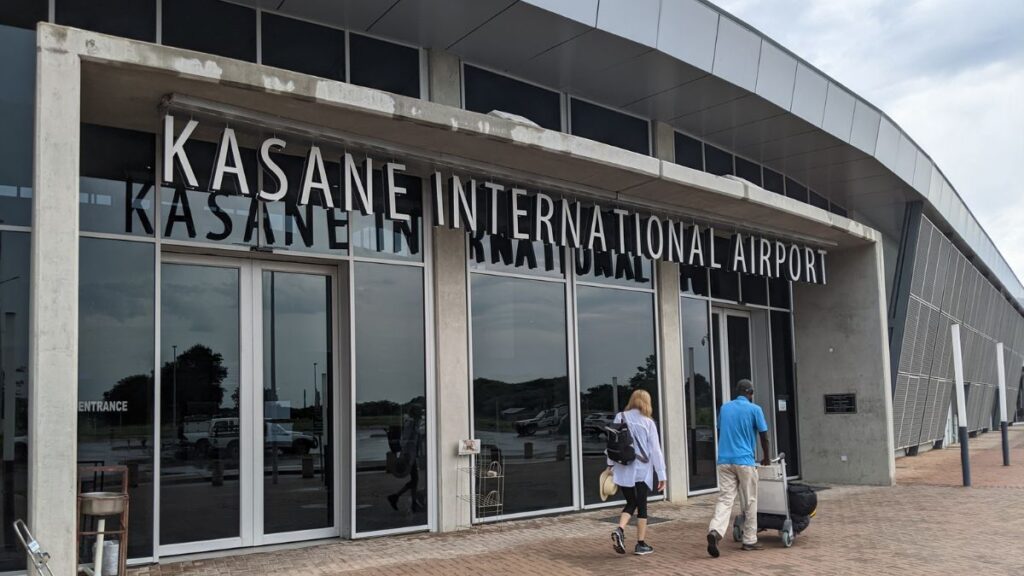
Plan travel logistics first. Fly into Kasane International Airport to reach Chobe National Park the quickest, or cross at the Kazungula border post if coming from Zambia, Zimbabwe, or Namibia. Kasane is a brief drive from many of the prime park gates and lodges. Always consider transfer times and potential boat crossings.
Book your top property nine to twelve months in advance, particularly for the dry season, which is the peak season from May to October when tens of thousands of elephants congregate along the riverbank.
Budget with line items. Park entrance fees are per person, per day and may differ based on nationality and season, with vehicle and guide fees added if you self-drive. Luxury lodges tend to package transfers, meals, game drives, and river cruises into nightly rates while midrange and budget camps offer pay-as-you-go options.
Be prepared for premium prices in the dry season. The wet season, from November to April, has some lower nightly rate opportunities, but pack for heat and rain. Tip: compare package inclusions and ask about single supplements, conservation levies, and gratuity norms.
Basic Knowledge
Health and safety: Take malaria precautions year-round. Use prophylaxis, apply insect repellent, and sleep under nets when provided. Vaccinations include routine vaccinations plus hepatitis A and typhoid where recommended. Seek advice from a travel clinic.
Follow park rules: Stay in vehicles on drives, keep distance from wildlife, don’t feed animals, and obey guide instructions. Bring lots of water and sunscreen. You’ll require more of both during the dry season.
Wet-season notes: Temperatures reach 30 to 35 degrees Celsius with heavy showers. Pack a lightweight waterproof layer, long-sleeve tops, and full-length pants to reduce mosquito bites. October can be over 40 degrees Celsius, so plan early morning and late afternoon activity windows.
Where to Stay in Chobe
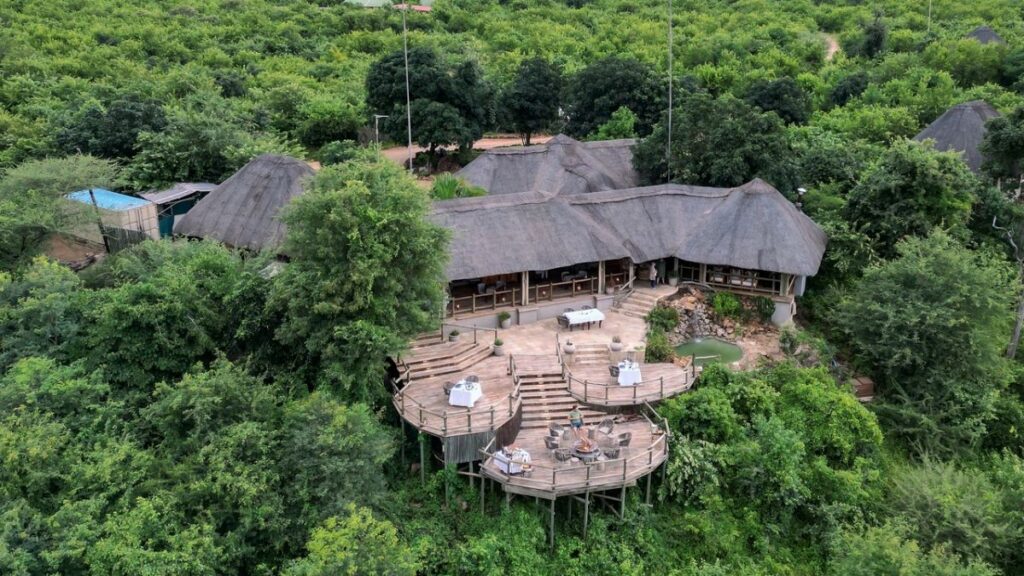
Schedule at least two to three days to really feel Chobe’s landscapes and wildlife, with morning game drives and evening river safaris. Sedudu Gate opens directly onto Riverfront, so lodging close to here means less driving and more opportunities for river wildlife viewing. If you’re the type who likes to do day trips from a single base, lodges and camps just outside the park gates facilitate that.
- Riverfront lodges and hotels: Chobe Game Lodge and Chobe Safari Lodge. Riverfront locations position you a few steps from water for boat safaris and shore viewing of elephants, hippos and birds.
- Private camps and luxury tented camps: Private camps in Savuti and Linyanti are perfect for those seeking secluded game viewing and guided walking or 4×4 safaris. If you appreciate privacy and handpicked sightings, opt for Linyanti for exclusive water-reliant game or Savuti for lions and herds.
- Mid-range lodges and community camps offer some excellent options just outside the park gates. These are great if you want comfort without the luxury and like having predictable prices.
- Budget Campsites and wild bush camps: Sunset Riverview Campsite is situated on the transit road near Kavimba, some 23 km from Ngoma Gate. Camps run from spartan communal ablutions to more formalized grounds. Pack equipment and check water and energy availability.
Select accommodations appropriate for your style of travel. Consider all-inclusive options for ease and book well ahead of peak months.
Essential Tips for Visiting Chobe
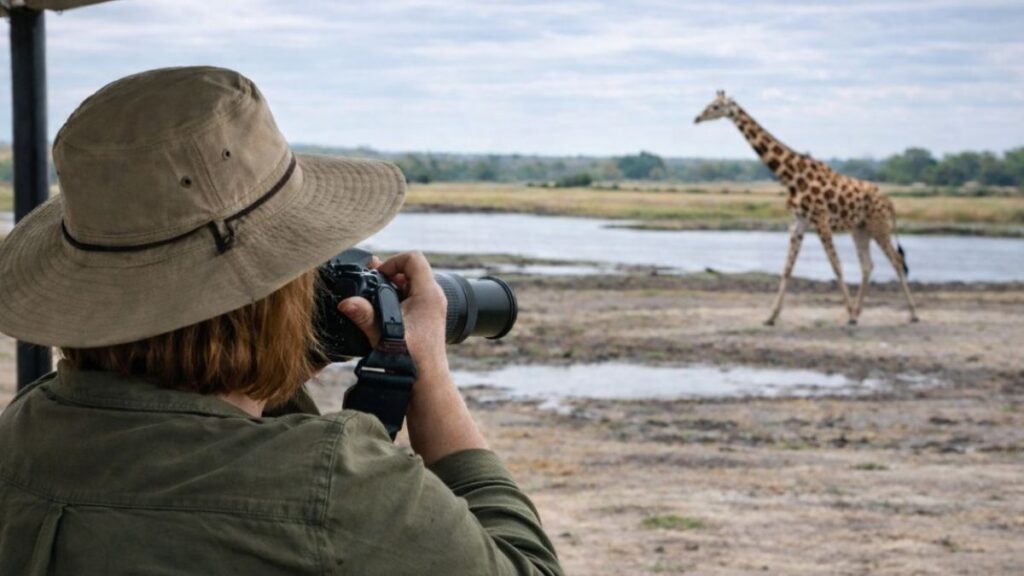
Chobe rewards careful planning. It’s busiest in the dry season (May–October) when tens of thousands of elephants gather along the riverfront. Two to three nights allows time for both river and land safaris, and you can expect to budget for the US$30 Tourism Development Levy upon arrival.
Anticipate hot sun in October, cold mornings in June–July, and scattered game and excellent birding in the wet season (November–March).
Book safaris early during peak season
Peak season books up fast. Book river cruises and game drives months in advance if you’re planning to visit between May and October. Popular lodges and boat operators have only a few slots for morning and late-afternoon drives.
Missing out on those windows means fewer sightings. If you need a special guide or vehicle type, secure it with deposits. If you want to avoid the crowds, look at the shoulder months for quieter riverfront game viewing while still getting great sightings of elephant, hippo, crocodile, and waterbirds.
Bring binoculars
A good pair of binoculars transforms your perspective. Opt for compact 8x or 10x models. Use them on river cruises to spot faraway herds, canopy birds, or crocodiles lounging along muddy banks.
Store them in a cushioned case and wipe lenses with a soft cloth. Binoculars enhance, not substitute, ranger-led sightings.
Wear neutral-colored clothing
Wear beige, khaki, olive, or muted tones to avoid spooking animals. Bring layers. Dawn drives can be bitterly cold in June and July, while daytime heat in October needs breathable fabrics.
Add a lightweight waterproof layer for the wet season and quick-dry clothes for humid days. Avoid bright logos and flashy gear.
Carry sun protection
Sun protection is an absolute must! Wide-brim hats, high-SPF sunscreen, UV sunglasses, and lip balm shield you on extended river cruises and open-top drives. Stay hydrated.
Bring a refillable water bottle and drink frequently, particularly in October.
Pack a camera with zoom lens
Make sure to bring a camera with a telephoto lens, preferably in the 200 to 400mm range, for sharp wildlife photographs. Capture with a speedy SD card and spare batteries.
A small tripod or monopod comes in handy on boats. Keep distances from wildlife and listen to guide advice before getting out of the vehicle.
Follow guide instructions at all times
Guides know local animal behavior and malaria risks. Adhere to their safety briefings, remain inside vehicles unless otherwise instructed, and bring any recommended prophylaxis.
They will guide you where to safely observe animals and how to behave during close encounters. Believe them for a safer, fuller experience.
Plan Your Travel Connectivity with Ubigi

Ubigi eSIM is activated immediately upon arrival and eliminates the need for a physical SIM. Go with flexible prepaid data plans that are valid in Botswana and the surrounding countries.
Book your transfers, map routes and share sightings while cruising along the Chobe River. You can control and monitor your data plan directly from the app, and charge your plan even without Wifi.
Setup is easy and you choose a prepaid plan that matches your trip:
- Short city breaks (3GB Botswana data plan)
- Longer vacations or data for two via hotspot (10GB or 25GB Botswana data plan)
- Multi-country trips (Unlimited data plan for Africa for up to 30 days)
You have solid data coverage in towns and on primary roads. It has you covered before and after wilderness, streamlining the logistics and making your overall trip more seamless.Purchase and download in advance to skip airport woes!
Conclusion
Chobe National Park in Botswana reveals big herds, broad river vistas and untamed wildlife just a stone’s throw from camp. You have regular game drives, boat rides on the river and serene walks with local guides. Anticipate open, blue days, red sunsets and simple opportunities to view elephants, hippos, lions and a dazzling combination of birds. Pack light, take binoculars and leave time for lazy mornings and surprise sightings.
Choose a lodge by the river for sunrises or a mobile camp for starry silence. Your safari can be comfortable or wild-centric. Set to book dates and select a guide? Book early to secure the top camps and trusted guides for your Chobe adventure.

Frequently Asked Questions
What is the best time to visit Chobe National Park?
The dry season (May–October) is best. Forest fires mean that animals are congregating at water, which makes sighting easier. Temperatures are gentler and the roads are easier to navigate.
How do I see elephants in Chobe safely?
Reserve a game drive or river cruise led by a licensed guide. Remain in the car, maintain a safe distance, and heed your guide’s advice so as not to spook elephants.
How long should I stay in Chobe National Park?
Schedule 2-3 days to savor game drives, a river cruise, and birding. This allows for diverse wildlife viewing and leisurely travel in between.
Do I need vaccinations or health precautions for Chobe?
Pack regular immunizations and check with a travel clinic regarding malaria pills. Carry insect repellent, sunscreen, and a basic first-aid kit.
What should I pack for a Chobe safari?
Pack neutral-colored clothing, a warm layer for those early mornings, sturdy shoes, binoculars, sun protection, and a camera with extra batteries or a power bank.
Can I combine Chobe with other Botswana destinations?
Yes. Chobe complements well with Okavango/Moremi for varied habitats and richer wildlife. Organize logistics with a reputable operator.
Are there family-friendly activities in Chobe National Park?
Yes. Most lodges and operators have child-friendly game drives and short river cruises. Check age restrictions and safety precautions prior to booking.






 How to check eSIM compatibility
 How to check carrier unlocking