


Summary
- 1) Key Takeaways
- 2) What Is the Carnaval de Barranquilla?
- 3) When Do the Carnavales de Barranquilla Take Place?
- 4) Why Is the Carnaval de Barranquilla So Famous?
- 5) Main Events of the Carnaval de Barranquilla
- 6) Traditional Music and Dances of the Carnaval
- 7) How to Experience El Carnaval de Barranquilla Like a Local
- 8) Travel Tips for the Carnavales de Barranquilla
- 9) Conclusion
- 10) Frequently Asked Questions
Key Takeaways
- El Carnaval de Barranquilla in Colombia is one of the country’s most significant cultural events and named by UNESCO to its heritage list.
- Organize your trip for February or early March because the dates of the carnavales de Barranquilla vary annually based on the religious calendar.
- Witness the fusion of African, Indigenous, and Spanish cultures with lively parades, music, and traditional dances.
- Highlight events such as Batalla de Flores and Gran Parada provide unmissable performances filled with colorful costumes and energetic entertainment.
- Expect sweaty crowds and blazing sun. Book your travel early, wear light clothes, and hydrate during every celebration.
- With an eSIM like Ubigi, such digital conveniences let you navigate the city, check event times, and stay connected with your crew during “la celebración”.
This annual festival features a blend of hypnotic music and vibrant costumes. You hear parade-filled streets, traditional cumbia and floats with striking colors.
Everyone joins in together to celebrate these cultural roots. It is a four-day event that attracts crowds from all around the globe. For you, it is an opportunity to experience Colombian culture and participate in the revelry.
What Is the Carnaval de Barranquilla?
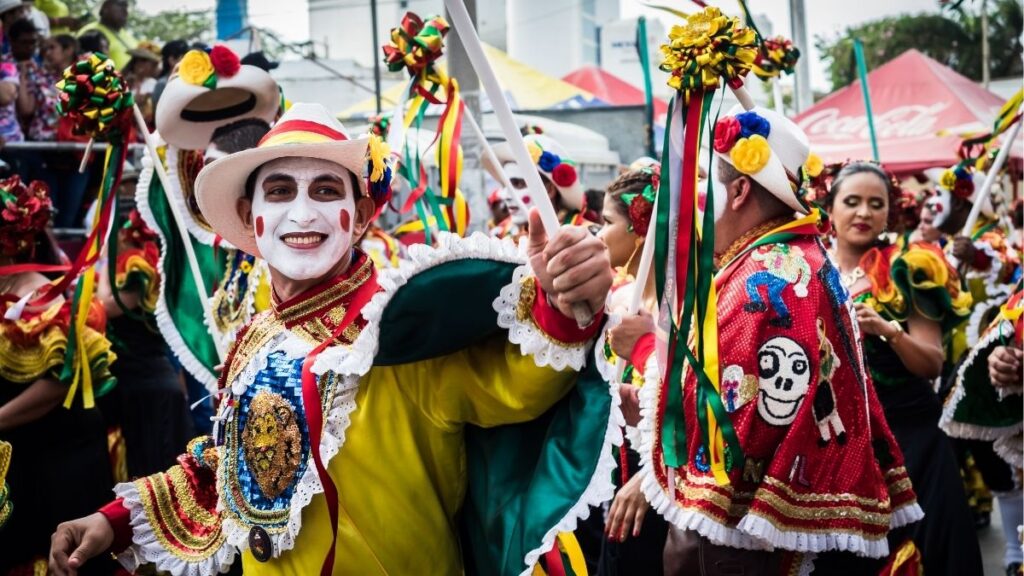
El Carnaval de Barranquilla is one of Colombia’s most expansive and culturally diverse festivals. For four days before Lent every year, you witness a blend of dances, music, and traditions from several regions of Colombia. Each group has its own rhythms and dances, so the entire city becomes one giant stage.
The carnival’s origins trace back to the period in which Spanish, African, and Indigenous cultures began to mix. Over centuries, these groups shaped what you see now: a celebration that feels old and new at once. The festival occupies a special place in Colombian life.
For locals and visitors alike, it’s not just a “celebración”, it’s an opportunity to wear their pride on their sleeves and share tales of yore. You will notice how everyone takes part: young, old, artists, and people who live in the city. The events are for everyone, and every day is a different experience.
For instance, Festival de Letanías pokes fun at local life. Tuesday’s “Entierro de Joselito Carnaval” wraps up with a wink to tradition and transition. The Battle of Flowers parade is one of the highlights. First hosted in 1903, this event floods the streets with dancers, floats and musicians.
The crowning of the Carnival Queen, which began in 1918, is yet another tradition. She guides the city through the festival. In 2002, the Colombian Senate declared the carnival a National Cultural Heritage. In 2003, UNESCO recognized it worldwide as a “Obra Maestra del Patrimonio Oral e Intangible de la Humanidad”.
These honors demonstrate that the Carnaval de Barranquilla is much more than a regional event. It is a vibrant repository of Colombian history.
When Do the Carnavales de Barranquilla Take Place?
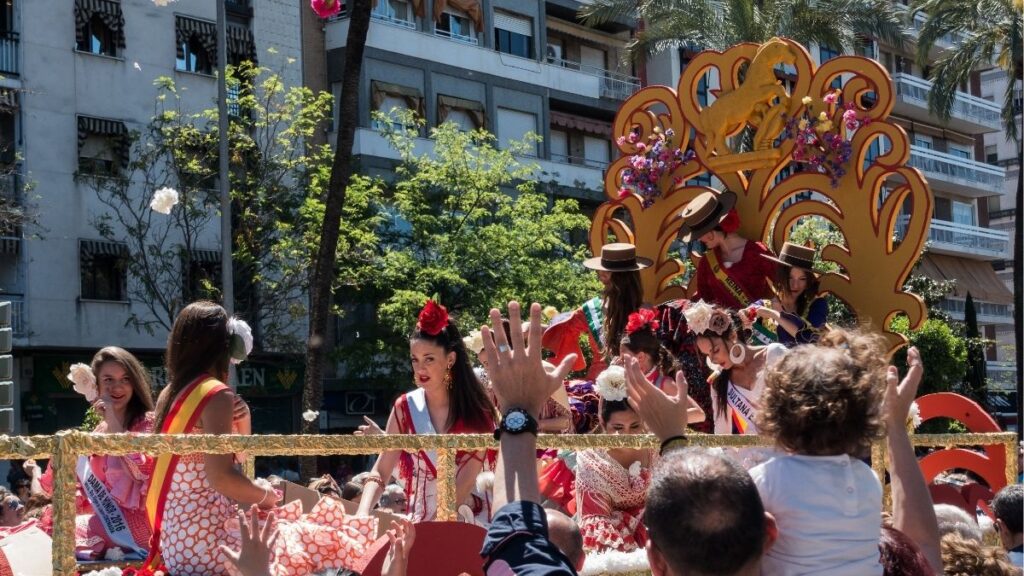
El Carnavale de Barranquilla do not fall on certain dates. Every year, you’ll see the celebrations land in February or early March. It depends on the religious calendar, particularly Ash Wednesday. When exactly do the Carnavales de Barranquilla take place? In 2026, for instance, the carnival is scheduled to begin on February 14.
Carnival in Barranquilla extends for weeks in spirit, but the actual days are the four days immediately prior to Ash Wednesday. These four days are loaded with parades and parties. The city’s vibe shifts while everyone prepares for the big days.
The non-official kickoff arrives just after New Year’s Eve, providing residents and tourists a preview of what lies ahead. Come February, you find the city in overdrive with music, dance, and color everywhere.
The official beginning of the “Carnavales de Barranquilla” is the Battle of Flowers parade (Batalla de las Flores). It begins on the second day of the main event, attracting throngs to witness classic floats, costumes, and performers.
The Great Parade, or La Gran Parada, takes over on the second day of Carnival. Folk dancers and musicians flood the streets. If nights are more your vibe, the Guacherna parade illuminates the Friday prior to the official start. Crowds emerge post-sunset for tunes and tumbling.
Joselito se va con las cenizas (“Joselito leaves with the ashes”), the last day before Ash Wednesday, closes out the carnival. Every year, you can count on all of these happening in the same order, just on different dates.
Why Is the Carnaval de Barranquilla So Famous?
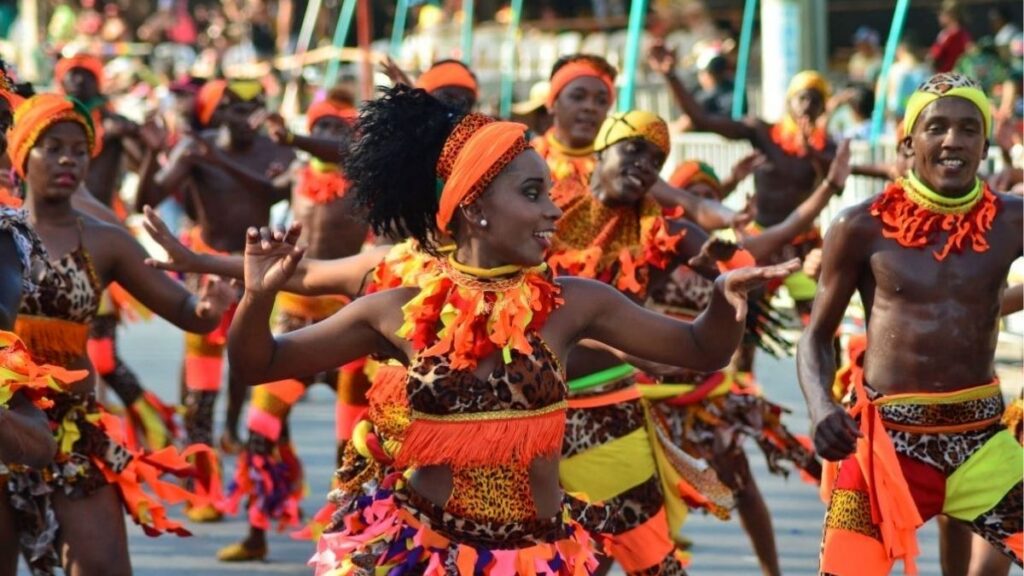
The Carnaval de Barranquilla is known for uniting cultures in a single location. You experience that blend of African, Indigenous, and Spanish roots in every inch of it. This mix narrates the city’s history and highlights how these cultures influenced customs.
The Colombian Senate has declared the carnaval a National Cultural Heritage since 2002. In 2003, UNESCO added it to their list of Masterpieces of the Oral and Intangible Heritage of Humanity. These distinctions speak to the cultural significance of the carnival… Not only for Colombia but for the world!
It’s the brilliant costumes and giant parades that give the carnival its distinct look. Every year, you get to see people in intricate costumes. Every single one of them represents some significance from local legends and traditions. The Battle of Flowers parade is among the most popular attractions. It started in 1903 and today blankets the streets with floats, dancers, and music.
The Festival de Letanías employs satire and wit to discuss everyday life. The Entierro de Joselito Carnaval concludes the festivities with a blend of humor and contemplation. “La coronación de la Reina” is a highlight that began in 1918. This continues to attract big crowds, and every queen adds her own flair to the position.
Through music and dance, the tempo was given for the entire “celebración”. You hear cumbia, mapalé, and other rhythms played with drums and flutes. The Conga Parade, Cuban-inspired, contributes yet another level of sound. All around the world, folks are coming to these street parties, lured by that energy and the opportunity to participate in something authentic and vibrant.
The carnival is still evolving, bringing new events and styles, but it always preserves “la esencia de la fiesta”, which means unity and happiness.
Main Events of the Carnaval de Barranquilla
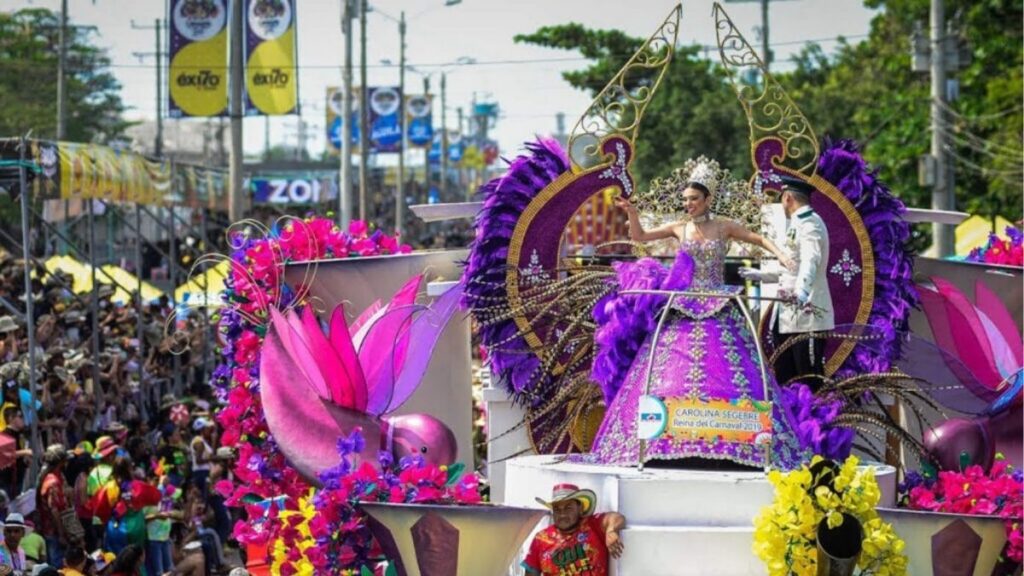
El Carnaval de Barranquilla fuses history, art and energy into one of the globe’s biggest celebrations of the street. So many events, so much style! The Carnival Queen presides over a 6-hour show of folk dancing, live music, fire breathers and boldly painted floats.
Figures such as King Momo, El Torito, the Monococos and the Carnival Queen mark the rhythm and atmosphere of every day. This UNESCO cultural heritage carnival mingles traditions and trends.
Batalla de Flores
The Batalla de Flores, or Battle of Flowers, is the official opening. You get a parade of floats, folk dancers and troupes in luminous costumes. The Queen throws flowers to the crowd, a tradition dating back to the early years of the festival.
Cumbia and mapalé, two of the region’s oldest styles, are danced. Fire breathers and drummers bring even more energy to the show. If you want to catch the soul of Barranquilla, here it is.
Gran Parada
On Sunday, the Gran Parada de Tradición y Folclore shines. Here, you observe troupes from all over Colombia performing heritage dances. Río de Tradiciones kicks off the day, mixing dance, food stalls, and music.
With every step and costume comes a fragment of local history, and you feel the city’s spirit.
Festival de Orquestas
The Festival de Orquestas highlights the music. Bands duel on stage: salsa, cumbia, and vallenato. The Noche de Orquestas and Encuentro de Comedias go hand in hand, with artists and comedians attracting massive crowds.
The Festival de Letanías strikes a more light-hearted tone, making satirical jabs at everyday life with witty wordplay.
Burial of Joselito Carnaval
On Tuesday, the Entierro de Joselito Carnaval closes out everything. They wear black, mourning the passing of their good times with street theater and tousleheaded sarcasm.
This concluding performance brings the celebration full circle, combining exuberance and contemplation.
Traditional Music and Dances of the Carnaval
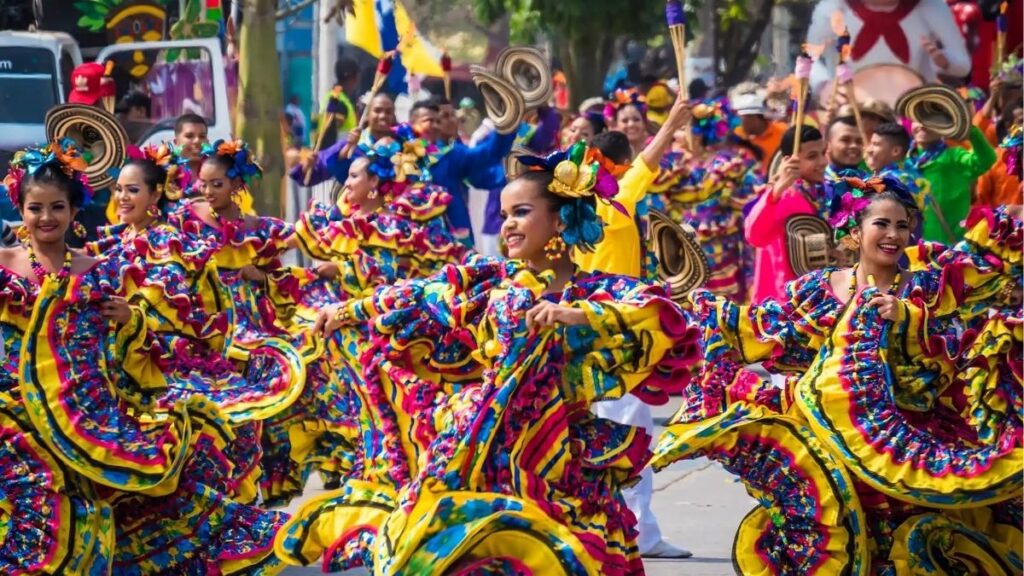
At the core of the Carnaval de Barranquilla are its traditional music and dances. You discover a fusion of South American, African, and European sounds. It’s this blend that gives the festival its character and tempo for each ceremony.
The beats you feel, cumbia, porro, gaita, and puya, aren’t just for show. These styles demonstrate the city’s deep history and authentic roots.
Cumbia emerges as emblematic of the Carnaval. There you have dancers in colorful costumes, dancing in circles, accompanied by live drummers and wind instruments. Mapalé delivers a quick tempo and agile movements, retelling African legends with its dance. Hailing from the Caribbean, Champeta injects a deep, contemporary groove that drags crowds into street fiestas.
Salsa keeps the energy alive and the crowds dancing, turning every street into a dance floor. All of these dances narrate a piece of the local story, from Spanish paloteo to African congo, and the native mico y micas. This turns up in parades and performances.
All over Barranquilla, live bands play day and night. At the Battle of the Flowers, a rollicking street parade, you have musicians, dancers, and floats. The Great Parade brings dance groups. They compete, some with fire breathers and folk dancers, all observed by the Carnival Queen.
You get swept up in open-air dancing, with music blaring from every block. These beats and moves are no mere ornament. They are the heart of the Carnaval, weaving together the spirituality, legends, and traditions. The vibrance here is directly from the people, the music, and the streets.
How to Experience El Carnaval de Barranquilla Like a Local
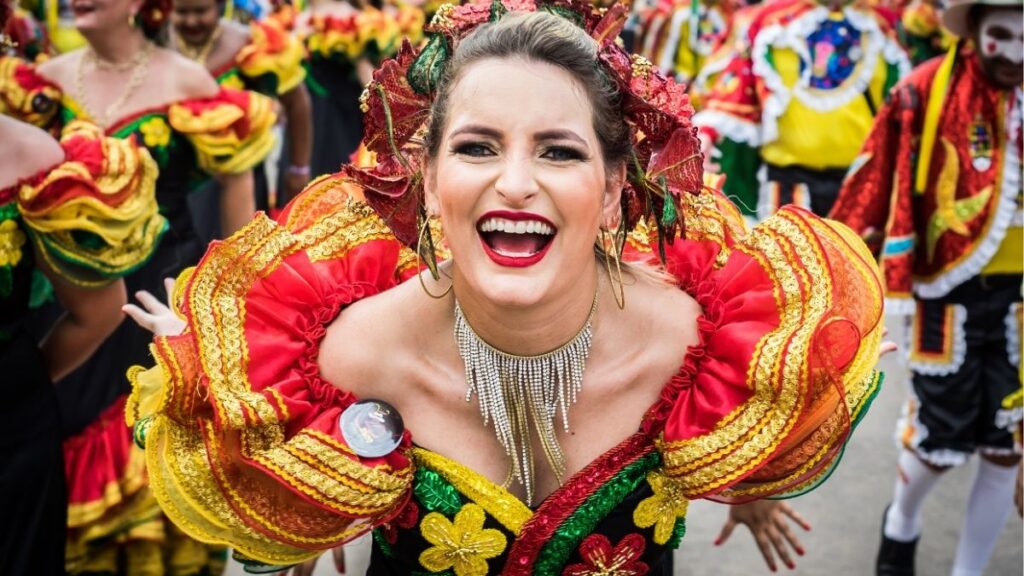
To experience El Carnaval de Barranquilla like a local, you want to assimilate and participate in all of the day and night activities. Locals are gracious and welcoming, so you won’t feel shoved or like an outsider. Throwing on bright clothes or even a traditional costume helps you belong. The streets explode with color, music, and huge floats. You’re going to want to be a part of that.
The prime viewing locations for parades are along Via 40, the grand float and dance group route. Locals either stand on the sidewalks or purchase seats in the grandstands, known as palcos. For an up close glimpse of the action, street venues are typically free, yet packed.
From street parties to grandstands, there are two different spins on the same fiesta. Street celebrations are messy, alive and allow you to mingle with dancers, bands and vendors hawking snacks and cool refreshments. Grandstands provide you with a viewing place for the show without having to wander too much. You see families, students and even the older folks, all cheering together.
If you’re ready to join in, street parties are in full swing both day and night, from pop-up dance floors to open-air concerts. During the day, there are often parades, folk dances and shows of all types for every age. In the evenings, the celebration moves to plazas and clubs, featuring live music, even more dancing and street food vendors.
You might sneak into a cumbia or try the delicious local dishes like arepas or empanadas. Pre-Carnival events, like la Guacherna and el Garabato, are definitely worth your time. They establish the mood for what’s to come and give you a chance to experience the city’s culture up close.
Travel Tips for the Carnavales de Barranquilla
Carnaval de Barranquilla is one of South America’s most colorful and congested festivals. It combines traditions, music, and dance. This celebration attracts visitors from across the globe. Be prepared and you’ll maximize every minute.
Stay connected in Colombia with Ubigi eSIM
With a Ubigi eSIM, you receive dependable mobile data the moment you arrive in Colombia. This lets you access parade maps, schedules and crucial updates quickly.
Parades span long stretches and being able to look up routes is key, especially if you want to catch the headliners or navigate your way back to your hotel. Use your phone to keep in touch with your group, share locations and not get lost in the masses.
On the plus side, you sidestep expensive roaming fees, which surprisingly manage to catch travelers by surprise time and again. Ubigi eSIM works on most modern devices and gives you the flexibility to purchase more data should you need it, even without Wifi, so you can stay connected throughout the celebrations.
Useful advices
Get your flights and hotels booked as early as possible. Hotels, hostels, and guesthouses are booked up months in advance of the Carnival and prices soar.
If you want a place in a palco or a stand on the main parade route, buy tickets in advance. It’s not necessary for most street access.
Wear light and bright colors. Barranquilla is hot, and with millions in the streets, the heat can get intense. Traditional costumes are loud and colorful.
Bring breathable clothes or get in on the action with a simple mask or accessory. Hydrate by packing a refillable water bottle and sunscreen or a hat.
Bring as little as possible. Thieves lurk in any crowded street party, particularly after dark. Wear a money belt or carry a small, secure bag.
Take a phone charger pack and watch your stuff. Respect local customs and sample new foods such as arepas de huevo and carimañolas, which are readily accessible at the festival.
Conclusion
You experience a true flavor of Barranquilla during carnival. The streets come alive with color, music, and dance. Folks put on flashy dresses and flash grins.
You hear the drums and see floats go by. You see cumbia or get caught up in a street dance. Markets serve foods you wouldn’t try otherwise as the locals embrace you. You sense that you belong to the city. Annually, the world melts together for the festivities.
Plan your trip with easy steps and make memories that last. For your next escapade, consider Barranquilla. Mark the dates, pack light, and prepare to be part of something huge.
Experience the authentic joy of “El Carnaval de Barranquilla in Colombia” and begin planning now.

Frequently Asked Questions
What is the Carnaval de Barranquilla?
The carnaval de barranquilla is one of the biggest and most colorful festivals in Colombia. It honors cultural traditions, music, and dance while uniting communities for days of festivities and processions.
When does the Carnaval de Barranquilla take place?
The Carnaval de Barranquilla generally occurs in February or early March. It shifts every year and concludes just before Lent.
How can you participate in the Carnaval de Barranquilla?
Participate in the celebrations, including parades, traditional dances, and live music. Many of the events are open to the public and tickets can be purchased for the major parades.
What makes the Carnaval de Barranquilla unique?
What makes this carnival especially unique is its blend of African, Indigenous, and Spanish traditions. Its colorful costumes, energetic music, and exuberant spirit rank it as a UNESCO Masterpiece of Oral and Intangible Heritage.
Is the Carnaval de Barranquilla family-friendly?
Indeed, the carnival has something for everyone. There’s plenty for families to enjoy, including colorful parades, cultural shows, and food stalls in a festive and very safe environment.
What should you wear to the Carnaval de Barranquilla?
Put on colorful, easy clothing and hard shoes. A lot of folks rock traditional carnival-themed costumes or accessories as well.
How do you get to Barranquilla for the carnival?
You can get to Barranquilla by flying into Ernesto Cortissoz International Airport. There is easy access by public transport and taxis for you to reach downtown and the venues.







 How to check eSIM compatibility
 How to check carrier unlocking