


Key Takeaways
- Looking for “Everything About Swiss Raclette“? This article is for you!
- Swiss raclette is a semi-hard cheese known for its creamy texture and nutty flavor, originally prepared in Switzerland from rich alpine milk.
- Raclette’s distinctive flavor and meltability are sculpted by time-honored techniques, alpine terroir, and rigorous AOP criteria that confirm its genuineness.
- Raclette is a delicious communal experience indulging in melted cheese over potatoes, pickles, and onions.
- Raclette traditional tools or electric grills make it a year-round, easy-to-do at home experience.
- Classic pairings include boiled potatoes, pickled vegetables and cured meats. We invite you to get creative with fresh ingredients and inventive side dishes.
- If you want to share your Swiss raclette experience, take a Ubigi eSIM to stay connected during your trip.

Introduction
Swiss raclette is a semi-hard cheese made from cow’s milk, typically served melted over boiled potatoes, pickles, or vegetables. Raclette is a Swiss classic available in most cheese shops and markets.
When you want a dish that unites a crowd, raclette offers a casual manner to bond over a meal. The following chapters demonstrate how to serve and savor it in your own kitchen.
The Essence of Swiss Raclette
Swiss raclette, a semi-hard cow’s milk cheese from Switzerland, is renowned for how well it melts. With its mild, nutty, and creamy flavor, it’s a staple in both classic and innovative recipes.
The cheese’s distinctive flavor is intimately connected to the alpine pastures on which cows feed, absorbing accents of wildflowers, herbs, and mineral-rich grasses.
1. The Origin
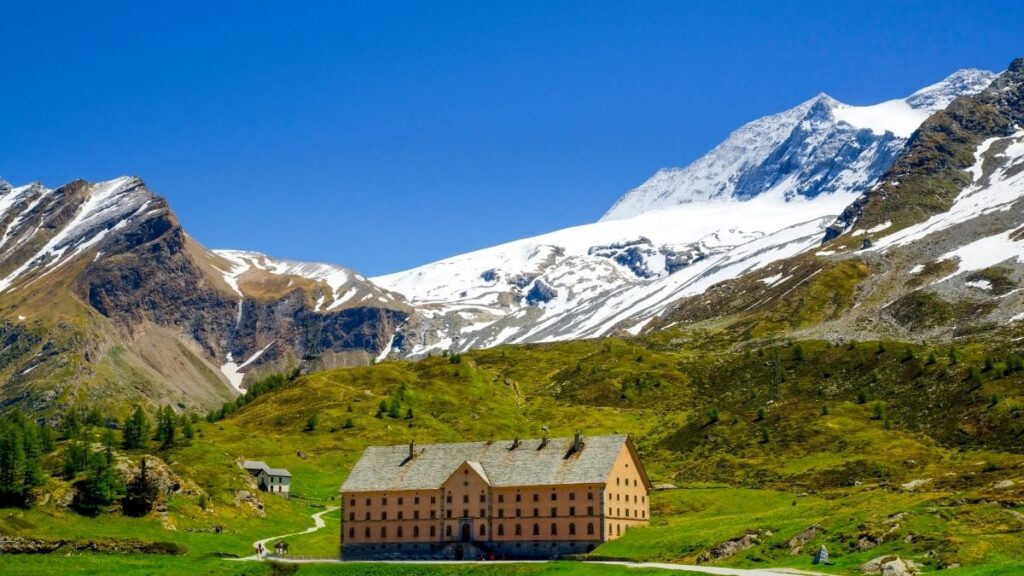
Raclette’s tale begins in the Valais, high in the Swiss Alps. Local dairy farmers have handed down their cheesemaking know-how for generations, using fresh alpine milk as the foundation of their celebrated cheese.
Old Swiss writings from the Middle Ages refer to raclette by name, illustrating how it has been a part of mountain life for centuries. At the time, cow herders melted cheese next to an open fire, scraping it onto bread or potatoes after a long day outside.
All in time, what was once a rustic meal evolved into a Swiss tradition. Today, you can savore raclette at get-togethers around the globe.
2. The Make
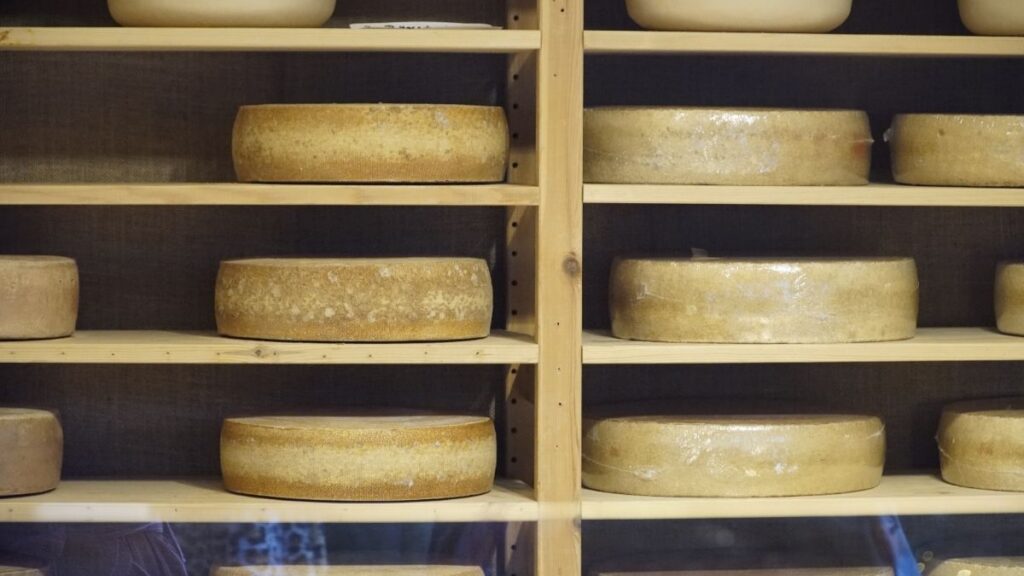
To prepare raclette, cheesemakers warm raw milk from alpine cows to around 32°C (90°F). Then they add rennet and cultures to initiate curdling.
The curds are pressed into molds and aged for a minimum of three months. This maturation enhances the taste, melting, and texture of the cheese.
Alpine cows graze on wildflowers and herbs, which lend the raclette its floral notes and richness. Genuine Swiss raclette is frequently AOP (Appellation d’Origine Protégée) certified. That is cheese produced to exacting Swiss standards and local milk.
3. The Texture
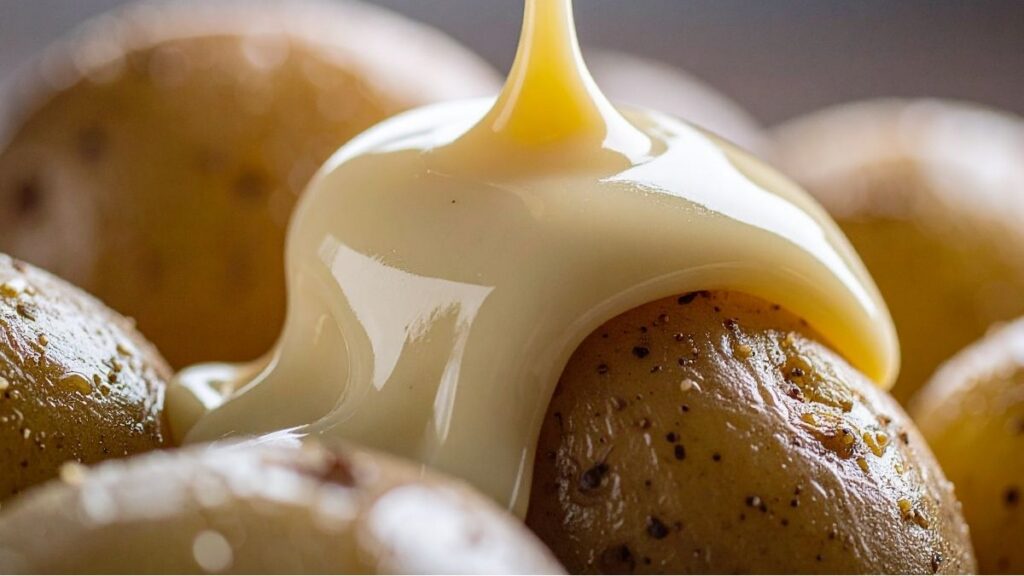
When cold, raclette is firm and easy to slice. Once warmed, it’s smooth and creamy and almost liquid, which is ideal for scraping onto potatoes, pickled onions, or cornichons.
The cheese’s texture adapts perfectly to the melting, becoming gooey but not greasy. Nailing the melt is essential for the complete raclette adventure, regardless of whether you’re utilizing a fire or table grill.
There’s something about the sultry pull of melted raclette that warms any table.
The Raclette Experience
Raclette isn’t just about melted cheese, it’s about gathering people. This Swiss tradition makes a meal an event, where you sit down with friends or family around a grill or open fire.
There’s nothing more gratifying than scraping a raclette of melted cheese onto your potatoes, vegetables or meats. You build your own plate, pick your toppings, and eat at your convenience. Raclette is delicious and loaded with protein, calcium and vitamins.
Traditional Method
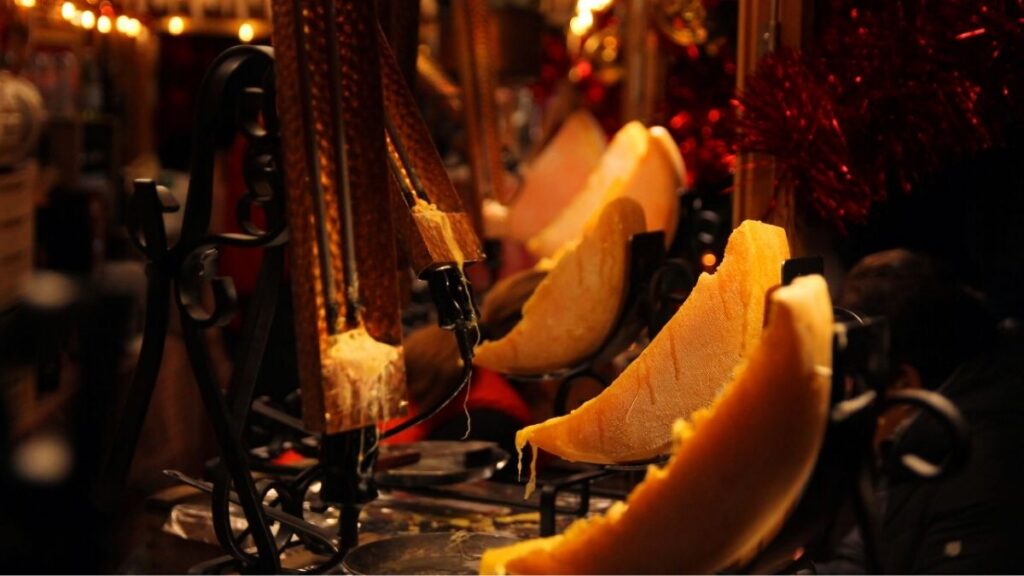
The traditional raclette experience begins with a half-wheel of cheese, a long-handled scraper, and either an open flame or a specialized heating lamp.
As the cheese softens under the heat, it is scraped directly onto your plate. This ritual dates back to the 12th century in Swiss villages such as Unterwalden and Valais.
For locals, raclette is a quintessential winter dish, enjoyed during cold months with family and friends. While the cheese is central, the freshness of the sides enhances the experience, and in Valais, it is often served alongside plates of cured meats or a brisolée.
For an authentic taste, visitors can sample raclette at alpine mountain huts, during cow descent festivals in the Swiss Alps, or at traditional restaurants such as Raclett’house Chez Eddy.
Modern Grill
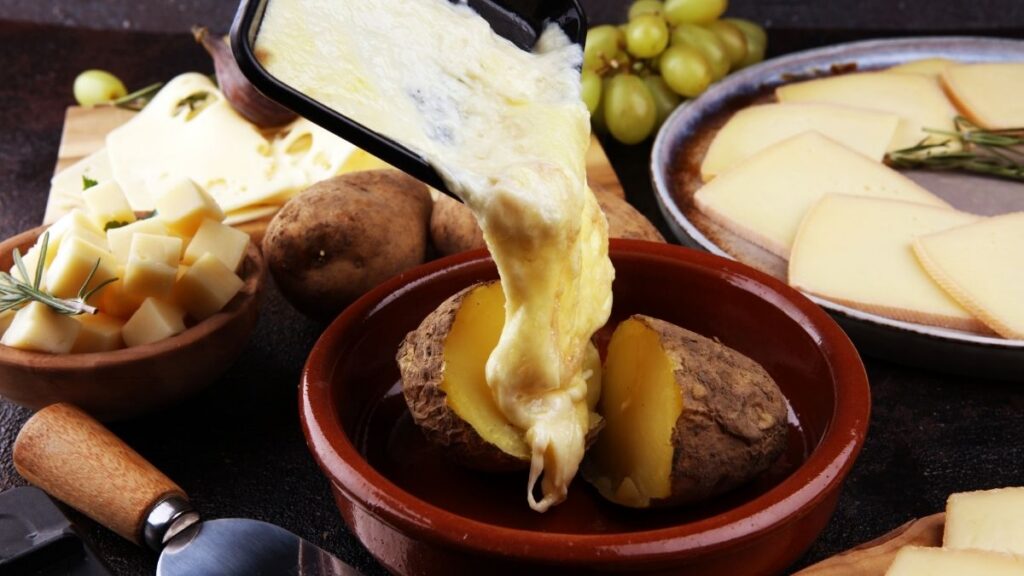
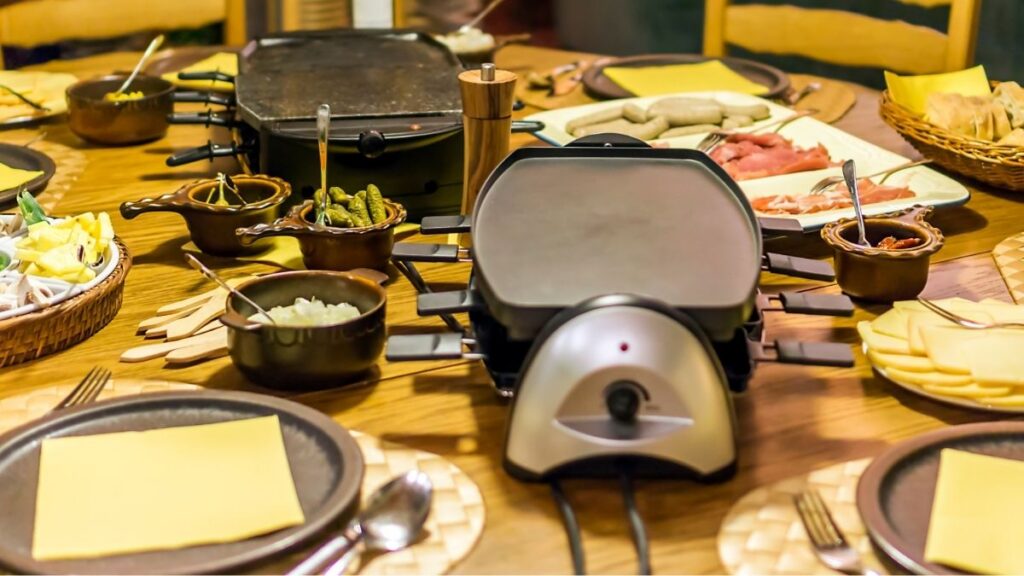
Modern raclette grills make it easy for all. These electric grills come with little pans, so you can melt your own cheese and add whatever toppings you desire. Cleanup is speedy, the process is a breeze and you can enjoy the grill all year round, not just in winter.
Some grills even have a flat top so you can grill some meat or veggies while you’re at it. Most enjoy at-home raclette grills, but you’ll discover that arrangement at Swiss venues like Swiss Chuchi Restaurant or Raclette Factory in Zurich.
This version preserves the togetherness while accommodating hectic, contemporary schedules.
Perfect Raclette Pairings
Enjoying Swiss raclette is not just about melting cheese. They can make your meal a balanced, memorable experience. Selections in both food and drink will influence how you savor each mouthful and draft.
The Food
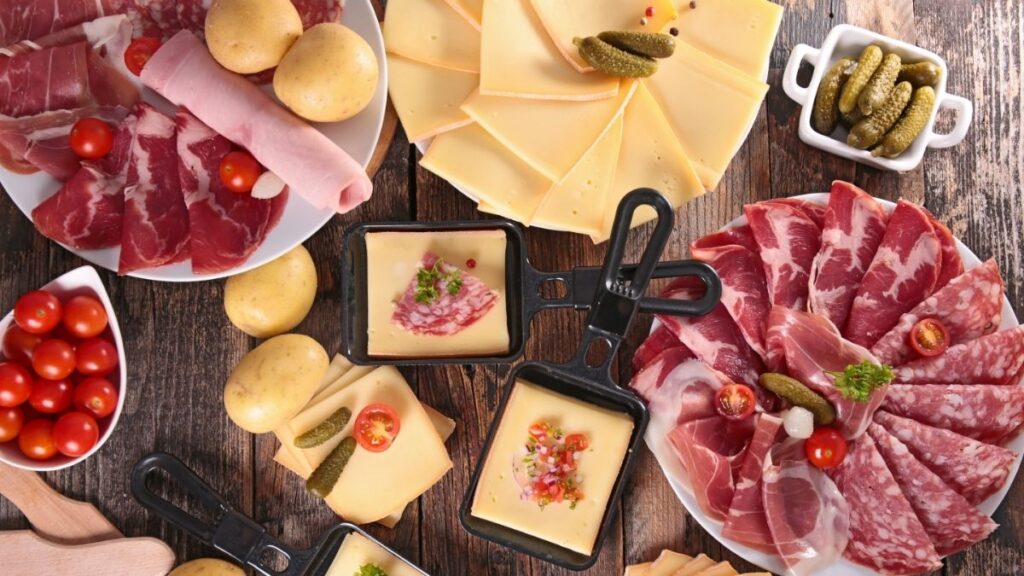
Raclette is traditionally served with boiled baby potatoes, tart cornichons, and an assortment of cured meats such as prosciutto, salami, or speck, along with hearty breads ranging from rustic loaves to whole-grain varieties.
Its creamy, rich flavor pairs beautifully with roasted vegetables like green beans, broccoli, or asparagus, lightly tossed in a balsamic and olive oil glaze. Fresh, colorful salads can balance the meal, add brightness and texture to the table.
For added depth, mushrooms or gourmet sausages bring earthy, savory notes, while bowls of fresh clementines or grapes offer a sweet, refreshing contrast. Raclette is highly adaptable, allowing you to experiment with your own sides. Grilled peppers, marinated artichokes, or roasted root vegetables all work wonderfully.
This versatility makes raclette a social and interactive dish, encouraging creativity and personal touches so that every meal can be tailored to taste and season.
The Drinks

When enjoying raclette, lighter drinks help balance the cheese’s rich, creamy flavor. Dry white wines, such as Swiss Chasselas or whites from Savoie, provide a crisp, clean counterpoint.
Light reds like Beaujolais Gamay, Pinot Noir, or Loire Valley Cabernet Franc add subtle fruit notes without overpowering the dish.
Non-alcoholic options also work beautifully: sparkling water or citrus sodas keep the palate fresh, while herbal teas or warm apple cider offer a comforting touch, especially during the colder fall and winter months.
Because raclette is hearty and indulgent, these lighter and refreshing beverages help cleanse the palate between bites, enhancing the overall dining experience. There are no strict rules for pairing; your experimentation is encouraged.
Try different wines, teas, or even sparkling juices until you find the combination that best complements your raclette meal. Whether served at a cozy alpine chalet or around a tabletop grill at home, the right drink makes each bite even more enjoyable.
Beyond Classic Raclette
Raclette is one of Switzerland’s most beloved traditional dishes. Originating in the alpine canton of Valais, the cheese is famous for its smooth melting texture and rich, comforting flavor.
While Raclette du Valais AOP is the most well-known variety, Swiss cheesemakers produce several regional styles influenced by alpine pastures, climate, and traditional production methods.
Swiss Raclette Varieties
Different regions in Switzerland produce raclette with subtle variations in taste and texture. These differences often come from the cows’ diet, which includes herbs and grasses from mountain meadows.
| Region | Flavor Notes | Texture | Feature |
|---|---|---|---|
| Valais | Nutty, earthy | Smooth | Traditional raclette style |
| Fribourg | Mild, creamy | Supple | Balanced flavor |
| Bernese Oberland | Herbal, rich | Semi-firm | Alpine pasture aroma |
| Central Switzerland | Buttery, delicate | Soft | Gentle, smooth melt |
Among these, Raclette du Valais AOP remains the most traditional, produced using raw milk and strict regional standards.
Traditional Swiss Raclette Experience
In Switzerland, raclette is typically accompanied by pickled vegetables such as cornichons and pearl onions, along with cured meats and simple salads.
The meal is often shared, making it both a culinary and social experience. You can try authentic raclette in traditional restaurants such as Raclette Stube, where the cheese is melted and scraped onto your plate in the classic Swiss style.
Travel tips for Switzerland
Switzerland’s combination of old-world charm and modern convenience has made it a preferred destination for visitors to sample Swiss raclette at the source. Getting around is seamless, and you have plenty of ways to stay connected and informed on the go.
Getting Around Switzerland
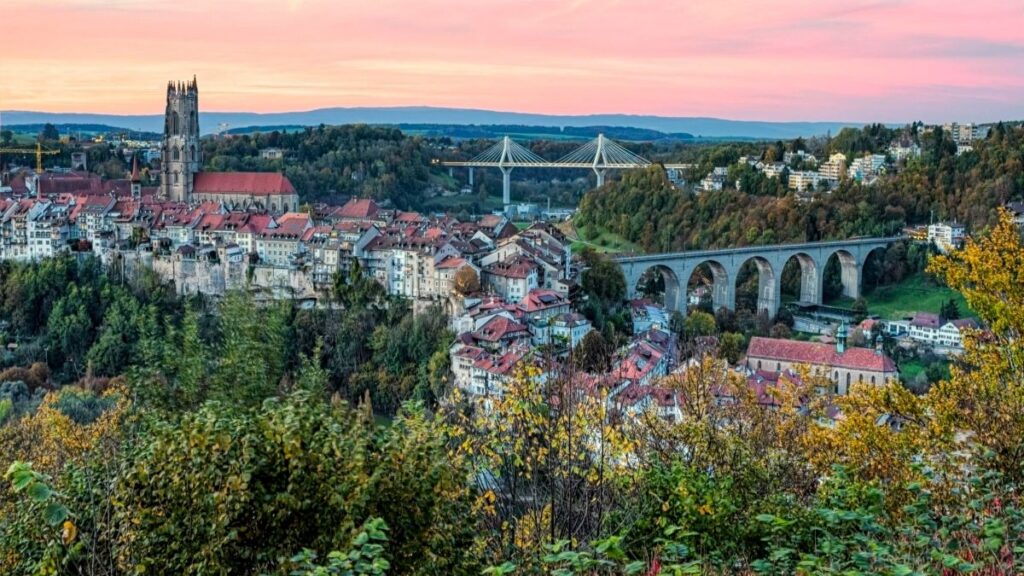
From picturesque alpine villages to vibrant cities like Zurich, Geneva, and Lucerne, getting around is effortless thanks to the country’s world-class public transport system. Trains and buses run frequently, and mountain railways and cable cars make even remote regions accessible.
For a truly local experience, hop on a regional train to Valais or Fribourg to sample authentic raclette in a traditional alpine setting. Along the way, keep an eye out for charming local markets, artisanal shops, and seasonal festivals that showcase Swiss culture.
Walking is also easy in city centers, with pedestrian-friendly streets leading to cafés, museums, and historic landmarks.
Your Travel Connectivity with Ubigi

Staying connected in Switzerland is effortless with a little planning. With Ubigi eSIM data plans, you can bypass roaming fees and avoid the Wi-Fi frenzy in train stations or cafés.
No need to swap physical SIM cards. You simply scan a QR code, install your eSIM and activate your data plan once at destination. You can search train times, find the best raclette joints and even make reservations online with ease.
Ubigi eSIMs are compatible with the majority of new phones and tablets, which means you won’t require any additional devices or adapters. If you run out of data, topping up is quick and can be made in a few taps through the app.
That’s convenient in cities like Zurich or Geneva, but even more so in smaller towns or mountain villages where raclette is a local specialty. You won’t miss out on any hidden restaurants or special food events when you’re able to peruse local guides on the fly.
Ubigi offers a range of data plans designed to fit different travel needs:
- Short city breaks (3GB Switzerland data plan for 7 days)
- Longer vacations across multiple Swiss regions or with data for two via hotspot sharing (10GB or a 25GB Switzerland data plan)
- A one month vacation (50 GB or a 30 days unlimited data plan)
- Multi-country trips within Europe (10GB or 25GB Europe data plan for up to 30 days)
Conclusion
Swiss raclette offers warmth and goodness to any table. You get straightforward cheese, fluffy potatoes, crunchy vegetables and meats with clean, powerful flavors.
Whether it’s a night with friends at home or a big family occasion, this meal suits any crowd. You can pair it with bread, pickles, or fresh fruit for a new spin on an old classic. In Switzerland, locals keep the vibe fresh and the dishes packed. Raclette delivers a taste of Swiss living, just where you stand.
To bring this dish back to your own kitchen, find raclette cheese at your local grocer or shop online. Explore new eats and spread the joy. Get your Ubigi eSIM data plan for Switzerland and let raclette unite your next dinner.
We hope that this article “Everything About Swiss Raclette” helped you!

Frequently Asked Questions
What is Swiss raclette cheese?
Swiss raclette is a semi-hard cow’s milk cheese. It melts effortlessly into a creamy consistency and full-bodied taste that is ideal for heating and drizzling on top of vegetables, bread, or potatoes.
How do you eat raclette?
You melt raclette cheese and drizzle it over boiled potatoes, vegetables, or bread. They usually serve it with pickles and cured meats. This is a cozy, communal dining experience.
What are the best foods to pair with raclette?
Raclette goes beautifully with boiled potatoes, steamed veggies, fresh breads, pickles and cured meats. These easy sides complement the cheese’s heartiness and bring diversity to your table.
Can you enjoy raclette without special equipment?
Yes, raclette cheese can be melted in a conventional oven, stovetop, or microwave. We have some old-fashioned raclette grills that make the experience fun, but they’re not necessary to enjoy the dish.
Is raclette suitable for vegetarians?
Yes, raclette can be vegetarian if you use cheese without animal rennet and serve it with vegetables, bread, and pickles rather than meats.
Where can you try authentic raclette in Switzerland?
You’re going to find authentic raclette in Swiss restaurants, mountain lodges, and local food markets. Many towns have raclette parties, particularly in the winter.
What should you know before traveling to Switzerland for raclette?
Find out if restaurants take reservations, particularly in peak seasons. Bring warm clothing for the mountains. Go with local cheeses for a more authentic flair. Most locations take credit cards, but it’s handy to have cash around.








 How to check eSIM compatibility
 How to check carrier unlocking