


Key Takeaways
- Known for its subtle sweetness and elegance in presentation, Shanghai cuisine emphasizes delicate flavors with the use of soy sauce, rice wine, sugar, and ginger.
- Sample the city’s cuisine with signature dishes like xiaolongbao, shengjian bao, red-braised pork belly, drunken chicken, lion’s head meatballs, sweet and sour mandarin fish and seasonal hairy crab.
- While local restaurants and street stalls provide authentic culinary experiences, many of the best known dishes are best eaten at their ‘places of origin’ or wherever they’re most well known.
- Going to local markets, taking food tours and trying traditional breakfasts will introduce you to the real taste of Shanghai.
- By respecting the etiquette, like not wasting food or receiving dishes with two hands, you enhance your cultural experience.
- Being connected with an Ubigi eSIM enables you to discover the best eats, get translations, and post your adventure online, simplifying your foodie adventure.

Introduction
Shanghai style refers to Shanghai food in China, delicious but a little sweet. They have fresh fish, crab, and greens cooked with soy sauce or rice wine. Steamed buns, braised pork, and soup dumplings shine in many of our dishes. You have a combination of local and global eating habits.
The following “Experience authentic Shanghai cuisine” article discusses what sets Shanghai cuisine apart and how you can sample it.
What Defines Shanghai Cuisine?

Shanghai food, or Benbang cai, originates from the Jiangnan area. It is defined by its subtle sweetness and aroma exuberance. Stemming from the Ming and Qing dynasties, it has evolved significantly. At its core, this cuisine merges a multitude of influences—Anhui, Suxi, Cantonese, Huaiyang, and Beijing—because Shanghai has always been a bustling harbor and cultural crossroads. You catch this blend in street food and in haute cuisine.
You’ll notice soy sauce, rice wine, sugar, ginger, and scallions make an appearance in the majority of dishes. These fundamentals provide dishes with their signature dark color and sweet-salty flavor. Local cooks have always used what’s fresh and nearby, like freshwater fish. This emphasis on local, seasonal food continues to shape what you find on menus to this day. The outcome is cuisine that tastes balanced and airy but not at all boring.
Braising, steaming, red-cooking and stir-frying are the primary food preparation methods. Slow-cooked in soy sauce and wine, red-cooked pork, or Dongpo pork, is soft and flavorful. XLB’s ( a soup dumplings) is steamed to retain broth inside. Shengjian bao are pan-fried buns with a crisp bottom and succulent filling. They extract the sweet, umami notes but maintain the food’s freshness and ease to the eye, which is quite important in this city’s food scene.
Street food is huge. Youtiao or fried dough sticks for breakfast. Jiaozi or boiled dumplings are straightforward yet cherished by many. The balance of sweet, sour, salty, and savory tastes combined with meticulous presentation is the essence of Shanghai cuisine.
Top Shanghainese Dishes You Must Try (and Where to Taste Them)
Shanghai’s culinary culture mixes rich history with a local twist. You’ll discover a fusion of subtle, opulent, and frequently sweet tastes. Every dish has its tale ! Savor it at age-old eateries and bustling food stalls throughout the city.
A. Xiaolongbao (Soup Dumplings) — The Icon of Shanghai
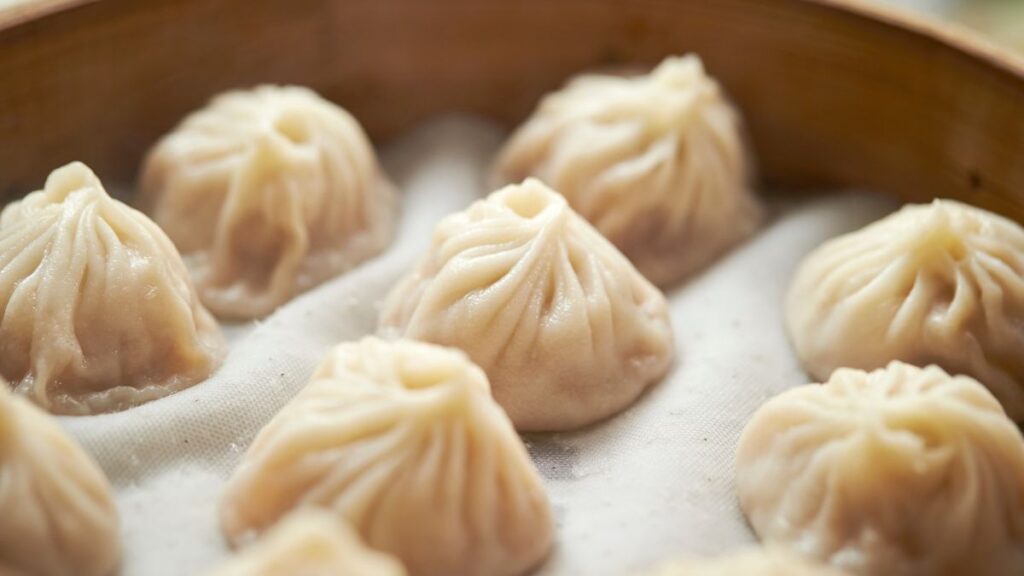
These petite dumplings cram soup and ground pork within paper-thin wrappers. They’re steamed, keeping the broth warm and the dough soft. Some even have them with crab meat or other fillings. You’ll definitely want to sample them fresh at Nanxiang Steamed Bun Restaurant in Yu Garden, where xiaolongbao first earned its notoriety.
B. Shengjian Bao (Pan-Fried Pork Buns) — Crispy and Juicy
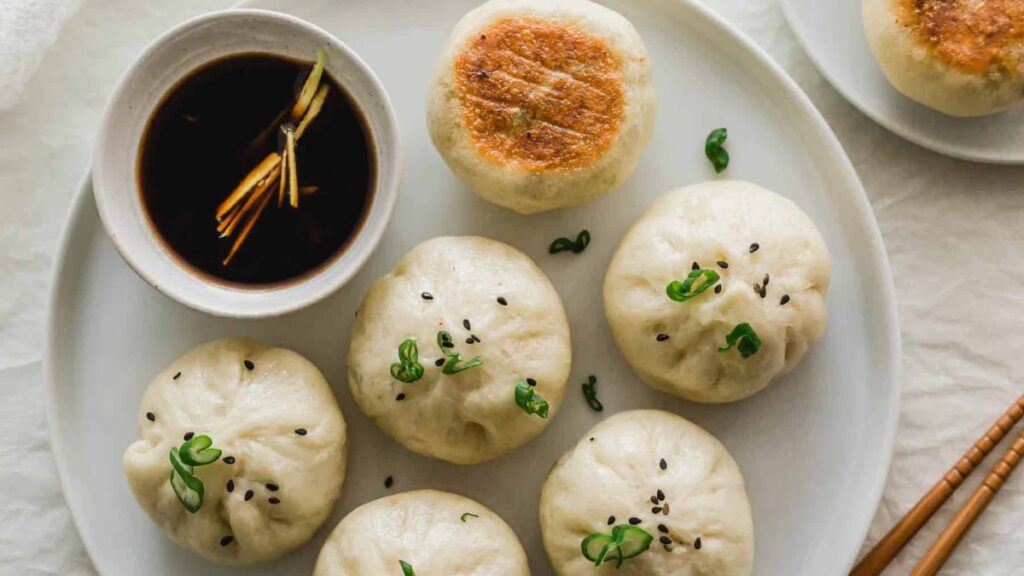
Don’t miss shengjian bao for breakfast or a quick snack! The bottom is crisp and golden, the top is soft, and it encases juicy pork and piping hot soup.
Yang’s Dumplings is the place to go. You’ll also find them being sold from street stalls and on Yunnan Lu, Shanghai’s famed food street. Several locals take a few with wontons as an afternoon snack.
Hong Shao Rou (Red-Braised Pork Belly) — Comfort in a Bowl
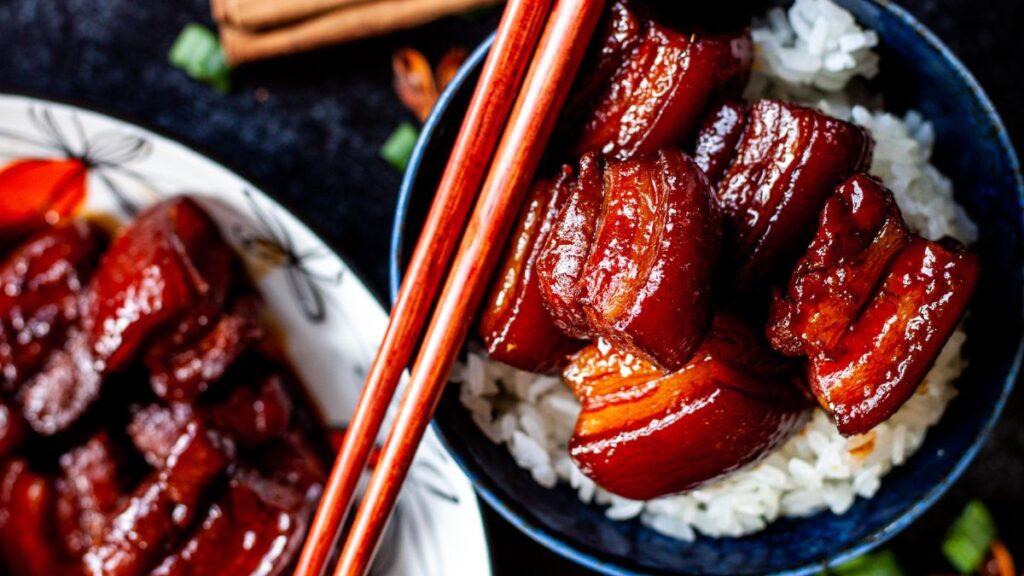
Hong Shao Rou is pork belly braised in soy, sugar, and rice wine until it’s tender, glossy, and sweet. It’s on many menus, but Old Jesse Restaurant in the French Concession makes a particularly well-balanced version. You will love Red braised pork belly for its melt-in-your-mouth texture and rich flavor.
Drunken Chicken — A Taste of Tradition
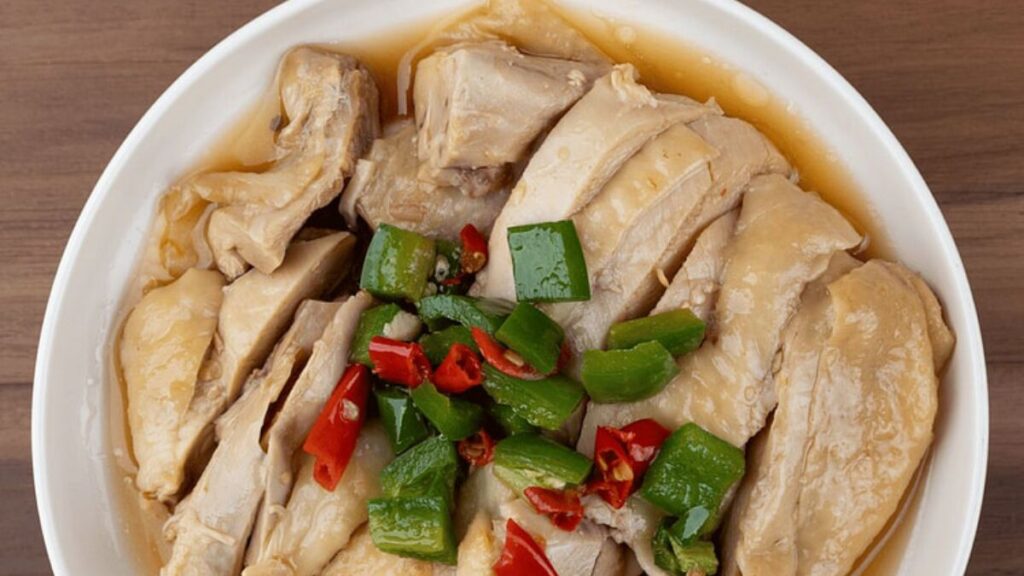
Drunken chicken is a cold chicken soaked in Shaoxing wine. It’s dense, aromatic and incredibly flavorful. For the genuine article, head to Jesse Restaurant or Chun Restaurant.
Lion’s Head Meatballs — Tender and Symbolic

Lion’s Head Meatballs are big pork meatballs, slow-cooked with cabbage. The broth is light and the meat is soft. Fu 1039 serves a top-notch version in a charming villa setting. You’ll spot these on menus across Shanghai.
Sweet and Sour Mandarin Fish — A Jiangnan Classic
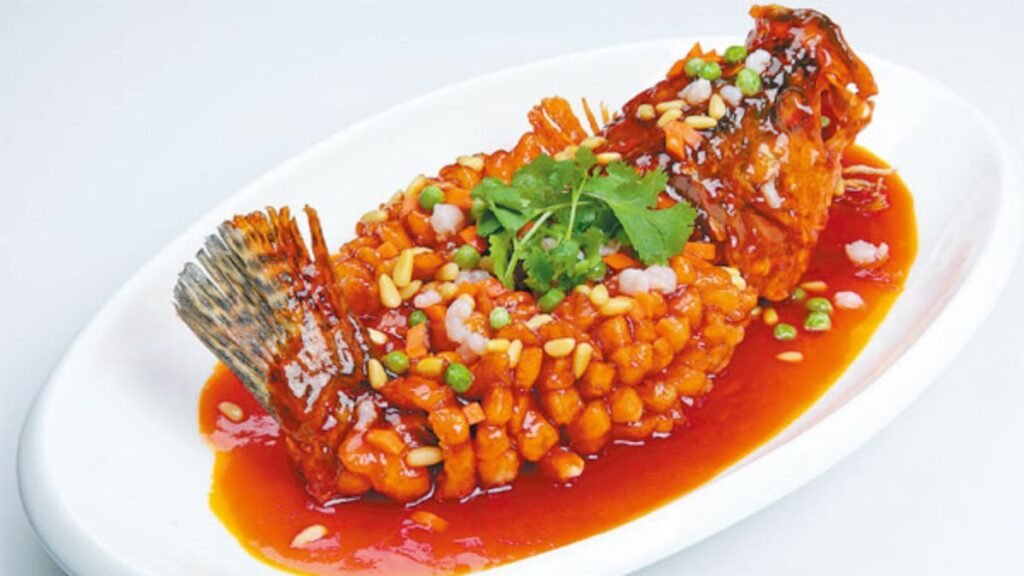
Sweet and Sour Mandarin Fish is a whole fish, scored and fried crisp, then drenched in sticky sweet-and-sour sauce. Lao Ji Shi’s rendition is particularly delicious and “squirrel” shaped. You can get it at various local establishments.
Hairy Crab (Seasonal Delight) — Autumn’s Crown Jewel
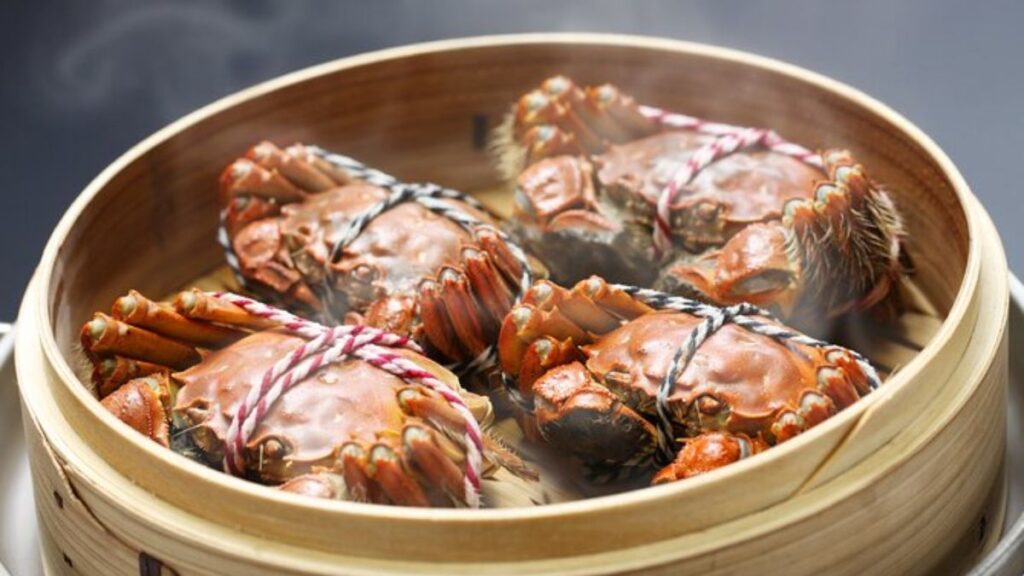
Yangcheng Lake hairy crab is in its prime from October to December. The roe is creamy and the meat is mild. Cheng Long Hang Crab Palace is where to go for a proper crab banquet. For something else to munch on, sample jianbing, which is pancake-like street food, or some stir-fried rice cakes with greens at a street stall.
Explore Shanghai’s Food Culture Like a Local
Shanghai’s food scene is steeped in deep roots and even deeper daily rituals. Benbang cuisine, the city’s native fare, began in the Ming and Qing dynasties. It’s the youngest of China’s top ten cuisines but has rapidly secured a firm niche with its combination of Cantonese, Jiangsu and Zhejiang influences.
What stands out is how the city’s people eat! Many skip the fancy restaurants for family-run spots or street vendors where the real flavors shine.
Tips for Exploring Shanghai’s Food Scene
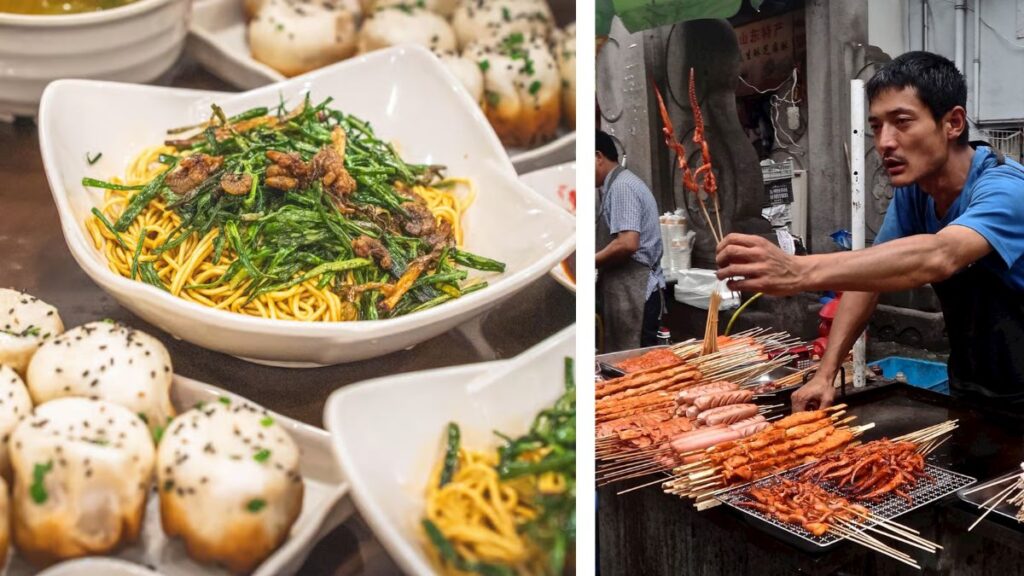
A guided food tour will save you time and help you learn more about what you eat. These tours frequently visit local markets and small restaurants that you’d otherwise overlook. You get to sample stuff such as Xiaolongbao (steamed pork-and-soup filled dumplings with ginger and dark vinegar). Guides can tell you how Shanghai’s food varies with the seasons when hairy crabs are fresh or shengjianbao buns are primo.
Start your day like a local. Grab breakfast from a street stall. Typical breakfast items are warm soy milk, youtiao (fried dough sticks), and sticky rice rolls. These are fast, affordable meals packed with taste. Find the best stalls tucked away in side alleys, away from the tourist hordes.
Locals will say to avoid the tourist ghettos. Instead, stroll over to food streets like Yunnan Lu which is famous for its snacks and dishes. If you want the freshest food and a lively setting, visit during meal times from 11:30 to 13:30 or 18:00 to 20:00. As you eat, be sure to hold both hands out when receiving dishes and do your best not to waste food.
Stay Connected in Shanghai: Plan Your Internet Connectivity with Ubigi eSIM

Being online as you explore keeps you on top of great hidden food finds. You can check maps to track down hard-to-find dumpling shops, read reviews and translate menus on the spot. It’s simple to share your food finds in real time with solid information.
Thanks to Ubigi eSIM, you are able to purchase and activate a data plan the moment you arrive in China. Forget trying to find a SIM card shop or lose your number. It’s all taken care of within the Ubigi app, so you can get started with just a few taps.
Depending on your situation, choose from Ubigi’s eSIM plan options for China:
- For stays of less than one week: 1GB or 3GB (if you are a light user) or otherwise a seven-day unlimited plan (for heavy data users)
- For stays of two weeks: 10GB
- For stays of one month: 25GB or a 30 day unlimited plan
- If you plan to travel to several countries in Asia: “Best Asia” data plans or “Asia” data plans (depending on the countries you plan to visit)
For a little less hassle, download and turn on your Ubigi eSIM before you land in Shanghai. Begin your culinary quest the second you step off the plane.
Conclusion
Shanghainese food delivers bold flavors and uncomplicated happiness to your plate. You’ve got tender baos with meaty broth, brown sugar soy on fresh fish, and crackly cooked greens. Every meal reflects the city’s passion for equilibrium and artisanry.
There’s no need to learn every name on the menu. Begin with a couple of old standbys, like xiaolongbao or red-braised pork. To sample street snacks or share a table at a small joint, there’s a comfort in each mouthful, whether you share with friends or dine solo and adventurous.
Come on, dive into Shanghai’s tastes. Post your food tales or trade advice with other members. Let your next meal be the beginning of a new flavor journey.
We hope that this “Experience authentic Shanghai cuisine” article helped you prepare your trip !

Frequently Asked Questions
What makes Shanghai cuisine unique?
Shanghai cuisine is characterized by its sweet and savory flavors, fresh ingredients, and the use of soy sauce, sugar, and rice wine. You’ll frequently encounter mildly cooked, delicately flavored fare.
Which dishes should you try when visiting Shanghai?
Taste xiaolongbao (soup dumplings), braised pork belly, and Shanghai-style noodles. These dishes emphasize the city’s flavorful culinary history. Residents and tourists adore them alike.
Is Shanghai cuisine spicy?
The majority of Shanghai dishes are not spicy. They emphasize mellow, sweet, and umami flavors. If you like things mild, then Shanghai food is just right for you.
Where can you find authentic Shanghai food?
Shanghai food places in Shanghai and many cosmopolitan cities have Shanghai restaurants that serve the classic food.
Are vegetarian options available in Shanghai cuisine?
Yes, there are a lot of veggie choices. Of course, you can order vegetable sides such as stir-fried broccoli, tofu with mushrooms, or vegetarian dumplings. They are very tasty.
What ingredients are commonly used in Shanghai dishes?
You’ll spot things like freshwater fish, shrimp, pork, soy sauce, sugar, and rice wine a lot in Shanghai cuisine. These ingredients assist in forming its hallmark flavors.
How can you explore Shanghai’s food culture like a local?
Go to food markets, family-run restaurants, little mom and pop places, and street food. You can taste the local daily life.
How to enjoy unrestricted Internet access in China?
Book a Ubigi eSIM Internet plan for China and bypass local restrictions to enjoy Google or your favorite apps.








 How to check eSIM compatibility
 How to check carrier unlocking