


Key Takeaways
- Festival Inti Raymi in Peru, a resurrected 15th century Inca Festival of the Sun on 24 June in Cusco, celebrates the agricultural cycle and pays homage to the sun god Inti. Schedule your visit around this set date to catch the principal festivities.
- The important festival travels from Qorikancha to Plaza de Armas and concludes at Sacsayhuamán with massive reenactments and offerings. Purchase tickets beforehand for reserved seating at Sacsayhuamán.
- Anticipate packed and blazing high-altitude sun at around 3,300 meters, so reserve rooms ahead of time, acclimatize, slap on sunscreen, hydrate, and don a hat.
- Inti Raymi celebrates Peru’s indigenous heritage with hundreds of performers dressed in traditional attire. It is a culturally authentic experience you can complement with day trips to Machu Picchu and the Sacred Valley.
- Make sure you have a reliable mobile data connection while getting around Cusco so you can stay up to date with festival news and keep digital copies of your tickets and emergency contacts accessible. Consider purchasing a Ubigi eSIM data plan for your trip.
- To maximize your trip, book accommodations and transportation well in advance. Pre-purchase festival passes. Arrive with enough time to adjust to altitude and time difference. Follow travel apps and maps for on-the-ground direction.

Introduction
Inti Raymi Peru festival is the traditional Inca winter solstice Sun god festival and it takes place every June in Cusco. Often described as the annual Inca festival of the Sun, it reflects traditions of Inca sun worship and marks what many consider the Inca New Year according to the agricultural cycle. You experience the Andean cosmology, music and ritual as they don woven robes, bear offerings and enact staged ceremonies at Sacsayhuamán.
It is an event that attracts locals and travelers who appreciate culture and displays of heritage. The remainder of the post details Inca history, logistics, and how to attend respectfully.
What is Inti Raymi?
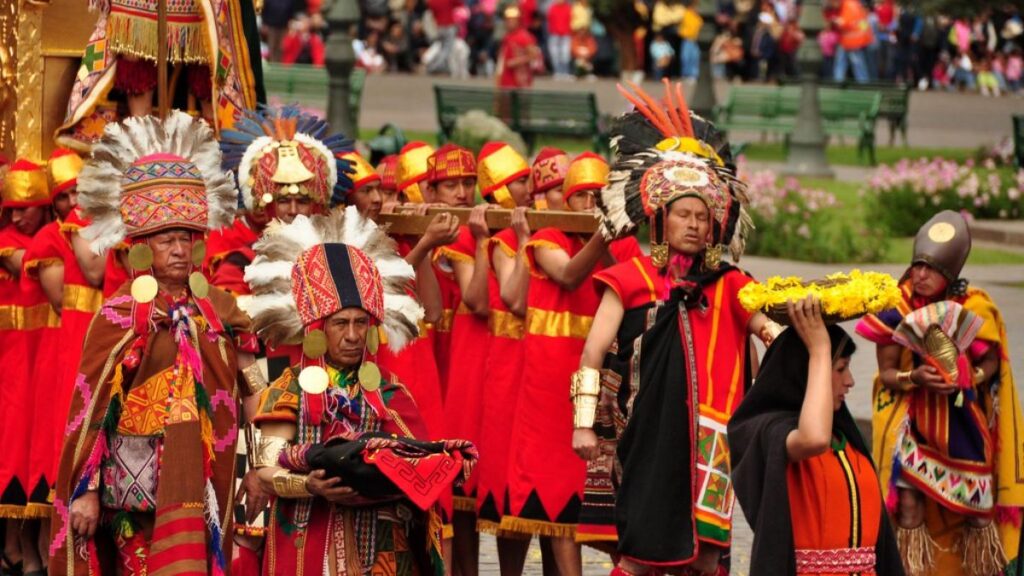
Inti Raymi, or “Festival of the Sun” in Quechua, was the grandest religious ceremony of the Inca Empire and an ancient Inca ceremony closely linked to the Inca calendar and agricultural seasons. It celebrated Inti, the sun god believed to provide warmth, light, and crops, and the winter solstice in the Southern Hemisphere as the beginning of a new agricultural cycle. It was a core state ritual linked to planting, harvest aspirations, and political legitimacy for the Sapa Inca.
Inti Raymi was one of the most important expressions of Inca religion and reflected many traditional Inca customs related to agriculture, community, and seasonal renewal.
History of Inti Raymi
The annual festival was established by the Inca king Pachacutec in the 15th century amid broader religious transformation. Under the Tahuantinsuyo Empire, it became their biggest yearly festival, originally lasting nine days with vibrant dances, processions, and animal sacrifices to thank Pachamama and request abundant yields. Modern reenactments instead feature a symbolic sacrifice that preserves the ritual meaning while respecting contemporary values.
Historically, the ritual took place at three ancient and natural sites in and surrounding Cusco, with more than 800 performers donning traditional costumes and participating in rituals, dances, and dramatized ceremonies connecting the palace, the temples, and sacred landscapes.
Spanish colonists and Catholic clergy outlawed Inti Raymi following the final ceremony with the Inca emperor in 1535. The public ritual died out for centuries, while local culture memory and clandestine celebrations endured. A legitimate historical reconstruction was staged in 1944 by Faustino Espinoza Navarro and native actors, reviving a public display that sought to recapture ritual and visual pageantry while excising sacrifice.
The Festival Today
Today Inti Raymi is enacted on June 24, through a series of Inti Raymi ceremonies, music, dance, and theatrical reenactments that attract thousands of visitors. the winter solstice, as a main event combining music, dance, and theater. The contemporary iteration attracts thousands of tourists and locals to Cusco festivities, set primarily at Sacsayhuamán and the Plaza de Armas, with large casts in period dress.
In 2001, Peru made Inti Raymi part of its cultural patrimony and an Official Act of National Identity, acknowledging its place as part of national memory and cultural tourism.
When and where does Inti Raymi take place?
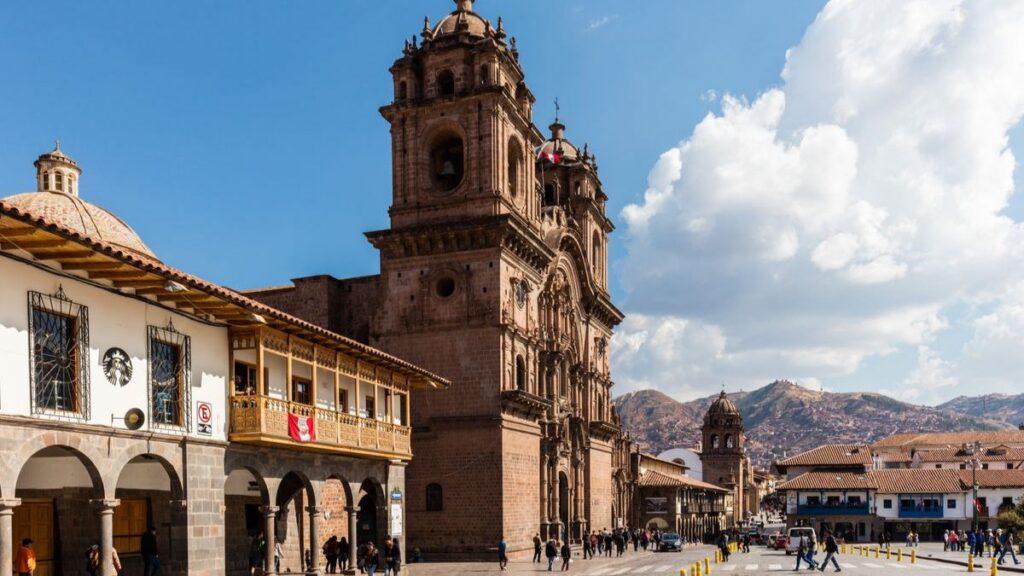
Inti Raymi is celebrated annually on June 24 in Cusco, Peru, to coincide with the Southern Hemisphere winter solstice. Its modern fixed date tracks to an older Inca observance, circa June 21, the year’s shortest day. The ceremony occurs at three connected sites in Cusco, so you have a defined itinerary should you attend.
Qorikancha (Temple of the Sun)
The famous Peru sun festival begins at Qorikancha, the ancient Temple of the Sun, now partly the Convent of Santo Domingo. At about 9:00 am, the opening ceremony starts, with the actor playing the Sapa Inca greeting the rising sun and offering blessings in Quechua, the Inca language.
You’ll witness ritual objects, incense, and symbolic movements used to plead to Inti God, for a favorable agricultural season. It’s a tight space near Cusco’s old center, so getting there early secures you the best view.
Plaza de Armas
Around 10:30 am the traditional event moves to Plaza de Armas. A grand procession escorts hundreds of performers adorned in colorful costumes inspired by Inca traditions, creating one of Peru’s most impressive cultural performances. Musketeers play traditional wind and percussion instruments as dancers re-enact rites and royal pageantry.
Anticipate diverse tableaux, including warrior groups, noble retinues, and farmers, each representing segments of the ancient Inca social structure. It’s crowded and colorful, so if you’re looking for photographs, stand on the cathedral side for an unobstructed view.
Sacsayhuamán Fortress
The grand finale happens at Sacsayhuamán, the large fortress above Cusco, with the central ceremony scheduled for about 1:45 pm. Thousands assemble on terraces and in designated public areas.
Entrance on June 24th is free to Peruvians and foreigners alike. On the agenda are the principal offerings to Inti, theatrical plays, and closing blessings. The site’s magnitude allows the ritual space to open up visually and sonically, so be ready for extended walking and chilly winds at altitude.
Why is Inti Raymi so special?
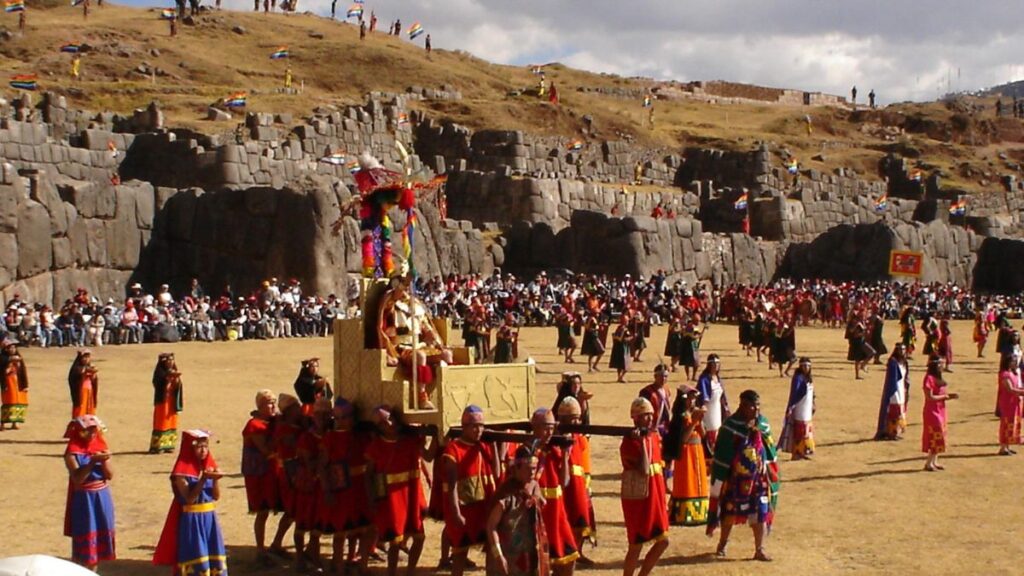
Inti Raymi is a tangible connection to Peru’s native soul and enduring heritage. Pachacutec set the original ceremony in 1430 AD as a winter solstice rite, and the contemporary festival reenacts that essential ritual. Declared part of Peru’s cultural patrimony in 2001, Inti Raymi links legal protection to profound communal significance. When you participate, you’re witnessing a preserved slice of national legacy animated.
Today the celebration preserves ancient Inca heritage through storytelling, dance, music, and public ceremonies.
It re-enacts one of the Andean world’s most important ceremonies in ritual, music, and dance. It’s conducted in Quechua, the Inca Empire’s language, which adds cultural weight and keeps a living tongue at the center of the performance. In rituals, symbolic steps express the connection between human beings and the sun and the earth. You’ll hear reed flutes and drums, witness offerings to earth and sky, and see choreographed steps that trace seasons and crops.
Merging History and Theater
Staging mixes history and theatrical proportion. With over 700 actors and performers filling the main reenactment and with dancers, musicians, and extras, the procession reaches over 1,000 participants. Costumes are hand-made, inspired by Inca motifs and local fabrics, so the visual richness is genuine and tangible.
The Qolla, sacred female, is presented side by side with male roles to reflect Andean duality and balance of the cosmos. That gendered symmetry isn’t stagecraft; it’s core significance you can witness in the dances and seating order on the plaza.
Inti Raymi magic has survived across centuries, finding a place in contemporary environments without sacrificing its symbolic essence. It transitioned from ritual elite practice to a public festival that draws thousands annually. For most Peruvians, the ceremony is a powerful link to their ancestors; public festivities are a moment to assert identity, and for you, it presents a golden opportunity to experience history, faith, and community all in one spot.
Tips for attending Inti Raymi
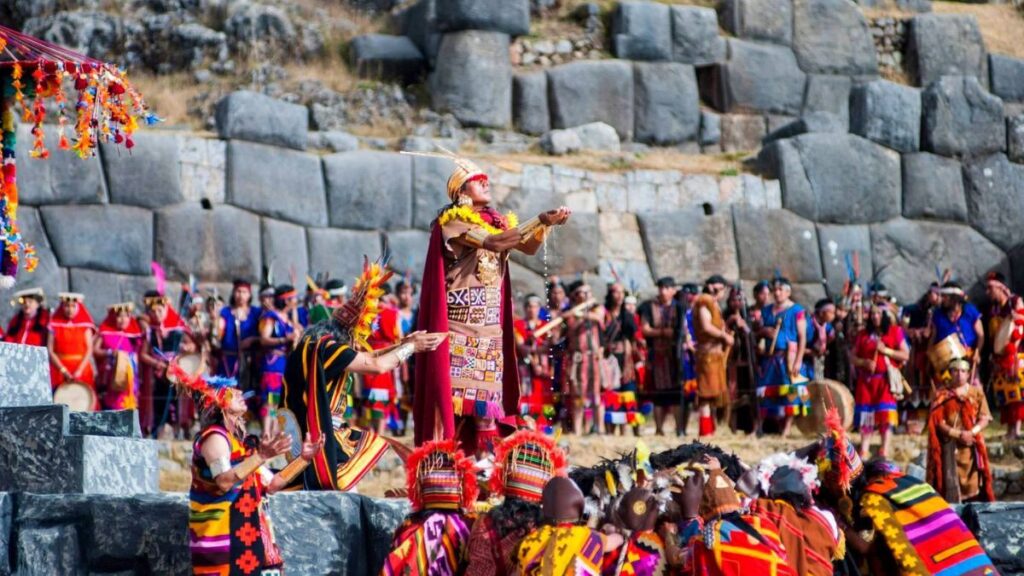
Inti Raymi attracts big mobs and preparation. Book your accommodation two to three months in advance as Cusco books up quickly in June. If you want reserved seating at Sacsayhuamán, buy official Inti Raymi tickets ahead of time and print or download confirmations.
Show up two to three hours early to get through security and secure a good location. The mornings are chilly and people start queuing up very early!
Dress in layers. Mornings are near freezing, but by mid-day it heats up quickly in the high-altitude sun. Dress in layers with a base layer, a warm mid layer, and a light shell you can remove.
Pick comfy shoes and a mini day pack for your necessities. Bring sunscreen, a wide-brim hat, and sunglasses as UV is strong at about 3,300 to 3,400 meters even in June. Put on sunscreen before you leave and reapply as often as necessary.
Prepare for the Altitude
Altitude is a factor for most visitors. Arrive in Cusco 48 to 72 hours before any demanding activity to assist acclimatization. Hydrate, hydrate, hydrate, and sip water throughout.
Don’t crash with heavy alcohol or foolhardy workouts on your first day. Pack some salty snacks and small, high-calorie foods to maintain blood sugar because hunger and dehydration exacerbate altitude symptoms.
Practical on-site tips include bringing a refillable water bottle, hand warmers for early hours, and a compact rain layer just in case. Travel light but bring basic medications for headaches and nausea.
Honor the ceremony and local customs by not disturbing performers, entering roped-off areas, or obstructing others’ view. Snap some candid shots and obey directions from event personnel and the police.
Most travelers pair Inti Raymi with Machu Picchu and the Sacred Valley. Utilize the ancient festival as a hub for additional travel, but schedule transit and tickets in advance or face sold out trains and tours.
Stay Connected in Peru

Use Ubigi eSIM which is fast, reliable and makes traipsing through Cusco, booking travel and sharing Inti Raymi memories easier. Street closures and dense crowds can wreck plans. Having maps and messaging that work all day helps you find friends and reroute on the fly.
With a Ubigi Peru eSIM, you steer clear of expensive roaming fees and bypass local SIM queues. Activate the eSIM on your arrival directly from the app so you’re covered on landing. An eSIM gives you strong coverage and keeps your maps, ride apps, and messaging humming throughout long days at the plazas, festival grounds… Even while you wander the Sacred Valley (Pisac, Ollantaytambo, and Moray), where cell coverage fluctuates !
It allows you to access emergency info or call for help in case someone exhibits altitude sickness symptoms.
Stay Connected in peruvian land. Use travel apps and online maps to discover ceremonial sites, entrances and live festival updates. Keep connected in Peru : save offline map areas for Cusco and the routes to Sacsayhuamán.
Share photos and videos to document the public celebration and inspire other culture lovers. Plan storage and upload habits: shoot in bursts, back up to cloud when you have Wi-Fi, and tag locations later if you prefer privacy.
Conclusion
Inti Raymi provides the sun, the music, and the crowd that keeps the past alive. You feel bright costumes, hear drums, and smell smoke from the ritual fires. You’re walking on centuries-old stone and you sense the magnitude of the occasion. As one of the most important Andean celebrations, Inti Raymi continues to preserve an important Andean ritual while connecting visitors with centuries of cultural history.
Whether you attend a single event or enjoy the full Inti Raymi experience across Qorikancha, Plaza de Armas, and Sacsayhuamán, you’ll gain a deeper appreciation for the traditions that continue to shape modern Peru. Cusco proudly continues to host the Festival Inti Raymi in Peru, preserving one of South America’s most significant cultural celebrations.
If you’re looking for a unique cultural adventure in South America, Inti Raymi deserves a place at the top of your travel bucket list. Let’s get to date planning with Ubigi eSIM data plans and this Travel Guide for the Peru!

Frequently Asked Questions
What is Inti Raymi and why should I see it?
Inti Raymi Peru is a powerful cultural display, featuring colorful ceremonies and historical reenactments that transport you into Andean heritage.
When is Inti Raymi held each year?
Inti Raymi is an annual celebration that takes place on 24 June, the winter solstice in the Southern Hemisphere. Book travel and tickets early.
Where does the main Inti Raymi celebration take place?
The grandest party is in Cusco, Peru, particularly at Sacsayhuamán fortress. Anticipate big crowds and official ceremonies.
Do I need tickets to attend Inti Raymi?
Yes. Official ceremonies need tickets and they sell quick. Purchase from official sellers or the Cusco tourism office to bypass scams.
Is Inti Raymi suitable for families and children?
Yes. While the festival is family-friendly, it’s busy. Hold on to your kiddos, establish rendezvous points, and bring sunscreen and water.
How should I prepare for altitude and weather during Inti Raymi?
Cusco is elevated at approximately 3,400 meters. Acclimate for one to two days, drink plenty of water, take it easy, and wear layers for changing mountain weather.
Can photographers and drones be used at Inti Raymi?
Photography is generally permitted, and drones are frequently prohibited. Review local regulations and honor artists and official signs.







 How to check eSIM compatibility
 How to check carrier unlocking