


Summary
Key Takeways
- Keep track of the complete Formula 1 Grand Prix Schedule to plan your travels among 22 grand prix weekends and cluster together neighboring races to minimize time on the road and expenses.
- Anticipate double and triple headers to stress logistics, so book flights, hotels, and tickets early to be disruption-free.
- For bucket-list circuits like Monaco, Silverstone, and Spa, get organized early with official ticket outlets or packaged tours for easier planning.
- Pack smart: ear protection, rain gear, chargers, and an eSIM like Ubigi for immediate connection and trusted coverage in over 200 destinations.
- Compare ticket types and hospitality packages to fit your budget and experience preferences. Purchase travel insurance for cancellations or unforeseen events.
- Connect with F1 fan communities and leverage official apps for live timing, local tips, and meet-up coordination to maximize your race weekends!

Introduction
Race dates, locations, and start times for the season. You receive a transparent schedule of grands prix, practice and qualifying sessions, and race weekends in local and UTC times. The schedule lists circuit names, countries, and any double-headers. Consult the schedule to arrange trips, organize watch parties, or navigate race coverage. The body dissects highlights, changes, and planning advice.
Formula 1 Grand Prix Schedule 2026

The tentative 2026 Formula 1 calendar features a 22-race season across five continents, combining iconic street circuits with permanent venues. While some dates are confirmed, the full FIA calendar is still pending. Expect classic races such as Monaco, Singapore, Silverstone and Monza, with the schedule designed to improve travel efficiency.
Pre-season testing is expected to take place in Bahrain from 21–23 February and 25–27 February, offering fans an opportunity to experience the new cars before the championship begins.
The calendar includes several double and triple headers, making careful planning essential. Consecutive European races are ideal for multi-race trips, while the Bahrain and Saudi Arabian Grands Prix can easily be combined into a single Middle East itinerary to reduce travel costs.
Sprint weekends are expected at selected events, including China, Miami, Canada, Britain, the Netherlands and Singapore. These formats alter the traditional race weekend schedule, making it worthwhile to check ticket options before booking.
The 2026 season also introduces a new generation of Formula 1 cars powered by revised hybrid engines with greater electrical power, bringing a fresh technical era to the sport.
To simplify your planning, keep a table of race dates, locations, ticket release windows and visa requirements. Booking flights, accommodation and grandstand tickets as soon as sales open often provides the best prices, especially for popular events. Official Formula 1 travel guides and mobile apps are excellent resources for schedule updates, circuit information and recommendations for nearby attractions, helping you make the most of every Grand Prix weekend.
The Ultimate F1 Travel Guide
A carefully crafted F1 trip is what separates a race from an experience. Below are real-world tips, comparisons, insurance advice and a bucket list to help you pick the perfect GP and make every session, from practice to the chequered flag, a joy.
1. Albert Park
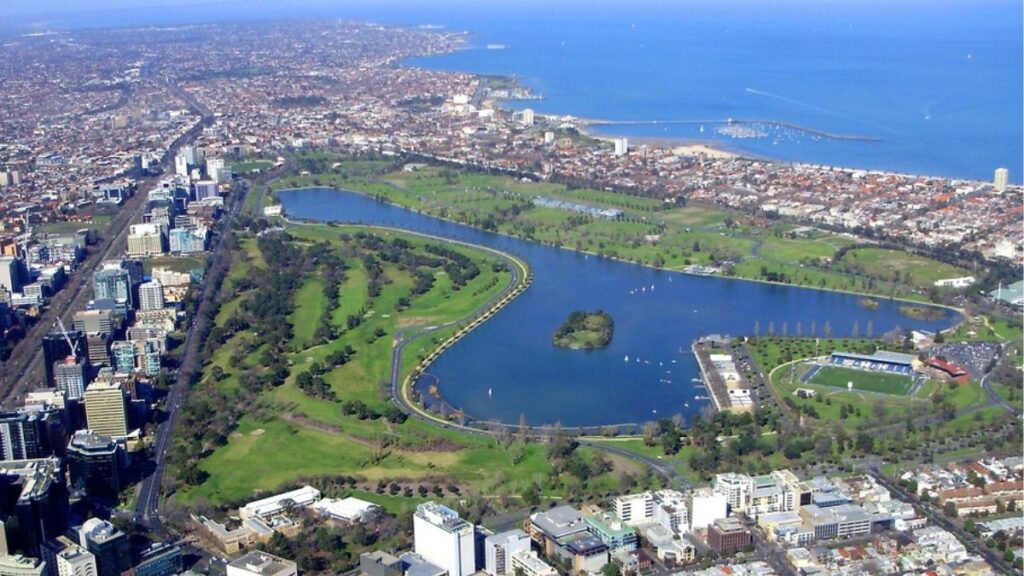
Melbourne’s Albert Park combines Formula 1 with a vibrant city atmosphere. The temporary lakeside circuit offers excellent viewing opportunities and a lively festival feel, making it one of the most accessible races on the calendar. While you’re there, explore the colourful laneways, cafés and street art of Melbourne’s CBD, or take a scenic drive along the world-famous Great Ocean Road.
2. Suzuka
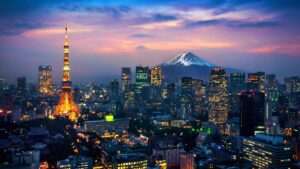
Suzuka is one of Formula 1’s most iconic circuits, renowned for its unique figure-eight layout and demanding high-speed corners that test even the world’s best drivers. Away from the circuit, visit the nearby Ise Grand Shrine, one of Japan’s most sacred sites, or enjoy Suzuka’s famous cherry blossoms if you’re visiting in spring.
3. Marina Bay
Singapore’s Marina Bay Street Circuit transforms the city into a spectacular night-time racing venue. The illuminated skyline and energetic atmosphere make it one of Formula 1’s most visually stunning events. Between sessions, stroll through Gardens by the Bay, admire the Marina Bay Sands skyline, and discover Singapore’s famous hawker centres for authentic local cuisine.
4. Monaco

The Monaco Grand Prix is the pinnacle of Formula 1 prestige. Its narrow streets, luxury yachts and glamorous surroundings create an atmosphere unlike any other race on the calendar. Take time to visit the Casino de Monte-Carlo, the Prince’s Palace, and the picturesque harbour lined with some of the world’s most impressive superyachts.
5. Spa-Francorchamps
Nestled within Belgium’s Ardennes Forest, Spa-Francorchamps is famous for its dramatic elevation changes, unpredictable weather and the legendary Eau Rouge corner. Explore the charming town of Spa, known for its thermal baths, or venture into the surrounding Ardennes for hiking, castles and beautiful countryside.
6. Silverstone
As the birthplace of the Formula 1 World Championship, Silverstone is steeped in motorsport history. Its fast, flowing corners consistently produce thrilling racing. Visit the Silverstone Museum to experience British motorsport heritage, or explore nearby Oxford, renowned for its historic university and beautiful architecture.
7. Interlagos
Interlagos is celebrated for passionate Brazilian fans, unpredictable weather and unforgettable championship battles. Its anti-clockwise layout regularly delivers exciting overtaking and dramatic finishes. Complement your visit by discovering São Paulo’s vibrant food scene, the São Paulo Museum of Art (MASP), and the colourful Beco do Batman street art district.
8. Monza

Known as the Temple of Speed, Monza has hosted Formula 1 since the championship’s earliest days. The passionate Tifosi create one of the sport’s most electric atmospheres, especially when Ferrari competes. Stay in nearby Milan to experience its world-class shopping, the magnificent Duomo di Milano and Leonardo da Vinci’s The Last Supper, or enjoy a day trip to beautiful Lake Como.
9. Circuit Gilles-Villeneuve
Located on Île Notre-Dame, Montréal’s Circuit Gilles-Villeneuve combines fast straights with enthusiastic crowds and a relaxed festival atmosphere. Spend your evenings exploring Old Montréal, sampling the city’s renowned restaurants, or climbing Mount Royal for panoramic views across the city.
10. Yas Marina
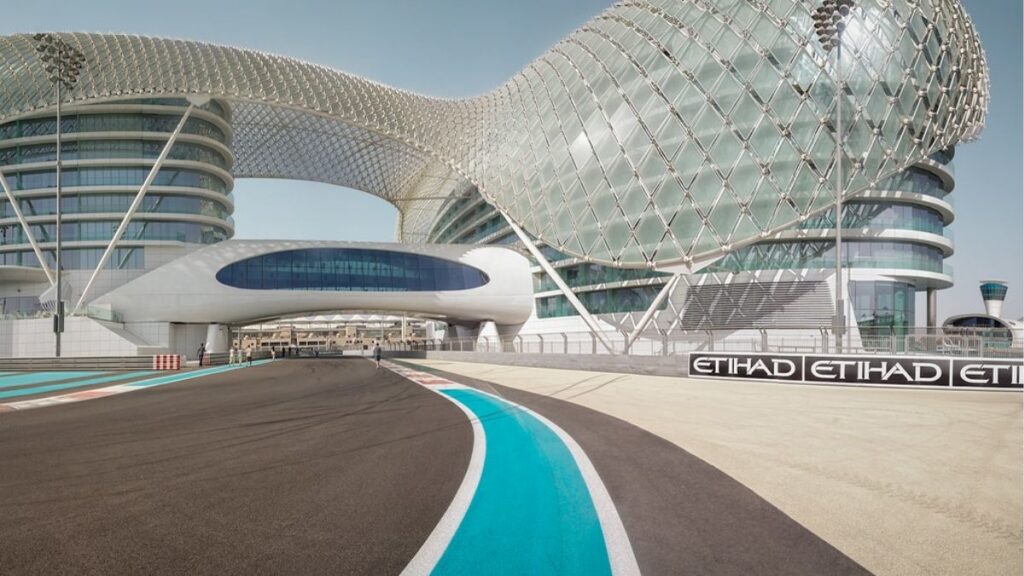
Yas Marina offers a modern Formula 1 experience, combining luxury hospitality with a spectacular twilight race that finishes under floodlights. Beyond the circuit, visit Ferrari World Abu Dhabi, Yas Waterworld, or the magnificent Sheikh Zayed Grand Mosque, one of the UAE’s most iconic landmarks.
| Ticket Type | Experience | Best For | Typical Cost Range (USD) |
|---|---|---|---|
| General Admission | Flexible, track-walk areas | Budget fans | 50–200 |
| Grandstand | Reserved seating, views | Photo and race aficionados | 150–600 |
| Hospitality | VIP access, premium seats | Luxury experience | 800–5000+ |
How to Plan a Multi-Country Formula 1 Trip
A multi-country F1 trip requires a defined structure prior to booking anything. Plan your multi-country Formula 1 trip around can’t-miss circuits, give yourself buffer days before the on-track action, and incorporate time to experience local culture so the race weekend doesn’t fly by in a blur.

Budgeting
- Flights: Long-haul and intra-Europe or intra-Asia flights vary. Estimate €300 to €900 per transcontinental leg and €50 to €250 for short hops.
- Hotels: €80 to €400 per night depending on city and proximity to the circuit.
- Tickets: Grandstand seats range from €100 to €1,000 and paddock or hospitality passes cost much more.
- Local transport and food: Budget €50 to €150 per day.
- Set a per-leg ledger and record each expense in a straightforward spreadsheet or app.
- Early-bird specials and packaged F1 vacation deals can save you money on accommodations and tickets if you book months in advance.
- Purchasing tickets early scores you priority access at the best grandstand seats or paddock club upgrades. The best seats go quickly.
- Reserve 10 to 20 percent of your budget as a contingency fund for late changes, medical needs, or upgrades.
Booking
Get your tickets, flights, and hotels as early as possible, as soon as the calendar comes out. Book through official F1 ticketing partners or reputable travel agencies to be safe.
Verify cancellation policies and purchase travel insurance that includes delays, medical treatment, and event changes. Consolidate all confirmations in one place. Download PDFs and maintain a synced folder, and print out a copy for each leg. Schedule to get there at least a day prior to practice sessions to get settled and avoid rush hour transit to the track.
Packing
Earplugs, sunscreen, rain gear and good shoes are musts. Travel light and use packing cubes to move between nations at speed. Bring portable chargers, eSIM/local SIM options, and a power bank for those long days trackside. Check the weather and dress codes for Monaco, Monza, Barcelona, or other stops and layer accordingly. Leave room in your bag for souvenirs.
Race Weekend Connectivity

Race weekends cram more track action and more digital demands. You require reliable internet for live timing, team radios, maps, ticketing and social feeds. Sprint weekends throw in more sessions on Friday and Saturday. Double and triple headers mean you’re shuttling between events under time constraints.
With European rounds, teams can truck their additional gear, but flyaway events require teams to ship extra equipment by sea months in advance. Anticipate unreliable venue Wi‑Fi and prepare your own connection.
Stay connected throughout Race Weekend with a Ubigi eSIM. Fire up your Ubigi plan pre-departure and save swapping SIMs on arrival. Coverage extends to over 200 destinations, so you’re connected from Europe to Asia and the Americas. Top up inside the app if you need more data and avoid high roaming bills that can spoil a long 21-country, five-continent season.
Download official F1 apps to receive live timing, session schedules, circuit maps and event alerts. Those apps are tiny but data-intensive during high moments like qualifying or Sprint starts. With Ubigi you will stream timing and quick-hit clips, access seating charts, and display e-tickets without lag. Take advantage of ride-hailing connectivity to and from the circuit, or to track real-time travel status between consecutive weekends.
Practical setup: Buy and install the eSIM before airport departure, confirm coverage for the country on race weekend, and preload the F1 app and your ticketing and ride apps. If you anticipate long flyaways, schedule additional data because on-site networks bog down when tens of thousands get online.
For European races, you could probably get away with local mobile service a bit easier, but hold on to the eSIM as backup. Race Weekend Connectivity – Have your connectivity ready for quick turnarounds for the 2026 season start, beginning with a double header.

Conclusion
So you’ve got the 2026 race dates, travel tips and ways to stay connected across countries. Utilize the schedule to select a collection of races that accommodate your schedule and budget. Book flights and lodgings well in advance. Choose one city as your base for nearby races to minimize transit time and cost. Pack a small kit: power bank, global SIM or eSIM, travel adapter, light rain jacket, and comfy shoes.
Get involved with local fan groups and official race apps for live updates, transport alerts, and meetups. Get ready for gate lines and noisy nights by circuits. Schedule down days between races to prevent burnout. Ready to nail down your first race? See tickets and travel options today! Stay connected at every Grand Prix with Ubigi!
Frequently Asked Questions
How can I find the official Formula 1 Grand Prix schedule for 2026?
Visit the official Formula 1 website or the F1 app. They have the complete calendar, session times, and updates. Use the app for live updates and schedule changes.
When should I buy tickets to get the best price and seats?
Purchase when tickets become available. Early buys secure better seats at lower prices. Check out hospitality packages if you’re after assured sights and amenities.
How do I plan travel between multiple F1 race countries?
Book open flights and take trusted trains or regional flights between neighboring countries. Space the races at least two travel days apart to prevent postponements.
What visa or entry requirements should I check?
Verify each host country’s official government immigration site for visa policies, passport validity, and COVID restrictions. Get in early on those visa applications and maintain digital copies.
How can I stay connected during race weekends abroad?
Purchase a local eSIM or an international roaming plan prior to departure. Access streaming and live timing via mobile hotspots or venue Wi-Fi. Bring a portable charger.
What should I pack for a Grand Prix weekend?
Pack ear protection, sunscreen, light waterproof jacket, comfortable shoes, ID and digital copies of tickets. Bring a compact binocular for that close-up race track experience.
How do I follow live timing and TV coverage if I can’t attend?
Turn to the F1 app for live timing and team radio. Subscribe to official broadcasters or F1’s streaming service in your country for live races and highlights.





 How to check eSIM compatibility
 How to check carrier unlocking