


Key Takeaways
- London Fashion Week is the world’s biggest scene-setting seasonal event, highlighting the best of the established and the new. Follow the calendar in February, June, and September for big reveals and trend predictions.
- LFW’s program is driven by the British Fashion Council and supports responsible luxury and sustainable collections. Expect to see eco-conscious shows and inclusive design designers.
- Events blend iconic venues and unconventional spaces, generating everything from central catwalks to after hours off-going receptions where you can network and collaborate.
- Digital presentations and livestreams make LFW accessible globally. Check out the official LFW site and social channels to stream shows and explore designer showrooms remotely.
- Street style, cultural collaborations, and varied voices defined LFW’s identity. So anticipate multicultural influences, adaptive fashion, and powerful representation throughout collections.
- Organize your connectivity in advance by purchasing a Ubigi eSIM data plan to view schedules, share live content, navigate venues, and network.

Introduction
London Fashion Week UK is the ultimate biannual runway event, bringing together established names and emerging designers for the latest ready-to-wear collections.
Expect runway shows, presentations, and industry talks that set seasonal trends and influence the world of retail. The event draws buyers, editors, and influencers, creating opportunities for networking, wholesale deals, and extensive press coverage.
Practical details such as schedules, ticketing, and venue locations help you plan your attendance, showroom visits, and brand meetings with ease.
London Fashion Week UK
London Fashion Week is one of the international fashion giants, attracting designers, press and buyers from around the world. As a traveler, you can experience the excitement through public events, street-style moments, digital showcases and fashion-related activities across the city. More than 5,000 industry professionals attend, creating a lively atmosphere around the main venues. The British Fashion Council also supports emerging designers and promotes initiatives around accessibility and sustainability.
Venues have included Somerset House, Brewer Street Car Park and Store Studios, alongside iconic former locations such as the Commonwealth Institute, Duke of York’s Barracks and Olympia. While many shows are industry-focused, visitors can still discover the atmosphere of LFW through public talks, exhibitions, pop-ups and events around London. The programme combines womenswear and menswear, with bold designs, sustainable luxury and creative presentations often defining the experience.
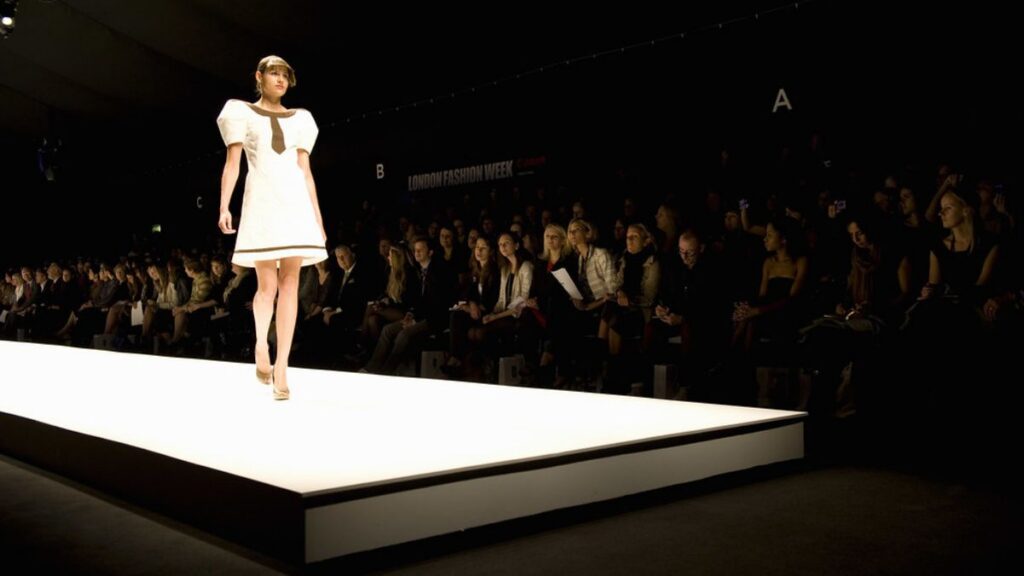
Seasonal Shifts
LFW showcases autumn/winter and spring/summer collections, making February, June and September particularly exciting periods for fashion travelers. During these months, London fills with runway shows, presentations, events and street-style activity.
Sustainability has become increasingly important, with designers experimenting with recycled and low-impact fabrics. Digital schedules and livestreams also make it easier to follow shows when you cannot attend in person. LFW pioneered livestreaming among the Big Four fashion weeks in 2010, giving travelers another way to experience the event while exploring London.
Cultural Roots
LFW began as a platform for British emergent fashion designers and has grown into today’s international event reflecting London’s multicultural character. Various designers such as Vivienne Westwood and Stella McCartney helped shape its distinctive identity, combining fashion with creativity, craftsmanship and social commentary.
For travelers, the experience goes beyond clothing. Art, music and street culture influence shows and installations, while the city itself becomes part of the spectacle. Exploring neighborhoods around event venues lets you experience London spirit, its fashion culture alongside its galleries, restaurants, nightlife and iconic landmarks.
Key Schedule Timetable
London Fashion Week runs twice yearly: February for autumn/winter and September for spring/summer, being the first edition of the season. The week is dense. Main fashion weeks shows typically run from 10:00 to 21:00 with gaps for travel across central London. Schedule about an hour and a half per show in your schedule. Each runway presentation lasts 10 to 20 minutes.
Fridays tend to be when the most high-profile shows occur and the most street-style hustle and bustle happens. Several NEWGEN presentations go on simultaneously, so pick priorities in advance. Press blocks time to shoot and photograph looks for seasonal editorials.
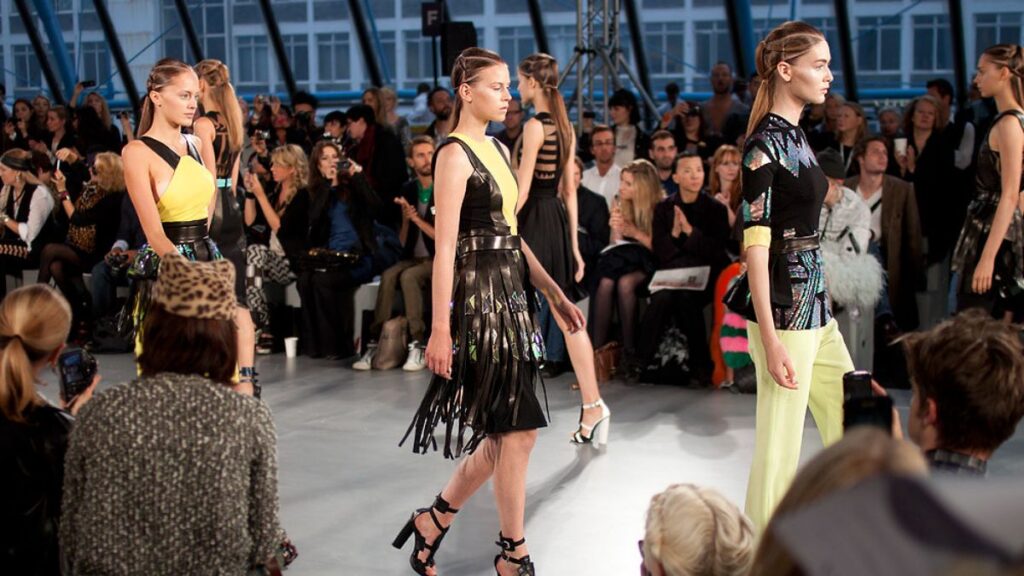
1. Opening Day
Opening day stokes the adrenaline with designers debuting new collections. Starry guests, celebrities, and press pack the front rows, generating media coverage and social buzz. Traditionally, show openers feature standout designers or luxury labels, like Burberry, to get the week off to a flying start. Anticipate high-energy photojournalism, designer interviews, and fast-moving social streams that can quickly turn new looks into the week’s first major trends. It’s also a good time to get familiar with the official LFW venues and schedule before the busiest days begin.
2. Core Catwalks
Main runway shows introduce established names and new talent, expressing a broad style spectrum from avant-garde to high street. Front-row seats matter, while industry insiders and influencers can shape purchasing decisions and editorial discussions. There will be concurrent shows, so plan accordingly and map out your must-see designers while embracing tradeoffs. The combination of innovative methods, materials, and silhouettes frequently foreshadows retail and editorial trends for the season. Keep an eye on emerging designers, who can often bring fresh ideas and unexpected approaches to the runway.
3. Evening Receptions
Evening receptions and after-parties take place at different London venues and are networking gold. Designers, buyers, journalists, and creatives come together in laid-back environments where conversations can continue beyond the runway. Partnerships frequently develop from these informal chats, with opportunities for collaborations, deals, and future projects. The atmosphere mixes fashion, art, and music, giving attendees a chance to meet industry figures in a more relaxed setting. Check event details in advance, as some receptions are invitation-only or require registration.
4. Digital Showcases
Digital showrooms and livestreams open access beyond physical seats. Virtual presentations allow international buyers and press to watch collections on demand, while designers sometimes combine a physical show with an online presentation. Digital formats are particularly useful when schedules overlap or when you cannot attend a show in person. Refer to the official London Fashion Week site for schedules, livestreams, digital lookbooks, and other online content. Reliable mobile data, like Ubigi eSIM data plans, also makes it easier to follow updates and access presentations while moving around London.
5. Closing Presentations
Closing day showcases standout collections and partnerships while bringing together many of the week’s biggest trends for editors and buyers. Anticipate last-minute blockbuster events, final presentations, and social coverage that helps solidify the season’s fashion story. It’s also a useful opportunity to revisit collections you may have missed earlier in the week or catch final digital releases. Keep an eye on schedule updates, as additional events and announcements can appear toward the end of the programme.
Global Runway Influence
London Fashion Week reaches far beyond the runway, positioning London as a global destination where fashion, culture, and travel meet. Designers, buyers, media, influencers, and fashion enthusiasts arrive from around the world, while digital coverage inspires wider audiences to experience London’s fashion scene for themselves.
For travellers, LFW turns the city into part of the experience. Shows, pop-ups, exhibitions, hotels, restaurants, shopping districts, and cultural attractions all benefit from the attention surrounding Fashion Week.
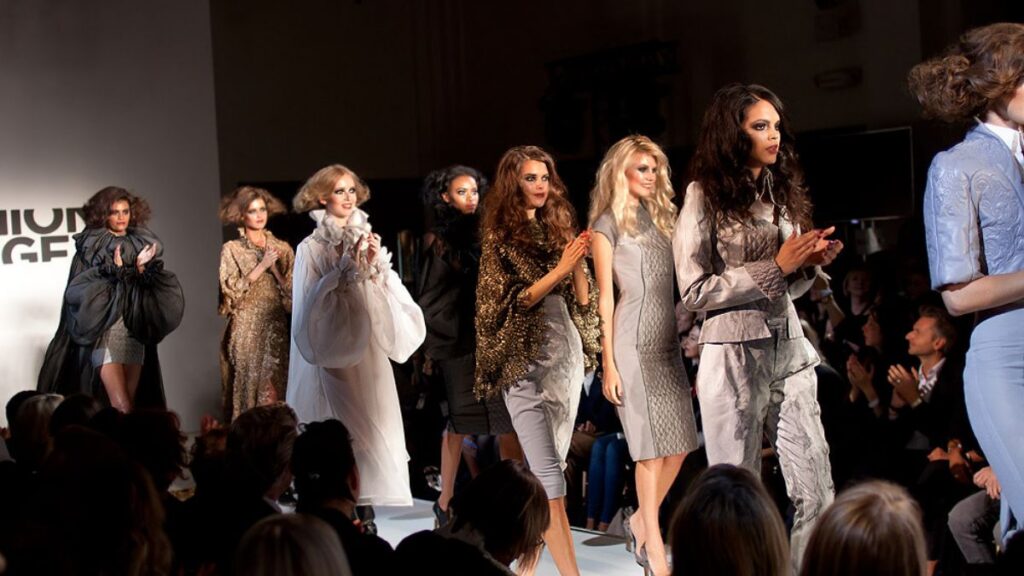
Travel Trends
Fashion-led travel is increasingly about experiences. Visitors can combine LFW with:
- Shopping in Bond Street, Regent Street, Carnaby, and Covent Garden.
- Fashion exhibitions, museums, concept stores, and pop-ups.
- Design-led hotels, restaurants, and nightlife.
- Trips to creative neighbourhoods and independent boutiques.
- European itineraries connecting London with Paris and Milan.
Build a daily London shortlist: shows to follow, neighbourhoods to explore, stores to visit, and cultural experiences to add to your itinerary. As runway content spreads online, fashion moments can quickly become travel inspiration.
Destination & Tourism Shifts
LFW influences where visitors stay, shop, eat, and spend their time. Fashion events can draw travellers beyond traditional tourist attractions towards emerging neighbourhoods, independent retailers, temporary events, and new hospitality experiences.
Digital shows and social media extend this influence beyond those attending in person. Someone may discover a designer or London location online and later include it in a future trip, turning global fashion exposure into destination interest.
Sustainability is also shaping fashion tourism, with growing interest in local craftsmanship, vintage shopping, circular fashion, and responsible luxury.
The global runway effect therefore isn’t only about trends travelling from London to other fashion capitals. People travel too. LFW gives international visitors another reason to choose London while connecting fashion with the city’s retail, hospitality, culture, and entertainment.
Cultural Movement in London
London Fashion Week is the crossroads where fashion, history, and ordinary life intersect in a public sort of way. You feel the city’s rich art history and immigrant cultures influencing what’s on stage and on the streets. LFW highlights multiculturality: Black, South Asian, and queer cultures all feed the looks, the music, and the tone.
The week attracts locals and international visitors alike, uniting designers from Vivienne Westwood to emerging talent exhibited with Fashion East and graduate showcases.
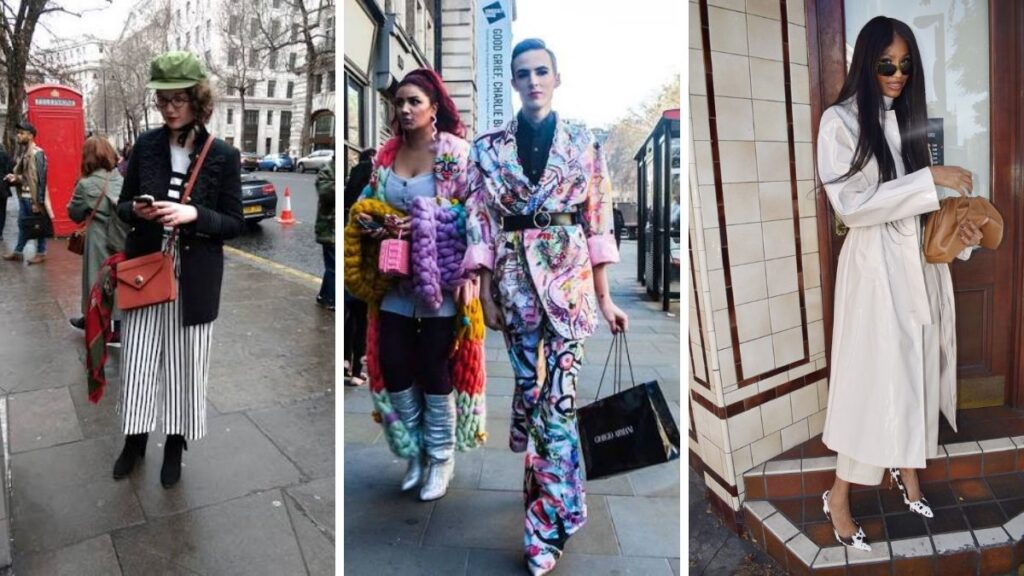
Street Style
- Bold tailoring mixed with South Asian textiles and streetwear staples.
- Deconstructed suits and punk-inspired outerwear referencing Vivienne Westwood.
- Luminous prints and sari-like draping worked into modern coats.
- Androgynous silhouettes paired with practical footwear.
- Adaptive pieces styled with mainstream looks for accessibility.
LFW is a key place to capture street style and see how runway ideas translate into everyday fashion and retail. Guests, models, and influencers turn emerging trends into wearable looks, revealing which colors, silhouettes, and accessories gain traction beyond the shows. What you capture can signal the next editorial mood.
Build a gallery or shortlist of standout looks to track how trends spread across London’s neighborhoods, retailers, and seasons.
Diverse Voices
Designers from all four corners now exhibit in central venues and off-site events. Platforms such as Fashion East and graduate shows showcase new monikers who represent the city’s populations. You’ll notice more diversity in gender, ethnicity, and body types on runways than in previous decades.
LFW continues to drive representation of diverse voices, so think emerging collections and collaborations resonating with broader audiences.
Inclusive Design
Open and accessible archives are expanding at LFW. A few designers have gravitated towards adaptive clothing, magnetic closures, and different sizing. Partnerships with disability advocates and inclusive design trailblazers add functional perspective to form.
Democratizing fashion means design that fits more bodies and fits life. The outcome is a scene that remains edgy but wearable in keeping with London’s uber-chic subcultural and pioneering heritage.
London Fashion Week Connectivity
London Fashion Week goes hybrid with physical shows, digital showrooms, livestreams, interviews, podcasts and themed debates. Your connectivity shapes the experience, so get a Ubigi eSIM data plan before you land to avoid airport SIM lines and unreliable Wi-Fi.
An eSIM provides instant mobile data on arrival, convenient top-ups in euros or pounds and dependable coverage throughout central London, where most venues are located.
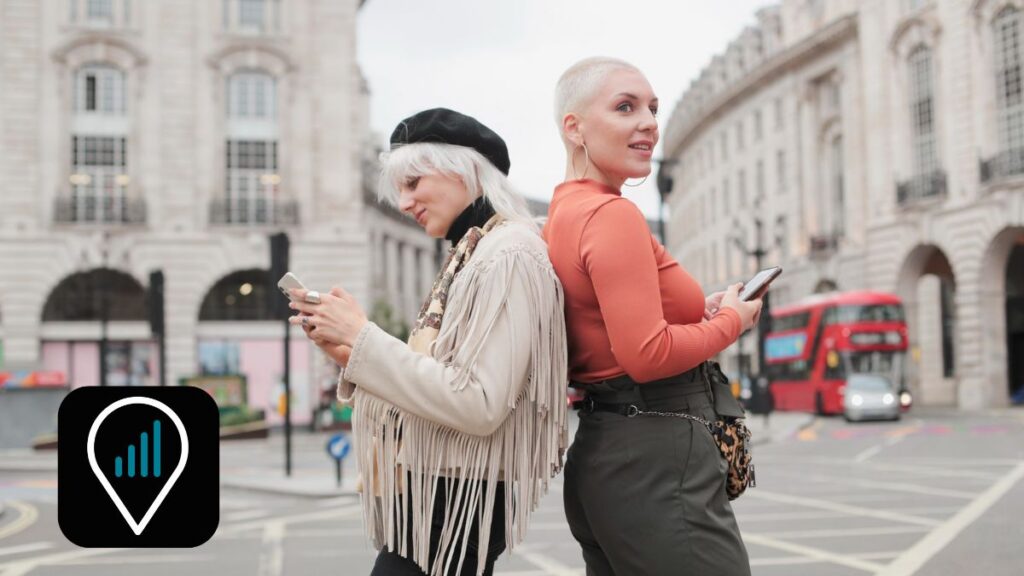
Stay Connected to LFW
Access digital schedules and live updates from designers and press. With more than 5,000 press and buyers on the move, show times and several venue changes can happen quickly. Use mobile data to access online lookbooks, digital showrooms, designer presentations and notifications from official apps.
Reliable upload speeds help you share timely content and memorable moments, while dependable mobile data makes navigating London schedule easier. The London Fashion Week Festival follows the main shows with public talks, immersive experiences and interviews, so keep maps, tickets and event pages accessible.
With Ubigi, travellers can get connected as soon as they arrive in London, using an eSIM to access LFW schedules, livestreams, maps, social updates, and event information without relying on public Wi-Fi. Reliable mobile data also helps visitors stay informed about sustainability initiatives, fur-free policies, and eco-conscious events throughout Fashion Week.
Conclusion
London Fashion Week brings together bold design, street style and London’s diverse cultural scene, making it an exciting time to experience the city. From major runway shows and emerging designers to pop-ups, exhibitions and fashion-inspired neighbourhoods, there is plenty to discover beyond the catwalk.
Planning ahead helps you make the most of the week. Check schedules, choose the events and areas you want to explore, and keep track of digital presentations when you cannot attend in person. Reliable mobile data also makes it easier to navigate between venues, access tickets and updates, follow livestreams, and share your favourite LFW moments while exploring London.
With fashion, culture, shopping and entertainment coming together across the city, London Fashion Week offers travellers a unique way to experience London at its most creative.

Frequently Asked Questions
What is London Fashion Week UK and why should you care?
London Fashion Week UK is the premier biannual event for the global fashion industry, celebrating our designers, trends, and industry innovation. You should care because it is trend-setting globally, a great place to network, and provides buying and styling direction for retailers and creators.
When does the London Fashion Week schedule take place?
It runs twice a year, typically in February for autumn/winter collections and September for spring/summer collections. See the official schedule for exact dates and show times each season.
How can you attend shows or digital presentations?
Sign up via the BFC or official portals. A lot of the shows provide digital streaming or press or buyer passes. Organize in advance. Tickets and accreditation go quickly.
How does London Fashion Week influence global runway trends?
Designers introduce new shapes, hues, and fabrics that editors and buyers will magnify around the globe. Retailers embrace these trends, so designers’ decisions direct the world’s fashion calendar and what shoppers see in stores.
How does London Fashion Week reflect cultural movements?
London is the city that champions diversity, sustainability, and creative experimentation. You’ll find multiculturalism, ethical fashion, and social messages in many collections.
How can you connect with designers, buyers, or press during the week?
Utilize the official show schedule, networking events, showrooms and industry apps. Track designers and the British Fashion Council’s channels to request meetings and press materials.
What resources help you stay updated during the event?
Track the British Fashion Council, top fashion titles, designer socials and livestream hosts. Subscribe to newsletters for real-time schedules and highlights!


 How to check eSIM compatibility
 How to check carrier unlocking
