


Key Takeaways
- Wander through Praia’s Plateau to visit the historic center and government buildings and gain a distinct sense of the city’s colonial heritage and layout.
- Accessible along-the-water neighborhoods and quick mountain getaways allow you to mix beach days with mini-city treks and picture-perfect overlooks.
- Prepare for a balmy, arid climate favorable to open-air pursuits 12 months a year. Be sure to bring sun protection and light clothing for during the day and a light layer for cooler evenings.
- Local markets and cuisine provide fresh seafood and Creole flavors you can taste for cheap while chatting with vendors.
- Music and festivals are a way of life. You should arrange your visits around cultural happenings in order to catch some live music and local celebrations.
- Hop on local transport and short footpaths to navigate the city’s condensed neighborhoods and coastline. A Ubigi eSIM keeps you connected to maps, directions and local information as you explore Praia and the wider Cape Verde islands.

Introduction
Praia, Cape Verde, is the capital city of the Cape Verde archipelago and the largest city in the country. Located on Santiago Island, the Praia municipality is the political and cultural center of Cabo Verde.
You’ll discover a blend of colonial architecture, bustling markets and seaside neighborhoods that influence daily life in this Atlantic island state. The city has easy beaches, local creole tunes and convenient transport connections for neighboring island hopping.
This guide covers where to go, what to eat and how to get around like a pro.
The Geographic Soul of Praia
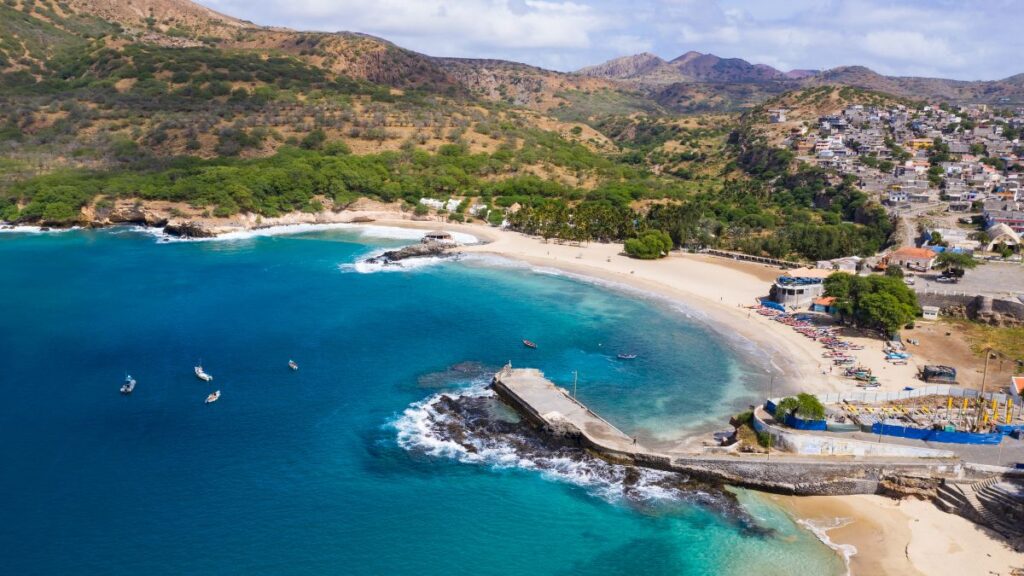
Praia is located on Santiago’s southeastern coast, where plains rise to hills and the ocean defines life. As the capital city of Cabo Verde, it occupies an important position within the Sotavento Islands and the wider Cape Verde archipelago.
The town blossomed at the point where a natural harbor and a defensible plateau combined to make it ideal for a small trading port and administration. This led the Portuguese to relocate their economic center here in the early 1700s. Santiago, also known as São Tiago, is one of the more mountainous islands of Cabo Verde, with picos and peaks reaching approximately 1,280 meters.
1. The Plateau
The Fortaleza Plateau towers over the city and provides the backdrop for many scenes you’ll encounter from central Praia. This plateau-like ridge provides trails and vistas that illuminate the city’s street grid below and the arc of the bay. The plateau’s presence has practical effects; it channels winds, slows some rain clouds, and historically gave military and administrative advantage.
These walks across Praia plateau connect older neighborhoods to newer developments and help you interpret the city’s strata.
2. The Coastline
The coastline of Praia shapes its identity. Beaches, rocky coastline, rocky headlands, and a busy Praia harbour are all within close proximity, so it’s just a matter of minutes from fish markets to sand. The coast sustains fishing villages, small port cities and little ports for boats travelling between the islands.
Proximity to the sea shaped culture and economy. Seafood markets, boat repair yards, and coastal plazas cluster where access is easiest.
3. The Climate
Expect a tropical dry climate with average highs near 27 °C and lows around 22 °C. The annual rainfall is low, around 210 mm, so the green seasons are short and water management is important. Warmth is consistent throughout the year.
Heat waves are rare, but the dry air and trade winds maintain tolerable conditions. This climate influences architectural styles, cisterns, and even market days or festivals.
4. The Urban Sprawl
Praia’s map blends flat neighborhoods and streets that ascend hills. Within the Praia municipality, roads follow the terrain, connecting the city centre with residential districts and areas near the city limits. The municipality is divided into local administrative areas and neighborhoods, while the wider Santiago Island landscape quickly transitions from Praia’s urban streets to rural villages and agricultural areas.
You’ll find ancient stone structures by the sea and newer homes ascending hillsides. Infrastructure conforms to incline, terraced roads and stepped blocks. The outcome is a city where distance seems small but grade differences define every path.
A City Forged by History
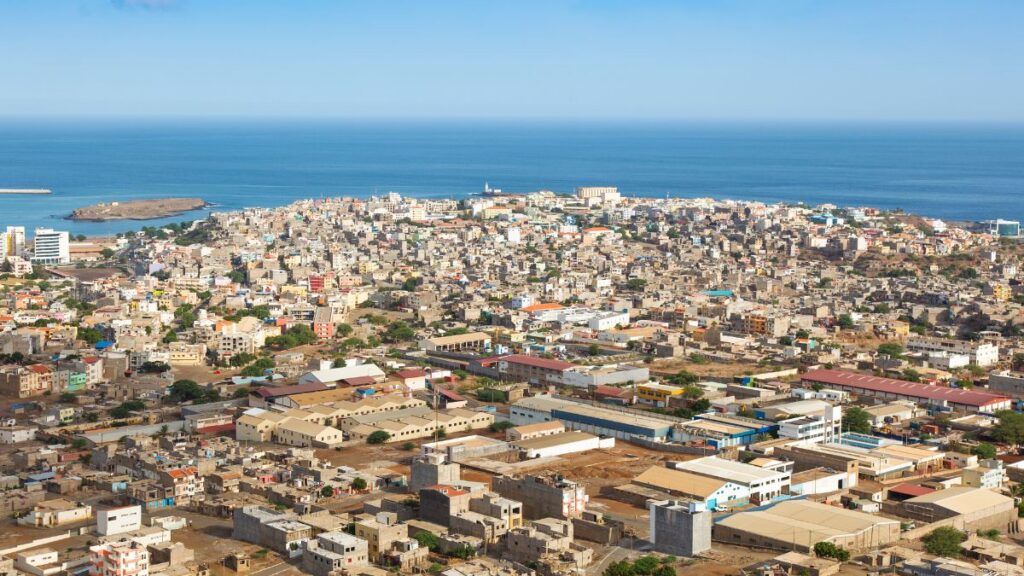
Praia evolved from a 15th-century Portuguese settlement into Cape Verde’s political and cultural hub. Its history is closely connected to the first settlement of Santiago, Portuguese colonisation, and the development of Atlantic trade routes.
You’ll discover it in Cidade Velha, the island’s inaugural settlement, where stoned streets and ruins trace back to those first sea lanes. The fortresses and old churches there demonstrate why settlers picked this location and how trade influenced daily life. Portuguese navigators and European explorers used the islands as strategic stops along emerging Atlantic routes.
Port Praia became an important link in the transatlantic slave trade, connecting Santiago with wider Atlantic trade routes. Merchant ships carried goods and enslaved African captives through the islands, making Praia and other Santiago ports part of a wider Atlantic system. Fortaleza de São Filipe looks down upon the bay as a testament to coastal defense and the volatile trade that once sailed below its walls.
From Colonial Port to Modern Praia
Go there to understand the magnitude of naval supremacy and the human toll associated with it. Praia was known as Praia de Santa Maria until the early 18th century. Portuguese citizens relocated here after pirates made other locations unsafe. That move set a pattern: strategic location, military works, and an urban core that grew unevenly.
Cyclical drought and economic pressure shaped migration and settlement, compelling the city and islanders to transform farming, commerce, and eventually remittance economies. You’ll find cultural strata in buildings, cuisine, and song. Portuguese colonial layouts collide with African rhythms and Brazilian connections in festivals, creole lingo, and food.
The Museu Nacional de Cabo Verde assembles artifacts that allow you to follow these connections, from colonial documents to indigenous artistry. Today, Praia is home to a significant share of the Cape Verdean population, making the Praia population central to the country’s urban and economic life.
Streets ascend from beaches to hills, intertwining new government structures and malls with market places and alleys of the old quarter. Schedule in some combination of Fortaleza, the museum, and strolls through Cidade Velha to get a feeling for where the city originated and how its history continues to shape your encounter with its modern incarnation.
The Rhythms of Praia Life
You experience a leisurely rhythm fashioned by tide schedules, market hours and a blend of tradition with modernity. Its dry, tropical savanna climate, with some 210 millimeters of rain a year and temperatures ranging from 22 degrees Celsius to 30 degrees, lays down a steady rhythm to daily life.
Praia’s island culture blends Portuguese, West African and Brazilian influences, creating a distinctive rhythm of music, food and Cape Verdean traditions.
Local Music
Morna and coladeira play from little squares to family houses. You’ll catch the doleful morna strings in late afternoon, often sung in creole, and quicker coladeira at night, driven by cavaquinho and guitar. Drummers and family circles keep the rhythms flowing.
Radio and live performances connect Cape Verde’s African, Portuguese, and Brazilian influences. Hit up a bar near Platô and you’ll encounter informal sessions where locals swap songs, tales, and informal advice on the best fishing holes.
Festive Spirit
Markets and festivals scribe the calendar more than clocks. Trade and commerce define daily rhythms, with fish auctions at dawn, vibrant markets until midmorning, sluggish afternoons, and public celebrations that reenergize.
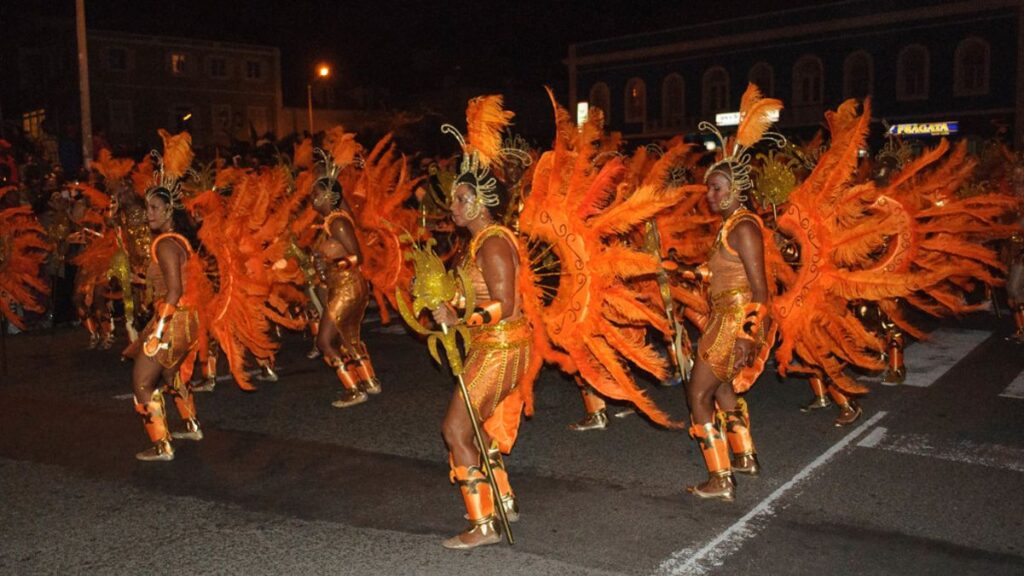
Carnival and Independence Day combine chapel processions, brass bands, and longer all-night parties. Architecture and old plazas parade; Portuguese colony buildings provide shade and nostalgia as contemporary boutiques hawk imported merchandise.
You’ll see how the city equilibrium mixes work with ritual when one feast can suspend commerce and unite homes.
Culinary Scene
Cape Verdean food reflects the islands’ Portuguese, African and Atlantic influences. Sea, fish, tuna, and shellfish flavors most dishes. Grilled peixe and cachupa, the slow-cooked stew, are commonplace in markets and family kitchens. You can taste the blend of influences: olive oil and salted cod echo Portugal, while spices and beans nod to Africa and Brazil.
Port-side shacks dish out lunch on the fishing boat’s schedule. For casual eats, hit market stalls for fresh, inexpensive dishes and a waterfront eatery for a tired you deserve it sit-down meal that celebrates the day’s catch.
Exploring Praia’s Landmarks
At the heart of Praia is its Plateau, a small neighborhood of colonial streets and public squares that provides you with an immediate impression of the city’s history and contemporary life. The Plateau’s cascade of structures, vistas and public spaces is your starting point.
Historic Center
The Plateau is the historic heart, with alleys that open onto Atlantic ocean vista, while nearby Cidade Velha is the UNESCO-listed historic settlement that reveals another important chapter of Santiago’s history. Stroll its grid to encounter colonial facades, public offices and churches dating from the 19th century.
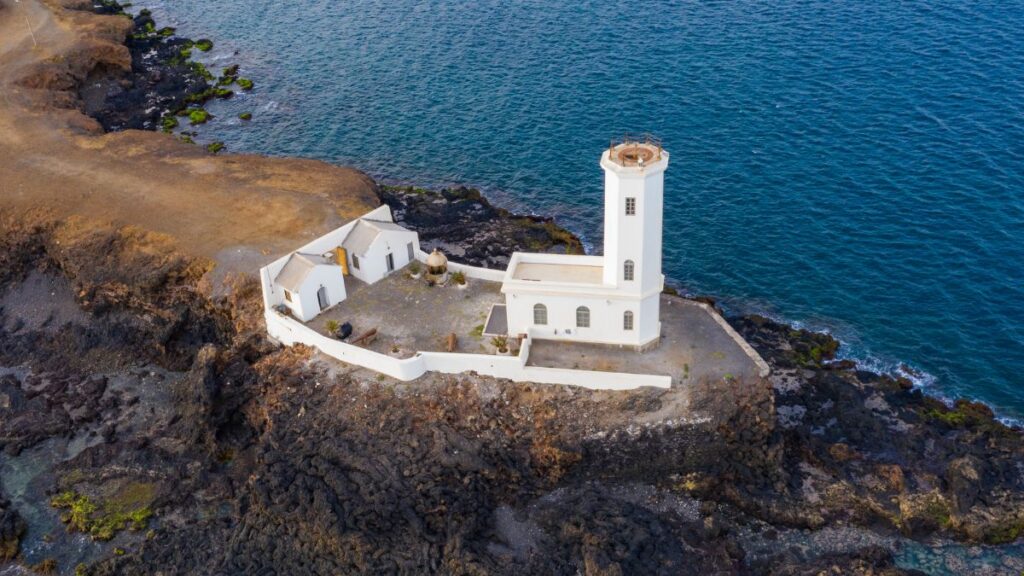
Stop at the Dona Maria Pia Lighthouse (1881) for expansive sea vistas and a city view encompassing Gamboa bay and Santa Maria Islet. Pause at Alexandre Albuquerque Square to sit among stately buildings, observe daily life and admire the monument to Diogo Gomes by sitting overlooking waters, a place that connects Portugal’s colonial history with the local landscape.
The Ethnographic Museum on the Plateau provides an introduction to Cape Verdean culture, with traditional crafts, artifacts and colonial exhibits, all of which help you frame what you discover. For modern history, the Amílcar Cabral Museum displays independence and political life materials, which is good if you crave a deeper, factual look at the nation’s 20th century upheavals.
Bustling Markets
The Municipal Market draws you into the city’s everyday hustle. Stalls peddle fresh fruit, fish, cloth, and craft. You can haggle, see locals haggle, haggle in turn, and taste street food.
Market aisles exhibit social life across ages and backgrounds. Vendors are used to speaking Crioulo and Portuguese, but some simple gestures and asking straightforwardly is effective everywhere. Beyond the Plateau, markets harbor small craft shops where you can purchase woven baskets, local music CDs, and other basic souvenirs that help support local artisans.
Natural Escapes
From the Plateau, views peer down to Gamboa beach and the bay. Short walks and taxis bring you to more secluded beaches and rocky coves for coastal panoramas and birdwatching.
Tiny islets offshore provide photo opportunities and a feeling of scale between land and ocean. Sun protection and water are essential because there is little shade on most coastal paths.
Seamless Travel in Praia

Praia Cape Verde is compact but hilly, so staying connected can make exploring the city much easier. A Ubigi eSIM gives you mobile data on the go, helping you access maps, check directions, find attractions and stay in touch without depending on public Wi-Fi. You can also use the Ubigi app to manage your data plan and top up when needed.
Planning to explore beyond Praia? Use your connection to organize a private driver or guided tour to Cidade Velha, coastal areas and Santiago Island’s mountain landscapes. Mobile data is also useful for checking weather conditions, finding nearby restaurants and researching attractions while you’re on the road.
For a comfortable Praia Cape Verde trip, travel during the drier months, keep valuables secure and carry digital copies of important documents. With Ubigi eSIM, you can plan your days, navigate with confidence and stay connected throughout your Cape Verde adventure.
Conclusion
Praia provides crystal clear, authentic time. You stroll sandy beaches, listen to street rhythms, and sample fresh fish at little kiosks. There are old forts to discover, bustling markets, and tranquil lookouts with panoramic ocean views. Travel seems easy. Short rides connect major attractions. Maps and locals direct the best routes.
Pick a day and go for a swim at Quebra Canela. Take an afternoon in with the Plateau market for local craft and fruit. Stroll down Rua 5 de Julho at dusk for light and sound. Don’t forget to pack a light jacket for those refreshing seaside breezes and a small bag for sun care.
So now, you’re ready to book! Book a flight and a guesthouse and hit these places first.

Frequently Asked Questions
What is the best time of year to visit Praia, Cape Verde?
Optimal is November to June! You have warm, dry weather and calmer seas for swimming and island hopping.
How do I get from Nelson Mandela International Airport to Praia city center?
From Praia International Airport, you can either make the trip via taxi, which takes 20 to 30 minutes, or shared shuttle. Taxis are quick, and shuttles are cheaper. Book rides via your hotel for safety.
Is Praia safe for solo travelers and families?
Yes. Praia in itself is quite safe if you remain in illuminated areas, do not roam around deserted streets at night, and keep your valuables out of sight. Take common-sense precautions.
What currency should I bring and where can I exchange money?
Local currency is the Cape Verdean escudo (CVE). You can exchange euros or just pull out money at the ATMs in Praia. Inform your bank before you depart.
What local foods should I try in Praia?
Sample the cachupa (stew), fresh grilled fish, and pastel com feijão (bean pastries). Street markets and local restaurants serve up authentic flavors.
How can I explore Praia’s landmarks efficiently?
Employ a combination of strolling in Plateau, brief taxi rides, and guided half-day tours. This time-saving approach localizes sights.
Do I need a visa to visit Cape Verde?
Most nationalities require a visa or pre-registration. See Cape Verde’s official visa site for your country and apply ahead if needed.









 How to check eSIM compatibility
 How to check carrier unlocking