


Key Takeaways
- Looking for “Secret Tokyo Guide: Hidden Locations to Relax“? This article is for you!
- Explore Tokyo’s past at the Fuchu Local History Museum, where exhibits and restored buildings depict everyday life through the ages.
- Mount Mitake: If you’ve had enough of the crowds and city-scapes, Mt. Mitake is within easy reach for a peaceful hike with stunning views, quaint villages, and delicious oyaki dumplings.
- Exploring Tokyo’s Great Buddha is a peaceful alternative to more well-known attractions and lets you admire incredible craftsmanship in a serene neighborhood.
- Complement your cultural pursuits with stops at nearby museums, such as the Itabashi City Museum of Art, which features rotating exhibitions and collections.
- Navigating by train and bus, or renting bicycles will get you to the off-beaten track gems efficiently and enhance your experiences.
- Just make sure to take an eSIM like Ubigi so you have dependable internet access during your trip and you can get around, translate, and tap into the hidden gems of Tokyo.

Introduction
Nice to meet you, I’m Erica! I’m Japanese and I make videos in French on social media. I want to introduce viewers to Japanese culture and my favorite Tokyo spots. Also, I talk about the cultural differences I’ve discovered between Japan and France.
Visiting Tokyo also include seeing ancient japanese shrines, sampling street food, and shopping in bustling markets. You can discover art galleries, themed cafés, and green beautiful parks around every corner. But they are crowded activities.
If you want to experience Tokyo outside of the tourist spots, stop by retro neighborhoods with their own style and charm. They have convenient public transport and relaxing places. It’s an absolute must-see for those who want to discover the true Tokyo.
Below, you find several recommendations and local favorites to suit many palettes and wallets.
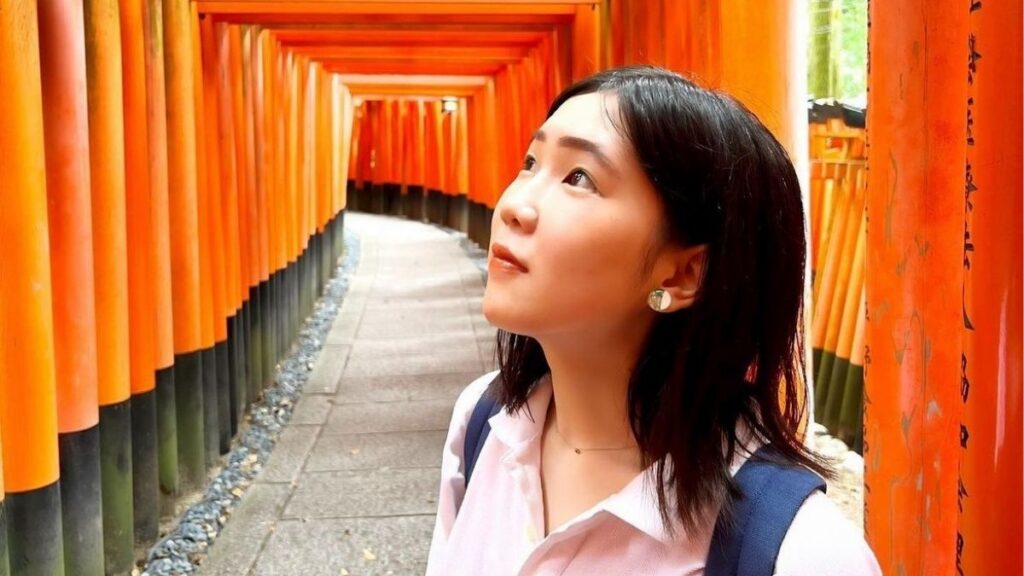
Explore Fuchu Local History Museum
Coming to you from gategate, the Fuchu Local History Museum, or Kyodo-no-Mori Museum, sits in Fuchū, Tokyo at 6 Chome-32 Minamicho. This open-air museum immerses you in the everyday life and history of Tokyoites throughout the ages.
The grounds include some 14 hectares of parkland, fragrant with a plum orchard of more than 1,000 plum trees. If your timing is right in spring, you can take part in the annual plum festival. This traditional festival consist of a feast with blossoms in full swing.
Testimony of the Past
The park features Edo period to early Shōwa era restored buildings, relocated here from various parts of Fuchū. These eight historic buildings allow you to enter into the world of the old Japan and the old Tokyo.
Experience what people did for living, working and education. Within the museum, you discover intricate displays illuminating the peaceful yet full existence of the area. This museum passes on Japanese heritage and way of life.
Displayed are taiko drums, mikoshi portable shrines, swords, statues and ancient documents. There’s a slice of local calligraphy and objects that punctuate the city’s sprawling narrative, from its days as the 7th-century capital of Musashi Province through its evolution as an Edo-era post town on the Koshu Kaido.
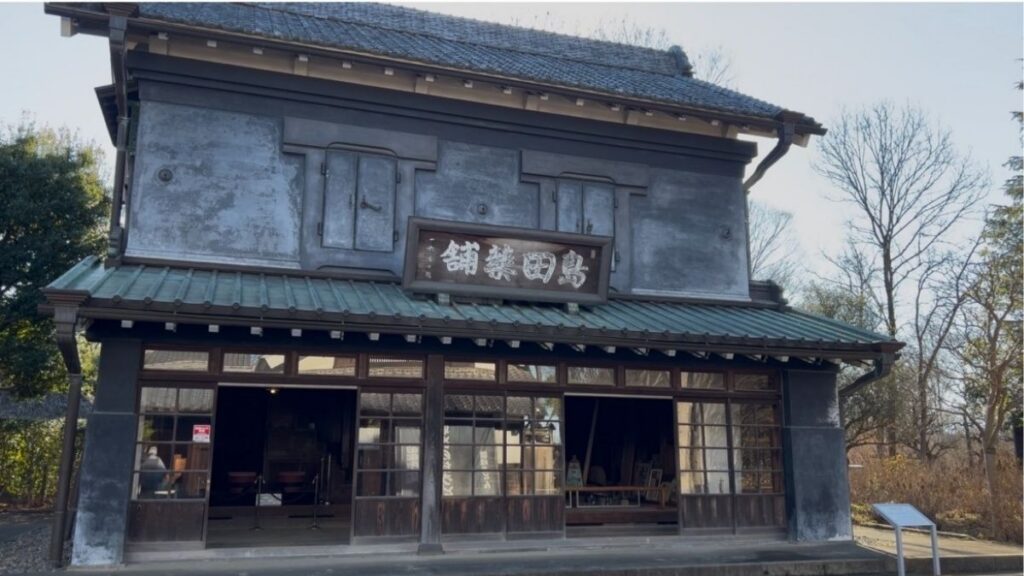
Discover Japanese Schools
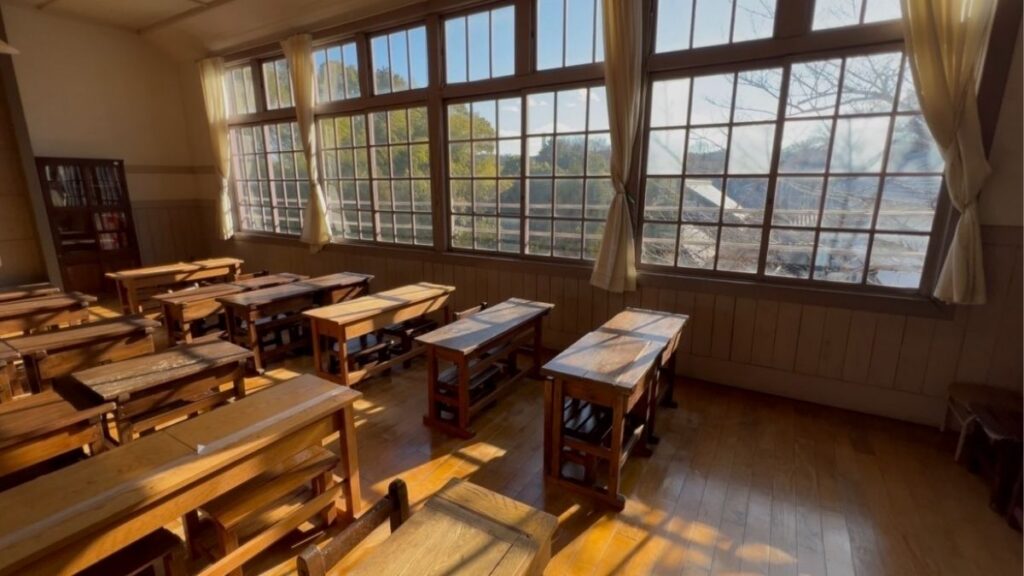
For a mere JPY200 admission, you can stroll through history and experience firsthand what made Fuchū a hot spot in Tokyo’s history. One highlight is the reconstruction of Fuchū Elementary and High School.
Here the museum displays scenes of everyday school life from the past. You view what pupils learned, ate for lunch, and the implements and books they utilized. Since visiting a Japanese school is uncommon for the vast majority of travelers, this spot lets you get up close and see how kids lived and learned.
Hike Mount Mitake
Mount Mitake is located in Chichibu-Tama-Kai National Park, a massive expanse of nature west of central Tokyo. It is roughly 1000 meters above sea level. You can witness a view outside of the typical Tokyo sightseeing. This place is more peaceful and less touristy than Mt. Takao. If you’re yearning for a solitude break, it offers less tourism and more time to savor it.
The hike begins with a cable car ride that brings you near the summit. A roundtrip ticket for 1130 yen runs frequently, so it’s convenient to schedule.
Hike Trails and Surroundings
You meander down well-marked paths in dense trees and around mossy boulders and watercourses. Sign-posted rest areas allow you to pause, open your bento, or snag a snack while overlooking woodland vistas.
The air is crisp, a welcome relief when Tokyo is hot and sticky in the summer. The trees turn bright red and yellow in autumn. Occasionally, you’ll encounter a waterfall or witness the Shinto rites or a sacred ceremony at the local shrine near the summit. A day hike is best because once night falls, it becomes cold quickly and trails are hard to navigate.
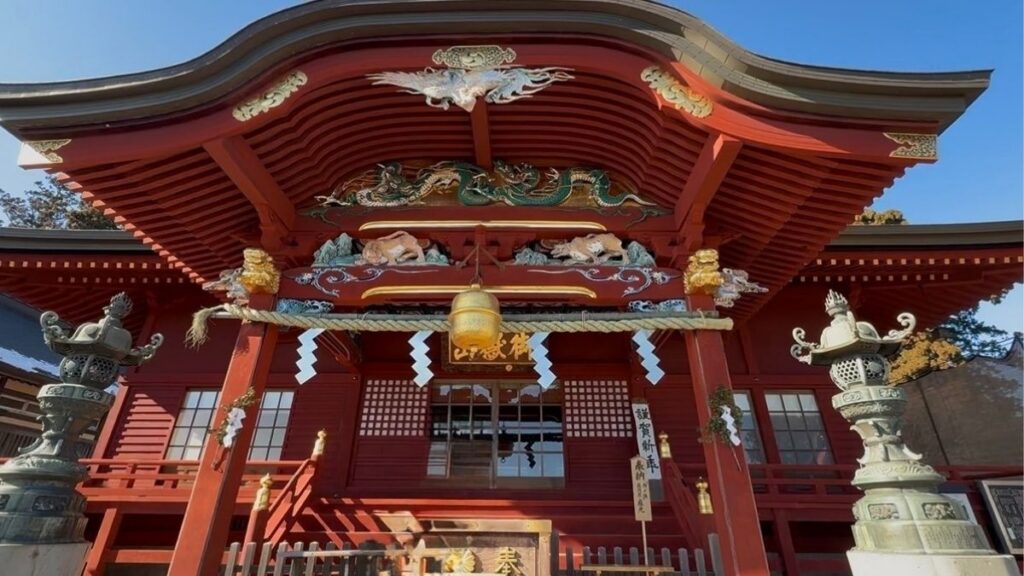
The Rock Garden
On the way, you’ll encounter the “Rock Garden,” a typical japanese garden molded by nature. There you can experience the wabi-sabi, an aesthetic centered on imperfection. This massive garden is a living art piece and a great place to decelerate and pay attention to the little things, such as ferns, moss, or birds. There’s an opportunity to encounter fellow hikers and exchange basic advice or chat about prime photo locations.
If you’re in a hurry but still want to sample Japanese cuisine, we suggest the oyaki dumplings from the stall near the cable car. They’re steamed, packed, and perfect post-hike.
Find Tokyo’s Giant Buddha
You may be aware of Nara and Kamakura’s renowned large Buddha statues, but Tokyo has one too, and it’s one that most people overlook!
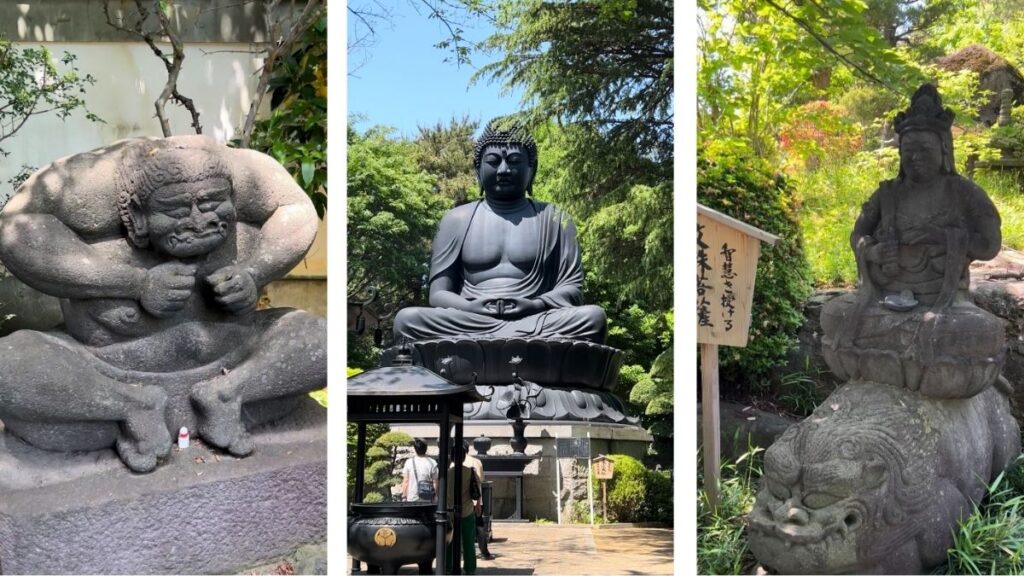
The Great Buddha of Tokyo, known as the Tokyo Daibutsu, is located at Jorenji Temple. There, you discover it nestled in a quiet corner of Itabashi City, where the streets have more the cadence of a serene town than a bustling metropolis.
Jorenji Temple itself dates back more than 600 years, providing a rich connection to Japanese spirituality. It’s home to Japan’s third largest bronze Buddha, just a smidge smaller than Kamakura’s and less crowded. If you need a zen moment away from the urban chaos, this is a great spot to decompress and savor the silence.
Compared to the ancient Great Buddhas, the Tokyo Daibutsu is fairly new. The temple’s chief monk began the project at age 88 in 1974. Assisted by more than 3,500 individuals, the statue was completed in 1977. Its history goes back even further. The original statue was in Saitama before being transferred here in the early Edo era.
Today, the statue’s serene countenance and open palms beckon you to contemplate. For a few bucks, you can even venture inside the statue and pat the Buddha’s belly, which is a basic gesture that some say invites good fortune.
Transportation and Other Activities
It’s around an hour by train and bus from Shibuya and its energetic streets. The journey is rewarded by the temple’s serene green grounds. The vicinity of Jorenji Temple remains peaceful, particularly if you steer clear of the crowded New Year season.
If you have extra time, explore the adjacent Itabashi City Museum of Art. The museum displays japanese art such as Edo Kano school works, Taishō to early Shōwa avant-garde pieces. It also features special exhibits and exclusive summer exhibitions such as the Bologna Children’s Book Illustration Exhibition.
Travel Tips to Navigate Hidden Tokyo
There’s a lot of quiet Tokyo gems that provide serene experiences and that most visitors just miss. These places show you the city behind the hectic boulevards. Open-air decks with a full view of the skyline provide a sweeping sense of Tokyo’s scale.
Accessing them requires a bit of planning. The most efficient way to get around is by train or bus. The city’s public transport is speedy and extends even to the quieter neighborhoods. If you crave additional autonomy, renting a bike allows you to explore Tokyo at will.
Watch out for day passes for trains and buses to save money and get around all day long. These passes come in handy for navigating anything from Meguro, where you can find little oddball museums hiding off the highway.
Everything has signs, directions, or menus in Japanese only and the staff don’t speak English. Internet access is essential to check maps, routes, and schedules on the fly. AN eSIM, such as Ubigi, utilizes the NTT Docomo and KDDI networks, which is robust and performs excellently throughout Tokyo.
Here in these hidden corners, you may discover the old Nezu Shrine with its bright torii gates and history that goes back nearly two millennia. Kichijoji’s Harmonica Yokocho has winding alleys and mom-and-pop shops.
Jinbocho Book Town provides serenity for book lovers and Nakagawa Masashichi Shoten allows you to view and purchase handcrafted goods. When it comes to green space, Todoroki Valley and Hamarikyu Gardens provide a respite from the cacophony of the rest of the city.
Conclusion
Tokyo offers you so much to explore. Wander the halls of the Fuchu Local History Museum and discover old implements and artwork. Hike up Mount Mitake for cool air and green views that reach far. The Giant Buddha rests peaceful and serene in its own corner, far from the madding throng.
Small streets and hidden quiet parks await anyone who dares to step off the thoroughfares. Every corner of Tokyo exposes you to new sights, sounds, and cuisine. Give these places a whirl in your free time. Discover what works for you.
Pass your own finds or tips along to others eager to see more of Tokyo. One small step, and your next day out might just begin.
We hope that this “Secret Tokyo Guide: Hidden Locations to Relax” article helped you planning your next trip to Tokyo!

Frequently Asked Questions
What can you learn at the Fuchu Local History Museum?
Experience the history and culture of Tokyo’s Fuchu. Discover ancient artifacts, local traditions, and the region’s development through the ages.
Is Mount Mitake suitable for beginner hikers?
Indeed, Mount Mitake has routes for beginners to experts. The primary route is well signposted and secure, with stunning natural scenery and temples along the path.
Where can you find Tokyo’s Giant Buddha?
Check out Tokyo’s Giant Buddha at Jorenji Buddhist Temple in Itabashi. The 13-meter-tall statue greets visitors all year long.
What are the benefits of exploring hidden spots in Tokyo?
Hunting down hidden gems allows you to escape tourists, discover local life, and seek one-of-a-kind activities that other travelers miss. You’ll experience a more genuine Tokyo.
How do you reach Mount Mitake from central Tokyo?
Catch a train from Shinjuku Station to Mitake Station. From there, you can take a local bus and then a cable car up to the mountain’s base.
Do you need to speak Japanese to visit these sites?
No, you don’t have to learn the Japanese language. Most signs have English and staff at the big sights assist international visitors all the time.
Are these locations family-friendly?
Yup, even all these spots are family-friendly. Museums, hiking trails, and temples provide an informative and fun day out for all ages.








 How to check eSIM compatibility
 How to check carrier unlocking