


Key Takeaways
- If you are looking for the “Tokyo to Kyoto Bullet Train“, this article is for you!
- Hop between Tokyo and Kyoto in no time on Japan’s Shinkansen bullet train that travels up to 320 kilometers per hour and leaves every 10 to 15 minutes.
- You have three main train options: Nozomi for the fastest ride, Hikari for a balance of speed and price, and Kodama for a slower, scenic journey with more stops.
- If you book your tickets online in advance, it is easier to get the seat and departure time you want, especially during peak seasons. Ticket prices are around ¥13,000 to ¥15,000 one way.
- Select standard or first-class (Green Car) seats and enjoy accessibility and comfort features for all passengers.
- Onboard, you’ll encounter clean facilities, food and drink service, and a special cultural experience by sampling local ekiben bento boxes at stations.
- Get your trip on the rails with lighter packing, early arrival, seat reservation when necessary, and mobile connectivity with Ubigi eSIM to ensure you always have quality internet during your train journey.

Introduction
Japan bullet trains from Tokyo to Kyoto provide a quick and convenient option to get between two of Japan’s hottest destinations.
Thanks to Japanese trains such as the Nozomi, Hikari, and Kodama, you can get from Tokyo to Kyoto in just over two hours. There are reserved and non-reserved seats, with departures frequently throughout the day.
Below are facts, ticket tips, and what to expect on your ride.
What is the Bullet Train in Japan
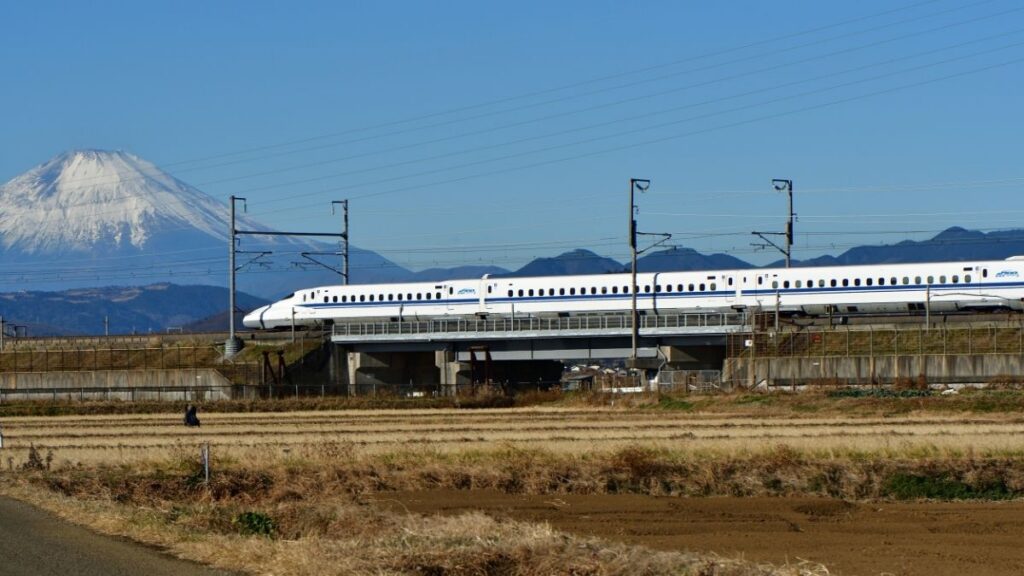
Japan’s bullet train, also called Shinkansen, is the high-speed rail network connecting the nation’s major cities. If you’re going between Tokyo and Kyoto, this is what you take. The Shinkansen has operated since 1964, transporting over 10 billion passengers throughout Japan. More than 5 billion passengers have journeyed on the Tokaido Shinkansen Line, linking Tokyo and Kyoto.
The Shinkansen has become an integral part of Japan’s transport infrastructure that frequently defines intercity mobility. The different Shinkansen lines are famous for speed, comfort, and punctuality. These speed trains can reach speeds up to 320 KPH on select lines. For instance, the N700 series train, in service since 2007, tops out at 300 km/h.
Other newer models have pushed the limit further, and tests with maglev technology have even hit 603 km/h, but these aren’t used for daily travel yet. Going from Tokyo to Kyoto, you fare approximately 450 km in as little as 2 hours and 15 minutes, but some trains take up to 2 hours and 40 minutes depending on stops.
Trains depart frequently, approximately every 10 to 15 minutes, ensuring minimal waiting time. You can take off from either Tokyo or Shinagawa Station and land at Kyoto Station. The Shinkansen isn’t just speedy. It’s safe and reliable. Few trains are late, measured to the second, and there have been no fatalities in its long history.
The ride itself is smooth, with spacious chairs and a hush cabin, allowing you to unwind, be productive, or admire the shifting breathtaking Kyoto vistas outside your window. It’s a system designed for every kind of traveler, whether you come on business or for fun.
Types of Bullet Train
Nothing beats traveling between Tokyo and Kyoto by bullet train, in terms of speed, reliability, and comfort. The Shinkansen runs on dedicated tracks at speeds as high as 320 km/h with timely departures. They run in series, like the N700 and E5, which are renowned for their smooth rides and cutting-edge features.
On-time performance is a source of pride as trains leave on the second. Seats are tidy and forward-facing at all times. There is complimentary Wi-Fi, power outlets, and quiet cars. Taking the bullet train instead of planes or buses implies less anxiety and a reliable schedule, even at rush hour.
1. Nozomi
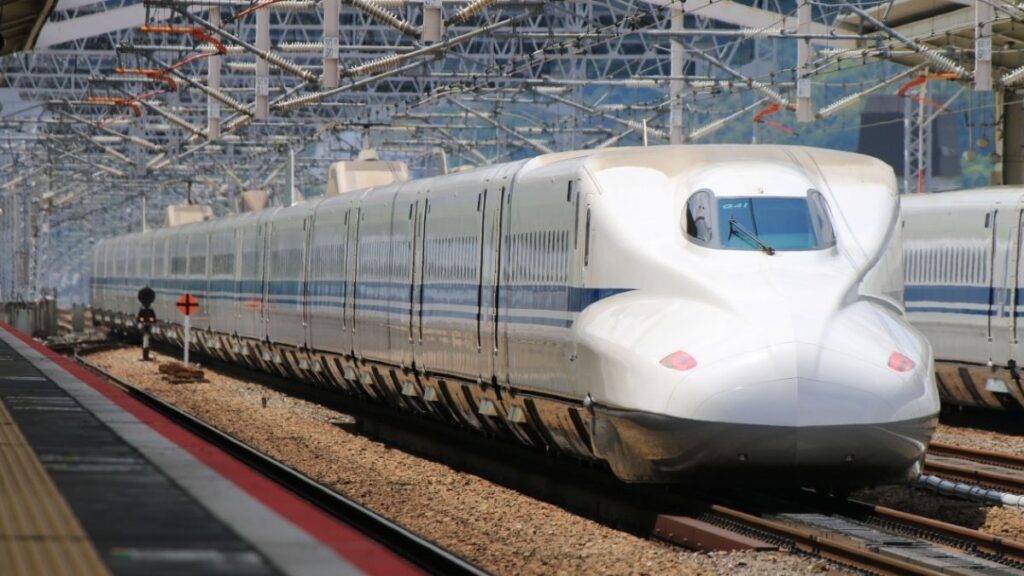
Nozomi is the speediest bullet train on the Tokaido route between Tokyo and Kyoto. You’ll zip from city to city in around 2 hours and 15 minutes, thanks to fewer stops. Nozomi trains run every few minutes throughout the day, so you can choose a time that fits your schedule.
Due to its speed, Nozomi shinkansen only makes key stops such as Shinagawa, Nagoya, and Shin-Osaka. It offers a smooth, quiet ride in brand-new N700 series cars. Nozomi train tickets are more expensive than the other services, and you can’t use most railways. It’s easy to book online or at stations.
2. Hikari
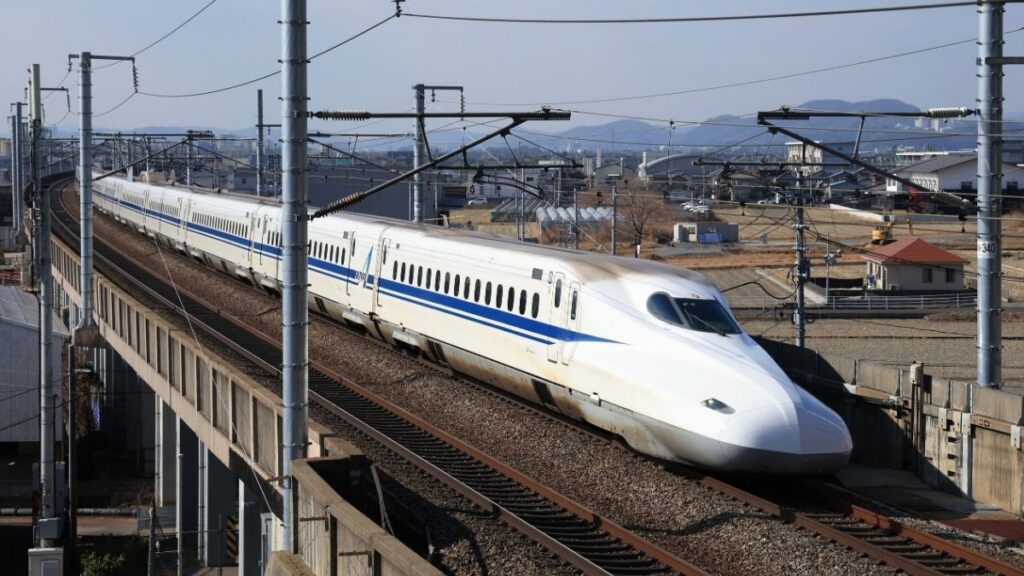
Hikari is a great option if you want a nice blend of speed and cost effectiveness. They take around 2 hours and 40 minutes from Tokyo to Kyoto, calling at more stations than Nozomi, but are still speedy. Hikari trains depart about twice an hour most days.
This simplifies your trip planning if you desire additional ticket options or utilize a JR Pass. Hikari are less expensive than Nozomi, so you save money without sacrificing much time.
3. Kodama
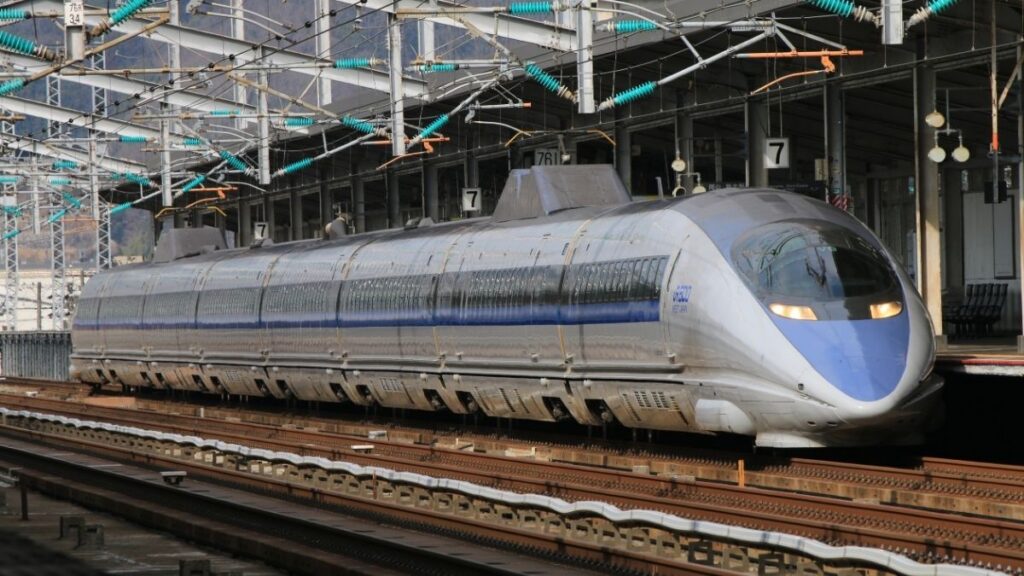
Kodama trains make stops at all stations on the Tokaido line, so your entire journey between Tokyo and Kyoto will be approximately 4 hours. This more leisurely pace is ideal if you’d like to sample more of the countryside or make stops.
Seats are still nice, clean, and comfy. You get all the same essential comforts. Tickets are usually the cheapest of all Shinkansen bullet trains, making the Kodama a cost-effective choice for non-urgent travelers.
Navigating the Bullet Train System
The shinkansen network is an integral component of Japan’s transit ecosystem, renowned globally for its velocity, precision, and dependability.
The Tokaido Shinkansen, connecting Tokyo and Kyoto, is the one frequented by the majority of travelers, running at speeds of up to 285 km/h.
It’s an extremely well-organized system and can appear complicated if you’ve never used it before or aren’t proficient in Japanese.
Booking
Reserve seats online for the simplest, most flexible experience. Both official JR East and JR Central platforms, alongside third-party sites, allow you to select your travel time and seat class. They assist you in price comparisons, schedule checks, and e-ticket purchases from any place with an internet connection.
You can purchase shinkansen tickets at counters or ticket machines in stations, although some machines do not accept non-Japanese credit cards. Seat reservations are available from a month in advance until just prior to departure. There are reserved, non-reserved, and Green Car (first class) seats.
Reserved seats are a little more expensive, but they secure your place, which is crucial during holidays or weekends. Non-reserved seats are more flexible and sometimes less expensive, though you might be on your feet on crowded trains. Green Car seats are roomier and quieter, but they are more expensive.
Tickets for one-way in Tokyo to Kyoto were approximately ¥13,000 to ¥15,000. Verify cancellation policies for each mode, as they differ and impact refunds. Sales staff might not have great English skills, so write down your preferred train timings to avoid getting lost in translation.
Seating
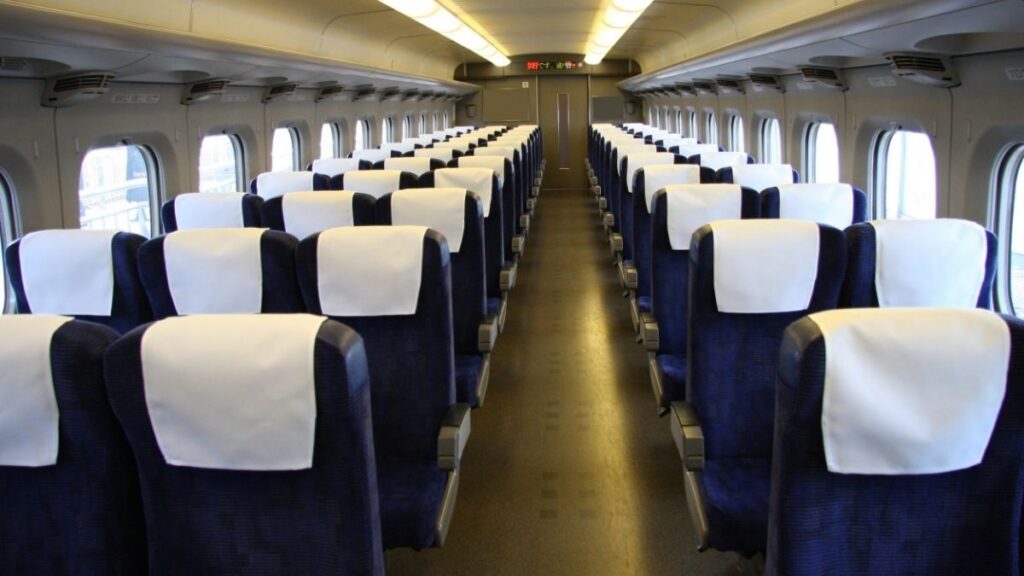
There are options between standard, reserved, or Green Car seats. Standard cars offer 3 plus 2 seating, sufficient legroom and are excellent for short or budget trips. Green Car seats are larger, with additional legroom and a quiet car for those longer rides or a little extra comfort.
Advance bookings are smart during peak times, such as Golden Week or New Year, as trains sell out a few days in advance. On ordinary weekdays, most seats remain open even late near departure.
Train services provide wheelchair spaces and accessible toilets for travelers with reduced mobility.
The Shinkansen Experience
Going bullet train from Tokyo to Kyoto is not just about speed. You enjoy a sleek quiet ride in a cabin configured for maximum comfort and efficiency. The train is peaceful. There are no boisterous shouts or music oozing from earbuds. Most either read, look out at the view, or work.
Seats, overhead bins, and staff walk the aisles, ever available to assist, just like on a plane. Bathrooms are capacious and maintained absolutely pristine, a shock to the system if you’re accustomed to other forms of travel.
Ekiben Culture
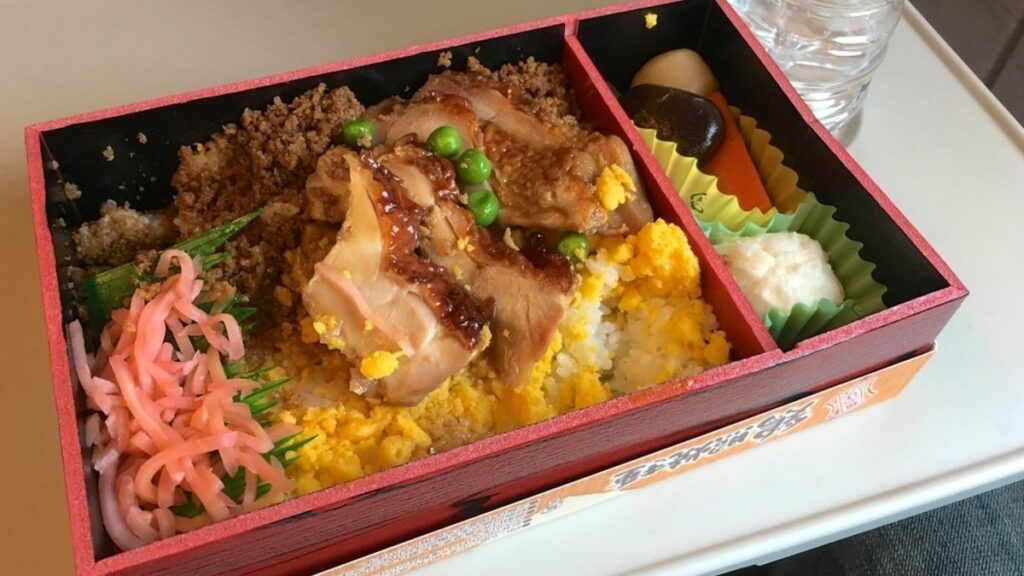
Ekiben, or train station bento boxes, are the highlight of bullet train travel. Sample a variety of regional specialties and Japanese delights, such as grilled fish, seasonal vegetables, or Kyoto-style sushi. Every box is lovingly filled and tastes like the neighborhood delicacies of Tokyo and Kyoto.
Ekiben supports local food makers and farmers. It celebrates local flavors and Japanese cuisine. It gives travelers a taste of the region and is part of the travel experience for many commuters.
You can purchase ekiben at the main concourse or dedicated stands at both Tokyo station and Kyoto station, usually near the ticket gates.
Luggage Rules
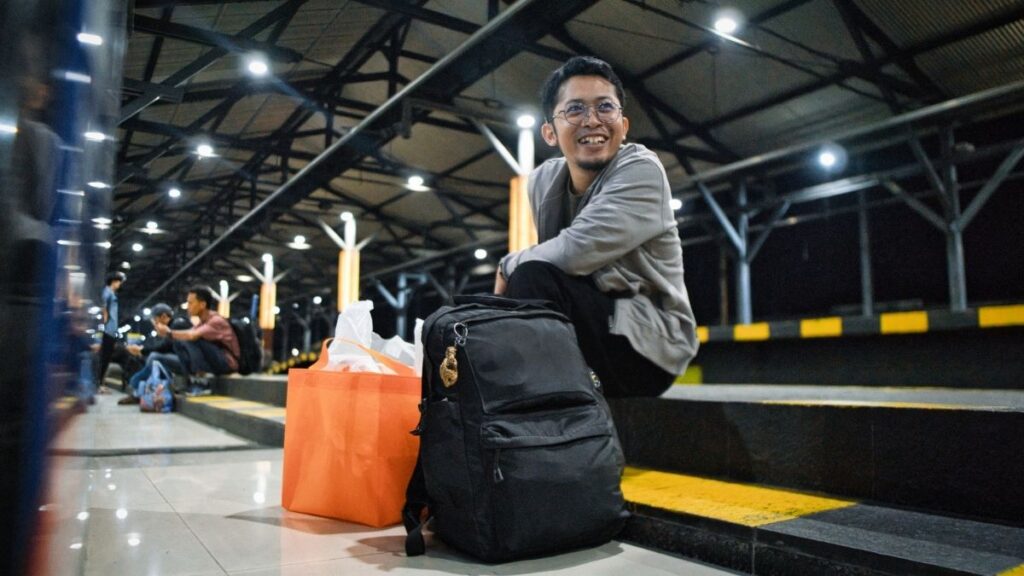
Bullet trains have luggage restrictions. Each passenger can bring two bags with a combined length, width, and height of up to 160 cm. Large bags that exceed 160 cm but are under 250 cm require a seat reservation in the oversize luggage compartment.
For super big bags, check out luggage delivery services that ship your bags to hotels or other addresses around Japan. Pack only the essentials for the train ride. Utilize small bags so you can have them near your seat or in the overhead rack. Large, cumbersome suitcases can get in your way, particularly on crowded platforms.
Tips for Taking the Bullet Train
While taking the bullet train from Tokyo to Kyoto is a speedy and dependable way to traverse Japan, a few tips go a long way in maximizing your trip. A little advance planning and smart packing can save you time and make your next journey more comfortable.
Planning your Journey
Seat reservations become available one month before your travel date, starting at 10:00 am. In peak seasons, such as holidays or festival weeks, these seats can book out days in advance. For normal days, you can sometimes find open seats up to a few hours before departure, but pre-booking is still recommended if you want a specific seat.
Have your travel info (how many people, what day, departure times, and what type of seat you want) ready before purchasing tickets. If you’re not fluent in Japanese, jotting down this info on paper helps the ticket staff expedite your assistance.
Be at the bullet train station at least 20 minutes in advance. Major stations are immense and platforms can be crowded. Arriving early allows you to locate your train and get yourself situated.
There are very few food options on board, and enjoying a meal while gazing at the scenery is part of the bullet train experience.
In case you want to see Mount Fuji, sit on the right side of the train going to Kyoto. Every shinkansen seat rotates 180 degrees so you’re always facing forward. Smoking is prohibited on all bullet trains. Green cars are more spacious and comfortable, with only two seats per row on each side of the aisle.
Travel Connectivity with Ubigi

Ubigi eSIM for easy access online in Japan and reliable connectivity. You can activate the eSIM directly from the app as soon as you arrive in Japan and it works between cities and even on the train. You don’t have to rent or return a pocket wi-fi device.
Prepaid plans are flexible, allowing you to select the perfect plan for you. Thanks to Ubigi, you’re connected and carefree from Tokyo to Kyoto! This means you can look up train information, maps, and translation apps on the fly.
You select the plan that fits your journey, from 3 GB for quick visits to more data for extended trips. Ubigi offers a range of data plans designed to fit different travel needs:
- Short city breaks (3GB to 10GB Japan data plan for 7 days)
- Longer vacations across multiple Japanese regions (25GB Japan data plan to Unlimited Japan data plan for 15 or 30 days)
- Multi-country trips within Asia (25GB to Unlimited Asia data plan for up to 30 days)
Conclusion
The bullet train from Tokyo to Kyoto offers you both speed and convenience. You bypass traffic, save time, and enjoy a smooth ride. The trains are punctual, which means you can organize your day without worry.
Seats remain tidy, windows dazzle with city lights and emerald hills, and snacks are deliciously crisp. You escape the city rush and simply watch the world slip by. Quite a few travelers choose the bullet train for business trips and vacation trips.
If you want to secure the best seats, consult the schedule and make your reservation early. Pack your own snacks or pick up a bento from the station. Take the train at least once for a smooth, relaxing ride.
Set to explore more of Japan. Reserve your seat, take your Ubigi eSIM and off you go.
We hope that this article on “Tokyo to Kyoto Bullet Train” helped you!

Frequently Asked Questions
How long does the bullet train from Tokyo to Kyoto take?
For example, you can get from Tokyo to Kyoto by bullet train in only 2 to 2.5 hours. This has made travel quick, easy, and convenient for everyone who is traveling.
How much does a ticket for the bullet train from Tokyo to Kyoto cost?
A one-way ticket will generally cost ¥13,000 to ¥15,000 (roughly $85 to $100 USD). They’re different depending on the type of train and class of seat.
Can you use the Japan Rail Pass on the bullet train between Tokyo and Kyoto?
Indeed, the rail pass works on most bullet trains, but not on the fastest Nozomi service. The pass is valid on Hikari and Kodama trains.
Do you need to reserve a seat on the bullet train from Tokyo to Kyoto?
You don’t need a reservation, but it is suggested during rush hours. Reserved seats ensure that you have one, particularly on holidays and weekends.
What types of bullet trains run between Tokyo and Kyoto?
Three main types run this route: Nozomi (fastest), Hikari, and Kodama. All are comfortable, but Nozomi is not included in the Japan Rail Pass.
Is there Wi-Fi available on the bullet train?
Pretty much all bullet trains have free wifi. You can stay connected easily during your trip, which is convenient for both work and play.
Can you bring luggage on the bullet train from Tokyo to Kyoto?
Yes, you can bring luggage. For big bags beyond 160 centimeters (combined measurements), a reservation is necessary. Compact bags slide right into overhead bins.







 How to check eSIM compatibility
 How to check carrier unlocking