


Key Takeaways
- Looking for the “Top Traditional Spanish Dishes to Experience“? This article is for you!
- Spain’s most iconic dishes are as different as the regions where they were born, with local ingredients and centuries of tradition shaping each one.
- From paella to tortilla española to cured meats, Spain dishes embody the distinct taste and heritage of their regions.
- Tapas culture beckons you to explore Spanish social dining with an array of small plates to sample, from croquetas to seafood.
- From gazpacho and pulpo a la gallega to churros con chocolate, you’ll encounter both refreshing and comforting tastes.
- With some basic Spanish food vocabulary and a little advance planning, you can uncover truly authentic dining experiences throughout Spain’s regions.
- A good eSIM like Ubigi can fuel your foodie adventure with navigation, translation, and access to local recommendations.

Introduction
Spain dishes serve a fusion of ancient and modern flavors sculpted by regional ingredients and rich heritage. You’ll discover a vast variety, from basic tapas to hearty stews.
Every region has its own dishes, with fresh olive oil, fish, and many spices. Many dishes are shareable and frequently accompanied by bread or rice.
It’s here that you begin to understand what makes Spain dishes so special and how they’re a natural part of life.
What are Spain’s Iconic Dishes?
Spain’s culinary culture is characterized by a fusion of ancient traditions, regional ingredients, and cuisine that pays homage to the country’s diverse regions.
You’ll discover recipes influenced by history, geography, and an appreciation for food as a unifier. Classic Spanish cuisine is all about balance, bold flavors, modest ingredients, and reverence for heritage.
1. The Paella Misconception
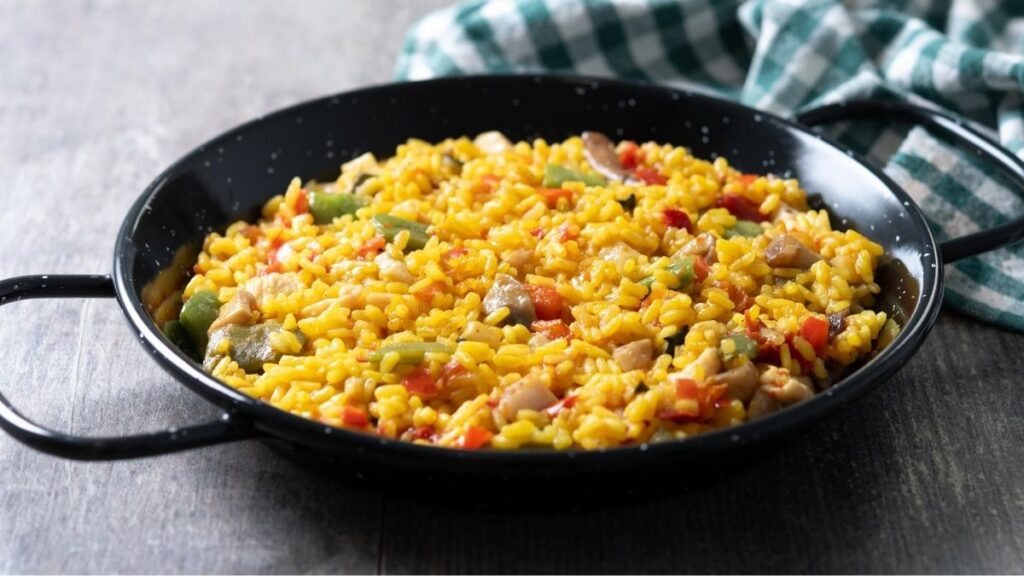
A lot of people assume paella is a seafood dish all over Spain. It originated in Valencia and was originally prepared with local rice, rabbit, chicken, and beans. Paella is many things, with seafood on the coast and mixed with meat inland.
Every region gives the dish its own spin. Paella is more than rice with stuff on it; it is about the way the rice absorbs broth and saffron. A true Valencian paella will demonstrate why it is so adored and why it is more than a tourist dish.
You can sample one of the best paella in Spain at Casa Amàlia Port Vell in Barcelona!
2. The Humble Tortilla
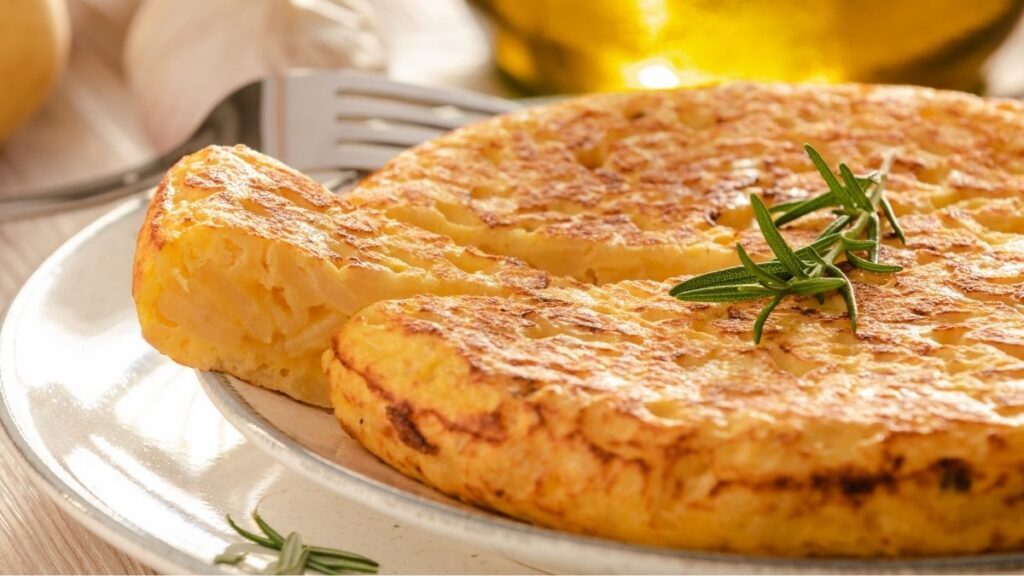
Tortilla española is a staple in Spanish homes, built on three simple things: potatoes, eggs, and olive oil. Most families have their own way of making it. You want a creamy middle; cook slow and flip with care.
It works for any meal, from breakfast to midnight snack. If you want to sample one of the best tortilla in Spain, go to Txirimiri Ferraz in Madrid and try their tortilla signature!
3. The Cured Trinity
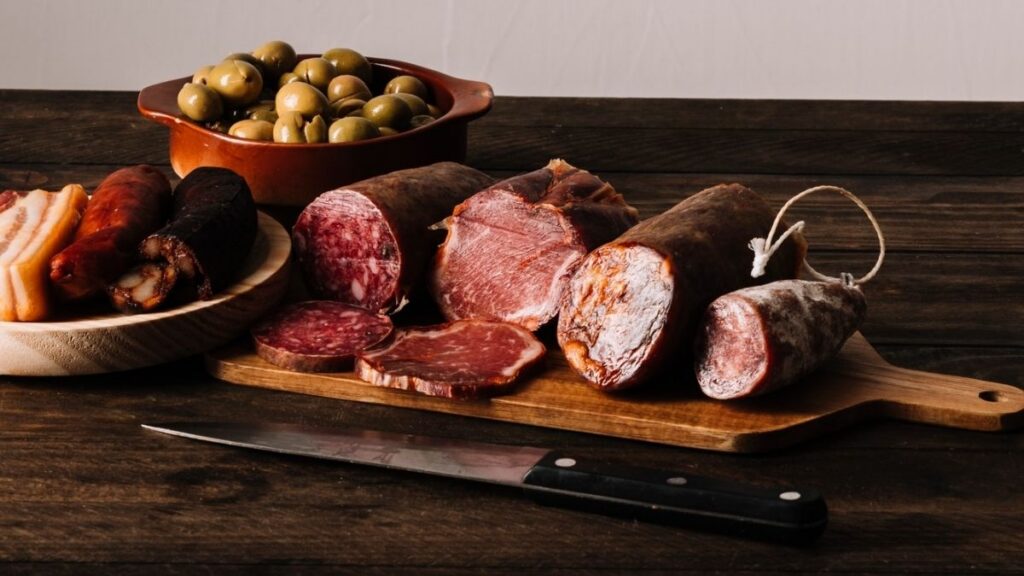
Jamón ibérico, chorizo, and salchichón are at the center of Spain’s cured meats. Iberian ham is sliced thin and aged for years for intense flavor. Chorizo uses smoked paprika and salchichón is milder.
These meats breathe life into tapas bars. You get the best out of them when pairing them with manchego cheese or a local red wine.
4. The Cold Soups
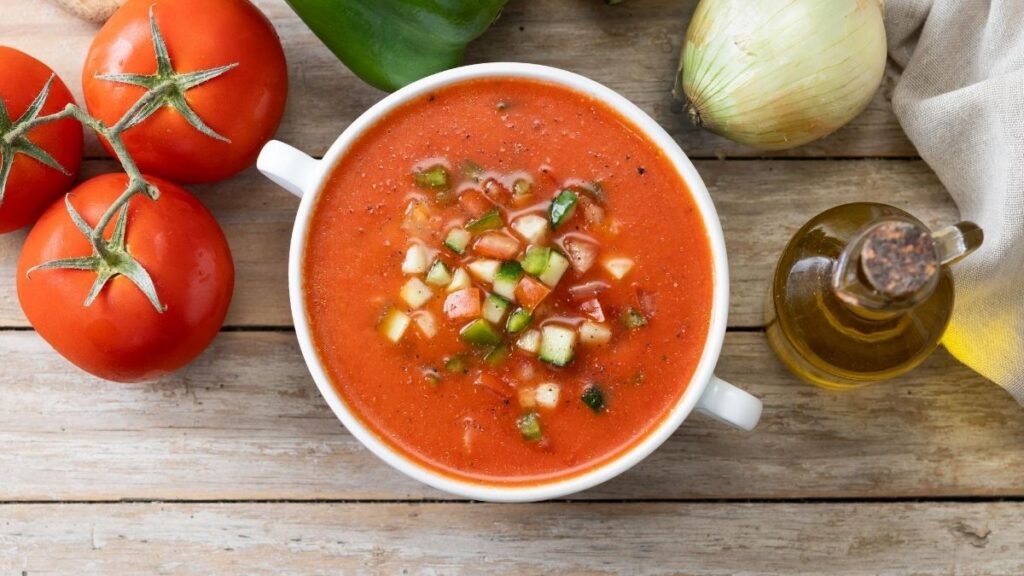
Gazpacho and salmorejo are two cold soups you find in Andalusia. Gazpacho is made with light, fresh tomatoes, cucumbers, and peppers. Salmorejo is thicker, creamier, breadier, and contains more olive oil.
They both use raw veggies and are great for warm days. Feel free to mix up the veggies by season. In southern Spain, these soups demonstrate how folks utilize what grows nearby, crafting a cuisine that suits local life.
5. The Seafood Stars
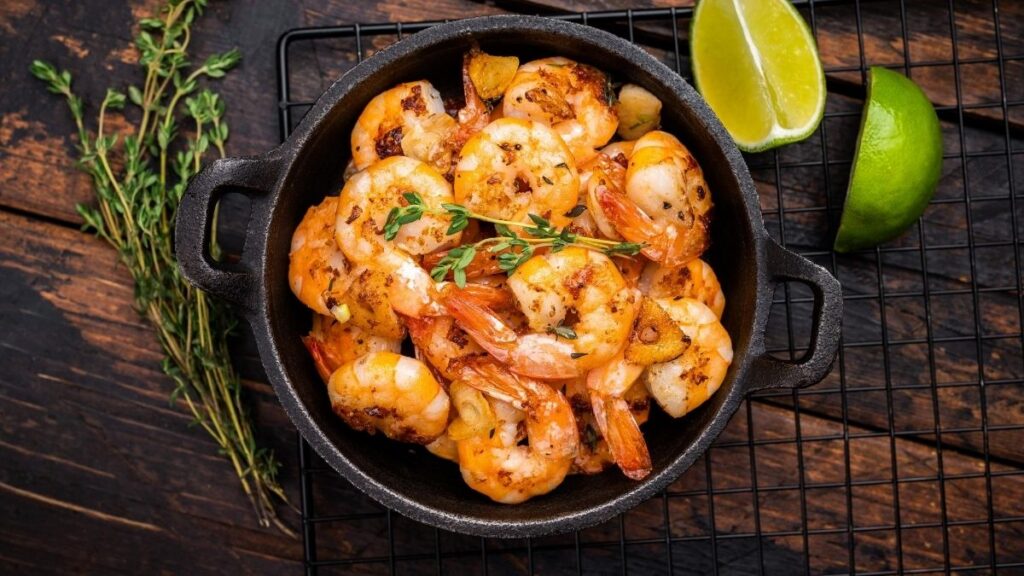
Seafood influences countless dishes, from the north to the southern coast. Pulpo a la gallega, which is octopus with olive oil, paprika, and potatoes, and gambas al ajillo, which is shrimp with garlic, are top favourites.
Local fish and shellfish make each one shine. Consuming seafood in Spain demonstrates the proximity of the sea to the table.
6. The Comfort Croquetas
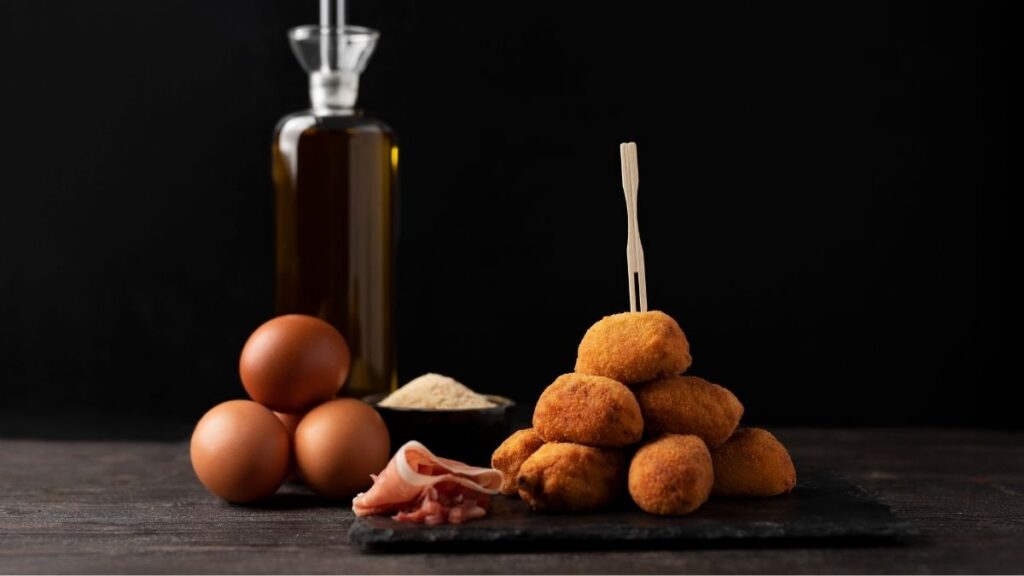
Croquetas are comfort food. They are little fried bombs with a creamy filling. Ham, chicken, cod, or mushrooms stuff the filling.
The shell is crisp and the interior is smooth. Croquetas are great for a snack or to share with friends and are always popular.
7. The Tapas Ritual
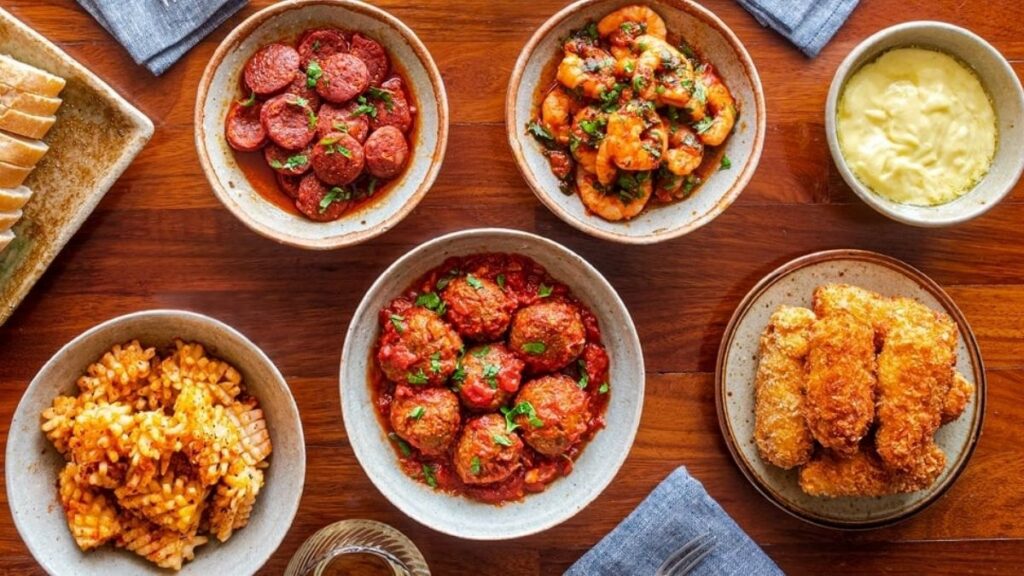
Tapas is a manner of dining and socializing. You order tapas, pass them around, and chat. Tapas vary by region, but you might find:
- Patatas bravas (fried potatoes with spicy sauce)
- Boquerones (marinated anchovies)
- Albondigas (meatballs)
- Calamares a la romana (fried squid)
How about Spain’s Iconic Dishes? Trying lots of tapas is a great way to sample what Spain has to offer.
8. Spanish desserts
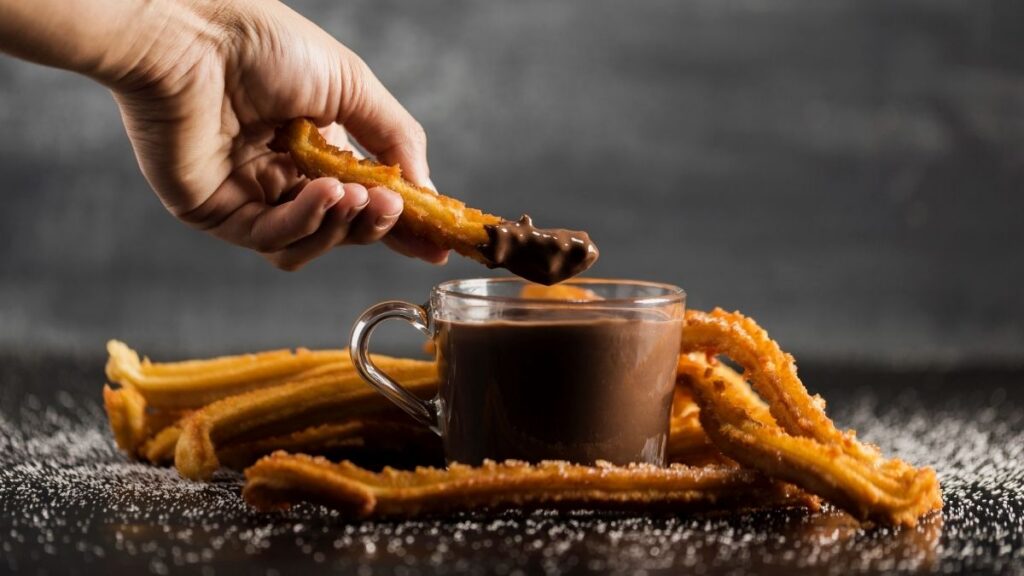
Churros con chocolate are fried dough, dunked in thick chocolate, often for breakfast or really, really late at night. Crema catalana is a soft custard with burnt sugar on top, similar to France’s crème brûlée but with lemon or cinnamon.
As both desserts demonstrate, Spain fuses simple things for a sweet finish.
A Culinary Map of Spain
Spain’s food scene shifts with every region, sculpted by coastlines, mountains, and climate. Each region boasts its own traditional recipes, local crops, and culinary methods.
As you plan your food trip, you will discover that the best way to know Spain is by tasting your way through every region.
Basque Country
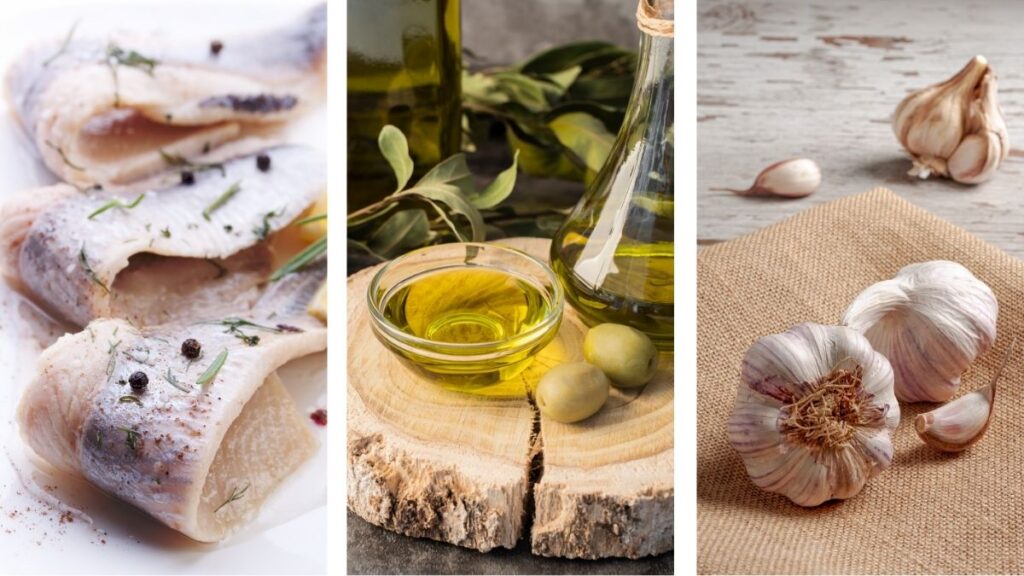
Basque Country’s boldness extends to its food, which is grounded in both sea and land. Pintxos, little snacks held together with toothpicks, are a must, frequently crowned with anchovies, peppers or jamón. Bacalao al pil-pil employs just cod, olive oil, and garlic, but the taste hinges on balance and skill.
The region’s cuisine owes much to the Bay of Biscay’s seafood and the Pyrenees’ sheep and beef. Local markets are bustling with fresh catches, cheeses and peppers. Experiencing the daily market hustle immerses you in Basque food life.
Galicia
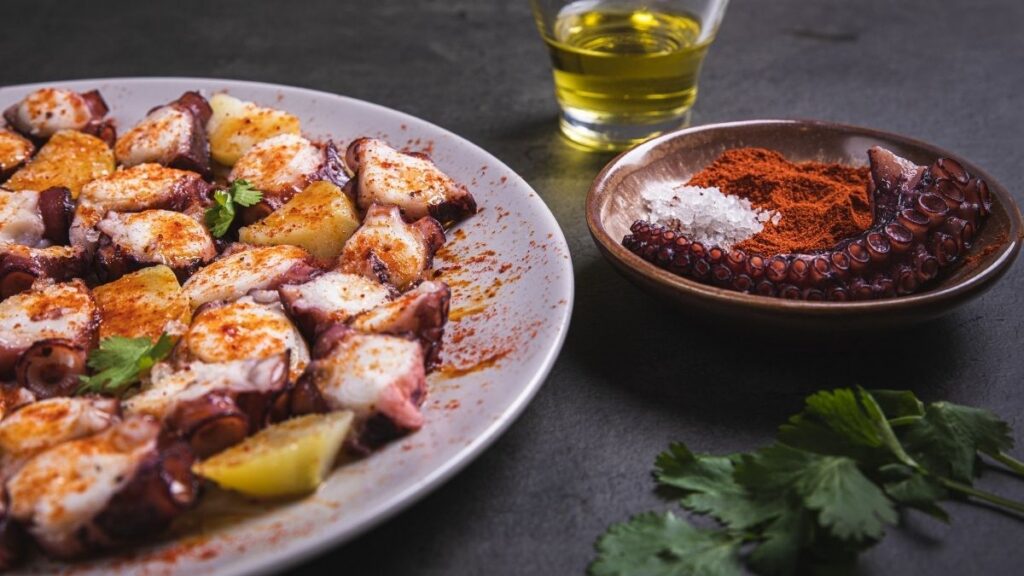
Galicia is known for its seafood, particularly its octopus. Pulpo a la gallega is thinly sliced octopus seasoned with paprika and olive oil. Empanada gallega, baked pastries stuffed with tuna or meat, is another local favorite.
The coast’s estuaries produce more mussels than anywhere else in the world. Each town hosts seafood festivals, during which locals and visitors crack open oysters and enjoy wine together. Taste Albariño, a dry white wine, for the authentic Galician pairing.
Catalonia
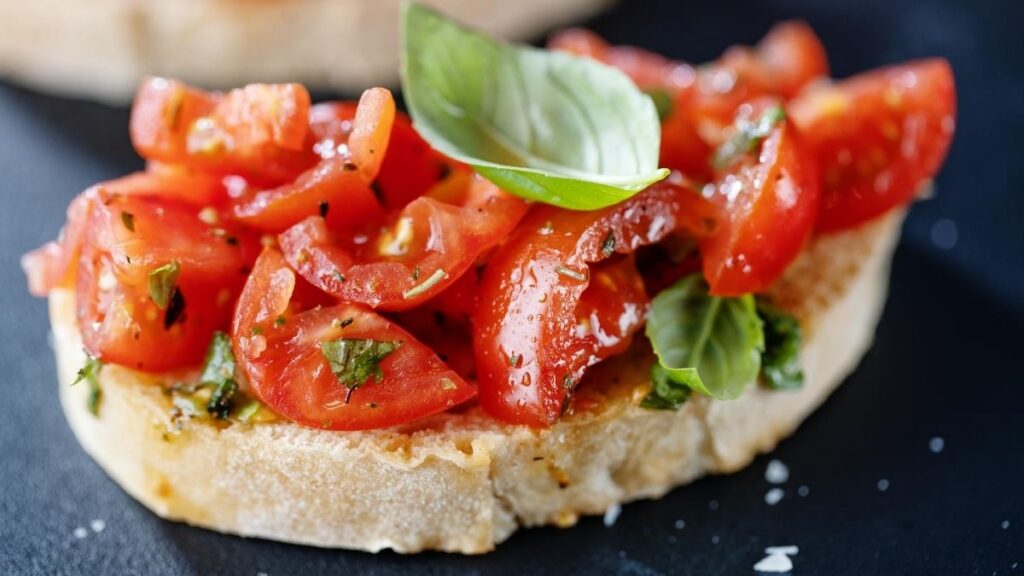
Catalonia stirs Mediterranean roots with style. Pan con tomate is toasted bread rubbed with tomato and oil, everywhere. Crema catalana, a custard with a crisp sugar top, is legendary.
Olive oil, tomatoes, and seafood mold the region’s cuisine. Stalls in neighborhood markets overflow with freshly harvested fruit, nuts, and cheeses, calling out for you to sample.
Andalusia
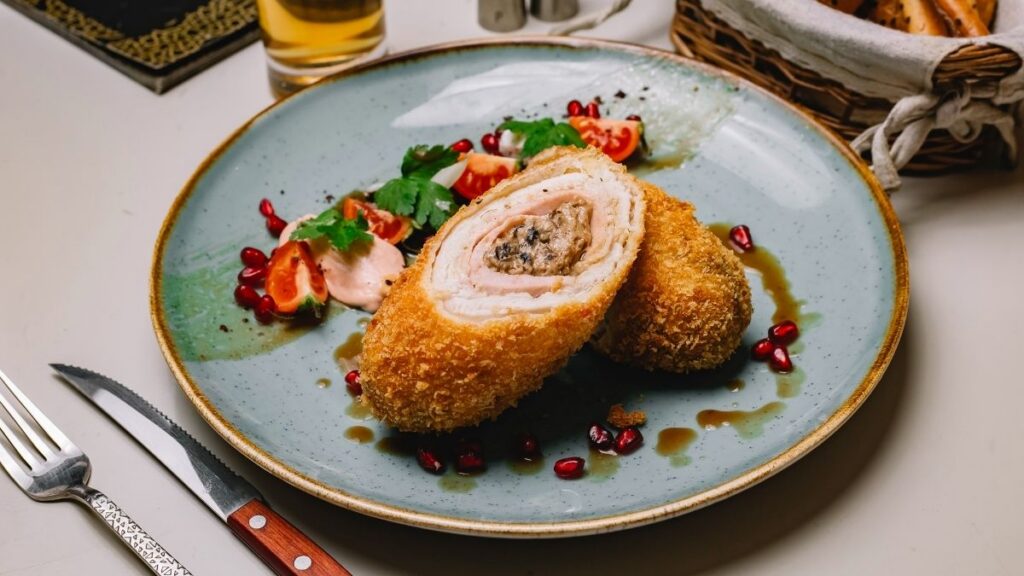
Andalusia’s cuisine is a mix of the ancient and Moorish influences. We normally ate gazpacho, a cold tomato soup that is perfect for warm days. Flamenquín, ham-wrapped pork fried golden, is hearty and rich!
It’s Spain’s olive oil capital. Pretty much every dish is drenched with it. Food fairs parade tapas, olives, and sweets at you, providing a genuine flavor of local life.
Central Spain
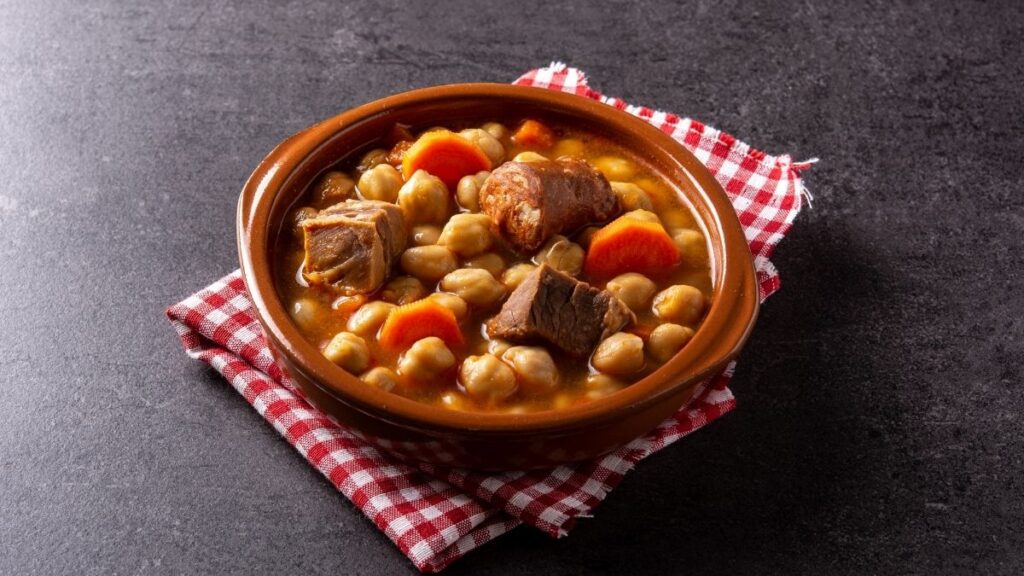
Central Spain is hearty. Think slow-cooked stews such as cocido madrileño, bursting with meat, chickpeas, and veg. Cochinillo asado, or roast suckling pig, is wood-fired until crisp.
Dishes are seasonal, from beans to mushrooms. Enjoy them with a glass of Rioja for a quintessentially complete meal.
Travel Tips for Exploring Spanish Cuisine
Spanish food flings the old and new together, each region having its own specialties. When you travel, you’ll notice that big cities like Madrid and Barcelona have an abundance of vegetarian, vegan, or traditional restaurants. In rural areas, they stick with local recipes.
With different hours and customs than other countries, knowing the essentials allows you to savor more of Spain.
Preparation and Basic Knowledge
Pick up a few food words before you go! ‘Tapas,’ ‘paella,’ ‘gazpacho,’ and ‘churros’ are all over the place. If you know ‘carne’ is meat or ‘mariscos’ is seafood, you won’t screw up ordering.
In the cities, you can stumble upon a vegan or vegetarian menu easily. In smaller towns, your options are slim.
Reserve tables in advance, particularly over holidays or in summer. Restaurants fill up quickly and some are closed from 4 to 7 PM to freshen up after lunch. Inquire about the daily special. Many locales have “menu del día,” a set meal that is good value.
Stroll a few blocks past the bustling tourist drag. You’ll discover neighborhood bars with proper tapas, such as fried almonds, gambas al ajillo, or ham croquetas. Tipping is not mandatory, but it is customary to leave 5 to 10 percent or a euro or two for good service at dinner or bars.
Plan ahead with Ubigi eSIM

You’ll want a solid data plan to find authentic tapas bars, translate menus, and read restaurant reviews. Ubigi eSIM lets you book last-minute tables or find local markets on your phone. Solid information allows you to adapt your schedule, particularly when local restaurants have different operating hours than you’re accustomed to.
Install your eSIM before departure and activate it directly in Ubigi app as soon as you land in Spain to be connected within minutes.
You select the plan that fits your journey, from 1 GB for quick visits to more data for extended trips. Ubigi offers a range of data plans designed to fit different travel needs:
- Short city breaks (3GB Spain data plan for 7 days)
- Longer vacations across multiple Spanish regions or islands (10GB or a 25GB Spain data plan or an unlimited data plan for 15 or 30 days)
- Multi-country trips within Europe (25GB to Unlimited Europe data plan for up to 30 days)
There are no roaming fees, and you retain your primary SIM for calls or texts. You enjoy good coverage all over Spain and can use your eSIM in other European countries with the regional data plans, if your trip strays outside of Spain.
Conclusion
Spain gives you tastes that linger. Each dish flaunts its heritage: paella out of Valencia, gazpacho in the south, pintxos in the north.
You taste variety in every village. We all eat together, sharing plates in little bars or around huge family tables; it’s very natural. Fresh olives, smoky chorizo, sweet churros, each with its own tale.
Experiment with new dishes, inquire with locals about their favorites, and dine al dente. With every serving, let it reveal to you more than flavor; you get a slice of Spain with each one!
Stay connected with a Ubigi eSIM to find new places to try in Spain. Continue your culinary adventure and let your next dish transport you to the heart of Spain.
We hope that this article on the “Top Traditional Spanish Dishes to Experience” helped you!

Frequently Asked Questions
What are the most famous dishes from Spain?
Don’t miss paella, gazpacho, tortilla española, and churros. These are some of the best tastes of Spain dishes from around the world.
Is Spanish food spicy?
No, Spanish food typically isn’t spicy. Instead, it relies on fresh herbs, olive oil, garlic, and mild spices to bring out flavors that are rich and balanced, which you will love.
Are there vegetarian options in Spanish cuisine?
Yes, there are many vegetarian options such as gazpacho, patatas bravas, and pisto. The majority of restaurants are able to make vegetarian variations of staple dishes as well.
What is tapas and how do you eat it?
Tapas are little dishes for snacking or appetizers. Simply order several different types to share with your friends for a more social and diverse meal.
Can you find gluten-free dishes in Spain?
Yes, a lot of Spanish dishes are naturally gluten-free, including grilled meats, seafood, and rice dishes. Always check with the restaurant staff to verify ingredients.
How important is olive oil in Spanish cooking?
Olive oil is at the heart of Spanish cooking. You’ll find it in everything from salads to cooked dishes. It adds a fresh, luscious flavor to dishes and is a healthy option.
What drinks pair well with Spanish food?
You can complement Spain dishes with local wines, sangria, or sparkling water. These beverages accentuate the flavors and enhance your meals.








 How to check eSIM compatibility
 How to check carrier unlocking