


Summary
- 1) 2. Ignoring the Official Tour de France Route
- 2) 3. Arriving Too Late on Mountain Stages
- 3) 4. Underestimating the Summer Heat
- 4) 5. Expecting to See Riders for a Long Time
- 5) 6. Driving Directly to the Finish Line
- 6) 7. Forgetting About Weather Changes in the Mountains
- 7) 8. Standing in Dangerous Areas
- 8) 9. Trying to Follow Too Many Stages
- 9) 10. Not Planning Mobile Connectivity
- 10) Highlights to Experience
- 11) Conclusion
- 12) Frequently Asked Questions
Key Takeaways
- If you are attending Le Tour de France, here is a guide of the mistakes to avoid to make the most of your experience!
- Book your hotel months ahead, particularly around the Alps and Pyrenees stages, or face sold-out hotels and ridiculous price inflation.
- View the official Tour de France 2026 route frequently and schedule around road closures to keep your travels on time.
- Hit the mountain stages a few hours early for iconic climbs like Alpe d’Huez and Mont Ventoux to get the best viewing before the crowds roll in.
- Anticipate summer heat and unexpected mountain skies by packing sunscreen, a hat, ample water, a lightweight rain jacket, and layers.
- Prepare for the riders to speed by, revel in the caravan and local celebrations, and don’t obstruct race routes or stand in hazardous spots.
- Travel via public transport, train, or shuttles near finishes and plan mobile connection in advance with a Ubigi eSIM to stay updated about closures.

Introduction
Every summer, millions of cycling fans travel across France to watch the Tour de France from the roadside. From famous mountain climbs to crowded sprint stages, the race creates an atmosphere unlike any other sporting event.
But following their first Tour can also be challenging for first-time visitors. Hotels sell out quickly, roads close hours before the race arrives, and mountain stages require careful planning.
This guide covers the most common mistakes spectators make during the Tour de France and how to avoid them so you can enjoy the race with less stress.
1. Waiting Too Long to Book Accommodation

Booking late usually means lodging far away from the race. Hotels close to the big stages go really fast. People book them several months in advance, particularly for Alps and Pyrenees stages.
Mountain villages don’t have many rooms, so you could be 50 kilometers away. Rates go through the roof as the dates get near, and campervans start lining the roads three to four days in advance, reducing your choices and your backup solutions.
The Tour brings crowds that inundate small towns, stress supermarkets, and cause tailbacks that take hours to dissipate. On mountain-stage days, bakery and local shop lines can wrap around the block in small villages. Plan to buy provisions early or the night before in mountain towns to avoid troubles.
Book your accommodation early to get the location and price you want and not have to deal with longer hikes, limited meals, and choked roads.
2. Ignoring the Official Tour de France Route
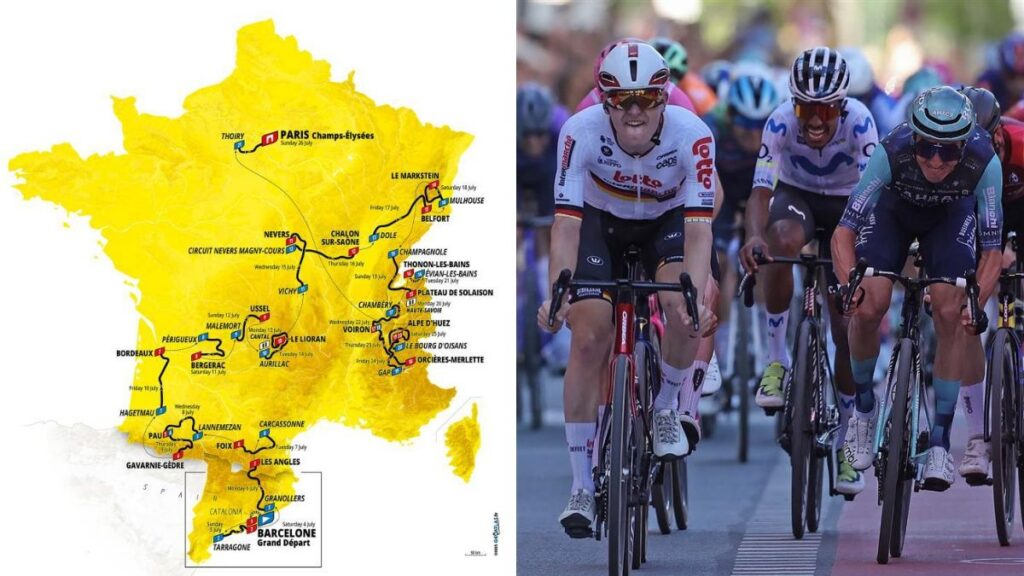
Checking the official Tour de France route before your trip is essential. Stage routes, start times, and road closures can change from year to year, and some areas become difficult to access on race day, especially in the mountains.
Many roads close several hours before the riders arrive, which can affect driving routes, parking, and public transport schedules. Without planning ahead, it’s easy to get stuck in traffic or arrive too late to reach your viewing spot.
Some spectators prefer famous mountain climbs like Alpe d’Huez or Mont Ventoux for the atmosphere, while others enjoy sprint finishes, village starts, or quieter countryside roads.
Planning your day around the route will make traveling between different stages much easier and help you avoid unnecessary stress.
3. Arriving Too Late on Mountain Stages
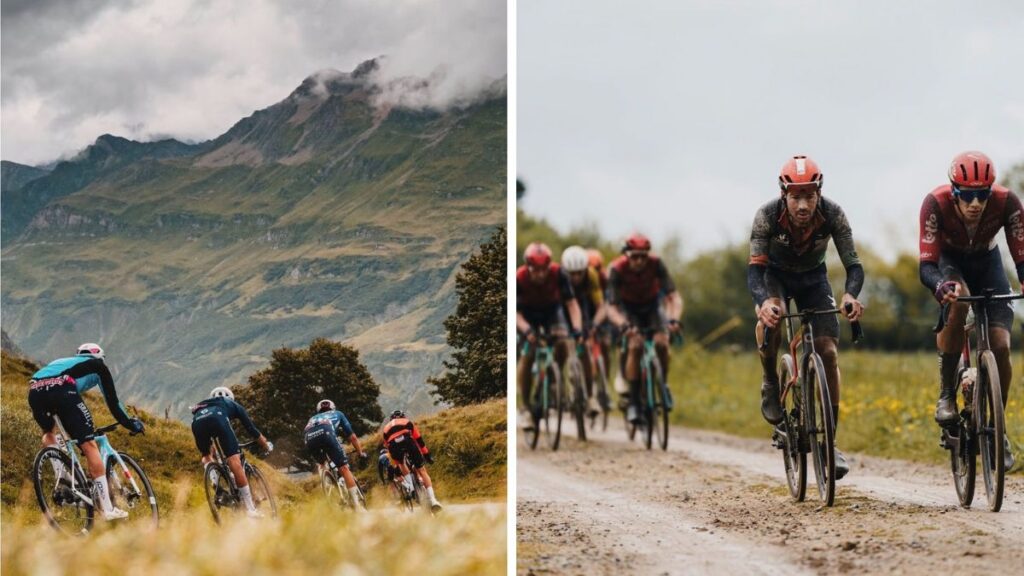
For famous mountain climbs like Alpe d’Huez, Mont Ventoux, or Col du Tourmalet, it’s best to arrive very early in the morning. Many fans reach these climbs before 6 a.m. to secure a good viewing spot and avoid heavy traffic. The most popular areas fill up quickly, and some spectators even camp overnight along the road.
Traffic can become extremely difficult later in the day, especially near mountain stages. Roads often close several hours before the riders arrive, and long traffic jams can continue well into the evening after the stage ends.
To make the day easier, plan to arrive several hours early. Many experienced cycling travelers park 15 to 20 kilometers away and continue by bike or on foot. Walking or cycling up the climb before the crowds grow is often the simplest and most enjoyable option.
4. Underestimating the Summer Heat
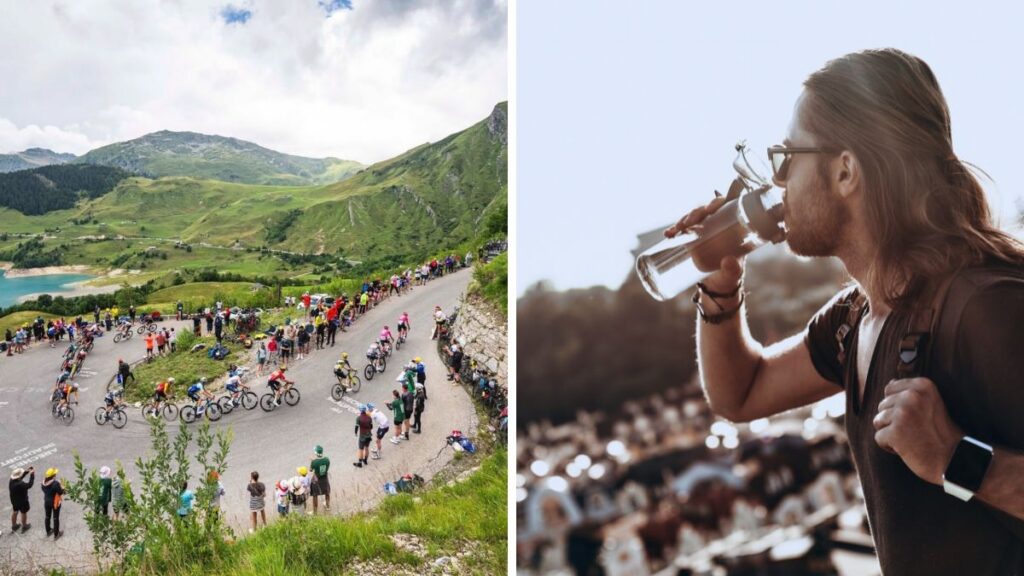
Following the Tour in July means spending many hours outside under the summer sun. On southern stages, temperatures often rise above 35°C (95°F), especially during the afternoon. Some areas can feel even hotter with little shade available along the roads.
The heat can be challenging for spectators, particularly children and older people. Standing for long periods in direct sunlight increases the risk of dehydration, exhaustion, and heatstroke. Even experienced fans can struggle after several hours on exposed mountain roads or crowded finish areas.
To stay comfortable, bring sunscreen, sunglasses, a hat, and plenty of water. Lightweight clothing and snacks can also help during long waiting times. Weather conditions can change quickly in the mountains, so it’s always smart to check the forecast before leaving for the stage.
5. Expecting to See Riders for a Long Time
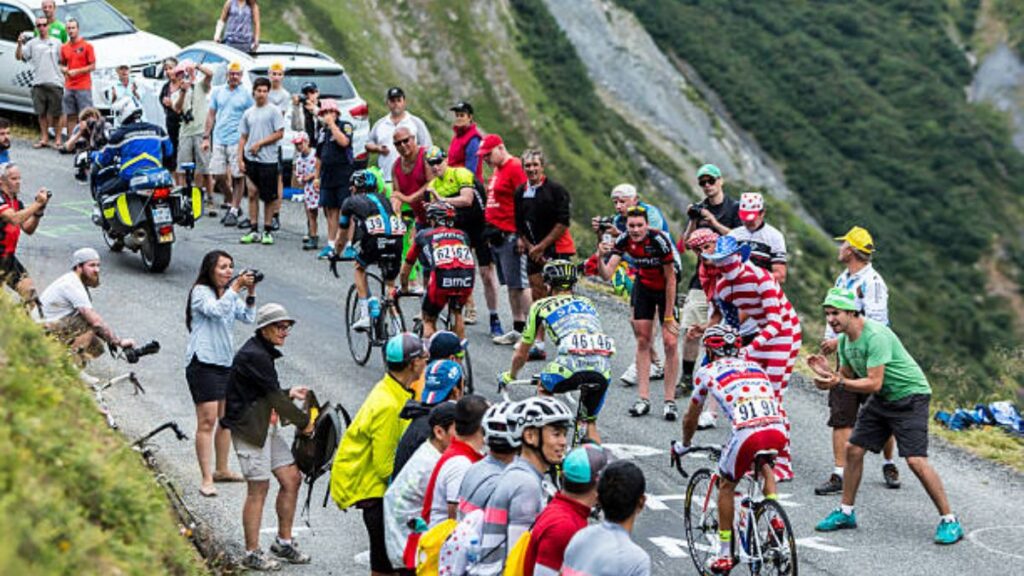
The race can seem short from the roadside. On flat stages, the entire peloton may pass in under 20 seconds, faster than most first-time spectators expect. When you do, you’ll glimpse a blur of vibrant jerseys, wheels, and team cars, and then quiet sets back in again.
Plan for that: position yourself near a marker, know the expected pass time, and expect the actual ride-by to be very short.
Come early and hang around afterwards. The build-up brings the sponsor caravan, fan zones, and music that set the tone. Local markets, food stalls, and team warm-up provide even more to watch.
Once the riders go by, breakaway chasers, team cars, and post-stage interviews are just around the corner. These moments provide perspective and allow you to savor the day.
6. Driving Directly to the Finish Line
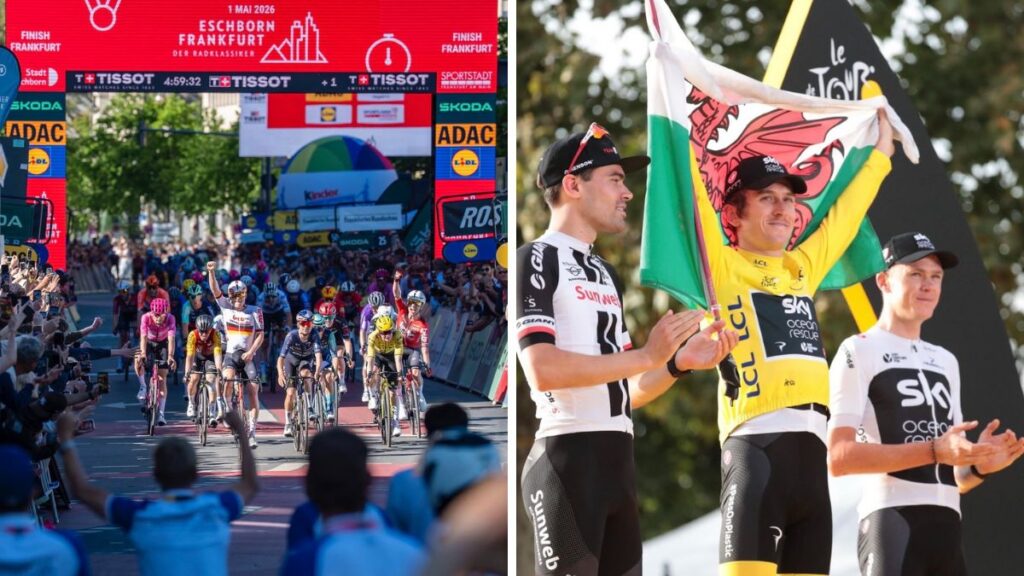
Driving straight to a stage finish is usually much more difficult than first-time visitors expect. Roads around finish areas often close several hours before the riders arrive, and parking becomes extremely limited, especially on mountain stages and in smaller towns.
Traffic after the stage can also be very slow, with long delays as thousands of spectators leave at the same time. On famous climbs and summit finishes, many campervans arrive days in advance to secure a spot along the road.
Whenever possible, public transport, shuttle buses, or cycling to the stage are often easier options than driving directly to the finish area. Many experienced fans park farther away and walk or ride the final kilometers to avoid heavy congestion.
If you plan to attend a major stage finish, arrive early, bring water and snacks, and prepare for large crowds, particularly near the finish line barriers. Staying overnight nearby can also make the experience much less stressful after the race ends.
7. Forgetting About Weather Changes in the Mountains

Weather in the Alps and Pyrenees can change very quickly, even in the middle of summer. A hot and sunny morning can turn cool, windy, or rainy later in the day, especially at higher altitude.
Because spectators often spend many hours outside, it’s important to come prepared for changing conditions. A lightweight rain jacket, extra layer, and comfortable shoes can make a big difference during long mountain stages. Many fans also bring a cap, sunglasses, and small backpack with water and snacks.
Checking the weather forecast before leaving for the stage is always a good idea, especially in mountain areas where conditions can change rapidly.
8. Standing in Dangerous Areas
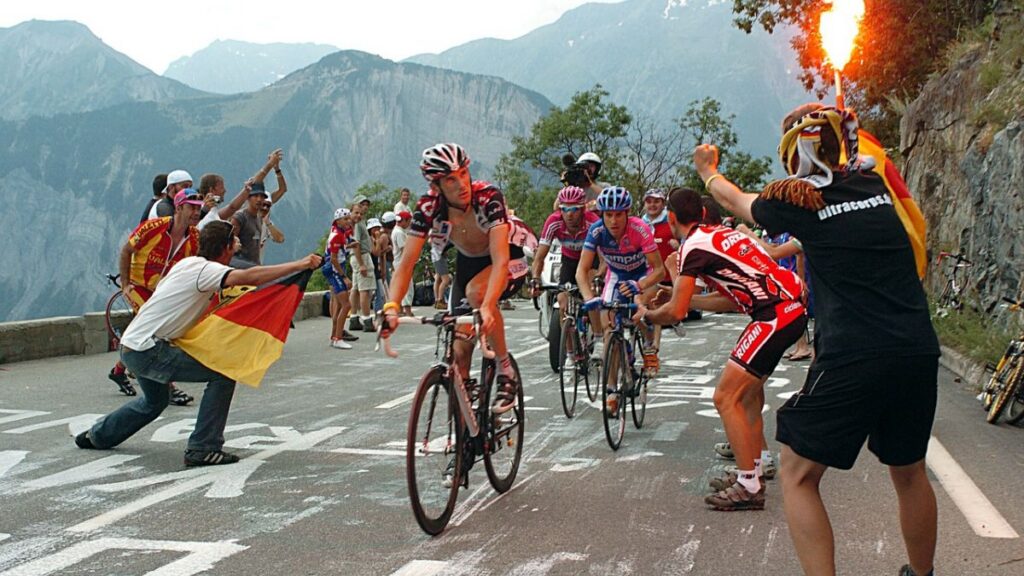
Watching the race from the roadside is exciting, but it’s important to stay safe and respect the course. Never stand in front of riders or lean too far into the road, especially on narrow climbs and fast descents. Bags, signs, and phones can easily cause dangerous crashes if they block the riders.
When barriers are in place, always stay behind them. Mountain roads can become crowded and slippery, particularly after rain, so wear comfortable shoes and stay aware of the people around you while taking photos or moving along the route.
It’s also important to follow instructions from race officials, security staff, and local police. Roads may close suddenly before the riders arrive, and certain areas can become restricted for safety reasons.
If you are traveling with children, older relatives, or anyone sensitive to heat or long walks, try to choose quieter viewing areas with easier access and some shade nearby.
9. Trying to Follow Too Many Stages
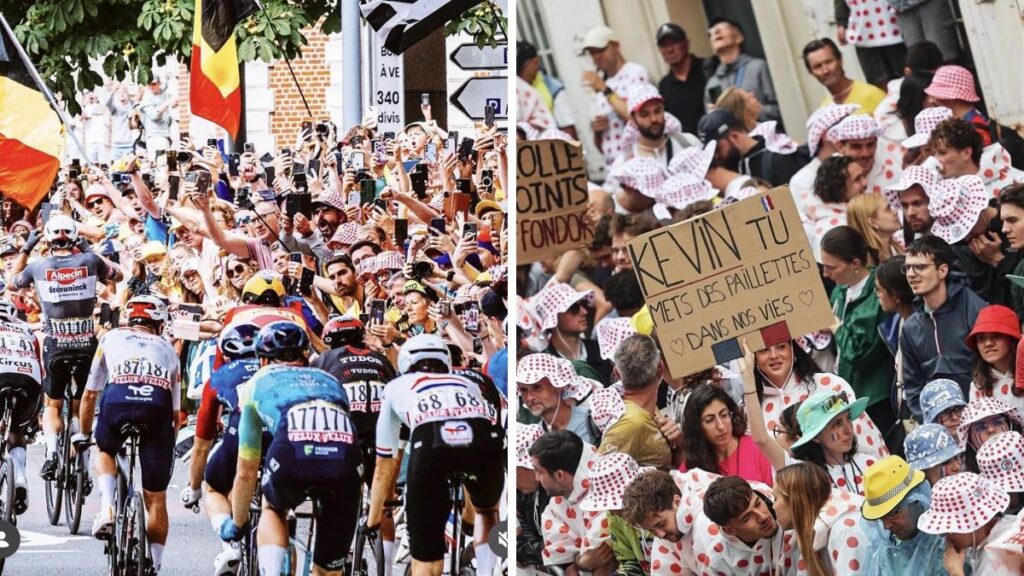
France is larger than many visitors expect, and traveling between stage towns can take several hours each day. Following the Tour from start to finish often means long drives, busy trains, limited sleep, and very little time to enjoy the places you visit.
Instead of trying to see every stage, it’s usually better to choose just a few key moments of the race. Many fans combine a mountain stage for the atmosphere, a time trial for longer rider visibility, and the Paris finale for the celebration and crowds.
Mountain stages are often the most memorable, but they can also be the most tiring because of early road closures, long walks, and difficult transport. Planning a lighter schedule gives you more time to rest, explore local towns, and enjoy the overall experience instead of constantly rushing from one stage to the next.
10. Not Planning Mobile Connectivity

Mobile data is a lifesaver on the Tour and rural mountain coverage can be iffy. Your single-country eSIM data plan may lose out when you cross from Spain into France or between regions. Without a regional eSIM data plan, you risk dropped service at key moments, such as when you require route maps or live stage telemetry.
A Ubigi eSIM data plan keeps you connected as soon as you arrive and lets you monitor and control your data usage directly from the app. You also bypass roaming charges and can top-up your plan for more data whenever you want.
Setup is easy and you choose a prepaid plan that matches your cycling trip:
- Short city breaks (3GB French data plan for 7 days)
- Longer vacations or with data for two via hotspot (10GB or a 25GB French data plan for 15 or 30 days)
- Multi-country trips (50GB to Unlimited European data plan for up to 30 days)
You utilize mobile data for GPS, live stage and train updates, and emergency hotel bookings. More travelers receive surprise bills from roaming and from data-hogs streaming or online gaming.
Highlights to Experience
Le Grand Départ: The opening stage of the Tour de France brings a special atmosphere as racing teams, media, and fans gather before the race truly begins. The Grand Départ usually includes team presentations, fan events, and large crowds lining the roads for the first stage of the Tour. Arriving early gives you more time to enjoy the celebrations and see riders before the racing intensity fully takes over.
Paris Finale at the Champs-Élysées: You’ll arrive to a tight, electric street where sprinters fight for victory and crowds line the entire route. Look forward to sleek lead-outs, telecast fan zones, and night-time illuminating the circuits prior to a finishing frenzy as riders race in for the finish.
Choose a location by the team buses for pre-race access or reserve a grandstand for unobstructed viewing.
Legendary Mountain Climbs: Alpe d’Huez, Mont Ventoux, and Pyrenean cols test riders and reward fans with panoramic views. You can trail early, station at hairpins or take advantage of local shuttles to access remote climbs.
Caravan Parade: The pre-race caravan hands out free items and stages small shows along the route. Get there early for giveaways, tunes, and delicious local goodies.
Conclusion
You can orchestrate a smooth, great-looking Tour de France 2026 journey with smart selections and little steps. Select accommodations early near stages you are interested in. See the official route and stage times so you don’t pursue riders in the wrong town. Allow mountain stages additional time for travel, sun, and sudden storms. Bring layers, sunblock, and lots of water. Take local transit or bike trails rather than heading straight to finish lines.
Maintain phone data plans with Ubigi eSIM for maps and updates. Please remain behind barriers and obey marshal advice to stay safe. Restrict yourself to two or three stages; otherwise, you will rush and get tired. Be prepared to tether dates and positions. Reserve today and savor the race.

Frequently Asked Questions
How early should I book accommodation for Tour de France 2026?
Book once stages and towns are announced. Aim for 6 to 12 months in advance. Hot mountain towns sell out quickly.
Can I rely on following the official Tour de France route on race day?
No. Spectator routes and road closures are frequently different. Consult the official stage guide and local notices in the week preceding.
When should I arrive for a mountain-stage viewing spot?
Get there 3 to 4 hours ahead of the peloton on big climbs or cols. That guarantees prime viewlines and safer spots.
How do I stay safe around riders and crowds?
Support behind barriers, listen to marshals and don’t stand on the road. Keep little ones close and hold all banners and flags tight.
Will I have mobile connectivity in the mountains?
Save stage maps, tickets, and emergency info for offline access. Bring a portable charger. Take a Ubigi eSIM data plan for France to make sure that you stay connected at all times.
Is driving to the finish line a good idea?
No. Roads close early and parking is hard to find. Wherever possible, use shuttles, public transport, or walk in from one of the nearby towns.
What should I pack for sudden mountain weather changes?
Throw in some layers, a waterproof jacket, sun protection, and a warm hat. Temps can change dramatically in a matter of hours.







 How to check eSIM compatibility
 How to check carrier unlocking