


Summary
- 1) Key Takeaways
- 2) Introduction
- 3) 1. Adobo (The National Dish)
- 4) 2. Sinigang (Sour Soup)
- 5) 3. Lechon (Roast Pig)
- 6) 4. Pancit (Stir-Fried Noodles)
- 7) 5. Kare-Kare (Peanut Stew)
- 8) 6. Halo-Halo (Famous Dessert)
- 9) Where to Try Filipino Traditional Food
- 10) Travel tips for the Philippines
- 11) Conclusion
- 12) Frequently Asked Questions
Key Takeaways
- Looking for the “Traditional Filipino Dishes to Try“? This article is for you!
- One way to taste the variety of Filipino cuisine is by sampling classic dishes like adobo, sinigang, lechon, pancit, kare-kare, and halo-halo, all of which have their own distinct flavors and regional versions.
- What I love about eating in places like Manila, Cebu City, and Davao City is that you get to experience both street food and specialty restaurants and really experience the local culinary culture.
- Filipino dining is generally family-style shared dishes with rice and a number of dipping sauces. Every meal is a community affair.
- Fiestas emphasize the role of food in Filipino culture, with lechon and pancit representing tradition and community.
- When sampling Filipino cuisine, keep an eye on spice ratings and do not be afraid to try local specialties for a true treat.
- Staying connected with services like Ubigi eSIM will help you explore food markets, translate menus and share your culinary highlights to make your travel experience tastier and smoother.

Introduction
Filipino traditional dish refers to a native meal of the Philippines, typically a family recipe or communal favorite. You’ll find rice, meat, fish, fresh vegetable dishes or traditional filipino desserts in these recipes, with tastes crafted by local herbs and spices.
For every recipe, there’s a smattering of history and culture, easy step-by-steps, and everyday ingredients. As you continue reading, discover what makes these popular dishes tick and how you can sample them.
1. Adobo (The National Dish)
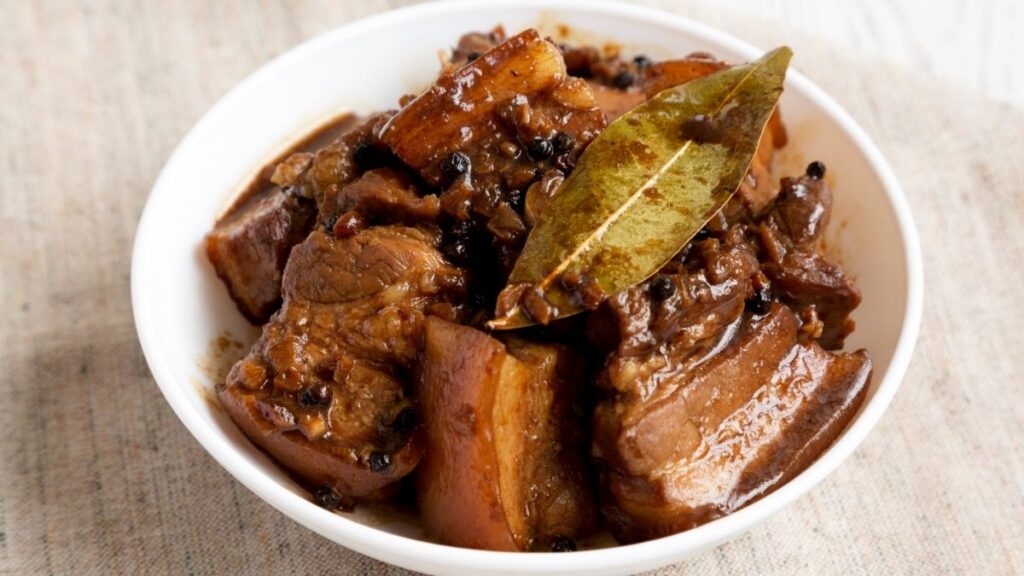
Adobo is the most iconic Filipino dish, known for both its flavor and its story. At its core, it consists of meat, usually chicken or pork, braised in vinegar, soy sauce, garlic, black peppercorns, and bay leaves. These Southeast Asian ingredients combine to create a rich, savory, and slightly tangy dish.
The use of vinegar and salt dates back to precolonial times, when these methods helped preserve food in the tropical climate. What makes adobo unique is its regional diversity. In Luzon, for example, adobo sa gatâ includes coconut milk, adding a creamy richness.
In the Visayas, soy sauce is often omitted and more vinegar is used, resulting in a sharper taste. Other regions prepare adobo with beef, seafood like squid or shrimp, or even duck and goat, reflecting local tastes and available ingredients.
Adobo is also highly adaptable, some versions even include vegetables. Each family has its own recipe, passed down through generations and adjusted over time. More than just a dish, adobo represents Filipino resilience and culture. You discover how traditional cooking methods were preserved while incorporating influences from trade and colonization.
Unlike Spanish or Latin American adobo, the Filipino version does not include ingredients like chilis, paprika, oregano, or tomatoes. This distinction highlights how it has maintained its identity over centuries. Today, adobo is a source of pride for Filipinos and is recognized worldwide as a symbol of their cuisine and heritage.
2. Sinigang (Sour Soup)
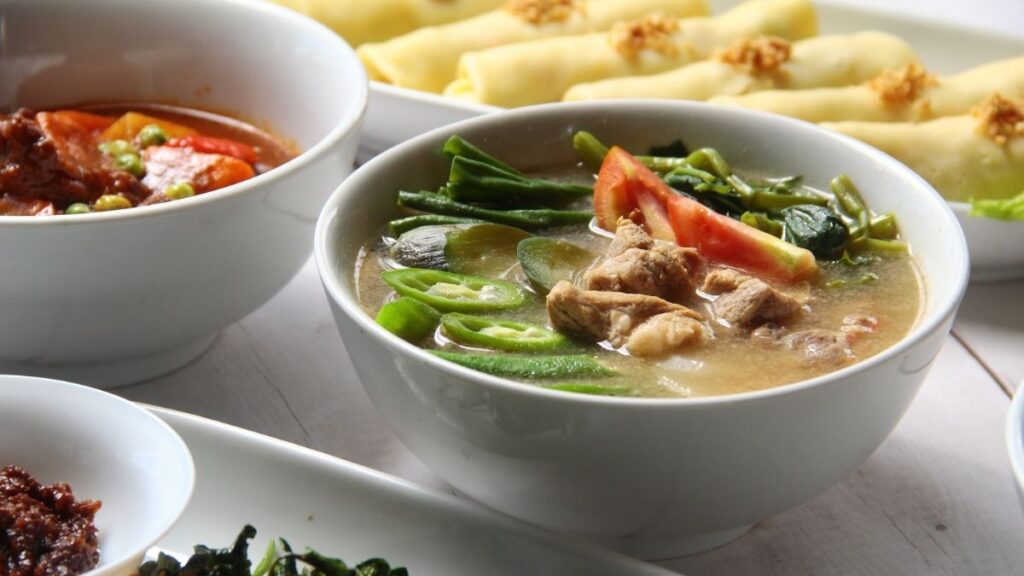
Sinigang is a classic Filipino sour soup, celebrated for its bright, tangy flavor and comforting appeal. The broth balances sourness from tamarind or other fruits with the natural sweetness of vegetables and the richness of protein, making it both refreshing and hearty. Its versatility lets you adjust ingredients based on taste or availability.
The base is simple: meat or seafood is boiled and soured with tamarind extract. Pork ribs and salmon belly are traditional, while shrimp or corned beef work too. The protein shapes the soup’s character: pork feels rich, fish and shrimp bring lightness and brininess.
Vegetables define the flavor and texture. Typical choices include kangkong (water spinach), talbos ng kamote (sweet potato leaves), sitaw (yard-long beans), taro, eggplant, okra, and green chili. If these aren’t available, spinach or mustard leaves are good substitutes, making sinigang adaptable worldwide.
Sinigang is best prepared fresh, ideally serving one portion at a time. Its simple method, flexible ingredients, and layered flavors make it a versatile and beloved dish, perfect for any table, anywhere.
3. Lechon (Roast Pig)
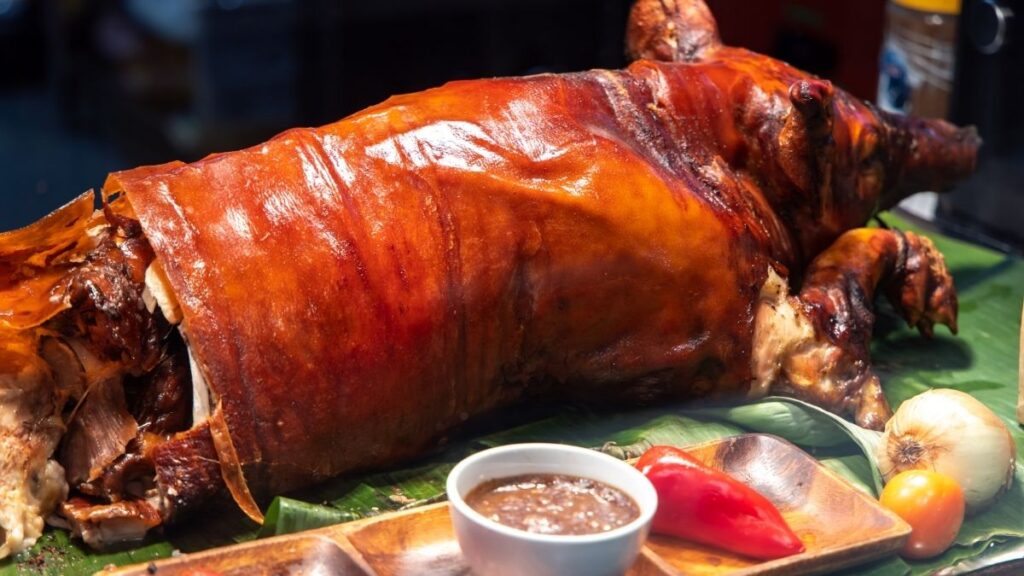
Lechon, a whole roasted pig, takes center stage in Filipino festivities. More than just food, it’s a symbol of unity, usually placed in the middle of the table for birthdays, weddings, and major holidays. With its golden, crispy skin and juicy, tender meat, lechon commands attention and celebration.
Usually a 12-kilo pig, it’s spit-roasted over coals for up to six hours. Slow roasting melts the fat, crisps the skin, and keeps the meat moist. To achieve the signature crunch and red hue, cooks baste the skin with a mix of 7 Up and thinned milk, adding sweetness and color. Some stuff the pig with herbs, lemongrass, or even paella or truffled rice, while lechon de leche uses a smaller, milk-fed pig unstuffed.
Lechon is often paired with a sweet and sour liver sauce, and nothing goes to waste. Even the blood usually becomes dinuguan, a rich black stew. Regional variations abound, with Cebu lechon being the most famous: bold with garlic, pepper, salt, and native herbs stuffed into the belly. Its reputation is so strong that Filipinos nationwide order it for special occasions.
Spit-roasting lechon dates back to pre-Spanish times, connecting this dish to centuries of tradition. Today, lechon continues to bring people together, offering a delicious taste of culture and history, whether served at a family table or a grand celebration.
4. Pancit (Stir-Fried Noodles)
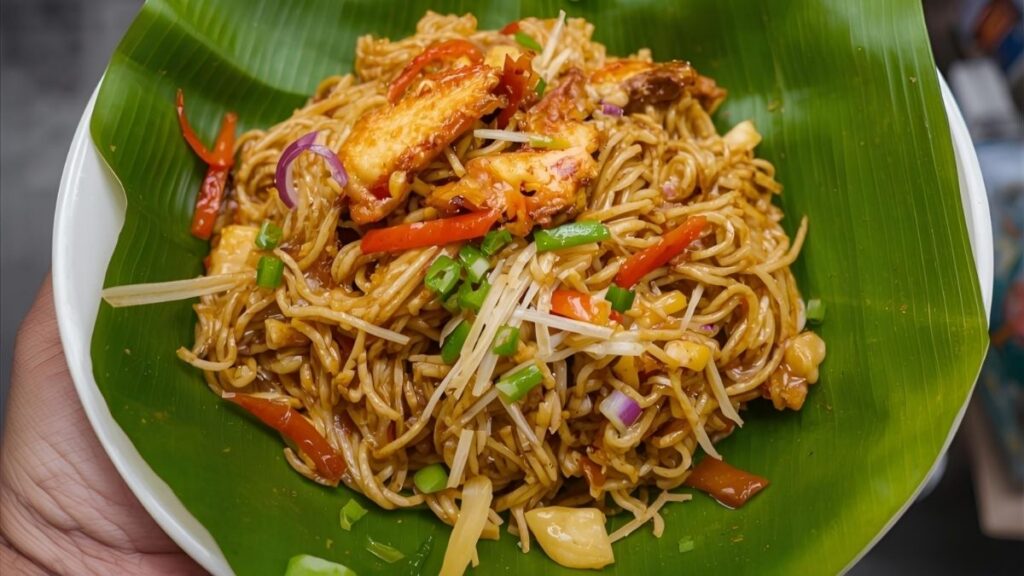
Pancit is a traditional Filipino noodles dish tossed with meat, vegetables, and sauce. Traditionally served at birthdays and milestone celebrations, the noodles symbolize long life and good luck. Pancit offers a mix of tastes and textures, whether at a family gathering or festive occasion.
There isn’t just one recipe, pancit has many regional variations. Pancit bihon uses thin rice noodles, light and fast-cooking, while pancit canton features flour stick or egg noodles, giving a chewier, more substantial bite. Coastal areas may add seafood, and some provinces favor extra leafy greens, but all versions share the essentials: noodles, protein, and crisp vegetables.
The flavor begins with sautéed onions and garlic, providing sweetness and aroma. Chicken, pork, or shrimp adds depth, while carrots, cabbage, and green beans provide color and crunch. Soy sauce gives saltiness, often paired with oyster sauce or broth for extra flavor.
Pancit is practical for crowds, vegetables can be chopped and sauces combined ahead of time, making prep efficient. Simple, versatile, and full of flavor, pancit remains a beloved Filipino dish, combining tradition, color, and texture in every bite.
5. Kare-Kare (Peanut Stew)
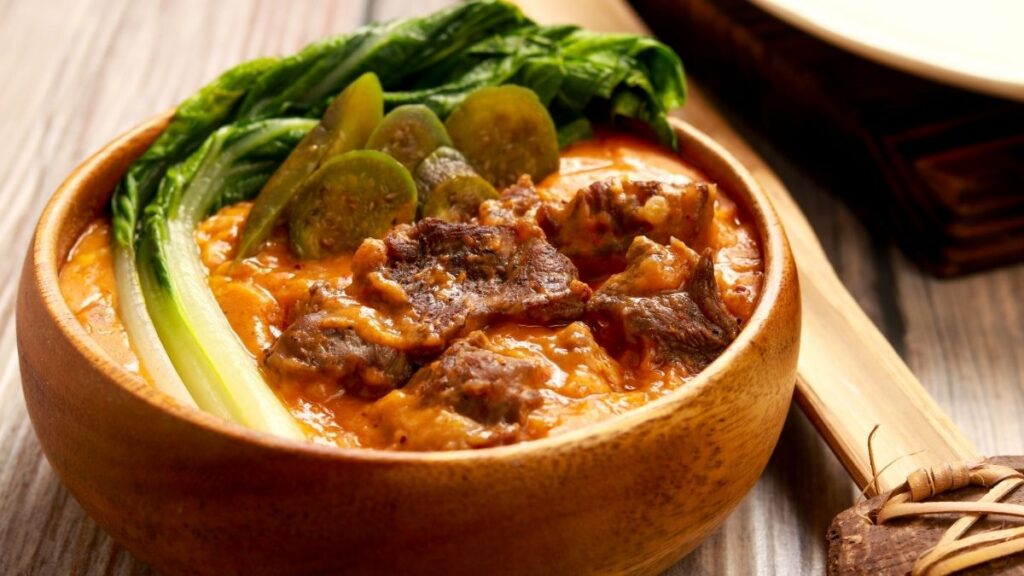
Kare-kare is a Filipino stew built around a thick peanut sauce, loved both at family gatherings and for humble meals. Its signature combination of oxtail or beef tripe is slow-cooked with vegetables like eggplant, Chinese cabbage, long green beans, and banana heart.
The stew is soupy, not dry, making steamed rice essential to soak up every bit of the nutty sauce. The creamy, thick sauce gets its color from annatto and its body from ground rice, sometimes toasted. Traditional flavor comes from peanut butter or ground peanuts, giving a rich texture and aroma.
Kare-kare is always served with bagoong guisado, a cooked shrimp paste. Bagoong is pungent and aromatic, sometimes mixed with chili or brightened with calamansi juice. Pour it generously to balance the stew’s sweetness with a briny, sharp kick. Though bold, it complements the peanut sauce perfectly, creating a combination of sweet, salty, and savory flavors in every bite.
Simple yet deeply flavorful, kare-kare is a staple of Filipino cuisine, bringing warmth, tradition, and comfort to the table.
6. Halo-Halo (Famous Dessert)
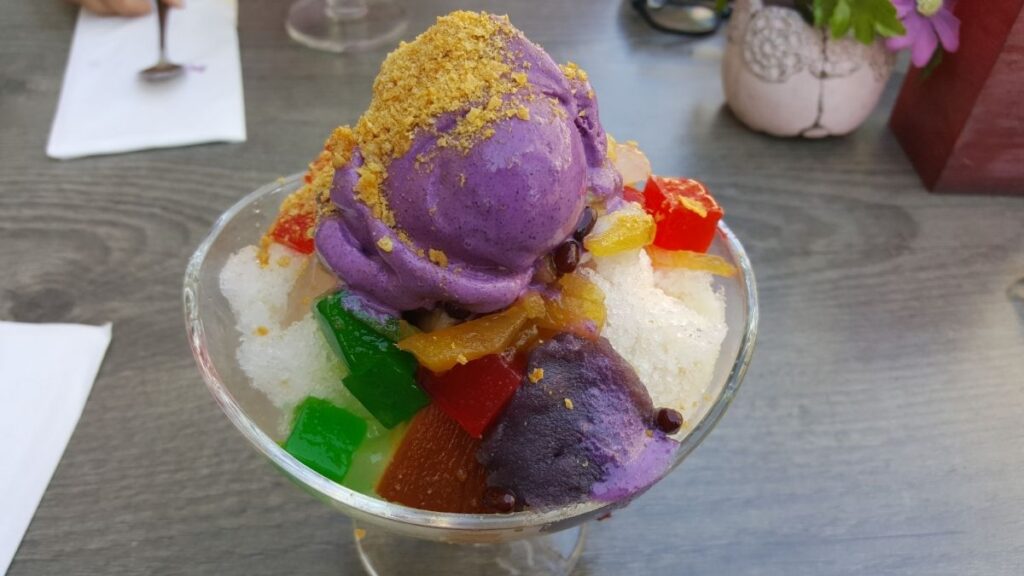
Halo-halo, a famous Filipino dessert, means “mix-mix,” reflecting how it’s eaten by combining all its components. Served in a bowl or tall glass, it features shaved ice, a splash of milk, and an array of sweet treats, offering striking colors and layers of textures, a feast for the eyes and palate.
The core includes canned sweetened beans like red mung and garbanzo, minatamis na saging (bananas in syrup), silky macapuno, nata de coco, and jackfruit. Ube halaya, a purple yam jam, usually tops the dessert, adding smooth flavor and vibrant color. Most servings are finished with a scoop of ice cream, typically ube or vanilla, and sometimes leche flan or pinipig (pounded rice flakes) for crunch.
Some shops or homes add extra fruit, custard, or even cheese. You can choose a simple street-side bowl with a few ingredients or a restaurant version loaded with a dozen toppings. This flexibility allows personal adaptation, with unique additions like sweet corn, melon, or mango.
The dessert traces its origins to the Japanese kakigōri, introduced before World War II, but it has evolved into a Filipino style treat shaped by local tastes and ingredients. More than a refreshing dessert, halo-halo is comfort food, tied to long, hot summers and fond memories with family and friends. It is a beloved symbol of Filipino culinary creativity and joy.
Where to Try Filipino Traditional Food
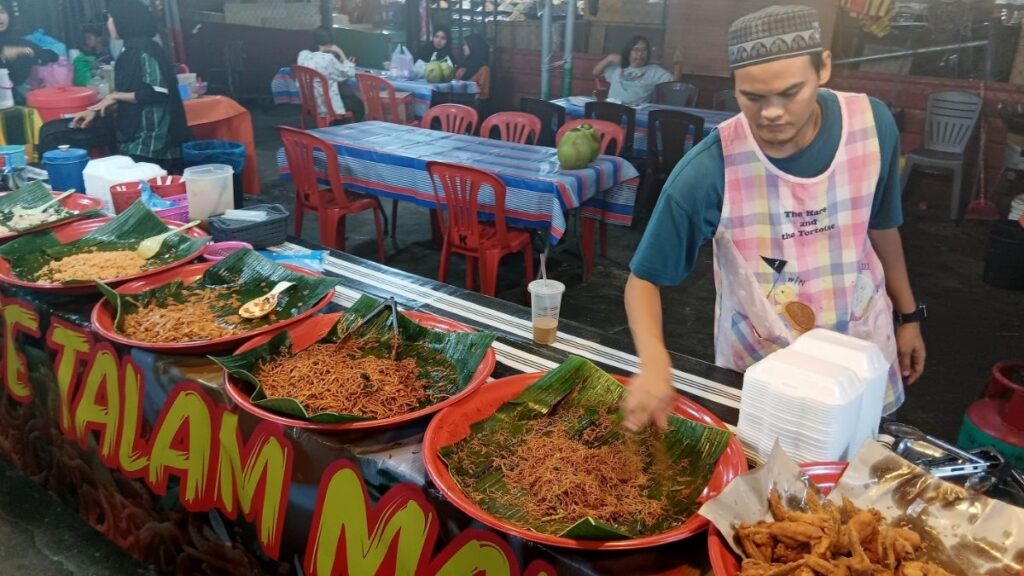
You can find Filipino traditional food everywhere, from bustling city streets to local markets. Manila is top of the list, with Makati and Taguig offering both upscale restaurants and hole-in-the-wall food joints.
The Alley at Karrivin serves cozy, home-style meals, while Manam is famous for hearty classics. For a quick bite, jolly jeeps, tiny food carts, circle business districts with breakfast and lunch at reasonable prices. Carinderias, small local eateries, offer soul food like adobo and sinigang.
Markets such as Legazpi Sunday Market, Glorietta 3, and the Mall of Asia food court provide snacks like grilled skewers and rice cakes. Around Christmas, bibingka vendors appear outside churches, and even bus stops can surprise with local treats.
Cebu City is lechon central. Rico’s Lechon and House of Lechon serve roast pig with crisp skin and juicy meat, often accompanied by white rice or atchara. Local markets and diners feature Cebuano staples such as puso (rice wrapped in leaves) and ngohiong, a fried spring roll.
Go to Davao City, known for seafood and local fruits. Roxas Night Market offers grilled tuna, shrimp, and kinilaw (raw fish salad), while Lachi’s serves comforting home-cooked dishes. Durian, a local fruit legend, is sold at open-air markets, and food festivals showcase dishes from street vendors and top chefs alike.
Across the Philippines, these spots highlight the country’s culinary traditions. From quick street bites to festive culinary dishes, traditional Filipino food connects locals and visitors alike, offering bold flavors, regional specialties, and a taste of culture in every bite.
Travel tips for the Philippines
Traveling in the Philippines allows you to experience one of Southeast Asia’s most eclectic food cultures. Local dishes embody a fusion of influences and are influenced by local flavor preferences, rendering every meal a fresh experience. A little local insight and some practical travel tips ensure you maximize your culinary adventure.
Filipino Food Culture
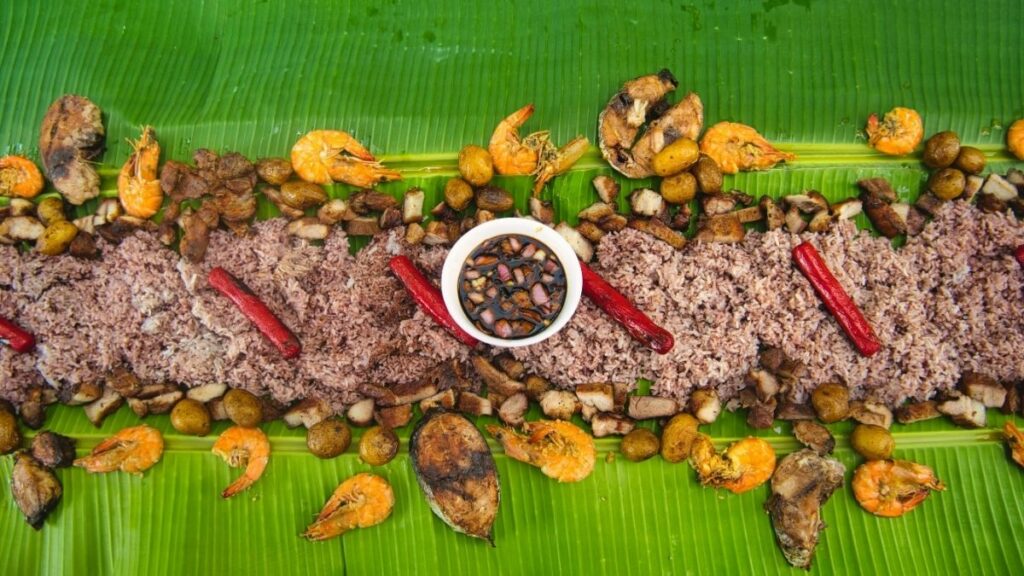
Food is typically served and eaten family-style. You’ll probably notice giant platters of food in the middle of the table with everyone digging in. Rice is on the table at nearly every meal, from breakfast with pritong isda (fried fish) and suka (vinegar) to lunch and dinner with the rich stews or grilled meats.
Pork features heavily in the Filipino diet and appears in traditional dishes as well as in numerous daily meals. Dipping sauces are ubiquitous: soy sauce, vinegar with chilies, or calamansi juice. You’ll want to sample regional food as well.
Street food is a big thing. Vendors hawk just about anything from fresh fruit to bibingka, a holiday rice cake. Have cash on hand because most street vendors don’t take cards. Anticipate a mashup of flavors as numerous Filipino meals combine sweet, sour, salty, and umami in a single dish.
Your Travel Connectivity with Ubigi eSIM

When you’re connected on the road, you can navigate the local cuisine like a pro. With a Ubigi eSIM, you’re online the moment you touch down, no waiting in line for a local SIM. You even keep your first SIM for calls and messages.
Prepaid plans are flexible, allowing you to control your data requirements directly within the app, bypass roaming prices and ditch swapping cards.
This translates to no dropped texts, no exorbitant charges, and consistent, easy connectivity throughout your Philippines trip.
Ubigi offers a range of data plans designed to fit different travel needs:
- Short city breaks (3GB Philippines data plan for 7 days)
- Longer vacations across multiple Filipino islands (10GB to 25GB Philippines data plan for 15 or 30 days)
- Multi-country trips within Asia (25GB to Unlimited Asia data plan for up to 30 days)
A trustworthy connection enables you to share your culinary discoveries or uncover secret local haunts.
Conclusion
You experience the true flavor of the Philippines with every meal here. Every dish delivers a fresh punch of taste, from the sour of sinigang to the sugary refreshment of halo-halo.
You discover street food bursting with vibrant color and mouth-watering smells. You experience families coming together, storytelling and cooking with love. Each bite provides a connection to home and heritage.
You never get tired of trying these foods. Dine at vibrant markets, tiny street stands, or bustling urban cafes. You can’t go wrong with adobo or that rich peanut sauce in kare-kare.
For your next meal, go Filipino classic. Pass it around and pass it on, make it your food odyssey with Ubigi eSIM connectivity.
We hope that this article on the “Traditional Filipino Dishes to Try” helped you!

Frequently Asked Questions
What is the most popular Filipino traditional dish?
Adobo is the favorite Filipino traditional dish. It is a uniquely Filipino traditional dish that combines meat, soy sauce, vinegar, garlic, and spices. It is served in homes and restaurants throughout the Philippines.
Are Filipino traditional dishes spicy?
Most Filipino dishes are not too spicy. They emphasize sour, sweet, and savory tastes. If you are a fan of spice, you may add chili, but it is generally optional.
Is traditional Filipino food suitable for vegetarians?
While a lot of Filipino dishes include meat, there are veggie choices. Pancit has a veggie version. You can order vegetable-only versions in Filipino restaurants.
Where can you try authentic Filipino traditional food?
You can sample genuine Filipino cuisine at community bazaars, mom-and-pop restaurants, and food fairs in the Philippines. A lot of international cities have Filipino restaurants as well.
What dessert should you try in the Philippines?
Try Halo-Halo. A favorite “halo-halo” cold dessert with mixed fruits, sweet beans, shaved ice, and milk. It is great for warm weather.
Are Filipino traditional dishes gluten-free?
Some dishes like Sinigang and Kare-Kare are gluten free if you skip the soy sauce. Always inquire about ingredients as recipes differ.
What should you know before eating Lechon?
Lechon baboy, a whole roasted pig, is like crack to Filipino traditional dish lovers. It’s delicious and tasty and fat-laden. Savor it like a real Pinoy.







 How to check eSIM compatibility
 How to check carrier unlocking