


Key Takeaways
- Travel Guide for the Virgin Islands : Opt for St. Thomas’s energetic beaches, shopping and cruise-port buzz or St. John’s secluded coves, hiking and national park landscapes to suit your travel mood.
- Go December to April for dry, comfortable weather. Opt for shoulder seasons March to May or October to November for milder temps and sweeter prices.
- Follow a 7-day loop: St. Thomas for beaches and views, St. John for park trails and snorkeling, Virgin Gorda for The Baths, Jost Van Dyke for White Bay and bars, and Tortola for hiking and coastal drives.
- Stay in locally owned guesthouses, boutique hotels, or villas and support local business and island hospitality with reef-safe and low-impact tourism.
- Island hop with ferries, charters, or day trips and add Buck Island, Coral Bay, and Hassel Island for snorkeling, hiking, and history.
- Purchase an Ubigi eSIM for immediate mobile data in all islands, simple activation, and convenient prepaid plans because you’ll want to explore, book excursions, and stay connected.

Introduction
The Virgin Islands combine turquoise bays, rainforest trails, sailing culture, and easy island hopping across some of the Caribbean’s most beautiful coastlines.
Convenient travel means there are short ferry routes, small airports, and compact road networks. Our guide previews the best islands, activities, and when to go for cooler temperatures and fewer crowds.
Which Island Fits You?

Decide what you want from the Virgin Islands to narrow choices: lively beaches and shopping, quiet coves and trails, or a mix with easy day trips. Here we compare core strengths so you can match an island to your travel style.
- St. Thomas offers lively beaches, duty-free luxury shopping, busy cruise-port energy, more nightlife, very American retail and services, and serves as a great base for day trips to nearby islands.
- St. John offers tranquil coves, extensive hiking in Virgin Islands National Park, preserved bays like Trunk Bay, fewer stores, island feel, best for nature without crowds.
- St. Croix offers scenic landscapes, is more secluded and less touristy, has abundant wild areas and hiking, features its own airport for easy access, and provides a slower pace ideal for longer stays and immersion.
- Water Island: Low-key beach outing, short ferry from St. Thomas, Honeymoon Beach for quiet sun and swimming, minimal development for a calm half-day or overnight.
If you want nightlife, opt for St. Thomas with bars, restaurants, and evening activities around Charlotte Amalie.
If you’re planning a longer trip and want to hop around islands, base yourself on St. Thomas for quick ferry and boat access.
To enjoy scenic drives, quiet beaches, and less-traveled trails, St. Croix suits you better and provides direct flights.
For intense parkland, hiking, and protected bays, choose St. John and stay close to Cruz Bay for park access.
For a quick, tranquil little beach day without the crowds, hop on over to Water Island on the short ferry and chill out at Honeymoon Beach.
Because ferry schedules, reservations, and maps often rely on mobile data, having an eSIM like Ubigi can make island hopping much easier.
When Should You Visit?

December through April is peak season. It brings the driest weather, low humidity, and steady sun. Winter to early spring is prime for calm seas and cultural events, and St. Thomas is busiest from December to March. Anticipate pricier and more crowded resorts, but expect the most dependable beach days and good conditions for boat excursions and snorkeling.
Shoulder seasons offer a better balance of weather, prices, and crowd levels. April and May are perfect for hiking, snorkeling, and scenic drives as the hills remain green after short rains. Visiting between April and June strikes a sweet spot between weather and price. You will frequently pay less than peak season and still have warm, mostly dry days.
May and November are particularly quiet but nice, which is great for smaller crowds and reliable weather. May and June are great for honeymoons or intimate weddings as the crowds thin and the weather is still beautiful.
Low season is June to November. You’ll encounter lower rates and crowds. Hurricane season starts in June and it peaks between August and October. July, August, and September introduce more heat, humidity, and storm risk, but they can offer the best hotel and flight bargains.
September and October are the quietest months with the biggest discounts, but they are also the wettest. Book flexibly and get insurance.
Ultimate Virgin Islands Travel Itinerary (7 Days)
A well-defined seven-day itinerary keeps you spanning the archipelago’s highlights across multiple islands while balancing relaxation and adventure. This itinerary assumes island hops: St. Thomas, St. John, Virgin Gorda, Jost Van Dyke, and Tortola, with notes linking to typical USVI stops like St. Croix for further travel.
Day 1–2: Explore Saint Thomas

Highlights feature Charlotte Amalie’s historic district, duty-free shopping and scenic overlooks. Magens Bay Beach is a great option for calm, white sand and safe swimming. Get there early for shade.
Charlotte Amalie has colonial architecture and High Tide-style waterfront eateries. Run into town for provisioning and local grub. Scenic viewpoints such as Drake’s Seat and Mountain Top offer panoramic views.
Mix shopping with brief strolls to enjoy overlook points. Activities mix lazy beach days with a sunset harbor cruise. Sunset sails frequently involve snorkeling stops.
For meals, opt for local seafood shacks with fresh catch and no-fuss sides to keep dining light in between adventures. For a reliable connection, choose a budget-friendly option like Ubigi eSIM, to bypass roaming fees.
Day 3–4: Relax in Saint John

Virgin Islands National Park covers much of the island and preserves Trunk Bay’s famed beach and underwater trail. Trunk Bay and the other snorkel spots display bright coral and reef fish. Pack reef-safe sunscreen!
Hiking trails vary from nature walks to more steep ridge routes for overlooks. Schedule at least one half-day hike for wildlife watching. Kayaking and guided snorkeling tours allow you to access hidden coves and shipwrecks.
Beach hopping pays off with serene bays. Pair a day of snorkeling at Cinnamon Bay with an evening in Cruz Bay for dinner.
Day 5: Discover Virgin Gorda

Highlights focus on The Baths’ granite outcroppings and secret coves. Explore tidal pools and swim in turquoise waters, a photographer’s dream! Reserve a picturesque boat trip connecting snorkeling stations surrounding the island.
Short hikes and rock scrambling take you to viewpoints, while snorkeling awaits at adjacent reefs.
Day 6: Jost Van Dyke Beach Day
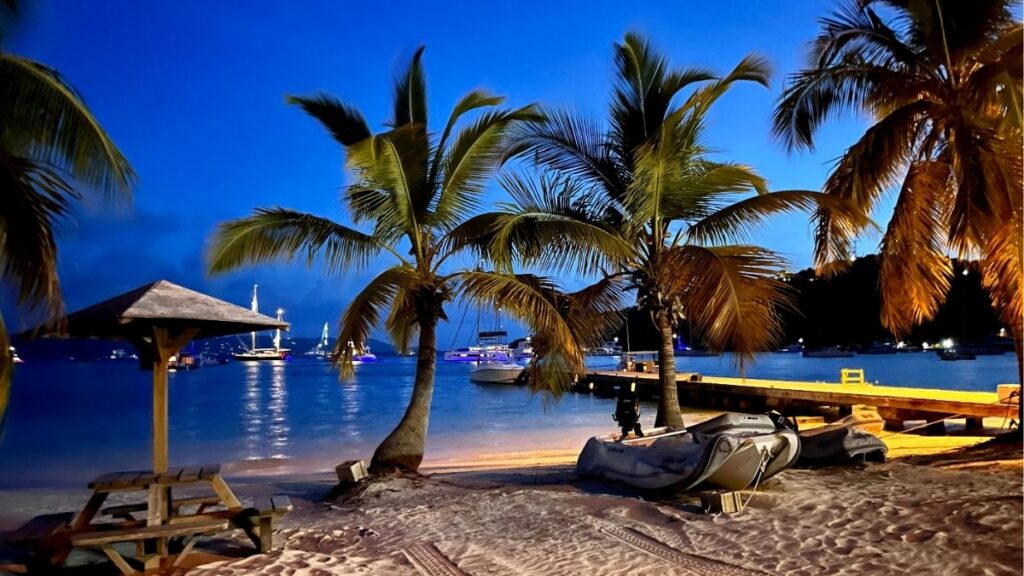
Famous for White Bay Beach and laid back beach bars where Painkillers run. The vibe is laid back with day-trippers and catamaran crowds.
It is ideal for day-trips and catamaran trips with snorkeling, beach time, and sunset drinks at a bar on the sandbar.
Day 7: Tortola Adventure
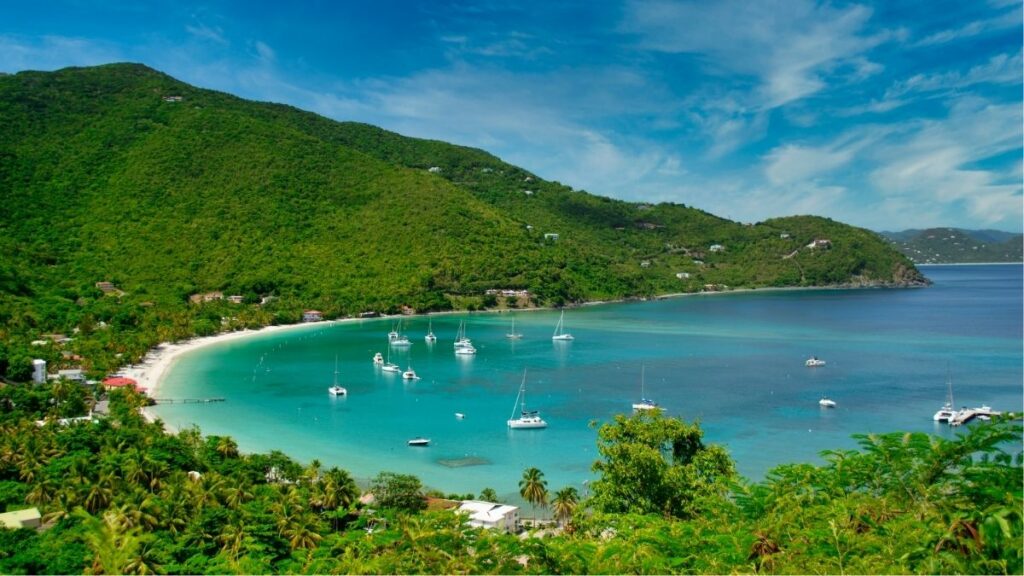
Featuring Cane Garden Bay’s beach and Sage Mountain National Park’s trails. Winding seaside roads connect quaint villages and markets.
Spend the morning hiking Sage Mountain before exploring Tortola’s roadside markets and beach bars.
Where to Stay in the Virgin Islands
Pick your lodging based on your preferred way of spending time. Book where you can step out and experience local life, or choose a resort that takes care of every need. Here are pragmatic choices and expectations, along with how to make your visit low-impact and locally beneficial.
Luxury Resorts
Luxury resorts provide private beaches, full-service spas, exquisite dining and concierge-arranged excursions. Think ocean-view suites or villa suites with private pools, on-site dive centers and staff who book island-hopping charters. Numerous luxury properties collaborate with local guides for cultural or marine excursions.
Inquire about resident-led options to give back. For privacy, arrange a villa, with chef and grocery services. If you crave connection with locals, opt for a resort that operates community initiatives or sources produce from local island farms.
Below are some of the best options for luxury resorts:
- The Ritz-Carlton, St. Thomas is an elegant beachfront resort with private beach access, providing spa, pools, and fine dining. It is ideal for couples and premium vacations.
- Rosewood Little Dix Bay is an iconic luxury Caribbean retreat featuring stunning villas surrounded by nature and is excellent for snorkeling and wellness experiences.
- Secret Harbour Beach Resort offers spacious suites with beachfront access, its calm waters ideal for swimming and snorkeling provide the perfect relaxed luxury atmosphere.
Mid-Range Hotels
Mid-range hotels provide a consistent balance of location and price. Select a villa near a central town and stroll to markets and family-style eateries, or opt for a more tranquil cove with easier rock-free swimming and snorkeling. Rooms are cozy and frequently include pools and breakfast.
Seek out guesthouses that are either boutique or locally owned. They will have the inside information on hidden beaches and small tours operated by locals. Match your nightly rates in your currency and see if transfers from ferries or small airports are included.
Below is a selection of the best mid-range hotels:
- The Westin St. John Resort Villas is a family-friendly beachfront resort whiwh has convenient access to beaches and hiking trails and provides spacious rooms and resort amenities
- Maria’s by the Sea Hotel is a comfortable waterfront hotel in Road Town; it’s convenient for ferries and island hopping and offers good value with its central location.
- Limetree Beach Resort is a quiet beachfront property, has comfortable suites with kitchenettes and is ideal for longer stays.
Budget-Friendly Stays
Hostels, guesthouses, and small apartments keep costs low while letting you live like a local. Rent a room in a family house, a rustic beachfront bungalow, or a studio close to a village market. Take the public ferries and shared taxis to save money.
Dine at mom and pop joints and shop at farmers’ markets. Respect reefs with reef-safe sunscreen, steer clear of wildlife, and participate in one local conservation activity if possible. Small actions protect islands and sustain livelihoods.
Here are the best options for a budget-friendly stay:
- Cruz Bay Boutique Hotel is an affordable boutique stay near restaurants and ferries and is an excellent location for exploring Saint John.
- Emerald Beach Resort is an affordable beachfront hotel close to the airport and beaches and provides the perfect casual Caribbean vibe.
Your Island Hopping Travel Tips
Island hopping lets you blend beaches, reefs and small town life within a few miles. You can hop between USVI and neighboring BVI aboard ferries, charter boats or day trips. Keep in mind that traveling within the USVI doesn’t require a passport for US citizens, so that makes logistics easier!
Organize your itinerary around ferry schedules, as some run as late as midnight during high season.
Travel Connectivity with Ubigi

Ubigi eSIM for the British Virgin Islands and American Virgin Islands is perfect for island hoppers because the eSIM activates as soon as you arrive, so there’s no need to search for a SIM card. Activation is instant from Ubigi app and you can book last minute ferries, check tide tables, and call charters.
Coverage is solid with T-Mobile and Digicel in supported destinations, so you can map your way around, locate snorkeling sites like Buck Island, and keep on top of festival schedules. Flexible prepaid plans let you pick data bundles from 3GB to Unlimited data for quick visits or extended stays without roaming surprises.
Practical island-hopping checklist
Be sure to pack waterproof bags, reef-safe sunscreen, and a mini first-aid kit. Bring light, breathable clothes and shoes for short hikes. Some of the trails on St. John and Hassel Island are rocky.
Book ferry seats in advance for three- and five-day trips. Review schedules and final departures. Bring local currency or a card with low foreign-transaction fees and keep in mind that U.S. Citizens enjoy a $1,600 duty-free allowance when flying back to the mainland.
Conclusion
You now have a straightforward map for a Virgin Islands trip that suits your time, budget, and style. Select St. John for secluded bays and coral reefs. Choose St. Thomas for quick ferries, duty-free shopping and bustling beaches. Choose the British Virgin Islands for tranquil turquoise seas, deserted sandy shores and unrivaled yacht adventures.
Aim for April through June for low crowds and steady weather. Use the 7-day plan to spread out your days, balance dives with hikes, and leave time for a sunset cocktail on the sand. Reserve a base camp, keep a day pack, and bring reef-safe sunscreen. Day sail from Tortola, snorkel Trunk Bay, food stall in Charlotte Amalie.
Let’s get to date planning with Ubigi eSIM data plans and this Travel Guide for the Virgin Islands!

Frequently Asked Questions
Which Virgin Island is best for beaches and snorkeling?
St. John and Virgin Gorda have the clearest waters and the best snorkeling. Discover tranquil bays, coral reefs, and convenient beach access for every skill level.
When is the best time to visit for good weather and lower crowds?
Go between December and May to catch dry weather. For less expensive rates and fewer tourists, opt for the May or November shoulder months.
How many days do I need to see the main islands?
Seven days lets you hit one or two islands comfortably. Balance relaxation with exploration by alternating day trips with overnight stays.
Do I need a car or boat to get around?
You’ll need a car on the larger islands such as St. Thomas and Virgin Gorda. Ferries and day-charter boats go between major islands.
Are the Virgin Islands family-friendly?
Yes. There are numerous beaches and resorts that accommodate families with tranquil waters, children’s activities, and easy access lodging.
What should I budget for a week in the Virgin Islands?
Anticipate mid-range budgets that are moderate to high because of island logistics. Expect more for private charters, high-end resorts, and dining out a lot.
Is it safe to visit after hurricane season?
Yes, verify recent rebuild and weather statuses. Most tourist areas have recovered, so check activities and services prior to booking.








 How to check eSIM compatibility
 How to check carrier unlocking