


Key Takeaways
- Travel to Turkey remains popular thanks to its historic cities, Mediterranean beaches, and remarkable landscapes. However, travelers should exercise increased caution and check official travel advisories.
- Istanbul, Antalya, Cappadocia, İzmir, and Bodrum are established tourist destinations with extensive accommodation, transportation, and sightseeing options.
- Avoid areas covered by official travel warnings, particularly near the Syrian and Iraqi borders. Security conditions can change quickly.
- Common travel concerns include pickpocketing, tourist scams, traffic safety, and demonstrations. Practical precautions can help reduce everyday risks.
- Choose reputable accommodations and tour operators, especially for hot-air balloon flights, boat excursions, and outdoor adventures.
- Stay connected with Ubigi eSIM to access maps, translation apps, and travel information wherever mobile coverage is available.

Introduction
Is it dangerous to travel to Turkey? Many travelers ask this question before exploring the country’s historic cities, spectacular landscapes, and beautiful coastline.
From Istanbul’s bustling bazaars to Cappadocia’s fairy chimneys and Antalya’s Mediterranean beaches, Turkey offers countless memorable experiences. While many established tourist destinations remain accessible, travel safety varies by region. Certain border areas face heightened security risks, and visitors should stay informed about local developments.
Fortunately, careful planning and sensible precautions can help travelers explore the country more confidently. This guide explains whether Turkey is safe to visit, which destinations to consider, and how to prepare for your journey.
Is Turkey Safe to Travel to Right Now?

Turkey remains an important international tourism destination, welcoming visitors to its cultural attractions, coastal resorts, and natural landmarks. However, travelers should distinguish between established tourist destinations and regions subject to official travel restrictions.
Government advisories currently recommend heightened caution across Turkey because of security concerns, including terrorism and demonstrations. Certain areas near the Syrian and Iraqi borders are subject to stronger warnings.
Before traveling, consult your government’s latest recommendations:
- U.S. Department of State — Turkey Travel Advisory
- UK Foreign Office — Turkey Travel Advice
- France Diplomatie — Turkey Travel Advice
- Government of Canada — Türkiye Travel Advice
Travel advice last checked: November 2, 2026. Recommendations may change, so review official information before departure.
Which Areas Should Travelers Avoid?
Border areas near Syria and Iraq present particular security concerns. Official advisories also recommend avoiding non-essential travel to certain southeastern provinces, including Hakkâri and Şırnak.
Other provinces may be subject to additional restrictions depending on the travel advisory issued by your government.
For a typical sightseeing vacation, prioritize established tourism destinations outside these restricted regions. If you plan to explore remote areas, verify local access requirements and consider traveling with an experienced operator.
Best Places to Visit in Turkey
Turkey offers a remarkable variety of travel experiences, from ancient monuments and vibrant cities to seaside resorts and extraordinary landscapes.
The following destinations are established tourism centers and are not currently covered by the specific regional no-travel warnings reviewed for this article.
Nevertheless, no destination is completely risk-free, and travelers should remain attentive to local conditions.
1. Istanbul: History, Culture, and City Life

Istanbul is an excellent starting point for a first trip to Turkey. The city combines Ottoman architecture, Byzantine heritage, lively markets, and spectacular views over the Bosphorus.
Top experiences include:
- Visiting Hagia Sophia and the Blue Mosque
- Exploring Topkapi Palace
- Shopping at the Grand Bazaar
- Taking a Bosphorus cruise
- Discovering the cafés and streets of Galata
Istanbul also has an extensive public transportation network, making it convenient to explore different neighborhoods.
Travel safety tip: Keep valuables secure in crowded markets, public transportation, and popular attractions.
Use licensed taxis or established transportation apps, and check fares before traveling. Avoid demonstrations and follow local guidance if access to public areas changes.
2. Antalya: Mediterranean Beaches and Ancient Ruins

Antalya is one of Turkey’s best-known coastal destinations. Its Mediterranean beaches, historic neighborhoods, and nearby archaeological sites make it particularly appealing for summer vacations.
Top experiences include:
- Exploring Kaleiçi, Antalya’s historic center
- Relaxing on Konyaaltı or Lara Beach
- Visiting the ancient city of Perge
- Discovering Düden Waterfalls
- Taking boat trips along the coast
The surrounding region offers opportunities for swimming, sightseeing, and outdoor adventures.
Travel safety tip: Choose registered operators for boat excursions and water sports.
Check weather conditions, available safety equipment, and cancellation policies before booking.
November 2026 travel note: Antalya is hosting the COP31 climate summit from November 9–20. Expect possible road closures, additional security checks, and transportation disruptions during this period.
3. Cappadocia: Fairy Chimneys and Hot-Air Balloons

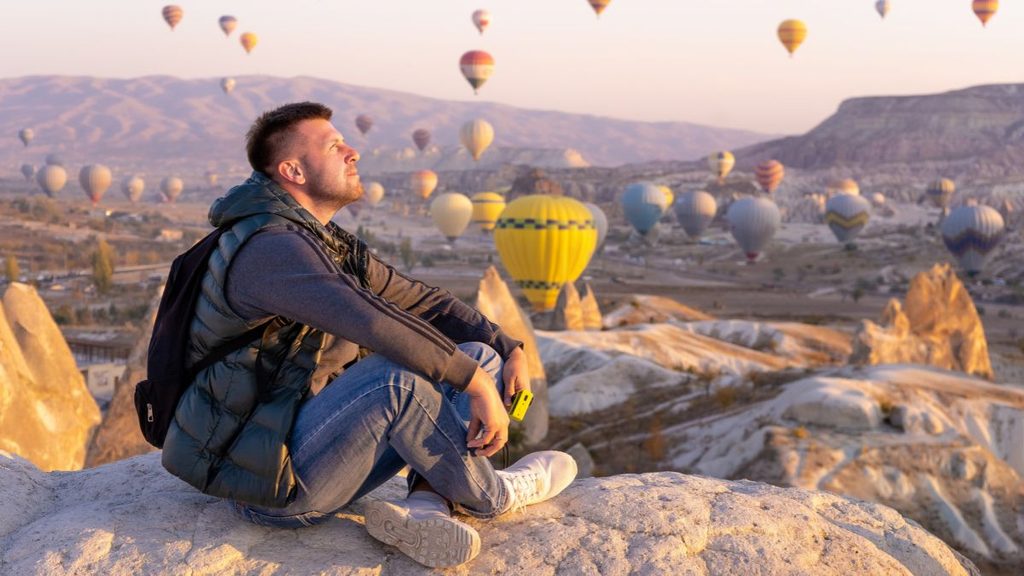
Cappadocia is famous for its unusual rock formations, cave hotels, and sunrise hot-air balloon flights. Its distinctive landscapes make it one of Turkey’s most memorable destinations.
Top experiences include:
- Taking a hot-air balloon flight
- Exploring Göreme Open-Air Museum
- Visiting underground cities
- Hiking through Rose Valley
- Staying in a traditional cave hotel
Cappadocia is particularly attractive for photography, hiking, and cultural experiences.
Travel safety tip: Book balloon flights with properly authorized operators.
Flights depend on weather conditions and aviation approval, so cancellations are possible. Choose flexible reservations and consider scheduling your flight early in your stay. For hiking, carry sufficient water, wear suitable footwear, and follow marked routes.
4. İzmir and Ephesus: Coastal Charm and Ancient History

İzmir is a lively coastal city and a convenient base for exploring western Turkey. The surrounding region combines seaside towns, traditional markets, and important archaeological attractions.
Top experiences include:
- Visiting the ancient city of Ephesus
- Exploring İzmir’s Kemeraltı Bazaar
- Discovering the coastal town of Çeşme
- Enjoying local Aegean cuisine
- Visiting traditional villages
The region is particularly appealing to travelers interested in history, food, and Mediterranean scenery.
Travel safety tip: Carry water and sun protection when visiting archaeological sites, especially during summer.
Use reputable transportation services for excursions outside the city. Check opening hours and transportation schedules before planning day trips.
5. Bodrum: Beaches, Marinas, and Relaxed Vacations

Bodrum is a popular destination for travelers seeking beaches, seaside restaurants, and Aegean scenery. Its combination of historic attractions and modern resorts makes it suitable for relaxing vacations.
Top experiences include:
- Exploring Bodrum Castle
- Visiting the marina
- Taking a coastal boat excursion
- Discovering nearby beaches
- Enjoying traditional Turkish seafood dishes
Bodrum is particularly appealing during the warmer months, when visitors can enjoy outdoor dining and coastal activities.
Travel safety tip: Take standard precautions in nightlife areas and use licensed transportation when returning to your accommodation.
Book boat excursions with established companies and check sea conditions before departure.
What Are the Main Risks for Tourists in Turkey?
Understanding common travel concerns can help you prepare without letting safety worries dominate your vacation.
Pickpocketing and Tourist Scams
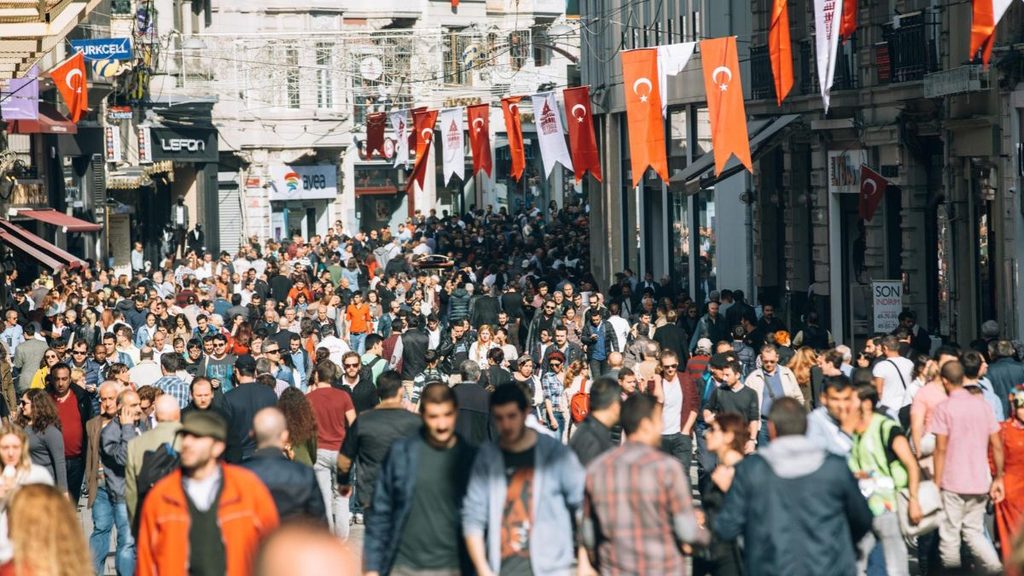
Petty theft and tourist scams can occur in busy urban areas, markets, and transportation hubs. Visitors should be particularly attentive in crowded places such as Istanbul’s Grand Bazaar and major transit stations.
Keep your phone and wallet secure, avoid displaying large amounts of cash, and check restaurant prices before ordering.
Be cautious when strangers invite you to unfamiliar bars or offer unsolicited services.
Demonstrations and Security Alerts
Political demonstrations can affect transportation, public spaces, and access to certain neighborhoods. Avoid protests and large gatherings associated with political tensions, even when they appear peaceful.
Follow local authorities’ instructions and monitor official travel updates. Security threats are not confined exclusively to border regions, so remain aware of your surroundings in major cities.
Transportation and Road Safety
Turkey has extensive domestic flight, bus, and public transportation networks. However, traffic can be busy, particularly in Istanbul and other large cities.
Use licensed taxis, official airport transfers, and established transportation services. If renting a car, familiarize yourself with local driving rules and avoid unfamiliar rural roads after dark when possible.
Natural Hazards and Weather
Turkey is exposed to earthquakes, and some regions experience wildfires, flooding, or severe winter weather.
During summer, high temperatures can also affect sightseeing and outdoor activities. Check weather forecasts and local warnings before excursions.
For disaster preparedness, consult Turkey’s Disaster and Emergency Management Authority (AFAD).
Essential Safety Tips for Traveling to Turkey
Choose Accommodation Carefully
Select hotels or guesthouses with recent reviews, clear contact information, and convenient transportation access.
For first-time visitors, staying in established tourist neighborhoods can simplify sightseeing and airport transfers. Check accommodation safety information, including emergency exits and available assistance.
Plan Tours and Excursions in Advance
Turkey offers everything from archaeological tours to hiking, sailing, and hot-air balloon flights. Choose reputable operators with appropriate authorization, transparent prices, and clear safety procedures.
For outdoor adventures, ask about equipment, weather-related cancellations, and emergency arrangements.
Protect Your Travel Documents and Money
Keep your passport, travel insurance details, and important reservations accessible. Store backup copies separately from your original documents.
Carry a combination of payment cards and Turkish lira, especially when visiting markets or smaller businesses.Avoid carrying unnecessary valuables during sightseeing.
Respect Local Customs
Turkey has a rich cultural heritage, and local customs can vary between regions. When visiting mosques, dress appropriately and follow posted visitor guidelines.
Respect prayer times and ask permission before photographing people. Learning a few Turkish expressions can also make everyday interactions easier.
Prepare for Health and Emergencies
Review recommended vaccinations and health precautions before departure. Purchase travel insurance that covers your planned activities and medical expenses.
Save the contact details of your embassy or consulate. Turkey’s integrated emergency number is 112, which connects callers with emergency assistance.
If your government offers a traveler registration service, consider enrolling before departure.
Travel Connectivity with Ubigi eSIM

Staying connected can make traveling around Turkey easier, particularly when navigating unfamiliar cities or organizing excursions. With Ubigi eSIM, you can prepare a prepaid mobile data plan before departure and access the internet wherever your plan’s partner networks provide coverage.
A mobile connection can help you:
- Navigate Istanbul’s public transportation and find attractions.
- Use translation apps when communicating with local businesses.
- Check transportation schedules and booking confirmations.
- Access official travel advisories and weather updates.
- Stay in contact with your accommodation, tour operator, or family.
Before traveling, check your smartphone’s eSIM compatibility and the available Ubigi eSIM data plans for Turkey. Remember that mobile coverage may be limited in remote or mountainous areas. Download offline maps and save important contacts before exploring less accessible destinations.
A Ubigi eSIM helps simplify travel connectivity, but mobile data availability and emergency communications cannot be guaranteed everywhere.
Conclusion
So, is it dangerous to travel to Turkey? The answer depends on your destination, current security conditions, and travel preparations. Turkey offers remarkable experiences, from Istanbul’s historic landmarks to Cappadocia’s landscapes and Antalya’s Mediterranean beaches.
Many established tourism destinations remain accessible with appropriate precautions. However, travelers should respect regional warnings and remain informed about changing conditions. Choose reputable accommodation and transportation providers, protect your belongings, and check official travel advice before departure.
Whether you’re discovering ancient ruins, enjoying Turkish cuisine, or exploring coastal towns, thoughtful planning can help make your journey more enjoyable. Stay connected during your adventure with a Ubigi eSIM, and discover the many experiences Turkey has to offer.

Frequently Asked Questions
Is it dangerous to travel to Turkey right now?
Turkey remains a popular destination, but travelers should exercise increased caution. Security risks vary by region, and official advisories identify areas to avoid. Check your government’s latest recommendations before traveling.
Which places are best for first-time visitors to Turkey?
Istanbul, Antalya, Cappadocia, İzmir, and Bodrum are established tourism destinations outside the specific regional no-travel zones reviewed here. They offer major attractions, accommodation options, and organized excursions.
Is Istanbul safe for tourists?
Many travelers visit Istanbul for its historic attractions and cultural experiences. However, pickpocketing, scams, demonstrations, and security threats require attention. Use standard urban precautions and follow official alerts.
Is Turkey safe for solo travelers?
Solo travel is possible in many established tourist destinations. Choose reputable accommodation, arrange reliable transportation, and share your itinerary with someone you trust. Take additional precautions when traveling alone at night.
Is it safe to use public transportation in Turkey?
Public transportation is widely used in major Turkish cities. Remain attentive to your belongings, use official services, and check schedules or disruptions before traveling.
Do you need special vaccinations to visit Turkey?
Vaccination recommendations depend on your medical history, country of departure, and planned activities. Consult a healthcare professional and official travel health guidance before your trip.
What should you do in an emergency in Turkey?
Call 112 for emergency assistance. Follow local authorities’ instructions and contact your embassy or consulate if you need consular support.
Will my mobile phone work in Turkey?
Many international smartphones can connect through roaming, a local SIM, or a compatible travel eSIM. With a Ubigi eSIM, you can use mobile data wherever your selected plan provides coverage. Check compatibility and network availability before departure.





 How to check eSIM compatibility
 How to check carrier unlocking