


Key Takeaways
- Looking for the “Ultimate Guide to Travel in Germany“? This article is for you!
- Take in Germany’s history and culture by visiting essential cities like Berlin, Dresden, Munich, Heidelberg, Cologne, and Frankfurt, each with its own special sights and architecture.
- Explore scenic landscapes such as the Black Forest, Romantic Road, and Neuschwanstein Castle for nature walks, picturesque towns, and fairytale views.
- Enjoy local delicacies throughout Germany, with Bavarian and Franconian fare, fresh Baltic Coast fish, and traditional cakes in Dresden.
- Explore local and Christmas markets for delicious eats, unique hand-crafted gifts, and a peek into German culture and community.
- Experience Germany’s wine heritage in renowned regions such as Mosel Valley and Rheingau. Attend festivals and complement wines with local cuisine.
- Simplify your travel with efficient trains, cash for the little things, basic German phrases, early attraction bookings and an eSIM like Ubigi for solid connectivity anywhere in the country.

Introduction
Where to travel in Germany: cities like Berlin, Munich, and Hamburg and attractions like the Black Forest, Neuschwanstein Castle, and the Rhine Valley.
You encounter a mix of historic, cultural, and natural destinations. Every location has its own vibe, ranging from cobbled old towns to contemporary art circuits.
Among the popular destinations, you’ve got options for city breaks, nature outings, or tranquil retreats. Below, you find what makes each of them worth exploring.
Germany Travel Itinerary (7–10 Days)
Try to circle your route so you don’t double back from one city to the next. Germany’s trains are speedy, spotless, and connect nearly every town, so you can cover the country’s highlights effortlessly. Cities have great public transport, so you don’t need a car.
Day 1–2: Explore Berlin
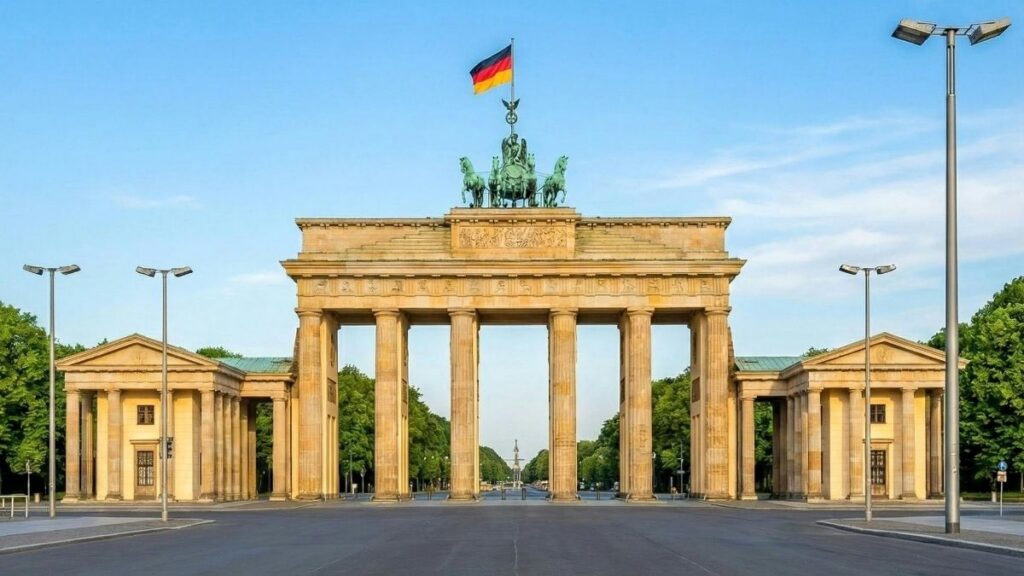
Spend your first two days immersing yourself in Berlin’s rich history and vibrant modern life. Start with the Berlin Wall Memorial to understand the city’s division during the Cold War and its path to reunification.
Nearby, the Brandenburg Gate stands as a symbol of unity and resilience, perfect for photos. Museum Island, a UNESCO World Heritage site, offers world-class collections ranging from ancient artifacts to Renaissance masterpieces. Don’t miss the Pergamon Museum or the Neues Museum for iconic exhibits.
Berlin’s street art and contemporary galleries contrast beautifully with historic landmarks. Neighborhoods like Kreuzberg and Friedrichshain feature colorful murals and independent art spaces. Stroll along Unter den Linden for a mix of historic buildings and modern shops, or relax in Tiergarten park to soak in local life.
The city’s efficient transport network means you can see top sights in a short time. Even with just two days, Berlin offers a dynamic mix of history, culture, and urban energy, ensuring every moment is memorable.
Here are some hotels for your stay in Berlin:
- Hotel Adlon Kempinski Berlin: Iconic luxury hotel located next to the Brandenburg Gate, offering elegant rooms and top-tier service.
- The Circus Hotel: Stylish boutique hotel in a lively neighborhood, perfect for exploring the city.
Day 3: Discover Dresden
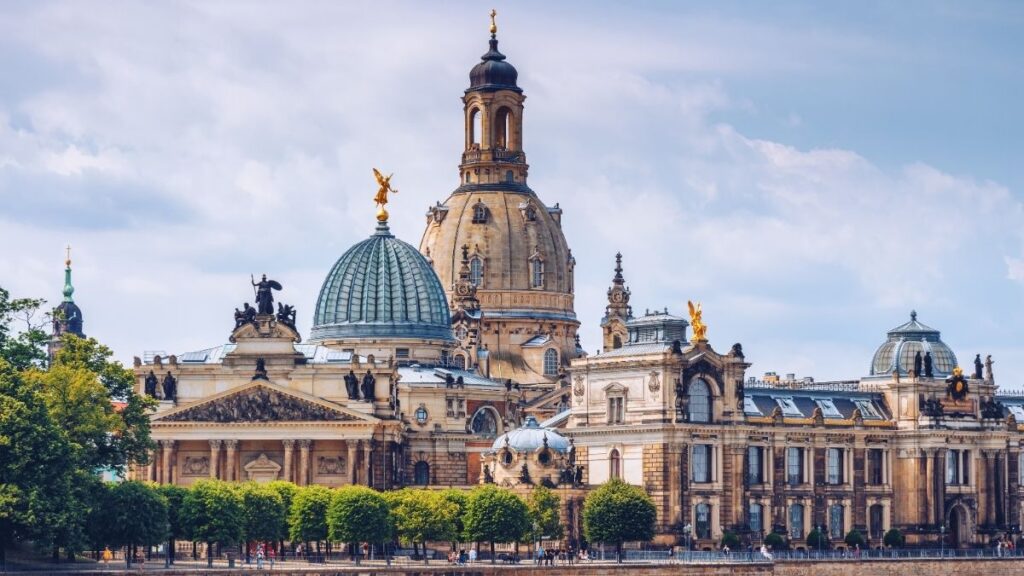
Dedicate a full day to Dresden, a charming city known for its artistic heritage and stunning architecture. Begin at Zwinger Palace, where baroque gardens and elegant galleries house treasures like the Old Masters Picture Gallery. The ornate courtyard and fountains reflect Dresden’s royal past.
From there, visit the Frauenkirche, a striking reconstruction of the church destroyed in WWII. Its golden dome and intricate interior tell a story of resilience and restoration.
Walk through the beautiful Altstadt (Old Town) to admire historic squares, classical facades, and riverside views along the Elbe. Dresden’s cobblestone streets are lined with cafes, perfect for a coffee break or sampling local pastries.
For a quieter moment, stroll along Brühl’s Terrace to enjoy panoramic views of the river. Dresden balances German history with leisurely charm, providing a serene yet culturally rich experience that contrasts nicely with bustling Berlin. By evening, local restaurants serve Saxon specialties, giving you a taste of regional cuisine.
Below are the best hotels of the city:
- Hotel Taschenbergpalais Kempinski Dresden: A luxury stay near the Zwinger Palace, combining historic charm with modern comfort.
- Motel One Dresden am Zwinger: Affordable design hotel in a central location.
- INNSiDE by Meliá Dresden: Contemporary hotel close to major attractions like the Frauenkirche.
Day 4–5: Visit Munich
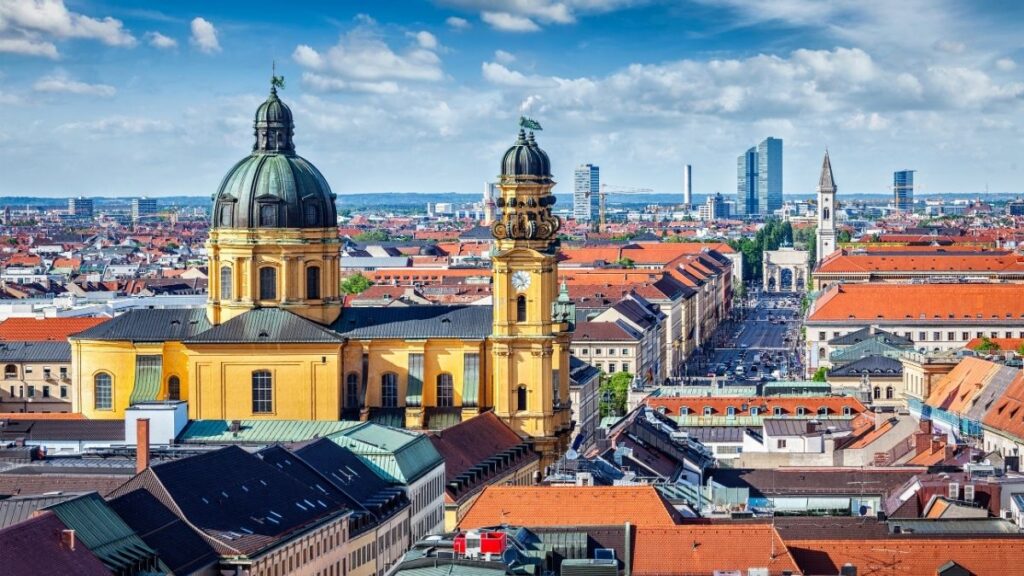
Spend two days discovering Munich’s Bavarian charm. Start at Marienplatz, the city’s central square, where the New Town Hall showcases its famous Glockenspiel, a mechanical clock performance that delights crowds.
Just steps away, Viktualienmarkt offers fresh produce, local cheeses, and traditional snacks. Sampling Bavarian sausages or pretzels here is a must.
Explore Nymphenburg Palace, with its quiet gardens and ornate interiors reflecting royal history. Munich’s museums, including the Deutsches Museum, provide a deep dive into science, technology, and art.
For a taste of local culture, visit a traditional beer garden and savor authentic brews alongside hearty Bavarian fare. Munich’s location at the foot of the Alps makes day trips easy, whether for scenic mountain views or hiking. The city blends historical architecture, lively markets, and culinary delights, making it a highlight of any German itinerary.
Find the best hotels in Munich:
- Bayerischer Hof: One of Munich’s most famous luxury hotels, located near Marienplatz.
- 25hours Hotel The Royal Bavarian: Trendy and unique hotel blending modern style with Bavarian culture.
- Eurostars Book Hotel: Comfortable mid-range hotel close to the central station.
Day 6: Neuschwanstein Castle
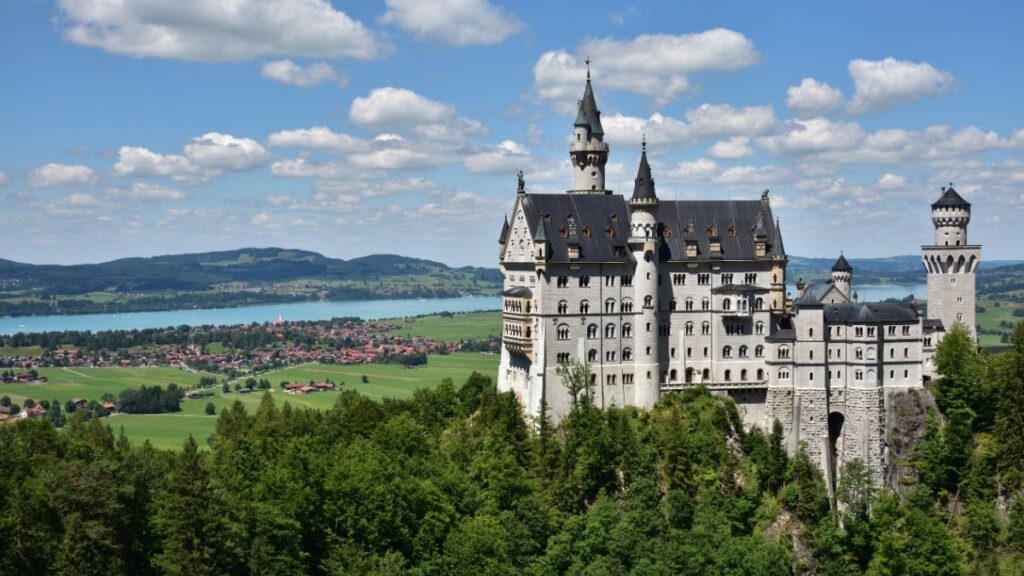
Dedicate a day to Neuschwanstein Castle, the fairytale castle that inspired Disney’s Sleeping Beauty Castle. Tour its lavish chambers, adorned with murals depicting legends of King Ludwig II, and admire the intricate woodwork. The castle’s elevated position offers breathtaking views of the Alps, lush valleys, and nearby lakes.
Take the short hike to Marienbrücke Bridge for the ultimate photo opportunity, here, the castle frames the alpine backdrop perfectly. Surrounding trails allow exploration of the surrounding forested hills, providing a peaceful contrast to the grandeur of the castle. Neuschwanstein’s whimsical design, scenic location, and historical significance make it one of Germany’s most iconic attractions, ideal for architecture, photography, and nature enthusiasts alike.
To enjoy your stay to the fullest, see the accommodations following:
- Hotel Müller Hohenschwangau: The closest hotel to the castle, offering stunning Alpine views.
- AMERON Neuschwanstein Alpsee Resort & Spa: A luxury lakeside resort with spa facilities.
Day 7: Explore Heidelberg
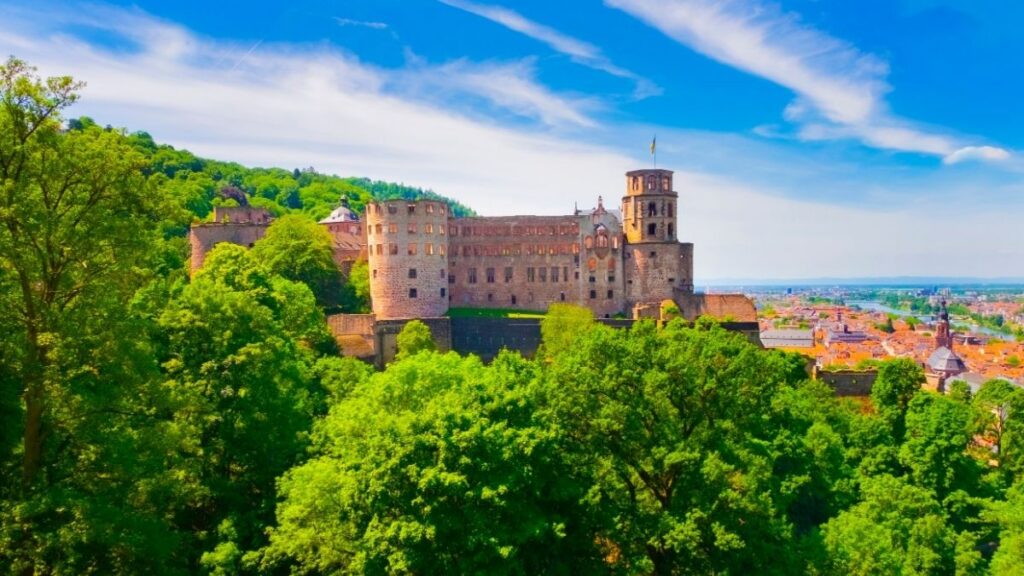
Heidelberg is a picturesque city blending history, academia, and natural beauty. Stroll through the charming Old Town to admire Baroque architecture, narrow alleys, and lively squares filled with cafes and shops. The city is home to Germany’s oldest university, lending an intellectual and youthful energy to the streets.
Perched on a ridge above the city, Heidelberg Castle overlooks the Neckar River. Explore its red sandstone walls, gardens, and terraces while enjoying panoramic views. The Philosopher’s Walk offers a scenic path along the river, perfect for photographs and quiet reflection. Heidelberg’s blend of history, river views, and vibrant local life makes it a charming and memorable stop.
Heidelberg features several good hotels and accommodations:
- Hotel Europäischer Hof Heidelberg: A luxury hotel with classic elegance and excellent service.
- Hotel Villa Marstall: Charming boutique hotel located in the Old Town near Heidelberg Castle.
Day 8–9: Discover Cologne
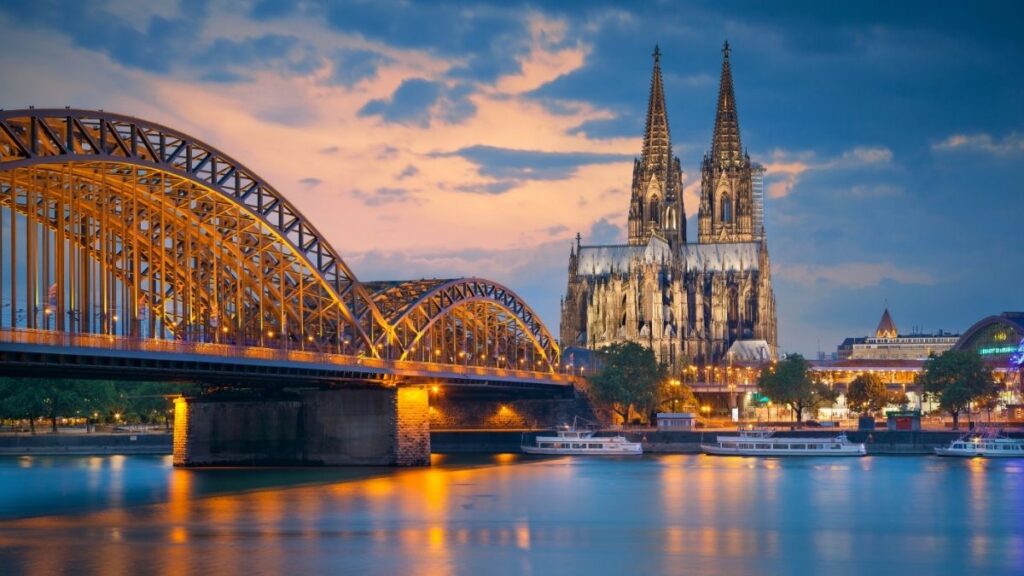
Spend two days in Cologne, a city famous for its Gothic architecture and cultural offerings. The Cologne Cathedral dominates the skyline with its twin spires and intricate stonework. Climb the tower for sweeping views of the Rhine and surrounding cityscape.
Explore Museum Ludwig for modern art, or wander the Old Town with its cobblestone streets, lively cafes, and boutique shops. Take a leisurely river cruise on the Rhine to experience the city from a different perspective.
Cologne combines history, art, and local life, offering both sightseeing and relaxation. Even with a short visit, the city’s energy and charm make it unforgettable.
You will also find good hotels a few steps away from the towered cathedral:
- Excelsior Hotel Ernst: A luxury hotel located right next to the Cologne Cathedral.
- 25hours Hotel The Circle: Trendy hotel with a rooftop bar and unique design.
- Motel One Köln-Neumarkt: Stylish and affordable hotel in a central location.
Day 10: Frankfurt
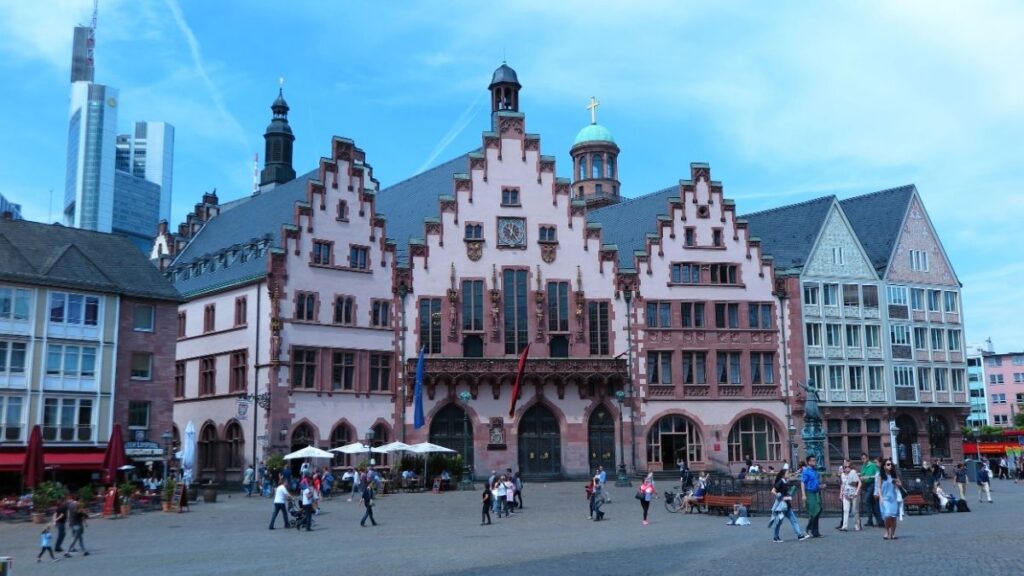
Frankfurt blends historic charm with modern urban life. Visit the Römer, the old city hall, notable for its stepped roof and colorful façade. Walk along the Main River for scenic views, or explore nearby parks for a break from the bustling city.
The business district offers a striking skyline of high-rises and architectural landmarks. Museums, shopping streets, and cultural venues are within walking distance. Frankfurt’s combination of old-world charm, modern skyline, and riverside ambiance makes it a fitting final stop, rounding out your German journey with diverse experiences in history, culture, and city life.
You can organize your stay at one of the following hotels:
- Jumeirah Frankfurt: A luxury hotel in the city center near the Römer.
- NH Collection Frankfurt City: Modern hotel with great amenities and central location.
- Moxy Frankfurt City Center: A fun and affordable hotel with a vibrant atmosphere.
Other Amazing Places to Travel in Germany
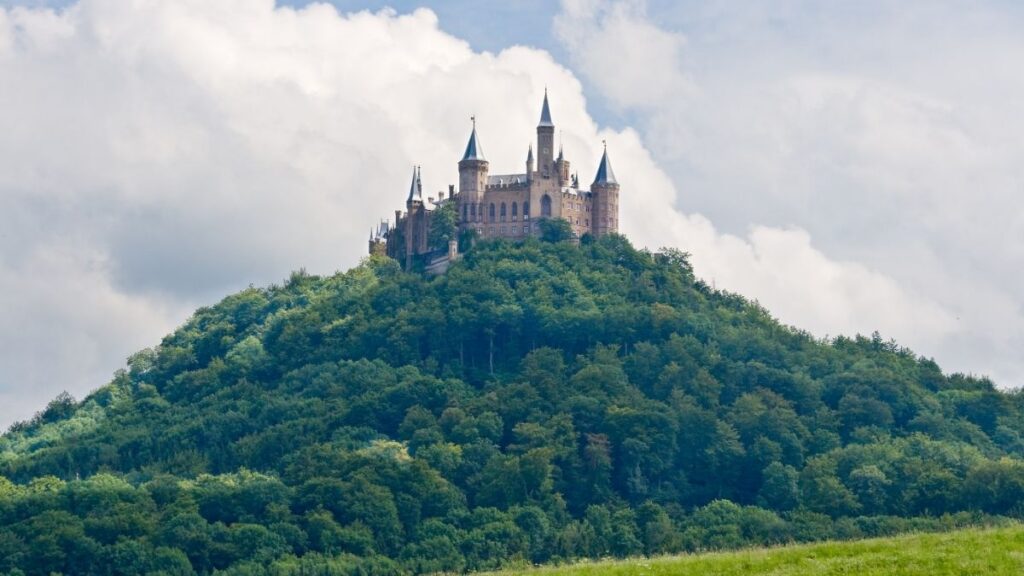
Germany offers countless incredible destinations. The Black Forest, with its deep woods and rolling hills, is perfect for hiking and nature lovers. Trails pass through pine forests and quaint villages like Mittenwald in the Bavarian Alps, known for painted homes and violin craftsmanship. To the southeast, Nationalpark Bayerischer Wald along the Czech border is home to lynx, wolves, and European bison.
Garmisch-Partenkirchen boasts alpine trails and stunning views from the Jenner Mountain cable car, with the Echo Wall a popular spot for hikers. The Romantic Road leads through fairytale towns like Rothenburg, with half-timbered houses, cobblestone streets, and colorful flower boxes. Bamberg, perched by a river, charms with timber houses decorated with Lüftlmalerei murals and alleys largely unchanged for centuries.
Hamburg, a northern port city, combines historic warehouses with modern architecture and lively nightlife. Nearby Bremen offers a cultured, whimsical atmosphere and a welcoming vibe.
From charming villages to historic river valleys and vibrant cities, Germany blends natural beauty, history, and culture. Each region offers unique charm, whether wandering ancient streets, sampling local cuisine, or hiking through forests and mountains.
How Many Days Do You Need in Germany?
The ideal trip length depends on how much of Germany you want to explore.
- 5–7 days: Perfect for a city-focused itinerary. Spend time in Berlin, Munich, and Cologne, hitting the main attractions and iconic landmarks. You’ll get a taste of German culture, history, and cuisine without feeling rushed.
- 10 days: Allows you to follow a more complete itinerary. Include additional stops like Dresden, Heidelberg, and Neuschwanstein Castle. This gives you a balanced mix of vibrant cities, historic towns, and scenic landscapes, covering Germany’s must-see highlights.
- 2 weeks or more: Ideal for in-depth exploration. Venture into smaller towns along the Romantic Road, hike in the Black Forest, or visit northern ports like Hamburg and Bremen. You’ll have time to enjoy both cultural experiences and nature outings, discovering hidden gems beyond the main tourist routes.
Whether your focus is urban sightseeing, scenic nature, or a combination of both, Germany offers flexible itineraries to suit every traveler. Planning your days efficiently ensures you experience the country’s diversity while making the most of your trip.
Taste the Real Germany
Germany’s food scene is as vast as its landscapes. From north to south, there are dishes and drinks that proudly display the nation’s long, rich history and local pride. Every region has its own flavor, and you can taste the difference as you travel.

Regional Specialties
In Munich, enjoy Weisswurst with a spongy, salty pretzel in a beer garden under leafy trees. These white sausages are mild and fresh and best served with sweet mustard. You can sample it at Hofbräuhaus or Weisses Bräuhaus im Tal for example.
At Wirtshaus Hütt’n or Gasthof Goldener Stern, Franconia’s roast pork and dumplings stuff you after a day in old towns or by the riverside.
Seafood is the answer along the Baltic Coast. Smoked fish and herring are uncomplicated, fresh and relentlessly local. You can try it at Fischereihafen Restaurant for example.
Dresden excels at Stollen, a rich fruit, nut, and spice-laden cake particularly at Christmas. Every place is proud of its own spin and you can taste it in every bite for example at Coselpalais Restaurant & Grand Café.
Local Markets
- Viktualienmarkt, Munich: A central market, open daily, full of flowers, local cheese and fresh bread.
- Freiburg Farmers’ Market: Try local honey, wild mushrooms, and berries picked that morning.
- Markthalle Neun, Berlin: Modern street food meets old traditions. Talk with bakers, butchers, and cheese makers.
Markets aren’t merely for purchasing. You chat with farmers and producers, learn of centuries-old recipes, and discover how German cuisine shifts with the seasons.
Travel Tips for Visiting Germany
Germany is known for its history, infrastructure, and local culture. Whether you’re wandering in medieval towns or large cities, planning ahead helps you maximize your trip.
Planning for your Trip

Trains are often the best way to travel between German cities. The DB network is fast, clean, and extensive. Booking two or three months in advance saves money, especially with Super Saver Tickets. Regional routes may offer special passes, handy for day trips. Always validate your ticket at the platform, or risk steep fines.
Carry change and small bills, as some stores, ticket booths, and street vendors may not accept cards. Keep in mind that Sunday is a rest day, most stores and supermarkets are closed, so shop on weekdays or Saturday morning.
Restaurants and cafes have a relaxed style: waiters won’t rush you, and you usually need to ask for the check. Popular attractions such as castles, galleries, and vineyard tours should be booked ahead during high season. Germany also offers plenty of outdoor activities, from biking along the Rhine to hiking in the Black Forest.
With careful planning, a mix of cultural and outdoor experiences, and a few practical tips, traveling through Germany is smooth, enjoyable, and memorable.
Your Connectivity with Ubigi eSIM

Ubigi eSIM keeps you online without expensive roaming fees. With immediate activation upon arrival, your miles are good to go right from the beginning. Now you don’t have to change your SIM card; you can just activate from your phone.
You select the plan that fits your journey, from 1 GB for quick visits to more data for extended trips. Ubigi offers a range of data plans designed to fit different travel needs:
- Short city breaks (3GB Germany data plan for 7 days)
- Longer vacations across multiple German regions (10GB or a 25GB Germany data plan or an unlimited data plan for 15 or 30 days)
- Multi-country trips within Europe (25GB to Unlimited Europe data plan for up to 30 days)
You enjoy good coverage all over Germany and can use your eSIM in other European countries with the Europe data plans, if your trip strays outside of Germany.
This is nice when you’re in need of maps, want to book tickets, or keep up with friends. Flexible plans allow you to choose the data you need whether it’s for a weekend or a month.
Conclusion
Germany crams a lot into one trip. You discover art-packed big cities, cobblestone streets of old towns and lakes that sparkle in the sun. Every place adds its own flavor, from Berlin’s fresh loaves of bread to Munich’s sausage stands.
You stroll markets, sample street food and connect with folks from all backgrounds. Each stop brings a new tale. To maximize your days, schedule some in advance, choose a handful of not-to-miss places to visit and leave some room for serendipity.
Your journey can be rapid or leisurely. Now, are you ready to begin your own journey? Start planning your trip with your Ubigi eSIM data plan!
We hope that this article on the “Ultimate Guide to Travel in Germany” helped you!

Frequently Asked Questions
What are the must-see cities to visit in Germany?
You must see Berlin, Munich, and Hamburg. With history, culture, and many different attractions to see, these are Germany’s best cities to visit. All cities are easy to discover and give a special German charm.
How many days do I need for a Germany travel itinerary?
Seven to ten days is perfect. This allows you sufficient time to visit major cities, discover picturesque areas, and savor local culture without hurrying.
When is the best time to visit Germany?
The optimum time to visit Germany is during the period of May to September. The weather is temperate and a lot of festivals take place during these months, making it a pleasant time to travel.
What are some lesser-known places to travel in Germany?
Discover the Black Forest, Heidelberg, and the Moselle Valley. These locations combine stunning scenery, enchanting towns, and less hustle and bustle than the major cities.
What traditional German food should I try?
Give pretzels, bratwurst, and schnitzel a whirl. Each dish allows you a sampling of genuine German cuisine and is widely available throughout most parts of the country.
Are trains a good way to travel in Germany?
Yes, Germany’s trains are speedy, reliable, and hit just about any city or town. Train travel is convenient and sustainable, so it is a preferred option for tourists.
Do I need a visa to travel to Germany?
If you’re from the EU or many other countries, a visa is not required for short visits. As always, check your country’s requirements before you go.









 How to check eSIM compatibility
 How to check carrier unlocking