


Key Takeaways
- For the Ultimate Travel Itinerary for Oman, visit between November and March when the temperature is nice and it never gets very humid, which is perfect for road trips, sightseeing, and outdoor activities. Don’t forget to pack a light jacket for those cooler mountain evenings.
- Go to Dhofar during June to September to enjoy the Khareef monsoon, lush greenery, waterfalls, and local festivals.
- In Muscat, give preference to places such as Sultan Qaboos Grand Mosque, Muttrah Souq, Al Alam Palace and Royal Opera House. Stay in neighborhoods like Muttrah or Qurum for convenient access to attractions and restaurants.
- Mix wadi swims, desert camps in Wahiba Sands and mountain treks in Jebel Akhdar or Jebel Shams for an all-round itinerary. Hire guides for security and local intelligence.
- Plan logistics in advance by confirming visa regulations, bringing Omani rials or withdrawing from ATMs, securing peak-season lodging in advance, and selecting your optimal transport combination.
- Keep connected with an eSIM such as Ubigi for maps, bookings, and translation tools. Purchase and activate prior to arriving to optimize your journey.

Introduction
Oman travel means traveling to the sultanate of Oman. You can discover desert dunes, rugged mountains, and coastal wadis with pristine beaches and remote villages.
Practical info includes visas, safe getting around, budget guesthouses, and local customs regarding dress and behavior. Seasonal weather, road conditions, and guided tours influence your itinerary.
The parts below provide itineraries, budgets, and planning advice for your vacation.
Best Time to Travel to Oman
Oman’s weather changes drastically by location and season, so timing your trip is based on your activities. Late October through March is the most consistently mild weather for most things. Average daytime temperatures hover around 20°C (68°F) with nights dropping to 10°C (50°F).
Summers from May to August are scorching, frequently reaching 38°C (100°F) or above, so steer clear of inland and coast unless you’re making short morning or evening excursions.
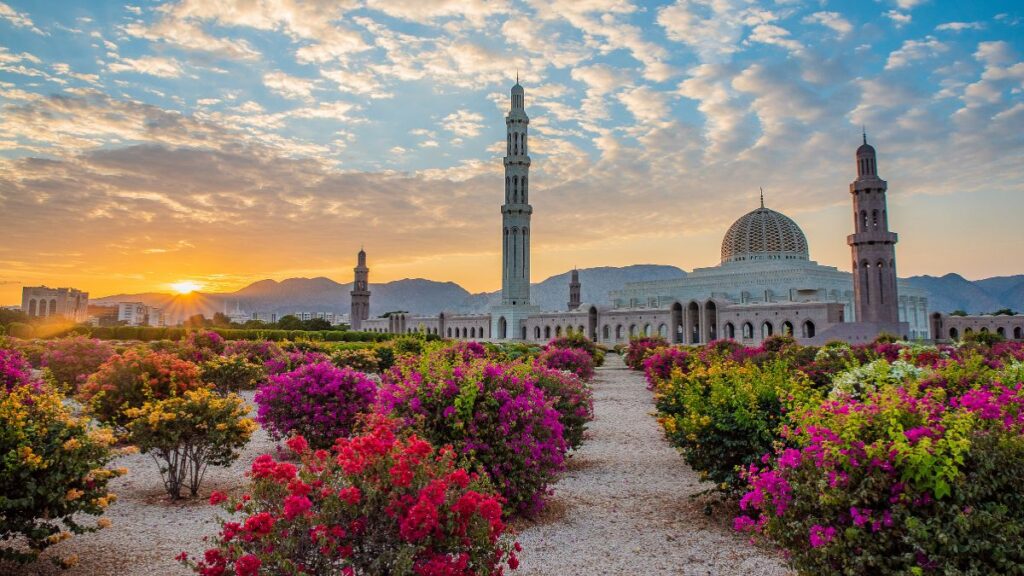
Winter Season
November through March offers comfortable days and minimal humidity in much of the nation. You can motor along coasts and discover Muscat, Nizwa, and forts without the scorching heat hampering you. Daytime highs hover between 20 and 26 degrees Celsius, while December is the coolest month, with daytime averages around 26 degrees Celsius, which is similar to local lows.
Plan on increased tourist crowds and happenings in towns and resorts and secure crucial accommodations in advance. Mountain nights are cooler, so bring light jackets for Jebel Akhdar and other high regions. January offers both comfortable temperatures and smaller crowds in Muscat, which is perfect for street markets and museums.
Khareef Monsoon
The Khareef in Dhofar (Salalah) from June to September transforms the coast into a green, misty landscape with waterfalls and cool, humid air. It’s cooler than the northern summer heat and the humidity increases. There are gorgeous hillsides and flowing rivers.
Popular sights are Wadi Darbat waterfalls, Mughsail Beach cliffs, and misty hills around Salalah town. Khareef features cultural events and local festivals associated with frankincense and harvests. Consider scheduling your visits around these for more immersive local experiences.
Keep in mind that the rest of the country is still hot during Khareef, so pair a southerly monsoon getaway with cooler mountain or winter coastal travel for the perfect mix.
Travel Muscat Oman Essentials
Muscat combines modern convenience with rich tradition. With this section, you plan sights, stays, and mini getaways while taking note of practical travel necessities.
Cultural Landmarks
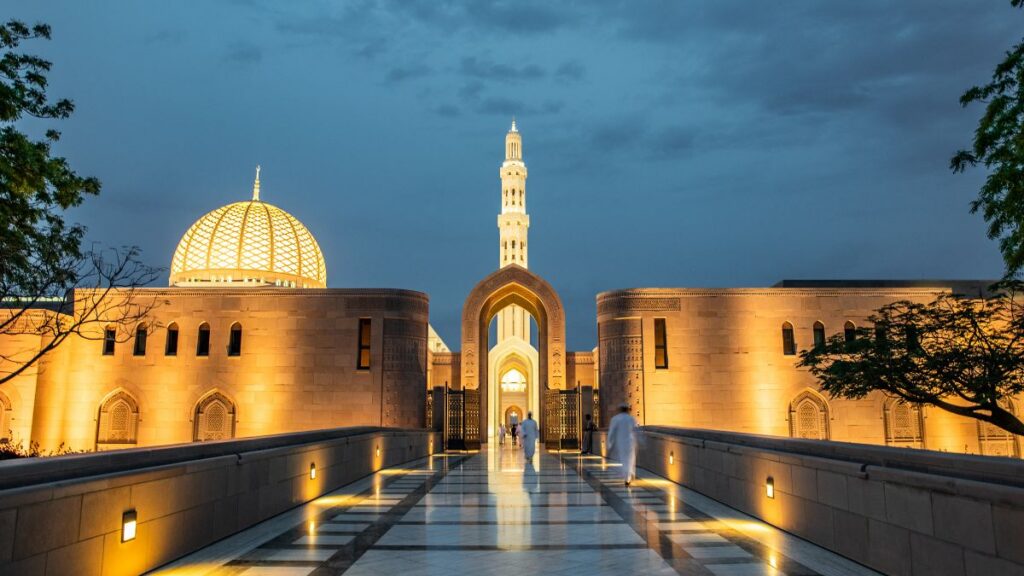
Al Alam Palace, Royal Opera House and Muscat Gate Museum are can’t miss sights for first time visitors. Al Alam’s golden and blue frontage nestled between 16th-century forts provides you with a feel for Oman’s royal history.
The Royal Opera House presents world-class productions, so check schedules and dress smart. Muscat Gate Museum describes the city’s fortifications and makes a nice complement to a walk along the ancient walls.
Mosques and forts exhibit Omani architecture. Sultan Qaboos Grand Mosque is expansive and silent. Ladies should cover their hair and dress modestly.
Nizwa Fort and Jalali and Mirani forts in Muscat ooze defensive design and sweeping views. Checklist: Sultan Qaboos Grand Mosque, Al Alam Palace, Royal Opera House, Muscat Gate Museum, Nizwa Fort, Mirani Fort.
Local Neighborhoods
Muttrah boasts the old harbor, Muttrah Souq, and a long corniche, all best visited in the morning to avoid the heat and the crowds. Ruwi is convenient for business trips, banks, and buses.
It connects you with the remainder of the town. Qurum mixes in parks, beaches, and fine dining. Stroll waterfront promenades, sample local cafes, and browse small boutiques.
Wed your hotel location to transport and sights. Living in Muttrah or Qurm provides convenient access to souqs and beaches. Ruwi is perfect for those passing through.
Think hotels that blend traditional style with modern amenities.
Coastal Escapes
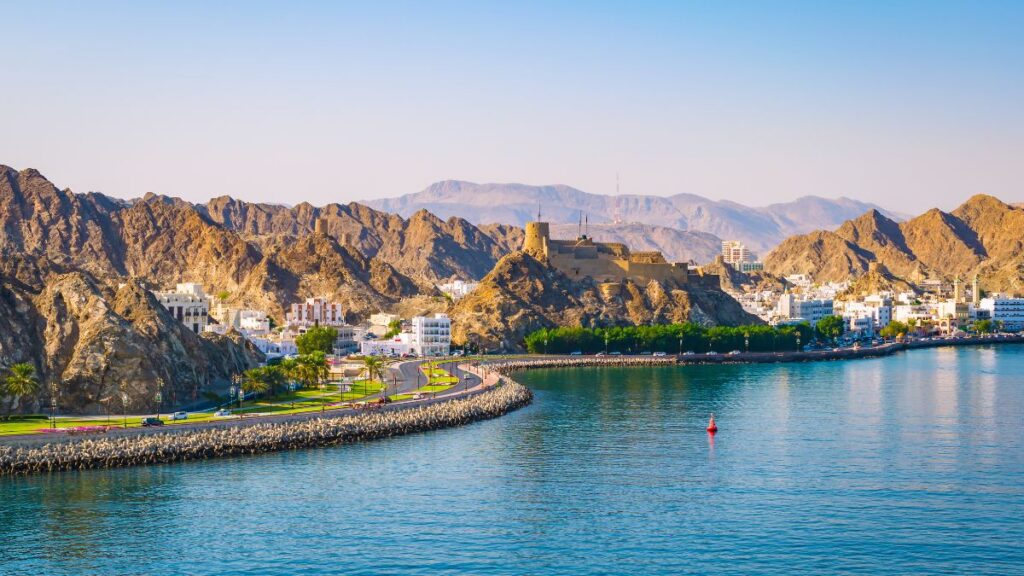
Top beaches: Qurum Beach, Shatti Al Qurum, and Al Mouj Marina. Each offers different vibes from family-friendly sand to marina-side dining. Reserve snorkeling trips or dhow cruises for tranquil waters and coastal scenes.
Fishing trips are either half-day or full-day and operators supply the gear. Pick a day to drive coastal roads at sunset. The light along the Arabian Sea is dramatic.
For resorts, select beachfront hotels at Al Mouj for opulence or Qurum for more tranquil accommodations.
Top Oman Travel Experiences
Oman combines dramatic deserts, rugged mountains, turquoise wadis, a beautiful coastline, and a rich cultural heritage. From swimming in natural pools to sleeping beneath desert skies, these experiences can help you build a varied Oman itinerary.
1. Wadi Adventures
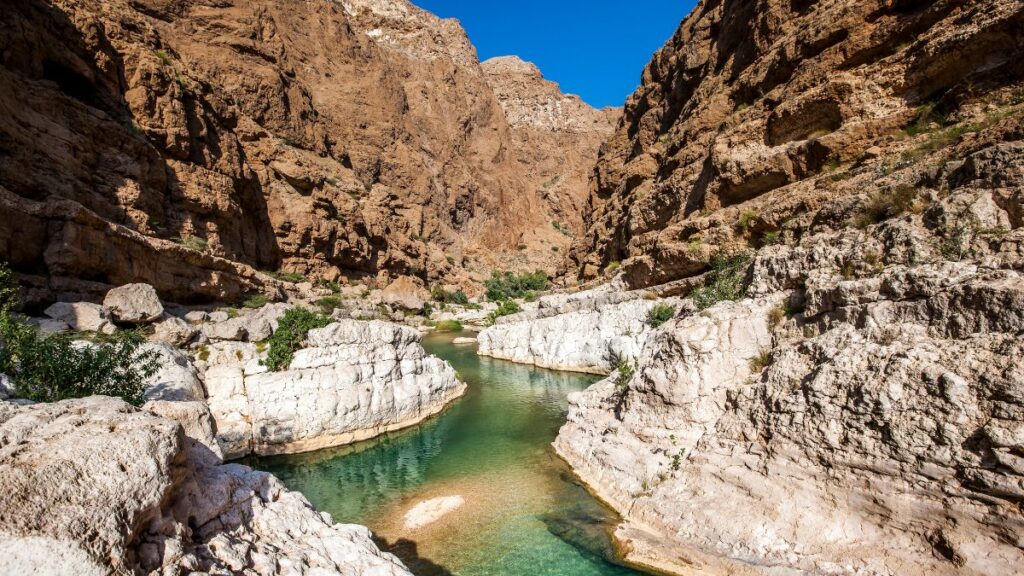
Wadi Shab, Wadi Tiwi, and Wadi Bani Khalid are among Oman’s best-known destinations for swimming, hiking, and exploring impressive canyon landscapes. Depending on the location, expect natural pools, rocky paths, and sections requiring wading or light climbing.
Bring sturdy water shoes, sun protection, plenty of water, and a dry bag for valuables. Less confident swimmers should consider appropriate flotation equipment. Always check weather conditions before visiting, as heavy rainfall can create dangerous flash floods in wadis.
2. Desert Expeditions
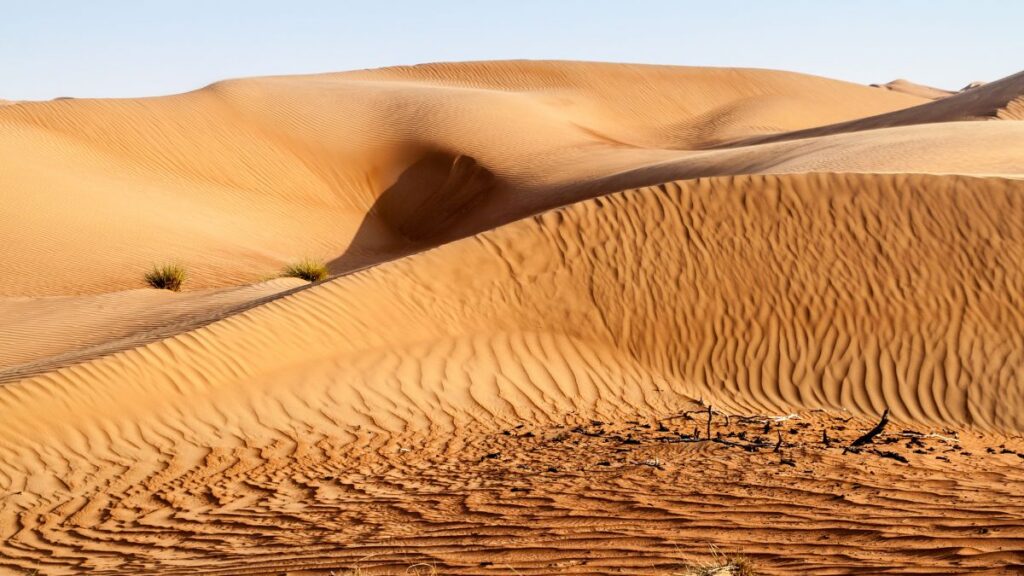
Head to Sharqiya Sands, also known as Wahiba Sands, to experience Oman’s vast desert landscapes. An overnight stay lets you watch the sunset, admire the stars, and wake up surrounded by dunes.
Activities can include camel rides, sandboarding, dune driving, and stargazing. Accommodation ranges from simple camps to more comfortable options with private facilities. Choose an experienced operator for desert driving and organized activities. Some stays also offer opportunities to learn about Bedouin hospitality, traditions, and food.
3. Mountain Treks
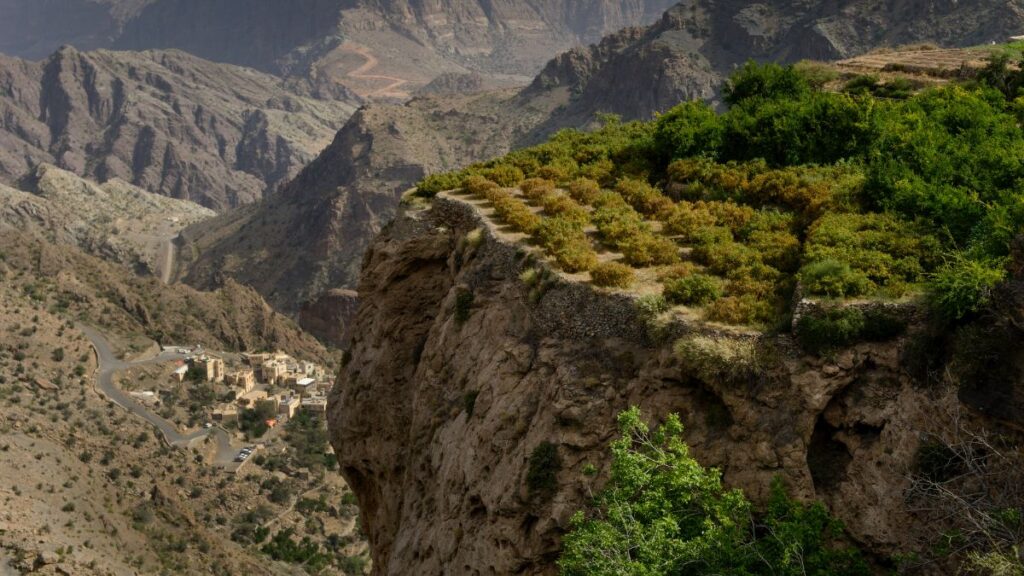
Jebel Akhdar and Jebel Shams offer hiking trails, mountain villages, terraced farms, and spectacular canyon scenery. The well-known Balcony Walk at Jebel Shams provides particularly impressive views over Wadi Ghul.
Wear proper hiking shoes, carry enough water, and dress in layers because temperatures can drop at higher elevations. Guided hikes can provide additional insight into local villages and agriculture. Remember that access to some mountain areas may require a suitable four-wheel-drive vehicle.
4. Regional Gastronomy and Culture
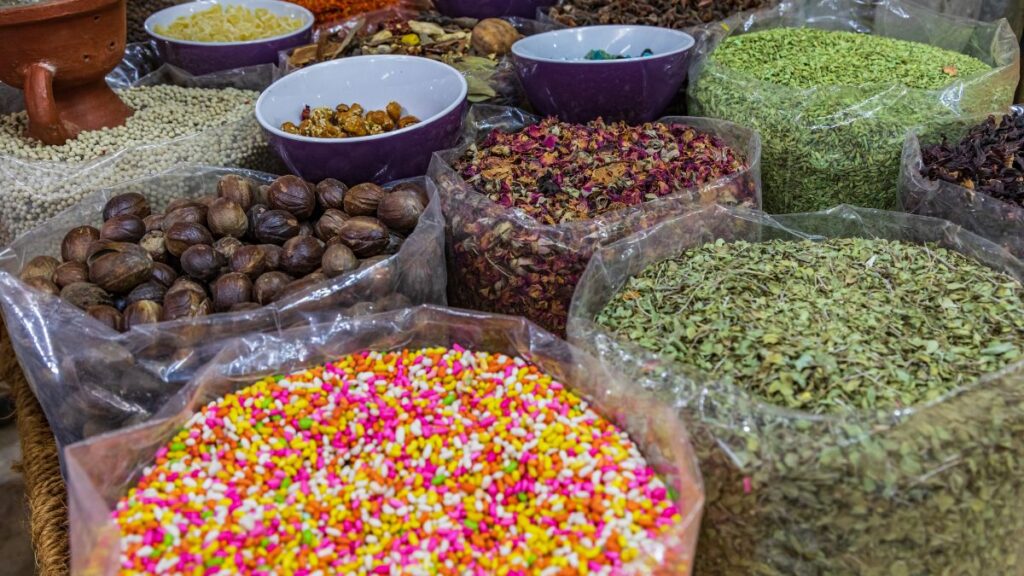
Discover Omani cuisine by trying shuwa, traditional halwa, and kahwa. Restaurants in Muscat and markets such as Nizwa Souq are good places to sample local dishes, dates, spices, sweets, and coffee.
Visiting traditional villages and souqs also provides opportunities to discover local crafts and customs. Dress modestly and respect local traditions when exploring community and religious spaces.
5. Heritage and Coastal Experiences
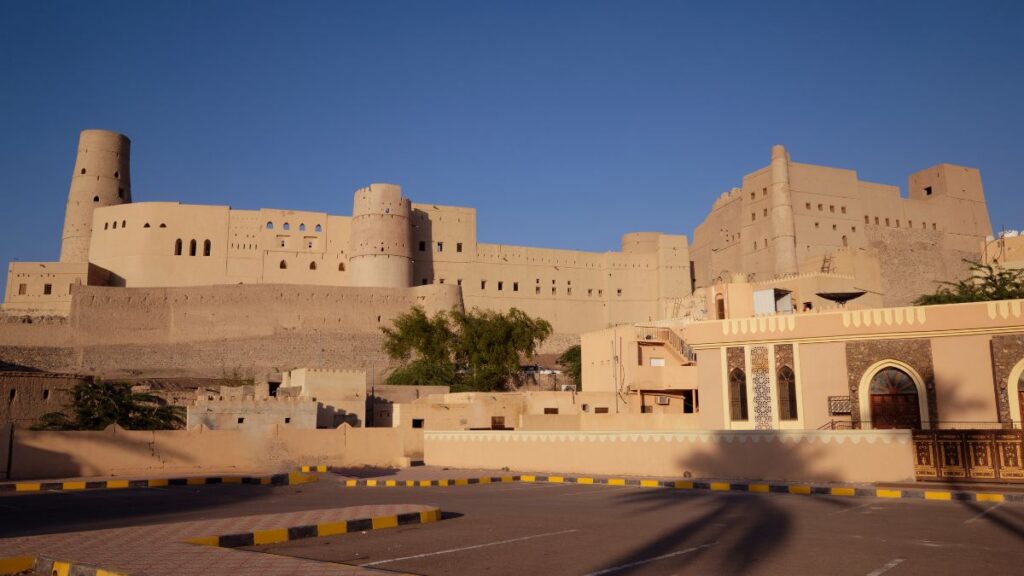
Visit Bahla Fort, a UNESCO World Heritage Site, and Jabreen Castle to discover more about Oman’s history and architecture. Traditional villages, mud-brick settlements, and watchtowers can also enrich a road trip through the interior.
For coastal adventures, consider snorkeling around the Daymaniyat Islands or exploring other marine activities. Wildlife sightings vary by season and cannot be guaranteed.
For a balanced first trip, combine Muscat, the wadis, Sharqiya Sands, Nizwa, and the Al Hajar Mountains to experience Oman’s nature, culture, cuisine, and heritage.
Practical Oman Travel Logistics
Planning the practical details of your Oman trip in advance can make traveling between cities, mountains, deserts, and coastal areas considerably easier. Check current entry requirements before departure, as visa rules depend on your nationality and circumstances. Keep digital or printed copies of important travel documents accessible during your journey.
Oman is a relatively conservative country, so travelers should dress modestly in public, particularly when visiting villages, religious sites, and other traditional areas.
Transport Options
Renting a car offers the greatest flexibility for exploring Oman. Roads connecting major cities are generally well developed, while having your own vehicle makes destinations such as Jebel Shams, wadis, and smaller villages easier to reach. Some mountain roads and remote locations require or strongly favor a 4×4, so check access requirements before setting out.
Taxis and ride-hailing services are useful for shorter journeys in urban areas. For travel between major destinations, Mwasalat buses provide another option. If traveling during busy periods, organize important transportation and accommodation in advance rather than relying on last-minute availability.
Money and Packing
ATMs are widely available in major cities, and the local currency is the Omani rial (OMR). Currency exchange services are also available at Muscat International Airport and in urban areas.
Oman’s climate should influence what you pack and when you schedule activities. Summer temperatures can become extremely high, so bring lightweight, breathable clothing, sun protection, and plenty of water. The cooler months are generally more comfortable for outdoor sightseeing, hiking, and desert activities.
Regional Stays
Oman offers accommodation ranging from international hotels and boutique resorts to guesthouses, mountain lodges, and desert camps. Coastal resorts are particularly convenient for travelers interested in beaches, snorkeling, and diving.
For popular destinations and travel periods, especially during the cooler months, booking accommodation in advance can give you a wider choice of locations and room types.
Stay Connected in Oman with a Ubigi eSIM

Reliable mobile data can make traveling around Oman considerably easier, whether you need to navigate between destinations, confirm a hotel reservation, contact a tour operator, or use a ride-hailing app.
Instead of searching for a local SIM card after arrival, you can set up a Ubigi eSIM before your trip. After checking that your smartphone is eSIM-compatible and carrier-unlocked, you can choose an appropriate Ubigi data plan for Oman and install your eSIM before departure. This means you can be ready to connect to a supported local network once you arrive and your plan is active.
Having mobile data available is particularly useful for accessing maps, checking bookings, communicating through messaging apps, and making last-minute adjustments to your itinerary. You can also manage your Ubigi service digitally, making it easier to monitor your data and purchase additional data when needed without visiting a physical SIM-card shop.
Coverage can become less consistent in remote deserts, mountains, and wadis, so download offline maps, important booking information, emergency numbers, and essential travel documents before leaving populated areas.
Ubigi therefore provides a practical alternative to traditional roaming or purchasing a local SIM card. By arranging your eSIM before departure, you can spend less time organizing connectivity after landing and more time exploring Oman.
Conclusion
The Ultimate Travel Itinerary for Oman provides transparent rewards to the inquisitive wanderer. You come across open deserts, peaceful wadis and ancient forts flanking contemporary boulevards. Sample fresh seafood in a coastal village, hike a canyon trail or sleep under stars in a desert camp. Travel plans go with a light packing list, valid visa and a basic Arabic phrase list. Anticipate robust mobile signal in urban centers and easy Wi-Fi hotel availability. Choose spring or fall for mild temperatures and more manageable trails.
For a fast track, book a Muscat hotel, reserve a full day for a desert excursion and plot out a coastal drive. Oman Travel Know Before You Go – Ready to plan? Book your flights and set your dates today.

Frequently Asked Questions
When is the best time to visit Oman for comfortable weather?
The ideal time is from October to April. You’ll get pleasant temperatures, little humidity, and clear skies, perfect for exploring, hiking, and lounging on the beach.
Do I need a visa to travel to Oman?
A lot of nationalities can obtain an e-visa or a visa on arrival. Check Oman’s official visa site for up-to-date rules by your passport prior to booking.
Is Muscat safe for solo travelers and families?
Yes. Muscat is overall safe with low violent crime. Take basic safety precautions, be respectful of local traditions, and avoid deserted areas late at night.
What are must-see experiences in Oman?
Make sure to explore the Grand Mosque, Wadi Shab, Jebel Akhdar, the Wahiba Sands desert, and Nizwa Fort. These provide cultural experiences, natural wonders, and adventure all in one journey.
How should I dress to respect local customs?
Dress modestly: Cover shoulders and knees in public and religious sites. Light, airy clothes are ideal for the heat and local standards.
What transport options work best for exploring Oman?
Car rental is the most flexible. Go 4×4 for off-road adventures. I think taxis and guided tours are great for city or cultural visits.
How reliable is mobile internet and digital connectivity in Oman?
Mobile coverage and 4G are good in cities and on main roads. Invest in a local SIM for cheap data and dependable navigation.





 How to check eSIM compatibility
 How to check carrier unlocking
