


Summary
Key Takeaways
- Discover the Unknown Must-Try Japanese Dishes with this detailed guide!
- Okonomiyaki is a savory, flour-based Japanese pancake that can be cooked with any combination of ingredients you fancy and then drizzled with special sauces such as mayo and bonito flakes to add even more flavor.
- Kaisendon serves you a local catch-inspired seafood rice bowl that is fresh and unique based on the day’s catch.
- Oyakodon is chicken and egg over rice in a cozy bowl, with slight variations in broth flavor by region, delivering a sample of local Japanese home cooking.
- Soba offers a lighter, healthier alternative to ramen and is served hot or cold to suit the season.
- Japan’s map apps make it easy to find authentic okonomiyaki, kaisendon, oyakodon, and soba restaurants. Just type the name of the dish into the search bar and you’ll be blown away by the top spots that you’ll discover!
- With dependable travel connectivity, like a Ubigi eSIM, you can look up maps, translate menus, and live-tweet your finds wherever you are.

Introduction
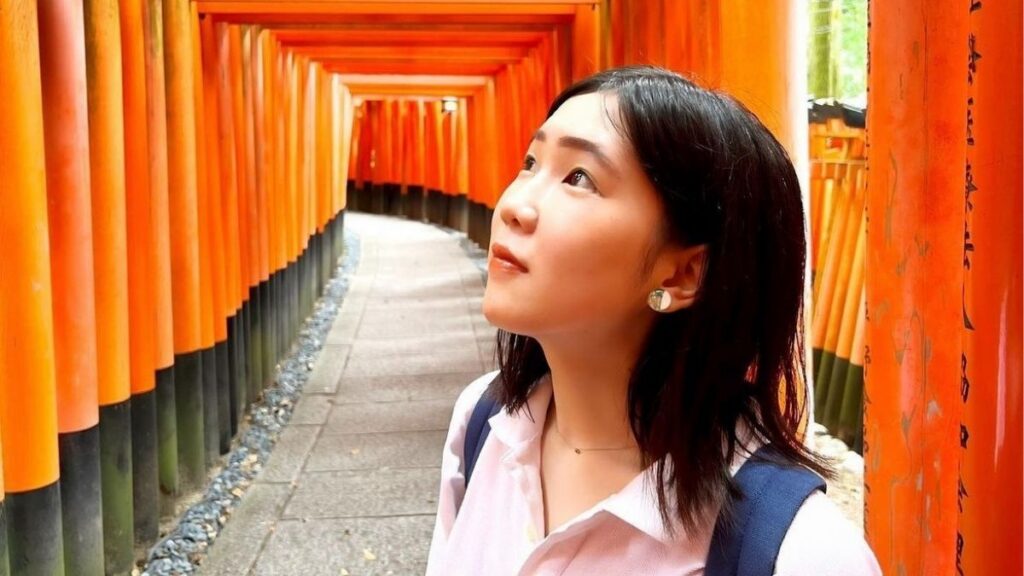
Nice to meet you, I’m Erica! I’m Japanese and I make videos in French on social media. I want to introduce viewers to Japanese culture and my favorite Tokyo spots. Also, I talk about the cultural differences I’ve discovered between Japan and France.
What comes to mind when you think of Japanese cuisine? Sushi? Ramen?
In Japan, there are so many other delicious dishes! Today, I’m going to introduce you to four dishes you absolutely must try in Japan, but that aren’t easy to find in France!
1. Okonomiyaki (お好み焼き): Japan’s Savory Pancake Surprise
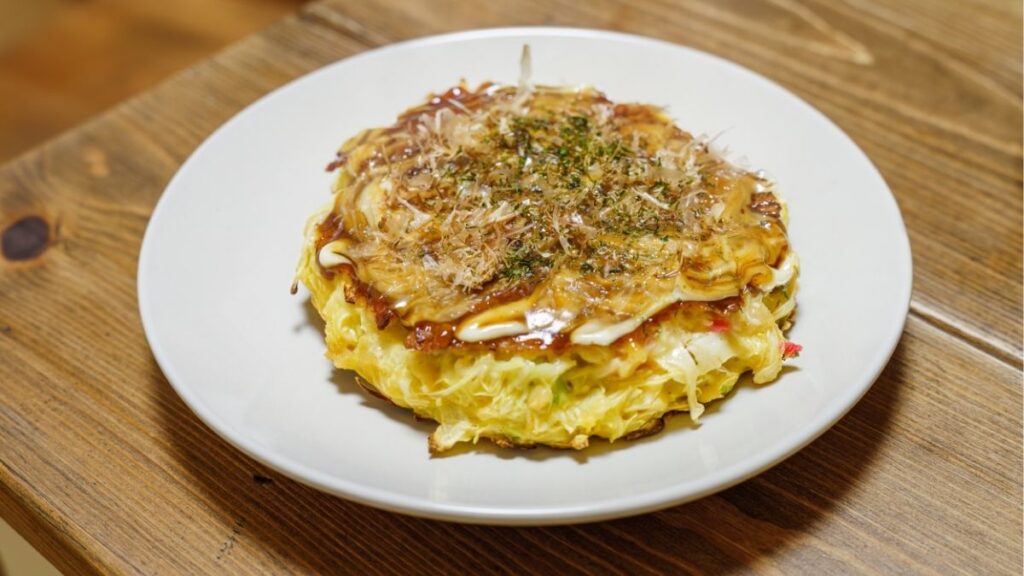
Okonomiyaki, Japan’s savory pancake surprise, originating in Hiroshima and Osaka. It is one of konamono (flour food) and is dubbed “Japanese pizza” or “Osaka soul food.” The name says a lot about its style: “okonomi” means “how you like,” and “yaki” means “grilled,” showing that you can change ingredients to suit your taste.
Made on a flat iron griddle called a teppan, okonomiyaki is turned to a crisp finish on the flat grill which really brings out the flavor. Tons of toppings are thrown on top, including green onion, pork, octopus, squid, shrimp, konjac, mochi, or cheese.
Here’s a checklist of what makes okonomiyaki special:
- Wheat flour for the base
- Grated nagaimo for lightness
- Dashi or water for depth
- Eggs for binding
- Shredded cabbage for crunch
- Choice of add-ins: seafood, meat, vegetables, mochi, cheese
Once cooked, the spatulas come in handy for good old fashioned slicing and serving. So are toppings, your chance to flaunt your flair. Popular toppings include okonomiyaki sauce, Japanese mayo, aonori, katsuobushi, and pickled ginger.
Others throw in fried noodles (modan-yaki) for extra chew. Okonomiyaki can be prepared in advance, offering you the option of pan-frying it fresh at your table. It is ubiquitous street food not just in Japan but in places like Manila, Taipei, Bangkok, and Jakarta.
2. Kaisendon (海鮮丼): The Ultimate Fresh Seafood Rice Bowl
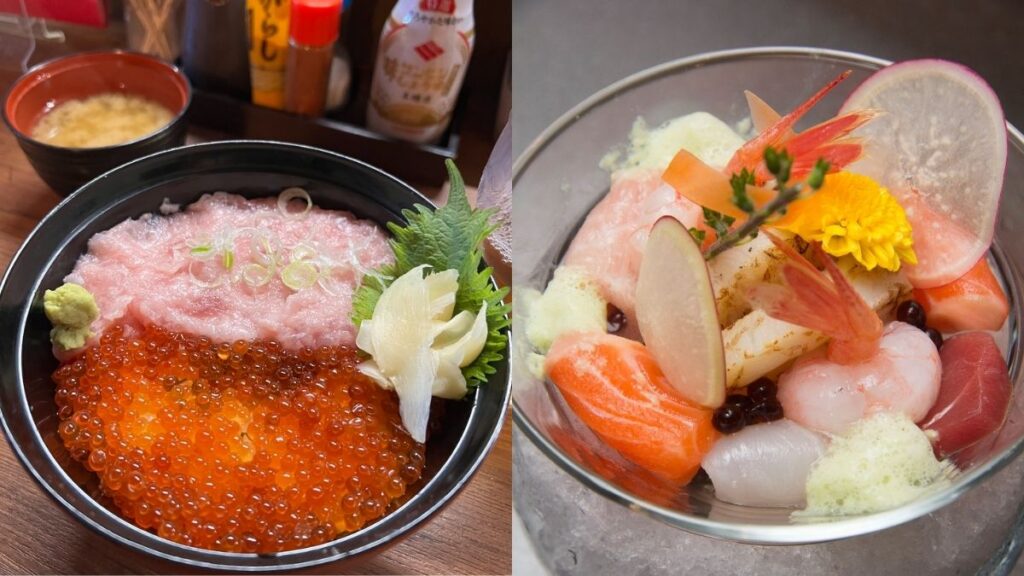
Kaisendon is a rice bowl with raw, fresh seafood piled on top. ‘Kaisen’ refers to seafood and ‘don’ is short for donburi, a type of rice bowl. While gyūdon has beef, kaisendon is all about the ocean. You receive a bowl of rice, either sumeshi or hot plain rice, and then a diverse range of seafood covering it.
Toppings aren’t fixed. You could be looking at tuna, salmon, sea urchin, scallops, red snapper, yellowtail, ikura, sweet shrimp, squid or shirasu. It’s really up to what’s fresh and local at the market. In Japan, where fish is a daily catch, kaisendon is season and region specific. You may have different fish in Hokkaido than in Tokyo. That’s part of its charm.
Consuming kaisendon is uncomplicated. Most people use chopsticks, and the customary way is to eat the seafood and rice together, not just pick off the toppings. Some are served with a bit of soy sauce, wasabi, or pickled ginger, but the emphasis remains on the fish.
If you’re at a shop or market and can’t choose from the plethora of options, you can ask, “Osusume wa?” (おすすめは?) or “What do you recommend?” This way you’ll perhaps mix it up a bit and sample something new you hadn’t considered. Color, too, is part of the experience. A lot of bowls go for balance, a mix of blue, red, and white seafood, because it looks as good as it tastes.
Kaisendon isn’t just a meal, it’s a way to connect with Japan’s food culture. Each bowl connects you to the ocean and the season.
3. Oyakodon (親子丼): The Comforting “Parent and Child” Bowl
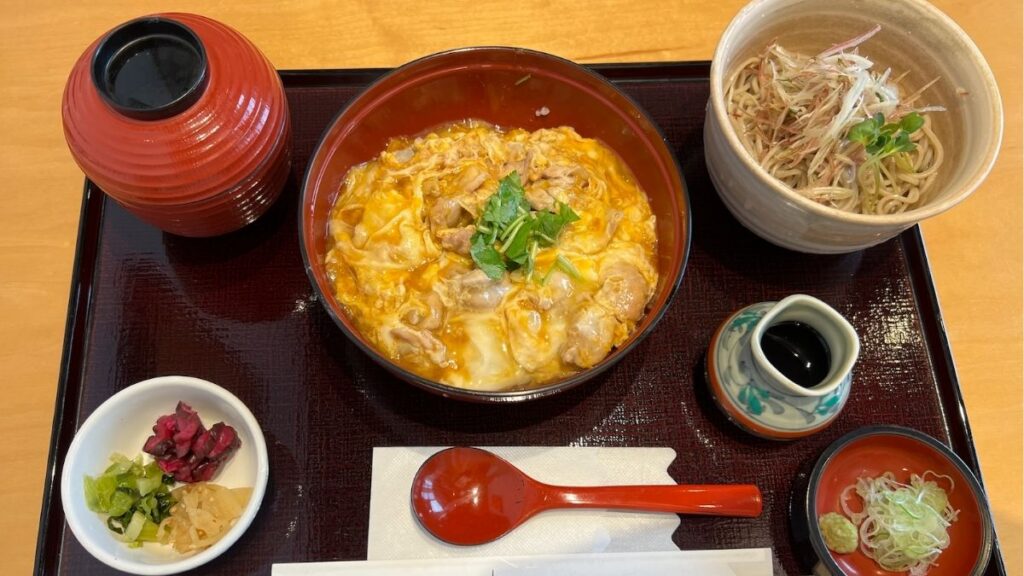
Oyakodon is a classic Japanese donburi, or rice bowl, where chicken and eggs meet a comforting dashi-based broth. The name “parent-and-child bowl” sums up the main ingredients: chicken (parent) and egg (child). This pairing may seem strange at first, but oyakodon is one of Japan’s most popular comfort foods, downright uncomplicated but packed with personality.
You’ll discover that the soul of oyakodon is its harmony. Each bowl begins with steamed rice, prepared a bit al dente to stand up to the broth. The chicken, sliced using the sogigiri technique, has greater surface area. This allows the flavors of the dashi to permeate into the chicken, which becomes very juicy and savory.
The eggs are stirred in late, so they remain soft and silky. Every so often, they’ll top it off with a raw yolk for an additional creamy finish. It’s the broth itself that makes each oyakodon a little different. Dashi, made from dried fish and kelp, forms the base.
Some establishments add more soy sauce and sugar to make it sweeter and some keep it light and savory. It’s one of those dishes that varies wherever you have it or even who cooks it at home. Oyakodon is fast, too. It takes less than 30 minutes from start to finish.
This makes it a convenient meal for hectic days. There’s no set recipe. Folks vary the chicken, egg, and broth ratio to their liking.
4. Soba (そば): The Light and Healthy Noodle Alternative
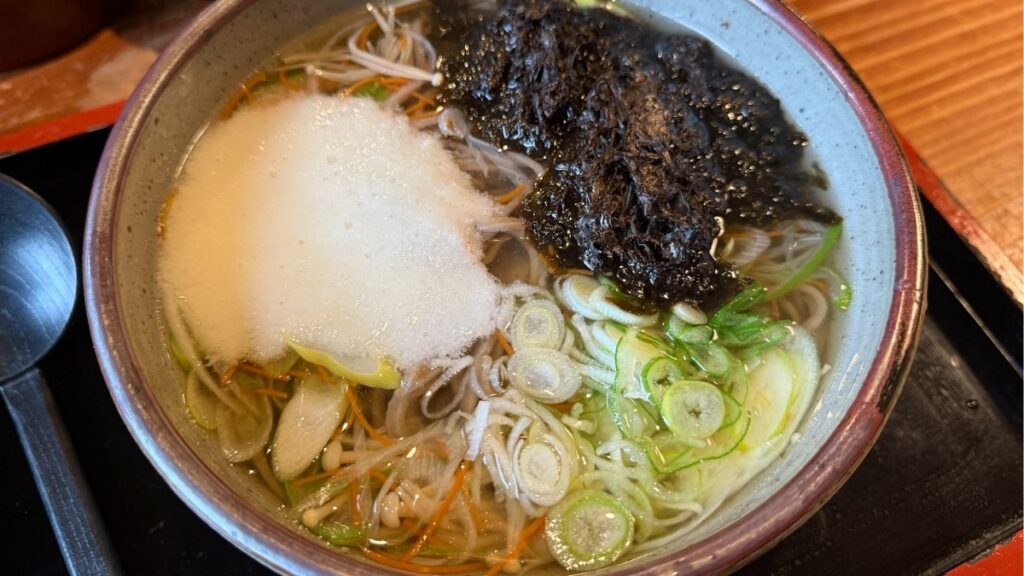
Sure, most people know ramen as Japan’s noodle of choice, but if you want something light and less heavy, soba is the clear winner. Soba is buckwheat noodles. The noodles are thin, al dente and have a nutty, earthy flavor. You will find it served both cold and hot, so it’s easy to suit your mood or the season.
In the heat, you will prefer cold soba, or zaru soba. The noodles are served laid out on a bamboo tray alongside a dipping sauce, tsuyu. You dunk each bundle in the sauce, sometimes sprinkled with green onion and nori for an added crunch and flavor. For cold, kake soba is more common. Soba comes with noodles floating in clear, warm broth, occasionally accompanied by tempura or a sprinkling of sliced green onions.
Soba has a long history in Japan and in Japanese life. For New Year’s Eve, Japanese families enjoy toshikoshi soba. The long noodles represent a long and steady life. Soba is frequently at festival lineups, reflecting how it’s interlaced in the large and small.
If you’re looking for something light but meaningful, soba is an excellent choice. Soba noodles have a health advantage as well. Buckwheat isn’t wheat; it’s a seed, so soba is higher in fiber and protein than regular wheat noodles.
The dish is super customizablen top with tempura, more greens or even a soft boiled egg, depending on your cravings.
How to Find These Dishes in Japan
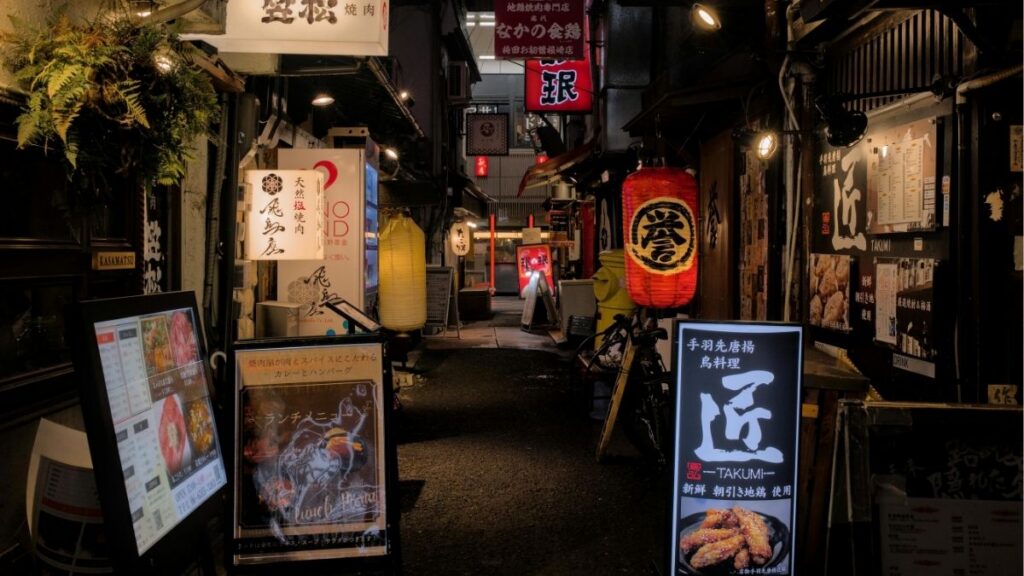
Nothing beats finding okonomiyaki and other beloved Japanese dishes if you know where to look. An easy method is to search for the dish in Google Maps. Look up ‘okonomiyaki,’ ‘kaisedon,’ ‘soba,’ or ‘oyakodon,’ and you’ll get a map of local hangouts.
It works in most cities from Tokyo to small towns and gets you to real local kitchens quickly. It helps you avoid the guesswork so you can sample these dishes in authentic local spots.
Okonomiyaki is available throughout Japan and has regional variations. In Osaka and the Kansai region, the batter is thick and crowded with cabbage and pork. Hiroshima takes it up a notch by introducing thin noodles and layering the mix.
Here are some places to find each dish:
- Okonomiyaki: Mizuno (Osaka), Chibo (Osaka), Okonomi-mura (Hiroshima), Tsukishima Monja Street (Tokyo)
- Oyakodon: Tamahide (Tokyo), Toritoh (Tokyo), Ootoya (nationwide)
- Kaisendon: Tsukiji Outer Market (Tokyo), Donburi Chaya (Sapporo), Kanazawa Omicho Market (Kanazawa)
- Soba: Sarashina Horii (Tokyo), Honke Owariya (Kyoto), Teuchi Soba Narutomi (Tokyo)
Travel Tips for Food Lovers in Japan
Japan gives you endless food choices, and finding the best goes beyond just following guidebooks. Local food shops, often small and tucked away, tend to serve the most authentic and honest flavors. If you see a place full of locals, you are likely at a good spot, since these restaurants care more about taste than hype or presentation.
Each city has its own take on Japanese classics like okonomiyaki, soba, or kaisendon. In Hiroshima, okonomiyaki is layered with noodles and plenty of green onion, while Osaka’s version mixes ingredients directly into the batter. Trying different regional styles, whether in Kyoto, Fukuoka, or elsewhere, makes your trip richer and shows how varied Japanese food really is.
Bring cash as well as cards. Many small restaurants are cash-only, while larger chains accept cards or IC payments, be prepared to ensure a smooth experience.
Travel Connectivity with Ubigi

Everything has signs, directions, or menus in Japanese only and the staff don’t speak English. Food hunting in Japan is simpler with a robust data plan. Internet access is essential to check maps, routes, and schedules on the fly.
An eSIM, such as Ubigi, utilizes the NTT Docomo and KDDI networks, which are robust and perform excellently throughout Tokyo. It gets you up and running quick after you touch down, no SIM swapping. Data remains consistent between bustling urban areas and sleepy villages.
Discover hidden spots for soba or seafood with a quick search, and post snaps or advice to friends back home instantly. Ubigi eSIM for Japan provides you with plans that suit short or long trips, so you can concentrate on your next meal, not your data.
Conclusion
Sampling okonomiyaki and other regional specialties allows you to experience Japan’s gourmet culture in a genuine fashion. You receive hot pancakes packed with cabbage, seafood or pork, then crowned with rich sauce and tangy mayo.
Kaisendon transports the ocean to your bowl with silky, raw fish and steaming rice. Oyakodon dishes you up a tender egg and chicken blend, true coziness for any occasion. Soba is a quick, light meal with a nutty bite.
You discover these meals at bustling urban establishments or tiny kiosks, both a cinch to locate in Japan’s villages. On your next journey, seek these dishes out and notice how much they contribute to your adventure. Take a Ubigi eSIM data plan for Japan and discover the Unknown Must-Try Japanese Dishes!

Frequently Asked Questions
What is okonomiyaki?
Okonomiyaki is a yummy Japanese pancake made with flour, eggs, cabbage, and whatever toppings you want. You can top it with seafood, meat, or vegetables.
Is okonomiyaki vegetarian-friendly?
Okonomiyaki can be vegetarian. Simply request no meat or seafood and opt for only vegetables and plant based toppings.
How is kaisendon different from other rice bowls?
Kaisendon is fresh, raw seafood on a bed of rice. It’s a front runner for seafood aficionados who want to sample the sea’s saltness.
What makes oyakodon a comfort food?
Oyakodon pairs chicken and egg atop rice for a comforting, heart-warming dish. It is famous for its subtle seasoning and hearty consistency.
Are soba noodles gluten-free?
Traditional soba is made with buckwheat flour, which has no gluten. A few noodles have wheat flour, so always check before ordering.
Where can you find these dishes in Japan?
You’ll encounter these dishes at neighborhood restaurants, street food stalls, and railway station diners throughout Japan. Hit up specialty shops for the most authentic experience.
Any tips for food lovers traveling in Japan?
Sample local joints, hit the markets and pick up a few Japanese food basics. Look at ingredients if you have dietary restrictions. Happy tasting!








 How to check eSIM compatibility
 How to check carrier unlocking