


Key Takeaways
- If you are wondering when and where to see the aurora borealis in Iceland, the northern lights season generally runs from late August or September to early April, when nights are dark enough to see the aurora.
- Clear skies, darkness, and low light pollution are essential for aurora viewing. Check both weather and aurora forecasts before heading out.
- Popular viewing locations include Þingvellir National Park, Lake Mývatn, Jökulsárlón, the Westfjords, and areas outside Reykjavík.
- Iceland’s weather can change quickly, particularly in winter. Check road and weather conditions before traveling and remain flexible with your plans.
- For northern lights photography, bring a tripod, wide-angle lens, spare batteries, and warm clothing. Adjust your camera settings according to the brightness and movement of the aurora.
- Prepare a Ubigi eSIM for Iceland before departure to access weather forecasts, aurora updates, maps, and travel information, while keeping offline maps available for remote areas.

Introduction
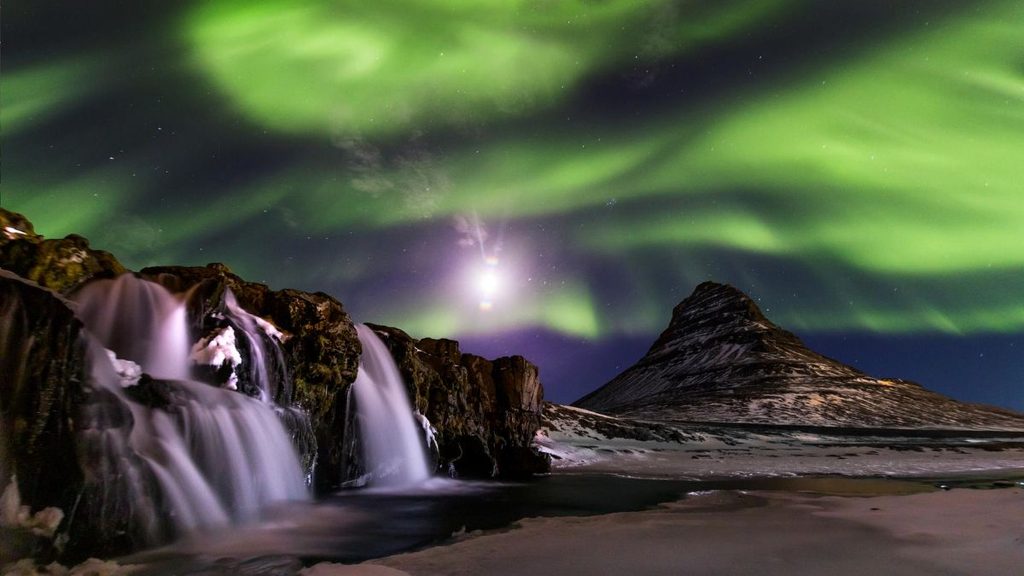
Seeing the aurora borealis over Iceland is one of the country’s most memorable natural experiences. Green, pink, and occasionally red lights can illuminate the night sky above glaciers, lava fields, mountains, and black-sand beaches.
Iceland’s northern latitude and long winter nights make it an excellent destination for aurora viewing. However, seeing the northern lights is never guaranteed. Darkness, clear skies, geomagnetic activity, and local weather conditions all play a role.
Choosing the right season, checking forecasts, and staying flexible can improve your opportunities. This guide covers when and where to see the northern lights in Iceland, photography tips, winter safety, and practical advice for planning your trip.
Aurora Borealis Over Iceland
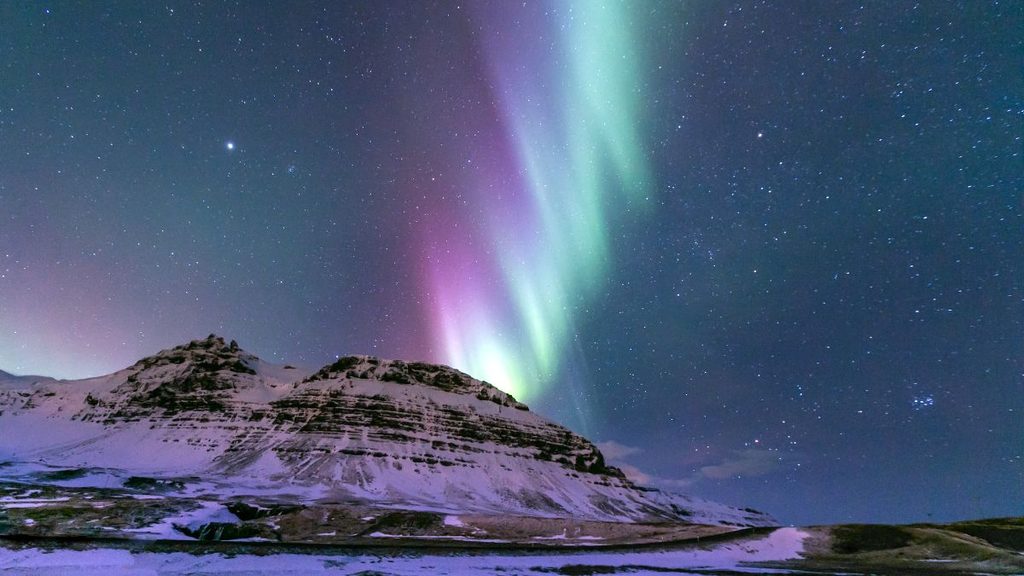
The aurora borealis is created when charged particles from the sun interact with Earth’s magnetic field and collide with gases in the upper atmosphere. These interactions produce the colors visible in the night sky.
Green is the most common aurora color, while red, pink, and violet can also appear depending on atmospheric conditions and altitude.
Iceland sits at a favorable northern latitude for observing this phenomenon. During the aurora season, sufficiently dark nights and relatively easy access to rural areas make it possible to look for the lights without traveling deep into the Arctic.
Darkness alone is not enough, however. Cloud cover can completely obscure an active aurora, making local weather conditions one of the most important factors when planning an evening outdoors.
Auroras can appear whenever the sky is sufficiently dark and conditions are favorable. Instead of relying on a specific hour, monitor weather and aurora forecasts throughout the evening and be prepared to adjust your plans.
Iceland and Aurora Borealis
Iceland combines northern latitude, long winter nights, sparsely populated landscapes, and relatively easy access to areas with limited artificial light.
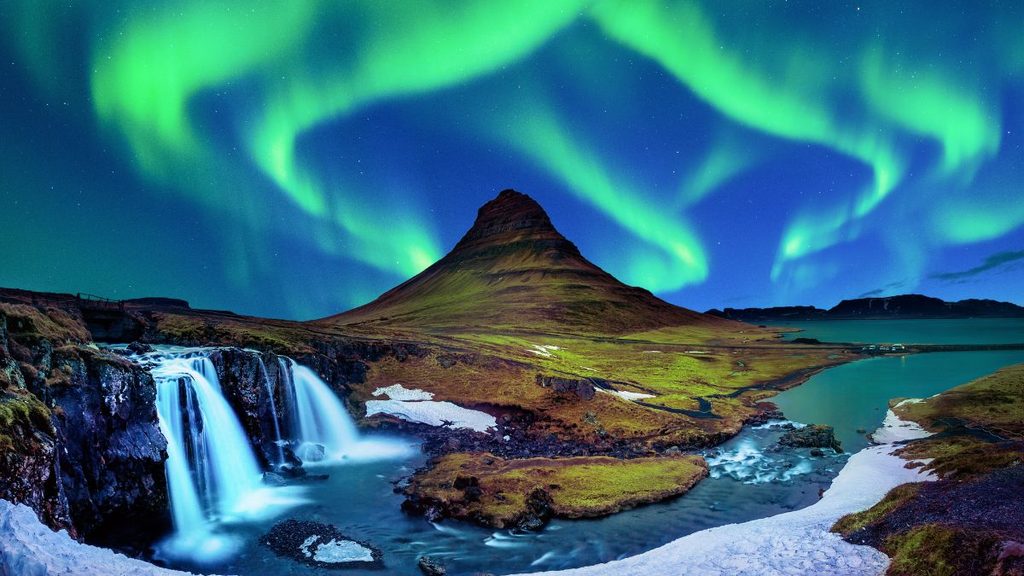
The country’s scenery also makes the experience distinctive. Glaciers, waterfalls, volcanic landscapes, mountains, beaches, and geothermal areas can provide dramatic foregrounds when the aurora appears.
Maritime Weather
Iceland’s maritime climate is highly changeable. Clear skies can become cloudy quickly, while poor conditions in one area do not necessarily mean the entire region is overcast.
Check the Icelandic Meteorological Office forecast before leaving and compare aurora activity with cloud-cover information.
Build flexibility into your itinerary rather than choosing only one evening for aurora viewing. If conditions are poor, another night or another part of your route may provide clearer skies.
Strong winds, snowfall, and icy conditions can also affect transportation, particularly during winter. Always check current conditions before driving.
Volcanic Topography
Iceland’s volcanic landscapes provide distinctive settings for northern lights photography.
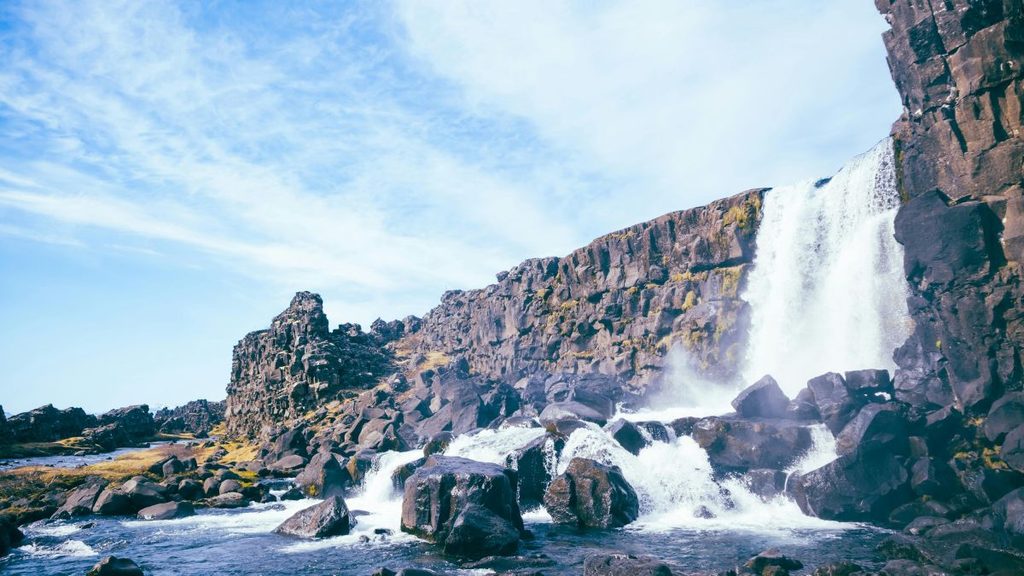
Lava fields, mountains, waterfalls, basalt formations, and black-sand coastlines can all create interesting foregrounds. Þingvellir National Park is a popular option within reach of Reykjavík, while more distant regions provide additional opportunities to escape artificial light.
When choosing a location, prioritize safe and legal access rather than stopping unexpectedly along roads. Never drive off-road, and respect private property and environmentally sensitive areas.
Subarctic Latitude
Reykjavík lies at approximately 64° north, while northern Iceland extends even closer to the Arctic Circle. This location gives Iceland long periods of darkness during winter.
The main viewing season generally extends from late August or September until early April. December and January offer particularly long nights, while September, October, February, and March combine substantial darkness with more daylight for daytime sightseeing.
Solar activity affects the intensity of auroral displays, but even relatively modest activity can produce visible northern lights when skies are clear and dark.
Northern Lights Aurora Borealis Iceland
The northern lights aurora borealis in Iceland can be seen in many parts of the country when conditions are favorable.
You do not necessarily need to travel to an isolated wilderness area. Even visitors staying in Reykjavík may see the aurora during stronger displays, although heading away from urban light generally provides darker skies and better contrast.
1. Dark Season
The best time to see the aurora borealis in Iceland is generally between late August or September and early April.
December and January provide the longest periods of darkness, but they also bring winter weather and limited daylight. September, October, February, and March can provide a useful balance between dark evenings and daytime exploration.
Summer is not suitable for conventional aurora viewing because Iceland’s nights remain too bright around the midnight-sun period.
2. Prime Locations
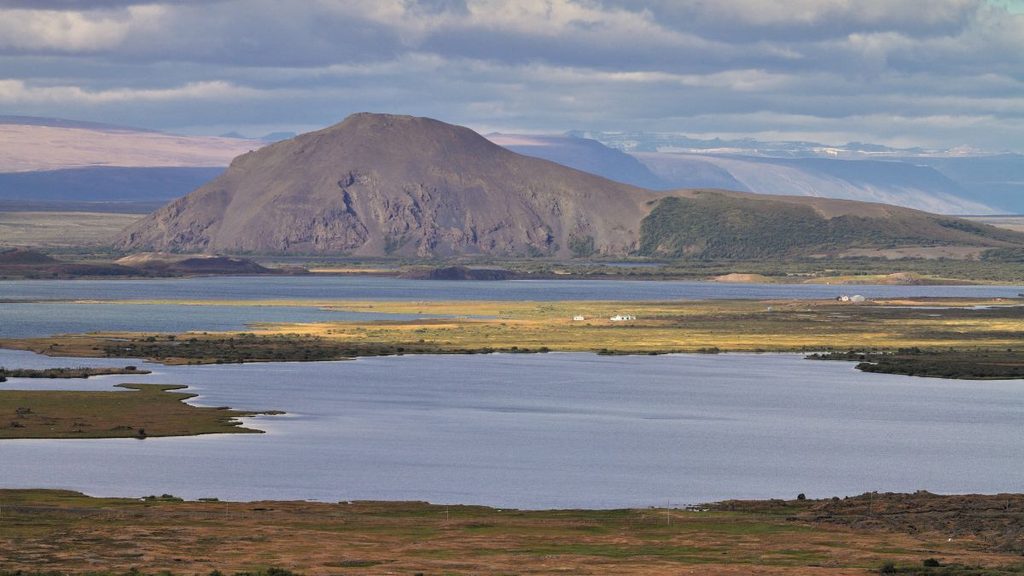
You can look for the northern lights throughout Iceland, but locations away from artificial light usually provide better viewing conditions.
Popular options include:
- Þingvellir National Park: Accessible from Reykjavík and surrounded by dramatic landscapes.
- Jökulsárlón: The glacier lagoon and nearby Diamond Beach provide distinctive photographic foregrounds.
- Lake Mývatn: A northern Iceland destination with volcanic landscapes and dark surroundings.
- Westfjords: Remote landscapes and low population density provide numerous dark-sky locations.
- Grótta: A convenient option near Reykjavík when conditions are favorable.
Wherever you go, clear skies matter more than choosing a famous location. Guided tours can also help travelers reach suitable viewing areas without having to navigate unfamiliar winter roads independently.
3. Camera Setup
Aurora photography requires some experimentation because the brightness and speed of the lights can change rapidly.
A sturdy tripod and wide-angle lens are useful starting points. Use manual mode if your camera allows it and experiment with a wide aperture, increased ISO, and exposures lasting several seconds.
Brighter or faster-moving auroras usually require shorter exposures, while faint displays may need longer ones.
Cold temperatures drain batteries more quickly, so carry fully charged spares and keep them warm when possible. Extra memory cards can also be useful during longer photography sessions.
4. Cloud Tracking
Cloud cover is one of the biggest obstacles to seeing the northern lights in Iceland.
Check cloud forecasts before leaving and continue monitoring conditions throughout the evening. A strong aurora forecast will not help if the sky is completely overcast.
Because Icelandic weather can vary between regions, flexibility can make a significant difference. If conditions allow safe travel, you may be able to move toward an area with clearer skies.
5. Road Safety
Winter travel requires extra preparation. Roads may be affected by snow, ice, strong winds, or temporary closures.
Check official road and weather information before setting out, and never ignore closure notices or warnings. If you are uncomfortable driving in Icelandic winter conditions, consider joining a guided northern lights tour instead.
Dress in warm layers and wear waterproof outerwear and appropriate footwear. Keep your phone charged, carry essential supplies, and let someone know your plans when traveling into more remote areas.
Northern Lights in Icelandic Culture
The northern lights have inspired stories and interpretations across Arctic and Nordic cultures for centuries, and Iceland has its own traditions and folklore associated with the night sky.
Historical beliefs sometimes connected the aurora with future events, weather, luck, or childbirth. These stories form part of a broader body of Icelandic folklore rather than scientific explanations for the phenomenon.
Today, the northern lights remain an important part of Iceland’s winter identity and visitor experience. They appear in local art, photography, storytelling, and tourism, connecting Iceland’s dramatic landscapes with its long tradition of observing the natural environment.
Travelers interested in local culture can complement an aurora trip with museums, cultural sites, and guided experiences that explore Icelandic history and folklore.
Travel Connectivity with Ubigi eSIM
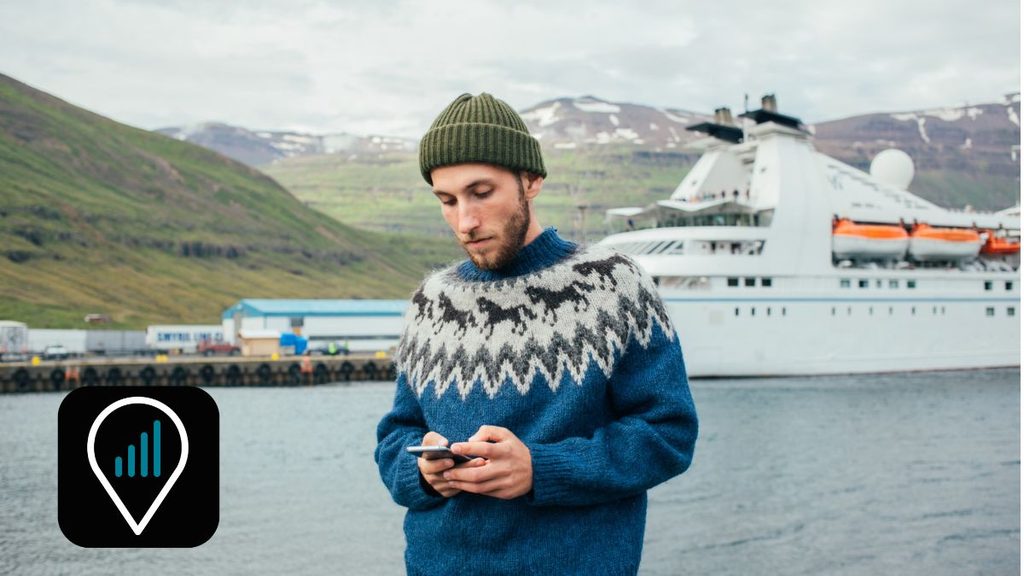
Mobile data can be useful when looking for the aurora borealis in Iceland, especially as weather and cloud cover can change quickly.
With a Ubigi eSIM for Iceland, you can prepare your mobile data before departure and connect when you arrive. Use your connection to check aurora and weather forecasts, monitor road conditions, access maps, and communicate with tour operators.
Coverage may be limited in remote areas, so download offline maps and save essential travel information before heading out. A power bank can also help keep your phone charged during long evenings outdoors.
Conclusion
Seeing the northern lights in Iceland requires a combination of good timing, clear skies, careful planning, and some luck.
Travel between late August or September and early April, allow several nights if possible, and check weather, cloud cover, road conditions, and aurora forecasts before heading out. Destinations such as Þingvellir, Jökulsárlón, Lake Mývatn, and the Westfjords combine dark skies with some of Iceland’s most distinctive landscapes.
Remember that flexibility is often more useful than chasing a specific Kp number or viewing time. If clouds arrive, conditions may improve later or be clearer elsewhere.
Preparing a Ubigi eSIM for Iceland can help you access forecasts, maps, road information, and tour updates throughout your trip. Keep offline maps available as a backup when exploring more remote parts of the country.

Frequently Asked Questions
What is the best time of year to see the aurora borealis in Iceland?
The northern lights season generally runs from late August or September to early April, when nights are sufficiently dark. December and January provide the longest nights, while September, October, February, and March can offer a good balance between dark evenings and daylight for sightseeing.
Where in Iceland are the Northern Lights most visible?
Dark areas away from artificial light generally provide the best viewing conditions. Popular locations include Þingvellir National Park, Jökulsárlón, Lake Mývatn, the Westfjords, and the Snæfellsnes Peninsula. However, clear skies are more important than choosing one particular destination.
How do I know if the aurora will appear tonight?
Check the Icelandic Meteorological Office’s aurora and cloud-cover forecasts before heading out. Geomagnetic activity can indicate the potential for auroras, but clear, dark skies are also essential. Even relatively low aurora activity can produce a visible display under favorable conditions.
Can you see the aurora when it’s cloudy or during moonlight?
Thick cloud cover can prevent you from seeing the aurora even when activity is strong. Moonlight does not prevent auroras from appearing, although a bright moon can reduce contrast for weaker displays. Clear skies should therefore be your main priority.
Do I need a tour to photograph or see the Northern Lights?
No. You can see and photograph the northern lights independently when conditions are suitable. However, guided tours can simplify transportation and help you find dark locations or areas with clearer skies. They can be particularly useful if you are unfamiliar with Icelandic winter driving conditions.
What camera settings work best for aurora photography?
There is no single setting that works for every aurora. As a starting point, use a tripod, wide-angle lens, wide aperture, increased ISO, and an exposure lasting several seconds. Adjust the shutter speed depending on the brightness and movement of the lights. Faster auroras generally require shorter exposures to preserve detail.
Are there safety or environmental tips when chasing auroras in Iceland?
Yes. Check official weather and road conditions before traveling, particularly during winter. Wear warm, waterproof clothing, avoid stopping in unsafe locations, respect road closures, and never drive off-road. Stay on permitted paths where required and respect private property and Iceland’s fragile natural environment.


 How to check eSIM compatibility
 How to check carrier unlocking