


Summary
Key Takeaways
- Discover where to try Dim Sum, this communal meal of little plates containing steamed dumplings, buns, rice rolls, fried foods, side dishes, and sweet desserts that you can combine to your heart’s content.
- The custom evolved from teahouse snacks to a cultural ritual that emphasized tea, hospitality, and family, well suited to leisurely weekend lunches and festivities.
- With steamed specialties like har gow and siu mai demonstrating subtle artistry and health-conscious preparation, fried and baked items provide a welcoming contrast of textures and tastes for a harmonious variety.
- Try dim sum at traditional teahouses or contemporary eateries for a genuine taste. Leverage reviews or reservations to grab hot weekend tables.
- If you’re going for convenience, select take-out from bakeries or counters and heed reheating tips to maintain texture and flavor at home.
- Going on a trip to try dim sum? Keep in touch with a dependable eSIM like Ubigi for maps, translations and booking so you can discover the best local places.

Introduction
Dim sum refers to the Cantonese tradition of small plates served with tea that your whole table can sample. You end up with bite-sized dumplings, steam buns, and savory pastries that suit quick meals or extended, convivial brunches.
Most dim sum dishes utilize fresh ingredients and clear flavors; you taste texture and seasoning. Many menus will list allergens and spice levels to guide you. The main body will direct you on ordering and manners.

What Is in Dim Sum?
Dim sum literally means “touch the heart” and refers to various small dishes served in bite-sized portions, commonly steamed, fried, or baked. You’ll encounter a variety of staple, seasonal, weekly, banquet, holiday, house signatures, and travel snacks. Guangdong has over a thousand of these dishes, and China-wide they number around two thousand.
Dumplings (har gow, siu mai)
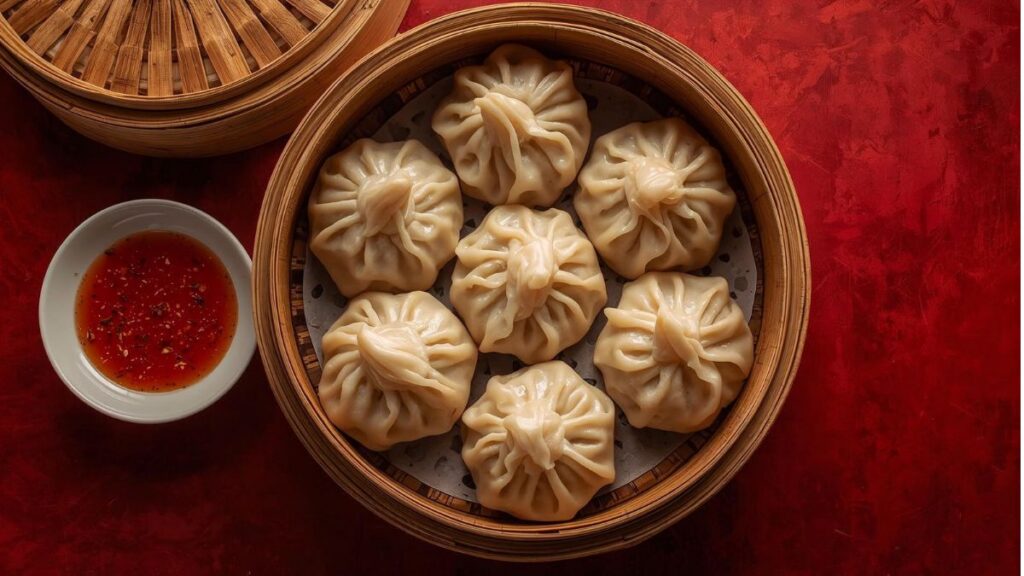
Dumplings are at the heart of dim sum and often the first dishes to arrive. Har gow are delicate, translucent parcels made with a thin rice-starch wrapper that reveals juicy shrimp inside, sometimes enhanced with pork fat or bamboo shoots for added texture. Siu mai are open-topped dumplings filled with a mix of pork and shrimp, often finished with a touch of roe or mushroom for extra flavor. Beyond the classics, many restaurants offer vegetable variations using mushrooms, tofu skin, or plant-based fillings like minced shiitake and konjac, giving this staple category plenty of variety for different tastes and dietary preferences.
Buns (bao)

Buns, or bao, come in both steamed and baked forms and offer a comforting, pillowy contrast to lighter dim sum dishes. The most famous is char siu bao, filled with sweet-savory roasted pork tucked inside a soft, fluffy bun. Custard buns are equally popular, featuring a rich, egg-yolk-based filling that melts when bitten into. Savory versions include chicken, pork, or mushroom-filled buns, while modern interpretations introduce flavors like curry, barbecue, or plant-based fillings. Whether traditional or contemporary, bao are satisfying, versatile, and often one of the most memorable parts of a dim sum meal.
Rice-based dishes (cheung fun)
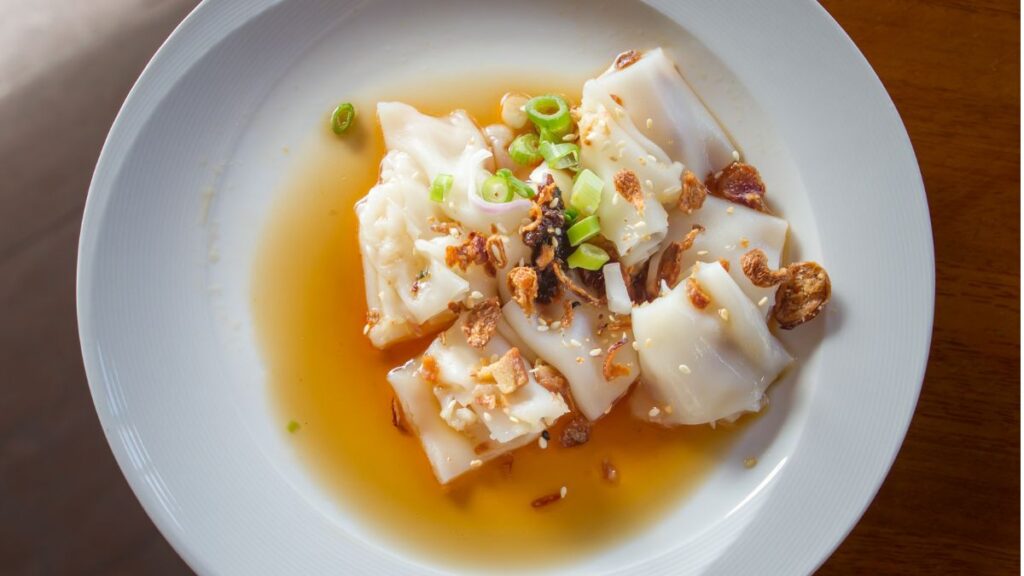
Rice-based dishes, especially cheung fun, are known for their silky texture and delicate flavor. These wide rice noodle rolls are steamed into thin sheets and filled with shrimp, beef, barbecued pork, or vegetables, then finished with a light soy-based sauce. The result is smooth, soft, and slightly chewy, offering a gentle contrast to crispier or richer dim sum items. Another staple is sticky rice wrapped in lotus leaf, where glutinous rice is steamed with pork, mushrooms, and salted egg, creating a fragrant, portable package. These dishes are comforting, filling, and essential to any dim sum spread.
Fried items
Fried dim sum items bring crunch, richness, and bold flavor to the table. Spring rolls are a classic, filled with vegetables or pork and deep-fried until golden and crisp. Sesame balls, coated in sesame seeds and filled with sweet red bean paste, offer a chewy contrast with a soft interior. Other favorites include taro croquettes and fried wontons, which add variety in texture and taste. The deep-frying process enhances aroma and creates a satisfying crunch that balances the softer steamed dishes. These items are often shared and enjoyed alongside lighter selections to create a well-rounded meal.
Side dishes
Side dishes in dim sum often feature slow-cooked, savory flavors that complement the main selection of dumplings and buns. Braised chicken feet, steamed pork ribs with black bean sauce, and congee are common choices, each offering deep, comforting flavors. Chicken feet are prized for their gelatinous texture, while pork ribs bring a rich, savory depth enhanced by fermented black beans or garlic. Congee, a rice porridge, can be served plain or topped with ingredients like fish, pork, or century egg. These dishes are hearty, traditional, and designed to be enjoyed slowly alongside tea.
Desserts
Dim sum desserts provide a light and satisfying finish to the meal. Egg tarts are among the most iconic, featuring a flaky or buttery crust filled with silky, lightly sweet custard. Almond tofu offers a soft, refreshing texture with a subtle nutty flavor, while mango pudding delivers a creamy, fruit-forward option that is both sweet and cooling. Steamed buns filled with red bean or lotus paste add warmth and comfort to the dessert spread. Paired with traditional teas like jasmine, green, or chrysanthemum, these sweets help cleanse the palate and bring a gentle close to the dim sum experience.
The Cultural Heartbeat
Dim sum started as tiny morsels at teahouses and expanded into a living tradition that connects cuisine, clan, and ritual. It tells how a humble pastry can become cultural pride and how yum cha, “drink tea”, transformed dining into community. Dim sum has become an icon of Chinese culture and a means for the world to experience regional cuisine. Here’s its origin, teahouse context, and family rituals that keep the tradition alive.
Ancient Origins
Dim sum originates from roadside teahouses along trade routes in the Tang dynasty, where travelers and merchants paused for light refreshment. The early artifacts were small, simple to prepare, and designed to refresh the body amidst lengthy travels. Yum cha culture proliferated through the south of China as tea houses blossomed and dim sum shifted from snack to staple. Ancient history and cookbooks speak of early dumplings, steamed buns, and rice dishes similar to today’s dim sum varieties, evolving ever since.
Tea House Culture
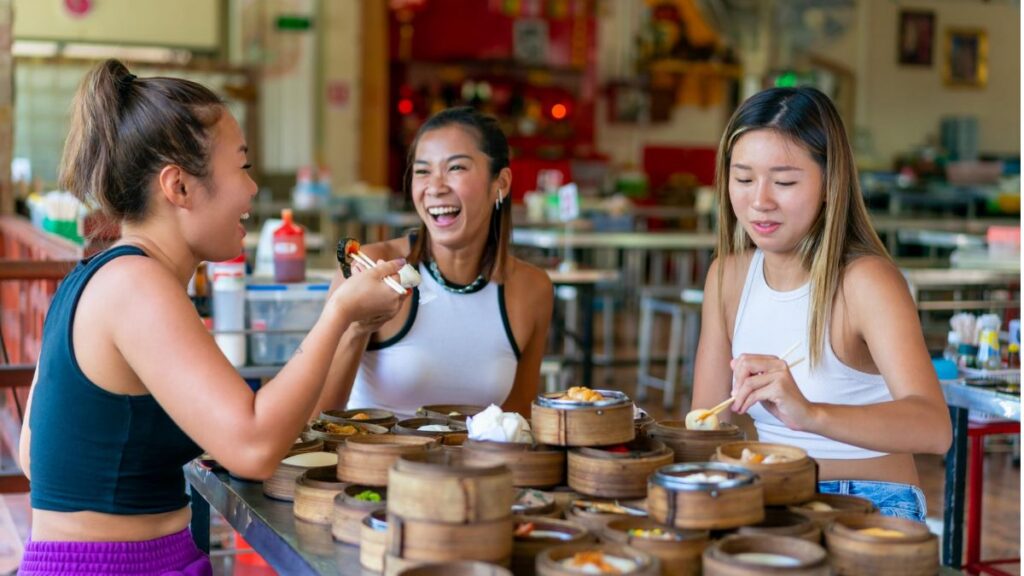
Conventional teahouses sit parties of people around low tables and provide dim sum and steaming teapots. Tea selection matters: Oolong and jasmine cut grease, Pu-erh aids digestion, and green tea lifts delicate flavors. Teahouses are where you socialize, where you listen, where you relax and bond, where the meal’s pace is languid and communal. For an authentic combo, pair jasmine with shrimp dumplings, Pu-erh with roast pork buns, and oolong with pan-fried turnip cake.
Family Gatherings
Dim sum serves as a weekend, holiday, and work break ritual family meal. We gather at tables to share and everyone samples. Elders pick favorites and pour tea. You can recreate this at home: plan a mix of steamed, fried, and baked items, assign dishes to family members, and make tea part of the ritual.
A World of Variety
Dim sum covers an even larger spectrum, from savory dumplings to sweet pastries and chilled desserts, with over two thousand identified varieties throughout China. You should know Cantonese dim sum itself has more than a thousand dishes, with wide-ranging flavors, textures, cooking methods, and ingredients.

Steamed
Steamed goods are the base of dim sum. Bamboo steamers preserve moisture and subtle flavors in Hong Kong and they still play a starring role in heritage. Steaming, too, delivers nutrition, so you get lean proteins and veggies and lighter textures. Top steamed items to try:
- Har gow — translucent shrimp dumpling with a thin rice wrapper and tender shrimp bite.
- Siu mai is an open-topped pork and shrimp won ton, usually garnished with roe.
- Xiao long bao is a soup dumpling that captures a savory broth within a thin skin.
- Lotus leaf glutinous rice — Sticky rice with meats and mushrooms, wrapped in lotus leaf and steamed.
- Steamed sponge cake is airy, mildly sweet, and usually enjoyed with tea.
Fried
Fried dim sum offers bold flavors and satisfying texture contrasts, making it a favorite for many diners. Crispy options like shrimp toast, beancurd rolls, and fried turnip cake deliver a crunchy exterior with a soft, flavorful center. These dishes bring richness and depth to the table, especially when paired with lighter steamed items. Popular crowd-pleasers such as sesame balls and spring rolls add even more variety, offering a sweet or savory crunch depending on the filling. To keep your meal balanced, mix fried selections with steamed dishes so the flavors stay diverse without feeling too heavy or overwhelming.
Baked
Baked dim sum features golden, flaky pastries filled with both sweet and savory ingredients. Classics include baked char siu bao (BBQ pork buns), egg tarts with crisp puff pastry tops, and savory or custard-filled pastries with delicate layers. The baking process creates a richer, more aromatic flavor compared to steamed varieties, with a satisfying buttery texture. Many restaurants also offer signature baked items unique to their kitchen, giving you a chance to try something distinctive. These dishes expand the dim sum experience beyond steam and fry, adding depth and variety to your tasting journey.
Sweet
Sweet dim sum provides a light and refreshing finish to the meal. Favorites include mango pudding, silky tau fu fah (tofu pudding), and desserts made with coconut milk, fruit, or glutinous rice. These treats often rely on natural sweetness rather than heavy sugar, keeping the experience delicate and balanced. Traditionally, yum cha meals conclude with something sweet to cleanse the palate and round out the table. Ordering a mixed dessert plate is a great way to sample multiple flavors and textures, from creamy to chewy, ensuring a satisfying and gentle end to the dim sum experience.
Finding Your Feast
Dim sum is a communal cuisine crafted for camaraderie, sometimes from dawn to late afternoon, with banter, observing the crowd, and reminiscing being as vital as the eats. Here’s how to locate the real deal dim sum, a ritualized teahouse or grab and dash.
Traditional Restaurants
Traditional dim sum spots feature huge round tables, bustling dining rooms, and the din of bamboo steamers. You’ll frequently witness veteran cooks behind windows, cranking out dumplings and buns by hand, a hallmark of dependable excellence. Go for establishments with extensive menus. The diversity from har gow and siu mai to custard tarts indicates expertise. Weekends book up fast, so reserve brunch, particularly if you’re a party. Dim sum is a communal feast. For origin and technique, Hong Kong provides the closest tie to authenticity, and Guangzhou displays the mothership of Cantonese style.
Quick Take-Outs

Take-out counters and Chinese bakeries make dim sum feasible on hectic days. You can pick up steamed buns, potstickers, and rice noodle rolls to-go and still get a feeling of diversity. Food courts frequently turn over new options, allowing you to try several treats without a lengthy sit down. Request reheat advice to get textures back near original. Steaming or gentle oven heat is ideal. Tourists luck upon the best fast samples near marketplaces or transit stops, with sellers calculating carry times and pairings.
Plan Your Travel Connectivity with Ubigi
Staying connected on the go makes it easier to discover the best spots, secure reservations, and instantly translate menus so you never miss out on local specialties or subtle dish descriptions. Ubigi Travel eSIM takes this convenience even further by removing the usual hassle of staying online abroad. There’s no need to hunt for a local SIM card or worry about roaming charges, simply activate your Ubigi eSIM instantly and start using data as soon as you arrive. The setup is fast, digital, and designed for seamless travel. Whether you’re booking tables on the move, coordinating plans with friends, or checking reviews before choosing your next stop, Ubigi ensures you stay connected wherever your journey takes you. Its prepaid plans and dependable coverage make it especially useful when traveling between cities or countries, giving you uninterrupted access to the apps and services that matter most.

Conclusion
Dim sum is one of the most joyful ways to share a meal, built around small plates that let you sample a wide range of flavors in one sitting. From steaming baskets to crispy fried bites and delicate baked pastries, each dish brings its own texture and character. More than just food, dim sum is a social experience. Sharing plates, passing dishes, and relaxed conversation are part of the tradition, whether in a classic teahouse or a modern restaurant. The goal is the same: connection through food. Mix familiar favorites with new choices, take your time, and enjoy the contrast of textures and flavors. Dim sum is not just a meal, but a shared moment to slow down and savor together. Stay connected during your culinary journey with the Ubigi eSIM.
Frequently Asked Questions
What exactly is dim sum?
Dim sum is a Chinese small plates style served with tea. You receive bite-sized dumplings, buns, and snacks to share. It is perfect for sampling lots of flavors in a single sitting.
How do I order dim sum like a local?
Seek out steamed baskets or carts and ask for advice. Point at dishes you spot. Order a couple at a time so everything remains fresh and diverse.
Is dim sum vegetarian-friendly?
Yes. A lot of dim sum is vegetarian or even vegan. Think veggie dumplings, steamed buns, and rice rolls. Inquire with staff about items to avoid any hidden seafood or meat stocks.
When is the best time to eat dim sum?
Dim sum is a morning to early afternoon affair, almost always eaten as brunch. Peak freshness and variety come before noon.
How many dishes should I order per person?
Estimate three to five plates per person for a light meal, and six to eight for a full feast. Modify according to appetite and if you’re sharing lots of flavors.
Can I find authentic dim sum outside China?
Yes. There are plenty of cities around the world with experienced chefs running genuine dim sum eateries. Seek out busy places with a good turnover; that’s freshness and quality.
Are dim sum dishes healthy?
Dim sum is healthy if it’s steamed or veggie. Fried and sugary things are more calorie-dense. Opt for steamed dumplings, lean proteins and veggies instead.







 How to check eSIM compatibility
 How to check carrier unlocking