


Summary
Key Takeaways
- Looking for the “World Cup 2026 Locations and Venues“? This article is for you!
- The 2026 World Cup will be held in the United States, Canada, and Mexico, giving you the opportunity to witness matches across three nations.
- Experience the rich cultures, buzzing cities, and iconic stadiums across our host nations, spanning from LA to Mexico City and Toronto.
- Beyond the football, fan festivals, cultural events, and local attractions are in every city.
- With cross-border travel being key, don’t forget to look into visa requirements and international eSIMs like Ubigi for hassle-free connectivity.
- Accommodation is in great demand so book early and seek out convenient locations that provide easy access to the stadiums and local attractions.
- In the meantime, take advantage of this opportunity to indulge in the history, cuisine and traditions of North America as you experience the World Cup.

Introduction
There will be matches in 16 cities, with stadiums in the likes of New York, LA, Toronto and Mexico City. You’re going to experience games at massive stadiums and in various atmospheres.
The World Cup is being hosted for the first time by 3 countries. Here’s what you need to know about stadiums, schedules, and travel tips.
Where is the 2026 World Cup?
The 2026 FIFA World Cup will take place across three North American countries: the United States, Canada, and Mexico. This is the event’s first time being hosted across three nations and since returning to North America in 1994. Having the tournament across several nations means not only distributed workloads but an opportunity for supporters and players to experience some of the region’s most culturally and historically diverse cities and stadiums.
| Country | Number of Host Cities | Key Cultural Experiences | Historical Context |
|---|---|---|---|
| United States | 11 | Diverse food, music, sports | Hosted in 1994 |
| Mexico | 3 | Vibrant traditions, cuisine | Hosted in 1970, 1986 |
| Canada | 2 | Multicultural, scenic landscapes | First time hosting |
1. The American Venues
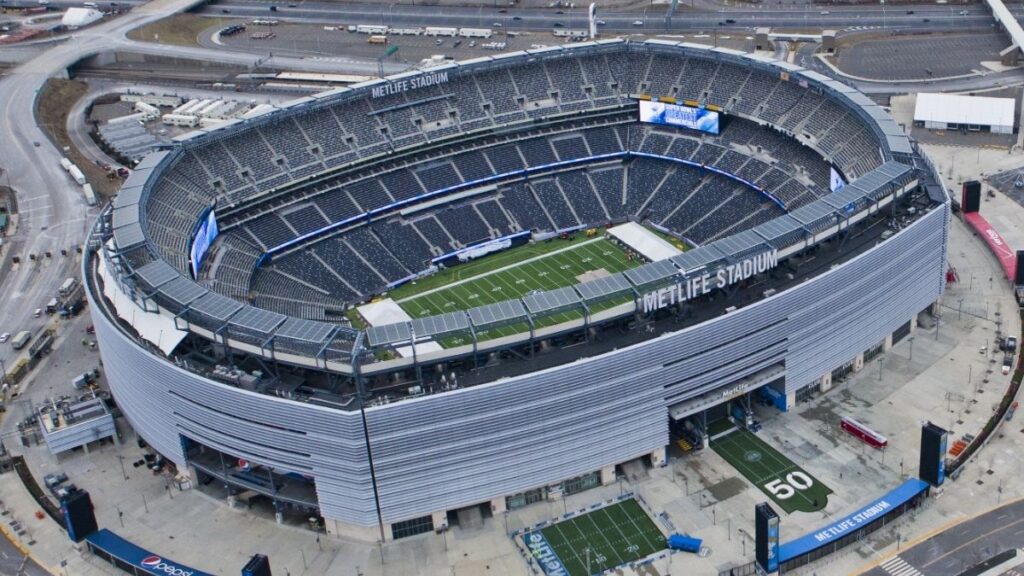
U.S. Host cities incorporate Los Angeles, Atlanta, Dallas, New York/New Jersey, Houston, Miami, Boston, Philadelphia, San Francisco Bay Area, Seattle, and Kansas City.
MetLife Stadium in New Jersey, which seats over 82,000, is chosen for the final.
AT&T Stadium in Dallas, the Cowboys’ home, is one of the largest venues at 80,000 and provides a retractable roof. Several of these stadiums, including the Rose Bowl and Mercedes-Benz Stadium, have hosted marquee events from Super Bowls to Olympic ceremonies.
We all see giant screens, state-of-the-art turf, lounge seating, and transportation connections at every venue. The venues are the heart of American sports, where football, concerts, and local culture converge.
2. The Mexican Hubs
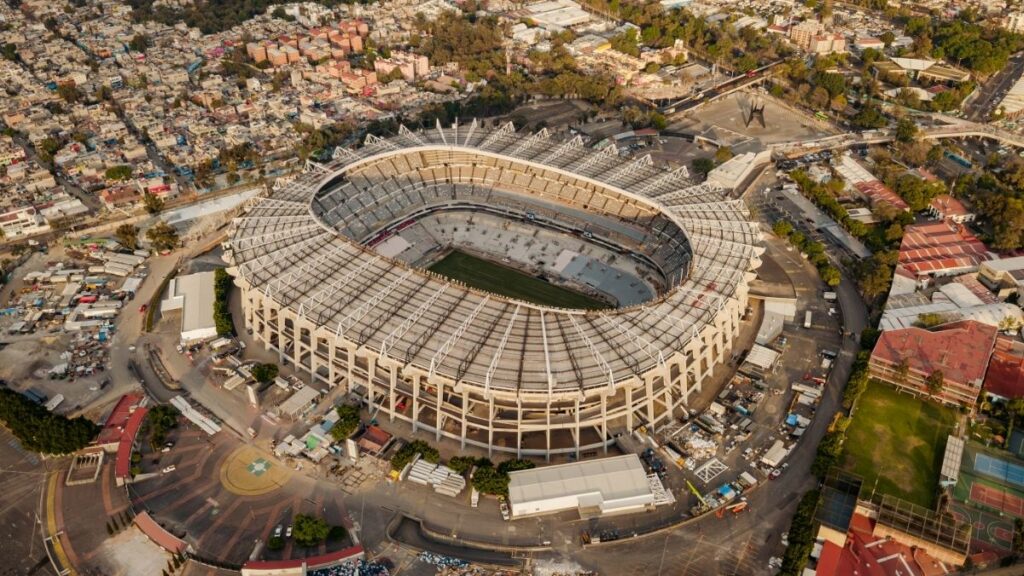
Mexico City, Guadalajara, and Monterrey will host matches. Mexico City’s Estadio Azteca stands out because it has hosted two World Cup finals. Its capacity is more than 87,000 and it is famous for a passionate crowd and legendary football heritage.
Estadio BBVA in Monterrey, featuring state-of-the-art facilities and a 53,500 seating capacity, provides fans with unobstructed views of the game. Outside of football, these cities serve up street food, mariachi, and murals, giving you a taste of Mexican culture.
3. The Canadian Arenas
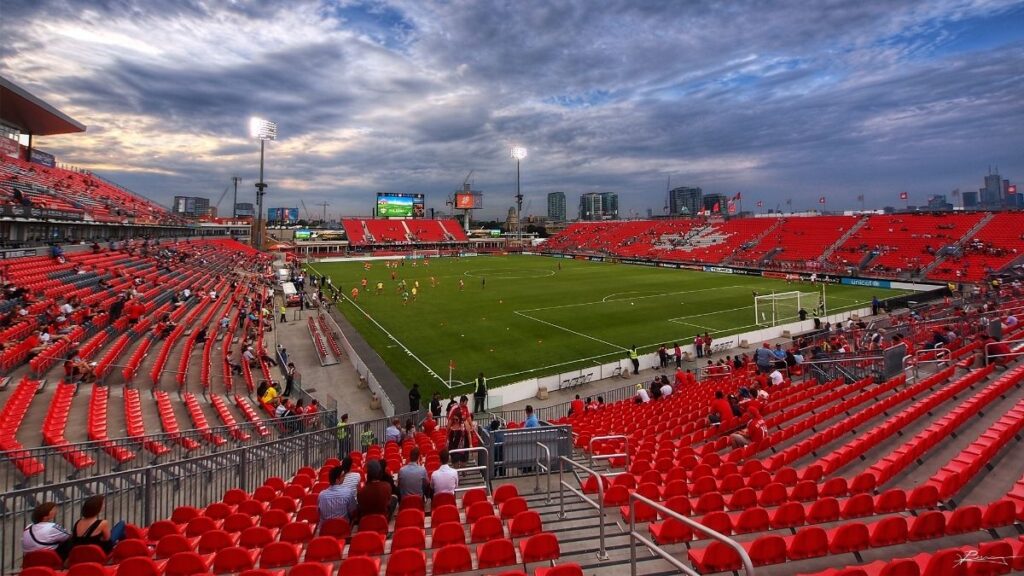
Toronto and Vancouver are the Canadian hosts. Toronto’s BMO Field and Vancouver’s BC Place top the list with recent renovations and convenient fan access. Both stadiums have between 45,000 and 54,000 seats, providing comfort and safety.
Canada’s inaugural World Cup hosting adds fresh vitality. You will experience multicultural cuisine, art festivals, and stunning parks while becoming part of a nation ready to open its world stage.
Best Host Cities for Fans & Travelers
The 2026 World Cup delivers games to cities across North America, each presenting its own attraction for you as a fan or traveler. What makes these locations shine is the combination of what is happening on and off the field – from iconic landmarks to passionate fans to regional cuisine.
Best for iconic experiences
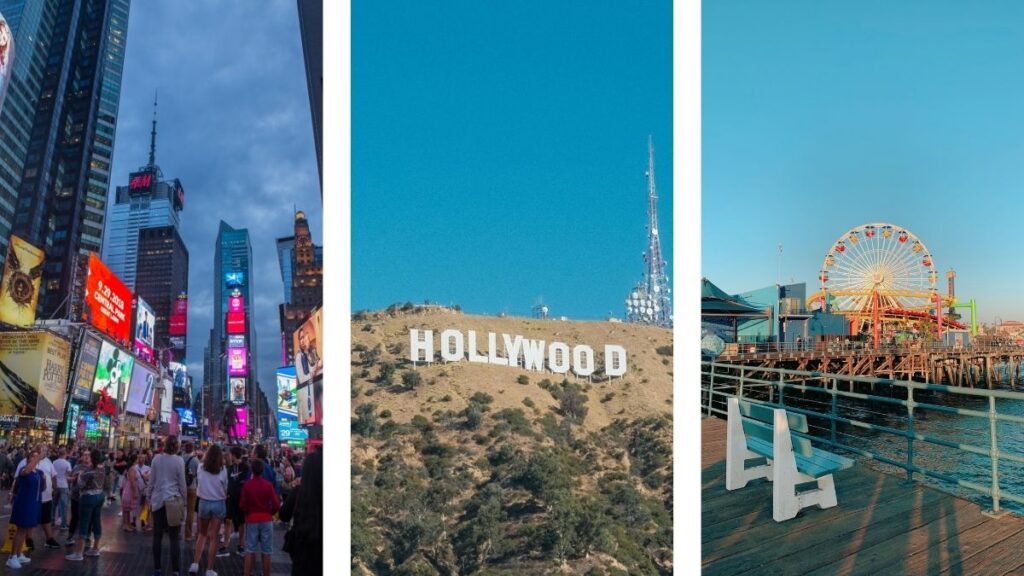
More than just football, NYC gives you the buzz of Times Square, the calm of Central Park, and world-class museums like the Met. Street food carts, bagels, and pizza by the slice are everywhere.
In LA, you can catch a match then hit Santa Monica Beach, visit Hollywood, or grab tacos by Echo Park. The combination of world food and nightlife in LA is second to none, with rooftop bars and late-night diners open after games.
Best for football atmosphere
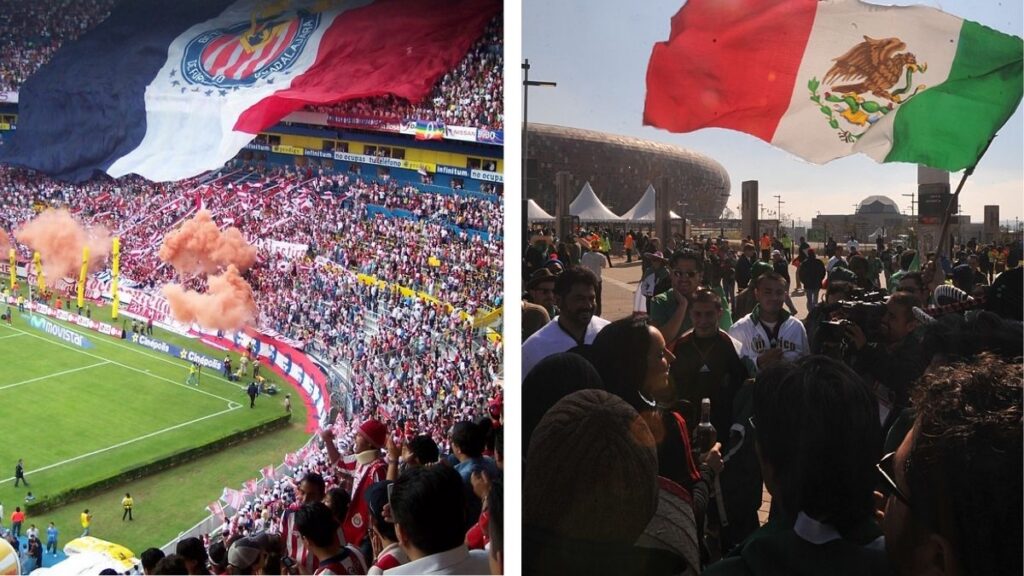
Mexico City opens in historic ground Estadio Azteca. Here, fans fill the streets and you can have tacos al pastor or churros on the street just outside the stadium. Local plazas come alive with singing and drums pre- and post-games.
Guadalajara beats with football passion, fans cramming into cantinas and plazas, with mariachi tunes in the background. Markets offer mini tarts, tortas ahogadas, and fresh fruit beverages for a fast meal.
Best for lifestyle & beaches
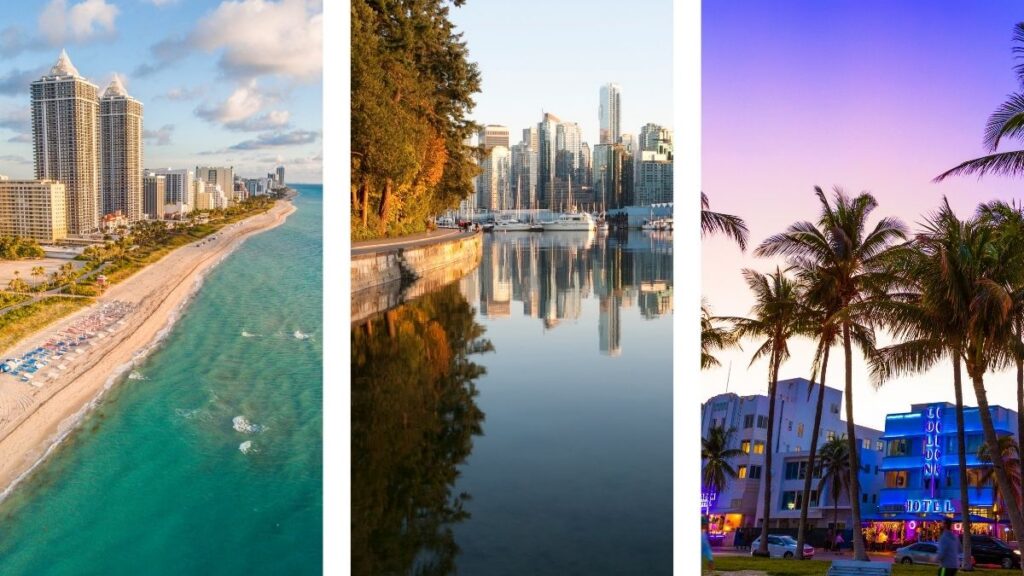
Miami mixes sun, sand and international cuisine. South Beach boasts mile-long white sand, and post-match, you can sample Cuban sandwiches on Ocean Drive or fresh local seafood at a shack by the water. Nightlife goes late, with open-air clubs near the water.
Vancouver has mountain views and fresh air. Downtown, you could have sushi or dim sum and then stroll the seawall at Stanley Park or catch a ferry across the bay.
Best for culture & local vibes
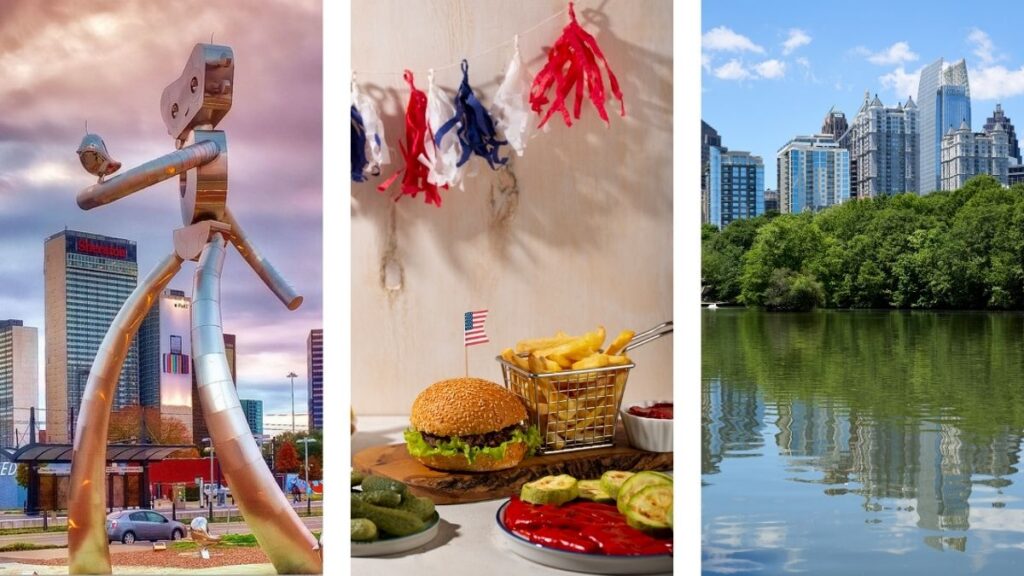
Dallas serves up a unique blend of Texan cuisine and colossal stadiums. Indulge in some barbecue brisket, check out a rodeo, or explore the Arts District. Local bars teem with fans post-match and street murals illuminate Deep Ellum.
Atlanta’s rapid food culture scene includes fried chicken, soul food, and international cafes. Music venues and street art provide the city with a strong sense of place, and Piedmont Park makes for a great walking break.
Key Stadiums & Matches to Know
It’s the first FIFA World Cup to bring matches to three countries: US, Canada, and Mexico. With a record 48 teams, you’ll witness the action in some of North America’s biggest and most state-of-the-art stadiums.
Every host city offers you an opportunity to catch the football action in stadiums famous for their capacity, architecture, and atmosphere.

Opening match: Estadio Azteca
Mexico City’s Estadio Azteca will host the opening match. It boasts the most storied past, being the only stadium to have hosted two previous World Cup finals. With a capacity of nearly 87,500, it is one of the largest in the world.
The stadium sits at an elevation of over 2,200 meters, which could impact play for a few teams. Football history, if you’re after it, this stadium is a must. Nestled in the heart of Mexico City, you will find a raucous crowd and passion in every corner at Estadio Azteca, which hosts both Club América and the Mexico national team.
Final: MetLife Stadium
MetLife Stadium, in East Rutherford, New Jersey, will host the final. Holding approximately 82,500 spectators, it is one of the biggest stadiums in America. The stadium is near NYC, providing convenient access for international supporters.
The pitch here has crystal-clear lines of sight and a modern setup. If you are watching the title match, this is where you see the new world champion crowned.
Other large venues: SoFi Stadium and AT&T Stadium
We’ve got some iconic stadiums and matches in store for you. SoFi Stadium in Inglewood, California, seats approximately 70,000 with additional capacity. It’s one of the newest, most high-tech stadiums in the world.
Arlington, Texas’ AT&T Stadium has a retractable roof and a capacity of approximately 80,000. Both stadiums will host several games giving you more than one opportunity to catch matches in a cutting-edge environment.
Beyond the 90 Minutes
It’s not just about the matches in the World Cup 2026. Beyond the 90 Minutes, it’s a world event that unites millions, offering you so much more to experience than just the pitch.
Host cities will have activities, festivals, and cultural exchanges, allowing you to immerse in the local vibe and connect with others around the world.
Fan Festivals

Each host city plans fan festivals in central parks or plazas, open to the public, offering live match screenings, local food stalls, interactive games, and branded areas from sponsors.
Entertainment features live music from international and local bands, dance performances, and football legends making an appearance. Cuisine variety is coupled with cultural exhibitions, including art, handicrafts, and local customs on display.
You get to meet other fans in a safe, public forum. Beyond the 90 minutes, group games, trivia, and shared watch parties allow you to socialize with people from other backgrounds.
Fan festivals make the tournament a celebration. Every day is a holiday, even if you don’t have match tickets.
Cultural Events
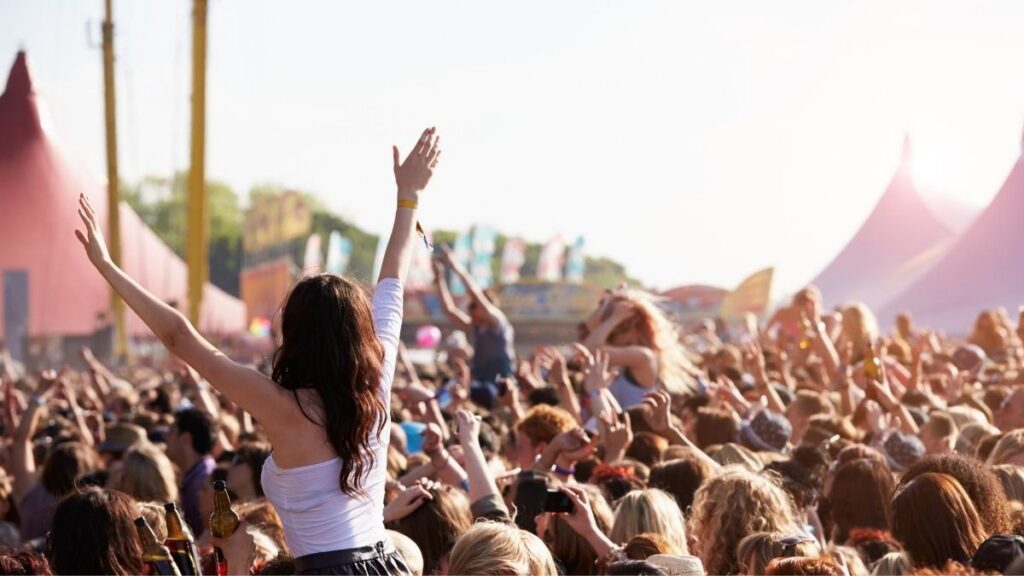
Music, dance, art exhibitions and parades will color the calendar during the World Cup. Each host nation, Canada, Mexico and the U.S., will display its own culture through concerts, street art and performances.
Enjoy local artists and performers who give performances that showcase the different regional customs. Museums could have special football historical and cultural exhibitions, and open-air markets might feature crafts and local cuisine.
By participating in these events, you contribute to celebrating both diversity and unity. It is an opportunity to experience, exchange, and admire new lifestyles.
Local Exploration
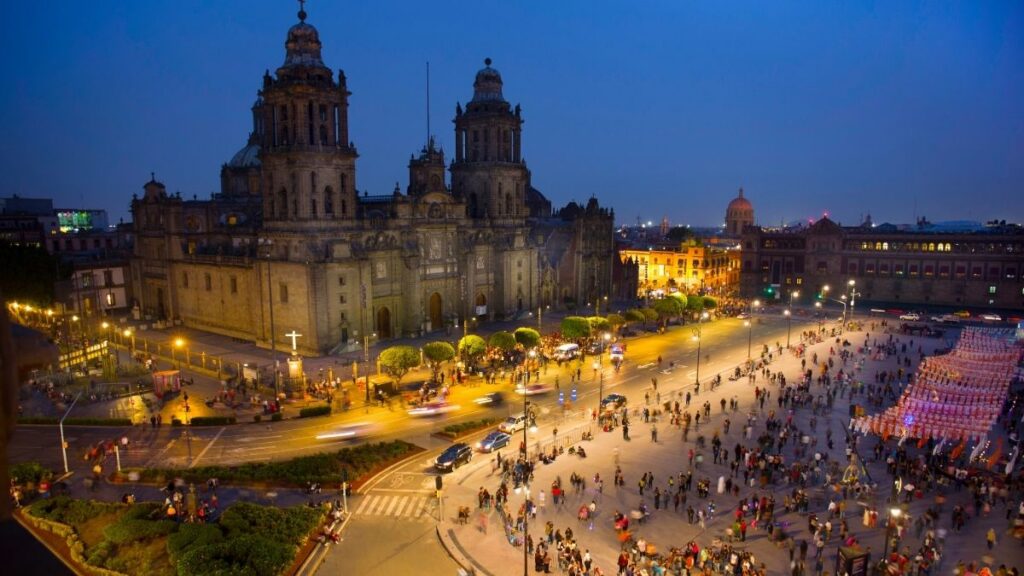
Discover must-see attractions and secret spots in every city. Mexico City’s Zócalo and surrounding pyramids allow you to walk into history. Toronto’s museums and multicultural neighborhoods beckon, along with L.A. Beaches, art, and food markets.
Go for street food or reserve a table in a local restaurant. Monterrey tacos, Toronto poutine, or Dallas BBQ each contribute a flavor of their own.
Schedule time to walk, watch, and talk to locals. You’ll discover the culture extends beyond any one moment.
A Tri-Nation Logistical Challenge
The 2026 World Cup is a tri-nation logistical challenge of its own, being the first tournament hosted by the United States, Canada, and Mexico. This arrangement provides unprecedented scale and scope and presents fresh challenges for all parties.
With stadiums spanning time zones, every game has to adhere to a schedule that’s convenient to both local crowds and fans around the globe.
Cross-Border Travel
Smart choices are required when you’re traveling between the U.S., Canada, and Mexico. You can fly, drive, or hop on some trains, but it just takes time to get between Toronto, Los Angeles, and Mexico City.
International visitors need to check visa rules in advance as these differ based on country and passport. If you’re from outside North America, check out multi-entry visas, as you might be crossing borders more than once. Entry points are new-fangled and slick in most host cities, but certain queues and inspections are unavoidable.
The trick is planning your route in advance. Flights between major cities are abundant, but during match days seats go quickly. Driving provides you with flexibility, but be mindful of different traffic regulations and insurance requirements in each country.
Accommodation Strategy
There are so many accommodations, including hotels, rentals, or hostels. There’s big demand close to stadiums, so early booking pays off.
Some host cities provide special locations, such as boutique hotels or homestays, for a more local feel. Where you stay counts. Choose locations near transit for simpler travel on match day.
What’s easy access and comfortable for some may not be so for others. Check reviews and amenities prior to purchasing.
Staying Connected Accross Countries

During the Football Season, take your Unlimited Football Fever eSIM Data Plan to stay connected in the US and Canada and cross borders as you like. You will benefit from the best networks, like T-mobile and Telus.
Ubigi eSIM makes it easy to remain online in all three countries. One eSIM lets your phone work in the U.S., Mexico, and Canada without swapping SIMs or hunting down local stores.
You enjoy high-speed data for maps, tickets, streaming matches, and showing off to your friends. There are no roaming charges. Keep using your go-to transport apps, check timetables, and navigate unfamiliar cities.
The plans are affordable, prepaid, simple to activate, and span all three countries so you don’t drop service as you cross.
Conclusion
You have a new blend of venues, ranging from the bright city lights of Los Angeles and New York to the deep football traditions in Mexico City.
Stadiums like MetLife, Azteca, and BC Place will fill with crowds primed for action. Local food, music, and sights make every match day more than just football. International travel requires a bit of preparation, but every location puts its own local twist on the game.
Customize your trip to suit your style, whether you’re chasing big matches or local scenes. Keep an eye out for updates and begin putting together your match days in advance to maximize the experience from this world event. Make sure to not miss anything thanks to a Ubigi eSIM data plan.
We hope that this article on the “World Cup 2026 Locations and Venues” helped you planning your trip!

Frequently Asked Questions
Where will the 2026 World Cup take place?
The 2026 World Cup will be hosted by three countries: the United States, Canada, and Mexico. Games will be hosted in key cities throughout these countries.
How many cities will host World Cup matches in 2026?
Across North America, with 16 host cities. These cities are dispersed to provide you with numerous travel and viewing options.
Which stadiums are key for the 2026 World Cup?
Key stadiums are MetLife Stadium (New York/New Jersey), Azteca Stadium (Mexico City), and BMO Field (Toronto). These venues will stage marquee matches, including the opener and final.
Will the 2026 World Cup be easy to attend as a traveler?
With games in three nations, you’ve got even more options for travel and tickets. You might have to arrange for border crossings and other local rules.
What makes the 2026 World Cup unique?
It’s the first time the World Cup will be hosted by three countries. It’s going to have 48 teams, more than ever, bringing you more matches and more excitement.
What can fans do besides watching matches?
Experience local culture, cuisine, and iconic landmarks in every host city. Many cities will provide fanfests and public viewing.
How should you prepare for travel to the 2026 World Cup?
Plan your visa and travel documents well in advance. Review every country’s entry requirements and local regulations for a seamless experience.










 How to check eSIM compatibility
 How to check carrier unlocking