


Summary
- 1) Key Takeaways
- 2) Introduction
- 3) 1. Talavera Pottery
- 4) 2. Alebrijes
- 5) 3. Mexican Textiles
- 6) 4. Silver Jewelry
- 7) 5. Lucha Libre Masks
- 8) 6. Day of the Dead Items
- 9) 7. Coffee and Chocolate
- 10) 8. Traditional Hats
- 11) 9. Local Art
- 12) 10. Spices and Ingredients
- 13) Travel tips for Mexico DF
- 14) Conclusion
- 15) Frequently Asked Questions
Key Takeaways
- Looking for “10 souvenirs to bring back from Mexico DF“? This article is for you!
- Discover genuine Mexican souvenirs in Mexico City like Talavera pottery, alebrijes, and handcrafted textiles that showcase the nation’s vibrant art legacy.
- By backing local craftsmen and buying handmade things like silver or embroidered fabric, you’re preserving a culture and maintaining quality.
- Beautifully crafted Day of the Dead skulls, lucha libre masks, and colorful textiles brighten your home or make great gifts.
- If you’re shopping for souvenirs, opt for natural or traditional materials. They are more likely to last, they are authentic, and they are sustainable.
- Sample local flavors by exploring Mexican coffee, artisanal chocolate, and spices. These offer an easy way to bring the country’s tastes back home.
- Go to artisan markets and good shops and you’ll be able to find authentic stuff, understand the background and buy knowingly, which helps out the small guys.
- Make sure to stay connected in Mexico by taking an eSIM data plan like Ubigi.

Introduction
Mexico DF give you a whole plethora of souvenirs that represent the city’s culture and style. You encounter handcrafted items, embroidered fabrics, and vibrant ceramics in numerous local boutiques and bazaars.
Edibles like mole paste and spicy sauces leave you with a flavor to remember. Jewelry, masks, and small artwork are popular choices.
In the following pages, you receive advice on what to purchase and where to find them.
1. Talavera Pottery
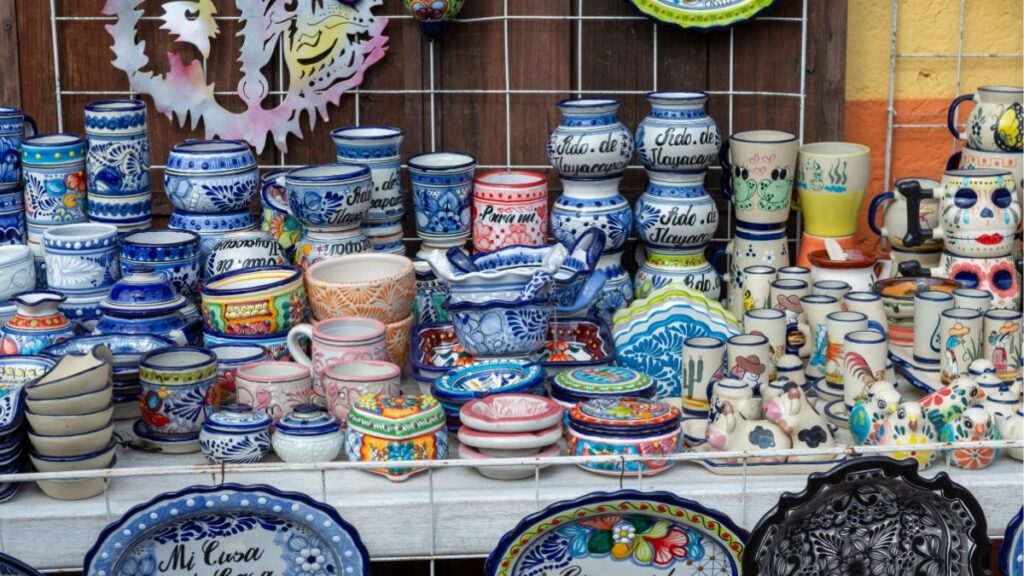
Talavera pottery is distinctive for its vibrant colors, dense white glaze and hand-painted designs. True Talavera is recognizable by its smooth glaze and crisp, colorful patterns.
These ceramics originated in Puebla, Mexico, after Spanish craftsmen carried their trade from Talavera de la Reina in Spain. Each plate, bowl, mug or tile is hand or wheel-formed, tin-glazed and fired at 800°C.
Each piece is therefore sturdy but not frost-resistant, so keep them inside. Local artisan shops and markets like La Ciudadela carry pieces such as tiles for mosaics or plates and bowls.
Procuring from these boutiques endorses small-time business and aids in sustaining this artistry.
2. Alebrijes
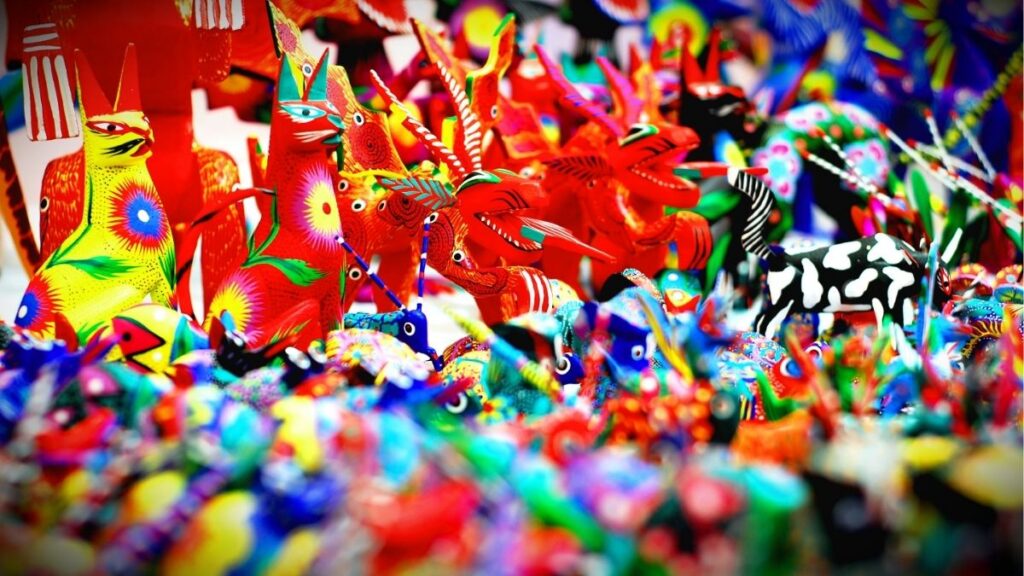
Alebrijes are colorful wooden sculptures, individually hand-carved and beautifully painted. You come across tiny or big chunks, many of them carved into animal figures or fantastical beasts, each carrying significance in Mexico. Most are carved from Oaxacan copal wood using ancestral techniques inherited within artisan families.
Seek out alebrijes at Coyoacán’s markets or galleries, where you can encounter the artisans behind them. These connect to pre-Hispanic beliefs in nahuales, spirit guides that can transform shapes, and feature in Day of the Dead celebrations.
By picking up hand-carved alebrijes, you help keep local art alive and take home a bit of culture.
3. Mexican Textiles
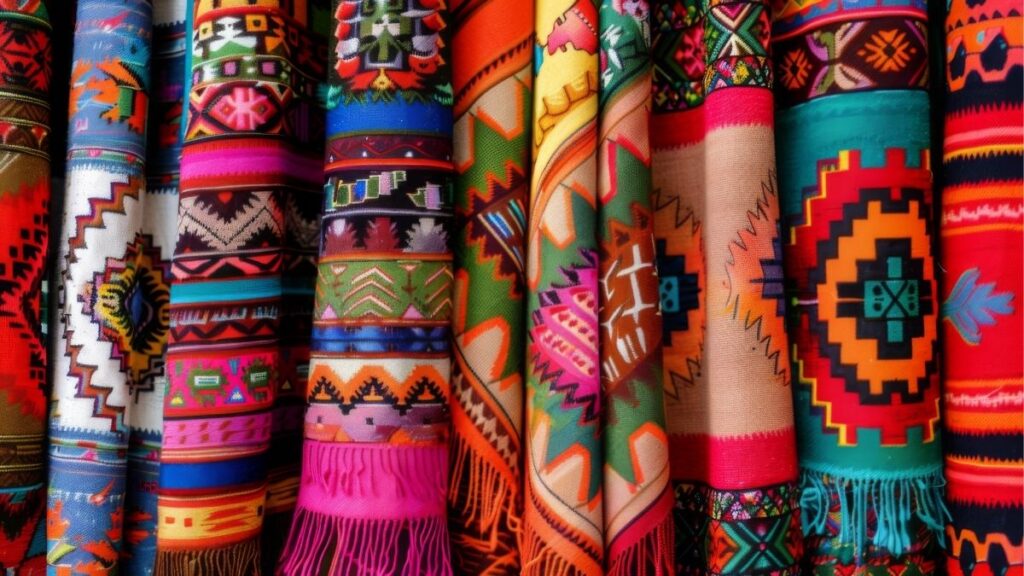
Mexican textiles are distinct for bold colors and intricate patterns inspired by ancient traditions. You’ve got selections such as handwoven blankets, tablecloths and huipil tops, all displaying methods handed down through the years. Most, like Tijaltepec’s amazing collection of Mixtec textiles, feature special symbols that link them to local history.
Some items are even eco-friendly since the artisans frequently utilize agave fibers, organic cotton, or natural dyes. Embroidered blouses, shawls and table runners make fun gifts or home accents. Markets in Mexico City, such as Bazaar del Sabado, get you up close to makers and their tales.
Purchasing these, you say, preserves indigenous craftspeople and their skills. Each textile adds color and significance to your room or outfit.
4. Silver Jewelry
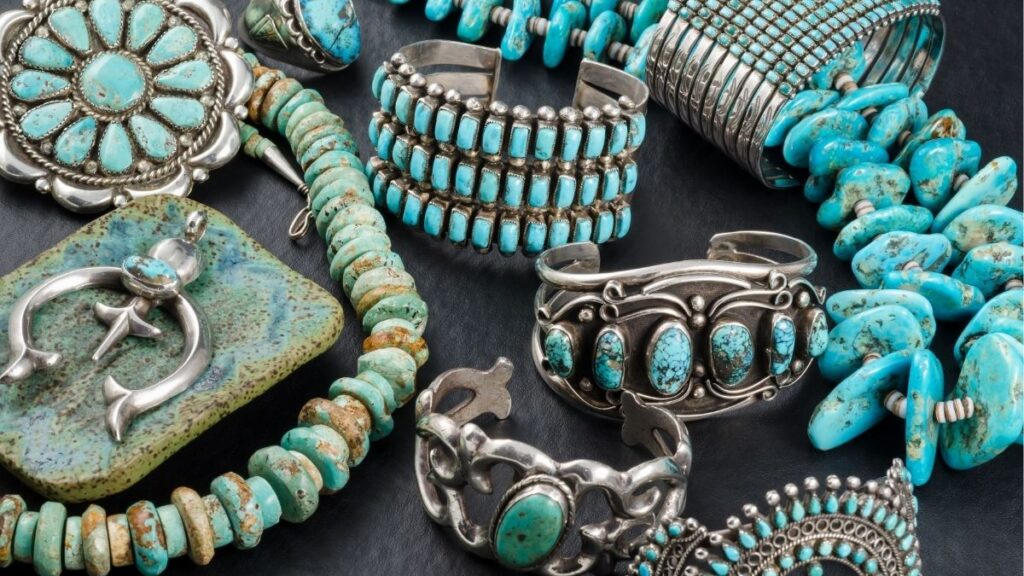
Silver jewelry from Mexico City is distinguished by its exquisite craftsmanship and rich heritage. Taxco is the center, famous since the 16th century for its silver mines.
You get both bold and subtle pieces, numerous hand- or new tech-shaped. Seek out Aztec or Mayan marked rings, necklaces or earrings; these display local connections.
There are plenty of stores and bazaars that peddle silver, but look for stamps or papers to make sure it is genuine. You have Art Deco or Pop Art styled forms, combining retro and modern.
Some prefer big, chunky pieces, others opt for thin, airy ones. The Silver Fair in November displays this long craft history and attracts collectors from around the world.
5. Lucha Libre Masks
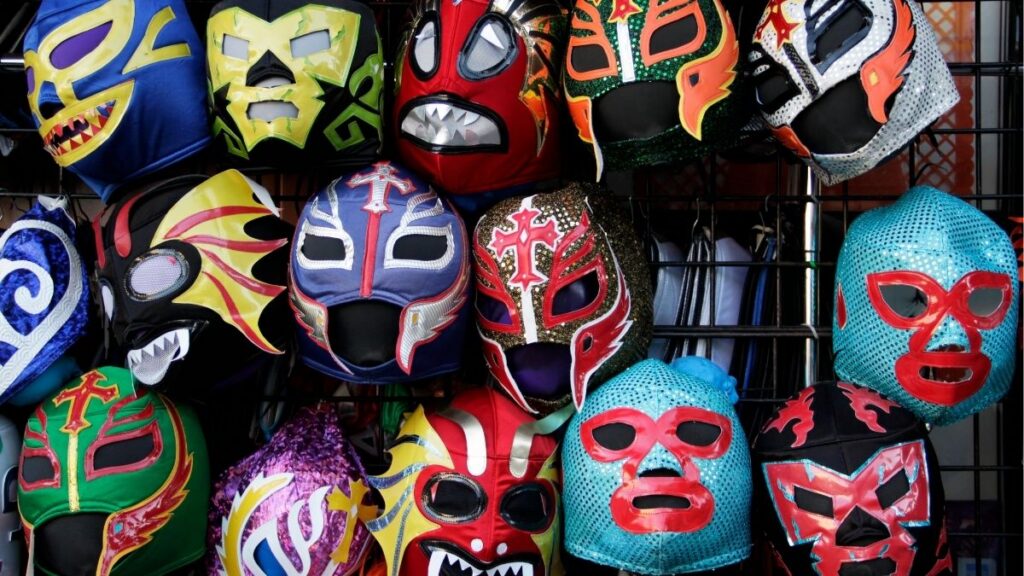
Lucha libre masks, or luchador masks, are a huge part of Mexico City’s culture. These masks date back to Aztec and Mayan times, where warriors donned masks in rituals and combat.
Now, brightly colored masks are available for purchase from street vendors. They can feature your favorite luchador, like El Santo or Blue Demon, or simply be striking with bright hues and defining angles.
The masks are lightweight, easy to pack, and make awesome souvenirs or room decor. They allow wearers to slip into another role, like wrestlers.
If you want to catch them in action, matches are frequent in Mexico City, combining sport with show.
6. Day of the Dead Items
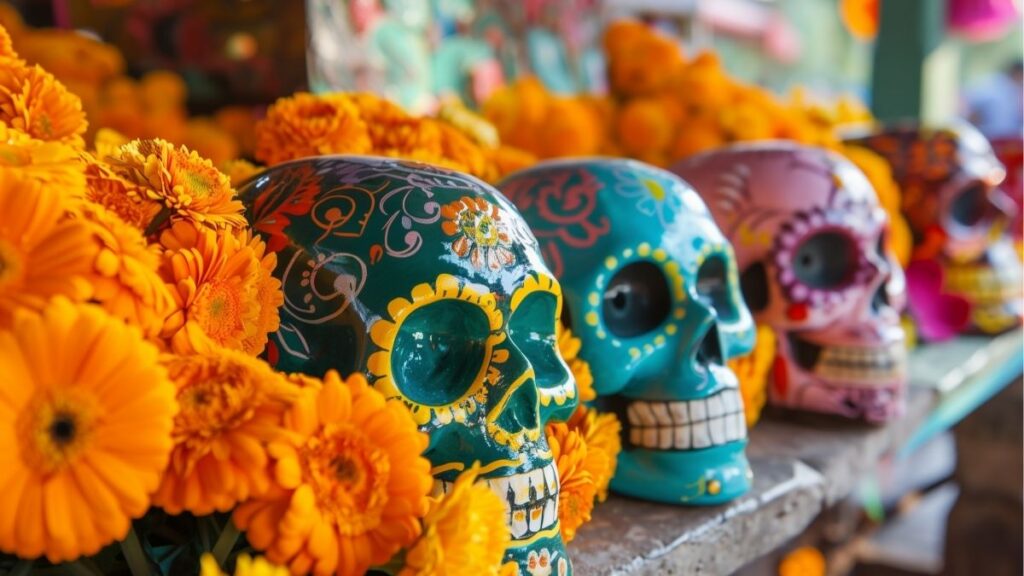
Day of the Dead, or Día de los Muertos, is a huge element of Mexican culture. They have some really cool things for Día de los Muertos like bright calaveras (skulls) that aren’t scary but are filled with color and detail.
These handcrafted goods, such as beeswax candles and painted skulls, honor deceased family members. Certain stores sell figurines, bilingual books, and even albrijes.
There are so many fun things like kids’ board books that help educate on the holiday in both English and Spanish. By decorating with them in your home, you keep the spirit of remembrance near throughout the year. These gems are found throughout Mexico City, not only in November.
7. Coffee and Chocolate
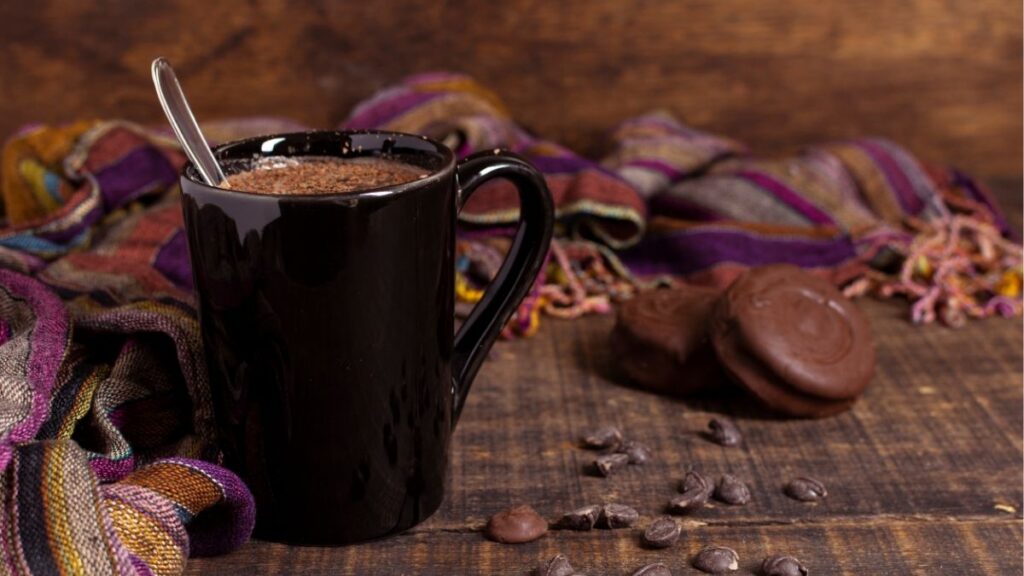
Mexico stands out for its coffee and chocolate, both rich in history and taste. You can try high-quality beans from Veracruz or Chiapas, known for their deep flavors, at local cafes or markets.
For chocolate, look for artisanal bars or tablets made from Mexican cacao. These support farmers and are easy to carry home. The tradition goes back to the Aztecs, who called it xocolātl.
Today, you will see chocolate in mole, a sauce from Puebla mixed with spices and nuts. Some shops sell molinillos, the wooden whisk used to blend thick, spoon-worthy hot chocolate. Bringing home these goods lets you share a true taste of Mexico’s heritage.
8. Traditional Hats
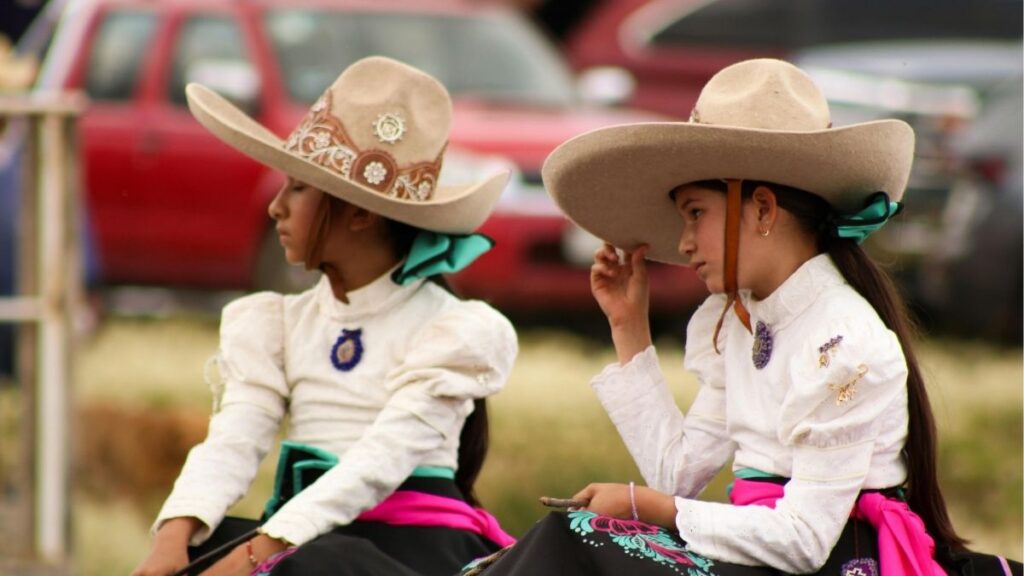
While you come across lots of hats in Mexico City, none has quite as much character or as deep roots as the sombrero. The early charro hats from Puebla or Jalisco had low crowns and short brims. As the years went by, they became taller and more pointy by the 1900s.
These palm or woolen hats keep you cool on hot days, think Greek petasoi or Asian conical hats, both designed to protect from the sun. Most hats are still handmade, so you get both comfort and a slice of culture.
Pick them up from street markets or small shops to directly support local artisans. Not just hats, though, woven bags, leather belts and sandals, all beautifully crafted and intended for everyday wear.
9. Local Art
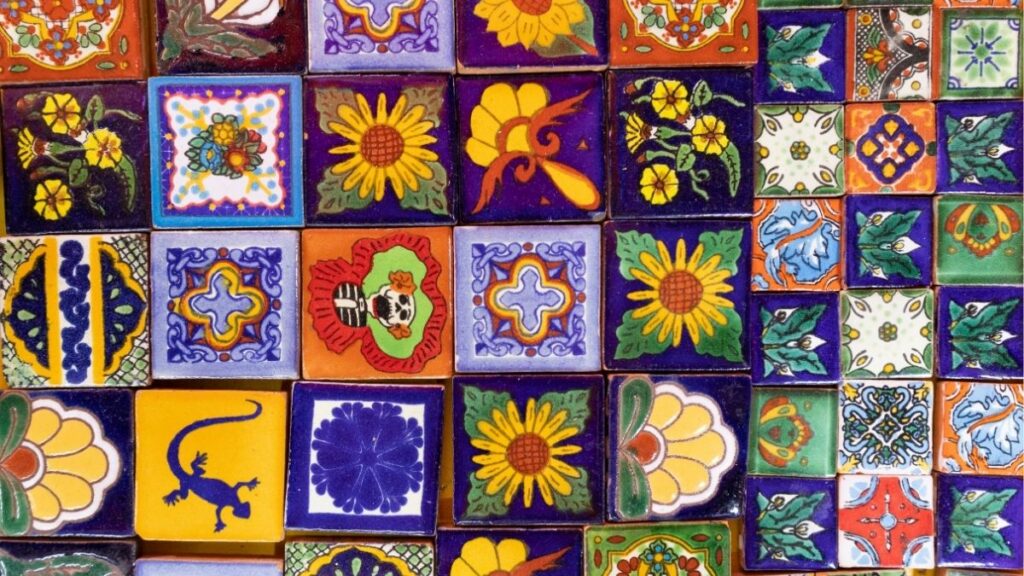
Mexico City’s local art scene is vibrant and accessible. Find folk artists and painters at galleries or studios, where vibrant prints and originals flaunt Mexico’s rich culture.
Prints, posters, and contemporary art inspired by history or tradition are wonderful mementos. Pieces range in price from $5 USD to $500 USD.
For an opportunity to meet artists and see their craft, visit Jardin del Arte by Sullivan Park or the Sunday market in San Rafael. We’re talking handmade jewelry, black clay pottery from Oaxaca and even cacao crafts.
Local art is carried at shops such as Artesanos de Mexico and La Naval, frequently with old methods and local materials.
10. Spices and Ingredients
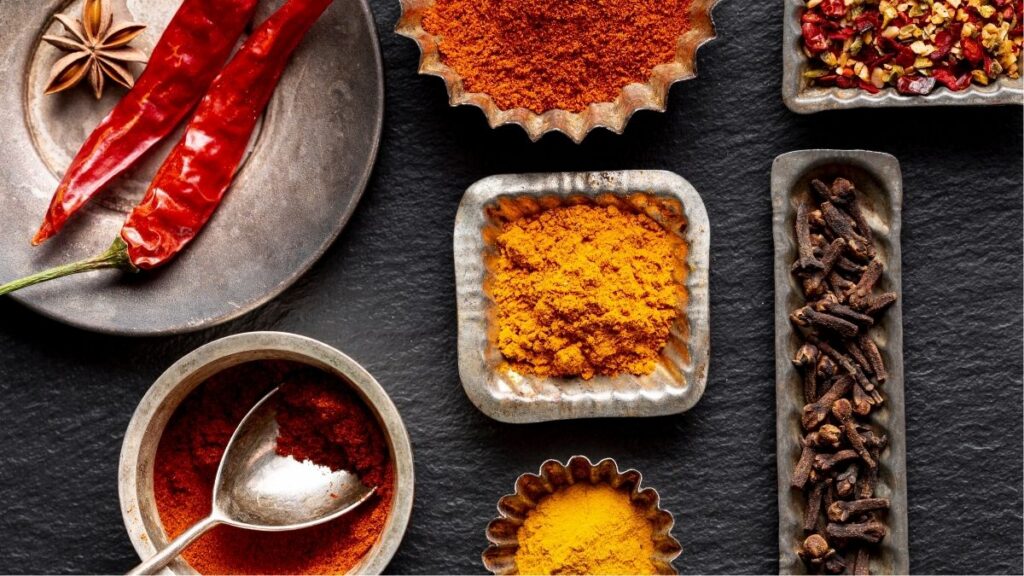
Pick up some real Mexican spices like dried oregano, cumin, and chili powder to use at home. In local markets, you’ll see things like dried chilies. Look for rare types such as chilhuacle from Oaxaca and mole pastes that help you cook dishes with true Mexican taste.
You might want a molcajete, a stone tool used for grinding, if you like to make fresh salsas. For a thoughtful gift, you can make a set with spice blends, dried chilies, and maybe even a vanilla bean. Always check customs laws before you pack food.
These items make it easy to try out Mexican food traditions, from cacao and corn tortillas to agave-based spirits in your own kitchen.
Travel tips for Mexico DF
Mexico City, known as CDMX or Mexico DF, is filled with markets, stores of artisans, and boutiques. Souvenir shopping here can be a rich experience if you know where to look and how to equip yourself. The correct method gets you to real stuff and wards off the obvious traps.
Plan your Internet connectivity in Mexico with Ubigi eSIM

Staying connected in Mexico City helps you navigate markets, find artisan neighborhoods, and translate product details on the go.
With an Ubigi eSIM, you can enjoy reliable mobile internet as soon as you arrive in Mexico, without searching for a local SIM card.
You receive flexible data plans for brief or extended trips and there’s no requirement for a physical SIM card. Coverage is great in city centers and tourist areas so you’re connected while you shop or wander neighborhoods.
Ubigi offers a range of data plans designed to fit different travel needs:
- Short city breaks (3GB Mexico data plan)
- Longer vacations across multiple Mexican regions (10GB or a 25GB Mexico data plan or a 30 days unlimited data plan)
- Multi-country trips within Americas (10GB or 25GB Americas data plan)
Know where to shop
Craft markets like La Ciudadela have handwoven textiles, pottery, and folk art at good prices. You discover a blend of crafts: embroidered blouses, wooden toys, and silver jewelry.
In Coyoacán and Roma Norte, little shops and weekend markets sell handmade jewelry, art prints, and design objects. These neighborhoods are safe, walkable, and have a nice cross-section of price points.
Don’t bother purchasing high-end crafts from street vendors, as most have no information on the maker or origin. Always request background or seek out clearly labeled shops.
Carry cash and digital payments
Cash is still the primary form of payment in markets, taxis and street stalls. For malls, restaurants and bigger boutiques, credit or debit cards are fair game.
Bring pesos in small bills and a card for convenience, as some stores have card minimums or sporadic network connectivity.
Check customs rules
Certain antiques, skins and shells may be limited for export. Mole paste or mezcal can run into import restrictions depending on your hometown.
Always validate your country’s customs website before purchasing souvenirs, especially if you’re bringing back food, drinks, or crafted items.
Conclusion
You really have a lot of options for souvenirs in Mexico DF. Grab some colorful pottery or embroidered fabrics. Think daring masks, silver rings, or local art. Go for sweet chocolate, fresh coffee, or bright kitchen spices.
Every item displays the city’s rich heritage and the art of its people. Shops and markets remain bustling, so you discover something new every time you go. Shop savvy, seek authentic handiwork, and inquire about the story of each artifact.
Take home more than just stuff; take home a little bit of the city’s soul. Looking for stores or advice on secure purchases? We hope that this article on “10 souvenirs to bring back from Mexico DF” will help you!

Frequently Asked Questions
What are the best places to buy souvenirs in Mexico City (DF)?
Here are the best souvenirs in top markets such as Mercado de la Ciudadela, Coyoacán, and Centro Histórico shops. They’re the real thing, high quality, and very fair price.
Can you bring Mexican pottery or alebrijes on a flight?
Sure, you can take pottery and alebrijes home with you. Think souvenirs and wrap them up tight to not break. Verify with your airline for particular baggage regulations and size restrictions.
Are Mexican textiles and silver jewelry authentic in tourist areas?
Most markets and certified shops carry real textiles and silver jewelry. Check for official stamps or inquire about the origin to confirm quality when purchasing.
Is it safe to buy food souvenirs like coffee, chocolate, or spices?
So, yes, getting a bag of coffee, chocolate, or spices from good shops or markets is safe. Ensure items are sealed and review your nation’s import regulations prior to your journey.
What is the significance of Day of the Dead items?
Día de los Muertos pieces, such as skulls and figurines, pay tribute to departed family members and friends. These cultural souvenirs are unique and memorable gifts.
Where can you find traditional hats in Mexico City?
You can purchase traditional hats like sombreros at local markets, artisan shops and even some department stores. You’ll want to seek out hand-crafted designs for the highest quality and authenticity.
How can you ensure you are not overpaying for souvenirs?
Don’t pay first price, compare in different shops and markets. It’s okay to bargain, but be nice. Purchasing directly from artisans tends to be more cost effective and supports the local communities.








 How to check eSIM compatibility
 How to check carrier unlocking