


Key Takeaways
- If you are looking for the “Best Attractions in Vienna“, this article is for you!
- Discover Vienna’s history by visiting Hofburg Palace or St. Stephen’s Cathedral, both in the city center.
- Vienna’s famous palaces, from Schönbrunn to Belvedere, provide you an opportunity to enjoy world-class architecture, art collections, and stunningly landscaped gardens.
- Dive deep into Vienna’s cultural scene at the State Opera, classical concerts, and MuseumsQuartier to experience the city’s artistic legacy.
- Tasting traditional Viennese dishes and unwinding in classic coffee houses allow you to experience local culture and savor the moment.
- Getting around Vienna is a breeze with its super efficient public transport and handy options like the Vienna Pass.
- Staying connected with an eSIM like Ubigi means you will have reliable mobile data for navigation, bookings, and sharing your experiences while in Vienna.

Introduction
The Austrian capital’s attractions are the likes of Schönbrunn Palace, St. Stephen’s Cathedral and Belvedere Museum. You will discover an abundance of places for art, music, and history.
Palaces display royal flair as city gardens invite peaceful strolls. Vienna’s coffee houses offer a sip of local culture and sugary delights. Museums and galleries bring works from across the world.
If you want pro trip tips or to review what’s best to visit, the sections below break it down.
Day-to-day Itinerary
Vienna mixes imperial history with vibrant city life, providing you a walkable core brimming with can’t-miss spots. One to two days allows you to immerse yourself in art, architecture and coffee culture. A bonus day unlocks more of its local gems and surrounding sights.
Day 1: Historic Vienna & City Center
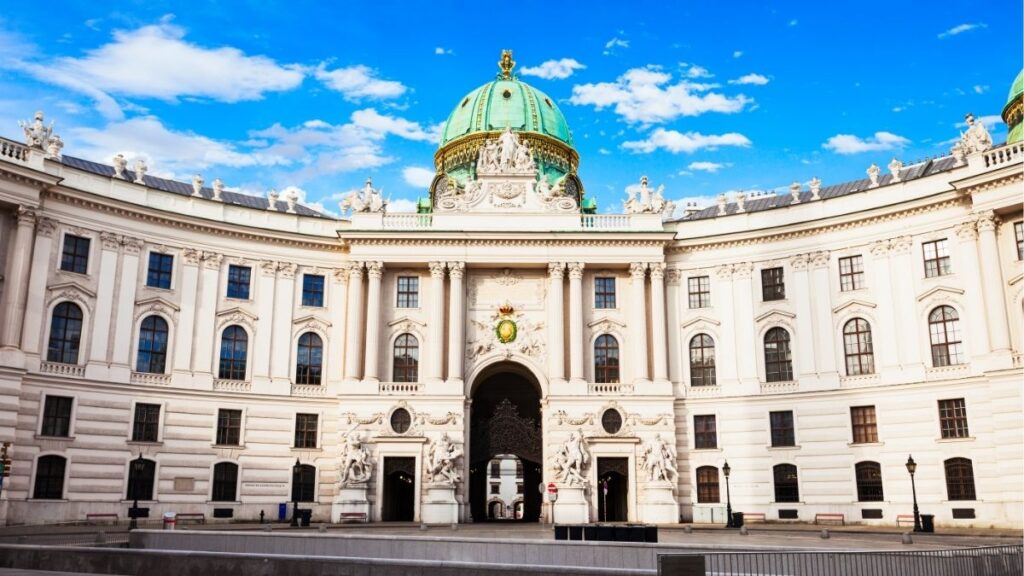
Start at Hofburg Palace, the former residence of the powerful Habsburg empire, which today houses museums and the president’s office. The complex is large, so pick highlights such as the Imperial Apartments or the Sisi Museum.
St. Stephen’s Cathedral rises in the center. This gothic cathedral with its spires and tiled roof is discernible from everywhere. Scale the south tower for panoramic cityscapes. Go on a guided walking tour and discover where the city’s medieval roots lie, where the grand boulevards come from, and how the Habsburgs shaped it all.
The old town is very walkable. For dinner, make your way to Burggasse with its snug corners of Wiener schnitzel and goulash.
Day 2: Palaces & Museums
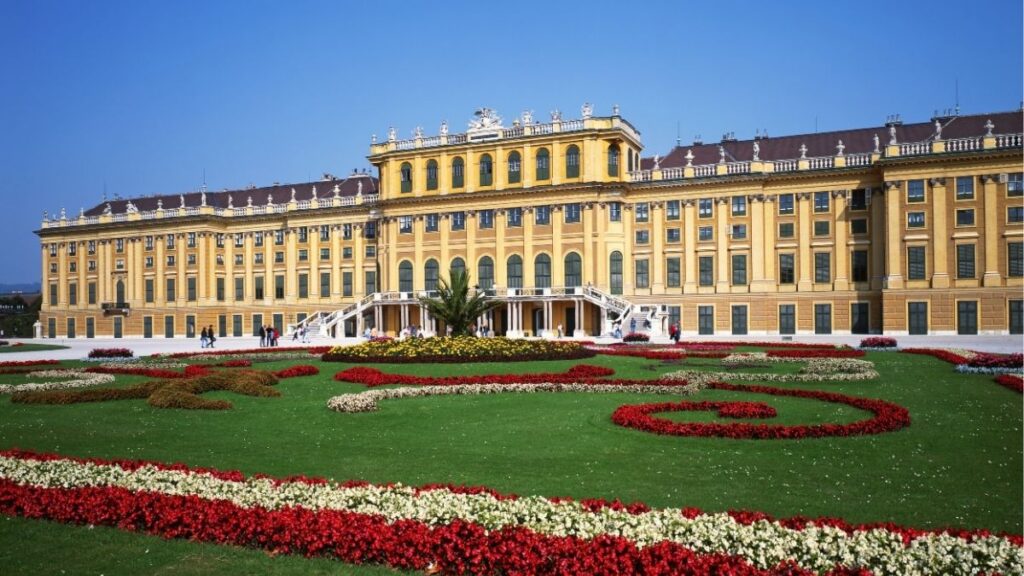
Visit Schönbrunn Palace (UNESCO), spend the day wandering through lavish rooms and gardens that go on for kilometers. Either tour the palace or wander its gardens; both are worth it.
Belvedere Palace, the baroque palace across town, it hosts art exhibitions, likeGustav Klimt’s and is nestled in tranquil gardens. Both palaces showcase Vienna’s baroque architecture and history.
Day 3: Culture & Local Life
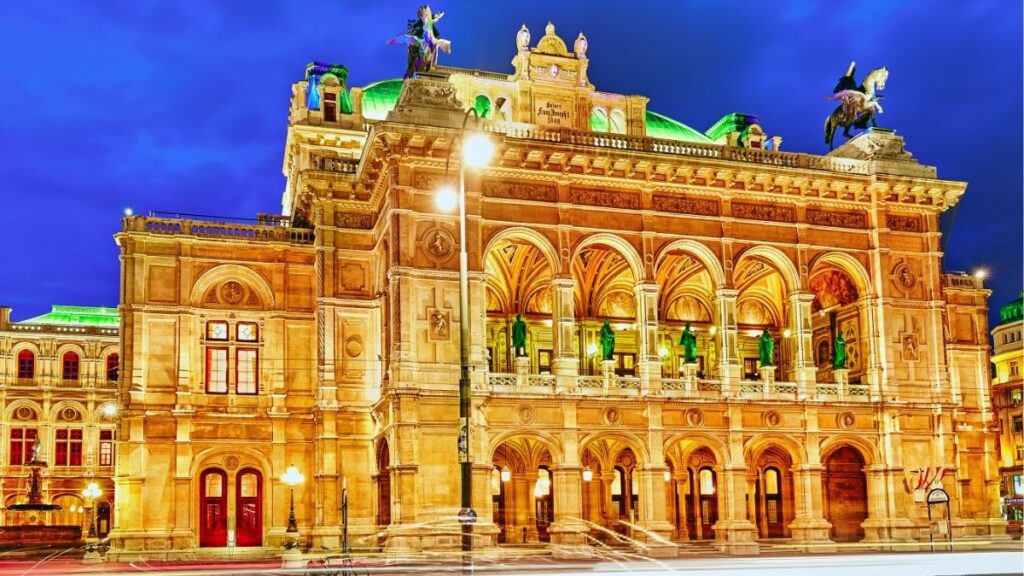
The Vienna State Opera is at the heart of the city’s musical life. If you can’t catch a show, tours expose its gilded halls. Catch a classical concert, Mozart, Beethoven, or Vivaldi plays every night in halls and salons.
Head over to MuseumsQuartier for a taste of contemporary and traditional art in popular museums, then swing by Café Central. The café’s vaulted ceilings, pastries, and history lure writers and visitors.
Parks are nearby, with Stadtpark’s gardens and the iconic golden Johann Strauss statue. You can walk or lounge away an afternoon quiet interlude.
Day 4 (Optional): Day Trips & Hidden Gems
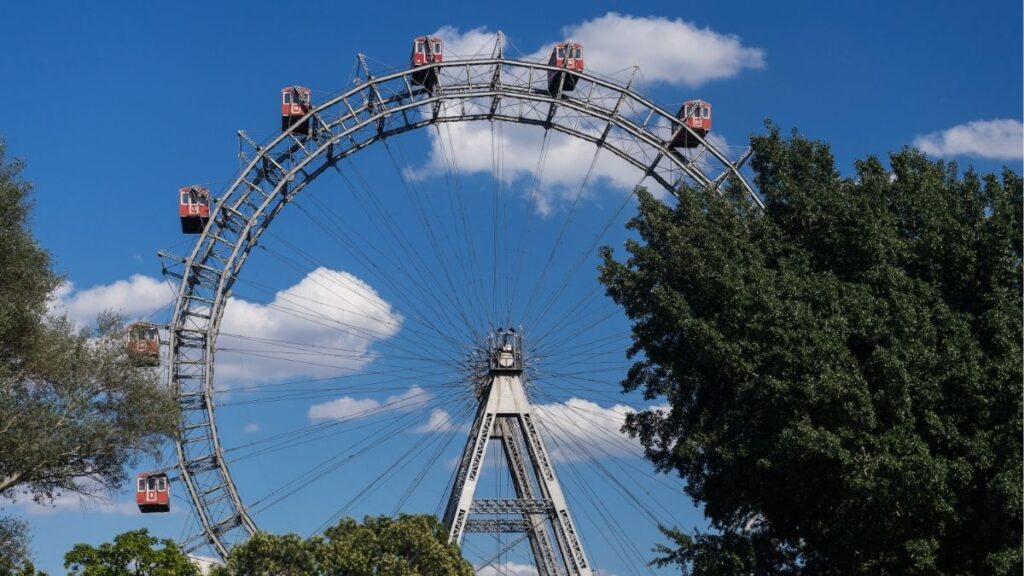
Prater amusement park has rides and greenery. The Wiener Riesenrad ferris wheel offers a city view. Leopoldstadt is vibrant, with neighborhood bakeries and parks along the Danube Canal.
Take a train to Bratislava or Salzburg for a day trip. The Danube Canal is perfect for an evening stroll or drink, especially at sunset.
Where to Stay in Vienna
Where you stay in Vienna frames your experience and colors your impressions of the city. If you want to be close to the main sights, shops and museums, Innere Stadt (District 1) is the best choice. This neighborhood is located right in the city’s core, steeped in history and the famous Ring Road.
You can walk to St. Stephen’s Cathedral, the Hofburg Palace, and most of the famous Christmas Markets. It has a classic old-world aesthetic and feels incredibly safe, around the clock. Some hotels to consider here include Hotel Sacher Wien, with its blend of tradition and comfort, Steigenberger Hotel Herrenhof, with convenient metro connections, and DO&CO Hotel Vienna, which offers cathedral views.
If you want something a little more relaxed still close to the center, Leopoldstadt is a fine option. It’s a bit quieter and is located between the Danube Canal and river, near the Prater Park with its giant Ferris wheel. You get green space, local cafés, and a more chill vibe.
You’re just one or two metro stops from the city centre. Choices here vary from SO/ Vienna with its contemporary design and skyline views, Hotel Stefanie, Vienna’s oldest hotel, to Motel One Wien-Prater, near the park.
Neubau (the 7th district) is where the arty-crafty kids hang out. You’re adjacent to the MuseumsQuartier and the local galleries, with plenty of indie shops and bistros. Neubau is our top choice if you’re looking to experience Vienna’s contemporary side.
Nice options here include 25hours Hotel at MuseumsQuartier and its whimsical vibe, art-centric Hotel Altstadt Vienna and style meets comfort at Ruby Marie Hotel.
A Taste of Local Life
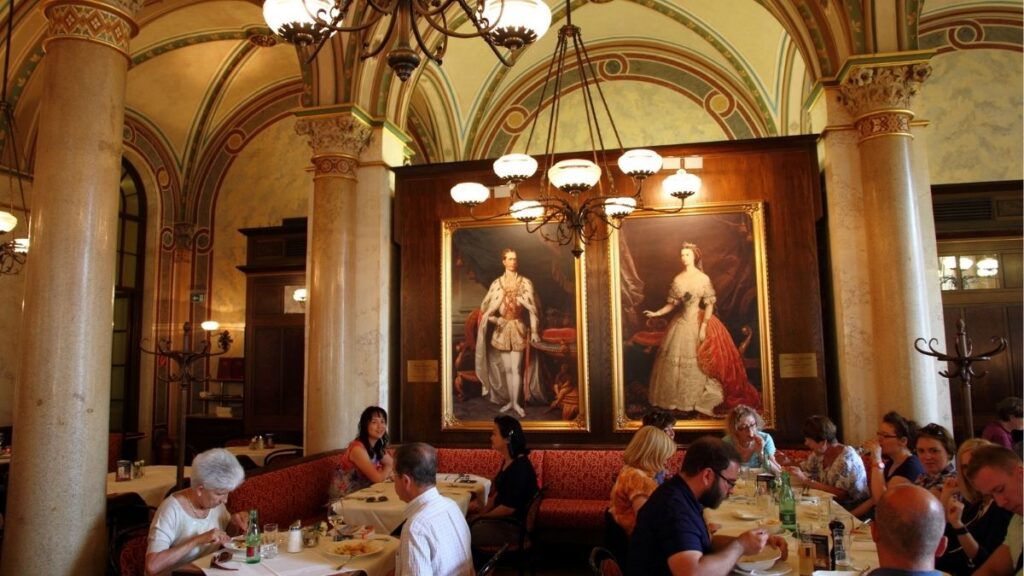
Vienna’s streets are slow, allowing you to observe local life as it actually is. Nothing grounds you to a city like its food. Traditional fare such as Wiener Schnitzel, a thin, crispy veal cutlet, and Tafelspitz, boiled beef with root vegetables and broth, are a definite necessity. Local joints such as Figlmüller and Plachutta dish these with love, and you’ll discover the flavor speaks more to Vienna than any guidebook ever could.
For dessert, a slice of Sachertorte, the city’s renowned chocolate cake, is best consumed at Café Sacher or Demel. Both places allow you to experience how desserts fit into local life.
Vienna’s café culture is in her soul. Old coffee houses like Café Central Vienna and Café Sperl are about more than coffee. They are where locals read, converse and people-watch. Spend one afternoon here with a plain melange, a local coffee, and you’ll understand why this slow pace is so cherished.
If you want something more pulsating, try the city’s markets. The Naschmarkt is packed with street food stalls offering delicacies such as apple strudel or kaiserschmarrn, a sweet shredded pancake. On Saturdays, the city’s main flea market attracts hordes of people hunting for antiques and other vintage items.
Best Time to Visit Vienna
Vienna has something for everyone throughout the year. Choosing the right season can define your visit. Every season has its own advantages, from bustling festivals to peaceful parks. Knowing what each part of the year holds in store helps you plan around your own preferences, budget, and rhythm.
Spring: mild weather and blooming parks
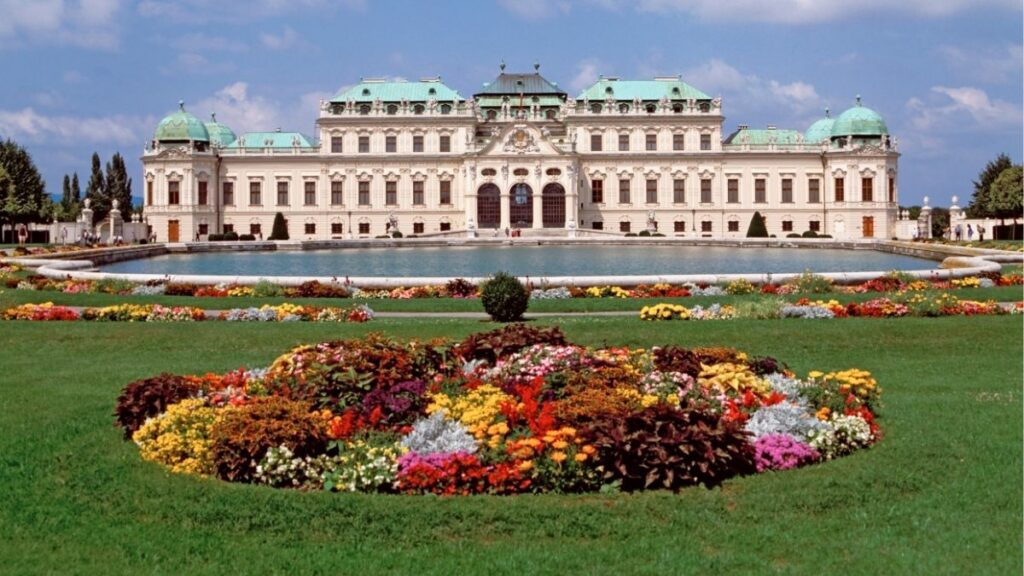
Spring in Vienna lasts from March to May. It’s a pleasant warm weather interval with balmy breeze, abundant sunshine, and flower-laden parks. If you enjoy outdoor strolls, Stadtpark and Schönbrunn Palace Gardens display flowers in full bloom.
April is a sweet spot for open-air events and local markets. Good on you if you like street food or snatching up crafts. May is one of the shoulder seasons, so you enjoy beautiful weather with fewer crowds than in the summer. Hotel and flight prices are more laid back.
Summer: lively events and festivals
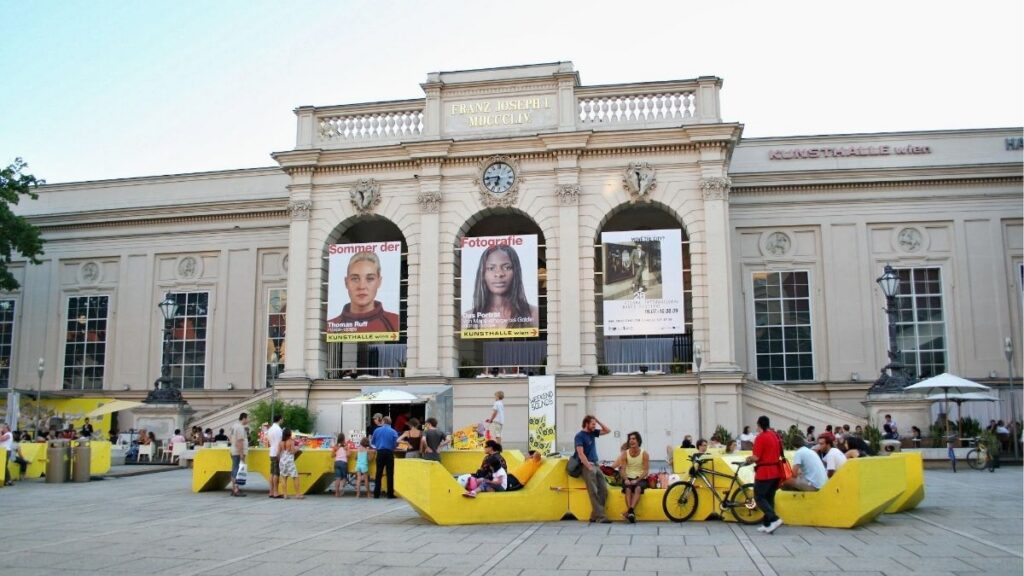
Summer stands for warm days and long nights. June through August is when Vienna really starts to pop with big events such as the Vienna Jazz Festival and outdoor film screenings at Rathausplatz. This is the city’s prime tourist run.
You’ll encounter crowds at the major attractions and higher prices for accommodations and admission. August gets hot, with a few days over 30°C and some shops close for local holidays. If you like a buzzing city and a lot to do, summer provides.
Autumn: fewer crowds
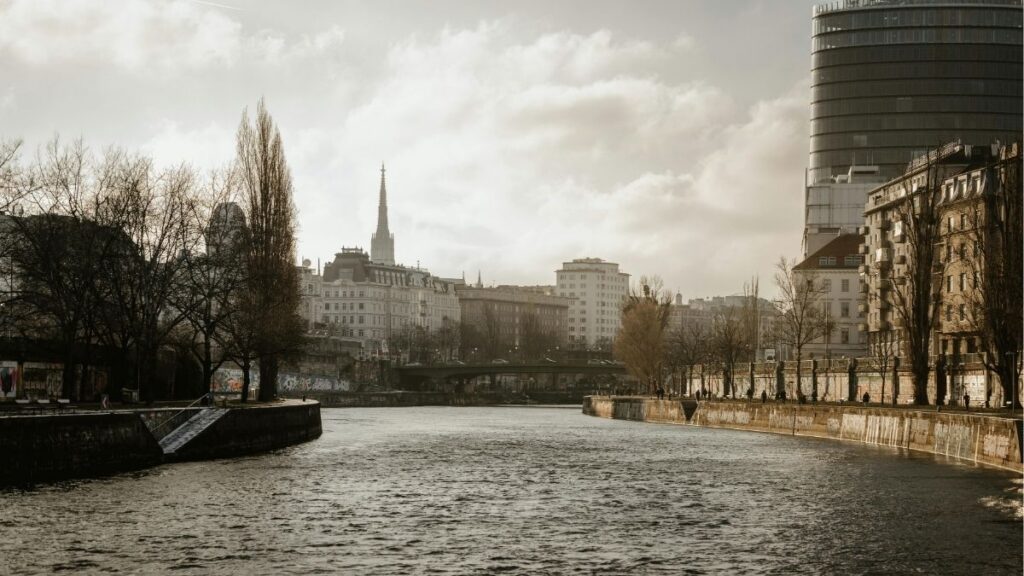
Vienna’s autumn, especially September and October, is tranquil and cool. The city sheds the summer hustle, so you can visit spots like the Belvedere or the Hofburg Palace in tranquility. September is the best month for dry, crisp air, minimal lines, and coffee houses with open seats.
If you want to stretch your travel money or have room to breathe, this is a good choice.
Winter: magical Christmas markets
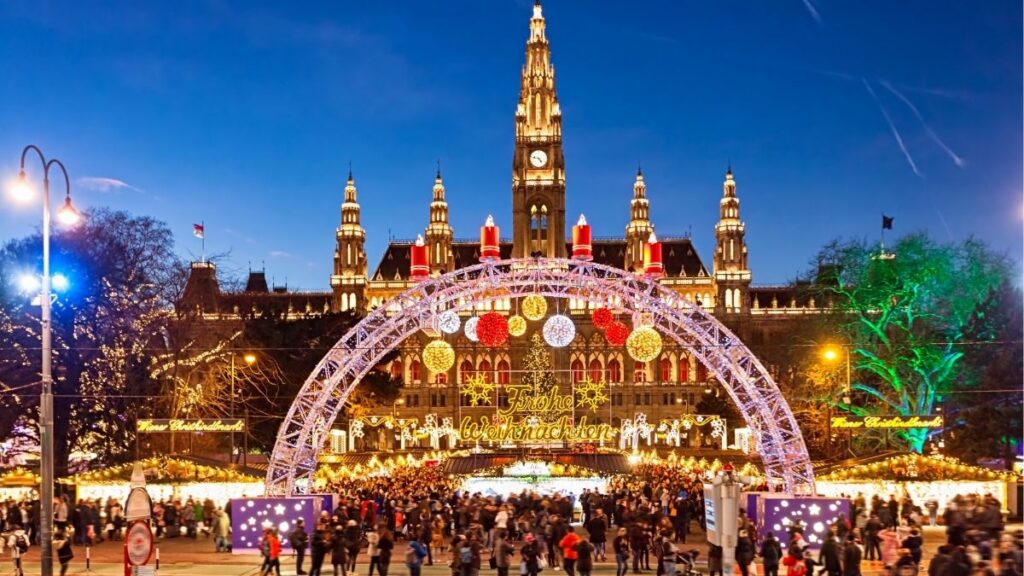
Winter time in Vienna reveals a whole new side of the city from November to February. December is renowned for Christmas markets and lights at places such as Rathausplatz and Schönbrunn. The winter ball season attracts crowds as well.
January and February are best for you if you want to avoid crowds and save on costs. Warm up with coffee and cake in classic cafés or muse over the city’s museums.
Practical Visitor Advice
Vienna attracts visitors from all over the world with its mix of imperial tradition and contemporary lifestyle. Understanding how to navigate and what to anticipate saves time and enhances your visit.
Getting Around and Timing Your Visit
Vienna’s public transport is among the most efficient in Europe. You can take metros, trams, and buses on single tickets from €2.40 or purchase a day ticket for €5.80. Tickets are simple to purchase at kiosks in stations.
If you want to visit a few attractions in a single day, the Vienna Pass is worth a look. With this, you get admission to premier attractions, fast-track entry, and savings on guided tours or urban experiences.
Three or four days is a nice visit length. You will hit the highlights without it feeling hurried. If you are so inclined, shop on Saturday because most stores are closed on Sunday.
Optimizing Your City Exploration
Walking does allow you to experience Vienna’s architecture up close. Steer clear of the hectic ring road. Investigate quiet cross streets and neighborhoods for a deeper experience.
Saturdays will be busier, particularly at tourist attractions and bazaars. Planning your museum or palace visits in advance allows you to verify opening times and pre-purchase tickets.
This steers you clear of the lines and angst. Free guided city tours are available and offer you a peek into Vienna’s history, art, and landmarks.
Plan Your Travel Connectivity with Ubigi
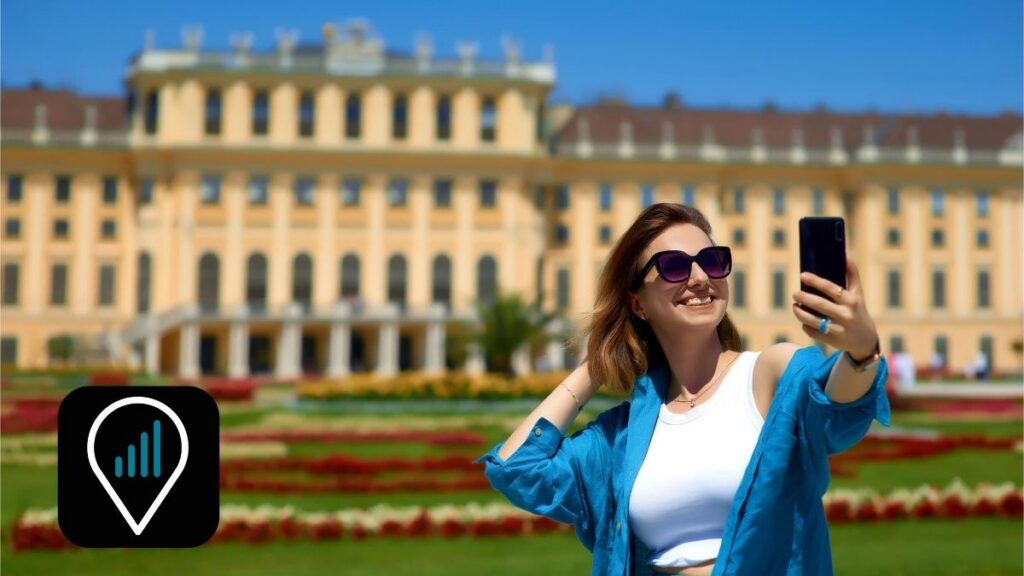
Staying connected in Vienna is easy with Ubigi eSIM. It provides you with instant mobile data connectivity when you land, so you don’t have to switch a physical SIM or hunt for Wi-Fi.
Plans are prepaid and adjustable for short or long trips. Coverage is solid whether you’re in historic areas or more recent sections of town.
Ubigi eSIM is quick to activate directly from the app and has no roaming charges. You keep your normal SIM card for calls and texts.
Ubigi offers a range of data plans designed to fit different travel needs:
- Short city breaks (3GB Austria data plan for 7 days)
- Longer vacations across multiple regions or with data for two via hotspot sharing (10GB or a 25GB Austria data plan)
- A one month vacation (50 GB or a 30 days unlimited data plan)
- Multi-country trips within Europe (10GB or 25GB Europe data plan for up to 30 days)
Use online maps, translation apps, or book last-minute tickets on the go, making your Vienna stay smoother and more enjoyable.
Conclusion
Vienna offers you so much tourist attractions in one city: opulent palaces, bustling markets, charming cafés and lush parks. There’s history in the cobblestone streets and art around every corner. You hear music on nearly every block. Sunlight bounces off the shimmering facades, and the air is scented with coffee and fresh bread.
You discover easy trains, obvious signs and warm smiles. You grab fast advice and glimpse into the daily life and work of locals. Vienna goes at a slow pace, and the city remains vibrant.
Are you ready to start planning your trip? Browse local guides, monitor flight deals, take a Ubigi eSIM data plan for Austria and talk to travelers who recently returned. The Best Attractions in Vienna await you.

Frequently Asked Questions
What are the must-see attractions in Vienna?
Visit Schoenbrunn Palace, St. Stephen’s Cathedral, Belvedere Palace, and the Museum Quarter. These locations display Vienna’s regal past and colorful culture.
How many days do you need to explore Vienna?
Explore Vienna’s Top Attractions in 3 Days. This itinerary leaves you plenty of time for museums, historic sites, and local markets.
Is Vienna safe for solo travelers?
Yes, Vienna is extremely safe for solo travelers. It is a beautiful city, very clean and well ordered with virtually no crime.
When is the best time to visit Vienna?
Visiting Vienna? You’ll experience mild weather, outdoor activities, and gorgeous parks.
Where should you stay in Vienna?
Be close to the city center (Innere Stadt) for convenient access to sights, cafes, and public transportation. There are numerous hotels and guesthouses in the region.
What local foods should you try in Vienna?
Taste Wiener Schnitzel, Sachertorte (chocolate cake), and apple strudel. They are crowd pleasers and easy to locate on most menus!
How can you get around Vienna?
Make use of Vienna’s outstanding public transportation, including buses, trams, and trains. Walking and renting a bike are other handy possibilities.







 How to check eSIM compatibility
 How to check carrier unlocking