


Key Takeaways
- Australia’s seasons are a mixed bag, so you can target the Best Time to Visit Australia based on your favorite weather, activities, and locations.
- Traveling in the shoulder seasons means mild weather and fewer crowds. It is easier to get the most out of attractions and events.
- Think city getaways for lively festivals, cuisine, and culture, or coastal escapes for rejuvenating beach days and sea explorations.
- The humpback whale migration (May–November) adds a spectacular seasonal highlight, with peak viewing from June to October along both the east and west coasts.
- Outback and wildlife adventures shine in the cooler months, providing pleasant adventure conditions and optimal animal encounters.
- Flights and accommodations generally cost less if you book early, and this is especially true when you consider peak travel times.
- With an eSIM like Ubigi, you can stay connected throughout Australia, wherever your itinerary takes you from bustling cities to isolated wilderness.

Introduction
When is the best time to go in Australia? This depends on where you want to visit and what you like to do.
Northern areas experience warm, dry conditions between May and October. The southern cities are pleasantly mild during spring and autumn, which last from September to November and from March to May.
Coastal areas remain nice most of the year. Your plans, whether beach or outback tours, help choose a good time. Next, get specifics for each season and area.
Your Australian Year at a Glance
Australia’s seasons are reversed from those in the Northern Hemisphere. With each part of the country comes its own weather, so where you go and what you do varies with the season. Planning your trip month by month ensures you get the most out of your experience whether you crave city sights, outdoor adventures, or coastal escapes.
1. Summer (December–February)
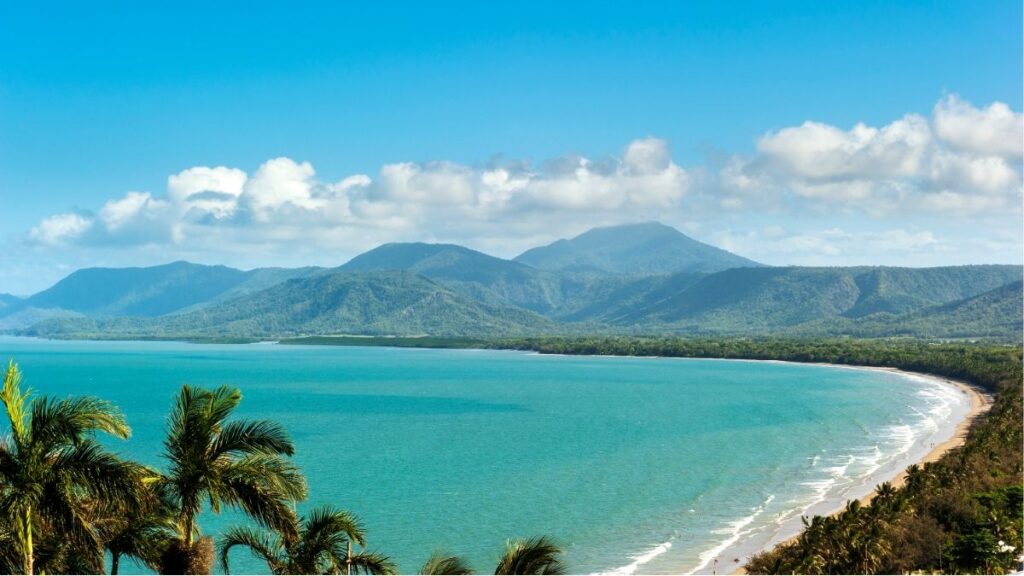
You’ll experience warm sunny days down in the southern half, with Sydney and Melbourne attracting masses for their beaches and vibrant festivals. Extended daylight hours provide you with even more time to walk, swim, or simply lounge by the water.
If you hunger for watersports, the Great Barrier Reef, Port Douglas, and Whitsundays in North Queensland provide excellent snorkeling and diving destinations. Even the Sydney to Hobart Yacht Race adds energy.
Humidity and rain keep wildlife alive and rainforests green in the north, including Darwin and Kakadu.
2. Autumn (March–May)
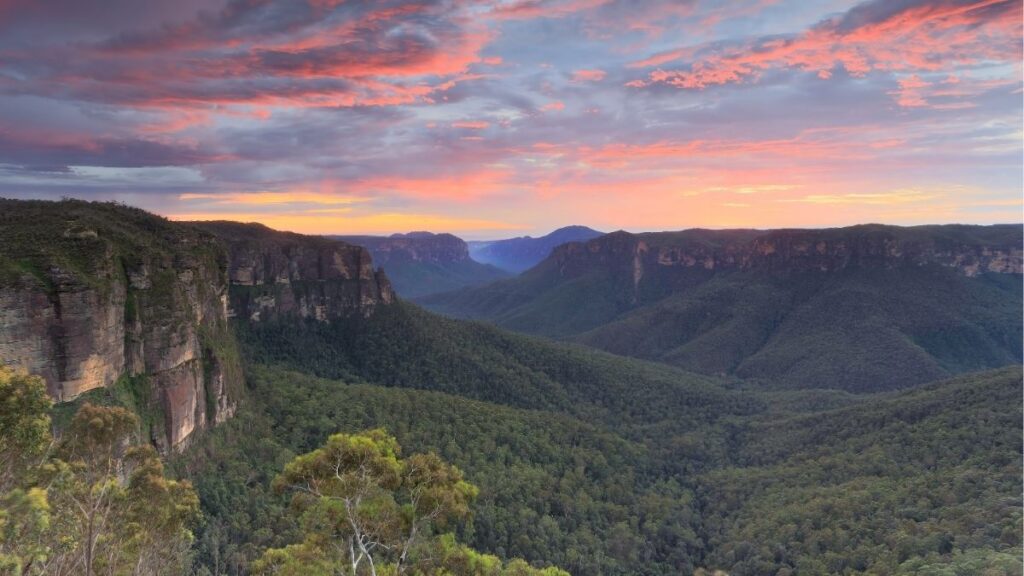
Autumn provides cooler stable weather, the optimal period to hike national parks such as the Blue Mountains or explore the outback. South Australian and Victorian vineyards are abuzz with grape harvests, which means wine tours are in full swing.
Trees turn brilliant colors in places such as Tasmania and offer great photo ops. Food and cultural festivals spring up in urban and countryside areas alike. Fewer crowds indicate more space at the main attractions.
3. Winter (June–August)
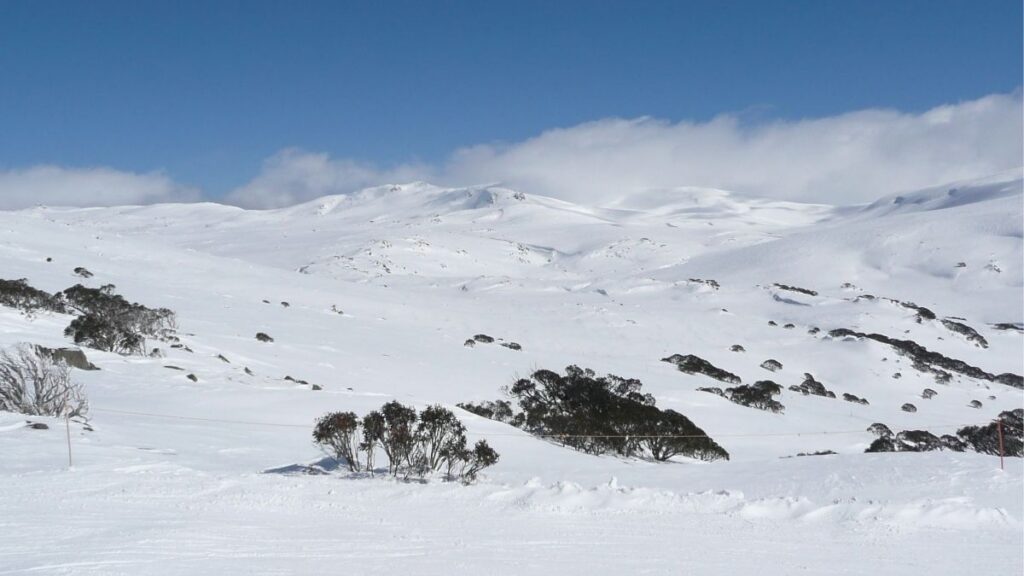
Cooler months lure you to the Australian Alps for skiing and snowboarding. Southern cities, such as Melbourne, receive cool air and shortened days. There remains an abundance of indoor attractions, including museums, galleries, and warm restaurants.
Winter in Australia also rhymes with the Humpback Whales migration. You could see them travelling along the east and west coasts. It is an must-see of the season!
4. Spring (September–November)
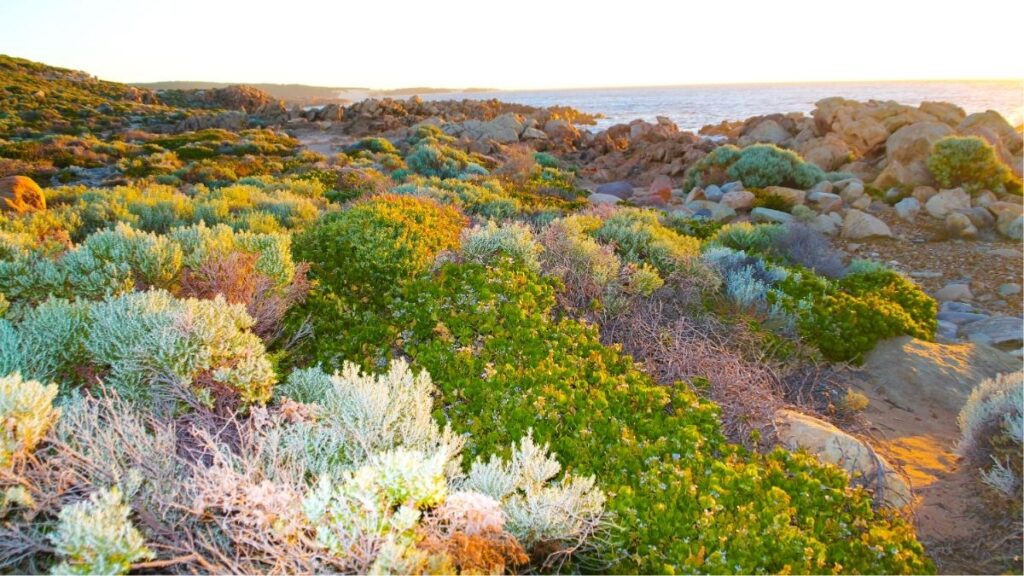
Spring is perfect for balancing the mild weather and sparkling scenery. Wildflowers bloom across WA, making drives and hikes magical. Outdoor festivals and cultural events fill the calendar in most cities.
Coastal waters begin to heat up and beaches from Perth to Sydney are a whole lot less congested. It is a great time to explore the outback or national parks before the summer heat returns.
This season also allows you to admire the end of the humpback whales migration in a perfect weather so don’t hesitate!
Matching Your Trip to the Season
Each season in Australia has its own mood and highlights. You tailor your trip to the season and what each region has to offer. City, outback, and coast all shine brightest at different times of year, so planning to season gives you more from every trip.
City Escapes
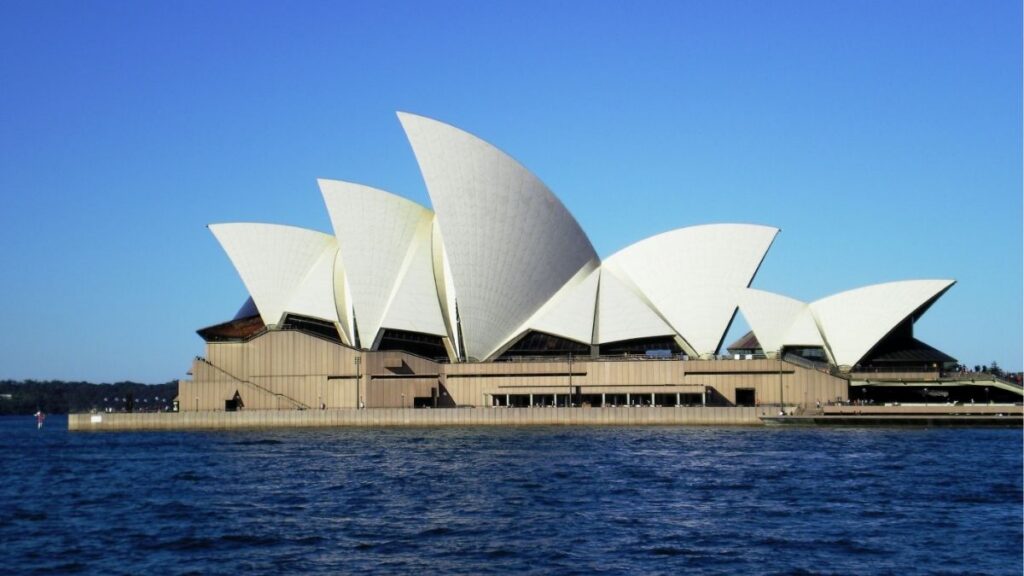
Sydney and Melbourne burst to life with festivals and cultural events, particularly in spring and autumn. These gentler months, March to May and September to November, allow you to bypass oppressive summer heat and bristly winter chills. You can delight in outdoor markets, food festivals, and art shows.
City nightlife is in full swing and restaurants bloom. If you go during the shoulder seasons, you will experience smaller crowds and cheaper hotels. It is easy to get around via public transport in most big cities, allowing you to move from museums to landmark sights in a day.
Outback Adventures
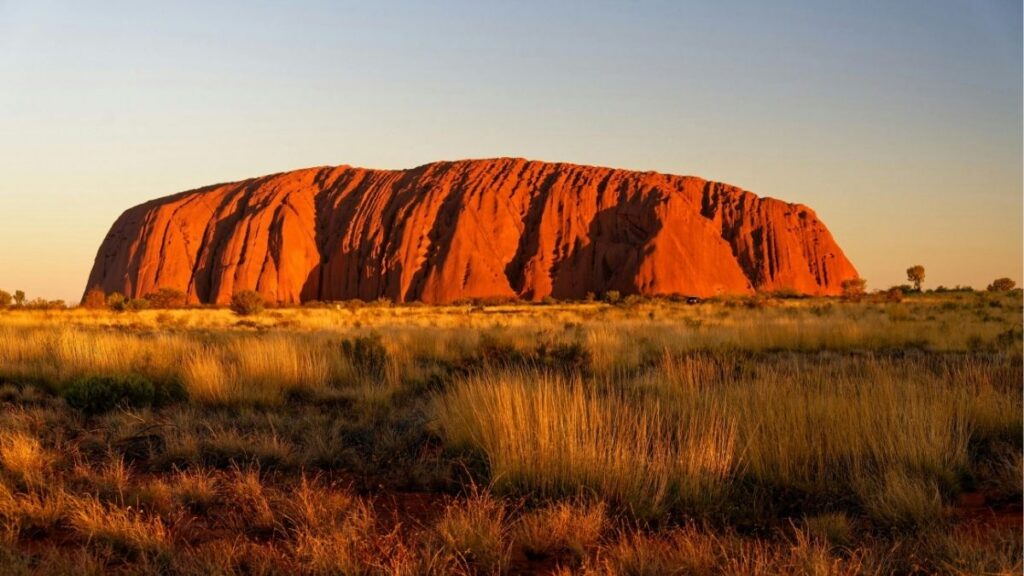
You’ll get the best outback experience in winter (June–August) or spring (September–November), when days are both cooler and safer for hiking.
Road trips through areas like the Red Centre or Kimberley are snug and you can snap iconic views at Uluru without frying yourself with heat exhaustion. Guided tours teach you about Indigenous history and unique wildlife.
Coastal Retreats
Summer (December–February) is the traditional beach time. You’ll discover the best swimming in late spring and early summer in southern Queensland, northern New South Wales, and Perth. Surf, swim, fish, or just lay back in the sand.
Off-peak months are quieter and allow you to experience the coast without the crowds. Coastal towns bring their own charm with fresh seafood and bustling boardwalks.
Humpback Whale Season
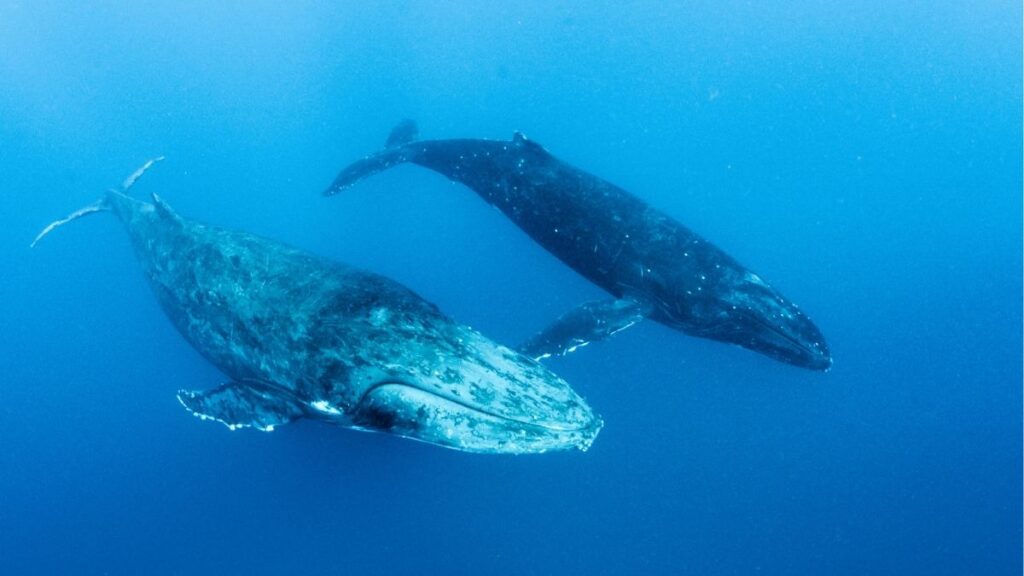
One of Australia’s most spectacular natural events is the annual humpback whale migration. From May to November, thousands of whales travel along the east and west coasts between Antarctic feeding grounds and warmer breeding waters.
Peak viewing typically occurs between June and October. Hervey Bay in Queensland is known as a resting spot where whales linger, making sightings especially frequent and calm. Along the New South Wales coast, you can often spot whales from headlands and coastal walks, while Western Australia offers dramatic viewing opportunities as whales pass close to shore.
Wildlife Encounters
Wildlife spotting goes well with spring’s energy, as animals are more active. Cooler months bring kangaroos, wombats, and birds out in the open. Guided tours help you spot them without harm.
See the table below for where to find key species:
| Wildlife | Best National Parks | Season |
|---|---|---|
| Kangaroo | Kangaroo Island, Grampians | Spring, Winter |
| Koala | Great Otway, Port Stephens | Spring |
| Whale | Hervey Bay, Albany | Winter, Spring |
| Platypus | Cradle Mountain, Eungella | Spring |
When to Go for Better Value
Getting the best value for your trip to Australia is a matter of timing. Travel expenses can fluctuate significantly based on your timing, with highs, shoulders, and low seasons all presenting unique advantages.
Shoulder Seasons
Going in the shoulder season, April to May or September to November, you get less extreme weather and less tourist traffic. That’s usually the best value for most travelers.
- Enjoy lower rates for hotels, tours, and flights.
- See famous sites without long queues or packed spaces.
- Get involved with local festivals and events that take place during these months.
- Find better deals and more choices when booking ahead.
Spring is a fantastic time for wildlife spotting, with all the animals on the move.
Low Season
Winter, June to August, is low season in most of Australia, which means real savings on flights and accommodations. Tourist attractions aren’t as crowded, so it’s nicer to check out the sights.
Late February to April is a good time for hiking due to cool, mild air and open trails. Service hours might be shorter in certain places, and the weather could be more temperamental.
Planning your trip to Australia
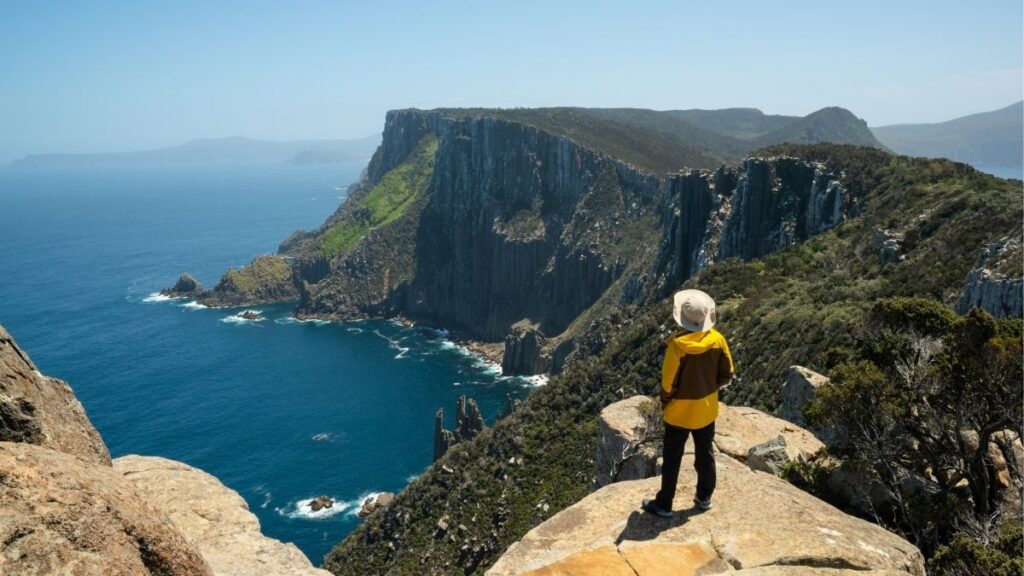
Australia’s immense size and variable climate make timing and planning essential. The country has it all from tropical rainforests to arid deserts. Consider what you’d like to see and do because the ideal time to visit can vary significantly by region and activity.
How Many Days to Spend in Australia
A quick 7 to 10 days trip works if you want to concentrate on one area, like the East Coast. There are many ways to plan your trip to Australia. You won’t travel far, but you’ll get a nice sampling of urban and coastal life.
If you’ve got two weeks, you can blend cities and nature. For example, spend a few days in Melbourne, take a flight out to Uluru in the Red Centre, and enjoy a taste of the tropics around Cairns. You get the best of both worlds: the city and the animals, along with a little bit of Outback.
There’s enough variety in the weather and landscapes, from the southern coast to the tropical north. Anything longer than three weeks allows you to explore the country further. Include Western Australia, Tasmania, and the Great Ocean Road in your Australia vacation plans.
When to Avoid Traveling to Australia
Don’t do the Outback in summer, December to February when the heat hits over 40 degrees Celsius. Northern Australia’s ‘rainy’ season is between November and April, which brings humidity and storms that will wash out roads.
The coast is hectic at Christmas and New Year, with premium pricing and packed sands. Certain areas, such as Far North Queensland, experience a higher amount of tropical rain in the summer months, making it difficult to plan outdoor activities.
Travel Tips for Australia
Australia’s gigantic size can cause your trip to straddle several climate zones and regions. Smart planning lets you maximize your visit, wherever in the country you wander.
Practical advice
Distances between cities and regions are enormous. You’ll probably have to fly from place to place between the larger destinations since a drive from Sydney to Perth, for instance, takes days. Internal flights are very common, but it makes a lot of sense to book in advance, particularly if you are travelling during the summer months of December to February, when prices and demand run very high.
Pack for different climates if you’re travelling between regions. The north experiences tropical rain and humidity from October to March, and the south benefits from hot dry summers and cooler winters.
Autumn provides mild temperatures, generally ranging from 17 to 35 degrees Celsius (63 to 95 degrees Fahrenheit), ideal for hiking and outdoor festivals.
Plan Your Travel Connectivity with Ubigi

Staying connected is easy with Ubigi eSIM. The service lets you switch on your data plan immediately on arrival, so you bypass the local SIM scan and the expensive roaming charges. You receive trustworthy coverage in 4G and 5G in major cities such as Sydney, Melbourne, Brisbane, and tourist destinations like the Great Barrier Reef or the Outback.
Data plans begin at 3GB for quick trips (under one week), all the way to unlimited if you stream or work remotely. Adding credit happens through the Ubigi app, even with no Wi-Fi.
You skip sketchy public Wi-Fi, so your personal data remains secure at airports or coffee shops. Setup is quick, scan a QR code and you’re online, with easy support if you encounter a network drop.
Ubigi provides flexible prepaid plans for Australia so you can easily tailor what you use to what you need, whether you’re viewing maps, booking tours, or posting pictures. This solution is perfect for travelers who want frictionless connectivity.
Conclusion
Australia provides you quite a lot to witness, regardless of your month. Warm days inject the coast and beaches. The cool months bring cities and trails bursting with life. Costs transition, populations fluctuate, and climate keeps you alert.
Every season has its share of time well spent. A surf in Byron Bay, a hike in the Blue Mountains, or a city stroll in Melbourne, every trip is fresh. Choose the timing that suits your plans and budget the most.
You enjoy a richer trip when you tailor your visit to your own style. Hunt flight specials, pack for sun or showers, and request locals’ top must-sees. Build your plan today with a Ubigi eSIM data plan and discover the Best Time to Visit Australia.

Frequently Asked Questions
When is the best time to visit Australia for good weather?
The best weather tends to be between September and November or March and May. These months provide mild temperatures and less rainfall, which is perfect for sightseeing.
What is the cheapest month to travel to Australia?
May to August is usually the cheapest. That’s Australia’s winter, and you can get some good discounts on flights and hotels.
Which season is best for visiting the Great Barrier Reef?
Go between June and October for the best visibility and warm water temperatures. This skips the rainy season and stinger season.
When should you visit Australia to avoid crowds?
Travel during Australia’s shoulder seasons, which are March to May and September to November. These are less busy and more agreeable months.
Are there any months to avoid in Australia?
December to February is very hot in the south and rainy in the north. If you hate extreme weather, opt for any other month!
Is it safe to travel to Australia during the summer?
Yes, it’s safe but anticipate the heat and tourists to be more intense. Always apply sunscreen and drink lots of water if you go between December and February.
Can you see Australian wildlife year-round?
Yes, you can see wildlife year-round. Spring (September to November) is best for seeing animals frolicking in their natural environment.








 How to check eSIM compatibility
 How to check carrier unlocking