


Summary
Connected car internet transforms your vehicle into a mobile hotspot, providing Wi-Fi connectivity for passengers and enabling advanced automotive features. A connected car uses embedded cellular technology (often through an eSIM) to access the internet while driving, parked, or anywhere with network coverage.
This connectivity powers navigation updates, streaming entertainment, remote diagnostics, and shared internet access for multiple devices. Major automakers like BMW, Jaguar Land Rover, and Alfa Romeo now integrate factory-installed connectivity systems, while aftermarket solutions offer alternatives for older vehicles.
Key takeaways
- Connected cars use cellular networks and eSIM technology to provide continuous internet access without relying on smartphone tethering. Additionally, leveraging the vehicle’s built-in antenna ensures a stronger and more stable signal reception compared to a standard smartphone.”
- In-vehicle Wi-Fi supports multiple devices simultaneously, typically 5-10 connections depending on the system
- Data plans range from pay-as-you-go options starting around $10/GB to unlimited monthly packages between $20-80, though exceptions exist, such as BMW in France, where unlimited plans start as low as €5.
- Factory-installed systems from BMW, Jaguar Land Rover, and other manufacturers offer seamless integration with vehicle features
- eSIM-based solutions like Ubigi provide flexible international coverage across 200+ destinations without roaming fees

What is connected car technology?
Connected car technology refers to vehicles equipped with internet connectivity and wireless communication capabilities. These systems use embedded modems and cellular connections to link the vehicle to cloud services, mobile apps, and other devices. Unlike smartphone tethering, connected car internet operates independently through its own data connection.
The core components include an embedded modem, an eSIM or traditional SIM card, antennas integrated into the vehicle structure, and onboard software that manages connectivity. Modern connected vehicles communicate with manufacturer servers for software updates, diagnostic reporting, and feature activation.
Benefits of in-car Wi-Fi

Having dedicated internet in your car delivers practical advantages beyond basic connectivity.
- Passengers can stream content
- work remotely
- browse the web(which is often a challenge for Car Original Equipment Manufacturers)
without draining smartphone data allowances. Families on road trips particularly benefit from entertainment options that keep everyone occupied.
The vehicle itself uses the connection for real-time traffic updates, weather information, and map data refreshes. Remote features become possible, including checking fuel levels from your phone, pre-conditioning cabin temperature, or locating your parked vehicle in crowded lots.
Security represents another advantage. Dedicated in-car Wi-Fi creates a controlled network separate from your phone’s hotspot, reducing battery drain and providing more stable connectivity for critical applications like navigation during long drives.
Available providers and connectivity solutions
Several providers offer connected car internet services with different approaches to coverage and pricing. Factory-installed systems typically partner with major carriers. AT&T dominates the North American market for OEM partnerships, while European vehicles often use Vodafone or other regional providers.
Ubigi stands out as a specialized eSIM connectivity provider serving the connected vehicle market. With official integrations in BMW, Jaguar Land Rover, Alfa Romeo, Toyota (in LATAM) and various Stellantis group vehicles, Ubigi offers coverage in over 200 destinations worldwide. The service eliminates roaming charges by providing local or regional data rates rather than international roaming fees from traditional carriers.
Aftermarket devices from companies like T-Mobile SyncUP Drive, and similar OBD-II plugin hotspots provide connectivity for vehicles without factory systems. These devices typically cost $50-150 upfront plus monthly service fees.
Comparing data plans and pricing

Data plan structures vary significantly across providers. Pay-as-you-go models charge per gigabyte, typically ranging from $8-15 per GB depending on the region. These work well for occasional use or international travel where you need connectivity only in specific locations.
Monthly unlimited plans from major carriers generally cost
- $20-25 when added to existing phone plans
- or $50-80 as standalone vehicle plans.
These kind of plans suit daily commuters or families who regularly use in-car internet for streaming and multiple devices.
Ubigi offers flexible options including destination-specific plans that provide better rates than traditional roaming. A 3GB plan valid for 30 days might cost $12 in Europe or $15 in the United States, with larger packages offering better per-gigabyte value. The eSIM approach means no physical card swapping when crossing borders.
Enterprise and fleet solutions typically negotiate custom pricing based on vehicle counts and projected usage, often securing better rates than consumer plans.
Setting up in-car Wi-Fi
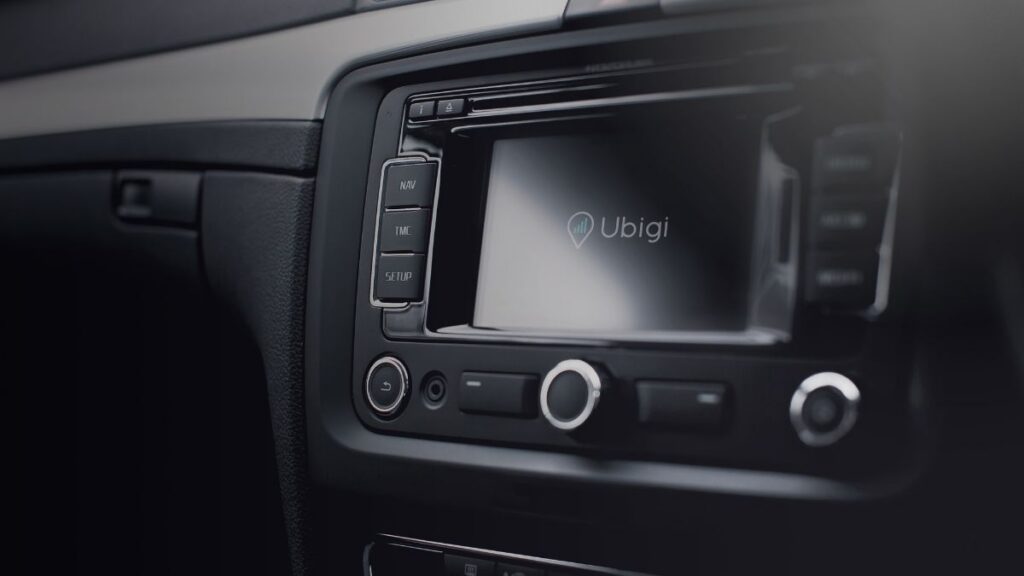
For vehicles with factory-installed systems, activation usually happens through the vehicle’s infotainment screen or a companion smartphone app.
- creating an account with the connectivity provider
- selecting a data plan
- entering payment information.
- the embedded eSIM activates automatically once the plan is purchased.
BMW vehicles with Ubigi integration, for example, allow drivers to purchase data directly through the iDrive system. The vehicle displays available plans based on current location, and connectivity activates within minutes of purchase without requiring any technical configuration.
Aftermarket devices require physical installation, typically plugging into the OBD-II diagnostic port located under the dashboard. After installation, download the provider’s app, create an account, and activate service. The device broadcasts a Wi-Fi network that passengers connect to using a password provided during setup.
Choosing the right plan for your needs
| User Profile | Typical Usage/Needs | Recommended Data Plan |
| Light users | Connectivity for navigation updates and occasional web browsing. | 1-3GB monthly plans. |
| Moderate users | Stream music during commutes or passengers browsing social media. | 5-10GB plans. |
| Heavy users | Multiple family members streaming video content. | Unlimited plans or packages with 20GB+ allowances. |
| International travelers | Cross-border driving or renting vehicles abroad, needing multi-country coverage without roaming fees. | Prioritize providers offering multi-country coverage (e.g., Ubigi’s global coverage across 200+ destinations). |
Contract and Flexibility Considerations
- Flexibility: Check contract terms; some providers require annual commitments, while others offer month-to-month flexibility.
- Occasional use: Pay-as-you-go options with credits that do not expire offer the most flexibility for occasional users.
Advanced entertainment features and future developments
Connected car internet enables features beyond basic web access. Over-the-air software updates deliver new functionality and security patches without dealership visits. Remote diagnostics alert drivers to maintenance needs before breakdowns occur.
Vehicle-to-vehicle (V2V) and vehicle-to-infrastructure (V2I) communication systems use connectivity to share information about road conditions, traffic, and hazards. These systems will become standard as 5G networks expand and smart city infrastructure develops.
The shift toward eSIM technology accelerates deployment flexibility. Drivers can switch providers or add international coverage through software rather than physical SIM card replacement. This technology underlies services like Ubigi that provide seamless global connectivity through a single embedded system.
Autonomous vehicles will depend entirely on reliable internet connectivity for cloud processing, mapping updates, and communication with traffic management systems. The connected car internet infrastructure being built today forms the foundation for these future transportation systems. We are also seeing an increasing amount of live content and an ever-expanding gaming offering.

FAQ
What is a connected car and how does its internet work?
A connected car is a vehicle equipped with embedded cellular connectivity that provides internet access independently of smartphones. The system uses a built-in modem and eSIM or traditional SIM card to connect to cellular networks, creating a Wi-Fi hotspot inside the vehicle.
This allows the car to access cloud services for navigation, software updates, and diagnostics while providing internet connectivity for passenger devices. The embedded system operates separately from phone tethering, offering more reliable performance and avoiding smartphone battery drain.
How much does in-car Wi-Fi typically cost?
In-car Wi-Fi costs vary based on provider and usage patterns. Pay-as-you-go plans typically range from $8-15 per gigabyte, while monthly unlimited plans cost $20-25 when added to existing carrier plans or $50-80 as standalone services. Specialized providers like Ubigi offer destination-specific plans starting around $10-15 for 3GB valid 30 days, with better rates than traditional roaming charges. Factory-installed systems may include a trial period of 3-12 months before requiring paid subscriptions.
Can I use my connected car internet internationally?
Yes, but coverage and costs depend on your provider. Traditional carrier plans often charge expensive roaming fees when used outside your home country. eSIM-based services like Ubigi specifically address international connectivity by offering local or regional data rates across 200+ destinations without roaming charges.
Factory-installed systems in vehicles from BMW, Jaguar Land Rover, and similar manufacturers with Ubigi integration allow drivers to purchase destination-specific data plans directly through the vehicle interface, activating connectivity within minutes of crossing borders.
How many devices can connect to in-car Wi-Fi simultaneously?
Most connected car systems support 5-10 simultaneous device connections, though the exact number varies by manufacturer and hardware specifications. The quality of each connection depends on total bandwidth usage. Streaming video on multiple devices will slow performance more than basic web browsing.
Premium systems in luxury vehicles sometimes support up to 15 connections. Check your specific vehicle’s documentation for exact capacity, as older systems may have lower limits while newer 5G-enabled systems handle more devices with better performance.







 How to check eSIM compatibility
 How to check carrier unlocking