


Key Takeaways
- Starting in 869 as a purification ritual, Gion Matsuri in Kyoto now runs all of July with deep roots in community tradition and UNESCO-recognized craftsmanship. Schedule to experience both ceremony and local culture.
- The Yoiyama evenings of July 14 to 16 and 21 to 23 feature lit-up floats, shrouded pedestrian streets, food stalls, and live shows, which are perfect for easy-going evening wandering.
- On July 17 and 24, the Yamahoko processions roll with huge decorative floats pulled by local teams of neighbors. Arrive early to claim a prime vantage point.
- Each float reflects centuries-old construction techniques maintained by local families, demonstrating the festival’s cultural and artisanal significance that you can observe up close.
- Book your hotel months in advance and bring airy clothes. Kyoto is hot and sticky in July and hotels fill up fast.
- Secure dependable mobile data with an eSIM like Ubigi prior to your Gion Festival trip to guide routes, translate menus, and get festival updates without roaming headaches.

Introduction
Kyoto’s Gion Festival, Japan’s most renowned traditional festival, takes place during July, when the city’s streets transform into a walking museum.
Steeped in over a millennium of history, the month-long festival combines Shinto rituals, masterful artisanship, and boisterous street scenes that attract visitors from around the globe. It is one of Japan’s most important festivals.
Whether you’re a first-time traveler or a culture seeker, here’s how to get the most out of the famous festival’s highlights and local traditions.
1. What is the Gion Matsuri?
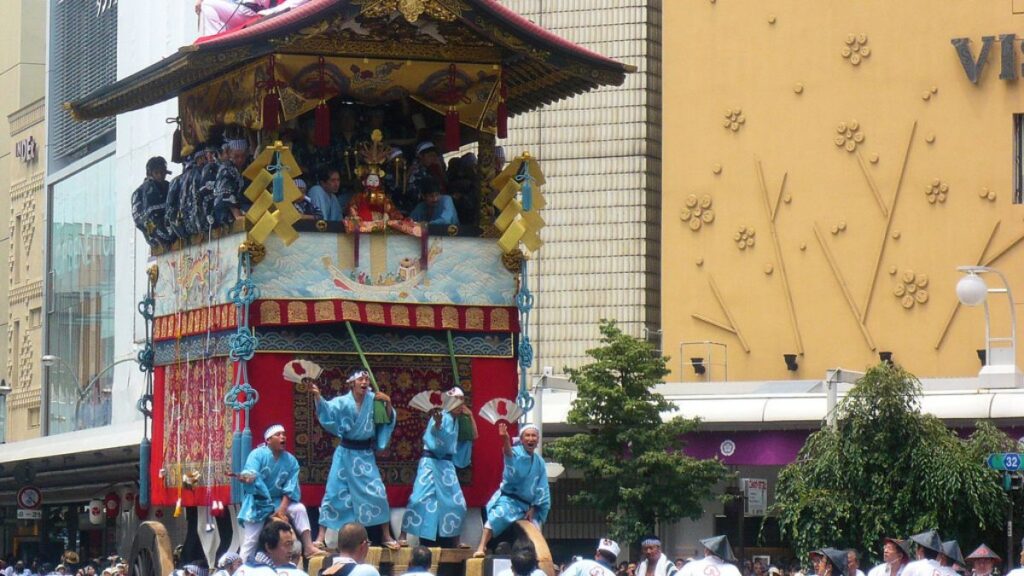
Gion Matsuri is a monthlong Shinto festival in Kyoto every July, with main events on the 17th and 24th. This annual event originated in 869 as a purification ritual at Yasaka Shrine to end a deadly epidemic and maintained that spiritual function while blossoming into one of Japan’s biggest festivals.
There are religious processions, local shrine ceremonies, and local customs connected to purification and appeasement of pestilential forces. The popular festival is most famous for two Yamaboko Junkō parades of yama and impressive hoko floats.
These mobile museums soar 25 meters high, weigh up to 12 tonnes, and are propelled by wheels the size of humans. The three nights prior to each parade are known as yoiyoiyoiyama, yoiyoiyama, and yoiyama, when streets become crowded with stalls and community dancing.
Keep in mind that the parade routes and highlight events are all across the Kamo River, not actually in Gion. These include elegant foreign tapestries and wooden dragons carved onto hoko floats.
2. When does the Gion Matsuri take place?
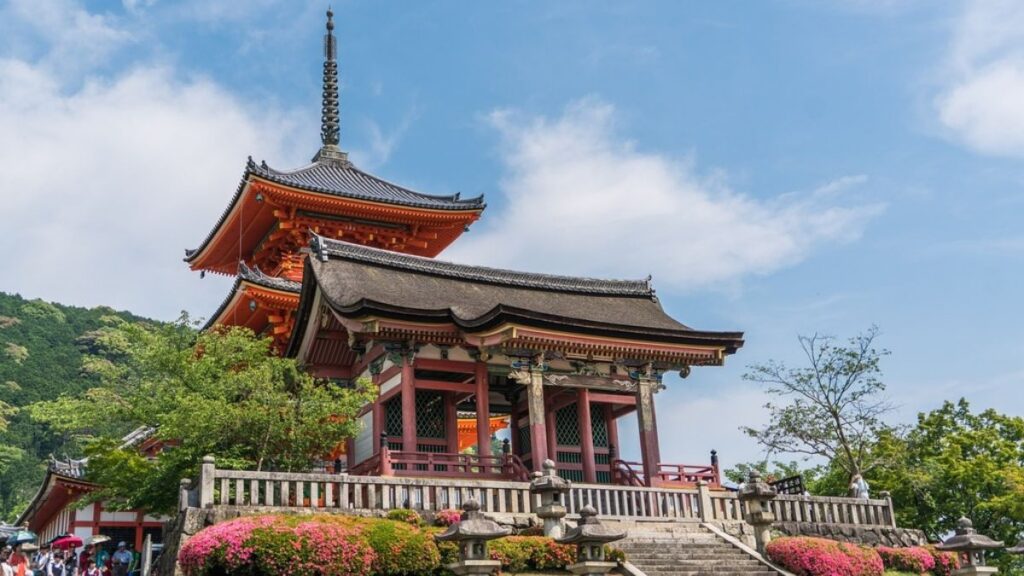
Now Gion Matsuri Festival spans the entire month of July, with activities throughout Kyoto. The main parade day is July 17th, when a grand procession of 23 yamahoko wooden floats moves from 09:00 to 13:00. That parade features most of the biggest hoko floats and attracts the biggest crowds.
A second float procession happens on July 24th from 09:30 to 11:50, featuring the remaining ten yama and hoko. The festival also makes festive evenings, with locals donning colorful yukata robes, perusing food stalls and playing street games.
These nights before the main parade are called Yoiyama on July 16, Yoiyoiyama on July 15 and Yoiyoiyoiyama on July 14. Significant rituals occur on both July 17 and 24 as well, such as the mikoshi Togyo portable shrines procession and the sacred child ceremonies.
For instance, you could do Yoiyama nights then reserve the 17th for the crush and float-full views.
The Yoiyama evenings (July 14–16 and July 21–23)
Yoiyama evenings feature shimmering lantern-lit streets, bustling stalls and dress rehearsals for the main parades. The Yoiyama evenings are on July 14 to 16 and July 21 to 23, with the Early Festival (Saki Matsuri) on the 16th and Latter Festival (Ato Matsuri) on the 23rd. Streets are pedestrian-only.
Festival floats are illuminated with festival lanterns. Food stalls stretch along the roads, offering takoyaki, yakitori, okonomiyaki and sweets like taiyaki. Local players entertain with festival music and small performances as families and tourists wander.
Floats and practice floats are in last-minute construction and test runs from July 10 to July 14, so you’ll see artisans and bearers warming up. The elaborate floats appear stunning in summer daylight and lantern glow.
The Yamahoko Float Processions (July 17 and July 24)
The Yamahoko Float Processions provide the festival’s most eye-catching attraction. Colossal Yama hoko floats roam through Kyoto on July 17 and 24. Some massive floats span 25 meters high and weigh up to 12 tonnes!
You see two types: smaller, simpler Yakushi-bune and large, ornate Hoko. Each float displays traditional Japanese architecture with gilded and silver leaf, intricate carved woodwork, and decorated ornaments.
Groups of local adults drag the various floats through ancient streets. Drums, flutes and chants fill the air as crowds of people line the streets. They’re the heart and spirit of Gion Matsuri, which is a 1,000-year-old festival.
UNESCO lists the Yamahoko procession as Intangible Cultural Heritage, so you’re watching living culture. Anticipate packed crowds, unobstructed views at intersections and opportunities to listen to artisans describe float specifics. For instance, hang out by Shijo Street for broad vistas of Hoko and intimate ornamentation.
3. Why is the Gion Matsuri so special?

What makes Gion Matsuri special now is the conjunction of living community craft and deep history. Gion Matsuri originated all the way back in the 9th century as a Shinto purification ceremony.
The Gion Matsuri Yamaboko Junkō first procession on July 17 and second procession on July 24 feature 33 floats racing down a 3 km route. The hoko reach 25 meters and weigh 12 tonnes, rolled on wheels as big as people and pulled by 30 to 40 locals, which gives real scale and force to the parade.
Local neighbourhoods each own and care for a float, ensuring that construction knowledge and skills are still passed down and alive. Families put together hoko with no nails, just ropes and joinery.
This gion festival craftsmanship and community practice led the Yamahoko float tradition to be recognized as UNESCO Intangible Cultural Heritage. There will be food stalls, music, and intimate proximity to intricate costumes and wood-carved decorations.
4. Tips for visiting the Gion Matsuri

- Book your accommodation early: Kyoto hotels book up months in advance for the July 1 to 31 festival. Try to book at least 3 to 4 months before July, or opt for nearby cities with convenient train connections. For instance, accommodations near Kyoto Station provide quicker access to Kawaramachi and its shuttles.
- Get up early for the parades: The Yamaboko Junko parades start at 09:00 on July 17 and 24. If you want a nice, close spot, arrive around 30 minutes early and position yourself about 200 meters down from the checkpoint. The floats start near Daimaru on Kawaramachi on the 17th and progress towards City Hall that day.
- Don’t overlook the Yoiyama nights! The evenings prior to the main days are filled with open floats, street stalls, and gion music. These nights are quieter and allow you to see float details up close.
- Take photos with a 20 to 30mm to 100mm lens.
- Wear light, breathable clothes: July is hot and sticky. Remember to bring water, sun protection, and shoes for long walks!
5. Stay connected while exploring Kyoto

Stay connected with a Ubigi eSIM data plan for Japan to keep your days smooth and your photos shareable. Whether it’s figuring out parade routes, translating menus, or sharing moments, dependable mobile data makes exploring Japan a lot simpler.
Pull up maps to track the Yoiyama parade routes from July 14 to 16 and July 21 to 23, check transport apps when streets close for parade floats, or read festival updates on Mikoshi Togyo from July 17 to 24. For instance, navigate around one-way pedestrian flows near Kawaramachi Street with live maps, or locate where a yamaboko float is parked and purchase a special souvenir.
With a Ubigi eSIM for Japan, you tap into maps, train timetables, and real-time alerts minus pricey roaming. Turn on your plan on your arrival directly on the app and maintain coverage throughout downtown Kyoto on foot or by bike where permitted.
Hot July days and late evenings make staying online handy for weather and shade seeking routes.
Conclusion
The Gion Matsuri in Kyoto is much more than a festival! It’s a huge celebration of Kyoto’s history, culture, and community spirit. Between the lantern-lit evenings, towering floats, and centuries-old rituals, it offers visitors a unique glimpse into Japan’s living heritage.
If you’re planning a summer trip to Japan, make sure to add the Gion Matsuri to your itinerary and plan ahead your connectivity throughout the country. You’ll be witnessing a tradition that has captivated generations for over a millennium.

Frequently Asked Questions
What should I know before attending Gion Matsuri for the first time?
Beat the crowds. Come early, wear comfortable shoes, bring water, and be sure to respect the local traditions. Anticipate heavy congestion and road closures. Organize meet-up locations and buy transit passes ahead of time.
Are the Yamahoko float processions free to watch?
Yes. There is free public viewing available along the parade route. VIP reserved seats can sometimes be purchased at a cost via official organizers or reputable third party providers.
Can you touch or board the festival floats?
No. Do not climb on or touch floats unless staff members ask you to. Volunteers and float teams guard these cultural gems for security and conservation.
Is Gion Matsuri family-friendly?
Yes. The festival caters to all age groups. Choose more peaceful viewing locations for a more serene experience.
How do I avoid the biggest crowds during Yoiyama and processions?
View early morning or late afternoon processions. Come to Yoiyama on the weekdays, and wander off the main streets and temples for a quieter journey.
What’s the best way to get around Kyoto during the festival?
Take public transport, walk, or bike. Anticipate taxi lines and road detours. Purchase a day transit pass and download route maps in advance.
How can I learn more about festival history and etiquette on site?
Participate in guided tours, attend local museums or read official festival guides. Check for signs in multiple languages and inquire at your hotel staff or tourist centers for trustworthy, precise information.
What food should you try during the Gion Matsuri in Kyoto?
The Gion Matsuri is a great opportunity to discover traditional Kyoto cuisine and experience Japanese street food culture. Popular festival snacks include traditional ikayaki, yakitori, and other local specialties. Kyoto is also famous for its elegant kaiseki cuisine and its many sushi establishments, including more than one unique sushi restaurant. To complete your culinary journey, enjoy authentic Kyoto cuisine with a cup of Japanese green tea.
What kind of music can you hear during the Gion Matsuri?
Gion Festival music is one of the highlights of Kyoto’s famous celebration. It is performed using traditional Japanese instruments such as flutes, taiko drums, and gongs. This distinctive Gion Festival music, also known as Gion-bayashi, accompanies the iconic festival floats throughout the city. The performances add to the unique atmosphere of the lantern-lit streets and centuries-old traditions.
Are there traditional dances performed during the Gion Matsuri?
Yes, the festival features various dances and ceremonial performances that reflect Kyoto’s rich cultural heritage. Many of these are inspired by ancient sacred dances that have been preserved for centuries. While the Iwami Kagura dance tradition originates from another region of Japan, visitors interested in traditional performing arts often combine these experiences when exploring the country’s festivals. Together, they offer a fascinating glimpse into Japan’s enduring artistic traditions.







 How to check eSIM compatibility
 How to check carrier unlocking