


Summary
Key Takeaways
- Slow travel destinations allow you to move slower and stay longer so you can immerse yourself in local culture and experience a slower pace when you travel. Schedule multi-day visits to wander neighborhoods and everyday life.
- Toggle your mentality from sight-checking to rhythm-living so you de-stress and self-better. Plan more quiet days and unscheduled time.
- Opt for places and lodging that emphasize community, local businesses, and sustainability so your presence benefits locals and nature.
- Create open-ended schedules that prioritize public transport, sidewalks, and slow travel. Book accommodations close to transit or in walkable neighborhoods.
- Overcome typical obstacles by re-purposing time, conditioning yourself for slow travel, and restricting mindless online activity with defined time blocks.
- Get a dependable Ubigi eSIM data plan before you go and connect when you land to browse maps, schedules, translations, and bookings worldwide with secure access spanning over 200 destinations with adaptable prepaid plans.

Introduction
Slow travel is a style of travel that prioritizes extended visits, local habits, and intentional rhythms. You gain more cultural insight, cheaper per day prices, and less travel stress when you slow travel.
The approach eschews crammed agendas in favor of public transport, foot power, and markets. You have the opportunity to build genuine relationships and see subtle things others overlook.
The remainder of this post describes concrete tips to schedule slow trips and tailor them to your lifestyle.
What Is Slow Travel?
Slow travel focuses on connection instead of speed. It encourages you to reduce space and expand time, to exchange tight schedules for extended visits that allow local pulses to reveal themselves. You live by days or weeks, not hours, so you see commonplace markets, overhear common language, and bypass common turist sights.

1. Core Principles
Slow travel is unhurried movement and deeper connections to location. When you can, you prefer short-haul trips and travel via modes other than planes, reducing your carbon footprint and frequently exposing you to terrain you overlook at 10,000 meters.
You opt for local accommodations (tiny guesthouses or long-term rentals) so everyday living substitutes for checklist tourism. You dine at local restaurants, shop at markets, and sustain local producers.
Slow travel links to the slow cities idea: places designed for a quieter pace, walkable streets, and cultural continuity. Practically, that translates into fewer stops, more time per stop, and planning for flexibility instead of rigid schedules.
2. Mindset Shift
You have to exchange haste for wonder. It’s about education, not check marks. That could entail a week of a cooking class, volunteering for a few days, or just hanging out in a café every morning watching the daily rhythms play out.
This kind of travel encourages introspection and intellectual maturation. You observe variations of work, cuisine, and family and can intelligently contrast them. You embrace slower means of travel, lagging schedules, and serendipitous findings as the benefit.
3. Tourism Contrast
Tourism pursues landmarks with inflexible schedules and brief stays. Slow travel stands against that by valuing immersion and local interaction.
Instead of whirlwind multi-city loops, you stay put or move incrementally by train or car. You engage with locals, pick up local trades, and allow genuineness to direct selections.
This minimizes environmental footprint and frequently leads to deeper memories and clearer understanding of people’s lifestyles.
Why Embrace Slow Tourism?
Slow tourism makes you linger, gaze, and hear. It means opting for immersion over mileage so you can explore a place’s past, culture, and tempo of life instead of racing through its tourist points.

Personal Well-being
Staying longer in one place cuts down on stress and decision fatigue. Your pace decelerates, your sleep deepens and you get a breather between engagements.
Even a few days with fewer plans can change how you feel: more calm, less hurried, clearer thinking. This respite from busyness allows you to recharge, come back to work with renewed attention, and maintain fuel for your relationships back home.
Deeper Connections
Living local for a week or two provides you with the unplanned moments that don’t occur on day trips. You encounter shopkeepers, partake in tiny ceremonies, and observe seasonal cuisine.
With less definitive plans you are more open to serendipity, an invitation to a family lunch, a market vendor’s tale, or a locals’ favorite secluded path. Those interactions provide context to sites you visit.
That castle, temple, or museum becomes meaningful when you understand how people use it in the present.
Sustainable Impact
Slow travel reduces stress on popular sites by redistributing demand to new, lesser known locations. By opting for an extended stay in a small town, you’re not supporting the big operators; you’re supporting local cafes, artisans, and guides.
That money circulates in the community and aids in the preservation of local craftsmanship. Traveling slowly lowers your transport footprint: fewer flights and transfers, more walking or cycling.
These deliberate decisions, lingering, investing locally, and hunting for alternatives, are building a stronger tourism ecosystem for locals and tourists alike.
What Defines Slow Destinations?
Slow travel is about choosing places where you can settle in, embrace the local rhythm, and enjoy meaningful experiences instead of rushing from one attraction to the next.
The best slow travel destinations combine walkable neighborhoods, reliable public transportation, welcoming cafés, local markets, and cultural experiences that reward longer stays. Rather than following a packed itinerary, spend time exploring on foot, sampling regional cuisine, chatting with locals, and discovering hidden corners that aren’t always found in guidebooks.
Staying in one place for several days (or even weeks) allows you to experience everyday life. Appreciate local traditions, and build a deeper connection with your surroundings. Whether you’re wandering historic streets, relaxing in a neighborhood park, or joining a community event, slow travel encourages quality over quantity. It turns your trip into a more authentic and memorable experience.
Best Slow Travel Destinations
Slow travel is about choosing one destination, settling into its daily rhythm, and experiencing it like a local rather than rushing from one landmark to the next. The best slow travel destinations offer walkable neighborhoods, reliable public transportation, welcoming cafés, vibrant markets, and enough cultural experiences to reward longer stays. According to a recent study, cities that combine safety, accessibility, and a strong sense of community create the ideal environment for meaningful, unhurried travel.
Kyoto, Japan

Kyoto is considered one of the world’s best slow travel destinations thanks to its remarkable balance of history and everyday life. Spend your mornings wandering centuries-old temples, afternoons relaxing in peaceful gardens or neighborhood cafés, and evenings exploring traditional streets lined with wooden machiya houses. Excellent public transportation and countless cultural attractions make it easy to stay for a week or more while uncovering a different side of the city each day.
Fukuoka, Japan
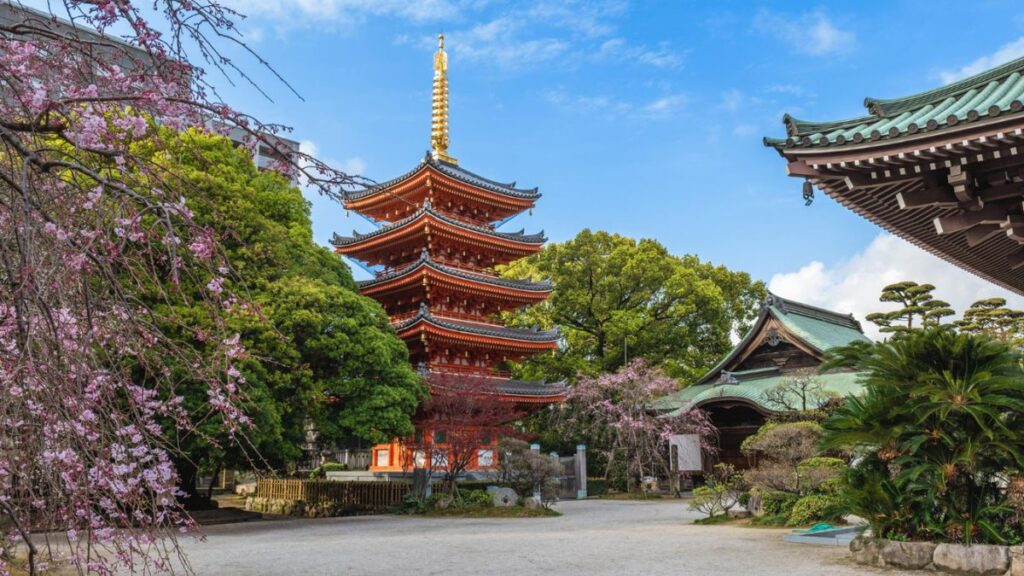
For travelers looking to experience authentic Japanese daily life, Fukuoka is an excellent choice. Its compact layout, efficient transit system, and renowned food scene make it easy to settle into a comfortable routine. Wander along the waterfront, discover lively shopping streets, sample famous Hakata ramen, and enjoy relaxed afternoons in local cafés.
Porto, Portugal

Porto invites visitors to embrace a slower pace with its colorful riverside neighborhoods and walkable historic center. Spend your days browsing local markets, sipping coffee on sunny terraces, exploring centuries-old architecture, or strolling along the Douro River. Its friendly atmosphere encourages travelers to linger rather than rush between attractions.
Vienna, Austria

Vienna combines world-class culture with exceptional quality of life, making it an ideal destination for an extended stay. Explore museums, unwind in elegant coffee houses, wander through green parks, and use the city’s outstanding public transportation to take easy day trips. With so much to experience, Vienna rewards visitors who choose to slow down.
More Inspiring Slow Travel Destinations
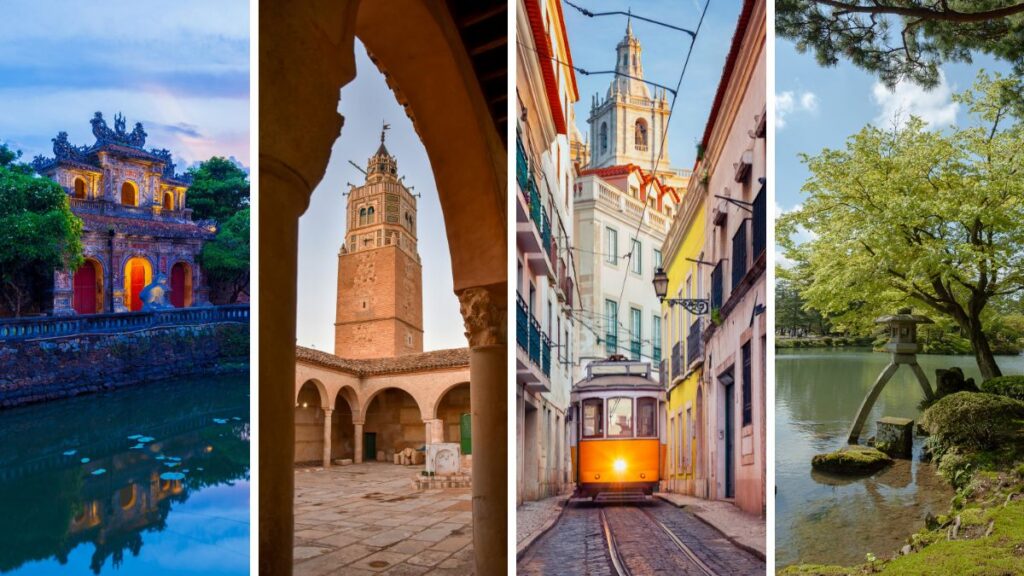
The study also highlights several other cities that are perfect for immersive travel experiences. Hue, Vietnam charms visitors with its imperial heritage and riverside setting, while Tunis, Tunisia offers vibrant markets and a fascinating historic medina.
Lisbon, Portugal blends scenic viewpoints, neighborhood cafés, and efficient public transport, whereas Kanazawa, Japan is celebrated for its preserved samurai districts and beautiful gardens.
Rounding out the list are Puebla, Mexico, known for its colonial architecture and exceptional cuisine. You could also pick Tainan, Taiwan, where ancient temples, bustling night markets, and welcoming neighborhoods invite travelers to settle in and explore at their own pace.
How to Plan Your Journey
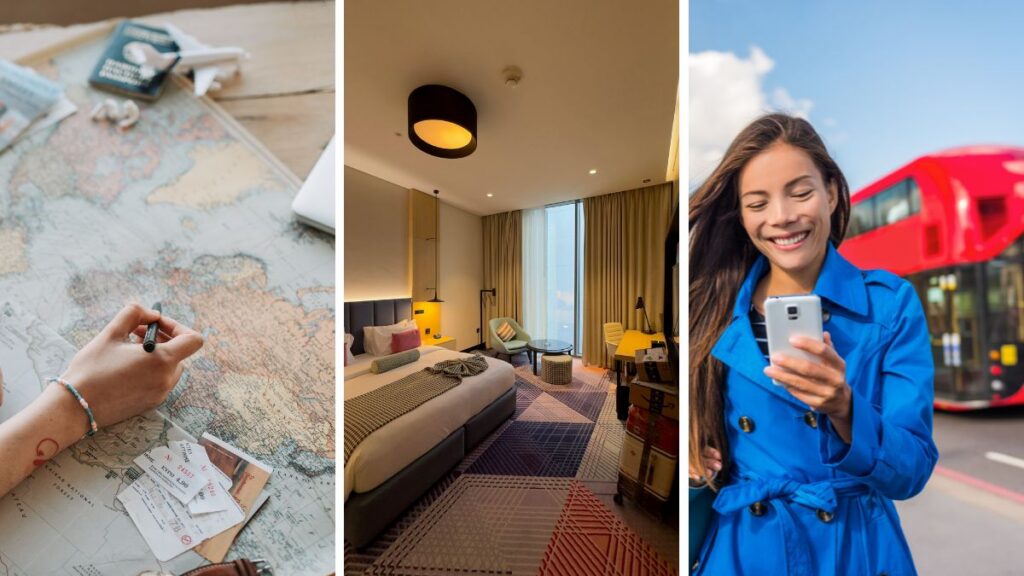
Slow travel demands that you exchange checklists for profundity. Begin with a compact geographic foundation, then construct supple itineraries that have space for serendipity and everyday existence.
Itinerary Design
Pick just one neighborhood as your epicenter instead of attempting to cover an entire city. This allows you to observe daily patterns and discover favorite cafes, boutiques, and other small stores. Block half your days as unscheduled so you can pursue a tip from a local or while away an afternoon at a market.
Plan just the must-see sights and a workshop or two, such as a cooking class, pottery, or language meetup. It will bring structure and a reason to return to places you enjoyed. If you stay a month or more, spread activities out. Intersperse light sightseeing with routine tasks like grocery shopping, library visits, or walks in a nearby park. That’s what makes the joint come alive!
Accommodation Choices
Book in a neighborhood rather than a tourist area to encounter neighbors and witness everyday life. Seek out long-stay or an apartment with a kitchen so you can cook at least one meal “at home” from market finds.
Form a short-term routine, morning brew at the same corner café, an evening stroll, to ground your days and cultivate casual connections. Consider cost; a month-long rental often lowers per-night costs and lets you unpack, which helps with comfort and focus. Consult local guides and transport connections instead of tourist charts.
Transportation Options
Choose public transport over tourist buses for the real thing and less expense. Try to become familiar with a few route patterns and purchase multi-day or monthly passes if possible.
Walking and cycling allow you to decelerate and observe things you overlook on speedy paths. For the infrequent, longer trip between regions, reserve trains or regional buses in advance, but leave intra-city travel flexible.
Mix local transit with a guided experience or two, such as a market tour or neighborhood walk with a local, to add context without hard-scheduling your entire days.
Overcoming Common Challenges
Slow travel demands that you decelerate, plan a bit looser, and embrace local rhythms. This strategy delivers reward and resistance. Here are pragmatic means to fight through the typical challenges you will face.
Time Constraints
Extended trips give you a chance to become accustomed to local time patterns and to explore beyond tourist veneers. If you’ve only got a week, go to neighborhoods, not landmarks. If you linger, establish a loose monthly schedule that allows for serendipity.
Build a simple routine: visit the same café, stroll the same park, shop at the same market. That rhythm gets you plugged into village life and catching the little things, such as street vendors changing their hours and seasonal fruits and vegetables showing up.
Avoid tourist buses and take public transport to save time and experience how the locals get around town.
Mindset Barriers
Lingual gaps and cultural differences can feel demoralizing. Learn some phrases before you go and take brief lessons while you’re there. Even partial fluency is less frustrating; most of us still catch only 80% of the speech in our own languages.
Volunteer work or skill swap unlocks authentic ties and provides a framework for local traditions. Expect discomfort and treat it as data: note what confuses you, ask kindly, and observe.
Once you adapt to a local sense of time, you’ll cease to measure success by things completed and instead measure it by moments savored.
Digital Balance and data roaming abroad

Stay on top of the connection so you can be present and pragmatic. Set up Ubigi eSIM pre-departure and go online post-landing for maps, train schedules, restaurant recommendations, translation apps and reservations without public Wi-Fi.
Ubigi spans over 200 destinations and smart prepaid plans so you’re never hit by roaming shocks. Utilize offline maps and download language packs for low-signal zones.
Allow weather and daylight to make or break your plans. Be prepared to swap the schedule around if a foggy morning turns into a crystal clear afternoon.
Conclusion
Slow travel lets you see more by moving less: you slow down, linger a little longer, and absorb local customs. You pocket the cash by trimming short trips and plucking denser, more authentic moments such as a morning market stroll or hike at dawn.
You construct mellow, lucid recollections. Easy slow travel involves packing light, choosing a base town, and using skinny legs on train or bus. Anticipate bumps like language slips and delays and schedule lazy days. Select one or two can’t-miss destinations and save space for unexpected gems. Go for a week in one spot, not three nights in a bunch.
Ready to slow down and travel more meaningfully? Plan your slow trip today. We hope that this “Slow Travel Destinations” article helped you prepare your next trip!

Frequently Asked Questions
What is slow travel in simple terms?
Slow travel is about fewer places and more time. You slow down to immerse in local life, avoid stress, and enjoy more profound cultural experiences.
How does slow travel save money?
By staying longer, traveling by local transport, cooking some of your meals and not taking so many flights, you save. The longer you stay, the lower your nightly rate tends to be.
Is slow travel safe during pandemics or crises?
Yeah, when you adhere to local health protocols, visit less busy locations and have adaptable reservations. Longer stays cut down on travel and exposure.
How do I pick a slow travel destination?
Opt for places with robust local culture, efficient public transport, and safe neighborhoods. Seek out places you can linger for a week or two.
Can slow travel work with a full-time job?
Yes. Leverage remote work, flexible hours, or sabbaticals. Prioritize locations with solid internet and a daily schedule that balances work and adventure.
What are sustainable benefits of slow tourism?
You reduce carbon emissions by minimizing flights, support local economies, and protect cultural sites through conscious spending and behavior.
How should I plan activities for slow travel?
Lock in just a couple things a week that really matter. Leave room for spontaneous discovery, local bazaars, and neighborhood festivals. Find the balance between rest and exploration.









 How to check eSIM compatibility
 How to check carrier unlocking