


Summary
- 1) 2. Souvlaki
- 2) 3. Spanakopita
- 3) 4. Avgolemono Soup
- 4) 5. Grilled Octopus
- 5) 6. Gemista
- 6) 7. Saganaki
- 7) The Greek Culinary Philosophy
- 8) Regional Food Specialties
- 9) Best Places to Try Traditional Food in Greece
- 10) Athens
- 11) Santorini
- 12) Thessaloniki
- 13) Crete
- 14) Tips for Trying Greek Food Like a Local
- 15) Conclusion
- 16) Frequently Asked Questions
Key Takeaways
- Among the Traditional Greek Dishes You Should Try moussaka for its layers of eggplant, minced meat, and béchamel. Order veggie moussaka if you want a meatless meal.
- Go souvlaki for a speedy, legit street-food feast served with pita, fries, and tzatziki. Keep an eye out for different regional versions at local stalls.
- Try spanakopita, a crispy phyllo snack stuffed with spinach and feta. It is perfect as an appetizer or light nibble.
- Try the avgolemono soup for a cozy, luscious mix of egg, lemon, and chicken broth that shines a light on Greek home cooking.
- Pick grilled octopus at seaside taverns to savor fresh seafood simply prepared with olive oil and a charred flavor.
- If you’re a vegetarian or love cheese, try gemista and saganaki. Gemista consists of stuffed tomatoes and peppers for a healthy homemade meal. Saganaki is fried cheese for a warm, indulgent delight.
- To find the best restaurants in Greece, plan ahead your connectivity with an eSIM like Ubigi for Greece.

Introduction
Greece traditional food is a staple of everyday life and local pride. You discover robust tastes of olive oil, garden herbs, tomatoes and seafood throughout straightforward, satisfying dishes.
Classic Greek foods like moussaka, souvlaki and spanakopita demonstrate regional differences and seasonal ingredients. For your table, these greek recipes provide obvious ingredients, simple methods and balanced meals suitable for family dining, laid-back entertaining or low-key weeknight fare.
1. Moussaka
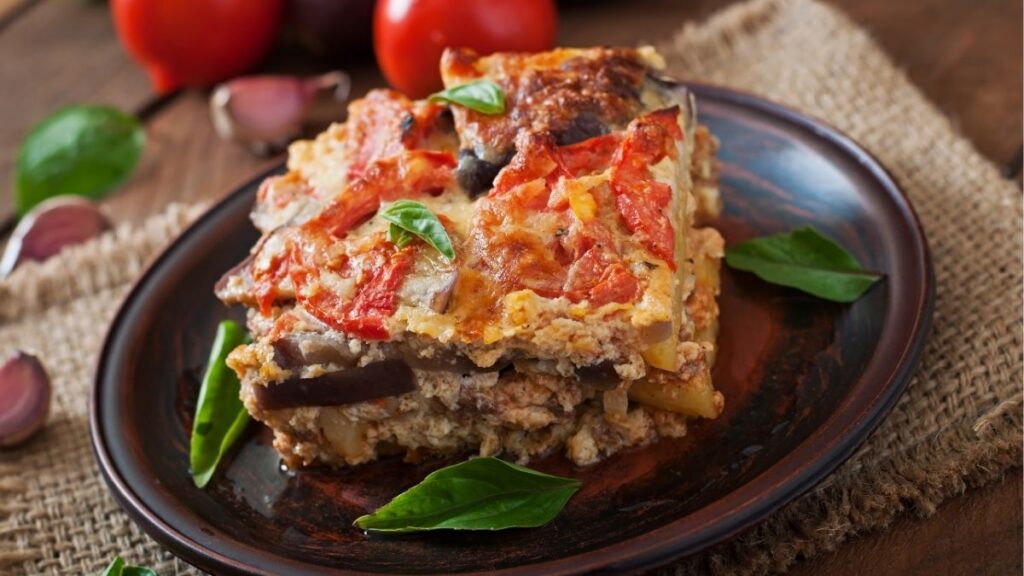
Moussaka, the classic layered eggplant, minced meat and béchamel casserole, is one of Greece’s most famous foods. It typically has grated kefalotiri cheese folded into the top, and the classic argument is whether to use ground lamb or beef for the meat layer; both are standard.
Eggplants and potatoes form the base and serve different roles: potatoes add body, and eggplants add silkiness. Both are shallow fried until golden brown to provide the dish with its decadent, luscious texture.
To prepare the béchamel, melt butter on high heat prior to adding flour and milk. Vegetarian variations replace the meat with lentils or mushrooms.
Store leftovers in airtight containers or the freezer for a few days.
2. Souvlaki

Souvlaki is one of Greece’s most beloved street foods and national dishes, consisting of grilled meat, typically pork, chicken, or lamb, marinated in olive oil, lemon, and herbs. You’ll discover it either as souvlaki, which are skewered chunks or slices of meat, or off the skewer, which is kalamaki in Athens.
Archaeology indicates the Greeks were grilling skewered meat thousands of years ago, with bronze grill holders discovered on Santorini, so souvlaki connects us to the past.
What to expect: Pita or a take-out platter with tomatoes, onions, fried potatoes, and tzatziki, which is greek yogurt, cucumber, and dill, alongside the meat.
Regional notes: Thessaloniki and other areas offer local tweaks and toppings. Go for wraps if you’re on the go or platters if you’re in for a sit-down meal.
3. Spanakopita
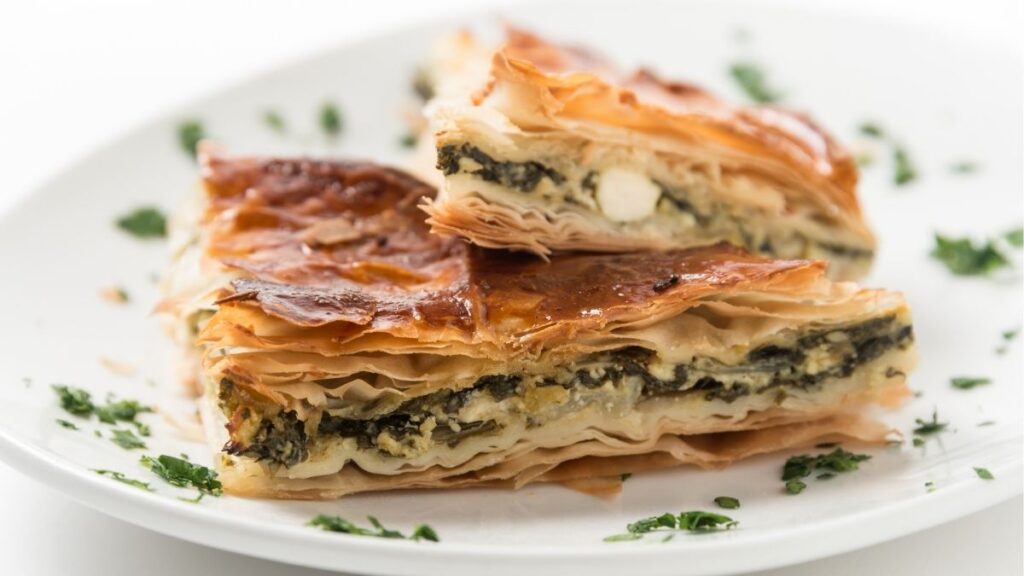
Spanakopita is a lesser known Greek classic. It consists of crispy phyllo pastry filled with spinach, feta, olive oil, and herbs baked to a golden finish.
Our favorite authentic recipe combines flaky phyllo with a comforting filling of spinach, feta, parsley, dill, onions, garlic, and eggs. You’ll find it made as a large casserole or as convenient hand pies, which can be triangles or rolls for serving.
To assemble, maintain phyllo between two fresh, moist towels so it remains flexible as you layer. Freeze cooked spanakopita and just thaw overnight in the refrigerator before baking.
PRO TIP | Store any leftovers in an airtight container in the fridge for up to four days. Enjoy as a snack, appetizer, or main dish with greek salad, olives, tzatziki, or whipped feta.
4. Avgolemono Soup
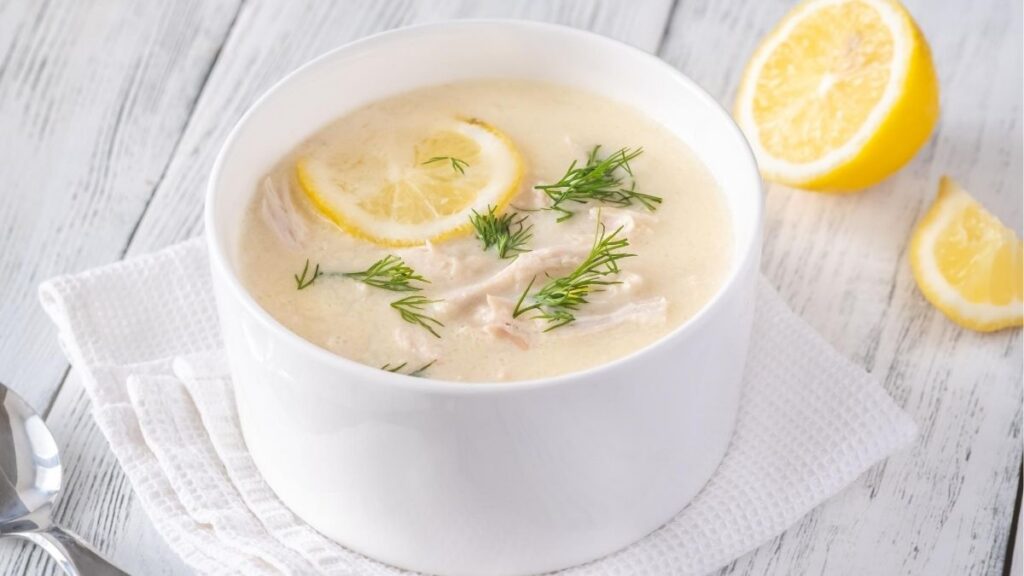
Avgolemono is a luscious Greek egg-lemon chicken soup, perfect for chilly days. The avgolemono sauce gives you that deliciously rich, silky texture, with lemon juice whisked into eggs then tempered with hot broth so the eggs don’t scramble.
Prepare it with orzo or short-grain rice. Orzo cooks in less time; rice requires more. They serve it as a main course, typically with a light Greek romaine salad.
Store leftovers in the fridge for up to 3 days or freeze for up to 3 months for no-fuss meals. This soup has the same warmth as American chicken soup but with a zesty lemon note and a thicker, creamier finish.
5. Grilled Octopus
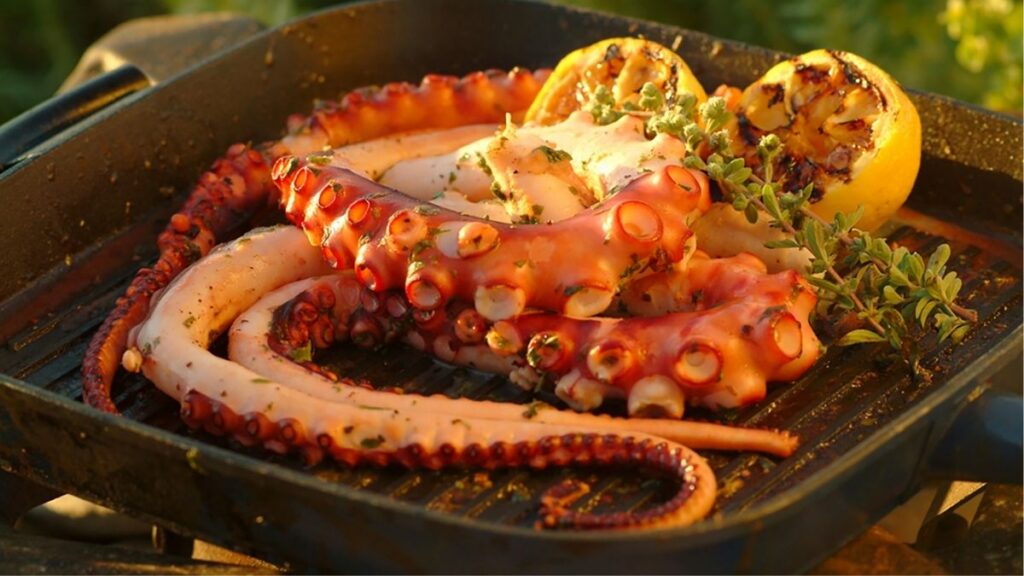
Fish and other seafood inform much of Greek cuisine, and grilled octopus lies at that heart as a coveted meze and beach must. Cooking octopus is tricky, yet Greeks tend to either boil a 1-kilogram specimen for 40 to 50 minutes or freeze it first to tenderize.
After that, they complete it on hot coals after bathing in olive oil, balsamic, oregano, lemon juice, and herbs. Marinade time can be 5 to 10 minutes, but longer, like overnight, deepens flavor.
Enjoy as a snack, buffet item, or main with rice and salad. Found at tavernas, particularly on greek islands such as Kalymnos, it adheres to Orthodox fasting guidelines. This makes it a convenient, sophisticated option for fans of fresh seafood.
6. Gemista
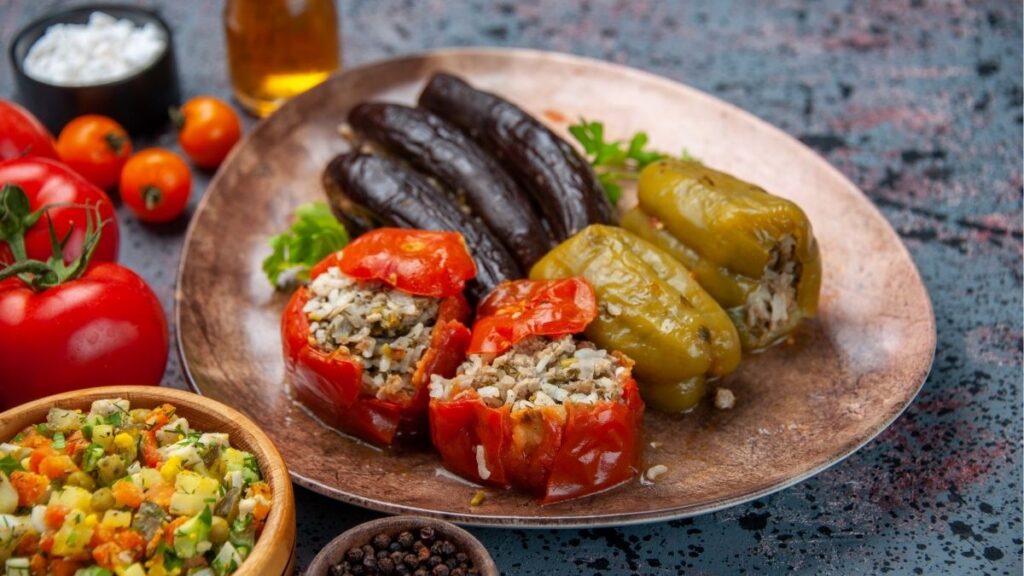
Gemista is a meat-free home-cooked meal of tomatoes and peppers filled with rice, herbs, and occasionally minced vegetables. You have sweet ripe tomatoes or bell peppers emptied and stuffed with short-grain rice, parsley, dill, mint, onion, olive oil, and a splash of tomato juice.
Bakers sometimes incorporate pine nuts or currants for texture and gentle sweetness. Slowly cooked in the oven, the vegetables emit juices that steam the rice, holding it moist without heavy fats.
Serve warm or at room temperature with crusty bread or a fresh, light salad. Gemista accommodates diverse dietary preferences and conveniently scales up for family-style dinners or communal spreads at a gathering.
7. Saganaki
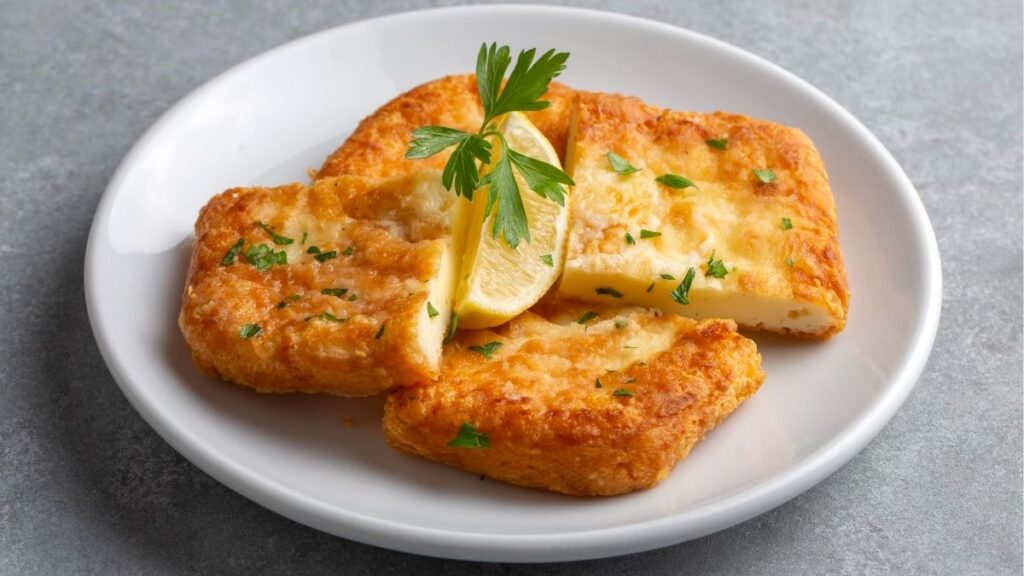
Saganaki is a small frying pan of fried cheese you’ll see as an appetizer. You prepare it in a shallow, heavy-bottomed pan with two handles known as a saganaki, searing a slab until the exterior is crisp and the middle molten.
Choose a hard cheese, kefalotyri, graviera, or halloumi, so it caramelizes without disintegrating. Kefalotyri adds assertive saltiness while graviera melts a bit further.
In Greece it’s served hot with lemon wedges and crusty bread. In North America you might encounter the flambéed version, popularized in 1968 at Chicago’s Parthenon restaurant, in which brandy is lighted tableside.
Devour it fresh, chill leftovers for up to 2 days if you must!
The Greek Culinary Philosophy
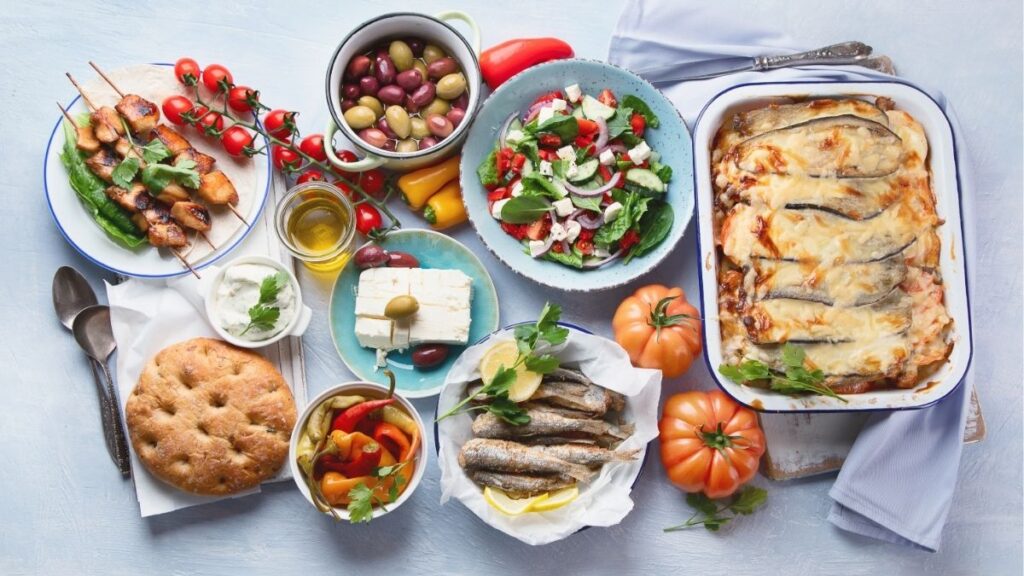
Greek cooking is founded on a handful of defined concepts that influence every plate and direct your decisions when you cook or eat. Olive oil is the foundation of flavor and technique. Dressings, frying, and slow roasting are enhanced by extra-virgin, which lends fruit and pepper notes to salads and grilled fish.
Fresh herbs like oregano, dill, and mint elevate humble ingredients. Lemon and vinegars cut through richness. Local produce, seafood, and dairy keep dishes seasonal and tied to place, from greek island octopus to mountain cheeses.
Historic layers show in recipes: ancient grain and legume use, Byzantine spice blends, and Ottoman and Mediterranean trade influences that brought new vegetables, sweets, and methods. It’s these blends that make the clean, earthy, and bright profiles you anticipate in Greece.
Regional Food Specialties
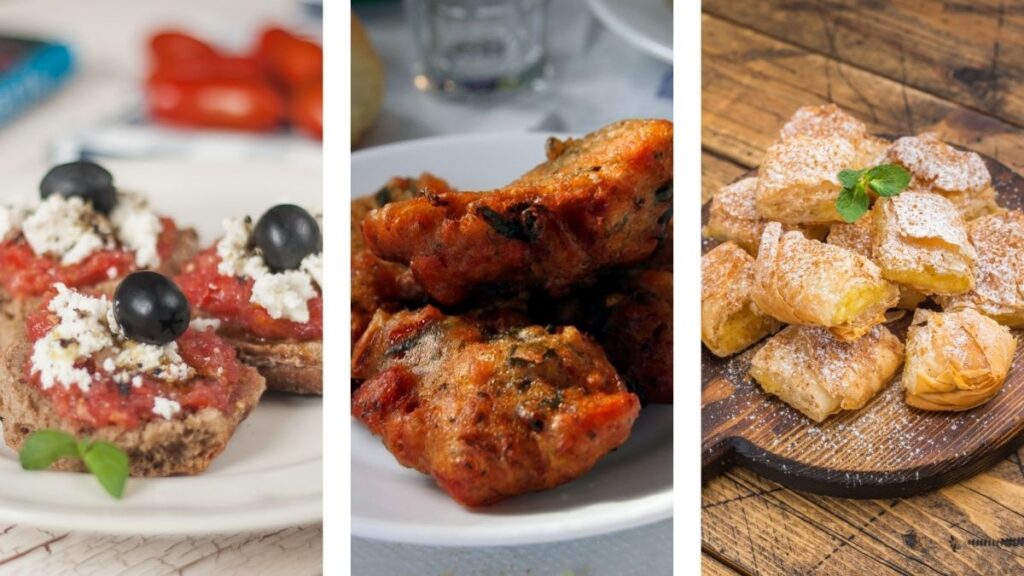
Crete has dakos, slow cooked lamb and raki. You’ll sample barley rusks covered with ripe tomato, local mizithra cheese and wild herbs.
Santorini centers on vine tomatoes and fava. Try tomatokeftedes, which are tomato fritters, and split-pea purée paired with capers and sun-dried tomato.
Thessaloniki introduces rich northern flavors such as bougatsa, which is cheese or custard in flaky pastry, and spiced meat stews reminiscent of the Balkans.
Aegean islands turn out basic fresh fish, grilled octopus and mezes with olive oil and lemon.
Local ingredients, such as Kalamata olives, PDO cheeses like feta and graviera, citrus, and fresh fish, mold recipes and home cooking. Explore markets and family tavernas for authentic originals and regional twists.
Regional specialties table
| Region | Standout dishes |
|---|---|
| Crete | Dakos, slow lamb, mizithra |
| Santorini | Tomatokeftedes, fava |
| Thessaloniki | Bougatsa, spiced stews |
| Aegean Islands | Grilled octopus, fresh fish |
Best Places to Try Traditional Food in Greece
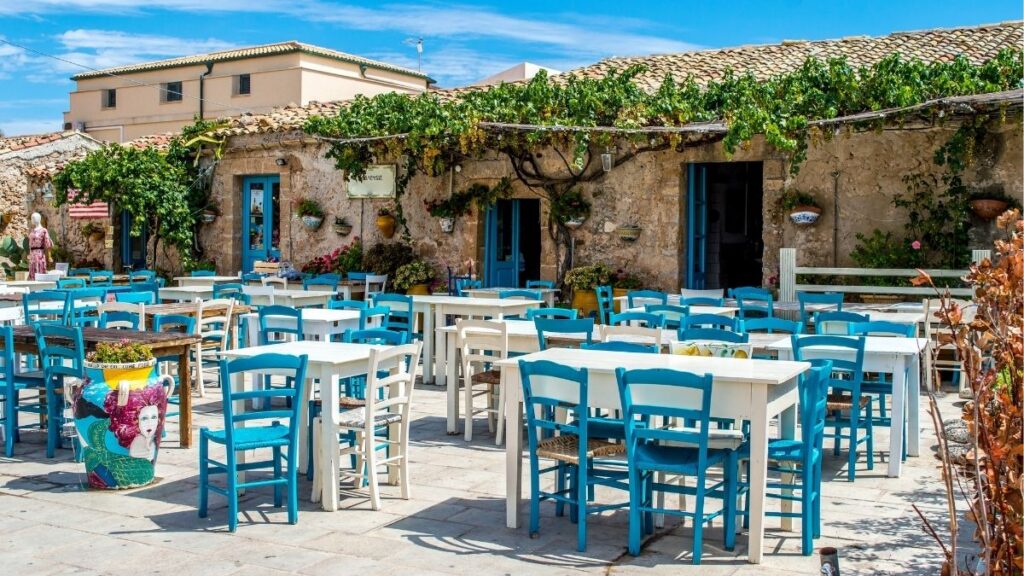
Athens has great classic tavernas and bustling street food markets to sample souvlaki, moussaka, and grilled octopus. Pop into Plaka for the family-run spots and Varvakios Market for fresh produce and meze to share.
Athens
Athens is packed with classic tavernas and lively street food markets where you can sample souvlaki, moussaka, grilled octopus, and fresh meze. Wander through Plaka for family-run restaurants such as LIONDI Traditional Greek Restaurant or Trattoria Plaka, both known for traditional Greek dishes near the Acropolis. For a more local experience, stop by Varvakios Central Municipal Market and enjoy small plates at Mezedopoleio Ta Biftekakia. Local tavernas throughout the city also serve slow-cooked stews, braised meats, olive oil specialties, gyros, and koulouri that capture the everyday flavors of Greece.
Santorini
Santorini’s seaside tavernas are celebrated for fresh seafood, island wines, and unforgettable sunset views. Sample creamy fava, tomato keftedes, and grilled fish in Oia and Ammoudi Bay at renowned waterfront spots like Ammoudi Fish Tavern or Dimitris Ammoudi Taverna. For a more refined seafood experience overlooking the water, Basalt Restaurant, Ammoudi Bay Santorini pairs elegant island fare with spectacular scenery.
Thessaloniki
Thessaloniki is famous for its baked goods, café culture, and vibrant meze scene. Taste flaky bougatsa and freshly baked koulouri at favorites such as Bougatsa Bantis or Μπουγάτσα artosglykoSKG Bakery. Around Ladadika and Modiano Market, lively meze restaurants like Full tou Meze and Taverna – Rembetika “Ladadika” serve shared plates, grilled meats, and local delicacies in a bustling atmosphere.
Crete
Crete’s rural cuisine highlights local cheeses, dakos, lamb, wild greens, and recipes passed down through generations. Traditional greek village kafeneia and family tavernas remain the heart of Cretan dining greek culture. For an authentic countryside meal, Georgia’s Traditional Taverna is a beloved spot known for homemade dishes, warm hospitality, and classic island flavors that showcase the richness of Cretan cuisine.
Tips for Trying Greek Food Like a Local
Visit family-run tavernas that focus on fresh, seasonal ingredients and traditional cooking methods passed down through generations. Ask about the house specialties, such as rich moussaka, tender grilled octopus, slow-cooked lamb, or freshly baked pies, and take time to observe how greek meals are prepared in simple, home-style kitchens. Request the daily specials to experience dishes made with ingredients that were freshest at the market that morning. In coastal villages, seafood is often caught locally and served the same day, while mountain regions are known for hearty meats, wild herbs, and handmade cheeses.
Pair your greek meal with regional wines like Assyrtiko from Santorini or enjoy greek desserts such as baklava drizzled with local honey to experience authentic flavors unique to each area. Eat later in the evening, as locals do, to enjoy a relaxed atmosphere, unhurried service, and food served at its best temperature. Order several dishes to share with friends so you can sample a wider variety of flavors and textures.
Ubigi eSIM is ideal for travelers visiting Greece

Ubigi eSIM for Greece keeps your phone online across multiple countries without swapping SIMs. You can check the coverage in your destination with nperf website. Activation is immediate upon arrival through the app and you enjoy prepaid flexible plans. Trusty mobile data gets you to authentic local restaurants, translates menus, and guides you through markets.
Select a plan that suits your visit:
- Short city breaks (3GB data plan for 7 days)
- Longer vacations across multiple regions or with data for two via hotspot sharing (10GB data plan)
- Multi-country trips within Africa (10GB or unlimited data Europe plan for up to 30 days)
Conclusion
Greek cuisine welcomes you with strong flavor, ripe ingredients and humble artistry. You’ll savor smoky grilled meat, rich soft cheese, bright lemon in soups and herbs that raise every mouthful. Go for moussaka for indulgent layers, souvlaki for speedy street food, and spanakopita for crispy spinach. Choose a coastal taverna to encounter grilled octopus and a mountain village for hearty gemista. Take our tips to order like a local and share plates to taste more.
Go for real flavor at seasonal markets and small family joints. Begin with an appetizer size, inquire about the house special, and combine your favorite food with bottled water or dry white. Let’s start planning your first meal in Greece with a Ubigi eSIM data plan!

Frequently Asked Questions
What is the best way to pronounce “moussaka” and other Greek dish names?
Pronounce slowly and stress the second syllable: mouss-AH-ka. For example, for souvlaki pronounce it SOOV-lah-kee, spanakopita span-ah-CO-pee-ta. Locals love the hustle, even if flawed.
Are Greek dishes vegetarian-friendly?
Yes. A lot of traditional dishes like spanakopita, gemista, and grilled veggies are vegetarian! Request feta or non-dairy varieties if you steer clear of cheese.
How spicy is traditional Greek food?
Greek food is mild and herb-forward, not spicy-hot. You’ll get a zip of olive oil, lemon, oregano, and garlic instead of chili heat. Request extra spice if you’re into it.
Can you eat seafood safely across Greece?
For the most part, yes, particularly on the islands and in the seaside villages where fish is caught every day. Opt for bustling greek restaurants with good turnover for a guarantee of quality and safety.
What should you order to experience regional specialties?
Think island-style grilled octopus, northern meze plates and mainland moussaka. Always get some locals or staff to tell you their local favorites.
Is it customary to tip in Greece?
Commissions welcome but reasonable. Tip 5 to 10 percent in restaurants or just round up small bills for cafes and taxis. Nice service is appreciated but not necessary. About: traditional dishes in Greece.
How can you eat Greek food like a local?
Share plates, eat leisurely, and match delicious dishes with local wine or ouzo. Drop by local family-run greek taverns and sample seasonal specials.








 How to check eSIM compatibility
 How to check carrier unlocking