


Key Takeaways
- As with any cuisine, the first step to discover authentic African food is to research staple ingredients like grains, yams, beans, and native spices to get a sense of fundamental flavors.
- Taste some West, East, North, and Horn dishes with a few signature dishes: jollof rice, injera with doro wat, tagine, and pilau.
- Find berbere, palm oil, or cassava flour at your local or specialty African market for authentic flavors at home.
- Enjoy the cuisine socially by sharing platters, dining family-style, and exploring markets, street stalls, and cultural festivals to witness food’s role in rituals and everyday life.
- Keep in touch on the go with a Ubigi eSIM for Africa to locate local restaurants, translate menus, navigate neighborhoods, and post your food finds live.

Introduction
African authentic food refers to traditional dishes and cooking styles rooted in the continent’s diverse cultures and ingredients.
You discover hearty stews, flame-grilled meats, fermented staples and an array of grains that mirror local climates and histories.
Our meals strike the perfect balance between boldly spiced, fresh and slow-cooked to create deep flavor and nutrition.
The guide below aids you in identifying staple dishes, flavor profiles and options that are easy to attempt at home or nearby restaurants.
What is Authentic African Food?
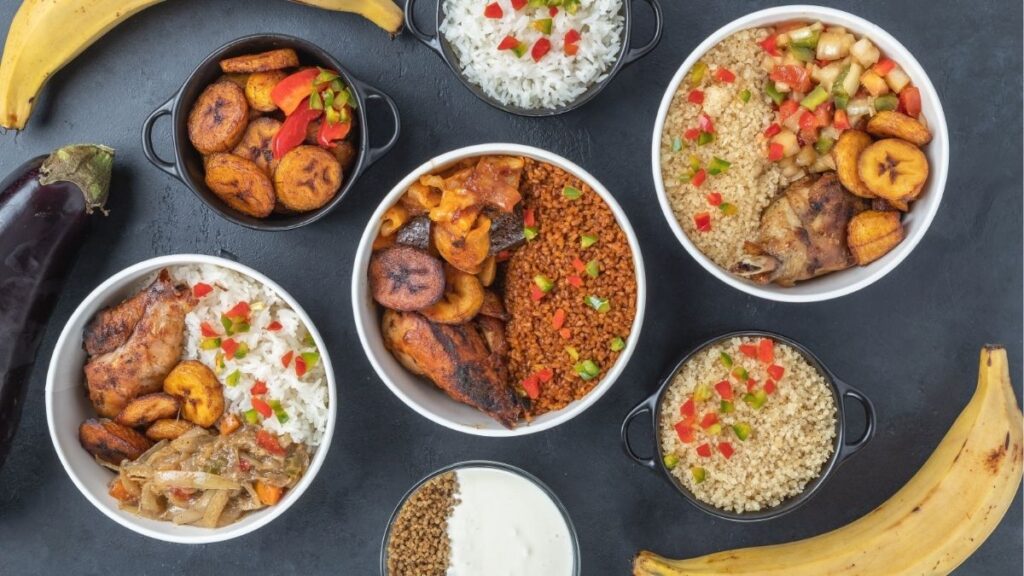
Real African cuisine refers to a big group of local dishes based on generations-old cooking methods and indigenous crops. It sprouts from soil and weather and centuries-old trade routes. You’ll find meals that use what’s on hand: yams, cassava, plantains, sweet potatoes, cocoyams, maize, beans, and a range of greens and seeds.
Many recipes date back to what ancestors ate, like okra, which connects to dishes beyond the continent like Louisiana gumbo.
That’s what makes African food so bold and flavorful, with its intoxicating aroma from indigenous spices, vegetables, and meats. This encompasses toasted seeds, native chilies, tamarind, and place-specific spice blends.
Veggies like cassava leaves or okra and seeds like sesame or groundnuts lend body and depth. Steaks vary from beef and chicken to game such as antelope, warthog, and even crocodile in places, employed when possible and connected to local hunting and traditions.
Central Africa combines East, West, and Southern influences with trade and colonial history, which introduced European ingredients and techniques. Countless coastal and trade-hub cuisines assimilated foreign spices and methods while retaining indigenous staples.
You can read authentic African food as an archive of place and people: what crops thrive, how families share meals, what festivals call for special dishes, and how history moved ingredients across borders.
8 Must-try African Dishes
Explore signature meals that highlight Africa’s variety of spices and methods. Beneath each is a brief description of what it is, where it is from, how it is prepared, and how you would typically eat it.
1. Jollof Rice (West Africa)
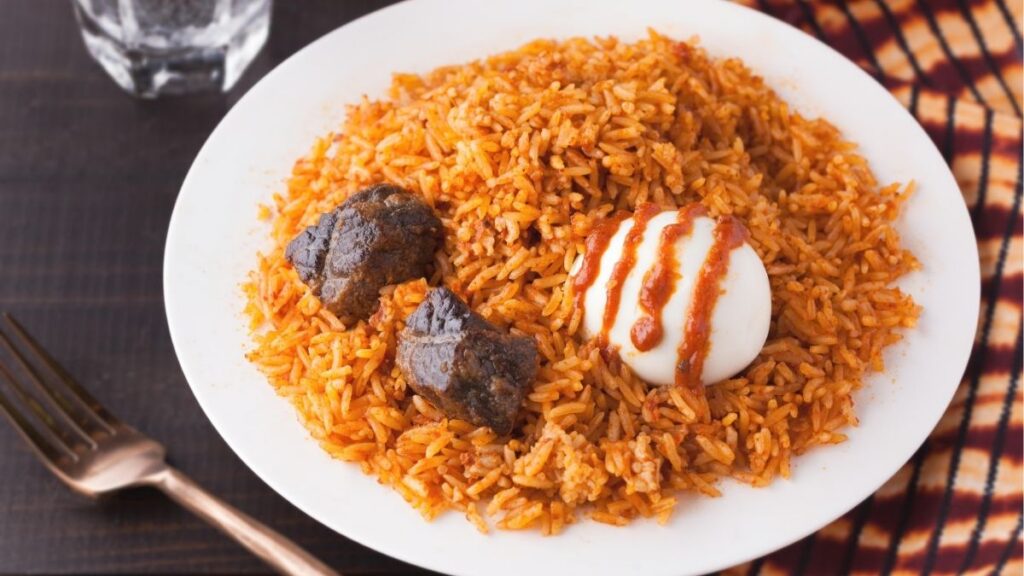
Jollof rice is a flavorful tomato-based rice dish cooked with stock, onions, peppers, and spices until the grains absorb a rich red color. It is especially popular in Nigeria, Ghana, and Senegal, where recipes vary by region and personal taste.
Common additions include chicken, fried fish, or smoked turkey, and it is often served with fried plantains or fresh salad.
2. Couscous (North Africa)
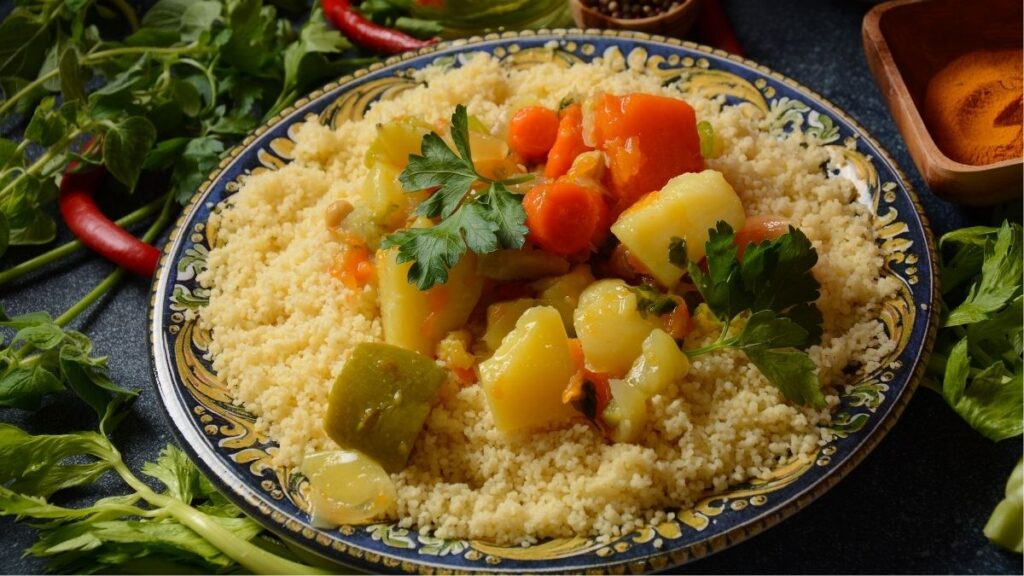
Couscous consists of steamed semolina grains that are commonly served with meat and vegetable stews. In countries such as Morocco, Algeria, and Tunisia, it forms the base of meals featuring lamb, carrots, chickpeas, and aromatic spices. The grains should remain light and fluffy, allowing them to absorb the flavorful broth without becoming sticky.
3. Tagine (Morocco)

Tagine is a traditional Moroccan stew slow-cooked in a distinctive conical clay pot. The dish may contain meat, chicken, fish, or vegetables and often combines sweet and savory flavors through ingredients like prunes, apricots, or preserved lemons. It is commonly eaten with bread or couscous to soak up the rich and fragrant sauce.
4. Bunny Chow (South Africa)
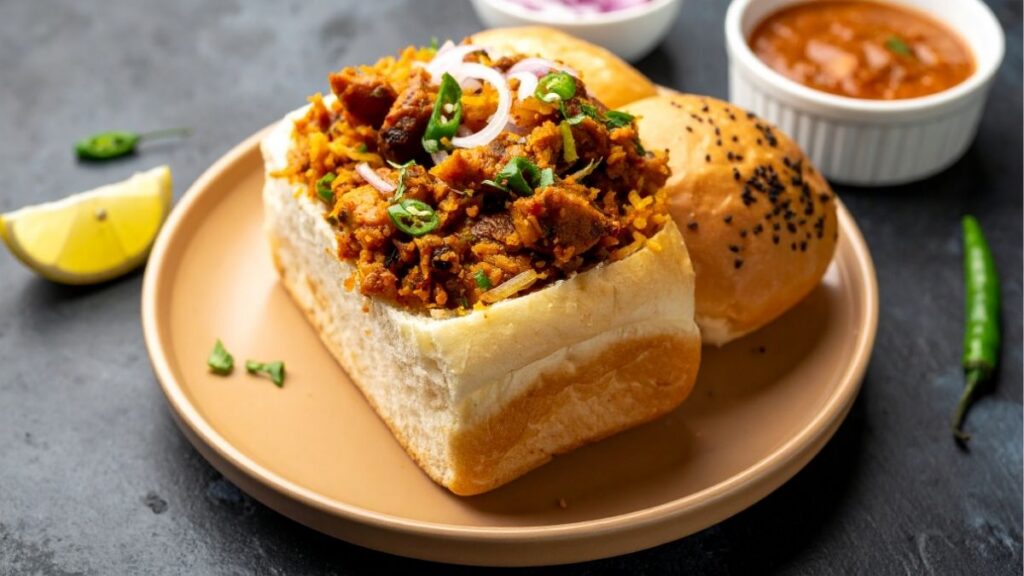
Bunny chow is a popular street food from Durban, South Africa, made by filling hollowed-out bread with spicy curry. The curry can include lamb, chicken, beans, or vegetarian ingredients and is traditionally eaten by hand. Its portability, bold flavor, and casual style make it a favorite quick meal for locals and visitors alike.
5. Injera with Doro Wat (Ethiopia)
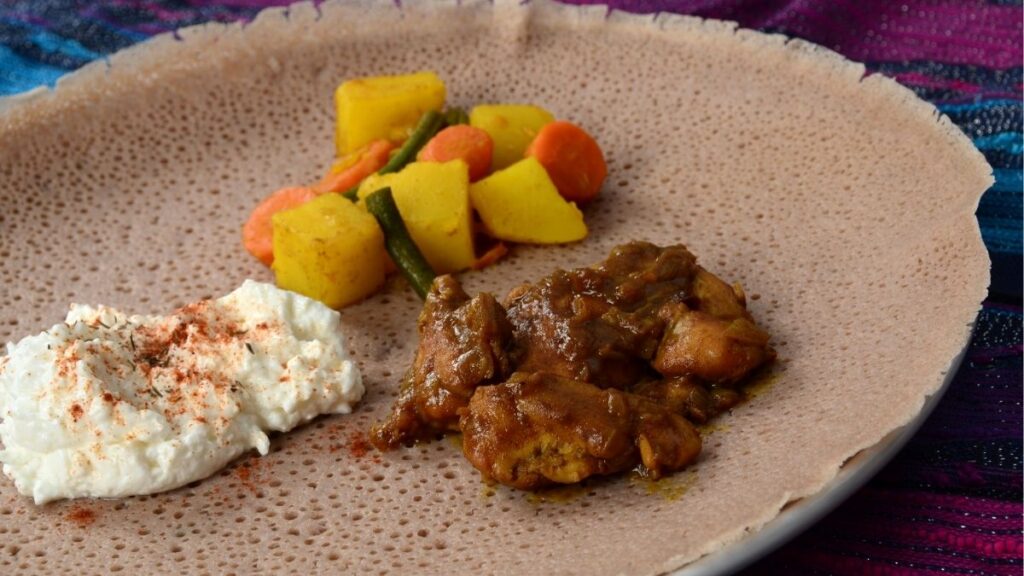
Injera is a soft and slightly sour flatbread that serves as both a plate and utensil in Ethiopian cuisine. Doro wat, a rich chicken stew seasoned with berbere spice and slow-cooked onions, is commonly placed on top of the bread. Diners tear pieces of injera by hand to scoop up the stew, which often includes hard-boiled eggs.
6. Suya (Nigeria)
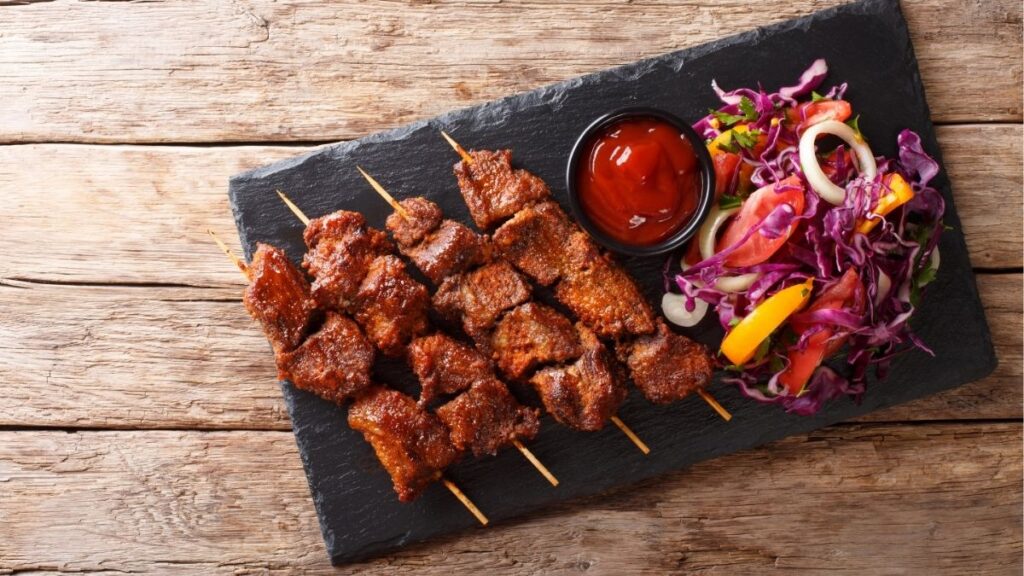
Suya is a Nigerian street food made from skewered meat coated in a spicy peanut-based seasoning and grilled over open flames. Vendors often prepare it with beef, chicken, or organ meats and serve it with sliced onions, tomatoes, and extra spice. The combination of smoky flavor and crunchy seasoning makes it a popular snack and quick meal.
7. Bobotie (South Africa)
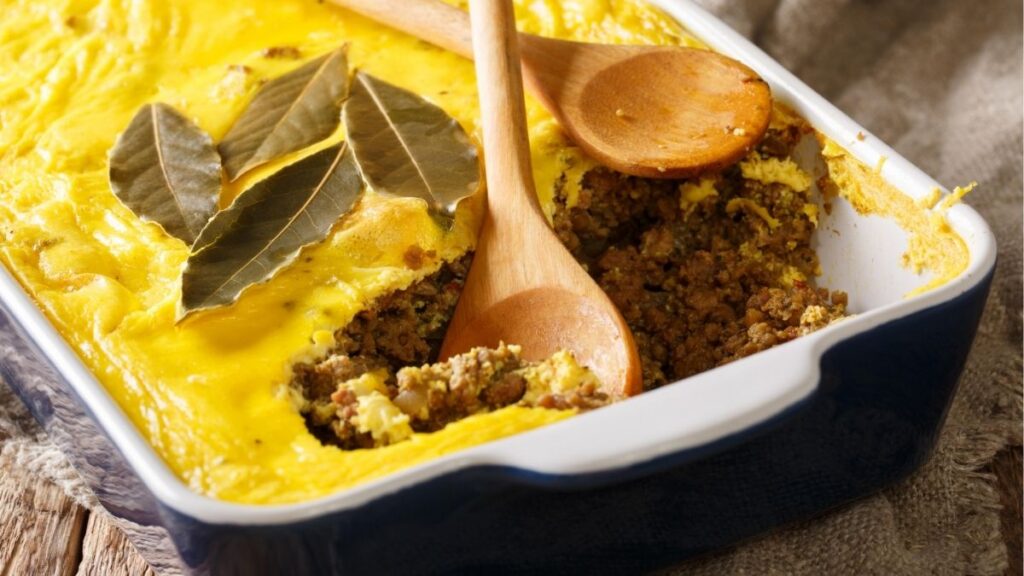
Bobotie is a South African dish made with seasoned ground meat baked beneath a layer of egg custard. The filling often combines curry powder, fruit chutney, minced beef, or lamb to create a balance of sweet and savory flavors. It is commonly served with yellow rice and sambal, which add freshness and extra spice to the meal.
8. Pilau (East Africa)
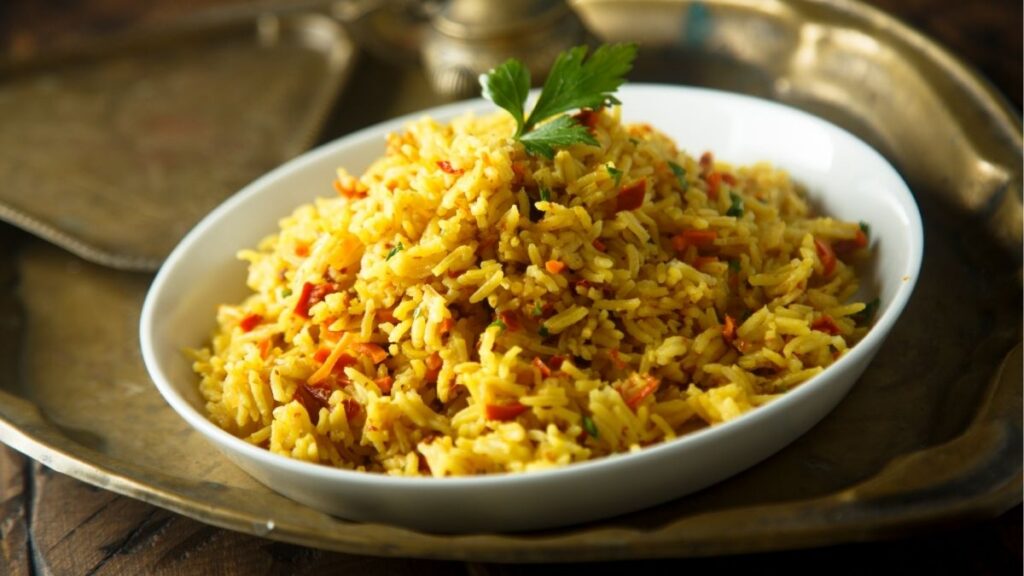
Pilau is a fragrant East African rice dish strongly influenced by Indian cooking traditions. The rice is cooked with spices such as cardamom, cloves, and cinnamon, often alongside beef or goat meat for additional richness. Popular in Kenya and Tanzania, pilau is filling, aromatic, and frequently prepared for celebrations and large gatherings.
Experience Traditional African Dishes

Old-school African cuisine brings the continent’s past and present to the table. Try easy recipes like Nigerian jollof rice, Kenyan nyama choma, or Senegalese thieboudienne. These dishes show how staple grains, grilled meats, and fish stews combine to create satisfying meals.
Jollof rice and injera have become global favorites, while South African boerewors and biltong remain local staples. Authentic ingredients improve flavor and texture. African grocers, spice shops, and online stores often provide authentic products and clear origins.
Fresh ingredients also improve consistency and flavor. Slow stewing develops rich taste in West African soups enjoyed during daily meals and celebrations. Open-fire grilling gives nyama choma its smoky aroma and charred flavor.
Using a pestle and mortar for spices and pastes releases oils and enhances aroma. Small changes in cooking methods, such as longer simmering, coarse grinding, or charcoal heat, can make dishes taste more authentic.
Organize a tasting menu or themed dinner to explore regional diversity. Pair North African couscous and Moroccan tagine with East African injera and tibs. Finish with South African biltong or malva pudding for variety.
Where to sample these dishes
If you want to experience these dishes while traveling, try popular restaurants and local favorites such as Yellow Chilli Victoria Island Lagos or NOK by Alara in Nigeria for jollof rice, pepper soup, and suya.
In Kenya, enjoy nyama choma at places like Njuguna’s Place, Road House Grill – Dennis Pritt, and Nyumbani Restaurant, where you eat charcoal-grilled meats with ugali, kachumbari, and local sauces.
West African restaurant groups such as 805 Restaurants also help introduce Nigerian and Ghanaian cuisine to diners across Africa and abroad.
When traveling, sample African cuisine at local markets, street stalls, restaurants, and cultural festivals for authentic regional dishes and memorable food experiences.
Tips for Trying African Cuisine
Across regions and ethnic groups, African cuisine encompasses rich, varied traditions. Think whole foods, slow cooked stews, spicy spice blends, and lots of veggie or vegan dishes. Communal dining and family-style service are central. You will see that shared platters, bowls of fufu or injera, and communal stews create social bonds and are often how locals enjoy these meals.
Communal Dining and Serving
Communal eating influences timing and quantity. You will sit near, grab onto communal dishes and eat from the same plate or board. It just reinforces hospitality and conversation. Shared platters allow you to try several dishes at once. Sample a combo of jollof rice, suya, and a veggie stew and compare the textures and spice.
Pack a willingness to eat with your hands where traditional. You can always use utensils as you need. Keep in mind that a lot of soups and salads are appetizers or main courses, so order with care.
Food in Rituals and Celebrations
- Ceremonial feasts mark life events. Weddings, births, and harvests feature special dishes that signal status and history.
- Religious observances influence menus. Fasting periods and festival days shape what is served and when.
- Communal sharing is symbolic. Offering the first portion or a shared bowl often shows respect.
- Seasonal rituals use local produce. Cassava, millet, and yams appear in festival foods tied to harvests.
- Music and dance accompany meals. Food service often aligns with performance and storytelling.
All of the above demonstrates that food is tied to identity, time, and place throughout Africa.
Plan Your Travel Connectivity with Ubigi

Ubigi eSIM for Africa keeps your phone online across multiple countries without swapping SIMs. You can check the coverage in your destination with nperf website. Activation is immediate upon arrival through the app and you enjoy prepaid flexible plans. Trusty mobile data gets you to authentic restaurants, translates menus, and guides you through markets.
Select a plan that suits your visit:
- Short city breaks (3GB data plan for 7 days)
- Longer vacations across multiple regions or with data for two via hotspot sharing (10GB data plan)
- Multi-country trips within Africa (10GB or unlimited data Africa data plan for up to 30 days)
You can research recipes, allergen notes, and communicate with hosts. With consistent data, you can share pictures and route maps in real-time, helping you hop from region to region where staples shift from grains to fish and spice blends.
Conclusion
You experience bold flavors, fragrant fresh spices, and food that connects the meal to place and people. Sample jollof rice and fried plantain, egusi soup and soft pounded yam, or a hot braai and maize salad. Taste notes smack sweet, sour, salty, and bitter in small bites and big stews. Look for street stalls, family spots, or a market chef for the most authentic plates.
Grab a fork, or get in there with your hand like the locals. Inquire about spice levels and components. Share plates to taste more. Keep an open mind and hungry curiosity.
Hungry to discover some African authentic food? Find a local kitchen or recipe and try one dish this week with your Ubigi eSIM data plan for Africa.

Frequently Asked Questions
What makes African food “authentic”?
African authentic food employs heritage recipes, regional ingredients and cooking techniques passed down from generation to generation. It’s about regional history and culture, not fusion or over-Westernized versions.
Which African dishes should I try first?
Kick things off with berbere-spiced jollof rice, injera with wat, melty egusi soup, bunny chow, suya, bobotie, and tagine. These are West, East, Central, Southern, and North Africa flavors.
Are African dishes spicy or mild?
It varies by region. West and East African dishes often use bold spices and chili. North African cuisine uses warm spices like cumin and paprika. Ask about heat levels or request milder versions.
Can I find authentic African ingredients outside Africa?
Yes. Most African staples such as yams, cassava, millet, plantain, and spices are at international or online stores. Local African markets generally have the best.
How should I eat traditional dishes?
Follow local customs: use your right hand for communal dishes in many cultures, tear injera to scoop stews, or serve tagine family-style. When uncertain, inquire of the host or server politely.
Are African dishes healthy?
A lot of African dishes utilize whole grains, legumes, vegetables, and lean proteins. Old school cooking and balanced spices can promote a healthy diet when sensibly portioned.
How can I find authentic African restaurants near me?
Scout community reviews, African cultural centers, and niche food blogs. Seek out menus with traditional ingredients and dishes, and see if chefs or owners are from the region.








 How to check eSIM compatibility
 How to check carrier unlocking