


Summary
- 1) Key Takeaways
- 2) Introduction
- 3) 1. Turkish Delight (Lokum)
- 4) 2. Turkish Tea and Coffee
- 5) 3. Evil Eye (Nazar Boncuğu)
- 6) 4. Turkish Carpets and Kilims
- 7) 5. Spices and Saffron
- 8) 6. Turkish Lamps
- 9) 7. Ceramics and Iznik Tiles
- 10) 8. Leather Goods
- 11) 9. Handmade Jewelry
- 12) 10. Turkish Towels (Peshtemal)
- 13) How to Shop Smart
- 14) Stay Connected in Istanbul
- 15) Conclusion
- 16) Frequently Asked Questions
Key Takeaways
- 10 Souvenirs to bring back from Istanbul for friends and family include Turkish delights, baklava or boxed sweets from reliable vendors at the Spice Bazaar.
- Purchase some Turkish tea, coffee, and a cezve or tea glasses so you can enjoy the local café ceremony on your return.
- Select an evil eye for a featherweight, heartfelt souvenir that represents Turkish protection.
- Go for handwoven carpets, kilims, or Iznik-style ceramics for enduring, beautiful accents that highlight Turkish artistry.
- Grab some sumac, paprika, and saffron from the Spice Bazaar to give your cooking some authentic Turkish seasoning.
- Shop wisely, too. Purchase from trusted vendors, verify quality and certifications for expensive goods, and haggle a little at places like the Grand Bazaar.
- For the best Istanbul shopping experience, stay connected at all times with a travel eSIM like Ubigi for Turkey.

Introduction
The best Turkish souvenirs are tokens you acquire to recall the metropolis and its heritage. Ceramics, spices, textiles, and little copperware are scattered among bazaars and local shops. Prices depend on the district and the individual shop, and haggling frequently reduces them in bazaars such as the Grand Bazaar.
Quality varies from handmade to mass-produced, so examine materials and workmanship. The guide below helps you pick up meaningful keepsakes and keeps affordable prices in check while avoiding typical souvenirs shopping mistakes.
1. Turkish Delight (Lokum)
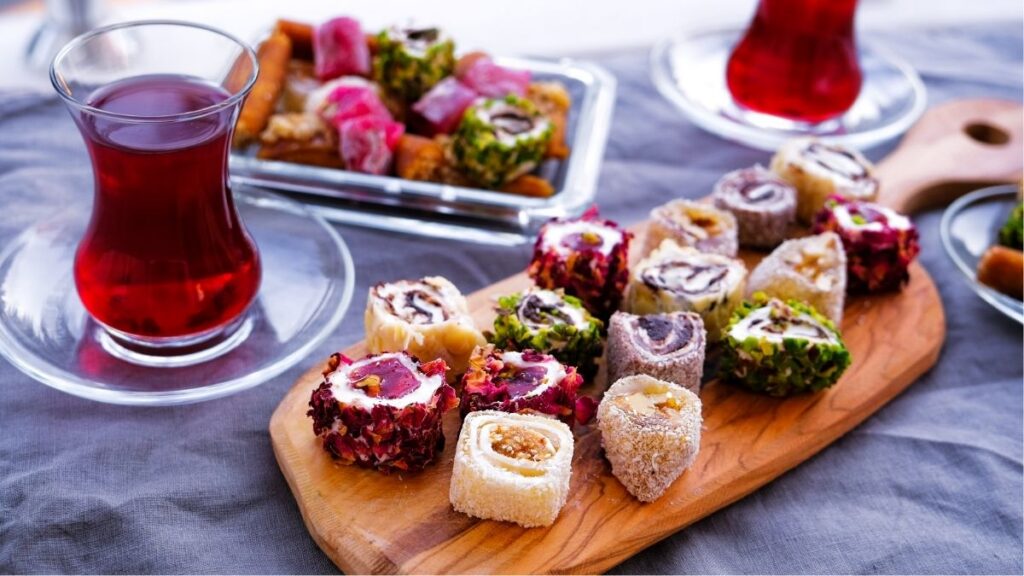
Choose lokum from legendary houses like Hacı Bekir or Hafız Mustafa to get an authentic taste of Istanbul’s sweet traditions. Turkish Delight, called lokum from Arabic luqma (t) meaning “morsel,” likely began in Safavid Iran or early Ottoman lands and reached palace tables by the 17th century.
Made from starch, sugar, and flavorings such as fruit, nuts, or honey, its chewy texture came after cornstarch replaced flour in the mid-19th century. Finished pieces are dusted in powdered sugar.
Find them at the Spice Bazaar and reputable confectioners, often sold in mixed boxes alongside baklava and other sweets, nicely wrapped for gifts. Regional names include Rahat Lokum and Loukoumi.
2. Turkish Tea and Coffee
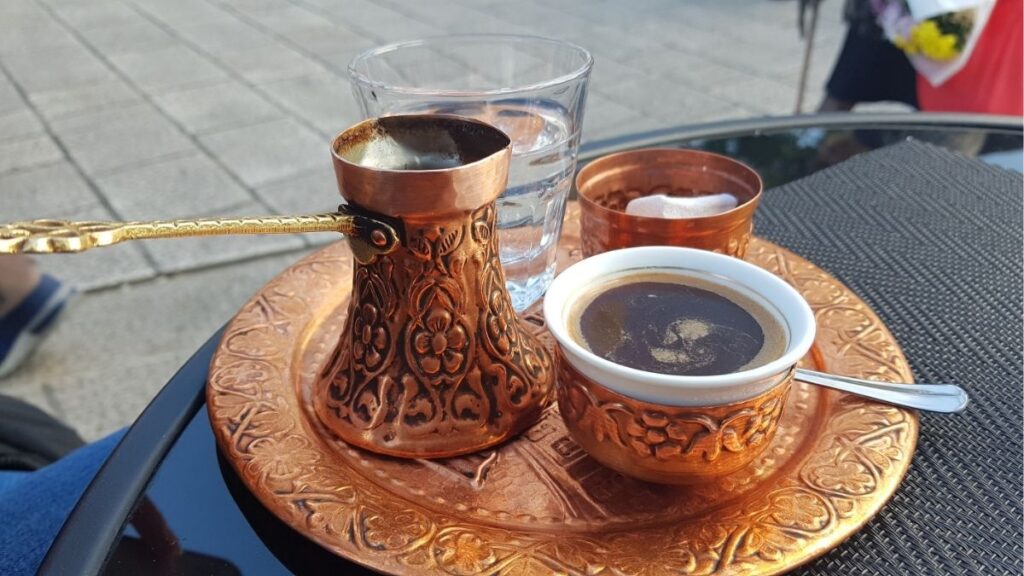
Bring home Turkish tea, apple tea, or finely ground Turkish coffee along with a cezve and traditional cups to recreate the café atmosphere. Tea and coffee are both at the heart of Turkish hospitality and social life, dating back to Ottoman times and served in cafés where locals congregate to chat and unwind.
Turkish tea sets and coffee sets, usually ceramic with classic designs, are a practical souvenir and come complete with those tiny tulip-shaped glasses used for the concentrate and a second glass or pot of hot water so you can dilute to taste.
Turkish coffee is strong and rich, made from very finely ground beans and served in small cups to enjoy the smell and flavor. It offers a bold taste that might be overwhelming for some.
3. Evil Eye (Nazar Boncuğu)
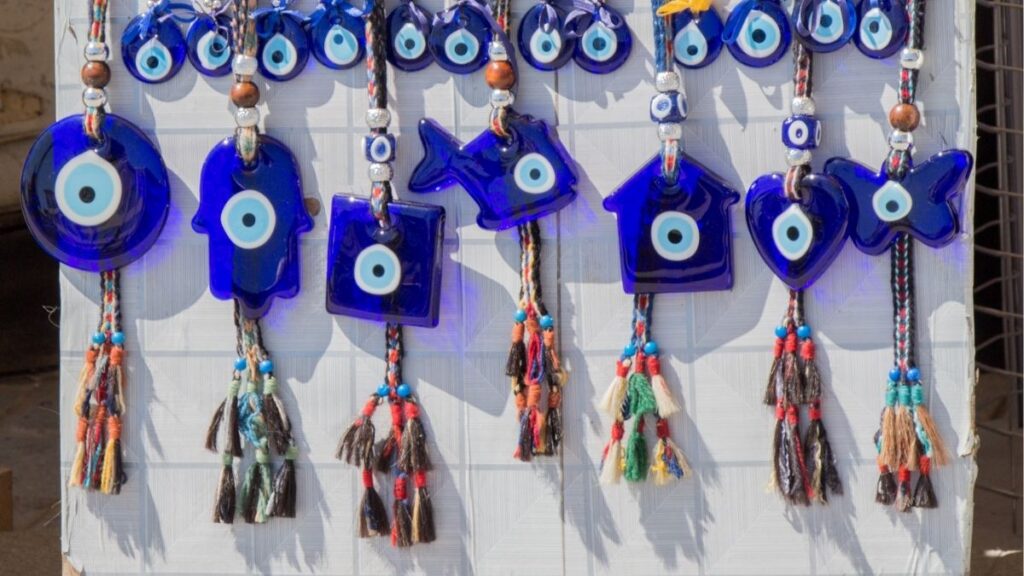
Evil eye is a symbol thought to act as protection against bad energy. Nazar boncuğu adorns bracelets, keychains, wall hangings and jewelry throughout Istanbul’s markets, typically in deep blue intended to protect and absorb malevolence.
Nazar boncuğu translates to ‘evil eye bead’ (nazar = gaze, boncuk = bead). The authentic beads are blown glass with handmade concentric circles in dark blue, white, light blue, and black.
It’s a very old tradition, more than 5,000 years, and beads are frequently hung on houses, cars, or gifted to babies. If a bead cracks, many people say it has absorbed the misfortune on your behalf.
Choose mass-made or artisan pieces and choose blown-glass for credibility.
4. Turkish Carpets and Kilims
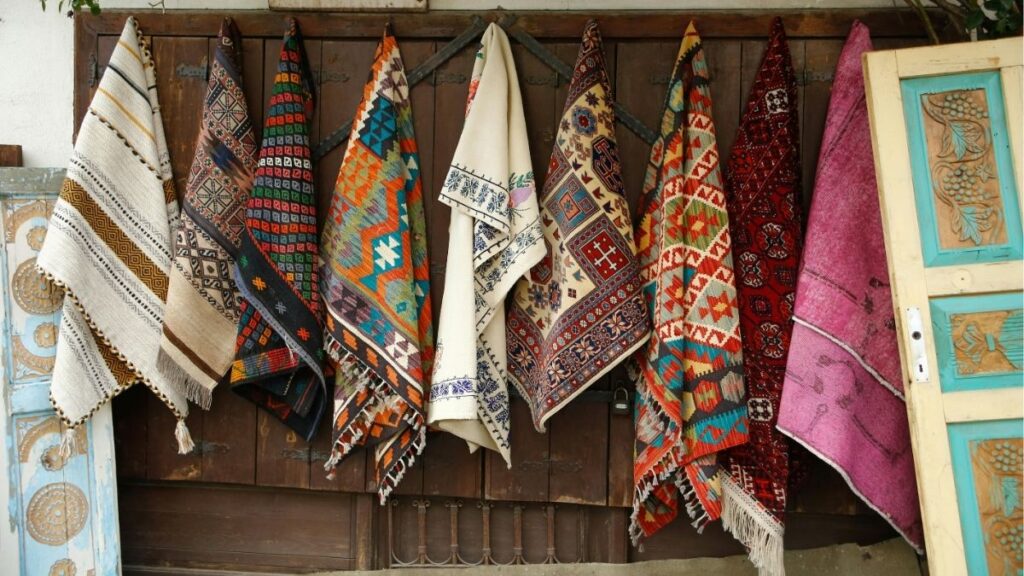
Handwoven carpets and kilims are among Turkey’s best-known crafts, each with its own patterns and stories that connect you to generations of tradition. Quality hinges on materials: fine wool and silk cost more but last longer and feel better.
Traditional pieces may employ homemade dyes, providing bright, unique colors. Age and rarity boost worth. Antique examples from Uşak, featuring Persian floral designs, are especially desirable.
It’s slow and skilled production, sometimes taking years to produce, that makes them worth so much. Shop in the Grand Bazaar but keep to certified carpet shops to avert copies made abroad.
Think of them as cultural investments that can appreciate and double as eye-catching, poignant statement pieces for your home.
5. Spices and Saffron
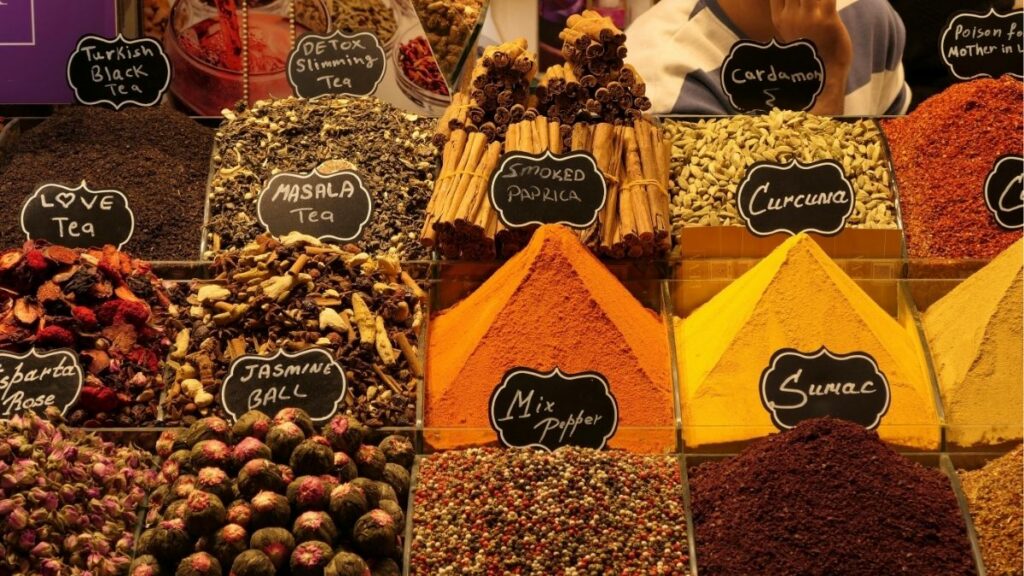
Pick out top-quality Turkish spices and saffron at the Spice Bazaar or local markets to bring genuine Turkish taste to your food! The Spice Bazaar, known as the Egyptian Bazaar, dates to Ottoman trade routes and rests on Istanbul’s Silk Road heritage, so you’re purchasing spices with history and provenance.
The bazaar is a wonderland of spices, including saffron, sumac, paprika, cinnamon, thyme, and mixed blends, all adorning the stalls. Turkish saffron imparts a subtle floral flavor, a mild bitter undertone, and a golden hue to rice, stews, and sweets.
Don’t be surprised to haggle; it’s expected. Purchase small sealed samples, inquire about the source, and keep spices in airtight containers stored away from light.
6. Turkish Lamps
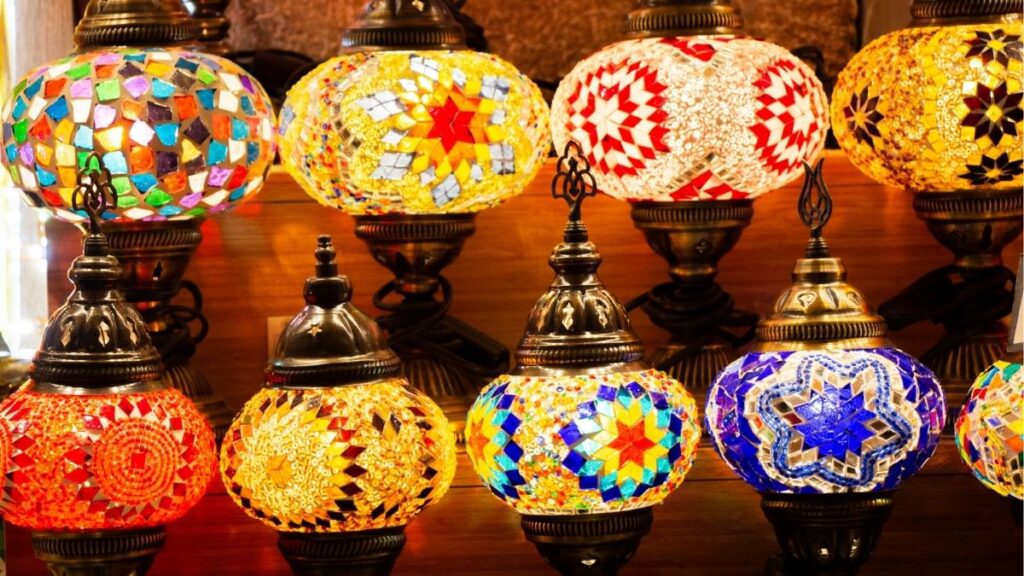
Colorful mosaic glasswork brings the ambiance of Istanbul into your home decor with these vibrant Turkish lamps and lanterns. Handmade from tiny glass pieces set into geometric patterns that often have symbolic meaning from centuries of Anatolian tradition, these lamps are one of Istanbul’s most visually striking souvenirs.
Though the craft is over 4,000 years old, it flourished during the Byzantine period and reached its height under the Ottomans. Makers hand-cut glass, layer it on a hand-blown base and complete with brass or bronze fittings, which is a painstaking and time-consuming craft.
Use as table, wall or pendant lights to add a warm, decorative glow to any interior.
7. Ceramics and Iznik Tiles
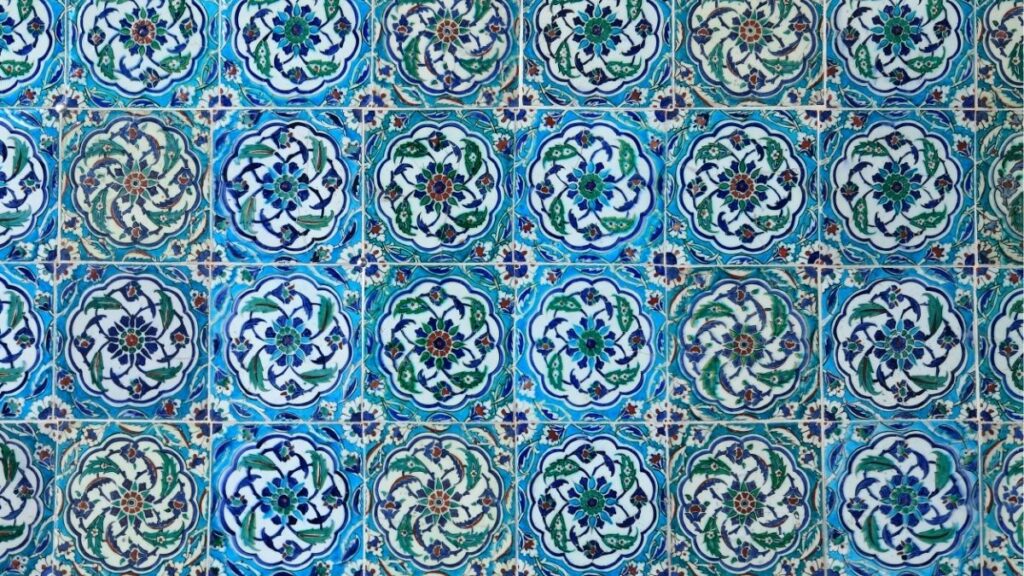
Select ceramics and Iznik tiles with Ottoman motifs as wall art or dinnerware that display Turkish artisanry. Iznik was the capital of pottery in the 15th century and enjoyed a golden era of approximately 100 years.
You’ll encounter typical Ottoman art featuring intricate floral and geometric patterns, saz leaves, tulips, and prunus flowers. Colors matter: deep blues, vibrant red glaze developed by 1555, and emerald green perfected by 1560 give pieces their look.
These Iznik tiles, which adorned the Süleymaniye Mosque and other monuments, translate beautifully to decorative plates or framed panels. As a side note, scholars use “Iznik” generically for 16th–17th century Ottoman glazed ware; separating categories can be difficult.
8. Leather Goods
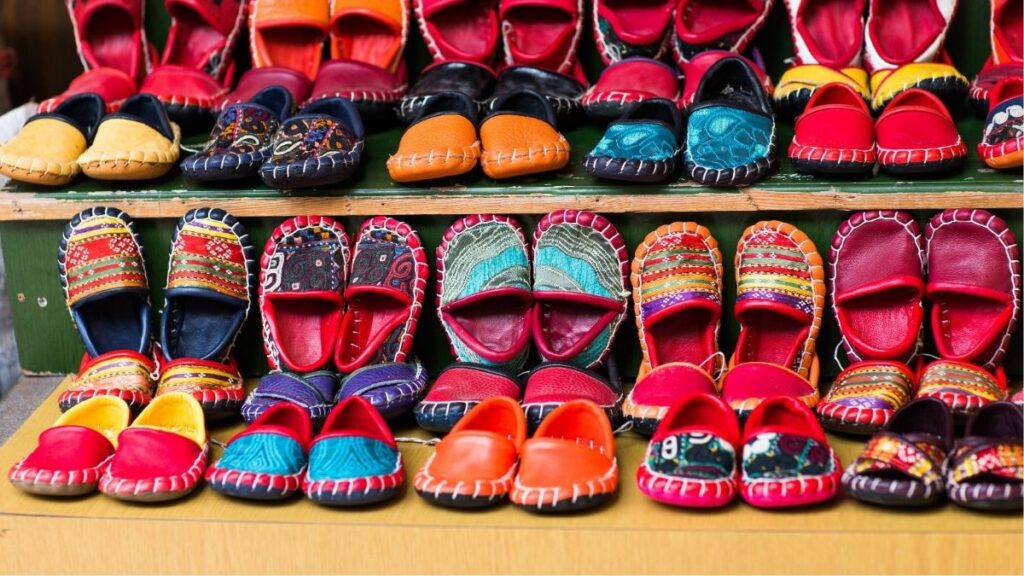
Opt for quality leather goods and typical garments such as bags, wallets, slippers, belts, and jackets from artisan workshops or leather markets for lasting, fashionable presents. Turkish leather, durable and of fine craft, straddles modern and designer while still holding onto the past.
A standard-size purse will cost around 250 TRY, and a leather jacket goes for approximately $250 to $500 USD. There are some workshops like Prens Leather and Punto Deri that provide custom or tailored pieces and collections that either follow world trends or advance avant-garde styles.
Buying leather in Istanbul is sociable; expect bargaining and friendly service, especially during discounts from March to October when 30 to 50 percent off is common. Since 2006, the Eurasia fur and leather fair has showcased industry diversity and emerging designers.
9. Handmade Jewelry
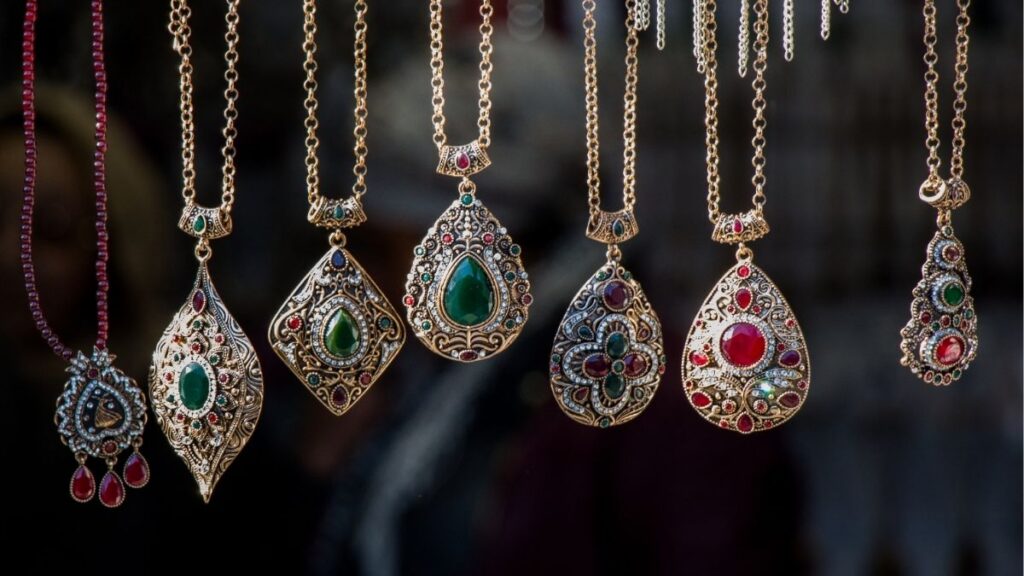
Shop handmade jewelry at Istanbul’s ancient jewelry market or boutique stores for silver accessories and Ottoman-style jewelry that stand out as unforgettable Turkish mementos. You’ll discover handmade gold and silver work based on Ottoman and Byzantine motifs, which is frequently used for sophisticated presents.
All pieces are created by a single craftsman, so they are one-of-a-kind, with little blemishes that provide personality. Materials span from precious metals and stones to wood, bone, or repurposed materials. Crafting takes time and Turkish craftsmanship, so you can charge more than a mass-made good.
Seek out jewelers who incorporate wire wrapping, metalwork, or bead work, and inquire about repair or repurposing opportunities to prolong a piece’s longevity.
10. Turkish Towels (Peshtemal)
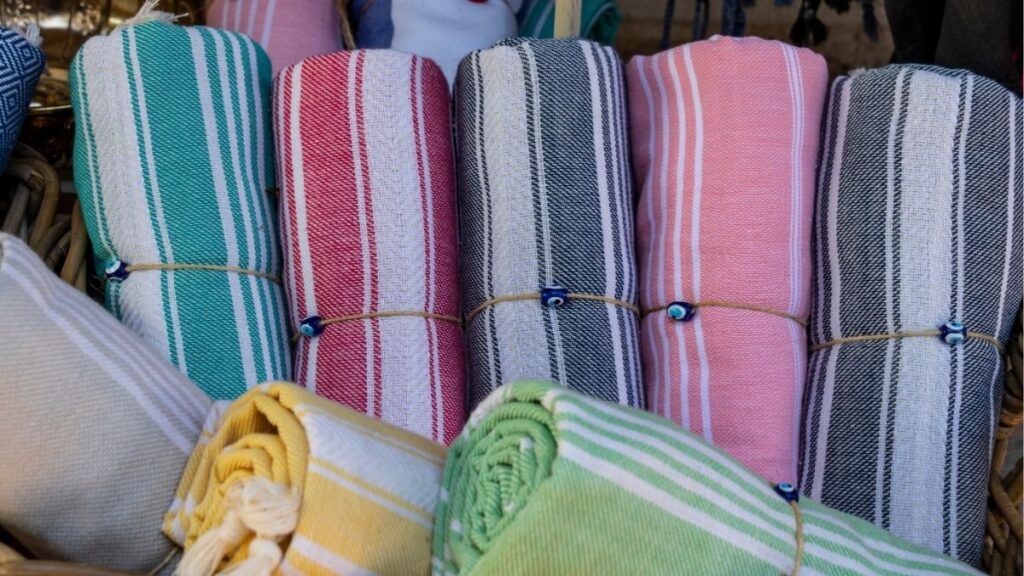
Turkish hammam towels, or peshtemal, inspire a perfect mix of function and understated style. Choose 100% Turkish cotton for softness that gets better with every washing. They’re lightweight, dry quickly, and absorb like a dream, so they’re perfect for travel, beach days, or bath time.
Wear yours as a scarf or wrap, use it as a tablecloth or a lightweight blanket. Patterns and colors make it easy to coordinate with your home or luggage. Authentic peshtemal are pricier than discount knock-offs because of better cotton and handwork, but they don’t lose their absorbency or fluff over time.
Their care conserves water and energy, so they complement your low-impact lifestyle and provide a little slice of Turkish culture.
How to Shop Smart
To find the best Istanbul souvenirs, shop with a plan. Compare prices across the Grand Bazaar, Arasta Bazaar, outlet malls, and local markets to find the best value for similar items.
The Grand Bazaar is ideal for traditional crafts and mass souvenir shopping. The Spice Bazaar is perfect for spices, tea, and gourmet gifts at fair prices.
Karaköy and other modern districts house designer and artisan shops for one-of-a-kind items.
Bargain in bazaars and street markets. Start around 40 to 50 percent below their price and settle somewhere near the middle, and be nice!
Ask about origin, materials, and warranties. Buy from reputable shops whenever possible.
Shop on weekdays and mind local boutiques opening hours to avoid crowds and slow service.
Stay Connected in Istanbul

Buy your Ubigi eSIM for Turkey prior to your trip and be connected from the moment you land in Istanbul without having to hunt down local SIMs or wait in tiresome kiosk lines. Get it running on your phone in minutes thanks to the app.
Ubigi provides flexible plans for brief trips or longer stays without roaming charges and dependable coverage with Turkcell or Turk Telekom in Istanbul and other Turkish cities. Select a plan that suits your visit:
- Short city breaks (3GB Turkey data plan for 7 days)
- Longer vacations across multiple regions or with data for two via hotspot sharing (10GB or a 25GB Turkey data plan)
- A one month vacation (25GB or a 30 days unlimited data plan)
- Multi-country trips within Europe or the Middle East (10GB or 25GB Regional data plan for up to 30 days)
Keep your eSIM handy for maps, translation apps and shopping guides as you haggle in the Grand Bazaar or browse boutiques in Karaköy.
Reliable internet means you can post discoveries as they happen and pay your bills safely online. You can depend on transparent, speedy connections to reach out to sellers and verify orders.
Conclusion
You take home from Istanbul more than tchotchkes. Everything has a definite purpose and a local tale. A box of lokum, for example, tastes like a market stop. Saffron and spice jars enhance weeknight meals. A peshtemal dries quickly and folds compactly for travel. An evil eye bead by the door brings color. A petite Iznik plate lights up a shelf. A leather bag or carpet endures for years and displays workmanship.
Shop from artisans or reputable stores. Inquire about origin and care. Wrap breakables with tissue and tape. Pay in local currency and obtain receipts for customs. Choose the ones that resonate with your life and leave the rest.
Plan ahead of yor trip with a Ubigi eSIM for Turkey and be prepared to shop sharper on your subsequent journey for the 10 Souvenirs to bring back from Istanbul!

Frequently Asked Questions
What are the best souvenirs to bring home from Istanbul?
Choose items that reflect Turkish craft: Turkish delight, hand-painted ceramics, a peshtemal towel, an evil eye charm, or a small kilim. These are light, authentic, and easy to pack.
How can I avoid fake or low-quality goods?
Shop at trusted places, inquire about origin and materials, inspect workmanship, and do some price comparison. For expensive pieces, ask for a certificate or maker’s contact.
Can I haggle in Istanbul markets?
Yes. Bargaining is the norm at bazaars and little stores. Begin about 30 to 50 percent under the asking price and be nice. Stores with sticker prices won’t haggle.
Are food souvenirs allowed on flights?
Pretty much any packaged item, such as sealed lokum, tea, and spices, is fine. Verify with your airline and destination’s regulations regarding restrictions on fresh or liquid foods prior to traveling.
How do I pack fragile items like ceramics or lamps?
Wrap each in clothing or bubble wrap and nestle them in the middle of your suitcase. Bring a hard-sided carry-on for extra protection and mark fragile if mailing.
Where can I buy authentic Turkish carpets without getting scammed?
Get them from reputable workshops or guild shops where provenance is clear. Inquire about materials, knot density, and weaving area. Consider a lawyer or appraiser for outrageously priced pieces.








 How to check eSIM compatibility
 How to check carrier unlocking